The Queensberry Hotel

Four John Wood the Younger townhouses joined behind a single address on Russell Street, the Queensberry sits at the quieter end of Georgian Bath with 29 rooms, independent ownership, and rates from around $217 a night. Where larger Bath hotels trade on formal grandeur, this one works through character, idiosyncratic floor plans, preserved architectural detail, and none of the corporate distance that comes with chain management.
Pearl is the En Primeur Club membership app — saves, bookings, and concierge access live there. Same editors, same standards.
- Address
- 4 - 7 Russell St, Bath BA1 2QF
- Phone
- +44 1225 447928
- Website
- thequeensberry.co.uk
- Directions
- Get directions
 Saves & bookings on Pearl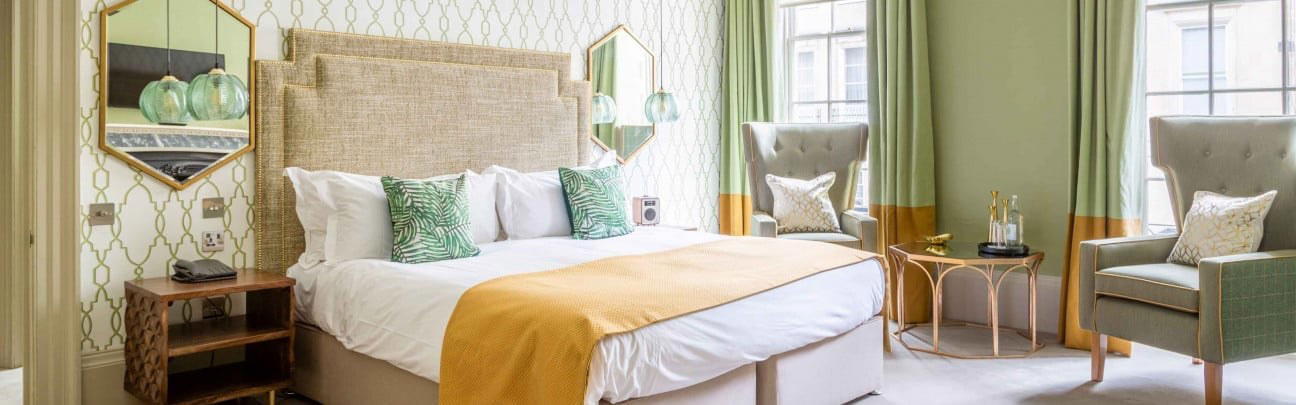
Four Georgian Houses, One Address, No Corporate Distance
Russell Street sits in the upper residential quarter of Bath, a short walk from the Assembly Rooms and close enough to the Royal Crescent to absorb the architectural mood without the coach-party foot traffic that clusters around those more photographed facades. The approach to the Queensberry is quieter than most visitors expect: four Georgian townhouses, commissioned by a local marquis from John Wood the Younger, now connected behind a single hotel entrance. The join is deliberate but unforced, which is probably the useful thing you can say about the hotel's character generally.
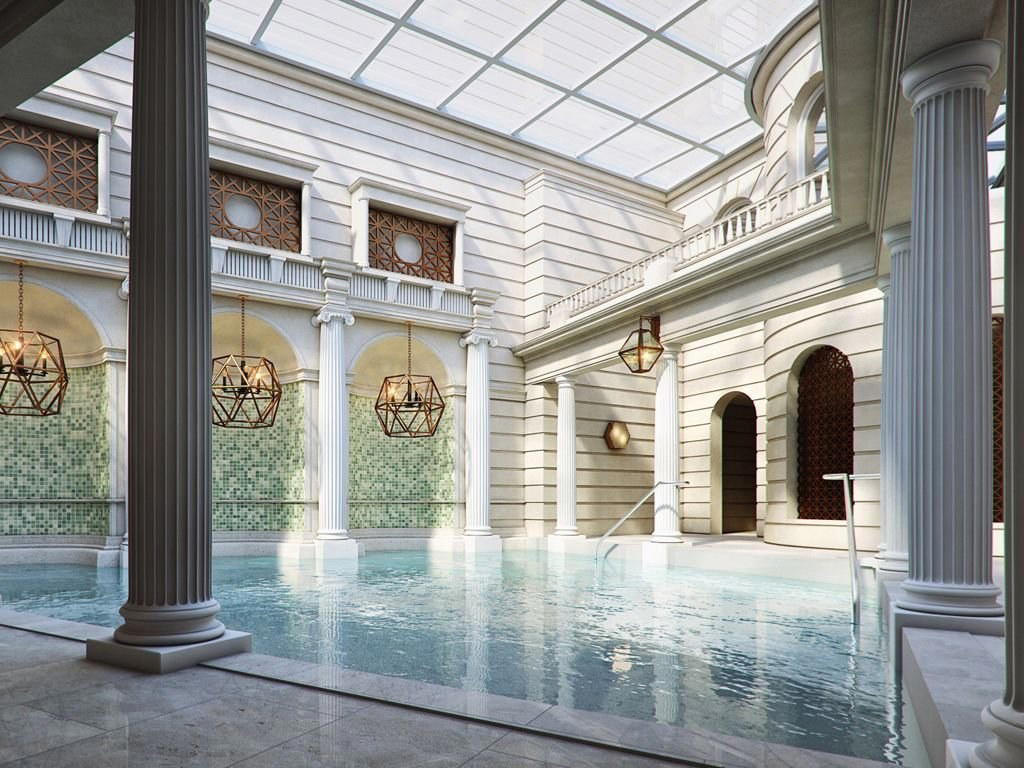
Bath's accommodation market has split into clear tiers. The Queensberry Hotel is a 4-star hotel in Bath with 29 rooms and one Michelin Key, priced from about $220 per night. At the formal end, properties like The Royal Crescent Hotel & Spa and The Gainsborough Bath Spa deliver exactly what their names suggest: ceremony, spa infrastructure, and a polished internationalism that travels well on a hotel-group brochure. Further out, Homewood and The Bath Priory occupy the country-house register, where grounds and dining carry as much weight as the rooms. The Queensberry positions itself differently: an independently owned, city-centre property where the building itself does the talking, and where scale is kept deliberately small at 29 rooms.
What the Address Actually Provides
The Russell Street location is not especially immediately obvious choice for a visitor oriented around the Roman Baths or the high street. That is, to a degree, the point. The Queensberry sits close to the Georgian residential core rather than the tourist circuit, which means the walk into the city is short but the street outside is calm. The Assembly Rooms, the social hub of Jane Austen's Bath and now home to the Fashion Museum, are a few minutes on foot. The Circus, another Wood the Younger commission, is closer still. For anyone whose interest in Bath extends beyond a tick-box visit to the spa complex, the location reads as an asset rather than a compromise.
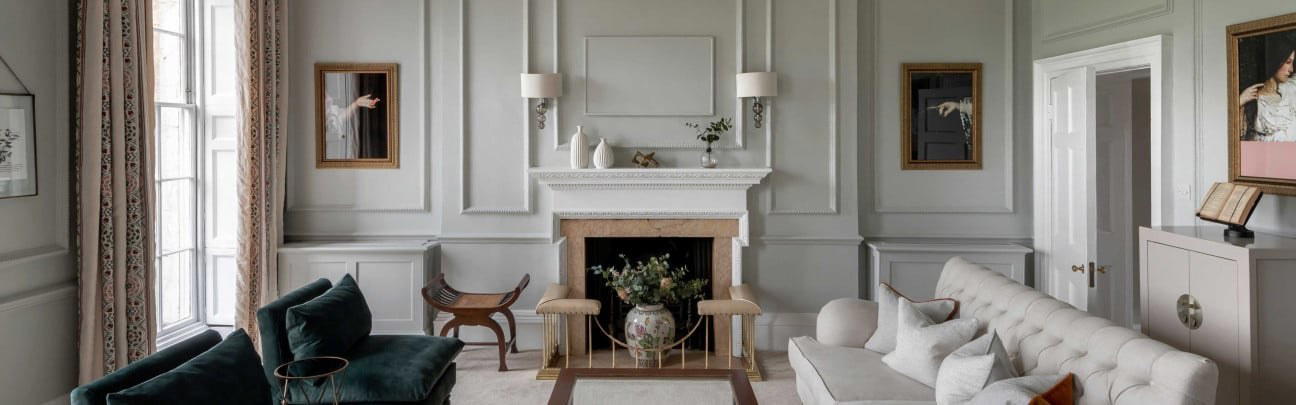
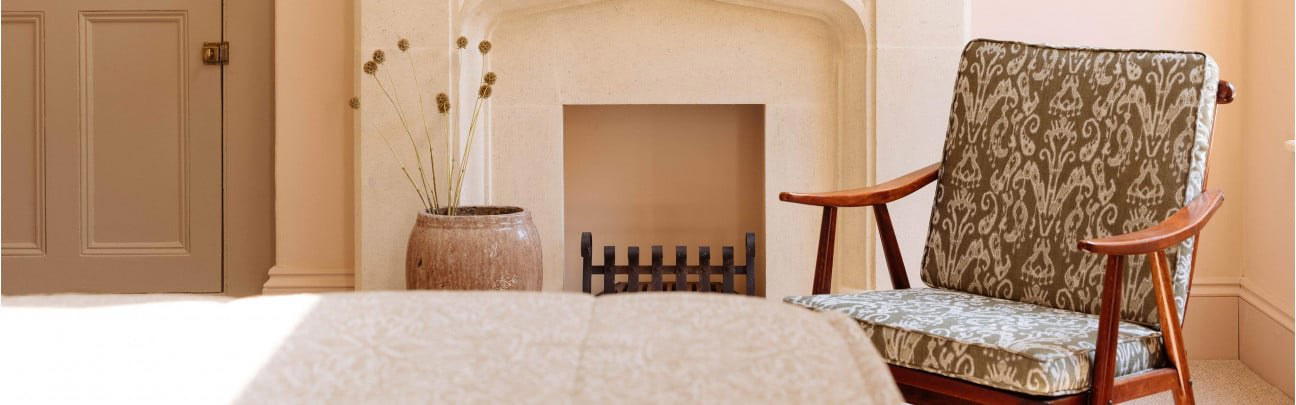
The townhouse format also shapes what the address delivers internally. Because the four houses were designed as residences rather than hotels, the floor plans have been retained in their original quirky configurations. Staircases arrive at unexpected angles, room dimensions vary, and the architectural details, cornicing, proportions, window heights, are period-specific rather than period-pastiche. This is not the kind of Georgian that has been sanded smooth for contemporary consumption. Independent ownership, rather than group management, is part of what preserves that quality. Married-couple ownership brings a directness of curation that is difficult for a multinational to replicate across a portfolio.
Rooms: Atmosphere Over Square Footage
With 29 rooms across four connected townhouses, the Queensberry is not offering presidential-suite volume. Rooms in the main body of the building reflect the original domestic proportions, which means some are compact by contemporary hotel standards. The junior suites offer more space and are the more comfortable choice for longer stays or for guests who want room to work. Rates sit at approximately $220 per night, which places the hotel in the mid-market bracket for Bath city centre, below the formal luxury tier occupied by the Royal Crescent and Gainsborough, but priced on character rather than amenity count.
The rooms' value proposition is architectural atmosphere at a reasonable price point, not spa access or fine-dining tasting menus. Guests who arrive expecting the infrastructure of a resort property will be disappointed. Guests who want to wake up inside a functioning Georgian townhouse, in a part of Bath that still feels residential, tend to find the trade-off direct.
The Wider Southwest and UK Context
The Queensberry belongs to a recognisable type in British hospitality: the independently owned, characterful town-centre property that sustains itself on personality and location rather than group marketing budgets. Comparable examples in the southwest include Lifeboat Inn, St Ives in Cornwall and Avon Gorge by Hotel du Vin in Bristol, both of which trade on address and fabric over scale. Nationally, the pattern shows up in properties like Hope Street Hotel in Liverpool and King Street Townhouse Hotel in Manchester, where converted urban buildings carry most of the editorial weight. In Scotland, Burts Hotel in Melrose and Glasgow Grosvenor Hotel occupy a similar independent-ownership register. The format works when the building is genuinely interesting and the ownership cares about the detail. The Queensberry meets both conditions.
For those extending a UK itinerary, the Queensberry also works well as part of a southwest sequence. The Newt in Somerset and Lime Wood in Lyndhurst offer different registers, estate-scale, destination-led, but share a commitment to specificity of place that makes them natural before-or-after companions to a Bath stay. For those interested in more remote settings, Langass Lodge in Na H-Eileanan an Iar, Dun Aluinn in Aberfeldy, and Glen Mhor Hotel & Apartments in Highland represent the Scottish variant of independently owned character properties. At the other end of the scale, Estelle Manor in North Leigh and Gleneagles in Auchterarder sit in a different league of investment and infrastructure, useful comparisons for understanding where the Queensberry has consciously not competed. For international reference points on independent luxury at scale, Claridge's in London, Aman New York, The Fifth Avenue Hotel, and Aman Venice each illustrate how character and architectural fabric translate across different price brackets. Muir, A Luxury Collection Hotel in Halifax and Hell Bay Hotel in Bryher round out a useful map of the UK's converted-building hotel offer at different scales and price points. The Yard in Bath offers a different entry point within the city itself.
Planning a Stay
The hotel sits at 4-7 Russell Street, Bath BA1 2QF. At rates from around $220 per night across 29 rooms, it books up reliably during Bath's peak periods, the festival calendar and the summer tourist season both compress availability, so advance reservation is advisable. The Queensberry's independent ownership and preserved Georgian fabric are what the rate is paying for, not a spa or a signature restaurant. That clarity of offer is, in practice, what makes it easy to recommend to the right guest.
A Minimal comparable set
Comparable venues nearby, for context on price, style, and recognition.
| Venue | Price | Notes |
|---|---|---|
| The Queensberry HotelThis venue — the venue you are viewing | $$$ | Not listed |
| Homewood | $$$ | Hinton Charterhouse, Charming small manor house hotel on a beautiful estate. |
| The Gainsborough Bath Spa | $$$$ | city center, Georgian heritage luxury hotel blending history and modern comfort |
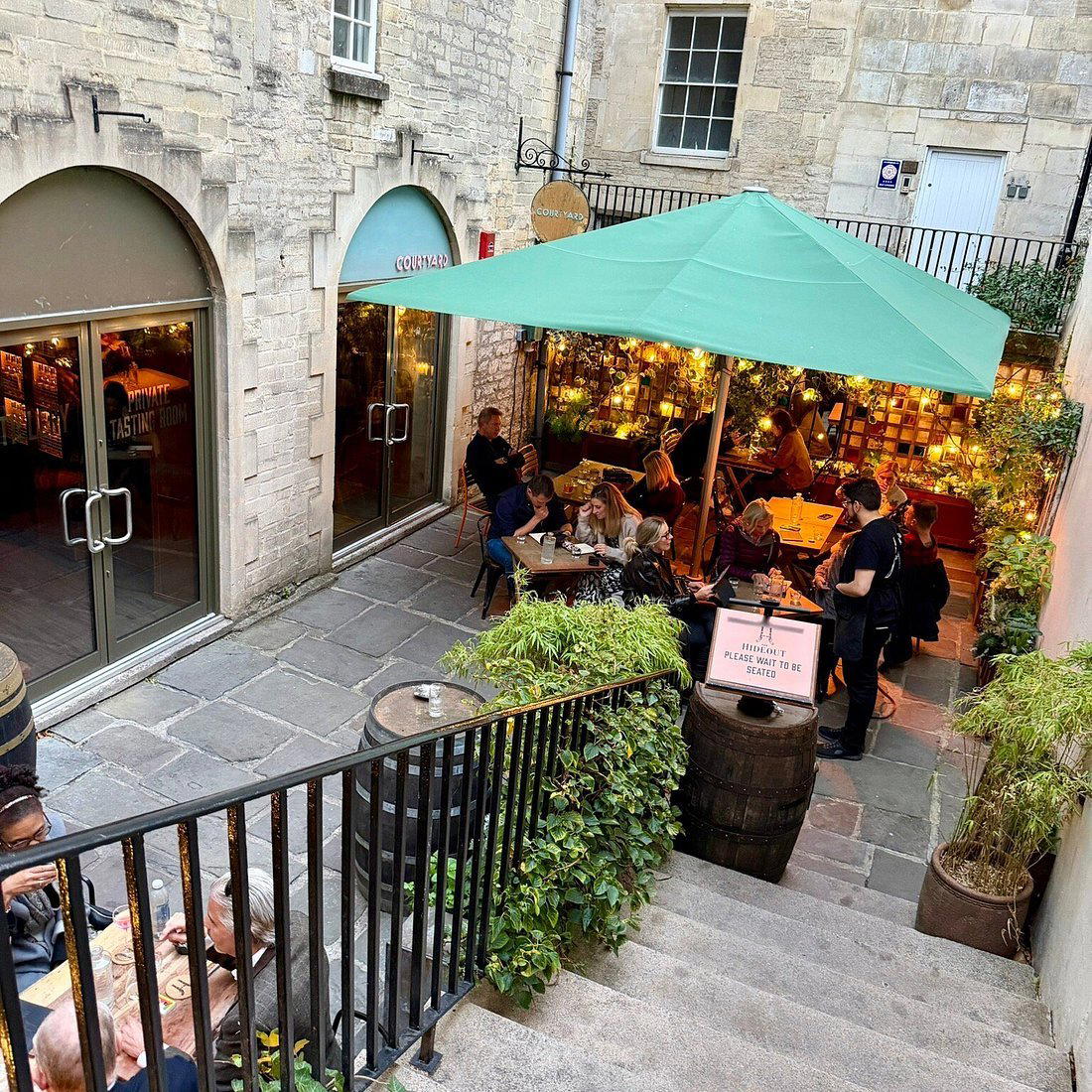
| The Yard in Bath | $$$ | city centre, Refined chic 18th-century coaching inn with Georgian aesthetics. |
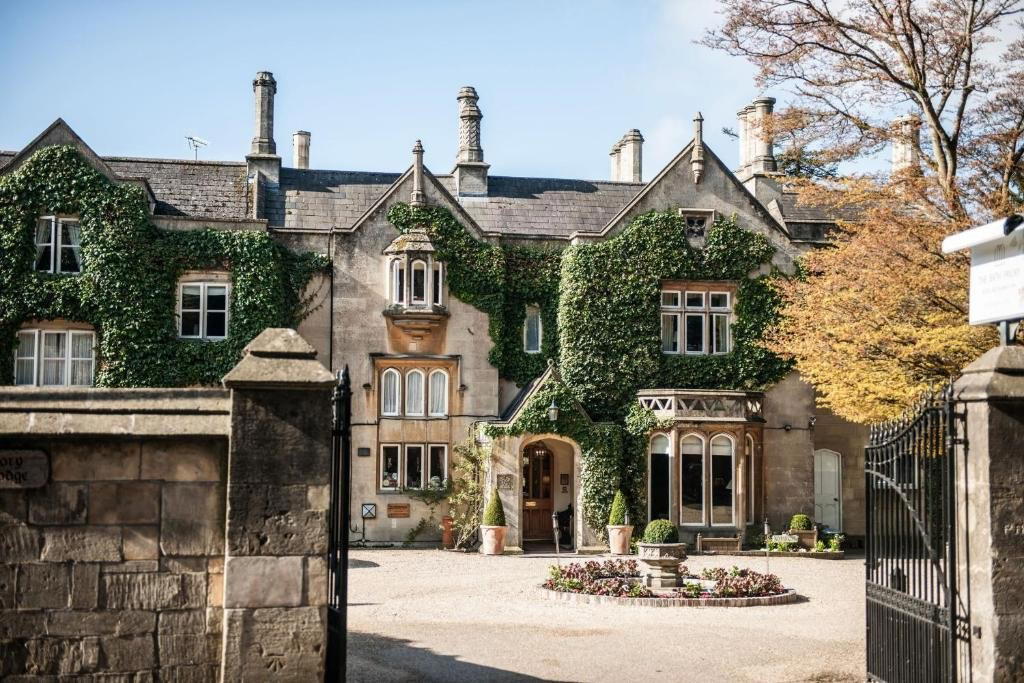
| The Bath Priory | $$$$ | near Royal Victoria Park, Georgian country house with period features and modern comforts |
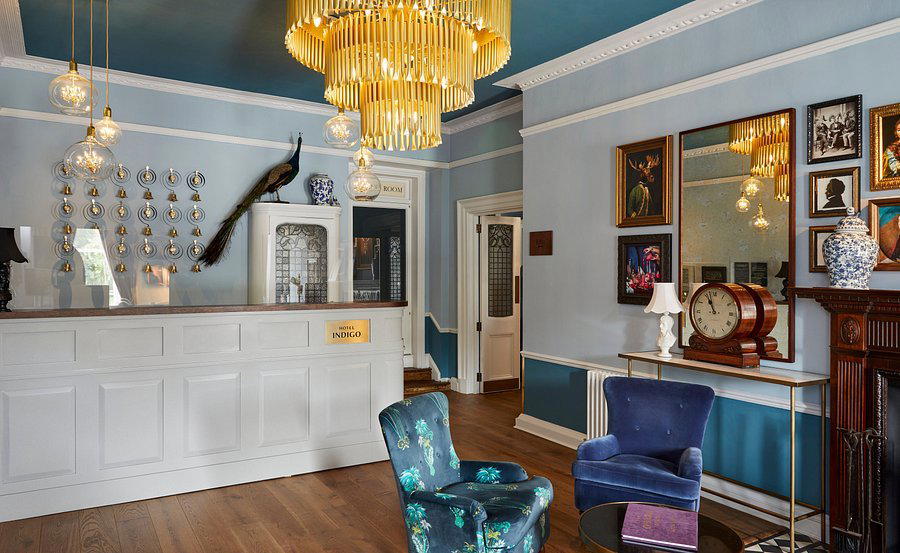
| Hotel Indigo Bath | $$$ | South Parade, Georgian terrace boutique hotel with Regency-inspired playful design |
Recognition history
Dated appearances from independent guides and award organizations, with the underlying list record or original source where available.
Mr & Mrs Smith Smith Seal of Approval
Mr & Mrs Smith
Michelin 1 Key
Michelin
At a Glance
- Elegant
- Romantic
- Sophisticated
- Classic
- Romantic Getaway
- Anniversary
- Weekend Escape
- Celebration
- Historic Building
- Garden
- Terrace
- Wi Fi
- Restaurant
- Bar
- Room Service
- Concierge
- Valet Parking
- Laundry Service
- 24 Hour Front Desk
- Garden
- Wi Fi
- Restaurant
- Bar
- Room Service
- Concierge
- Valet Parking
- Laundry Service
- 24 Hour Front Desk
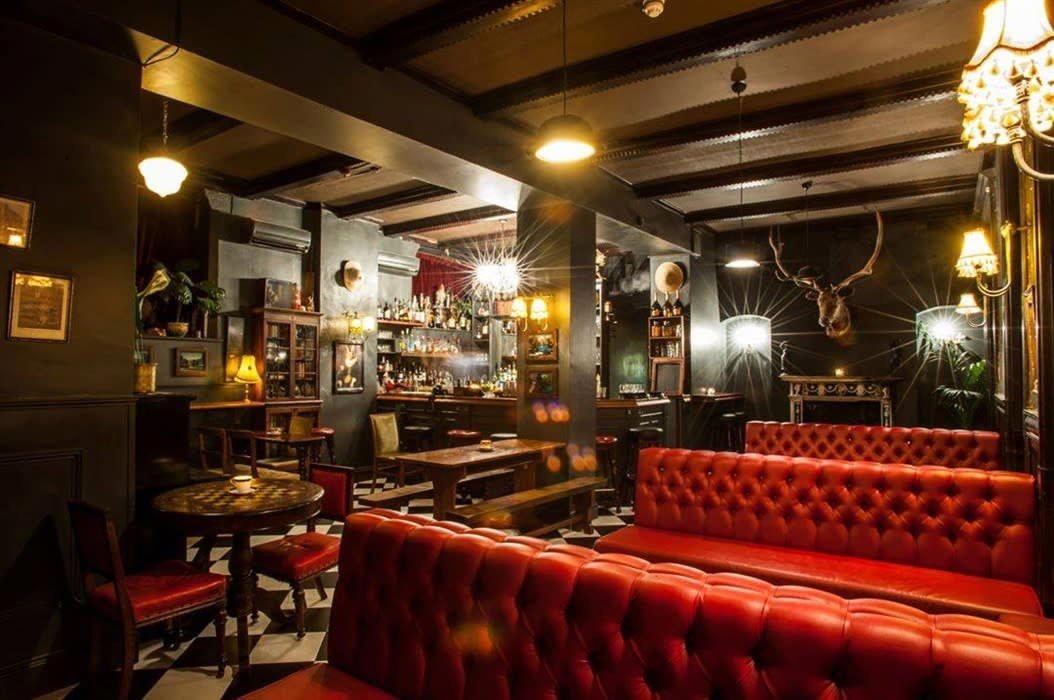
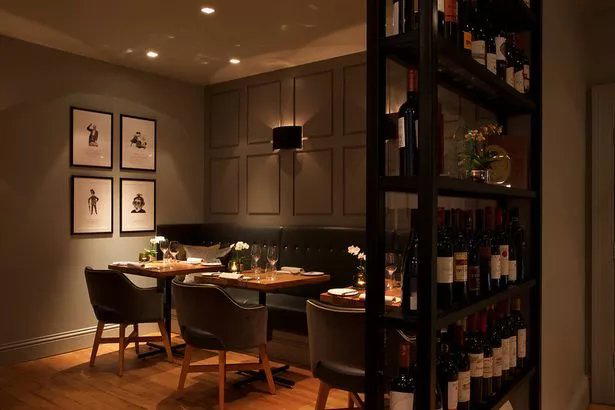
Warm, refined atmosphere with individually decorated rooms, cozy reception areas, fireplace in lobby, and garden terrace; described by guests as charming, quirky yet elegant with polished attention to detail.