Google: 4.6 · 60 reviews

The Lalu Qingdao holds Michelin Selected status in the 2025 Michelin Hotels guide, placing it among a small cohort of properties in this coastal Shandong city that meet international benchmark standards. Positioned in the Qingdao Economic and Technological Development Zone with views toward the Yellow Sea, it operates in the upper tier of Qingdao's hotel market alongside flagships from international chains.
 Discover on Pearl
Pearl is the En Primeur Club membership app — saves, bookings, and concierge access live there. Same editors, same standards.
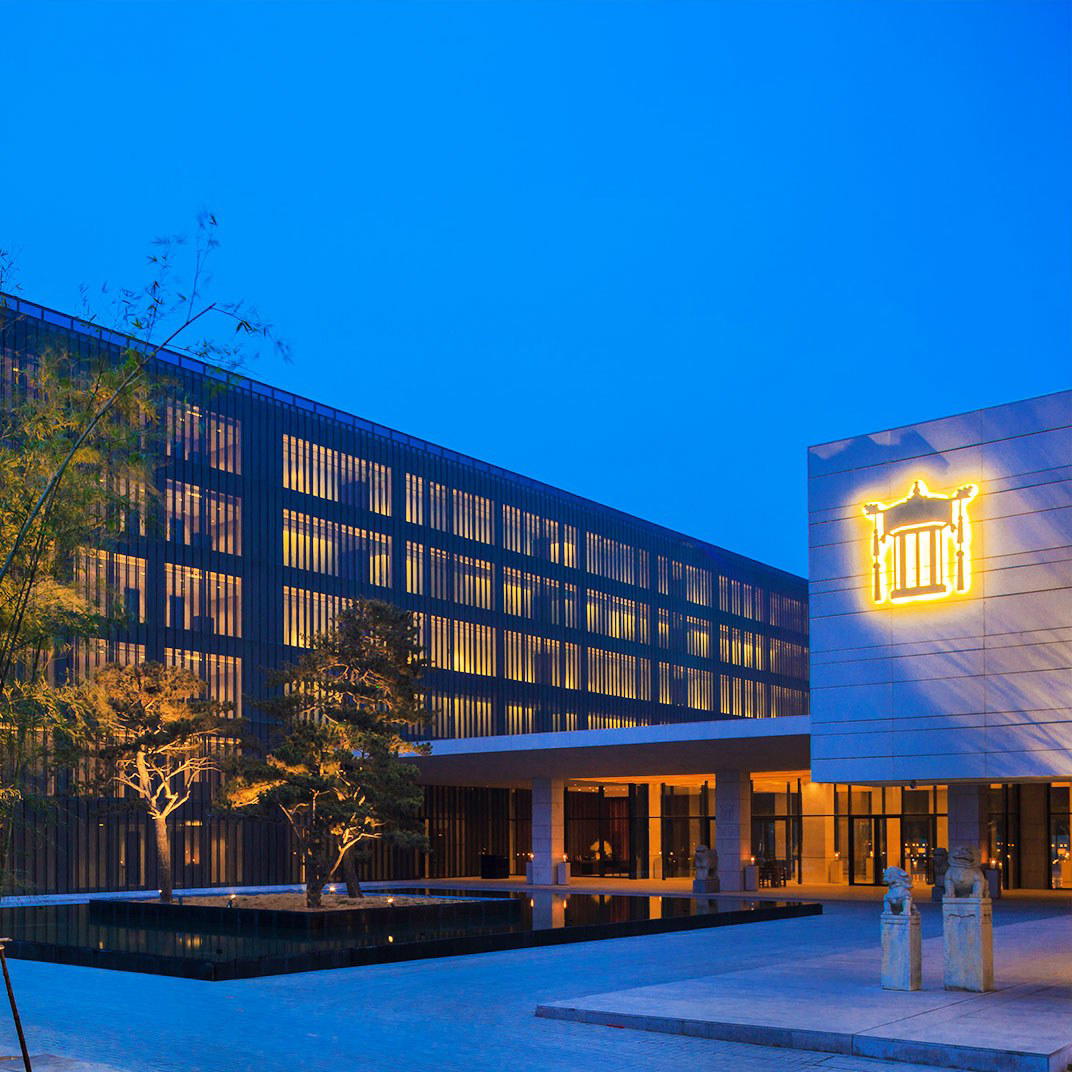
Yellow Sea Latitude: Qingdao's Premium Hotel Tier
Qingdao sits at an unusual intersection for Chinese coastal hospitality: a city shaped by German colonial architecture, a deep-rooted brewing tradition, and a coastline that draws domestic visitors from across Shandong province and beyond. The hotel market here has consolidated around a handful of internationally recognised addresses, and the upper tier is meaningfully smaller than in first-tier cities like Shanghai or Beijing. Within that context, Michelin's 2025 Selected Hotels list offers one of the cleaner signals available for filtering serious contenders from aspirational ones. The Lalu Qingdao carries that designation, placing it in a peer set defined by measurable hospitality standards rather than marketing positioning.
The address — No. 277 Jiulongshan Road in the Qingdao Economic and Technological Development Zone — situates the property away from the old colonial centre around Zhongshan Road and the beer-culture district, out toward the development zone's broader coastal expanse. This matters for how guests use the hotel: it functions less as a base for urban exploration and more as a destination property, where the property itself and its facilities absorb more of the stay. That model, common across premium Chinese resort-adjacent hotels, places greater pressure on the dining and amenity programme than a city-centre address would.
The Dining Programme in Context
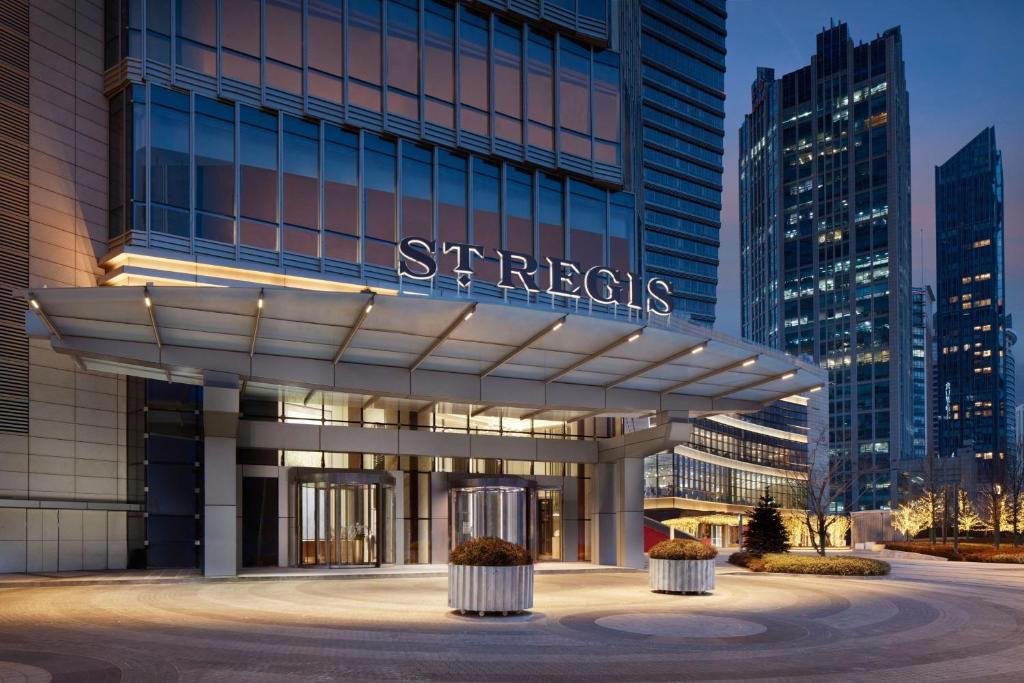
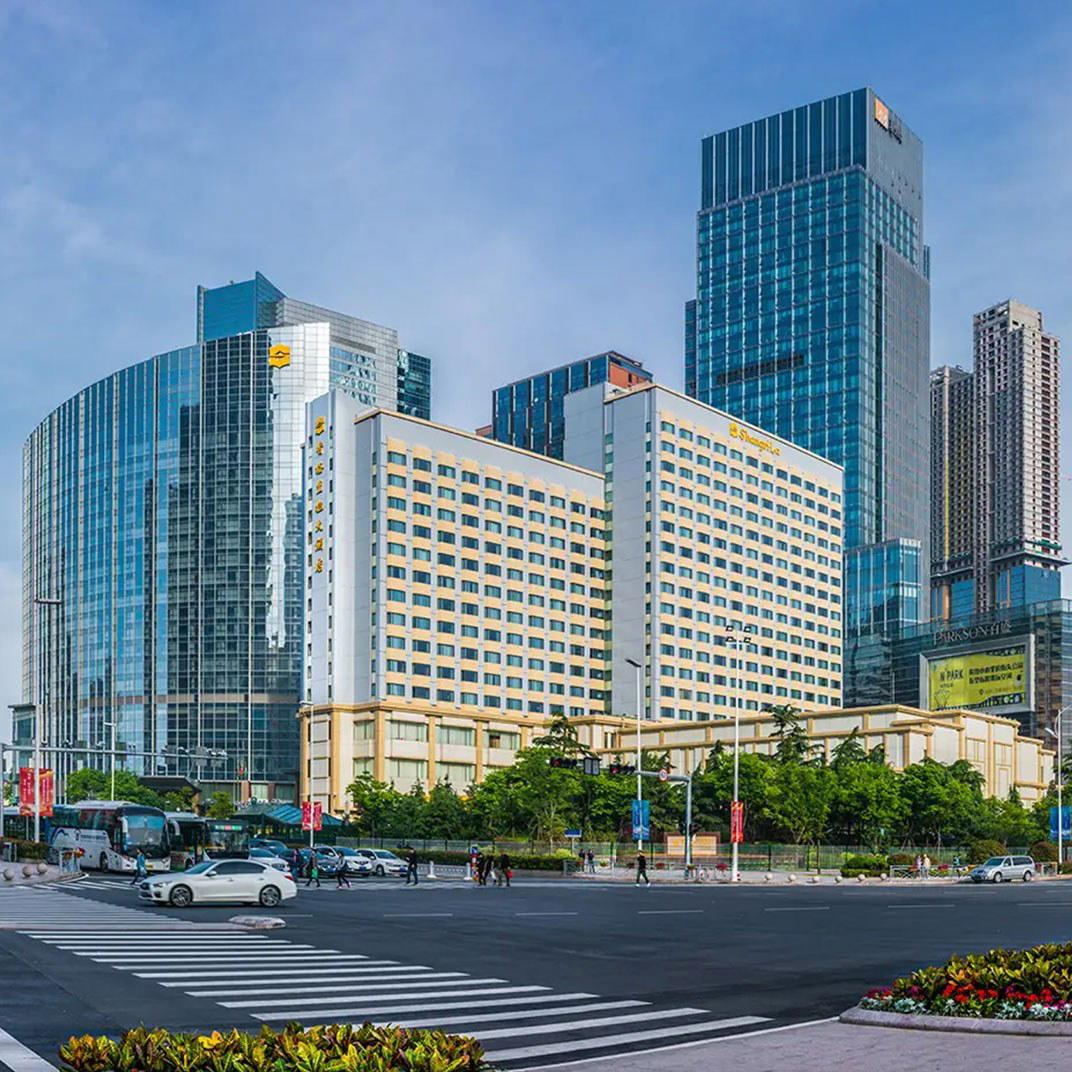
In China's upper-tier hotel market, the food and beverage operation has become a primary differentiator. Properties like the The St. Regis Qingdao and the Hotel Qingdao compete partly on the breadth and calibre of their restaurant and bar offerings, and guests planning longer stays or entertaining business contacts weigh the F&B programme heavily in their selection. The Lalu brand, which developed its identity through its flagship Taiwan property before extending to mainland China, has historically positioned dining as central to its hospitality offer rather than an ancillary revenue stream.
Qingdao's culinary character is defined by the sea. Shandong cuisine , one of China's eight recognised regional traditions , relies on seafood handled with relative restraint compared to the bolder flavours of Sichuan or Cantonese cooking. Local staples include fresh clams, sea cucumber, and various shellfish drawn from Yellow Sea waters, alongside the braised and roasted preparations that mark lu cai (Shandong cooking) more broadly. A hotel dining programme operating seriously in this market should, in principle, engage with that regional identity rather than defaulting to a generic international menu. Whether The Lalu Qingdao's restaurants do so in practice is a question that requires on-the-ground verification beyond the scope of publicly available data , but the expectation is baked into any premium property operating at Michelin Selected level in this city.
The development zone location also raises a practical point about dining access. Guests staying here are less likely to walk out to a dense neighbourhood restaurant strip, which in turn increases the weight placed on the in-house food and beverage options for everyday meals. For properties in similar positions , compare, for example, the resort-adjacent positioning of Banyan Tree Sanya in Hainan, or the more urban density available to guests at JW Marriott Hotel Shanghai at Tomorrow Square , the trade-off is autonomy versus self-sufficiency. The Lalu Qingdao occupies the latter position.
How The Lalu Sits in the Wider China Hotel Market
Michelin's hotel selection programme, which expanded significantly in China across its 2024 and 2025 editions, applies a framework that evaluates design, service quality, and overall guest experience rather than purely the food offering. Receiving Selected status places The Lalu Qingdao alongside properties that have cleared a baseline that many regional Chinese hotels do not. For context, other Michelin-selected properties across China include The Ritz-Carlton, Xi'an, Conrad Xiamen, and Mandarin Oriental Qianmen in Beijing , addresses that operate at consistent international standards across their room product, dining, and service. The Lalu Qingdao earns its place in that conversation through the same mechanism: a credentialed third-party assessment rather than self-reported positioning.
The broader Chinese coastal resort market has grown considerably competitive. Properties such as InterContinental Chongqing Raffles City and The Hanyu Garden Reserve Suzhou illustrate how Chinese hospitality has divided between large international-brand flagships and smaller, more individually conceived properties. The Lalu has historically occupied a middle position: branded enough to carry international recognition, but with a design and programming identity that avoids being interchangeable with the global hotel chains. How that identity translates in the Qingdao development zone setting is the operative question for prospective guests.
Practical Planning
The Lalu Qingdao is located in the Qingdao Economic and Technological Development Zone, which sits on the western side of Qingdao Bay, separated from the historic city centre by a meaningful distance. Guests arriving at Qingdao Liuting International Airport should factor in travel time to this zone rather than assuming proximity to the centre. The development zone has its own coastal character and is reasonably well connected by road, but it is a distinct part of the city from the tourist-heavy areas around the old German quarter and Tsingtao Brewery.
For guests weighing Qingdao against other Chinese coastal destinations, the city's summer season runs from June through August, when temperatures and visitor numbers both peak. Spring and early autumn offer cooler conditions and thinner crowds, which is generally preferable for guests who want to use the coast without navigating peak-season logistics. The Lalu Qingdao, given its Michelin Selected status and development-zone positioning, is likely to maintain availability more easily than properties in the densely booked historic centre during high season , though direct booking confirmation would be required for any specific dates.
Those building a broader China itinerary around coastal and resort properties might also consider The St. Regis Shenzhen Bao'an, InterContinental Quanzhou, or LN Hotel Five in Guangzhou for comparative reference. Further afield, properties like Hylla Vintage Hotel in Lijiang, Songtsam Linka Retreat Lhasa, and Songtsam Meili Lodge represent the more immersive, remote end of the Chinese hotel spectrum , a different peer set, but useful for understanding the full range of options. For our complete overview of dining and accommodation options in the city, see our full Qingdao restaurants guide.
Booking and Cost Snapshot
These are the closest comparables we have in our database for quick context.
| Venue | Price | Awards | Notes |
|---|---|---|---|
| The Lalu Qingdao | This venue | ||
| Conrad Xiamen | |||
| Rosewood Beijing | |||
| Banyan Tree Macau | |||
| The Ritz-Carlton, Xi'an | |||
| Waldorf Astoria Shanghai on the Bund |
Continue exploring
More in Qingdao
Restaurants in Qingdao
Browse all →
At a Glance
- Scenic
- Modern
- Minimalist
- Elegant
- Quiet
- Sophisticated
- Romantic Getaway
- Wellness Retreat
- Anniversary
- Weekend Escape
- Beachfront
- Destination Spa
- Panoramic View
- Waterfront
- Garden
- Terrace
- Wifi
- Pool
- Spa
- Fitness Center
- Room Service
- Concierge
- Business Center
- Airport Shuttle
- Restaurant
- Sauna
- Hot Tub
- Private Beach
- Yoga Classes
- Babysitting
- Waterfront
Zen-inspired minimalist design with grand, opulent spaces arranged around a Japanese courtyard; soft natural lighting through expansive windows showcasing panoramic ocean views; serene and contemplative atmosphere blending Confucian philosophy with contemporary luxury.