The Ginger Pig - Restaurant & Rooms
A restaurant and rooms address on Hove Street, The Ginger Pig sits in the quieter, residential edge of Brighton and Hove where the city's seaside energy softens into neighbourhood rhythm. The ground floor dining room draws on the area's long tradition of produce-led coastal cooking, while the rooms above offer an alternative to the seafront hotel circuit for travellers who prefer character over convention.

Pearl is the En Primeur Club membership app, where members save venues, book tables and use the concierge.
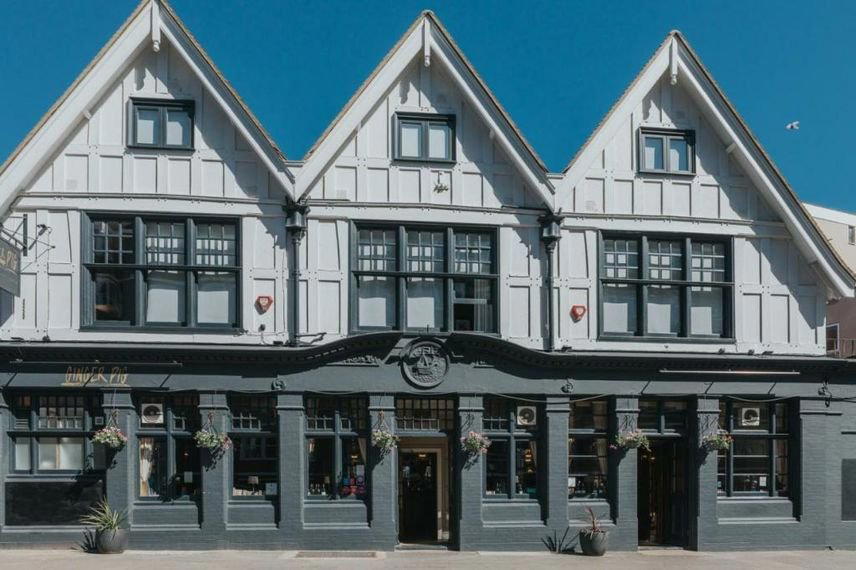
Where Hove's Residential Edge Meets the Plate
The stretch of Hove Street that runs between the seafront and the low-rise terraces behind it has always occupied a slightly different register from the bustle of central Brighton. The streets here are quieter, the buildings older, and the businesses that survive tend to do so through local loyalty rather than tourist footfall. It is into this context that The Ginger Pig - Restaurant & Rooms fits: a combined dining and accommodation address at 3 Hove St, sitting at the point where the seaside resort city gives way to the settled residential character of Hove proper.
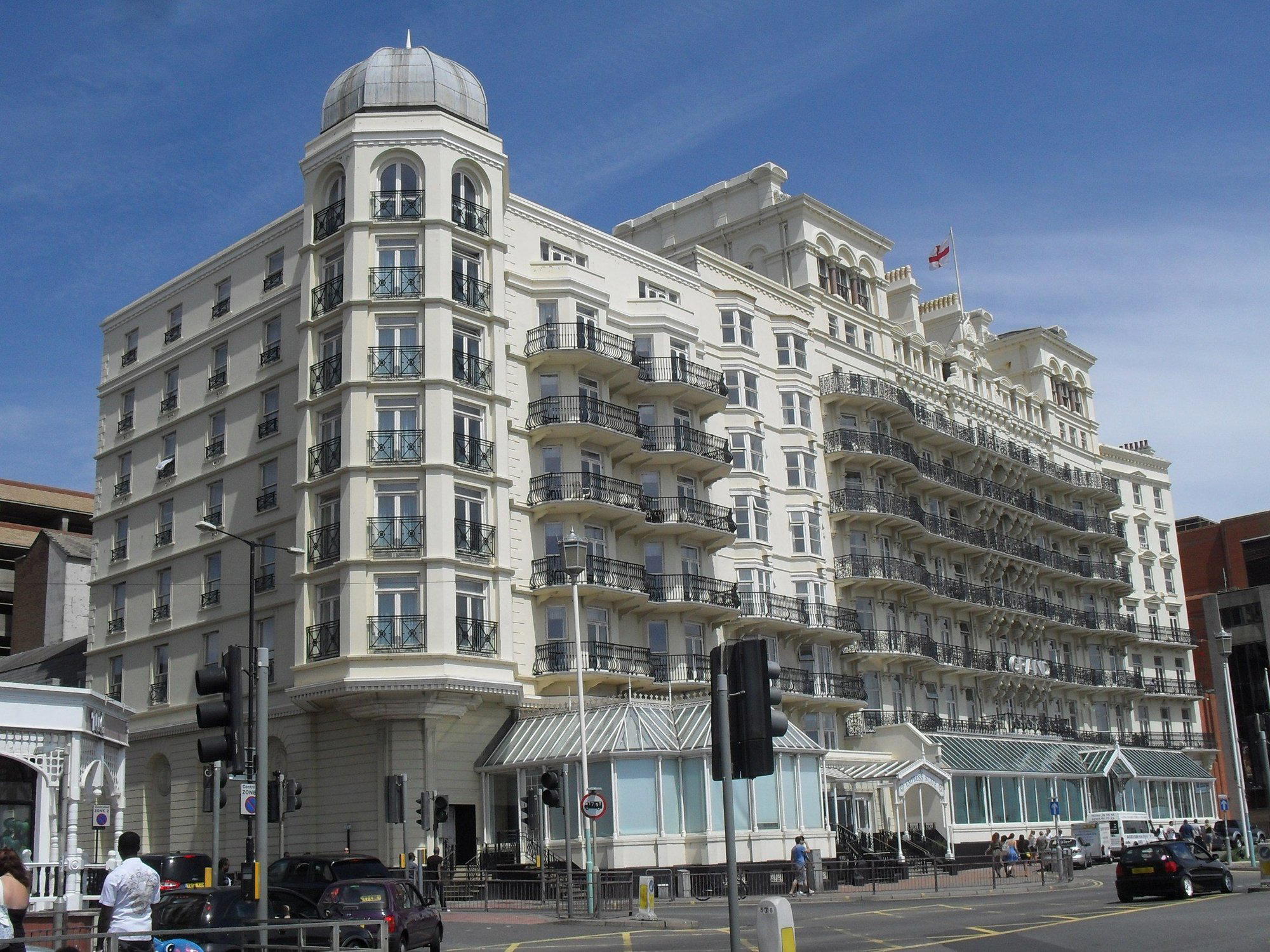
Brighton and Hove's accommodation market has split in recent years into two fairly distinct tiers. On one side sit the larger seafront hotels, addresses like The Grand Brighton and Harbour Hotel Brighton, which trade on scale, sea views, and established brand recognition. On the other sit smaller, more character-driven properties, among them Artist Residence Brighton, Drakes Hotel, Hotel Una, and Hotel Nineteen, that position around design, intimacy, and a more neighbourhood-specific sense of place. The Ginger Pig belongs to this second cohort, combining a restaurant on the ground floor with rooms above in a format that the UK coastal scene has long favoured but Brighton has historically underdelivered on compared to competitors like the Cornish coast or the North Norfolk shoreline.
The Building and Its Context
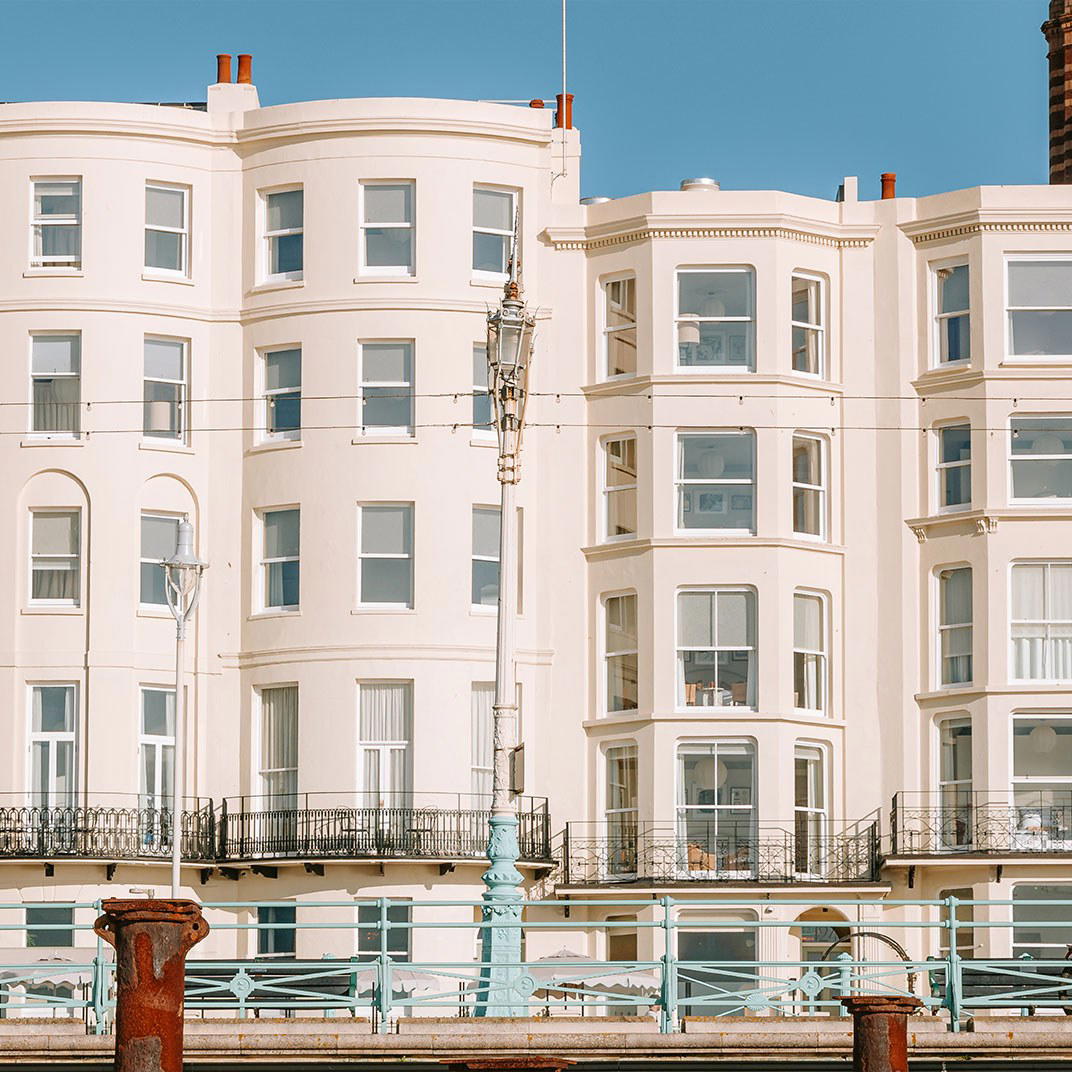
The heritage angle here is worth pausing on. Hove's Victorian and Edwardian residential stock forms the architectural backbone of this part of the city, and properties on streets like Hove Street have often seen lives as boarding houses, small hotels, and private clubs across the decades. The format of restaurant-with-rooms is itself a distinctly British tradition, one that borrows from the coaching inn model and found its contemporary expression through operators like the Pig hotel group, no direct relation to this address, though the naming alignment is worth noting for travellers arriving with assumptions. The Ginger Pig is an independent address, and that independence is part of what gives it a different proposition from branded coastal hotel programmes.
For comparison, properties operating at the upper end of the British restaurant-with-rooms category, think Lime Wood in Lyndhurst or The Newt in Somerset, tend to anchor their identity around a clearly articulated food programme and a designed estate. At the more intimate, urban end of the same spectrum, the model is leaner: a kitchen that reflects the city it sits in, rooms that offer an alternative to the anonymous, and a pace that suits guests who have come to explore a neighbourhood rather than to be insulated from one.
Brighton and Hove as a Dining City
Brighton's food scene has matured considerably since the early 2000s, when the city's reputation rested more on late-night energy than on considered cooking. The arrival of producers' markets, a growing network of independent restaurants in the North Laine and Kemptown districts, and a broader shift in the UK toward provenance-led cooking have all contributed to a city that now punches above its size for dining. Hove, specifically, has developed a dining character that is somewhat distinct from Brighton's more theatrical, visitor-facing offer: quieter rooms, regulars who know the menu, and a focus on the kind of cooking that works equally well on a Tuesday in February as on a Saturday in August.
That seasonal durability matters in a coastal city. Brighton and Hove sees significant visitor fluctuation between the summer months, when the seafront fills and restaurant covers spike, and the quieter autumn and winter period, when the city's character becomes more local and the dining rooms that survive are those with genuine neighbourhood roots. For travellers considering a visit outside peak season, this is actually an argument in favour of addresses embedded in the residential grid rather than on the seafront strip. The cooking tends to be more consistent, the rooms easier to book, and the experience closer to what the city actually is when it is not performing for visitors.
For those building a broader UK coastal itinerary, the contrast is instructive. Cornwall's Lifeboat Inn in St Ives and the South West's wider hotel circuit operate at a different seasonal rhythm, while Avon Gorge by Hotel du Vin in Bristol offers a point of comparison for the urban-heritage hotel format further west.
How It Sits in the Brighton Accommodation Picture
Travellers who arrive at Brighton station and head directly to the seafront will find a well-documented hotel corridor. Those willing to walk ten minutes west into Hove encounter a quieter proposition. The trade-off is direct: less immediate proximity to the pier and the Lanes, but a more residential character and, in some cases, a more considered dining offer at street level.
Across the UK, small independent restaurant-with-rooms addresses have demonstrated staying power in cities where the food programme is strong enough to generate its own draw. In Scotland, properties like Burts Hotel in Melrose and Langass Lodge operate on a similar logic: the kitchen anchors the stay, and the rooms serve guests who came primarily to eat well in a specific place. In England's urban hotel market, the equivalent positioning is occupied by addresses like Hope Street Hotel in Liverpool and King Street Townhouse Hotel in Manchester, properties that compete on character and location specificity rather than amenity breadth.
For the full picture of where The Ginger Pig sits within the Brighton and Hove dining and hotel circuit, the EP Club Brighton and Hove guide maps comparable addresses and independent operators across the city.
Planning a Visit
The address, 3 Hove St, Brighton and Hove, BN3 2TR, places the property within walking distance of the seafront and within the established Hove residential grid. For travellers arriving by rail, Brighton station sits roughly a mile to the east, manageable on foot or by a short taxi ride. The Hove Street location makes it well-positioned for guests who want to use the property as a base for both the seafront and the quieter stretches of Hove itself, where independent cafes, wine bars, and delis have accumulated over the past decade into something approaching a genuine neighbourhood dining scene.
Current booking information, room availability, and dining hours are best confirmed directly with the property, as operational details for independent addresses of this type can shift seasonally. EP Club recommends checking ahead, particularly for weekend stays between May and September when coastal demand in Brighton and Hove compresses availability across the independent hotel tier.
Comparable Options
| Venue | Price | Awards |
|---|---|---|
| The Ginger Pig - Restaurant & RoomsThis venue (the venue you are viewing) | Not listed | Not listed |
| Artist Residence Brighton | $100–200 | 1 Michelin Key |
| Drakes Hotel | A Curious Group of Hotels | $200–300 | Not listed |
Continue exploring
More in Brighton
Hotels in Brighton
All hotels in Brighton →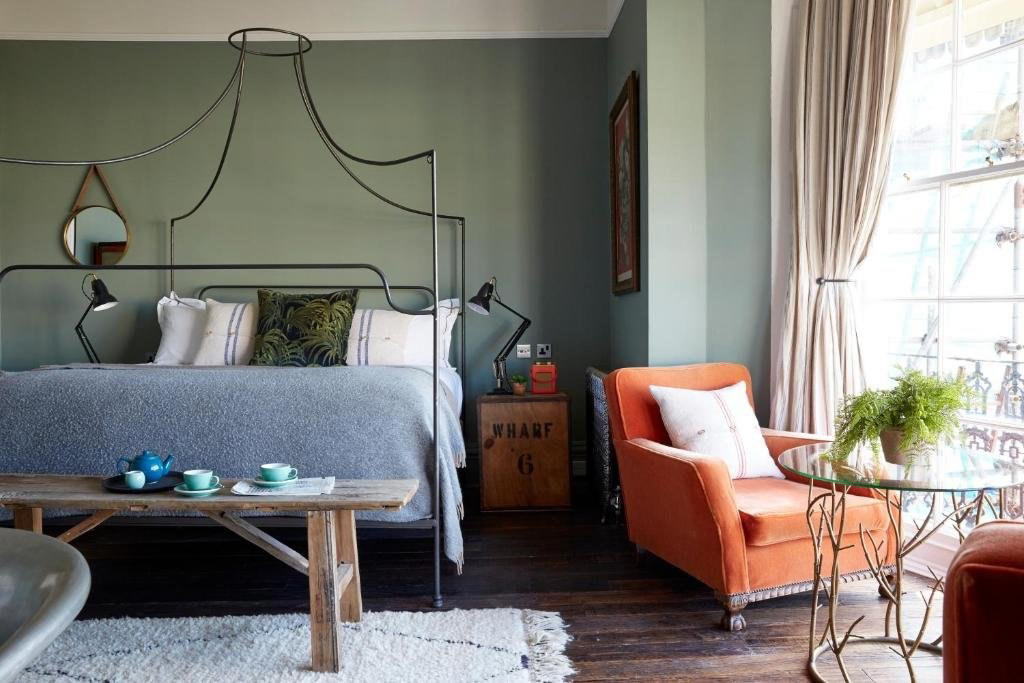
Bars in Brighton
All bars in Brighton →

Details
- Cozy
- Elegant
- Intimate
- Modern
- Romantic
- Romantic Getaway
- Weekend Escape
- Terrace
- Wi Fi
- Air Conditioning
- Restaurant
- Bar
- Room Service
- Street Scene
- Waterfront
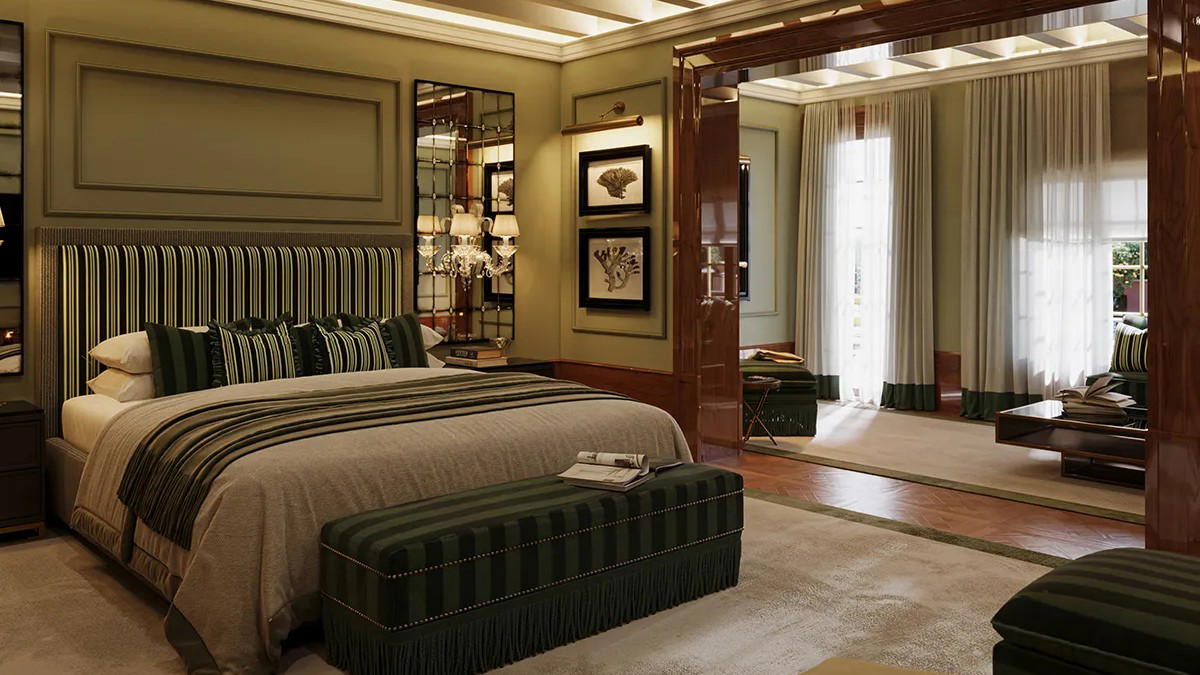
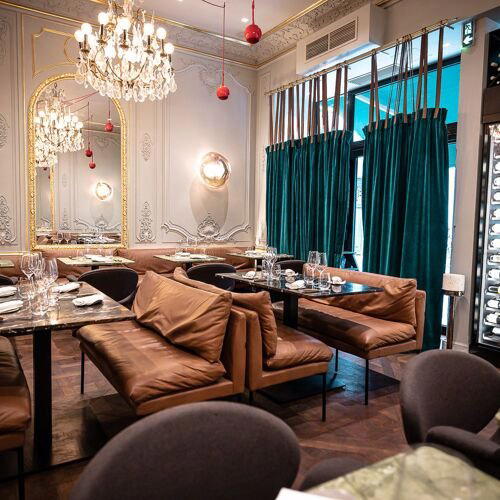
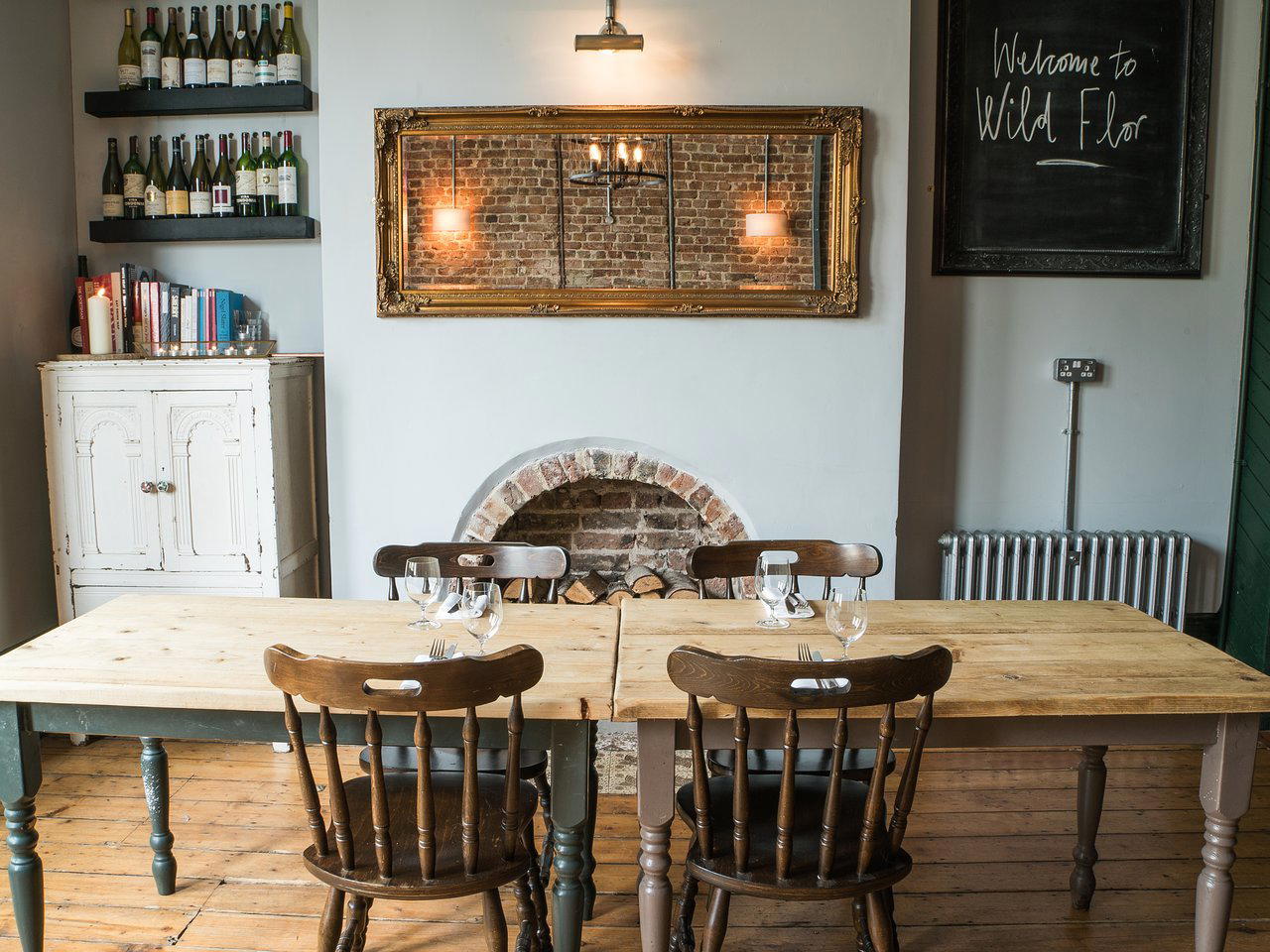
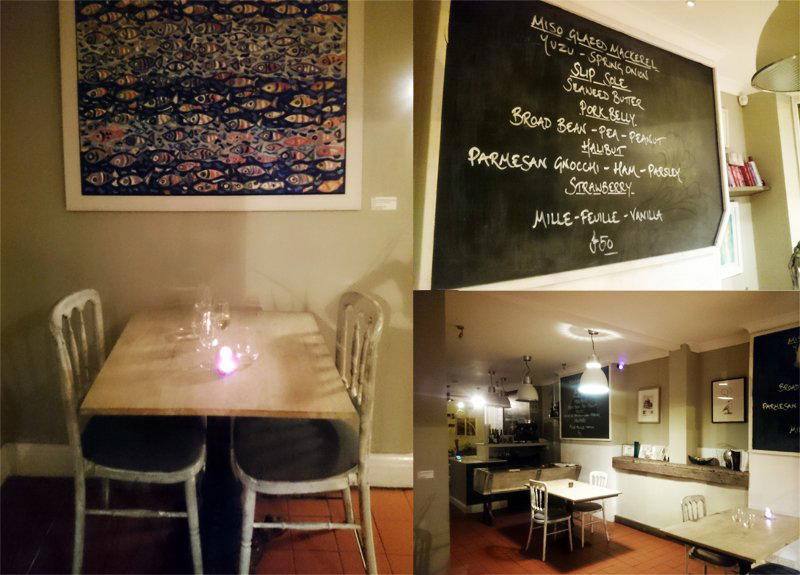
Elegantly understated with minimalist dark grey walls, wooden floors, and contemporary design respecting Edwardian architecture.