Maré by Rafael Cagali


1 Michelin Star · SquareMeal UK Top 100 Restaurants #67 · National Restaurant Awards Top 100 #60
Our verdict
Rafael Cagali's Brighton venture draws on the same cross-continental instincts that earned Da Terra two Michelin stars in London, here applied to a neighbourhood restaurant format on Church Road in Hove. The cooking moves between Brazilian, Mediterranean, Mexican and Japanese reference points, changing with the seasons under the name 'Maré', Portuguese for tide. Sharing is encouraged, and the baba au cachaça has become the dish most regulars refuse to divide.

Pearl is the En Primeur Club membership app, where members save venues, book tables and use the concierge.
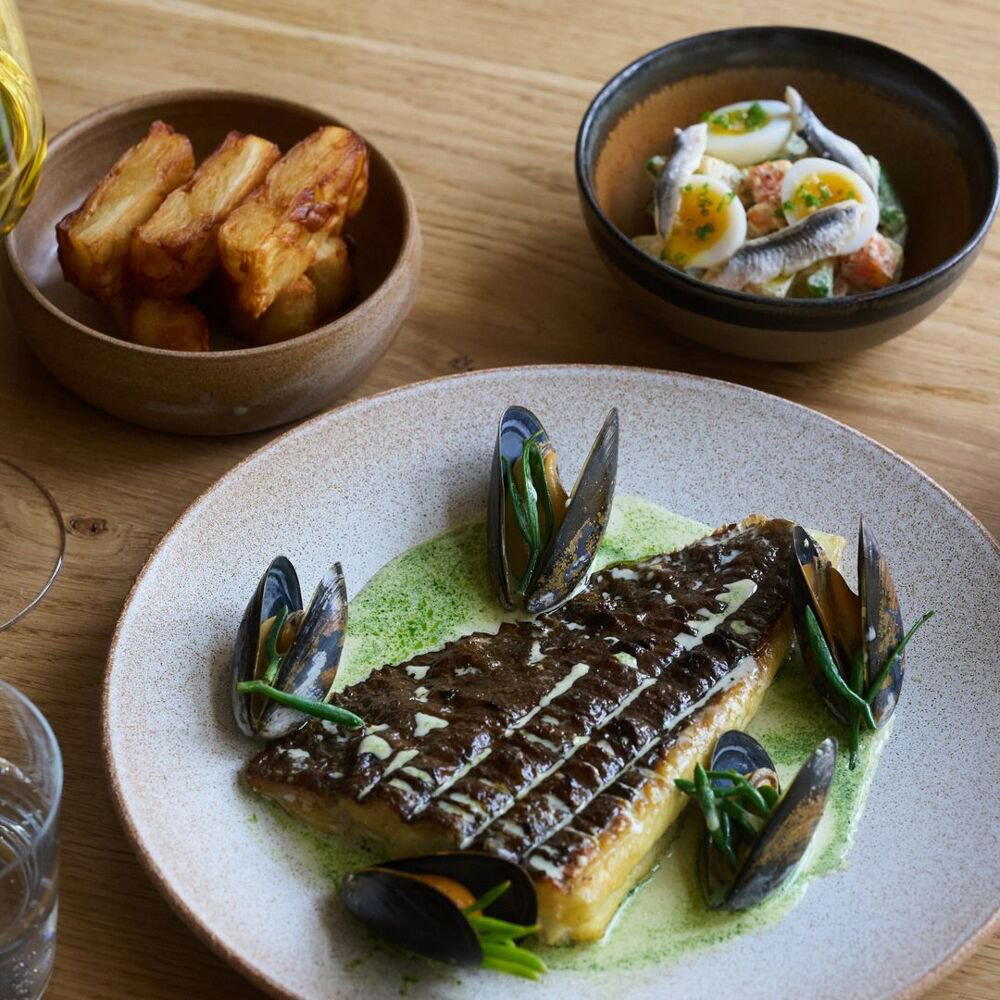
The menu
What to order
- Lobster rice with ox tongue
- Aged hamachi crudo
- Baba au cachaça
Where Church Road Meets the Tide
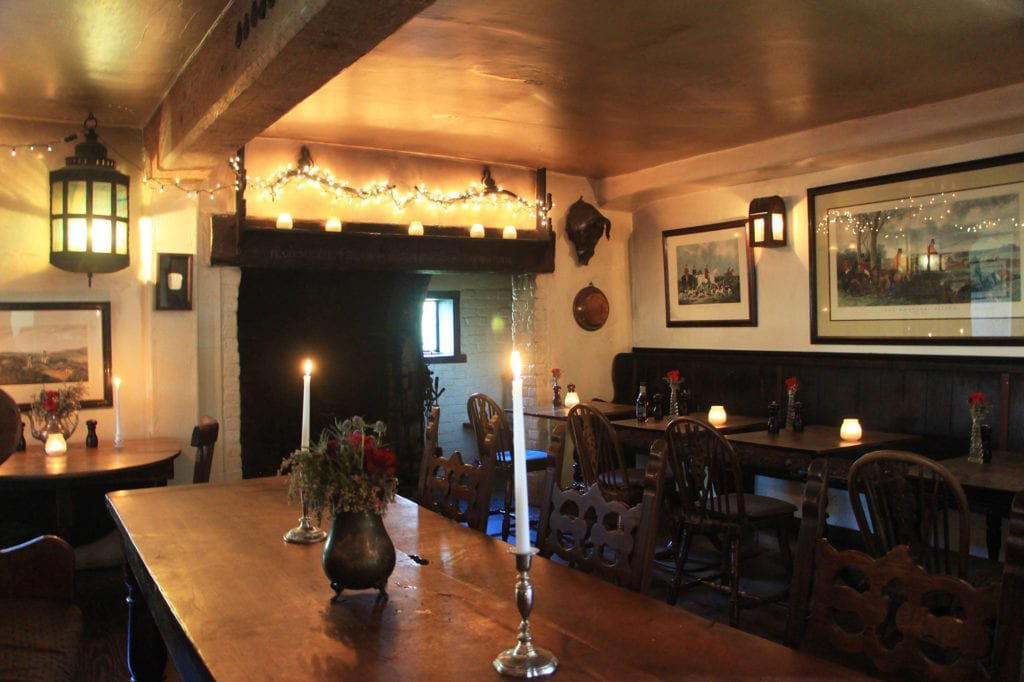
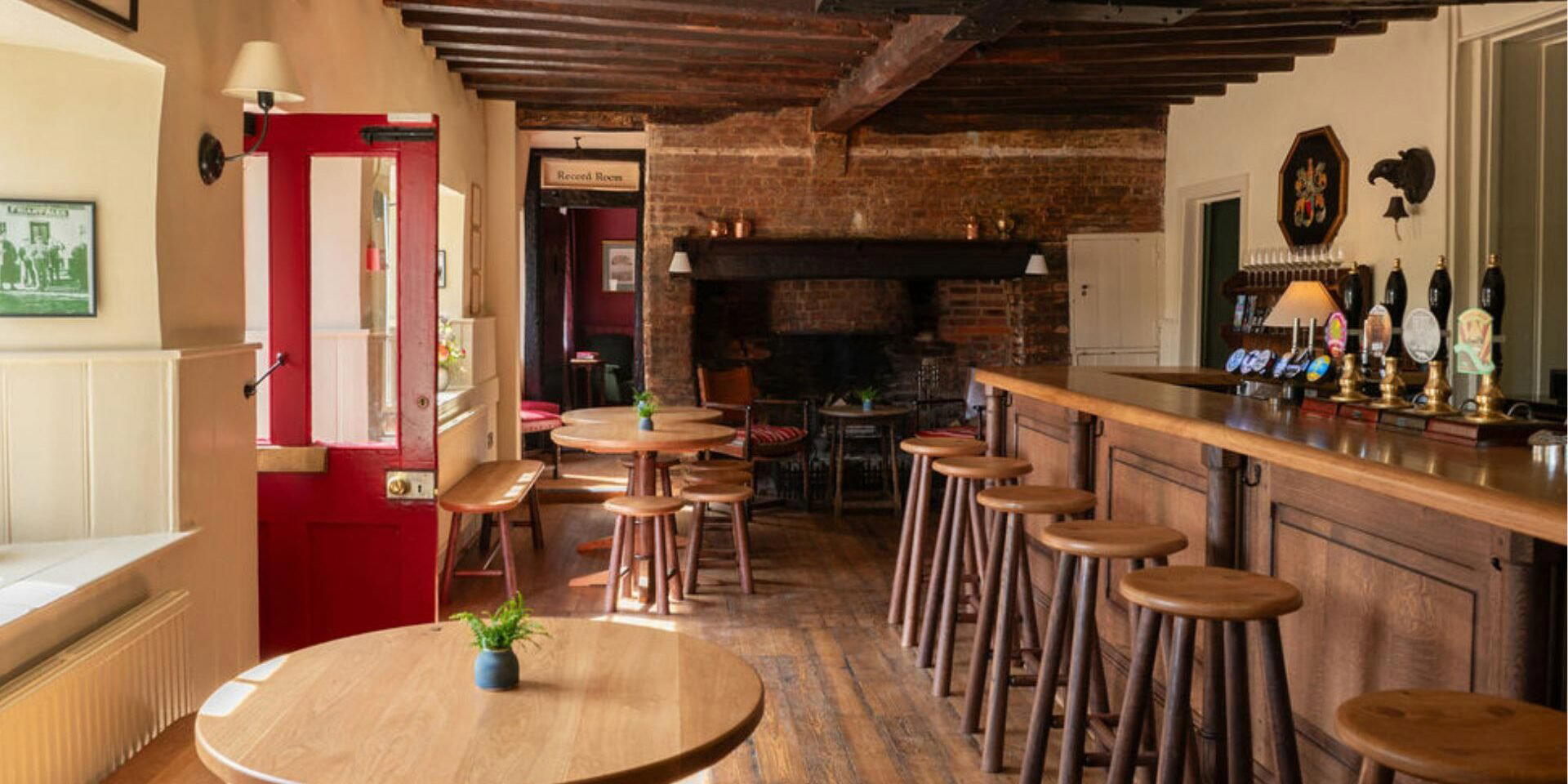
Hove's Church Road runs at a remove from Brighton's seafront bustle, quieter, more residential, the kind of street where a serious restaurant can settle into its surroundings rather than compete with them. Maré occupies that register well. The interior is sleek and modern without the performative minimalism that tends to accompany ambition at this level: clean lines, warm service, and a room that reads as considered rather than designed-for-Instagram. Dishes frequently arrive from the kitchen delivered by the chefs themselves, which compresses the distance between the people cooking and the people eating in a way that shapes the whole evening's tone.
The name, 'Maré', Portuguese for tide, signals the kitchen's operating logic before a plate arrives. Seasonality is the structural principle, meaning the menu shifts as produce does, and no single visit captures the restaurant in a fixed state. For Brighton, a city whose dining scene has grown considerably more serious over the past decade, that kind of disciplined impermanence is still relatively uncommon at this tier.
The Meal as It Moves
Understanding Maré requires thinking about the meal as a sequence rather than a collection of dishes. The kitchen's influences, Brazilian, Mediterranean, Mexican, Japanese, do not arrive simultaneously or in obvious combination. Instead, they appear as distinct registers across the arc of a meal, each course shifting the frame of reference without announcing the shift. That multi-influence approach is a hallmark of the cooking Rafael Cagali developed at Da Terra, his two-Michelin-starred restaurant in London's Bethnal Green, where the tasting menu similarly moves between South American and Italian reference points over the course of an evening.
At Maré, the format is more neighbourhood-scaled. Sharing is actively encouraged, which changes how courses land, plates circle the table rather than arriving in lockstep, and the sequence becomes partly collaborative. Early in the meal, lighter, more acidic preparations tend to set the palate's expectations. As the meal progresses, the kitchen moves toward deeper, more complex territory. The baba au cachaça, the restaurant's signature dessert, built around the Brazilian sugarcane spirit rather than rum, arrives as a closing argument for the evening rather than an afterthought, and most regulars decline to share it.
That reluctance to divide the baba is worth noting as an editorial data point: signature dishes earn their status through the response they provoke, not through menu placement. A dessert that guests resist splitting is a dessert doing its job.
Context: What This Means for Brighton's Dining Scene
Brighton's restaurant tier has been developing clear stratification over recent years. At the mid-market level, venues like Burnt Orange offer Mediterranean-leaning cooking at accessible price points, and Cin Cin occupies the Italian neighbourhood slot with genuine credibility.
Maré occupies that upper register, and its point of comparison is not local. The credential that matters here is Da Terra's Michelin standing in London, which places Cagali in a competitive set that includes destination restaurants operating well outside Brighton: venues like The Ledbury and, further afield, L'Enclume in Cartmel, where the broader logic of seasonally driven, technique-led cooking has shaped an entire regional reputation. The difference at Maré is the neighbourhood format, no tasting-menu formality, sharing encouraged, service described as warm and genial rather than ceremonial.
That positioning matters for the reader making a decision about where to eat in Brighton. Restaurants like Dilsk and Embers are part of a wave of serious cooking arriving in the city, but Maré carries a specific kind of London-earned authority that separates it from venues building their reputations from scratch in Brighton. It is, in effect, a transplant of high-level culinary thinking into a format and location that was previously underserved by it.
Internationally, the cross-cultural tasting-arc format Maré deploys has precedent at the highest levels. Atomix in New York and Le Bernardin both use multi-course sequencing as a primary vehicle for cultural and technical argument, and the approach at Da Terra, which informs Maré, has been shaped by similar thinking. The Brighton version operates at a different scale and price register, but the underlying editorial logic of the meal is the same: sequence is meaning.
Planning a Visit
Maré sits at 60 Church Road in Hove, BN3 2FP, a ten-minute walk from Hove station and straightforwardly reachable from central Brighton. Given the restaurant's profile and the limited seating that a neighbourhood format implies, advance booking is advisable, particularly on weekends or during the summer months when Brighton's visitor numbers peak and competition for serious restaurant seats increases sharply. The seasonal menu means what you eat in spring will differ from what you eat in autumn, which makes timing a genuine editorial variable rather than a trivial logistical one. Those planning around the baba au cachaça specifically should note that signature dishes at this level can evolve, and confirming availability before a special visit is a reasonable precaution.
For a fuller picture of what Brighton and Hove offers at different price points and formats, our full Brighton and Hove restaurants guide maps the scene across cuisines and tiers. Those building a longer trip around the city can also consult our hotels guide, our bars guide, and our experiences guide for a complete itinerary. For those interested in the regional wine context around the south coast, our wineries guide covers the English sparkling producers within reach of the city.
Frequently asked questions
Is Maré by Rafael Cagali better for a quiet night or a lively one?
Maré sits on residential Church Road in Hove rather than in Brighton's busier centre, and the interior is described as sleek and modern, conditions that favour a focused, conversation-friendly evening rather than a high-energy night out. That said, the sharing format and chefs delivering dishes to the table give the meal a social rhythm. Think animated rather than hushed, but not loud.
Is Maré by Rafael Cagali Michelin-listed?
Maré by Rafael Cagali has received recognition including: ‘Maré’ translates to ‘tide’ in Portuguese, reflecting the ever-changing seasonality of the cooking at this neighbourhood restaurant from the acclaimed chef behind London’s Da Terra. The beautiful interior is sleek and modern, while the cook….
What do people recommend at Maré by Rafael Cagali?
The baba au cachaça is singled out as the signature dish, a Brazilian-inflected riff on the classic baba au rhum that has become the menu's most talked-about item. Beyond that, the kitchen ranges across Brazilian, Mediterranean, Mexican and Japanese influences depending on the season, so the wider menu shifts. Ordering across several sharing plates gives the fullest read of what the kitchen is doing.
Where is Maré by Rafael Cagali in Brighton and Hove?
Maré by Rafael Cagali is located at 60 Church Rd, Brighton and Hove, Hove BN3 2FP, United Kingdom, Brighton and Hove.
What's the best way to book Maré by Rafael Cagali?
Maré is from the chef behind London's Da Terra, which means demand at this Church Road address in Hove is serious. Booking ahead is advisable rather than optional, walk-ins are a gamble given the restaurant's following. Check the restaurant's website or current reservation platform for live availability, as contact details are subject to change.
What's the signature at Maré by Rafael Cagali?
The baba au cachaça is the dish most closely identified with Maré, cachaça, the Brazilian sugarcane spirit, replaces the rum of the French original, grounding the dessert firmly in Rafael Cagali's Brazilian heritage. It also captures what the kitchen does more broadly: classical European formats reoriented through South American and wider global references.
Is Maré by Rafael Cagali allergy-friendly?
The sharing-plate format and a menu that draws on Brazilian, Mediterranean, Mexican and Japanese cooking means dishes can involve a wide range of ingredients and potential allergens. The service style is described as warm and attentive, which suggests allergy queries will be handled properly.
Peers Worth Knowing
Comparable venues nearby, for context on price, style, and recognition.
| Venue | Cuisine | Price | Awards | Notes |
|---|---|---|---|---|
| Maré by Rafael CagaliThis venue (the venue you are viewing) | Modern Brazilian-Italian Fine Dining | $50–100 | 1 Michelin Star · SquareMeal UK Top 100 Restaurants #67 | Not listed |
| Tutto | Modern Italian Brasserie | $50–100 | Michelin Plate | West Hill & North Laine |
| etch. by Steven Edwards | Modern British Fine Dining | $50–100 | Michelin Plate · Star Wine List | Central Hove |
| The Salt Room | Seafood Grill | $50–100 | The Good Food Guide GFG Good | Regency |
| The Set | Modern British Tasting Menu | $100–150 | Michelin Plate · The Good Food Guide GFG Very Good | Preston Park |
| 64 Degrees | Modern British Small Plates | Not listed | The Good Food Guide GFG Good | Regency |
Recognition history
Dated appearances from independent guides and award organizations, with the underlying list record or original source where available.
Michelin 1 Star
Michelin
National Restaurant Awards Top 100 #60 · No. 60
National Restaurant Awards · 2026 National Restaurant Awards Top 100
SquareMeal UK Top 100 Restaurants #67
SquareMeal
Continue exploring
More in Brighton
Restaurants in Brighton
All restaurants in Brighton →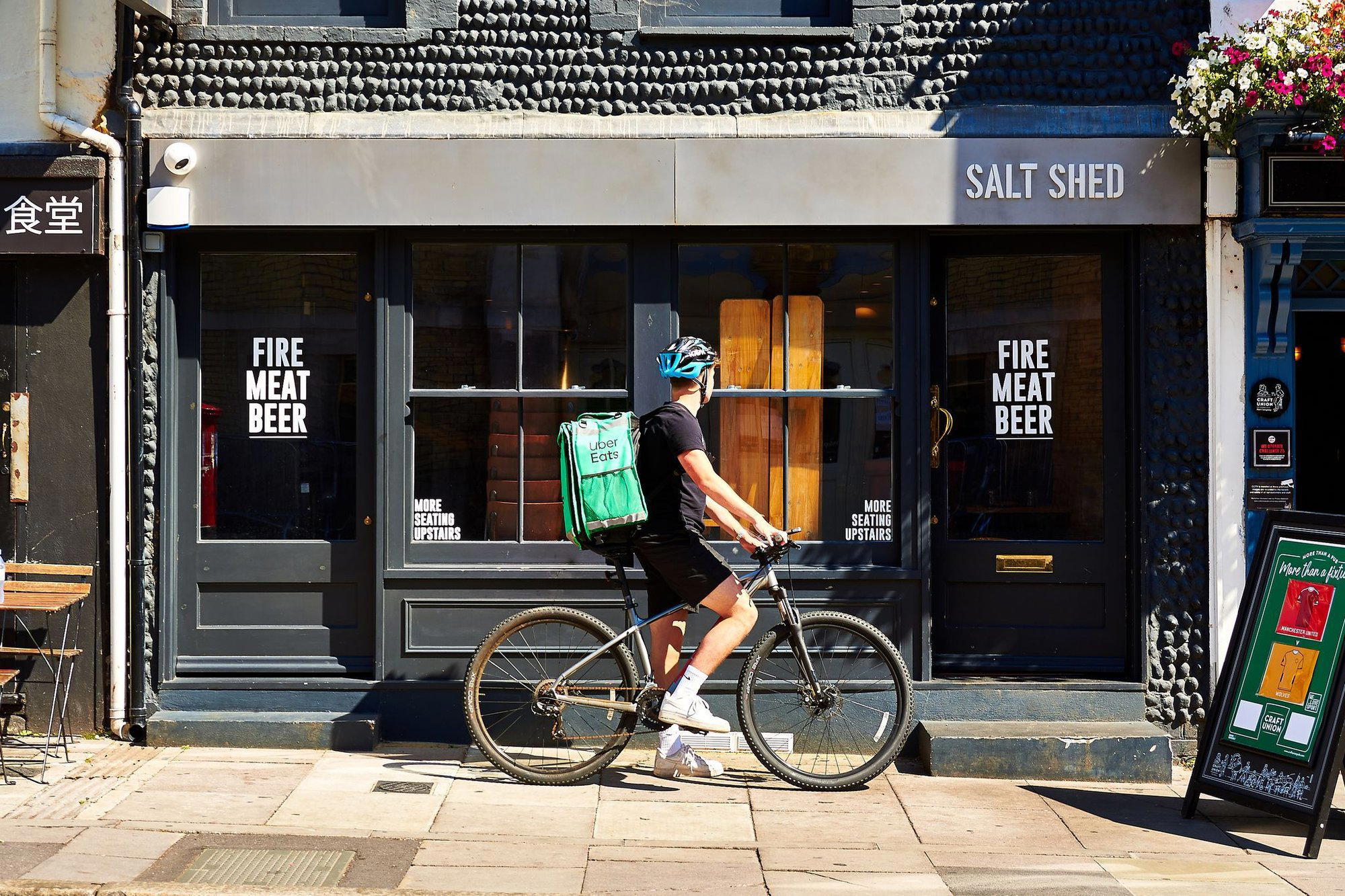
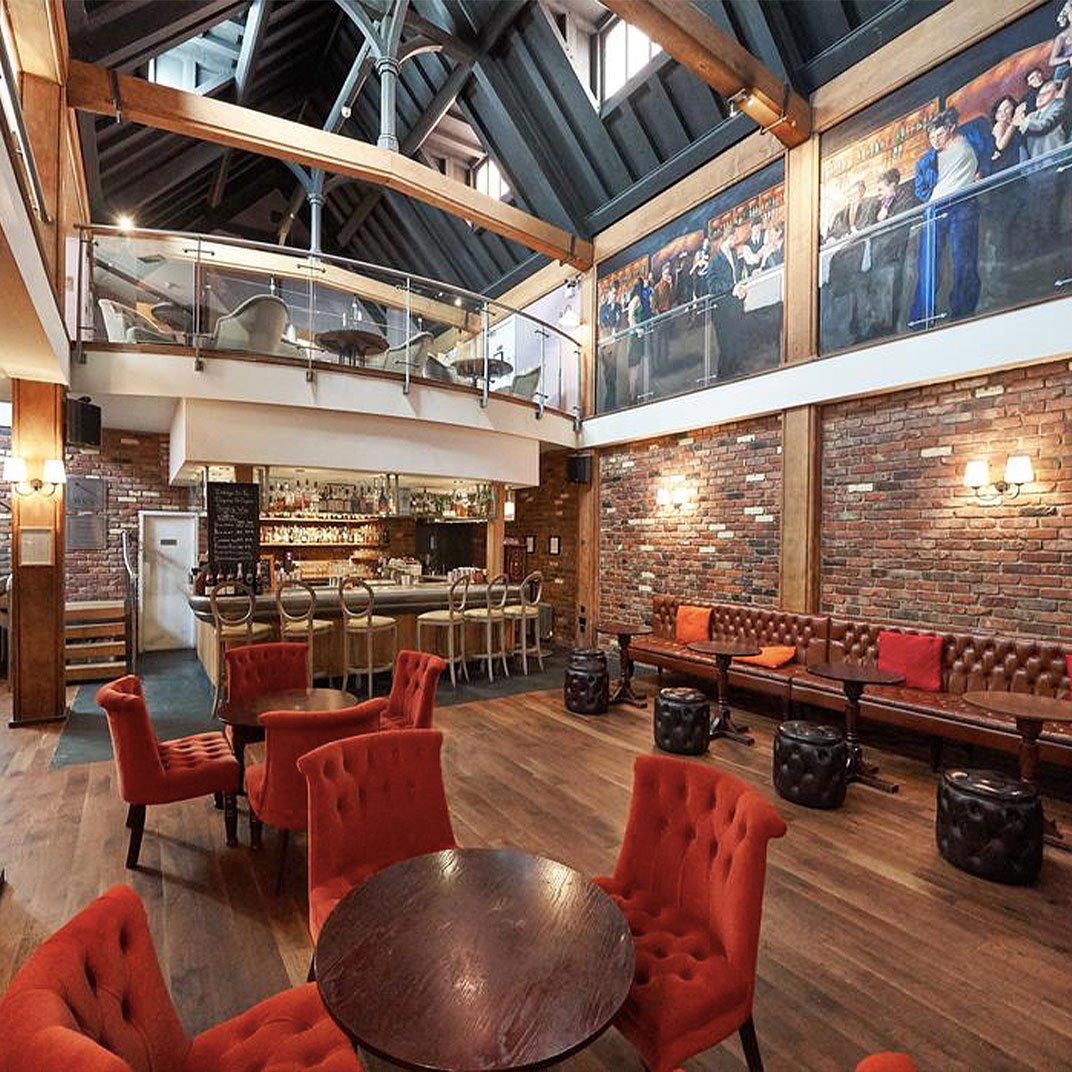
Bars in Brighton
All bars in Brighton →

Details
- Elegant
- Modern
- Intimate
- Sophisticated
- Date Night
- Special Occasion
- Open Kitchen
- Extensive Wine List
- Natural Wine
- Local Sourcing
- Small Plates
- Tasting Menu
- A La Carte
- Wine
Current opening hours
- Monday
- Closed
- Tuesday
- Closed
- Wednesday
- 6–9 PM
- Thursday
- 12–2:30 PM, 6–9 PM
- Friday
- 12–2:30 PM, 6–9 PM
- Saturday
- 12–2:30 PM, 6–9 PM
- Sunday
- 12–3 PM
Hours can change for holidays and private events. Hours as of .
Sleek modern interiors with earthy terracotta tones, warm wood, and a refined relaxed atmosphere.