Little Fish Market



Michelin Plate · AA Rosettes 3 Rosettes · The Good Food Guide GFG Very Good
Our verdict
Little Fish Market occupies a converted fishmonger's on a backstreet close to Hove seafront, running a seven-course tasting menu for roughly twenty diners at a single shared sitting each evening. With a Michelin Plate (2025) and over a decade of refinement behind it, this is one of the south coast's most focused expressions of fine seafood cookery, where classical technique and modern invention share the same plate.

Pearl is the En Primeur Club membership app, where members save venues, book tables and use the concierge.
A Converted Fishmonger's and a Single Sitting
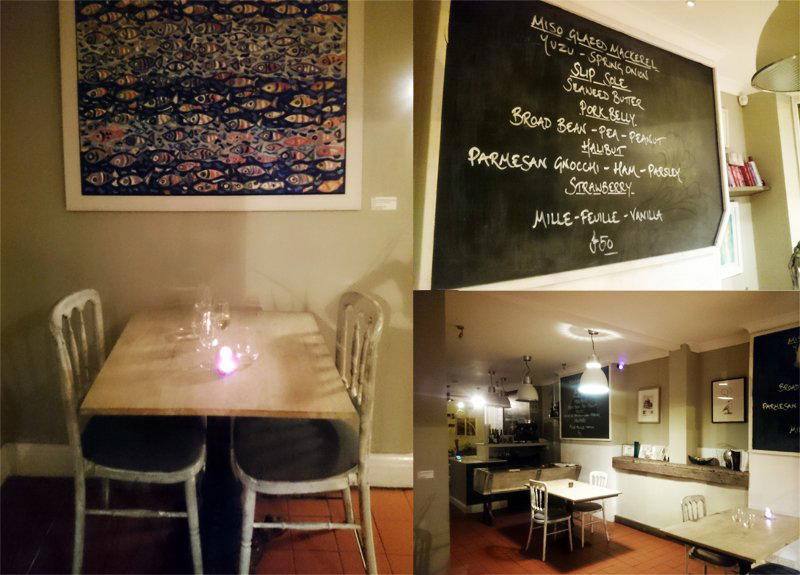
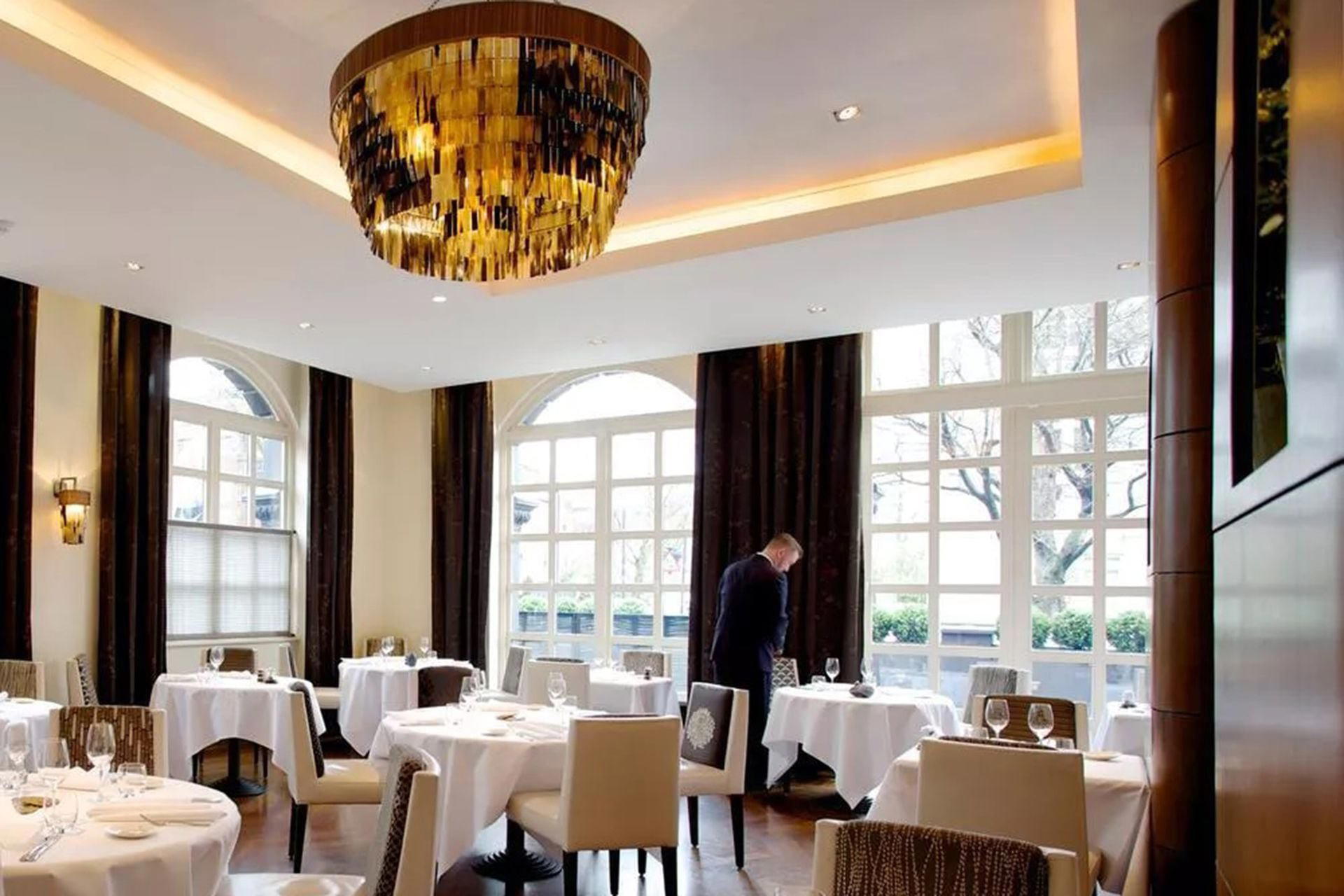
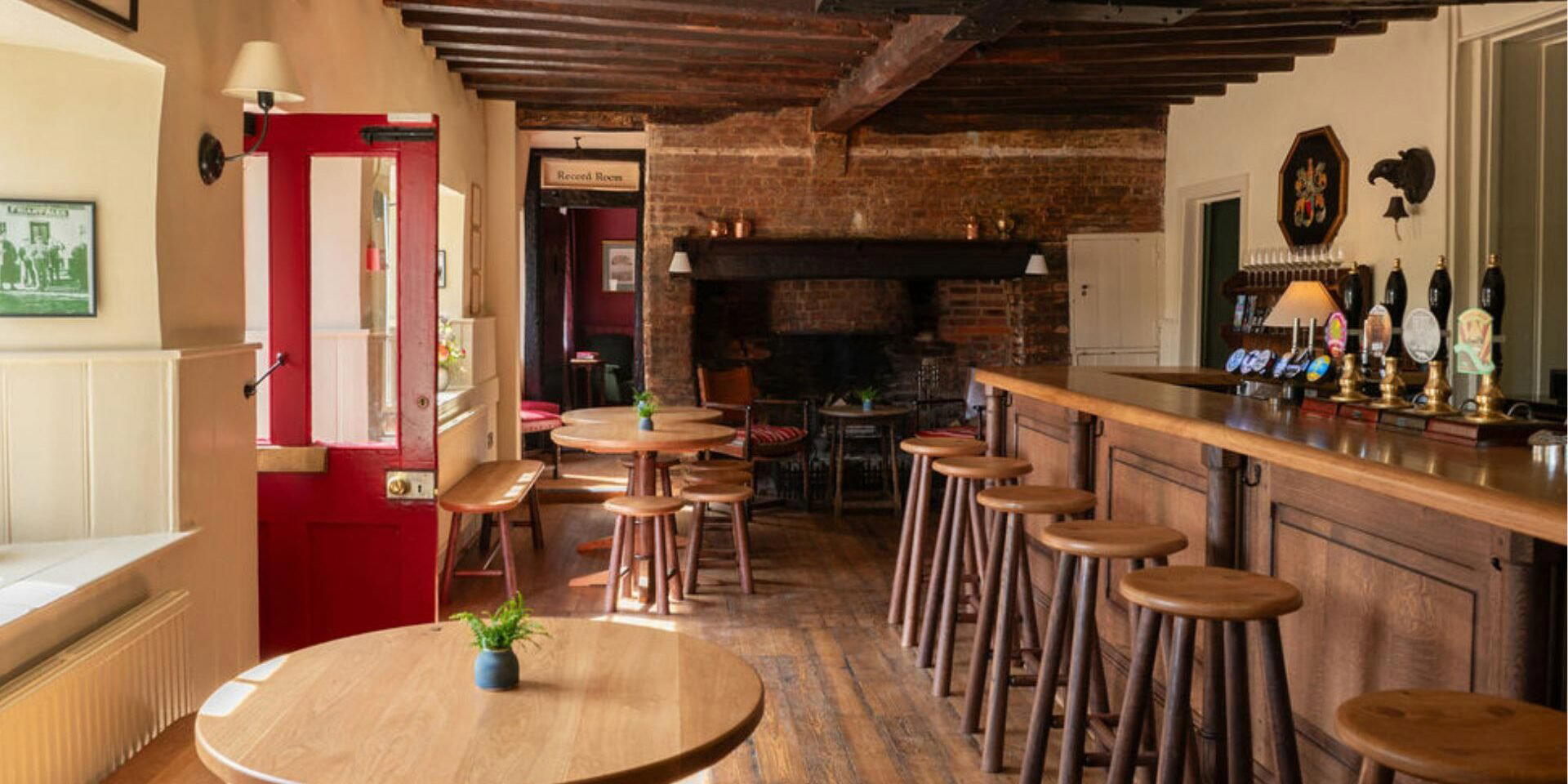
Walk up Upper Market Street toward the old Victorian fish market in Hove and the building that houses Little Fish Market announces itself quietly. The former fishmonger's premises has been given a considered interior overhaul over the years: bare-wood tables with generous spacing, designer armchairs, polished floors, and white walls hung with seafood-themed artwork. Nothing shouts, which is precisely the point. The setting is not a design statement so much as a calibrated backdrop for cooking that demands attention on its own terms.
The format reinforces that focus. All diners are asked to arrive at 6.45pm, giving the evening the rhythm of a private supper club rather than a conventional restaurant service. With around twenty covers seated simultaneously, the kitchen and front-of-house operate at a scale that allows the chef to move between the pass and the dining room, offering personal explanations of individual courses. The wine list leans predominantly toward France; mark-ups are described as restrained, though the better matches for the food tend to sit above the £50 bottle threshold. Alternatively, a matched pairing, put together by Dan Keeling and Mark Andrew of Noble Rot, offers a considered route through the menu without the arithmetic.
Where British Coastal Tradition Meets Fine-Dining Technique
The broader story of British seafood cookery over the past two decades is one of belated ambition. For most of the twentieth century, the coastline's finest catches were exported to European markets while domestic diners made do with battered alternatives. The shift toward treating locally landed fish as high-value culinary material, applying the same kitchen discipline brought to meat-centric fine dining, has been gradual and geographically uneven. London absorbed most of the attention. The south coast, despite its proximity to exceptional day-boat landings, developed its fine-seafood scene more slowly.
Little Fish Market sits at the sharper end of that belated flowering. The seven-course tasting menu rotates regularly and incorporates locally landed fish alongside other premier sourcing. The kitchen's training lineage connects to The Fat Duck in Bray, one of the defining addresses in British modernist cooking, and that background shows in the technical construction of individual dishes without overwhelming the primary material with technique for its own sake.
The tension between classical preparation and modern intervention runs through the menu in ways that reward attention. A signature dish described in reviews involves layers of Jerusalem artichoke purée, egg yolk, smoked haddock jelly, acidulated cream, and passion fruit purée, a composition that looks arbitrary on paper but resolves coherently on the palate. The reference point is an Alain Passard classic reworked with British coastal ingredients. That kind of cross-referencing, drawing from French haute cuisine grammar and applying it to North Sea and Channel produce, is a consistent structural logic across the menu. Elsewhere, a confit Loch Duart salmon arrives with a Champagne foam and cauliflower-seaweed purée, pairing a 1990s fine-dining register with a more contemporary restraint in proportion and plating. Dessert maintains the line: a chocolate délice gains a saline edge from capers and textural counterpoint from a praline base and pistachio-pink peppercorn tuile.
For reference, the tradition of applying this kind of technical precision to seafood in coastal Europe has long been established at address like Gambero Rosso in Marina di Gioiosa Ionica and Alici Restaurant on the Amalfi Coast. Little Fish Market occupies a comparable niche on the British side of that conversation, where the produce and the climate are different but the ambition is structurally similar.
Little Fish Market Within Brighton's Wider Dining Scene
Brighton and Hove's restaurant scene has broadened considerably over the past decade, moving from a city known primarily for casual eating and vegetarian-friendly cafés toward a range that now includes serious tasting-menu cooking, confident regional Italian, and a small but growing number of addresses with genuine fine-dining credentials. Little Fish Market operates at the formal end of that range, which in the context of Brighton's generally relaxed register means it occupies a distinct position rather than competing directly with the city's more accessible options.
The price point, at ££££, places it above addresses like Burnt Orange for Mediterranean sharing plates, Cin Cin for Italian pasta, or Amari for Spanish-inflected cooking. Dilsk and Embers occupy a more experimental modern British tier in the city, but neither operates an exclusively seafood menu at this price level. Little Fish Market's closest competitive comparison is not within Brighton at all; it sits alongside small-format, chef-owner tasting-menu restaurants in secondary British cities that have built sustained reputations on a single format, a single category of ingredient, and direct proprietorial oversight.
For visitors building a full trip around Brighton's dining and hospitality options, our full Brighton and Hove restaurants guide covers the wider range across cuisines and price points. Complementary guides for hotels, bars, wineries, and experiences are also available.
Planning a Visit
Little Fish Market operates for dinner only, with a single sitting for approximately twenty diners each evening. The shared 6.45pm arrival time means this is not a venue where you can stagger in at different points during the night; the format requires commitment to the full experience from the start. The address is 10 Upper Market Street, Hove, BN3 1AS, a short walk from Hove seafront and close to the Victorian fish market that gives the location its historical resonance. Given the small cover count and the restaurant's standing, advance booking is advisable.
Frequently asked questions
What price level is Little Fish Market?
Pricing at Little Fish Market is listed as ££££.
A compact comparison to help you place this venue among nearby peers.
| Venue | Cuisine | Price | Awards | Notes |
|---|---|---|---|---|
| Little Fish MarketThis venue (the venue you are viewing) | Modern Seafood Tasting Menu | $100–150 | Michelin Plate · AA Rosettes 3 Rosettes | Not listed |
| Burnt Orange | Modern Wood-Fired Mediterranean Small Plates | $50–100 | Michelin Bib Gourmand · The Good Food Guide GFG Very Good | Mediterranean Cuisine |
| Palmito | Ecuadorian-Indian Fusion Small Plates | $50–100 | Michelin Bib Gourmand · The Good Food Guide GFG Very Good | Asian |
| Ginger Pig | Traditional British Gastropub | $20–30 | Michelin Plate | Modern British |
| Lucky Khao | Northern Thai Barbecue | $20–30 | Michelin Plate | Thai |
| Tutto | Modern Italian Brasserie | $50–100 | Michelin Plate | Italian |
Recognition history
Dated appearances from independent guides and award organizations, with the underlying list record or original source where available.
Michelin Plate
Michelin
AA Rosettes 3 Rosettes
AA Rosettes
The Good Food Guide GFG Very Good
The Good Food Guide
Full recognition history (4 entries)
Michelin Plate
Michelin
Continue exploring
More in Brighton
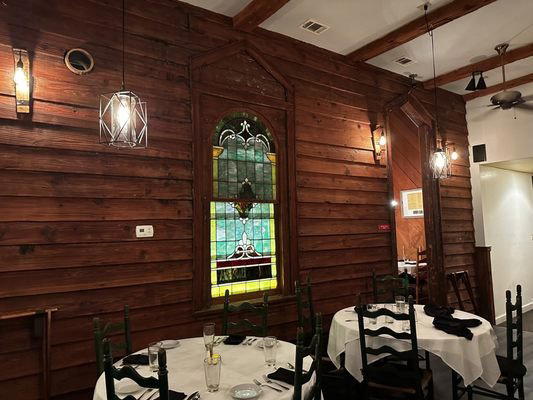
Restaurants in Brighton
All restaurants in Brighton →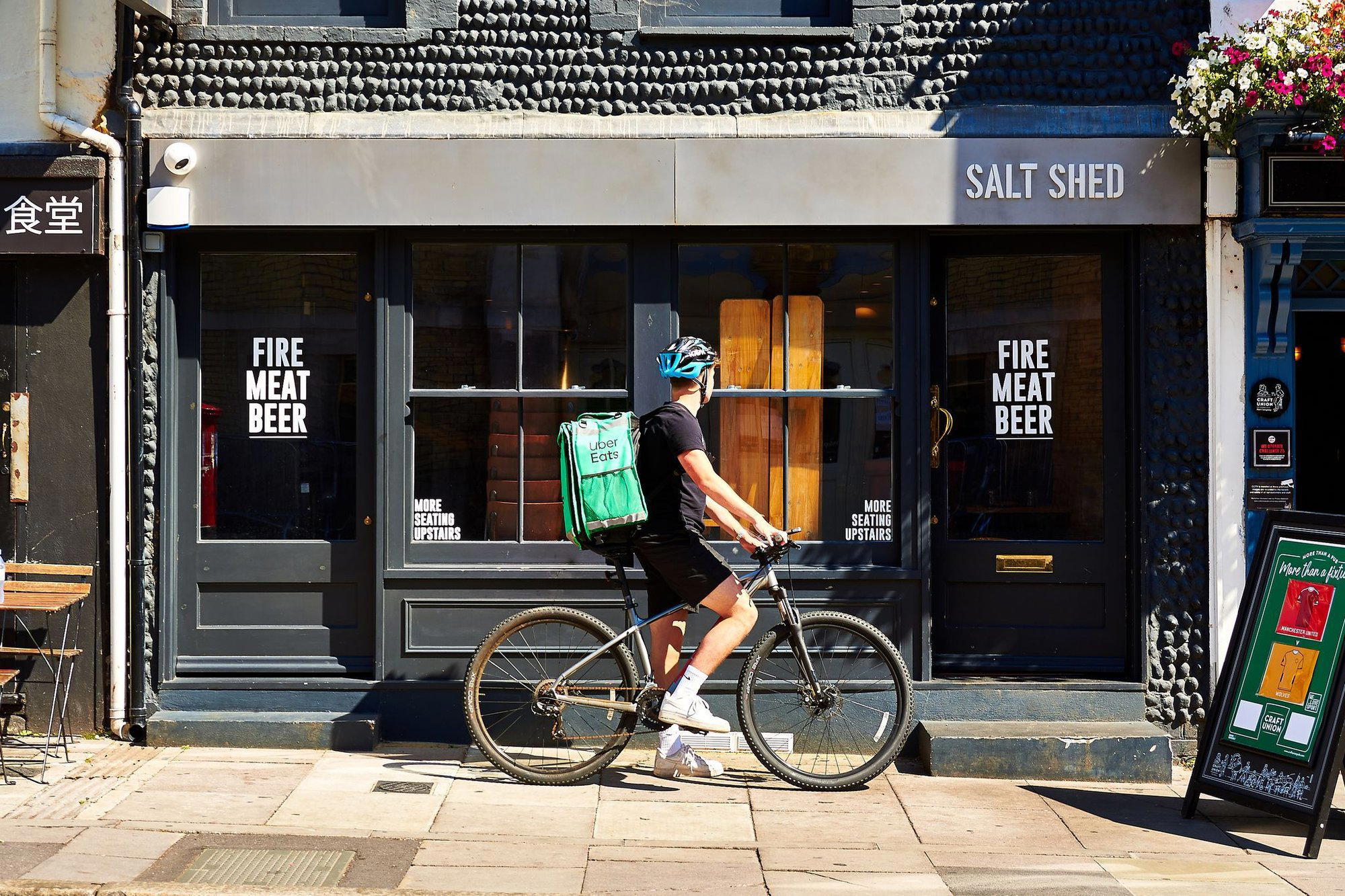
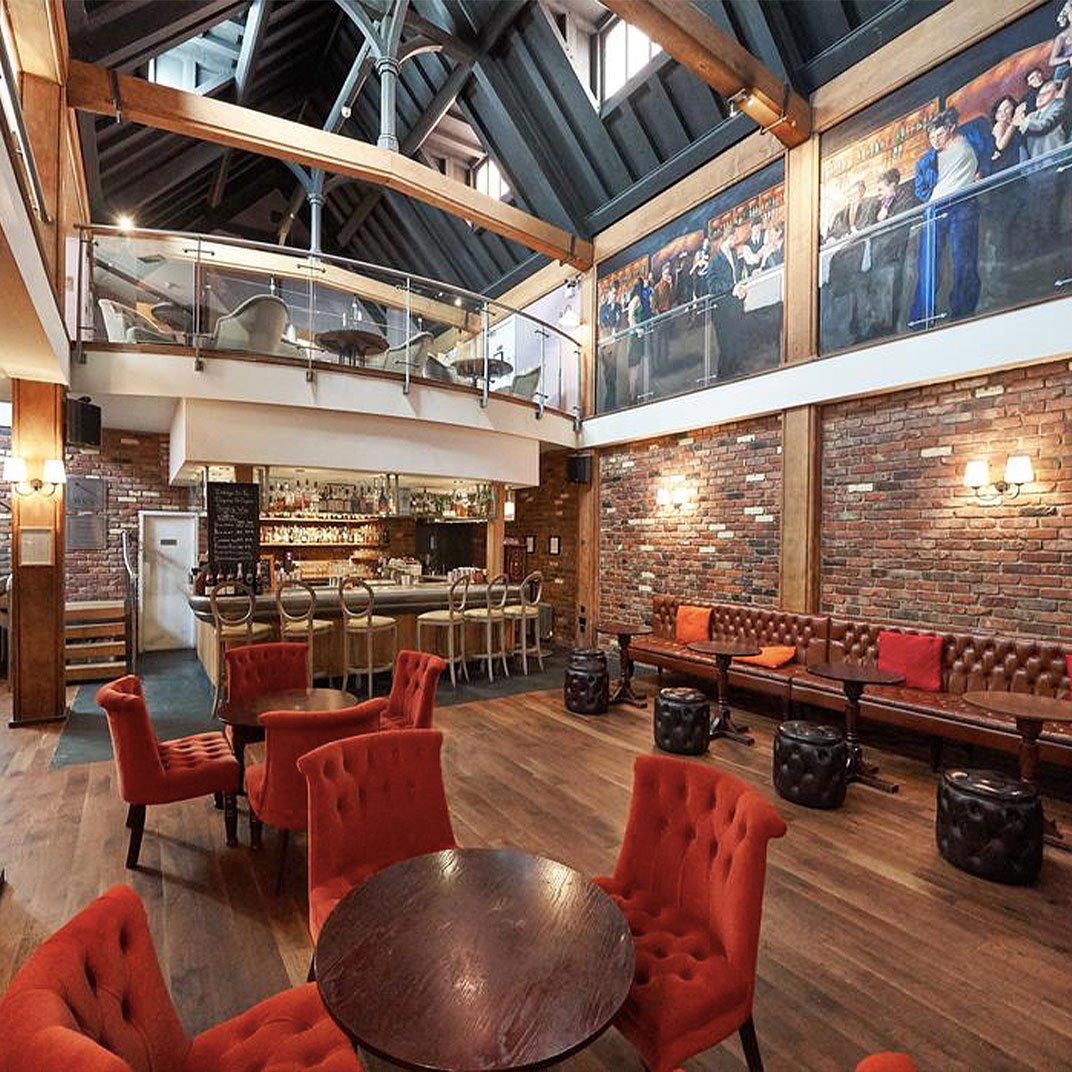
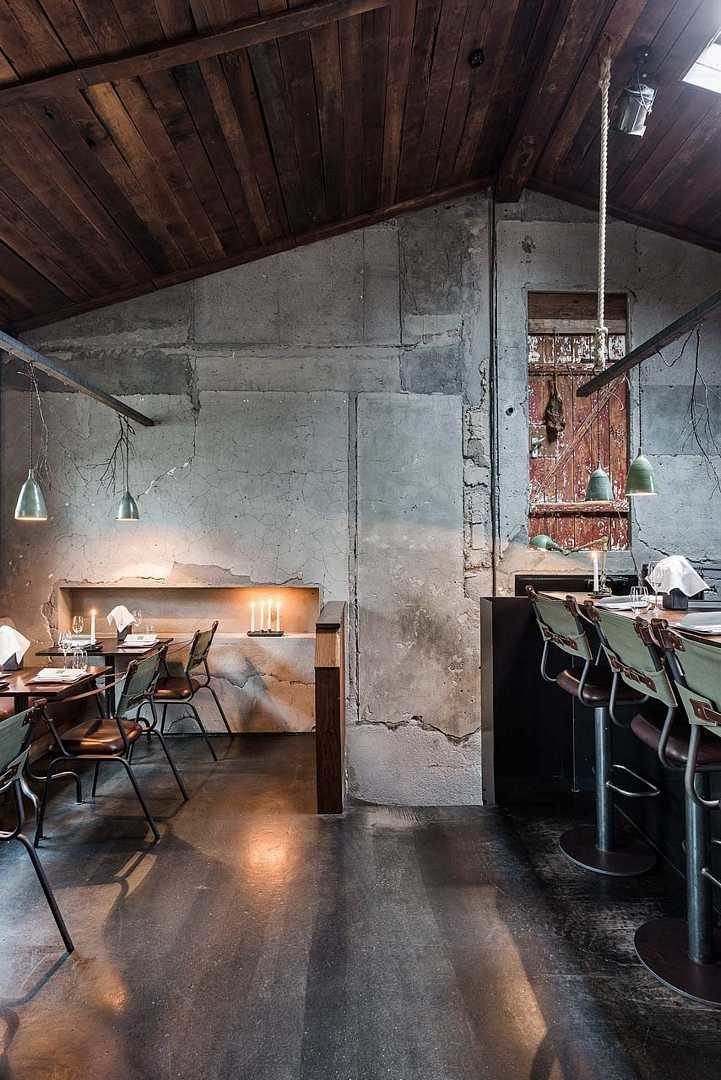
Bars in Brighton
All bars in Brighton →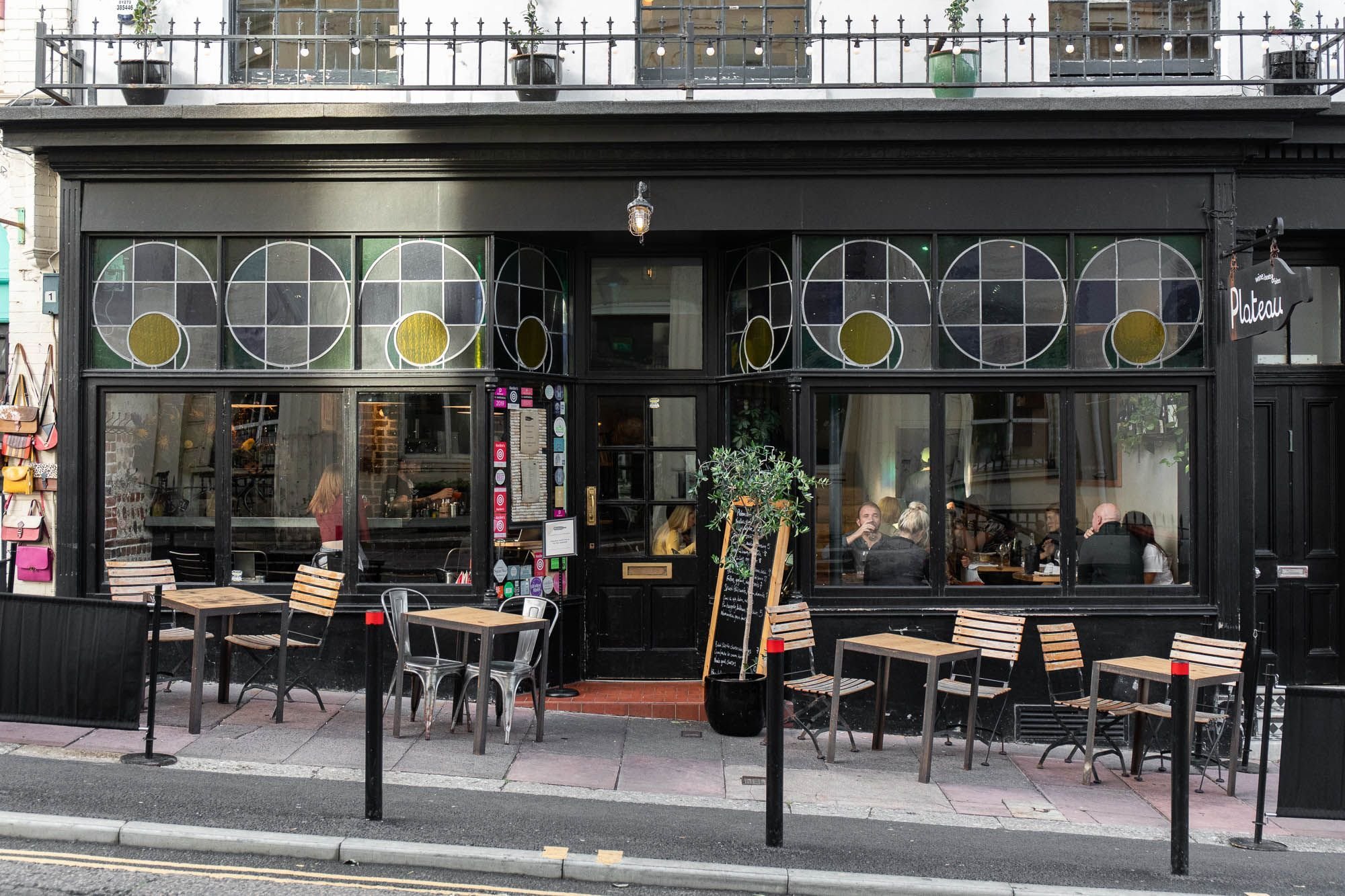
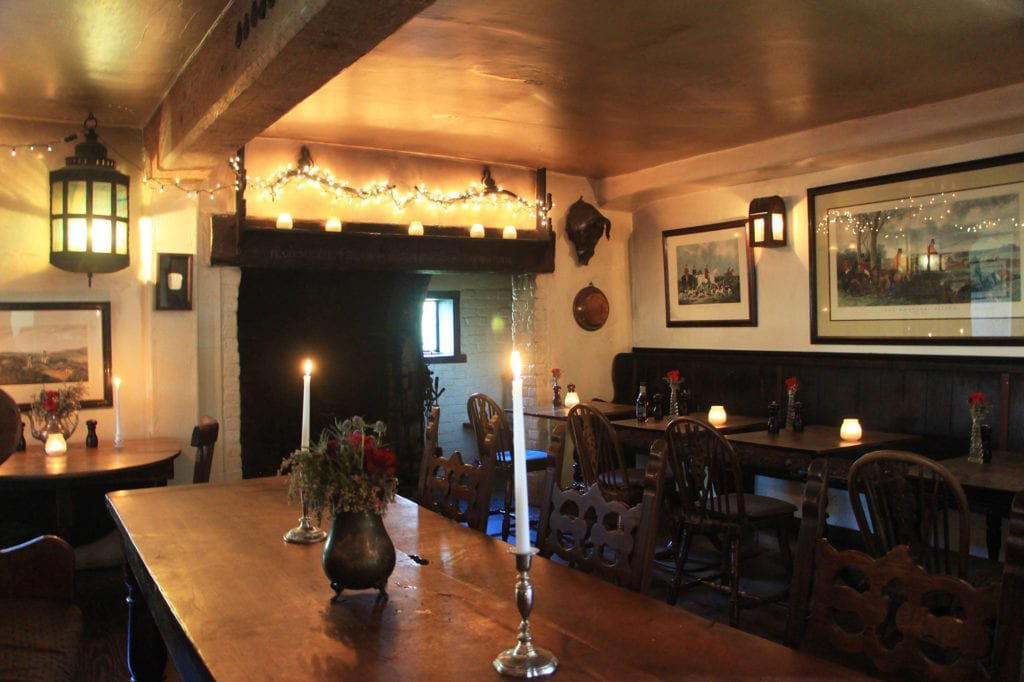


Details
- Intimate
- Elegant
- Minimalist
- Date Night
- Special Occasion
- Open Kitchen
- Extensive Wine List
- Sustainable Seafood
- Tasting Menu
- Set Menu
Current opening hours
- Monday
- Closed
- Tuesday
- 7–10:30 PM
- Wednesday
- 7–10:30 PM
- Thursday
- 1–3:30 PM, 6:45–10:30 PM
- Friday
- 1–3:30 PM, 6:45–10:30 PM
- Saturday
- 1–3:30 PM, 6:45–10:30 PM
- Sunday
- Closed
Hours can change for holidays and private events. Hours as of .
Minimalist decor with bright lighting, bare wood tables, and a quiet, low-key Nordic-inspired atmosphere.