Cin Cin


Michelin Bib Gourmand · The Good Food Guide GFG Good
Our verdict
Cin Cin on Western Road holds a Michelin Bib Gourmand for two consecutive years, serving handmade pasta, seasonal small plates, and Sussex-sourced meat from a horseshoe counter and open kitchen. The all-Italian wine list and five-course chef's menu make it one of Brighton and Hove's most consistent Italian addresses at the mid-price tier.

Pearl is the En Primeur Club membership app — saves, bookings, and concierge access live there. Same editors, same standards.
- Address
- 60 Western Rd, Brighton and Hove, Hove BN3 1JD, United Kingdom
- Phone
- +44 1273 726047
- Hours
- Mon ClosedTue–Wed 5–11 PMThu 12:30–11 PMFri–Sat 12:30–11:30 PMSun Closed
- Website
- cincin.co.uk
- Directions
- Get directions
- Booking
- Book on the venue's website
The menu
What to order
- Cappelletti with mushrooms
- Taglierini with shellfish
- Negronis
Counter Seats, Open Kitchens, and the Case for Honest Pasta
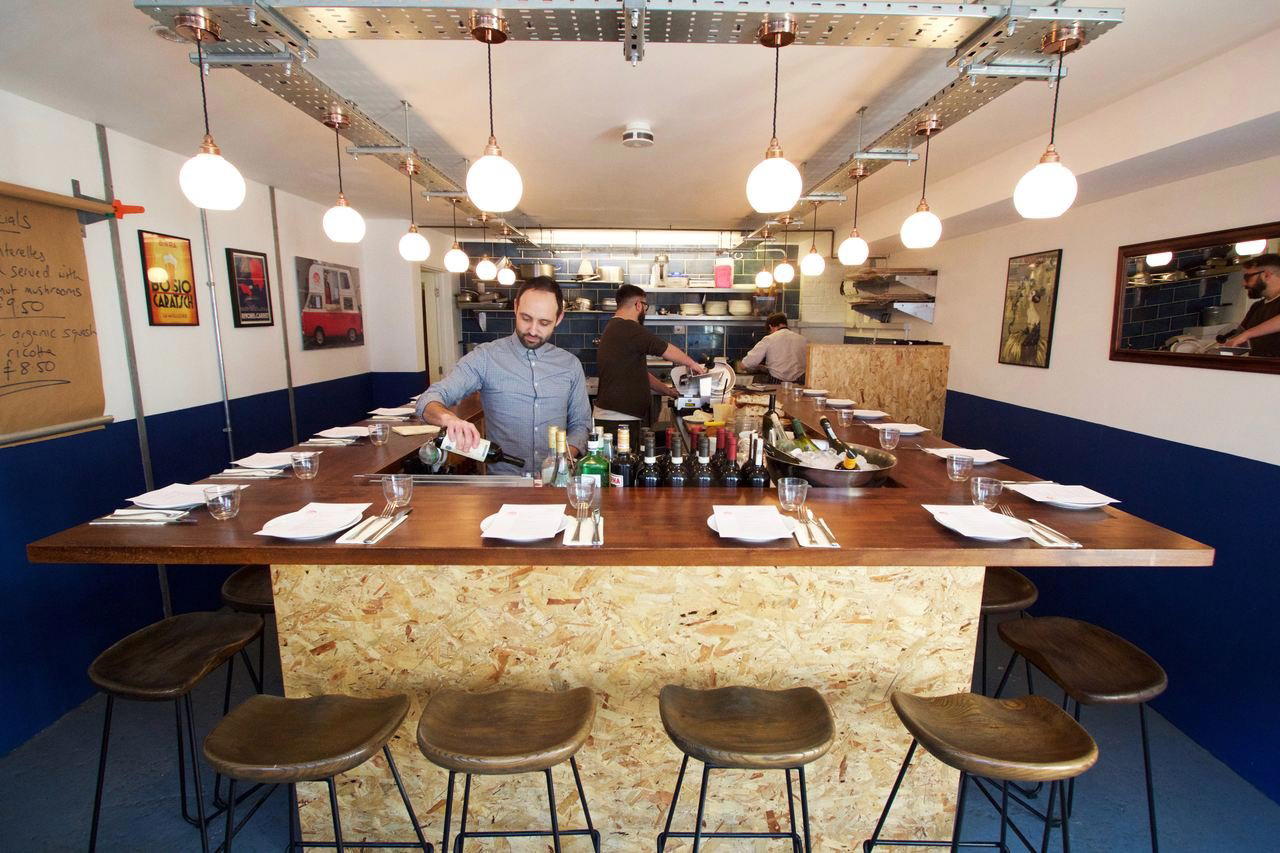
The horseshoe counter at 60 Western Road places you close enough to watch pasta being drawn, hams being sliced, and prime cuts of fish and meat moving in and out of the heat. It is a deliberately performative arrangement, common to the better trattorias of northern Italy, where proximity to the kitchen is considered a feature rather than an inconvenience. Brighton's restaurant scene has developed a strong mid-price tier over the past decade, with venues like Burnt Orange and Amari occupying the same broadly accessible price bracket while pulling in different culinary directions. Within the Italian niche of that tier, Cin Cin has held its position consistently enough to earn back-to-back Michelin Bib Gourmand recognition in 2024 and 2025, a designation that specifically rewards good cooking at non-extravagant prices.
The Pasta Argument
In Italy, the handmade pasta debate runs along regional lines: whether the dough should be egg-enriched or water-based, whether it should be rolled thin or left with texture, whether the sauce should cling or pool. British Italian restaurants have historically simplified that argument, defaulting to serviceable dried pasta with mid-range sauces. The counter-movement, visible in cities from London to Edinburgh, pushes toward genuine fresh pasta production, where the blackboard changes with the day's available ingredients and shapes are chosen to carry specific sauces rather than just to vary the menu visually.
Cin Cin positions itself firmly in that counter-movement. The daily pasta special on the blackboard is the clearest signal: it functions as a diary of what the kitchen is working with rather than a fixed menu item dressed up as spontaneous. Documented dishes from the repertoire include rigatoni with flaked chalk stream trout, mussels, kale and spiced sofrito, and tortelli of sweet potato with truffle sauce, amaretti and sage. Both demonstrate a sauce philosophy that treats pasta as a carrier with a specific structural role: the ridged rigatoni traps the sofrito; the tortelli's sweetness is offset by the aromatic bitterness of sage and amaretti. That kind of matching is a craft decision, not a marketing one. Elsewhere in Brighton's Italian offer, Tutto occupies adjacent territory, and the two restaurants together represent a meaningful upgrade on what the city's Italian dining looked like a decade ago.
Small Plates, Shared Tables, and the Arancini Fixture
The small plates format, now so thoroughly embedded in British casual dining that it barely registers as a format choice, works differently in an Italian context. The logic here derives from antipasti and cicchetti traditions where sharing is structural, not optional. Cin Cin applies it across the starter range: rosemary focaccia arrives light and aromatic to open, arancini function as a fixture on the menu rather than a seasonal variable, with recorded variations including Venetian duck ragù with parsley and garlic emulsion. Salads are described as fresh and sharp-edged in character, which positions them as palate punctuation rather than filler courses.
The mains section moves into more substantial territory. Sussex beef rump appears alongside a rotolo of slow-cooked shin with Gorgonzola, spinach and roasted shallot in a rich beef sauce, a dish that draws on northern Italian technique (the rotolo, a rolled and stuffed preparation common in Emilia-Romagna) while sourcing locally. That combination of regional Italian method with local Sussex produce is a pattern that Brighton's better restaurants have pursued more deliberately over recent years, seen also at places like Embers and Dilsk, both of which operate within the same mid-price tier while applying that local-sourcing logic to different culinary frameworks.
The Wine List and the Five-Course Option
An all-Italian wine list in a country where the default restaurant list blends Italian, French, and New World producers by category is itself an editorial statement. It narrows the selection, but it also requires the team to know the Italian regions with some depth rather than picking representative bottles from each major country. The list at Cin Cin is described as knowledgeably assembled and offered in flight format alongside the five-course chef's menu, which provides a more structured path through the kitchen's repertoire. Gluten-free and vegan versions of the tasting menu are available as separate options, a practical acknowledgement that tasting formats need to serve the full range of guests rather than defaulting to a single menu for all.
For context on where this sits in the broader hierarchy of Italian fine dining, restaurants like 8½ Otto e Mezzo Bombana in Hong Kong and cenci in Kyoto represent what the format looks like when Italian culinary logic is transplanted and refined in high-end international contexts. Cin Cin operates in a different register entirely, prioritising accessibility and daily freshness over elaboration. The Bib Gourmand specifically measures value against quality, and two consecutive years of recognition confirms that the balance is holding.
Seating, Atmosphere, and How to Use the Room
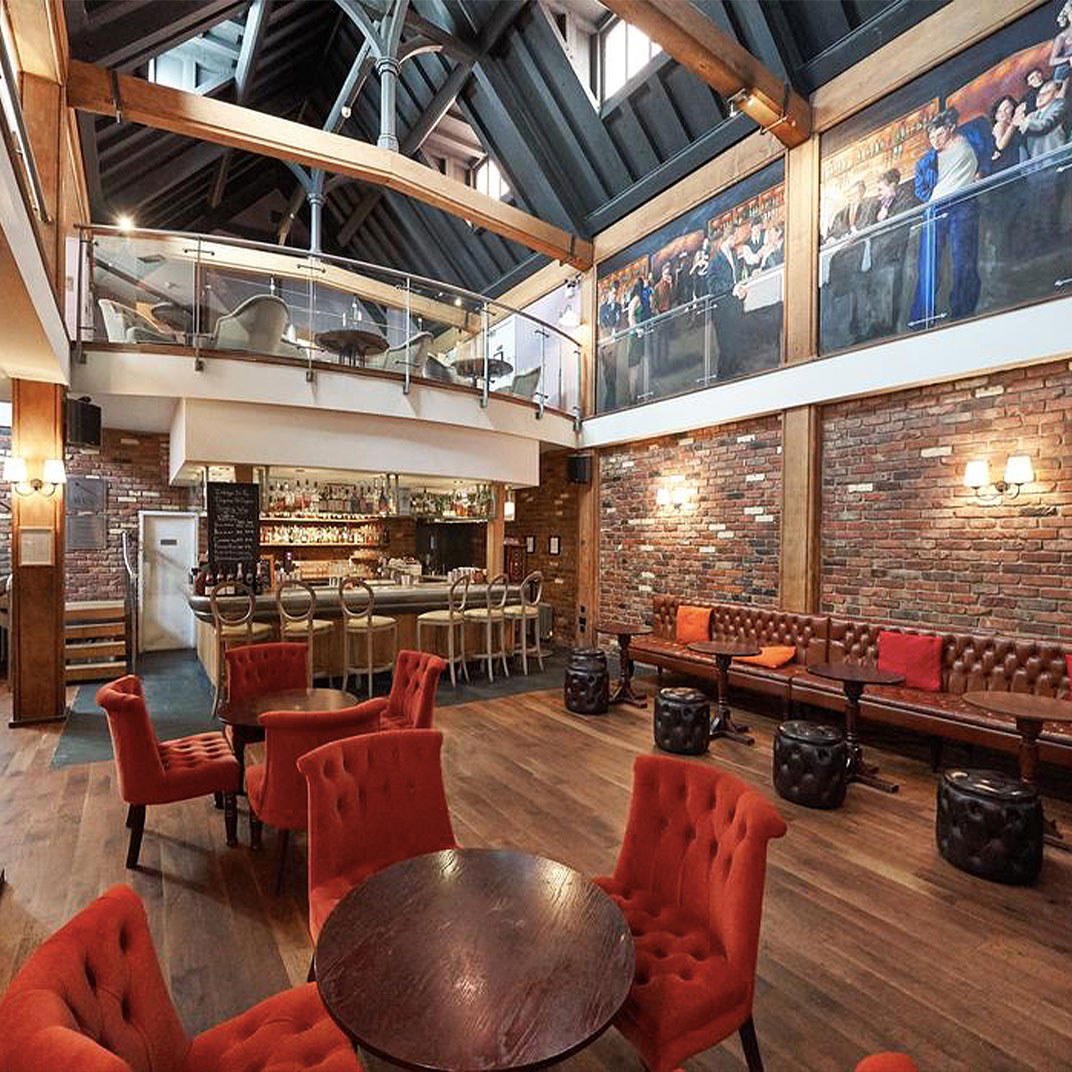
The layout offers more flexibility than a single-format room. Counter seats facing the open kitchen put you in direct visual contact with service and production; the horseshoe arrangement means staff are constantly in motion around the central space. A window-facing position shifts the experience toward street-level observation, which on a Western Road evening has its own character. The rear room is quieter and suits groups or conversations that benefit from reduced ambient noise. Brighton's dining culture has moved toward informal, high-energy formats over the past several years, and Cin Cin's counter-led layout fits that direction without abandoning the option of a calmer setting for those who want it. The restaurant sits within walking distance of the broader Hove dining corridor, which also includes Burnt Orange and contributes to a stretch of Western Road that now carries genuine independent restaurant density.
Planning Your Visit
Cin Cin operates at the ££ price tier, placing it among the more accessible Michelin-recognised addresses in the South East of England. For reference, the starred restaurants in the region, including The Fat Duck in Bray, The Ledbury in London, L'Enclume in Cartmel, Moor Hall in Aughton, Gidleigh Park in Chagford, and Hand and Flowers in Marlow, operate at substantially higher price points. The Bib Gourmand tier that Cin Cin occupies is the guide's mechanism for flagging quality that doesn't require that level of financial commitment. The address is 60 Western Road, Hove BN3 1JD, accessible on foot from Brighton city centre and along the main bus corridor through Hove. For a fuller picture of where Cin Cin sits in the city's dining offer, see our full Brighton and Hove restaurants guide. The city's broader hospitality offer, including accommodation, bars, and experiences, is covered in our hotels guide, our bars guide, our wineries guide, and our experiences guide.
Frequently asked questions
Is Cin Cin award-winning?
Cin Cin has received recognition including: Cin Cin’s loyal band of customers come for its great value Italian food, where fresh ingredients are simply cooked and natural flavours are allowed to shine. You can create a different experience every time you visit by sitting in a differe….
What dish is Cin Cin famous for?
Handmade pasta is the anchor of the menu, with daily specials posted on the blackboard alongside rotating seasonal combinations. Arancini are a fixture across service, and the five-course chef's menu gives context to how the kitchen frames its Italian repertoire. Michelin's Bib Gourmand recognition in both 2024 and 2025 points specifically to the kitchen's handling of fresh ingredients cooked without complication.
How much does it cost to eat at Cin Cin?
Pricing at Cin Cin is listed as ££.
What part of town is Cin Cin in?
Cin Cin is located at 60 Western Rd, Brighton and Hove, Hove BN3 1JD, United Kingdom, Brighton and Hove.
Should I book Cin Cin in advance?
Given the Michelin Bib Gourmand status and the venue's compact format across counter, horseshoe bar, and rear room, booking ahead is advisable, particularly for weekend services or if you want a specific seat at the open kitchen counter. The ££ price tier keeps demand steady across the week, not just on evenings when a reservation would be obvious.
Cuisine and Awards Snapshot
| Venue | Cuisine | Price | Awards | Notes |
|---|---|---|---|---|
| Cin CinThis venue — the venue you are viewing | Modern Italian Small Plates & Handmade Pasta | $30–50 | Michelin Bib Gourmand · The Good Food Guide GFG Good | Not listed |
| Burnt Orange | Modern Wood-Fired Mediterranean Small Plates | $50–100 | Michelin Bib Gourmand · The Good Food Guide GFG Very Good | Mediterranean Cuisine |
| Palmito | Ecuadorian-Indian Fusion Small Plates | $50–100 | Michelin Bib Gourmand · The Good Food Guide GFG Very Good | Asian |
| Ginger Pig | Traditional British Gastropub | $20–30 | Michelin Plate | Modern British |
| Lucky Khao | Northern Thai Barbecue | $20–30 | Michelin Plate | Thai |
| Tutto | Modern Italian Brasserie | $50–100 | Michelin Plate | Italian |
Recognition history
Dated appearances from independent guides and award organizations, with the underlying list record or original source where available.
Michelin Bib Gourmand
Michelin
The Good Food Guide GFG Good
The Good Food Guide
Full recognition history (4 entries)
Michelin Bib Gourmand
Michelin
Michelin Bib Gourmand
Michelin
Continue exploring
More in Brighton and Hove
Restaurants in Brighton and Hove
Browse all →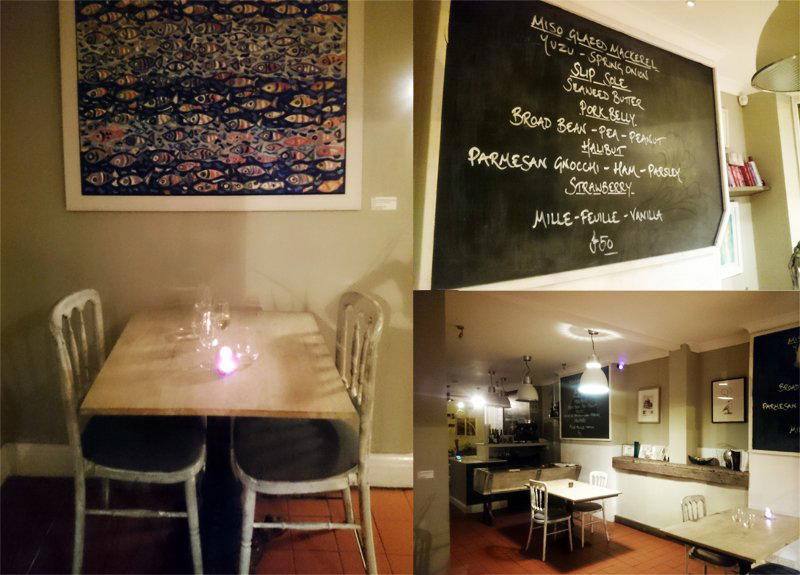
Bars in Brighton and Hove
Browse all →
Hotels in Brighton and Hove
Browse all →


Details
- Intimate
- Modern
- Cozy
- Elegant
- Lively
- Date Night
- Group Dining
- Celebration
- Special Occasion
- Open Kitchen
- Courtyard
- Private Dining
- Extensive Wine List
- Craft Cocktails
- Local Sourcing
- Small Plates
- A La Carte
- Tasting Menu
- Wine
- Cocktails
- Vegetarian Friendly
- Vegan Options
Current opening hours
- Monday
- Closed
- Tuesday
- 5–11 PM
- Wednesday
- 5–11 PM
- Thursday
- 12:30–11 PM
- Friday
- 12:30–11:30 PM
- Saturday
- 12:30–11:30 PM
- Sunday
- Closed
Hours can change for holidays and private events. Last verified .
Relaxed and welcoming with an open kitchen and bar fostering intimate, social conversations amid friendly professional service.