
Michelin Selected
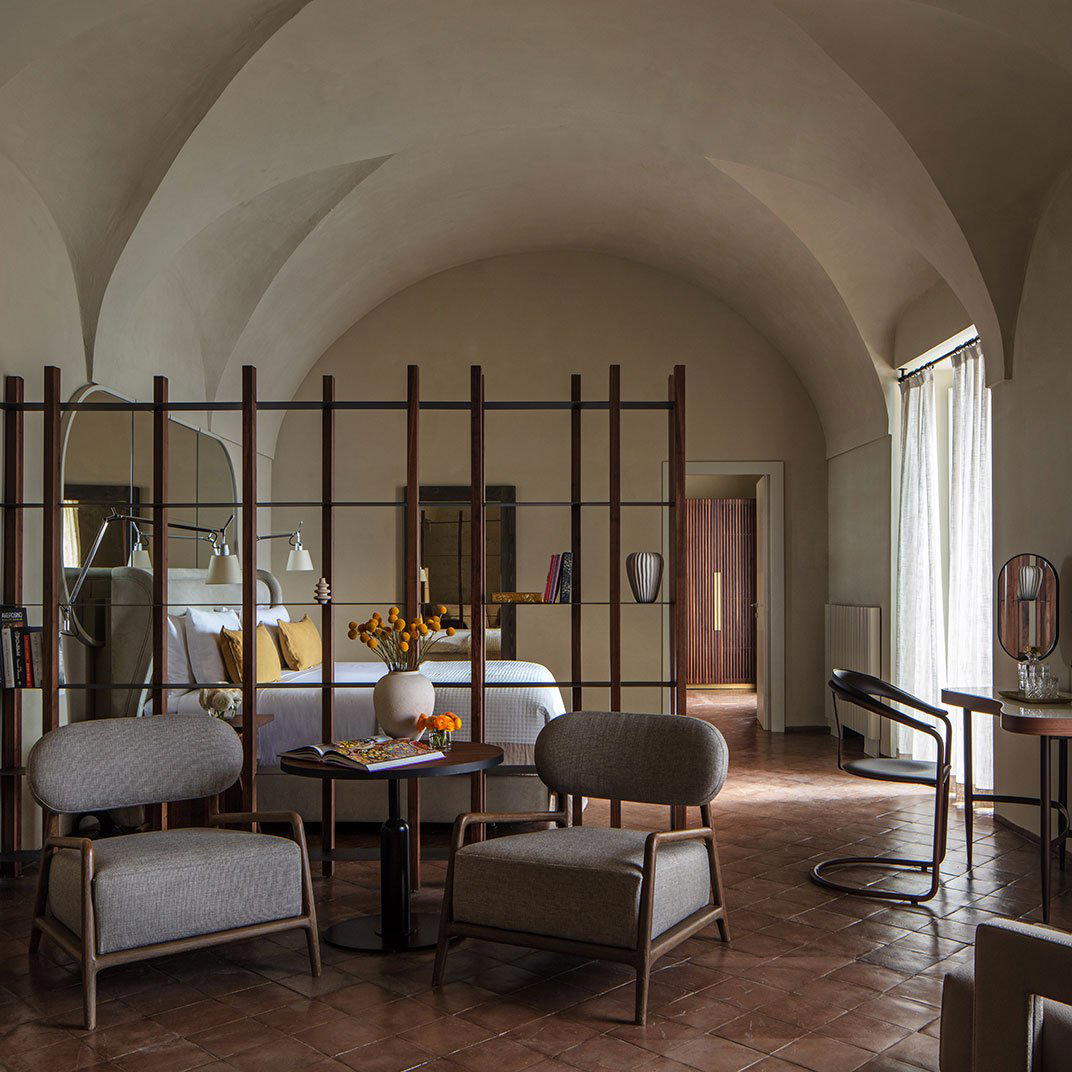
A Michelin Selected property on the Cilento plain, Tenuta Duca Marigliano occupies a converted rural estate outside Paestum, one of the best-preserved Greek archaeological sites in the Mediterranean. The boutique format places it in a tier of design-led agriturismi and heritage conversions that have emerged as a serious alternative to the Amalfi Coast's resort circuit. For travellers whose itinerary centres on the temples and the local buffalo mozzarella tradition, this is a considered base.

Pearl is the En Primeur Club membership app — saves, bookings, and concierge access live there. Same editors, same standards.
- Address
- Via Tavernelle 86, Paestum, Italy
- Phone
- +39 0828721297
- Directions
- Get directions
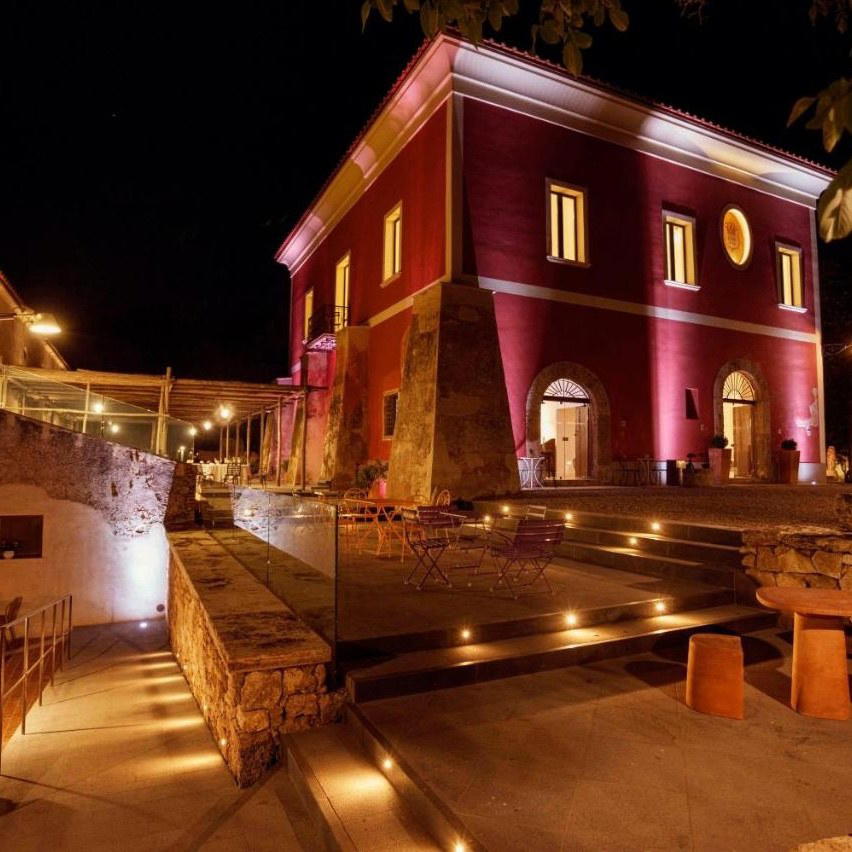
An Estate in the Shadow of the Temples
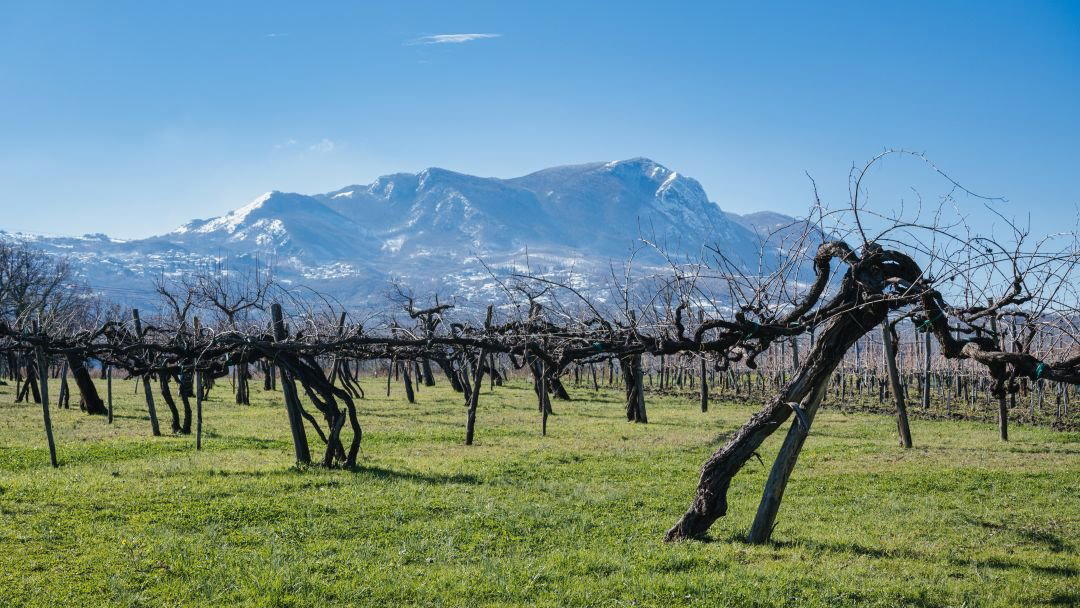
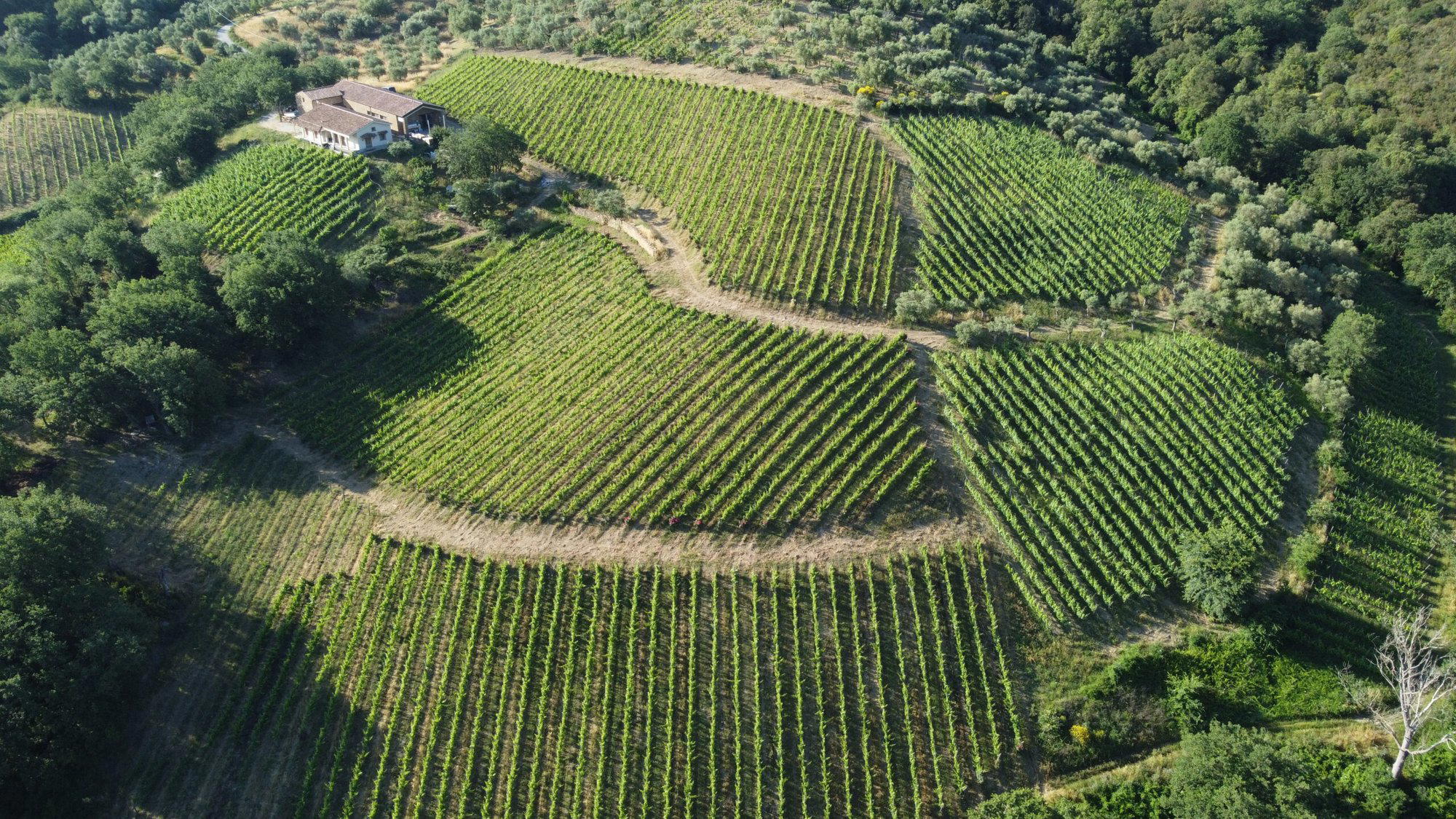
The road approaching Paestum's archaeological plain runs flat through farmland, with water buffalo grazing fields that have supplied the region's dairy industry for centuries. It is not a dramatic arrival, but that restraint is part of the point. Southern Campania's interior does not perform for visitors the way the Amalfi clifftops do, and the converted estate properties that have emerged here over the past decade reflect that character. Tenuta Duca Marigliano Boutique Hotel sits on Via Tavernelle 86, within reach of one of the most significant Greek colonial sites outside Greece itself, and its architectural premise belongs to a wider regional pattern: heritage rural structures converted into accommodation without erasing the agricultural legibility of the original building.
That category of conversion has become a meaningful strand in Italian boutique hospitality. Where properties like Rosewood Castiglion Del Bosco in Montalcino or Borgo San Felice Resort in Castelnuovo Berardenga operate at a larger estate-resort scale with their own wine production and multiple dining venues, the smaller boutique conversions in Campania tend to preserve the intimacy of the original farmstead. The scale stays human. Corridors feel like corridors, not lobbies engineered to impress on arrival.
Architecture of the Campanian Tenuta
The tenuta typology, a working or formerly working agricultural estate, has a distinct spatial grammar. Stone or rendered masonry buildings cluster around a central courtyard or farmyard; the relationship between interior and exterior dissolves in summer, with covered loggias and open pergolas functioning as additional rooms. In the Cilento region south of Salerno, these structures tend toward thicker walls, deeper window reveals, and a material palette drawn from local limestone and terracotta, all of which provide passive cooling that was engineered into the building long before contemporary hospitality vocabulary adopted phrases like 'locally sourced design'.
The boutique conversion of such a structure poses specific design challenges. The goal, when it works, is to impose enough comfort infrastructure — plumbing, contemporary bedding, climate control — without disrupting the spatial rhythm that makes the original building worth converting in the first place. The design-led Italian properties that occupy a similar niche elsewhere, such as Corte della Maestà in Civita di Bagnoregio or Castel Fragsburg in Merano, demonstrate how this balance can be achieved at the higher end of the boutique tier. What those properties share with Tenuta Duca Marigliano is their Michelin Selected status, a designation that signals credible hospitality standards assessed by the same organisation that evaluates fine dining at scale.
Michelin Selection in Context
Michelin Selected designation for hotels, drawn from the 2025 guide, does not carry the star-graded hierarchy of the restaurant programme, but it is not a casual inclusion either. Michelin's hotel selection process evaluates design coherence, service consistency, and what the guide calls 'character', the sense that a property has a legible identity rather than a generic formula. Compare this with the larger Michelin-flagged Italian properties in the northern lakes, Grand Hotel Tremezzo in Tremezzo or Passalacqua in Moltrasio, which carry their own recognitions and compete in a different tier of lake-district leisure hospitality. The Paestum property operates at a different scale and price point, serving a traveller whose primary interest is the archaeological and agricultural heritage of the Cilento plain rather than grand-hotel theatre.
The Paestum Context: Why Location Matters Here
Paestum holds three Doric temples in a state of preservation that makes most other Greek colonial sites look fragmentary. The Temple of Neptune, dated to around 450 BCE, is among the most complete ancient Greek structures standing anywhere in the Mediterranean. Most visitors to the Amalfi Coast, who concentrate their time between Positano and Ravello, never get here. The site receives a fraction of the traffic of Pompeii despite comparable archaeological significance, which makes the accommodation choices around it worth examining carefully.
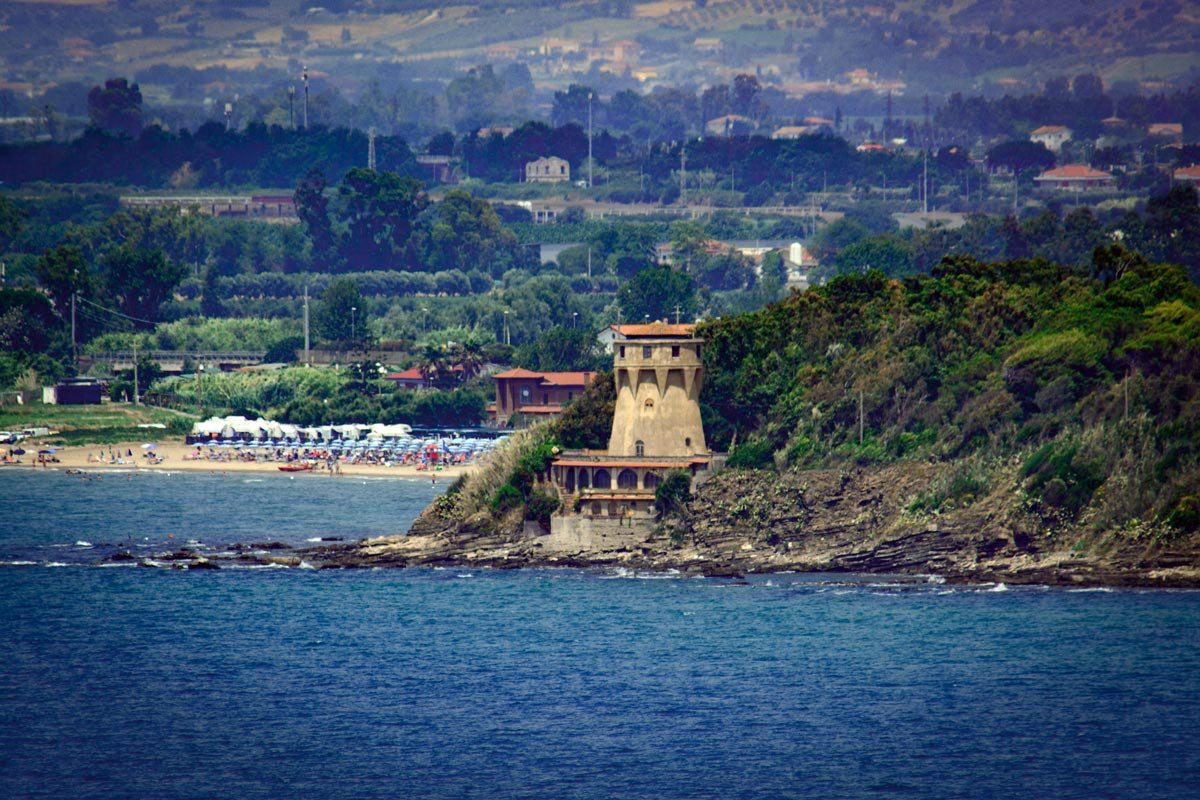
The coastal strip immediately east of the temples has a modest resort infrastructure largely built for Italian domestic summer tourism. The boutique agriturismi and converted estates on the agricultural plain behind, by contrast, tend to attract international visitors for whom the temples and the Paestum dining scene are the primary draw rather than beach access. This is a distinct travel motivation, and the properties serving it, including Tenuta Duca Marigliano, compete less with the seaside hotels and more with the small design-led properties that have defined southern Italian rural hospitality over the past decade. For comparable approaches on the southern Tyrrhenian coast, Borgo Santandrea on the Amalfi Coast and Il San Pietro di Positano occupy a higher-tariff coastal tier; Borgo Egnazia in Savelletri di Fasano on the Adriatic demonstrates the full-scale masseria resort format that Campanian properties generally avoid.
Planning Your Stay
The Cilento plain is leading visited between April and June or in September and October, when the heat is manageable and the archaeological site is not operating at peak summer capacity. Paestum's temples open daily and draw their largest crowds in August, which is also when the surrounding accommodation charges seasonal premiums and the buffalo mozzarella dairies are operating at full production for the domestic vacation market. Arriving outside peak summer positions visitors to engage with both the site and the local food culture at a more measured pace.
Property address at Via Tavernelle 86 places it on the agricultural plain south of the temples. Access by car from Naples takes approximately ninety minutes via the A3 motorway, with the Battipaglia exit serving the Paestum approach road. Train connections from Naples Centrale serve Paestum station, though onward movement to the estate requires a taxi or hire car, the rural location makes this a drive-or-arrange-transfer destination.
For comparable scale and tone in different Italian regions, Casa Maria Luigia in Modena, Bellevue Hotel & Spa in Cogne, and Therasia Resort in Lipari offer useful reference points for how boutique Italian properties in distinct regional settings calibrate character against comfort. At the upper end of the national spectrum, Aman Venice, Bulgari Hotel Roma, Four Seasons Hotel Firenze, Portrait Milano, and Castello di Reschio in Lisciano Niccone represent the broader tier of design-conscious Italian hospitality that the Michelin hotel selection maps across price points and property types.
A Quick Peer Check
Comparable venues nearby, for context on price, style, and recognition.
| Venue | Cuisine | Price | Awards | Notes |
|---|---|---|---|---|
| Tenuta Duca Marigliano Boutique HotelThis venue — the venue you are viewing | Historic boutique estate blending aristocratic heritage with modern comforts | Not listed | Michelin Selected | Not listed |
| Dimora Cala del Pozzo | Contemporary classic Italian country retreat preserving authentic rural farmhouse identity with refined modern comfort. | $200–300 | Michelin Selected | Contrada Pozzo Vecchio |
| Relais Le Macine di Stigliano | Historic Tuscan countryside retreat with contemporary comfort; restored medieval stronghold balancing heritage preservation with modern luxury. | $300–500 | Michelin Selected | Stigliano |
| Antica Dimora La Terrazza | Renovated historic palazzo with modern maximalist luxury. | Not listed | Michelin Selected | Murat Town |
| Casa de'Coronari | Design boutique hotel in historic center | Not listed | Michelin Selected | Ponte |
| Campo de Fiori Suits | Elegant independent boutique blending historic charm with modern comforts. | $200–300 | Not listed | San Eustachio |
Recognition history
Dated appearances from independent guides and award organizations, with the underlying list record or original source where available.
Michelin Selected
Michelin
Continue exploring
More in Paestum
Hotels in Paestum
Browse all →
Bars in Paestum
Browse all →
Restaurants in Paestum
Browse all →

Details
- Romantic
- Elegant
- Rustic
- Intimate
- Scenic
- Romantic Getaway
- Anniversary
- Weekend Escape
- Garden
- Historic Building
- Panoramic View
- Wi Fi
- Pool
- Spa
- Sauna
- Restaurant
- Room Service
- Garden
- Garden
- Elevator
Elegant and relaxing atmosphere with lush gardens, historic architecture, and a well-suited integration of antique and modern elements, praised for its peaceful retreat-like feel.