
Operating from the same family since the 1960s, Da Nonna Sceppa on Via Laura is one of Paestum's most consistent representatives of Campanian home cooking. The daily-changing menu draws from local ingredients and regional recipes passed through generations, earning consecutive Michelin Plate recognition in 2024 and 2025. At a mid-range price point, it sits in a different tier from Paestum's starred restaurants, but answers a different question entirely.
Pearl is the En Primeur Club membership app — saves, bookings, and concierge access live there. Same editors, same standards.
- Address
- Via Laura, 45, 84047 Capaccio Paestum SA, Italy
- Phone
- +39 0828 851064
- Website
- nonnasceppa.com
- Directions
- Get directions
 Saves & bookings on Pearl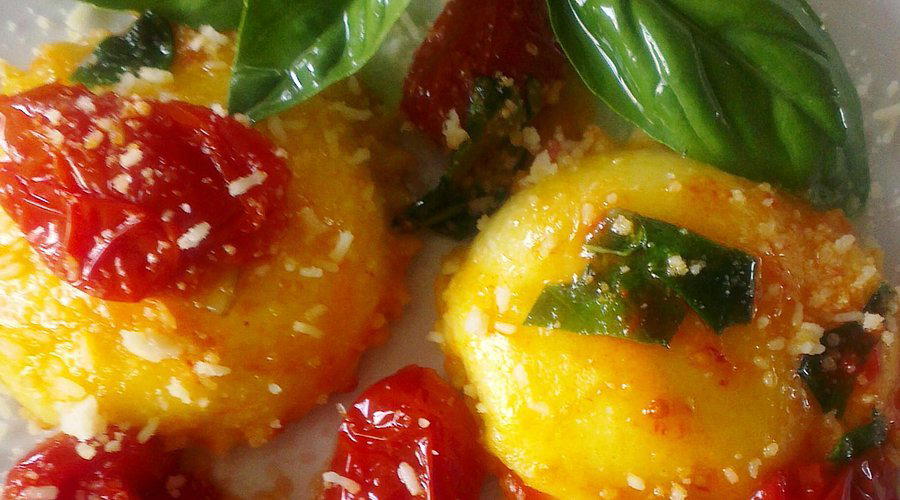
Where the Cilento Table Begins
The Piana del Sele, the agricultural flatland that stretches south of Salerno toward the ancient Greek temples of Paestum, is one of Campania's most productive growing zones. Buffalo mozzarella, artichokes, tomatoes, legumes, and fresh herbs come out of this territory in volumes that supply restaurants across southern Italy. What is rarer is a kitchen that stays close enough to that supply chain to cook from it daily, without intermediaries, seasonal menus written months in advance, or a brigade that abstracts the ingredients into something unrecognisable. Da Nonna Sceppa is a restaurant in Capaccio Paestum, serving traditional Campanian seafood at about $50 per person. Da Nonna Sceppa, on Via Laura in Capaccio Paestum, occupies that position. Its menu changes every day, which is not a marketing claim but a structural reality: the kitchen cooks what is available and what the season dictates.
Six Decades of the Same Household
Multi-generational family restaurants are a category Italian food writers invoke often and find less frequently than the rhetoric suggests. The model tends to dilute across generations: founding discipline gives way to expansion, outside investment, or a tilt toward the tourist trade. Da Nonna Sceppa is an exception that can be dated. Founded in the 1960s by Giuseppa, the grandmother whose nickname the restaurant carries, the operation passed to nephews and great-nephews who now run both the dining room and the kitchen. That continuity matters for ingredient sourcing because relationships with local producers, smallholders, and suppliers are built over decades, not seasons. A kitchen with sixty years of roots in the same territory has a different conversation with its supply chain than one that opened last year.
Across the broader Italian restaurant scene, the venues that have maintained this kind of generational depth without losing their original character are relatively few. Dal Pescatore in Runate is especially referenced example nationally, a family operation in the Po Valley that has held Michelin recognition across multiple generations. The restaurant operates at a different price point and with less international profile, but the structural logic is the same: provenance of ingredients is inseparable from provenance of the people cooking them.
Campanian Cooking Without the Gloss
Paestum's dining scene has developed a recognisable upper tier in recent years. Le Trabe holds a Michelin star and prices accordingly. So do Osteria Arbustico and Tre Olivi, both working in the modern and creative registers that define ambitious Italian regional cooking at the starred level. These are serious restaurants doing interesting work, but they are answering a different question from the restaurant. The starred houses translate Campanian ingredients into contemporary formats: elaborate plating, progressive technique, tasting menu structures. The restaurant translates the same ingredients into the format that existed before any of that: dishes assembled from what arrived that morning, cooked in ways that have been refined over sixty years of repetition rather than reinvention.
At the €€ price range, the restaurant sits below all three of its starred neighbours in cost. That gap reflects a genuine difference in format and ambition rather than a difference in ingredient quality. The Piana del Sele does not reserve its leading produce for expensive kitchens. A trattoria with strong supplier relationships and daily purchasing can access the same buffalo milk, the same market tomatoes, and the same seasonal vegetables as any starred house in the area. The question is what the kitchen does with them, and here the answer at the restaurant is: the recipes Giuseppa cooked, executed by people who learned them directly from her.
This places the restaurant in a lineage of Campanian cooking that runs parallel to, rather than beneath, the modernist tradition. Venues like Veritas in Naples and Oasis - Sapori Antichi in Vallesaccarda each represent different points on the spectrum of how Campanian culinary identity gets expressed at a high level. The restaurant's point on that spectrum is the family table, cooked with professional consistency.
Michelin's Recognition and What It Signals
Consecutive Michelin Plate recognition in 2024 and 2025 confirms a quality floor without making claims about ambition or format. The Plate designation, introduced as part of Michelin's effort to broaden recognition beyond starred establishments, identifies restaurants where the inspectors found cooking good enough to note without awarding a star. For a daily-changing traditional kitchen at the €€ price point, this is meaningful confirmation: the consistency that generational cooking depends on is present, and it has been assessed across multiple visits and years. Italy's Michelin-recognised restaurants at the Plate level include a significant number of regional trattorias and family operations, and the restaurant sits within that cohort rather than alongside the starred houses it neighbours geographically. For reference, Italian restaurants holding stars include Osteria Francescana in Modena, Piazza Duomo in Alba, Le Calandre in Rubano, Enoteca Pinchiorri in Florence, Enrico Bartolini in Milan, Quattro Passi in Marina del Cantone, and Atelier Moessmer Norbert Niederkofler in Brunico. The restaurant does not position against any of them.
Planning a Visit
The restaurant is located at Via Laura, 45, in Capaccio Paestum, a few minutes from the archaeological site that gives the town its name. Given the daily-changing menu and the volume of reviews the restaurant has accumulated over decades of operation, arriving without a reservation carries risk, particularly during the summer months when the Cilento coast draws significant visitor numbers. Arriving without a reservation carries risk, particularly during the summer months when the Cilento coast draws significant visitor numbers. The €€ price range makes this one of the more accessible options in Paestum's dining scene without compromising on local ingredient quality.
Comparable Venues
Comparable venues nearby, for context on price, style, and recognition.
| Venue | Cuisine | Price | Awards | Notes |
|---|---|---|---|---|
| Da Nonna SceppaThis venue — the venue you are viewing | Traditional Campanian Seafood | $$$ | Michelin Plate | Not listed |
| Casa Coloni | Dining | Not listed | Michelin Plate | Paestum |
| Tre Olivi | Modern Italian Fine Dining | $$$$ | Michelin 1 Star | Paestum |
| Osteria Arbustico | Modern Italian Fine Dining | $$$$ | Michelin 1 Star | Paestum |
| Le Trabe | Contemporary Mediterranean Fine Dining | $$$$ | Michelin 1 Star | Capaccio Paestum |
| Casa Rispoli | Modern Italian Seafood | $$$ | Michelin Plate | Historic Centre (Piazza San Francesco) |
Recognition history
Dated appearances from independent guides and award organizations, with the underlying list record or original source where available.
Michelin Plate
Michelin
Michelin Plate
Michelin
Michelin Plate
Michelin
At a Glance
- Rustic
- Classic
- Family
- Group Dining
- Special Occasion
- Terrace
- Extensive Wine List
- Local Sourcing
Current opening hours
- Monday
- 12:30–3 PM
- Tuesday
- 12:30–3 PM
- Wednesday
- 12:30–3 PM
- Thursday
- Closed
- Friday
- 12:30–3 PM
- Saturday
- 12:30–3 PM, 7:30–11 PM
- Sunday
- 12:30–3 PM
Hours can change for holidays and private events. Last verified .
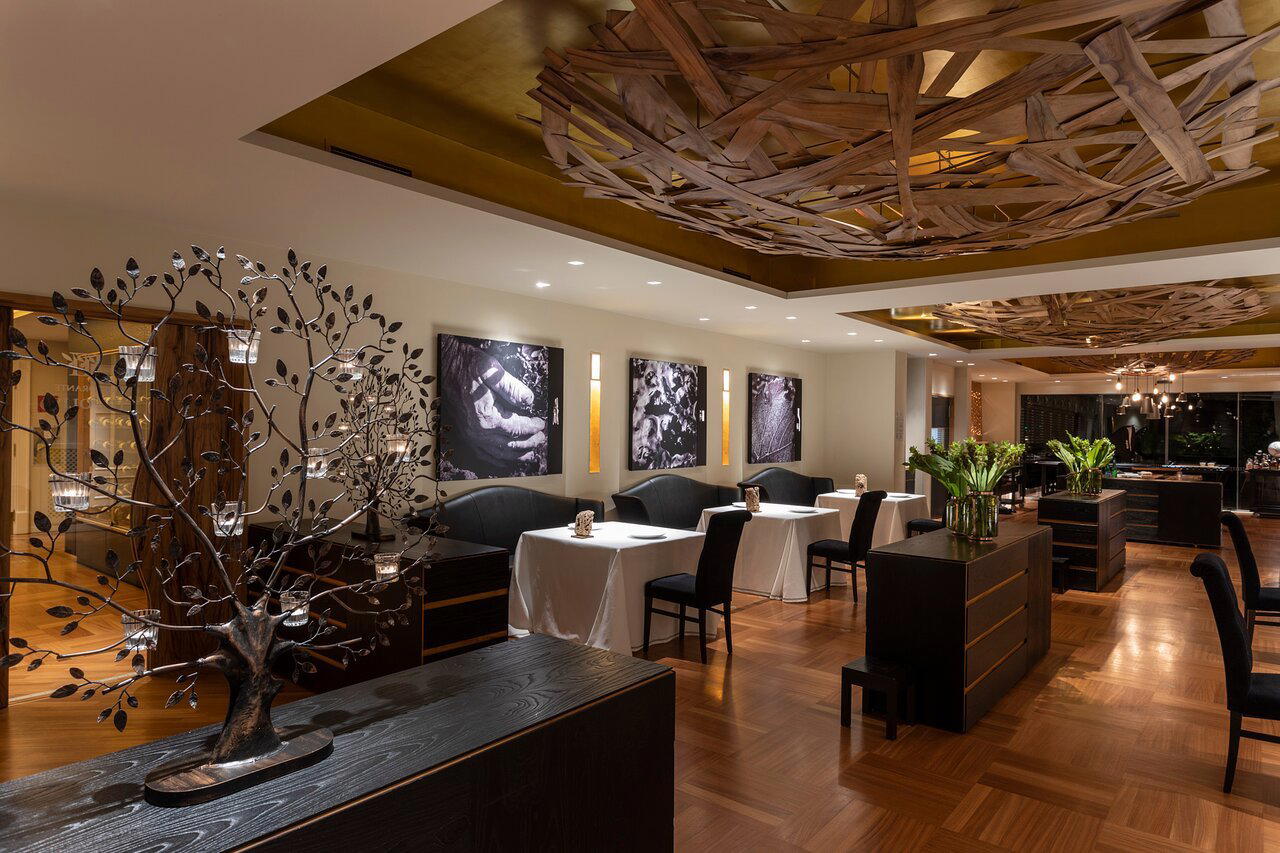
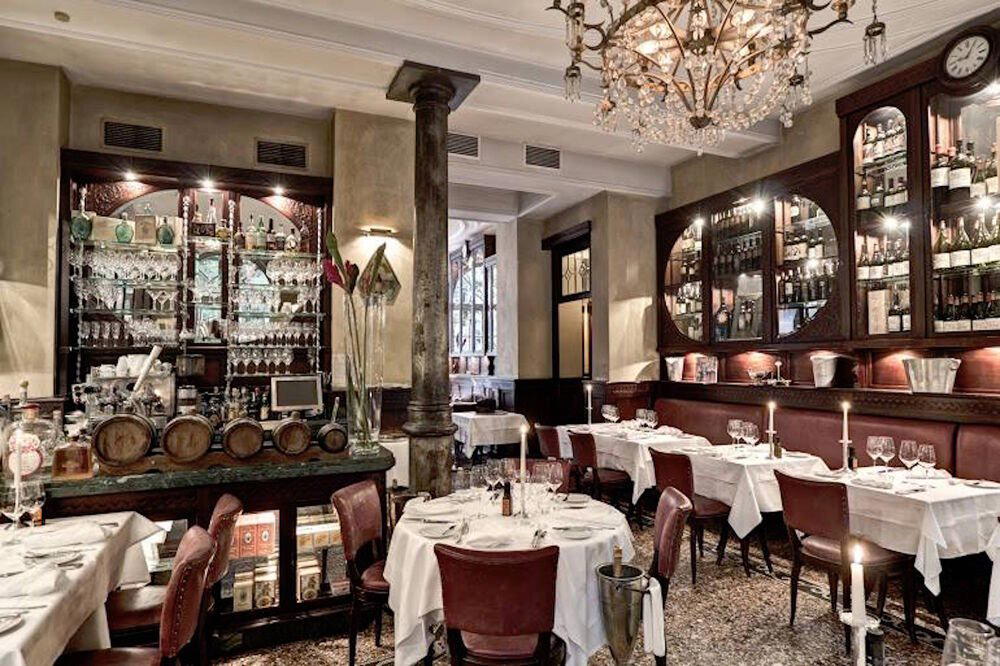
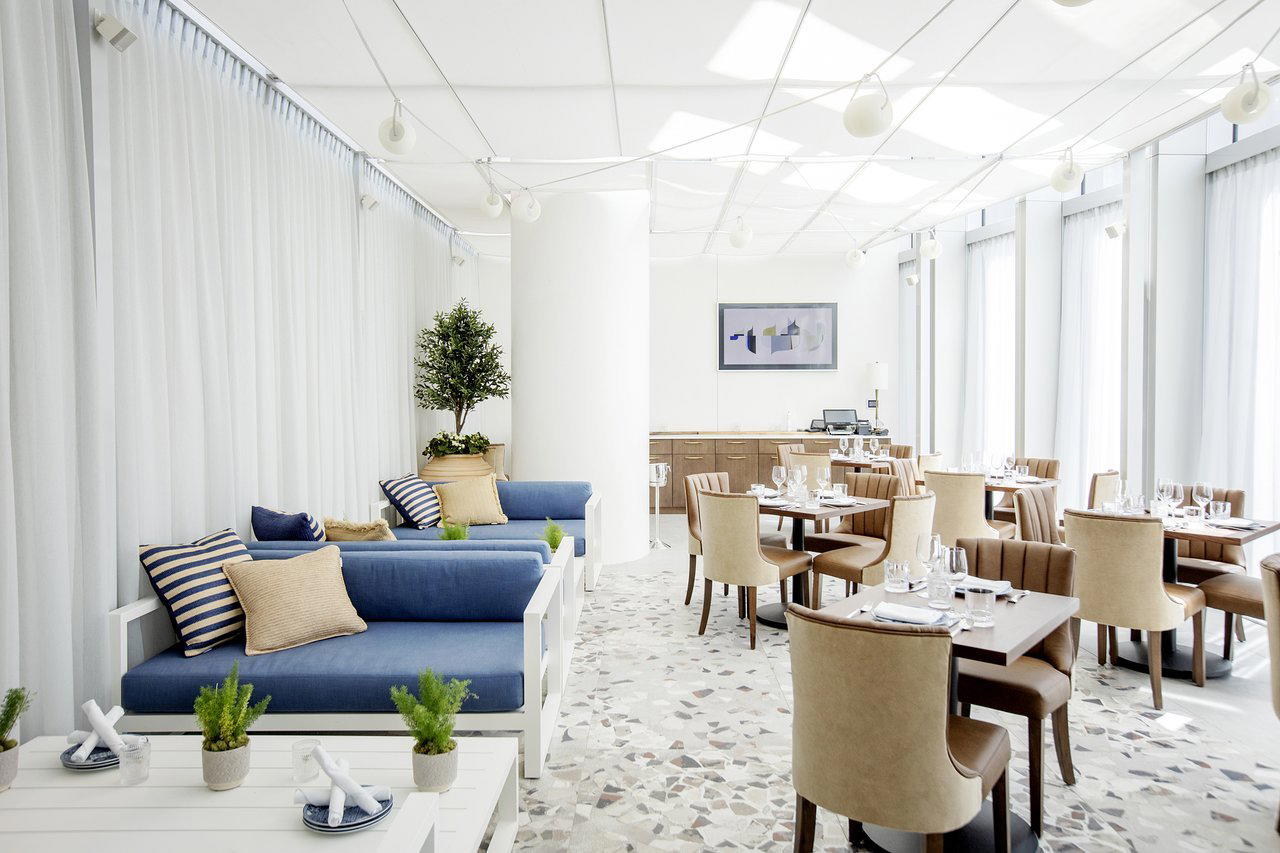
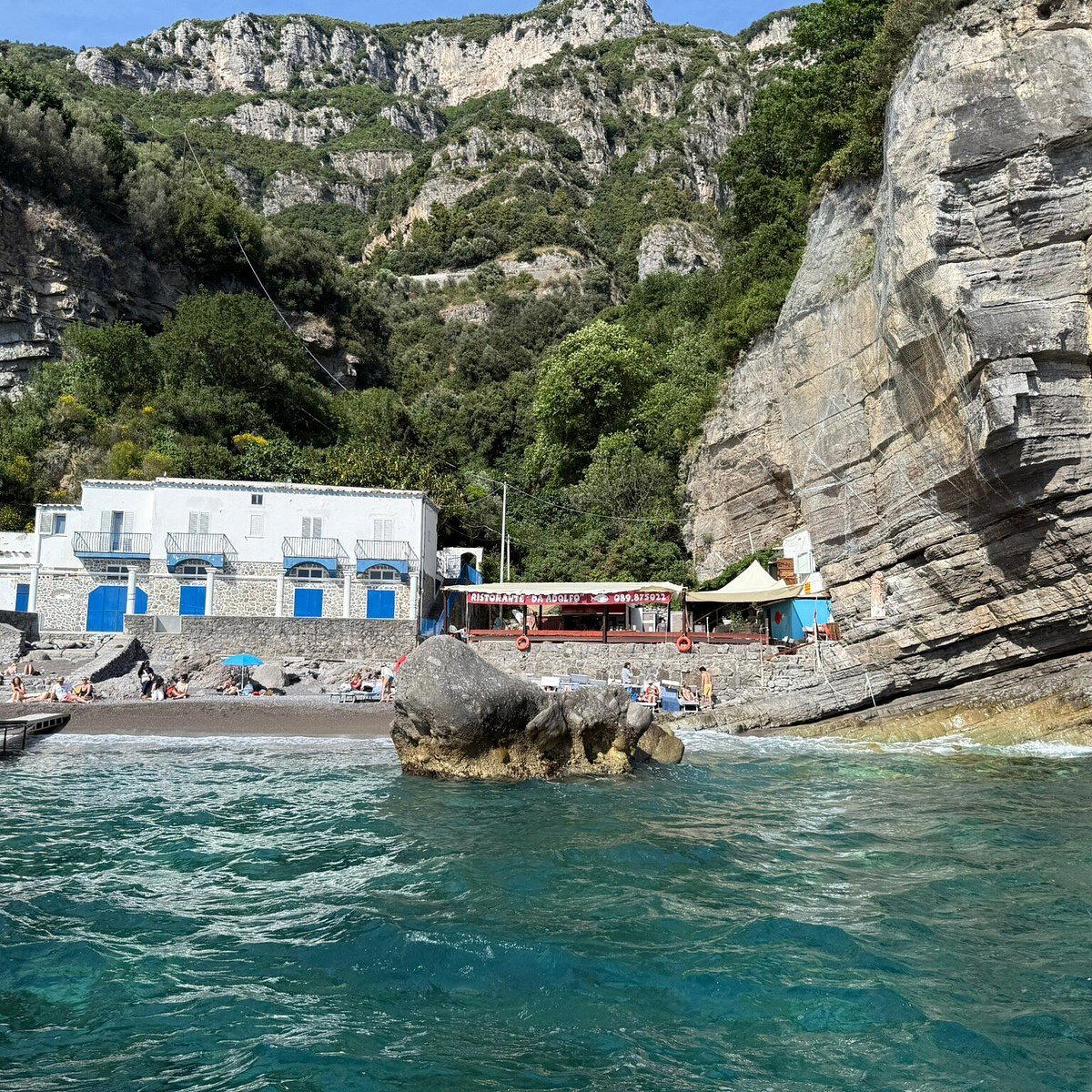
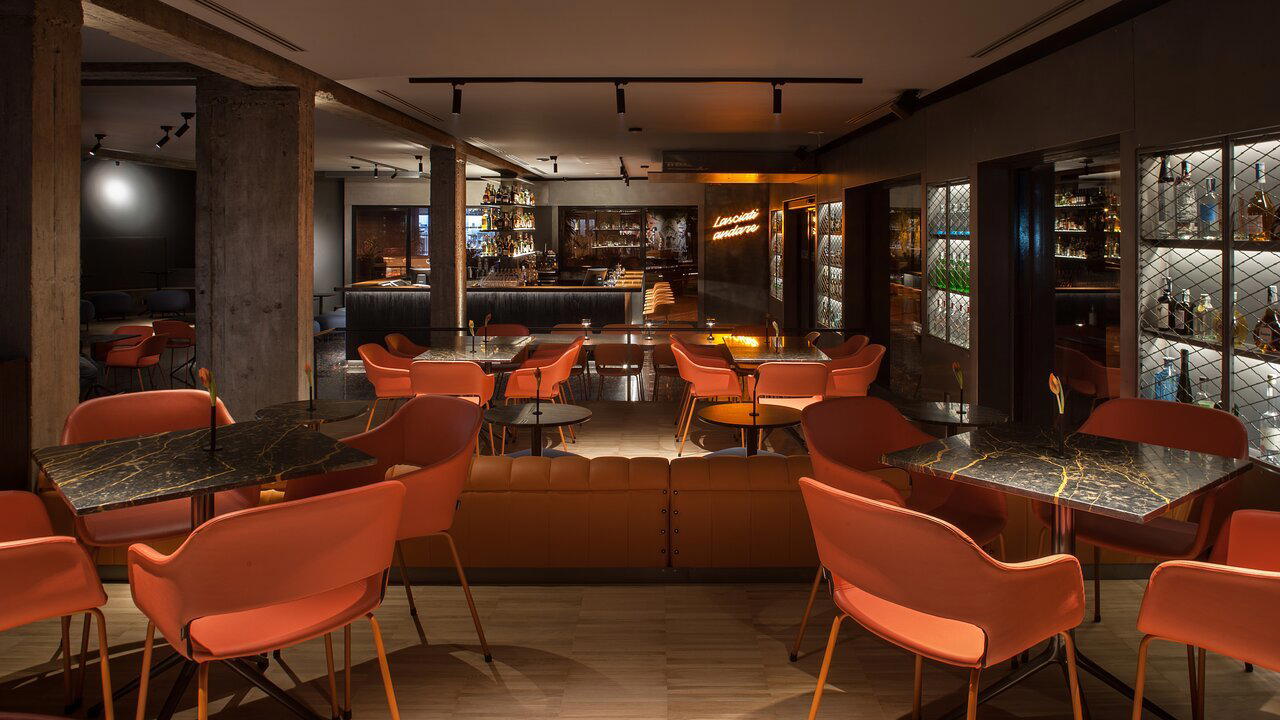
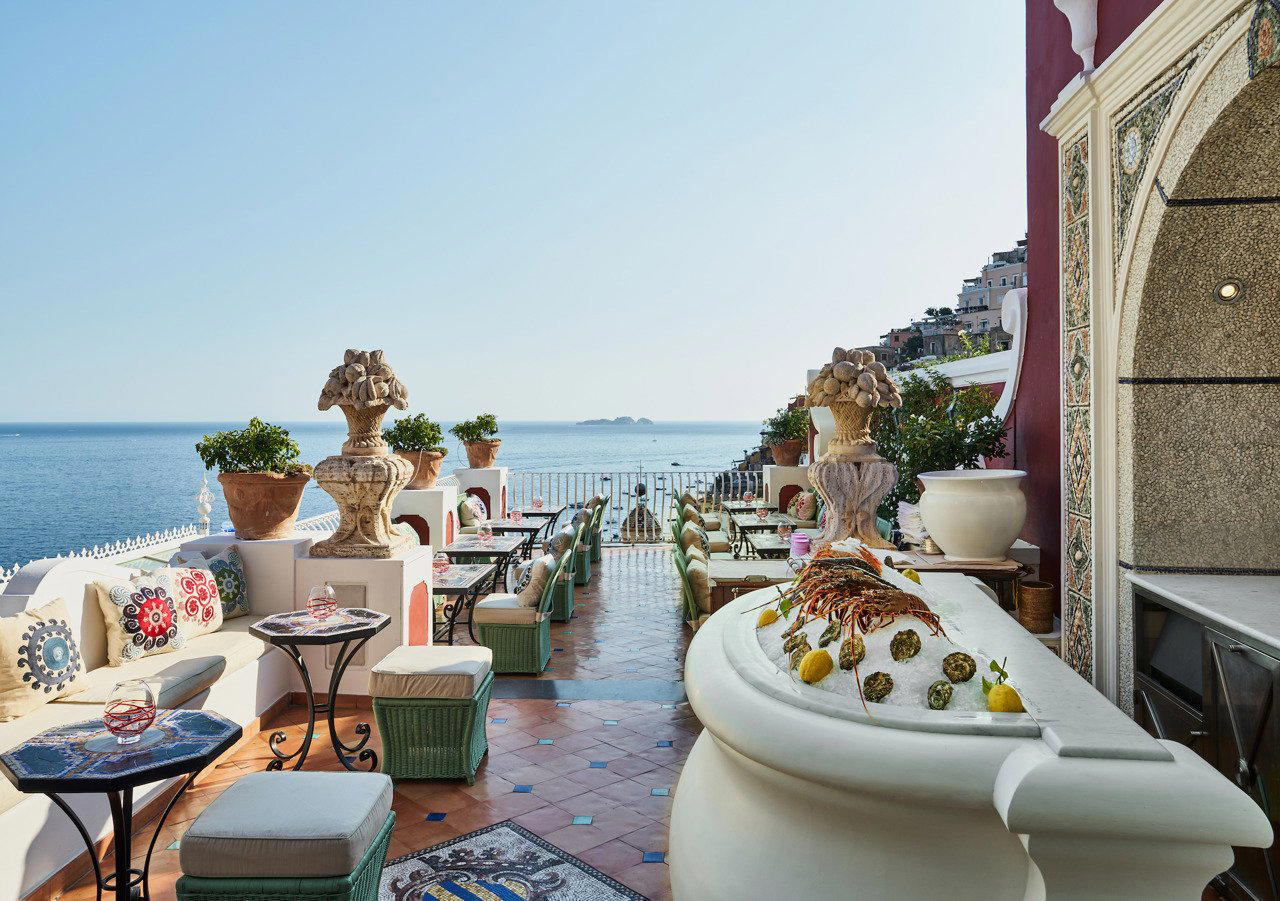
Bright and large dining room with a large porch for outdoor seating, described as elegant and refined yet cozy despite its size.