Songtsam Tacheng Lodge sits within the Songtsam collection of small-footprint retreats designed around Tibetan architectural principles and high-altitude landscapes in Yunnan. The lodge positions itself in the specialist tier of Chinese mountain hospitality, where low capacity and design integrity matter more than resort-scale amenity. For travelers tracing the Tea Horse Road corridor, it is one of the few properties where the physical space itself functions as the primary argument for the stay.
Pearl is the En Primeur Club membership app — saves, bookings, and concierge access live there. Same editors, same standards.
- Address
- Tacheng, China
- Directions
- Get directions
 Saves & bookings on Pearl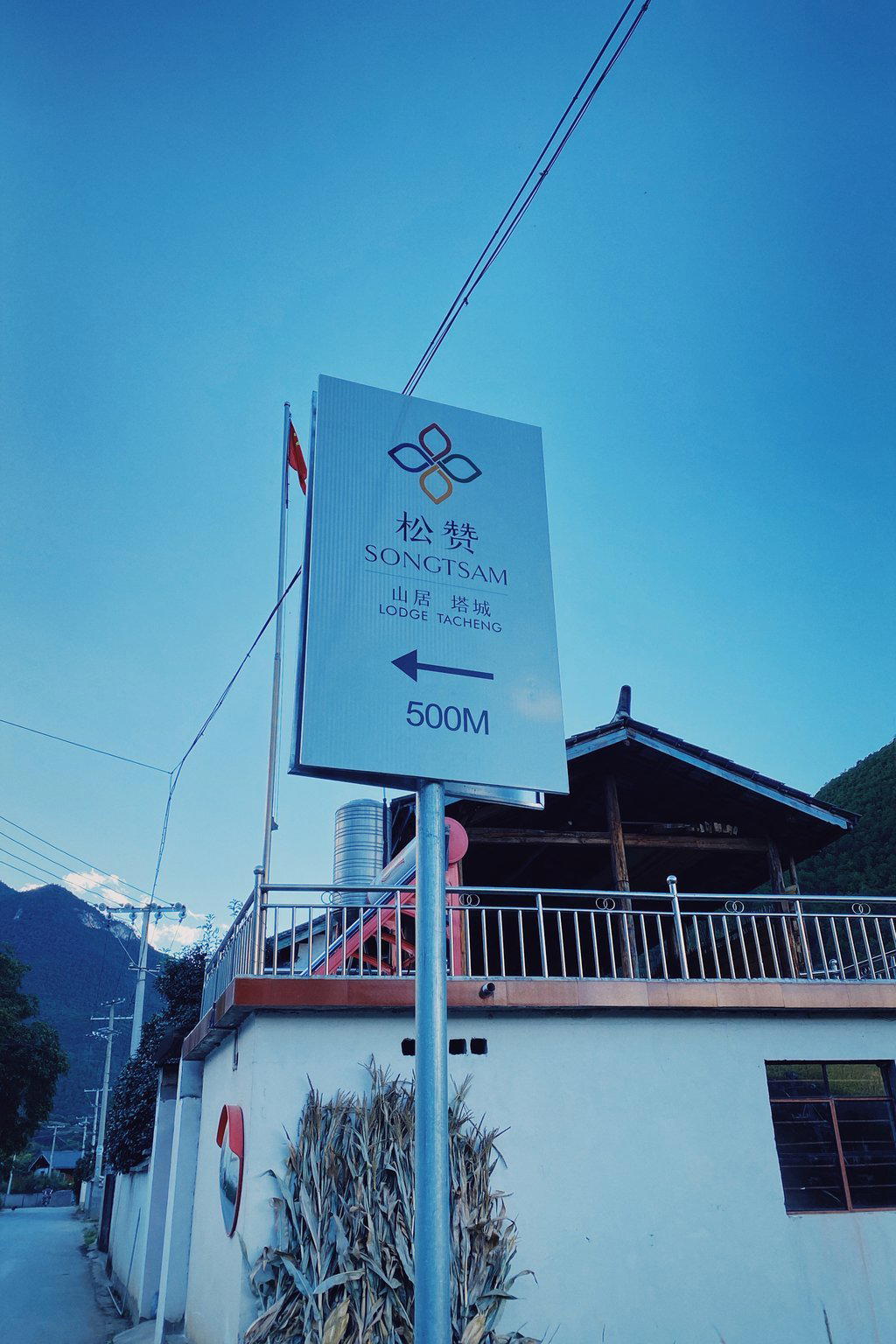
Stone, Timber, and Altitude: How Songtsam Builds Its Case
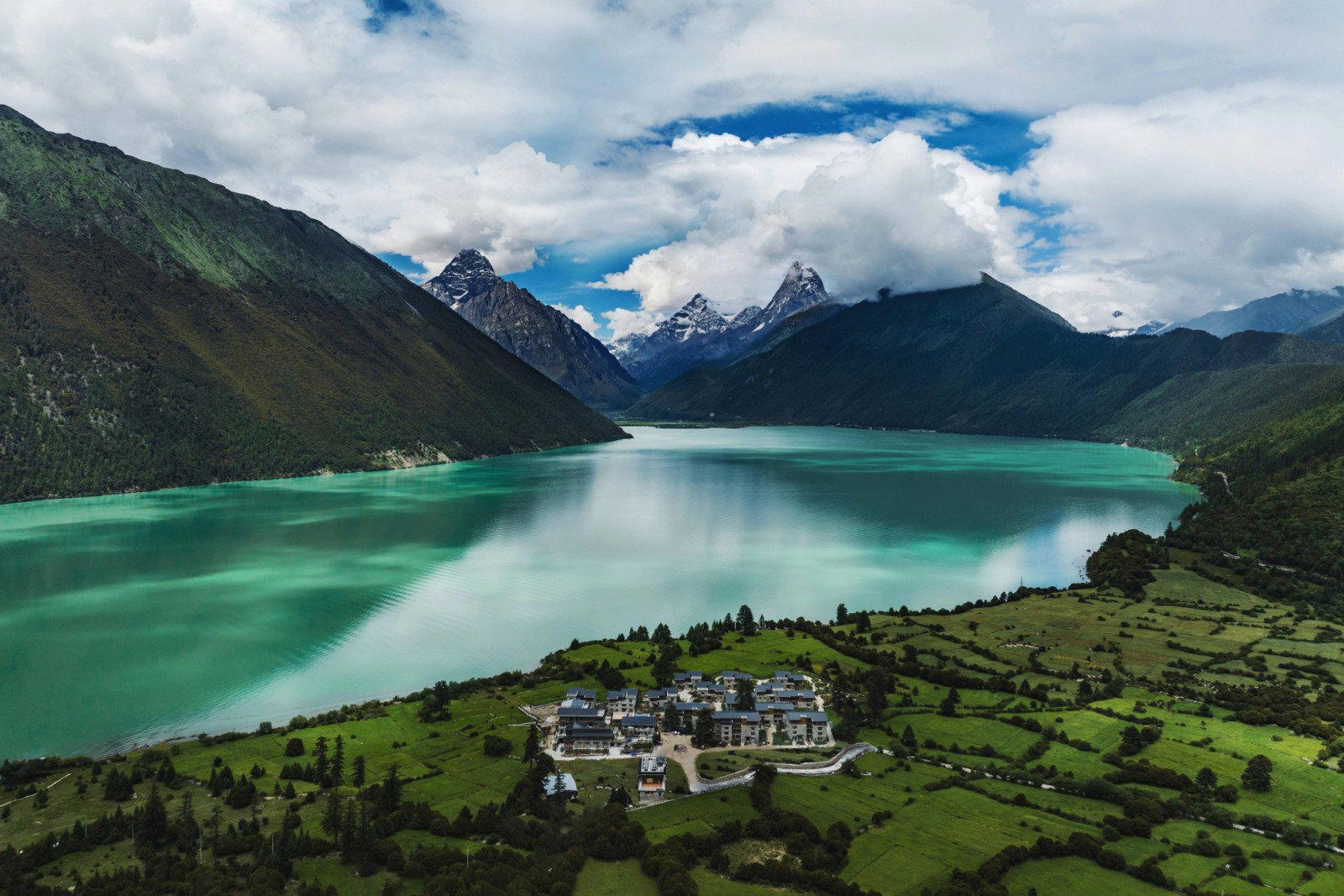
The approach to a Songtsam lodge tells you most of what you need to know before you cross the threshold. Songtsam Tacheng Lodge (松赞塔城山居) is a 5-star hotel in northwest Yunnan, with 20 rooms and nightly rates from about $200. The Songtsam collection, which includes properties across the Tibetan cultural corridor of northwest Yunnan, operates on a consistent design logic: low-rise stone and timber structures that read as continuous with the surrounding terrain rather than imposed upon it. At Tacheng, a valley township in Yunnan's Diqing Prefecture, this approach finds particularly coherent expression. The lodge sits in a setting that lets the architecture work with the surrounding landscape.
Within China's premium mountain hospitality tier, a clear split has emerged between large international-brand retreats built around spa square footage and branded dining programs, and smaller design-led properties where the physical space and its relationship to local material culture carry the weight. The Songtsam properties belong firmly to the second category. Comparable lodges in this niche, such as Amandayan in Lijiang and Amanfayun in Hangzhou, also build their identity around architectural specificity and low key counts rather than program breadth. The competitive difference with Songtsam is scope and price positioning: the collection occupies a different bracket than Aman while maintaining comparable rigour around local material and craft.
The Architecture as Argument
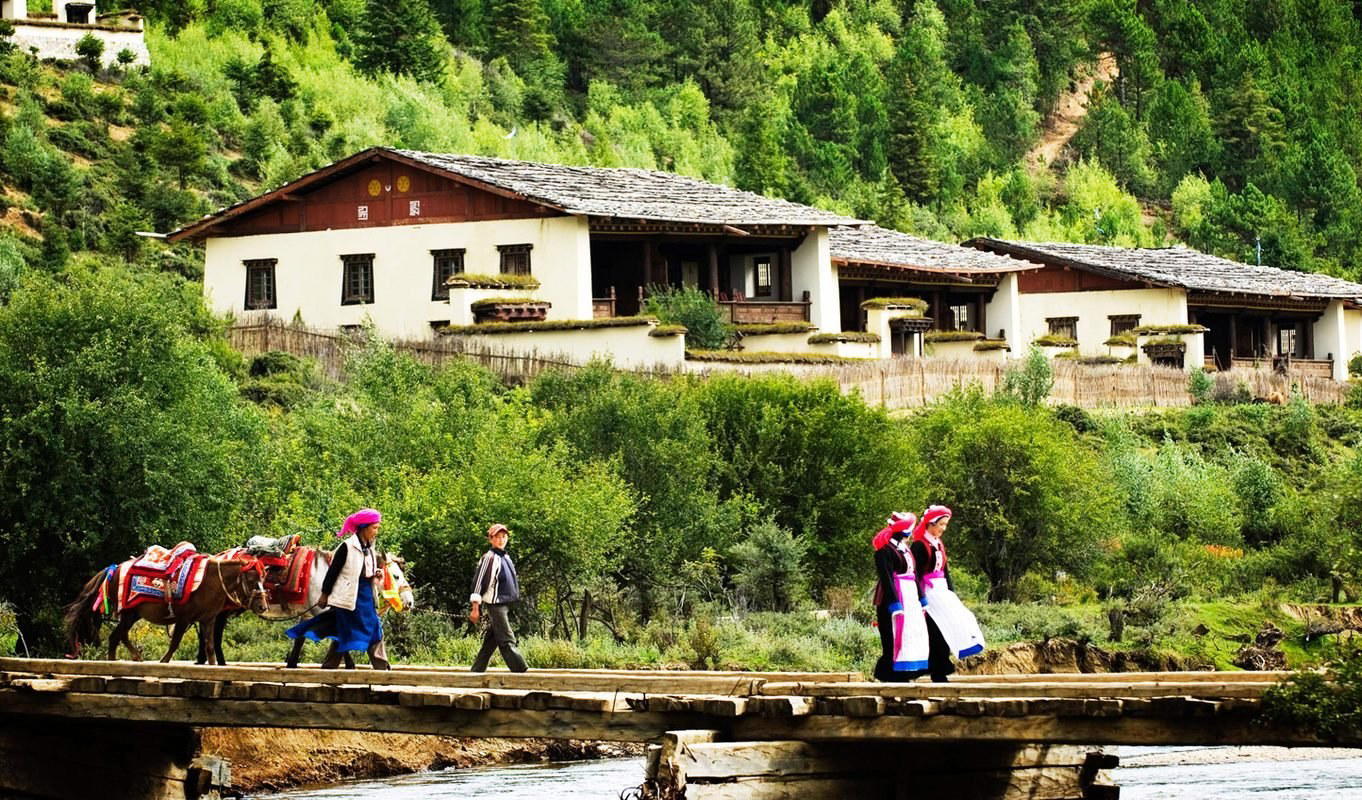
Songtsam's design language across the collection draws from Tibetan vernacular building: compressed stone facades, dark timber joinery, interior courtyard logic, and the particular heaviness of structure that reads as designed for long winters at elevation. These are not aesthetic choices applied to a generic hospitality box. The structural approach at Tacheng reflects the actual building traditions of the valley, where load-bearing stone construction and small window openings were functional responses to climate rather than stylistic decisions. When a contemporary lodge replicates this grammar seriously, the result is spaces that feel well suited to the climate.
Interior design at properties of this type tends to layer local craft into the spatial framework. Thangka-adjacent textile work, hand-hammered metalwork, and locally sourced stone flooring are common elements across the Songtsam portfolio, functioning as material arguments for the region rather than decoration imported from elsewhere. This is a meaningful distinction from the approach taken by larger international operators. Compare the Songtsam model to a property like Banyan Tree Ringha, which operates within the same broad Tibetan cultural zone but with a more international luxury hospitality template layered over the regional aesthetic. Both approaches find their audiences, but they are answering different questions about what a mountain lodge in this part of China should be.
Tacheng as Context
Understanding why Tacheng matters as a location requires stepping back from the more circulated Yunnan itinerary. Most international visitors to the province route through Lijiang's old town, Shaxi Valley, and, following a well-worn circuit that has developed substantial tourism infrastructure over the past two decades. Tacheng sits to the side of this main corridor, in a valley where the primary draw is the concentration of Tibetan Buddhist temples and the relative absence of the souvenir-market density that now defines parts of Lijiang. For a lodge built around architectural authenticity and landscape immersion, that context matters: the visual and social environment outside the property reinforces rather than undermines what the design is trying to do inside.
Travelers considering northwest Yunnan alongside other high-altitude Chinese retreats should map the options clearly. Conrad Jiuzhaigou operates in a completely different model, anchored to a UNESCO-listed national park with high visitor volumes and international-brand service architecture. The experience at a Songtsam property is structurally different: smaller in scale, more regionally specific, and dependent on the surrounding landscape for its logic rather than a protected natural attraction. Both have their place in a considered China itinerary, but they are not substitutable.
Placing the Lodge in the Songtsam Collection
The Songtsam brand now operates multiple lodges along what the company frames as a Tea Horse Road route, a historical trade corridor connecting Yunnan to Tibet. Each property is positioned as a node on this journey rather than a standalone destination, which gives the collection a logic that individual luxury retreats cannot replicate. Guests who complete multiple Songtsam stays are not simply returning to a preferred brand; they are tracing a geographic and cultural argument that the collection makes through its site selection and design consistency. This is a model with few genuine parallels in Chinese hospitality.
Among the properties that come closest in concept, if not in regional identity, are Mohe Youran Mountain Residence in Da Hinggan Ling, which operates a similarly small-footprint, landscape-first logic in a completely different ecological zone in China's far northeast, and Xiamen Yunding Resort, which applies comparable design restraint in a coastal mountain setting. The Songtsam proposition, however, is distinctly tied to Tibetan material culture and the specific altitude and climate of the Hengduan Mountains, making it harder to replicate in other regions. Travelers who have experienced Elite Spring Villas in Anxi or Vanke Lake Songhua Yunlu Hotel in Jilin within China's design-led lodge tier will recognize the sensibility, though the cultural reference point at Tacheng is considerably more specific.
Planning Your Stay
Tacheng is most practically accessed via Lijiang Sanyi International Airport, with onward road travel into the valley. The surrounding area rewards slower travel: the valley's temples, including the significant Tacheng Monastery complex, are walkable from the main settlement. For travelers arriving from urban China's largest hotel markets, the transition is significant in terms of infrastructure and pace. Properties like Mandarin Oriental Qianmen in Beijing or JW Marriott Hotel Shanghai at Tomorrow Square represent the urban anchor of a China trip; Tacheng represents its antithesis, by design. Booking in advance is advisable, as the individual properties have limited direct-booking infrastructure. Shoulder seasons can offer manageable temperatures and thinner visitor numbers than the summer peak. Winter stays can be rewarding, but access road conditions in deep winter warrant checking before committing to dates.
Side-by-Side Snapshot
Comparable venues nearby, for context on price, style, and recognition.
| Venue | Cuisine | Price | Awards | Notes |
|---|---|---|---|---|
| Songtsam Tacheng Lodge (松赞塔城山居)This venue — the venue you are viewing | Traditional Tibetan architectural marvel blending heritage with modern comforts. | $$$$ | 5-Star | Not listed |
| InterContinental Shanghai Pudong | Modern atrium-style luxury hotel | $$$$ | 5-Star | Yang Jia Du |
| Park Hyatt Xi'an | Luxury urban Park Hyatt positioned as a sophisticated home-away-from-home for informed global travelers in a major mixed-use commercial district. | $$$$ | 5-Star | Qujiang District |
| HUALUXE Nanjing Yangtze River | Premium luxury hotel designed for Chinese business elite and culture-appreciating travelers, blending contemporary design with traditional Chinese aesthetics and craftsmanship. | $$$$ | 5-Star | Pukou |
| The Dawn Luxury Hotel | cultural immersion in ancient city architecture with modern interiors | $$$$ | 5-Star | Nanzhao Town |
| Hylla Vintage Hotel | Vintage design collection hotel blending Naxi heritage with modern comforts | $$$$ | 5-Star | Yanjiao Village, Baisha |
Continue exploring
More in Tacheng
Hotels in Tacheng
Browse all →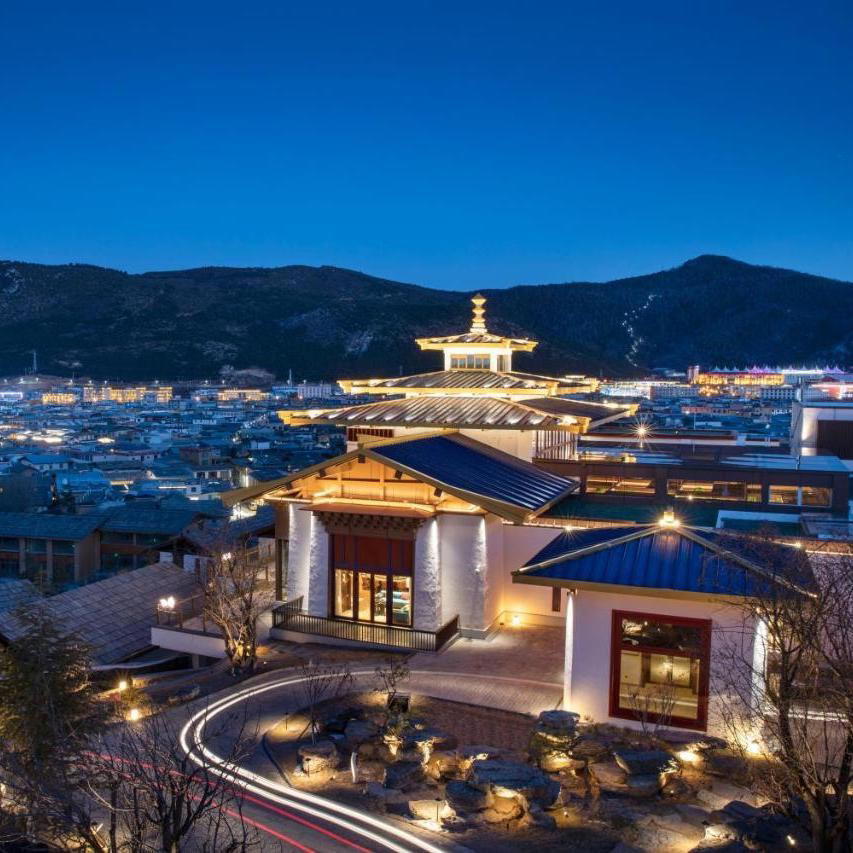
Bars in Tacheng
Browse all →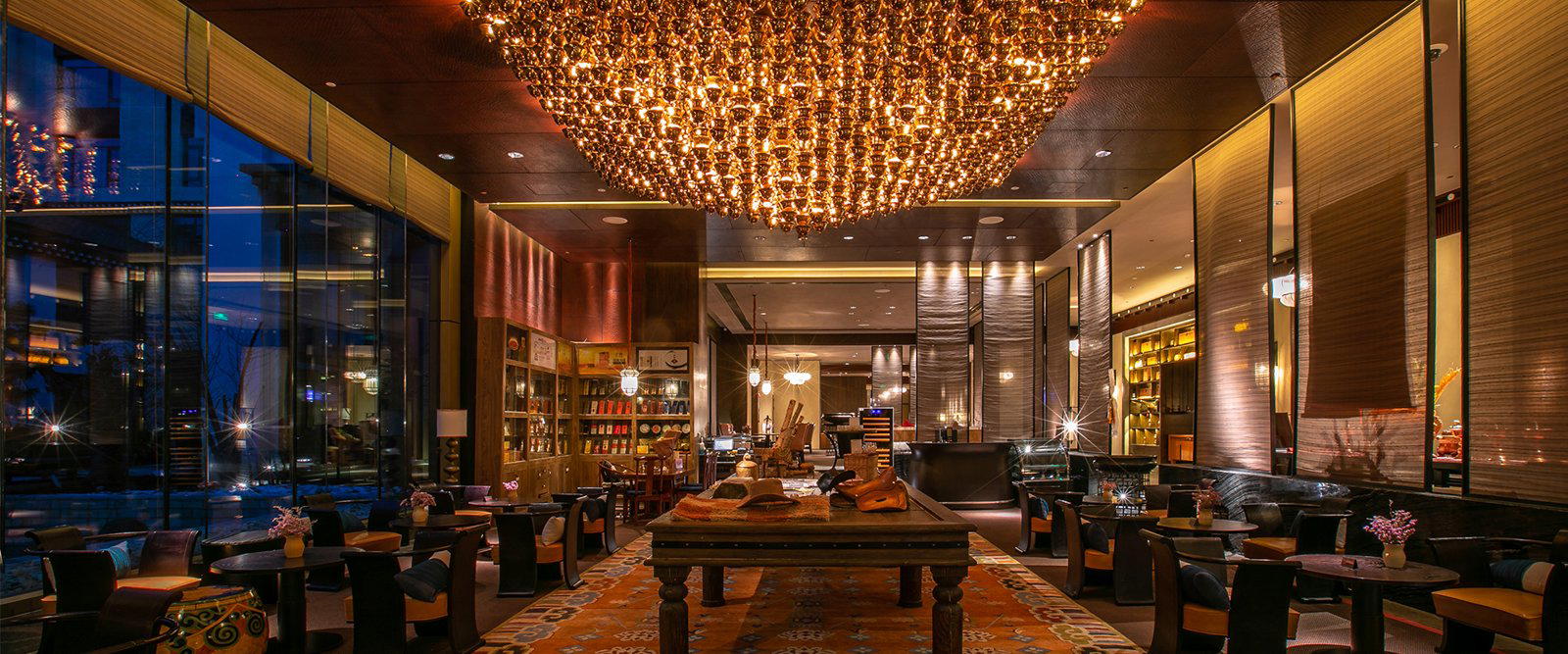
Restaurants in Tacheng
Browse all →
At a Glance
- Scenic
- Cozy
- Elegant
- Rustic
- Intimate
- Romantic Getaway
- Family Vacation
- Weekend Escape
- Panoramic View
- Garden
- Terrace
- Wi Fi
- Pool
- Room Service
- Concierge
- Mountain
- Garden
- Wi Fi
- Pool
- Room Service
- Concierge
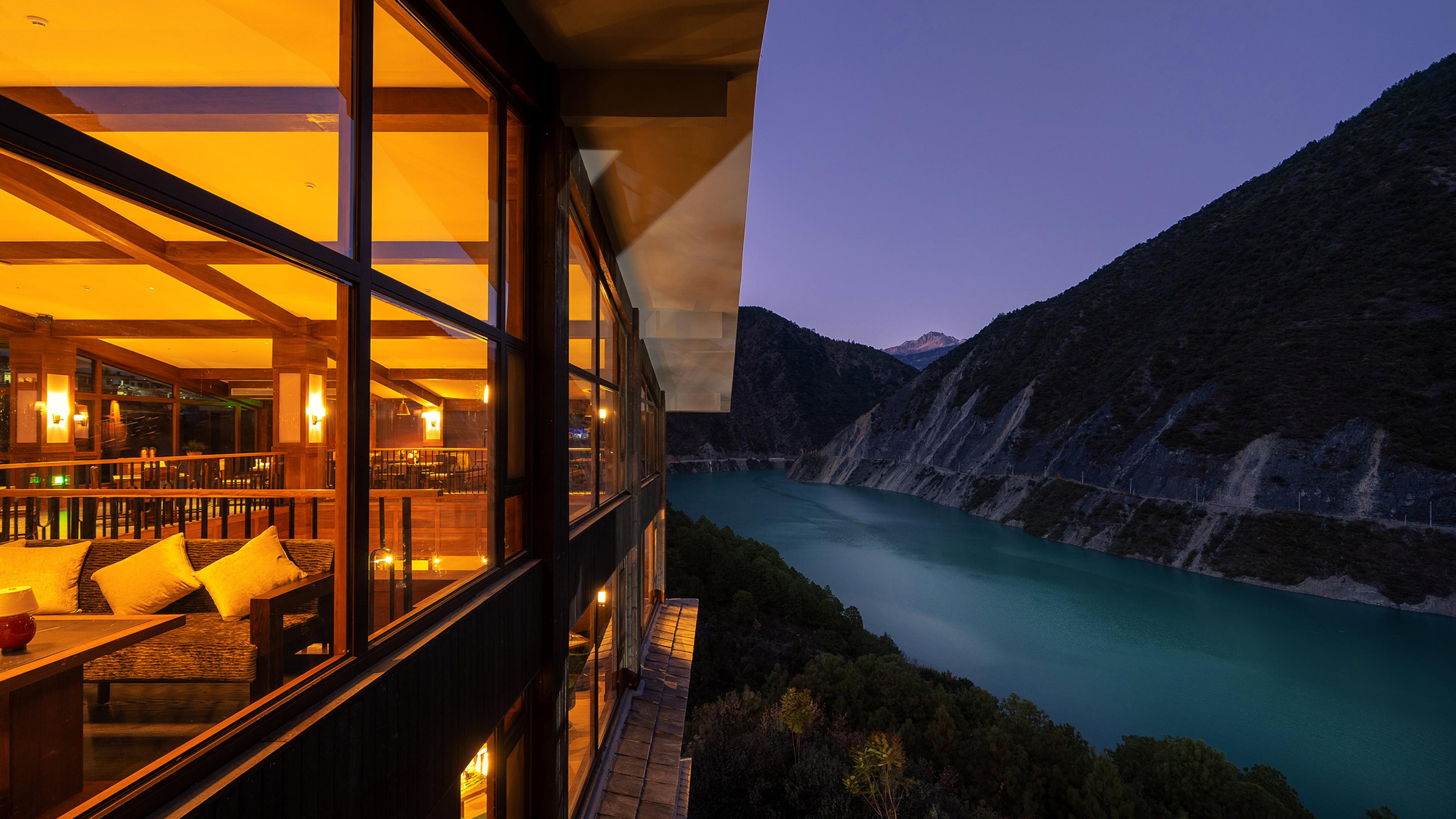
Cozy and tasteful Tibetan-style interiors with wooden furnishings, artifacts, and large windows offering serene rural valley views.