


Michelin Selected · Forbes Recommended · Virtuoso Luxury Hotel Partner
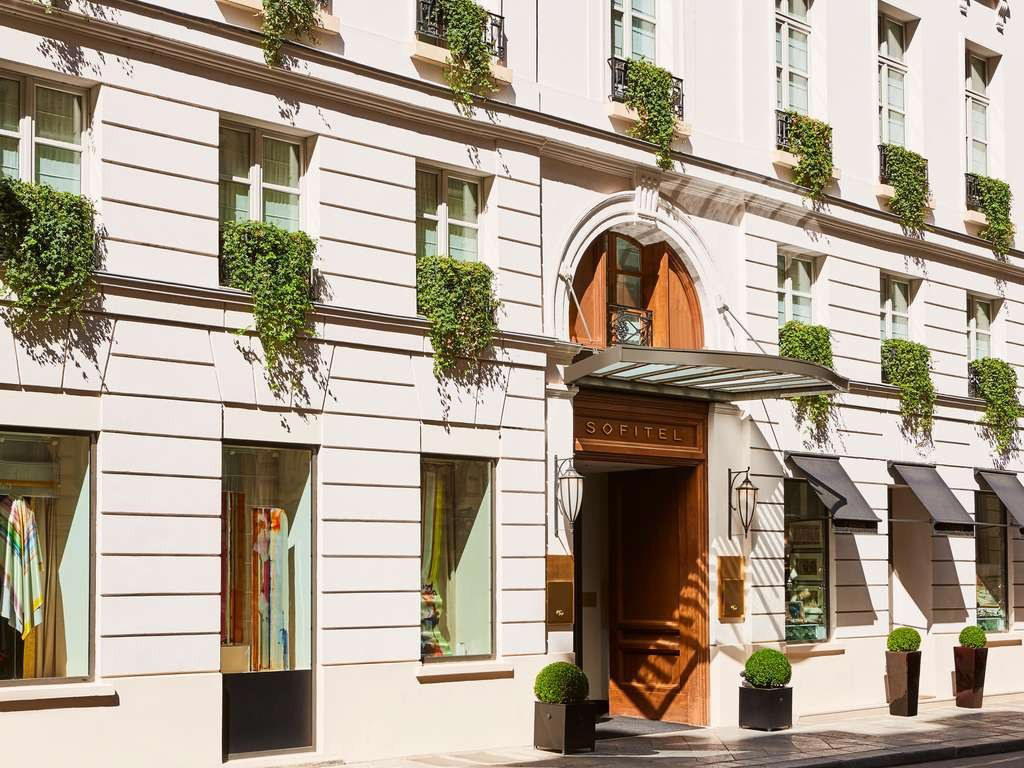
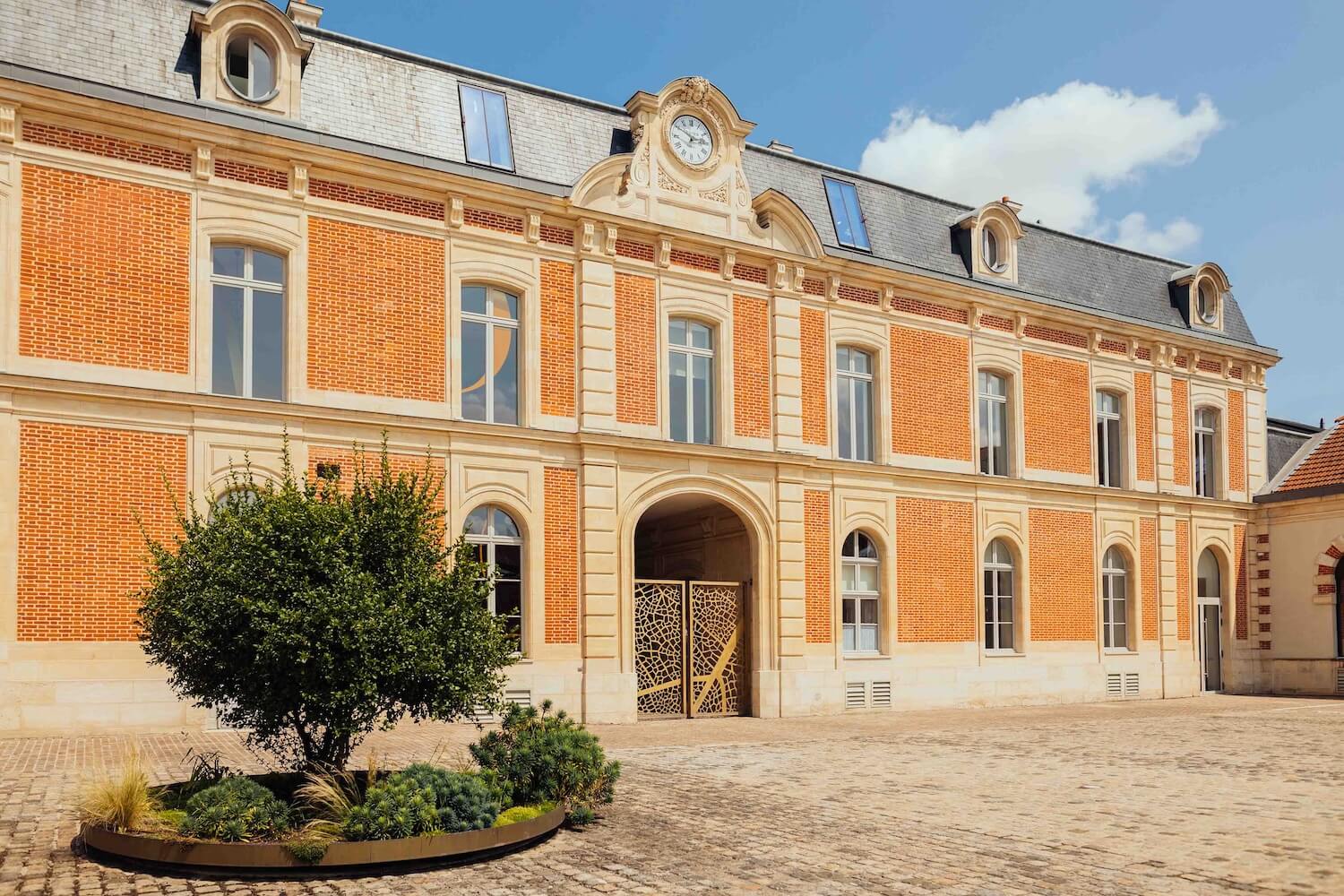
An 18th-century hôtel particulier on Rue Boissy d'Anglas, Sofitel Paris Le Faubourg sits between the fashion houses of Rue du Faubourg Saint-Honoré and the gardens of the Tuileries. Redesigned by Didier Gomez with a haute couture sensibility, its 148 rooms and a newly relaunched restaurant, Maison Blossom, make a considered case for the 8th arrondissement's quieter, more residential strain of luxury.

Pearl is the En Primeur Club membership app, where members save venues, book tables and use the concierge.
Where the 8th Arrondissement Finds Its Residential Register
Rue Boissy d'Anglas occupies an interesting position in Paris's luxury geography. Semi-pedestrian and lined with high-end boutiques, it sits close enough to the American Embassy that police maintain a permanent presence on the street, a detail that signals both the address's diplomatic weight and its relative calm compared to the commercial energy of nearby Place de la Concorde. Hotels in this zone operate in the shadow of more celebrated neighbours: Hôtel de Crillon sits minutes away on the Place itself, and Hotel Plaza Athénée anchors the Avenue Montaigne axis to the west. Within that context, Sofitel Paris Le Faubourg has long pursued a different register: smaller-scaled, design-forward, and oriented around the fashion world rather than grand palatial tradition.
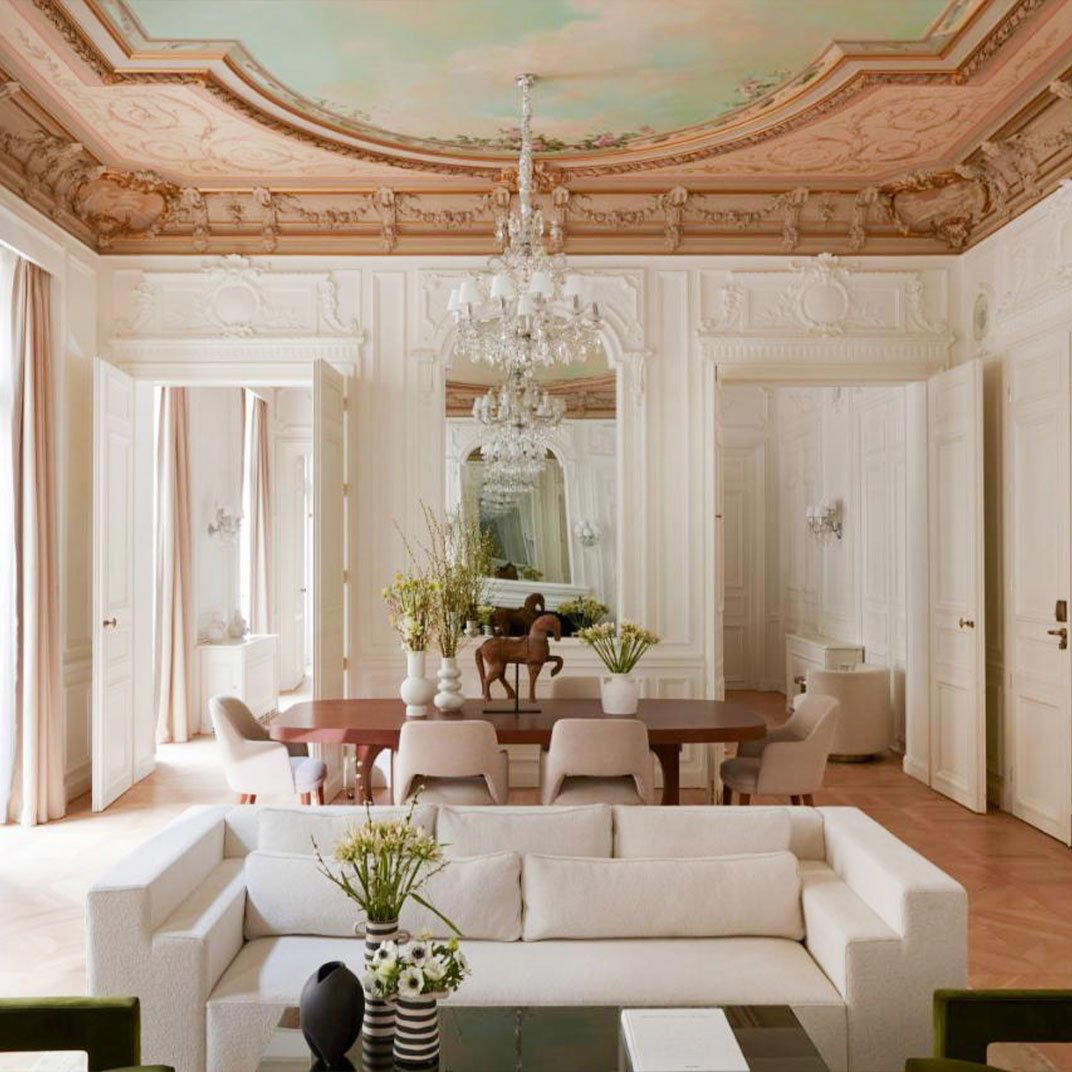
The building is an 18th-century townhouse that served, in a previous chapter, as the Paris home of Marie Claire magazine. That provenance is not incidental, designer Didier Gomez carried a retro fashion-house sensibility through the interiors, running black-and-white photographs of elegantly dressed women through the corridors and rooms, many painted in pastels and displayed above beds. The effect is more art-directed apartment than grand hotel lobby, which is partly the point.
Maison Blossom: A Kitchen Anchored in French Seasonal Tradition
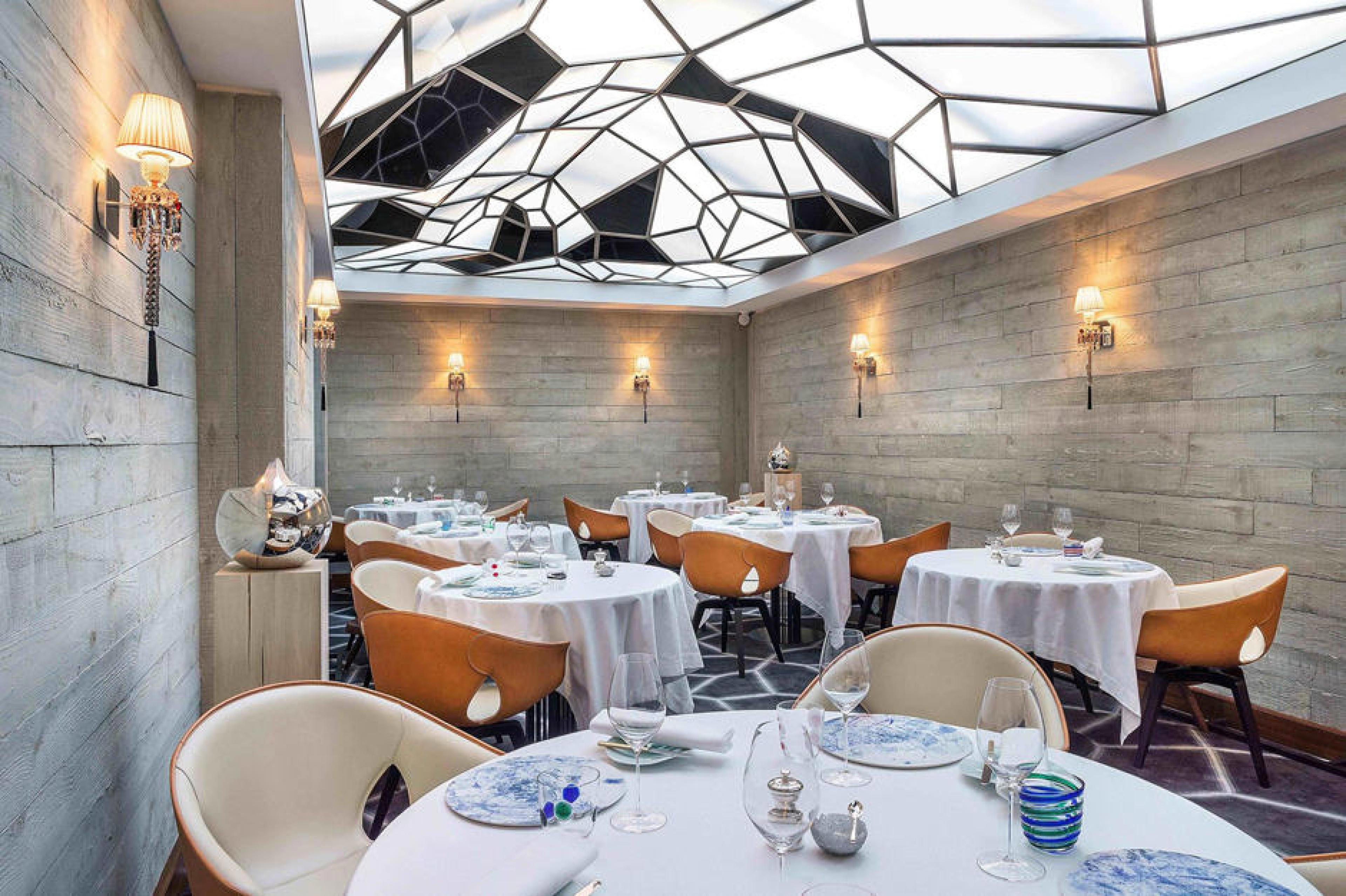
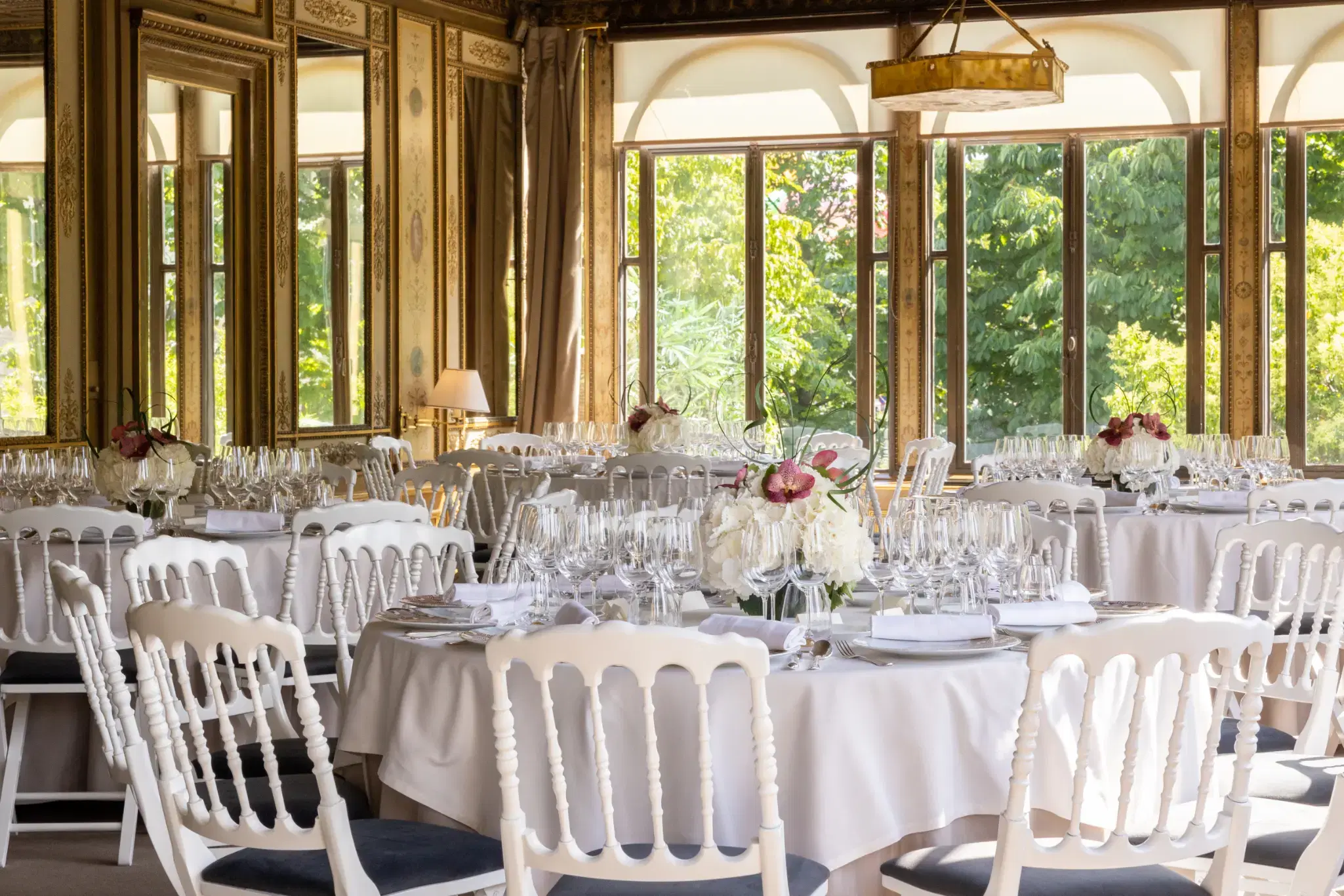
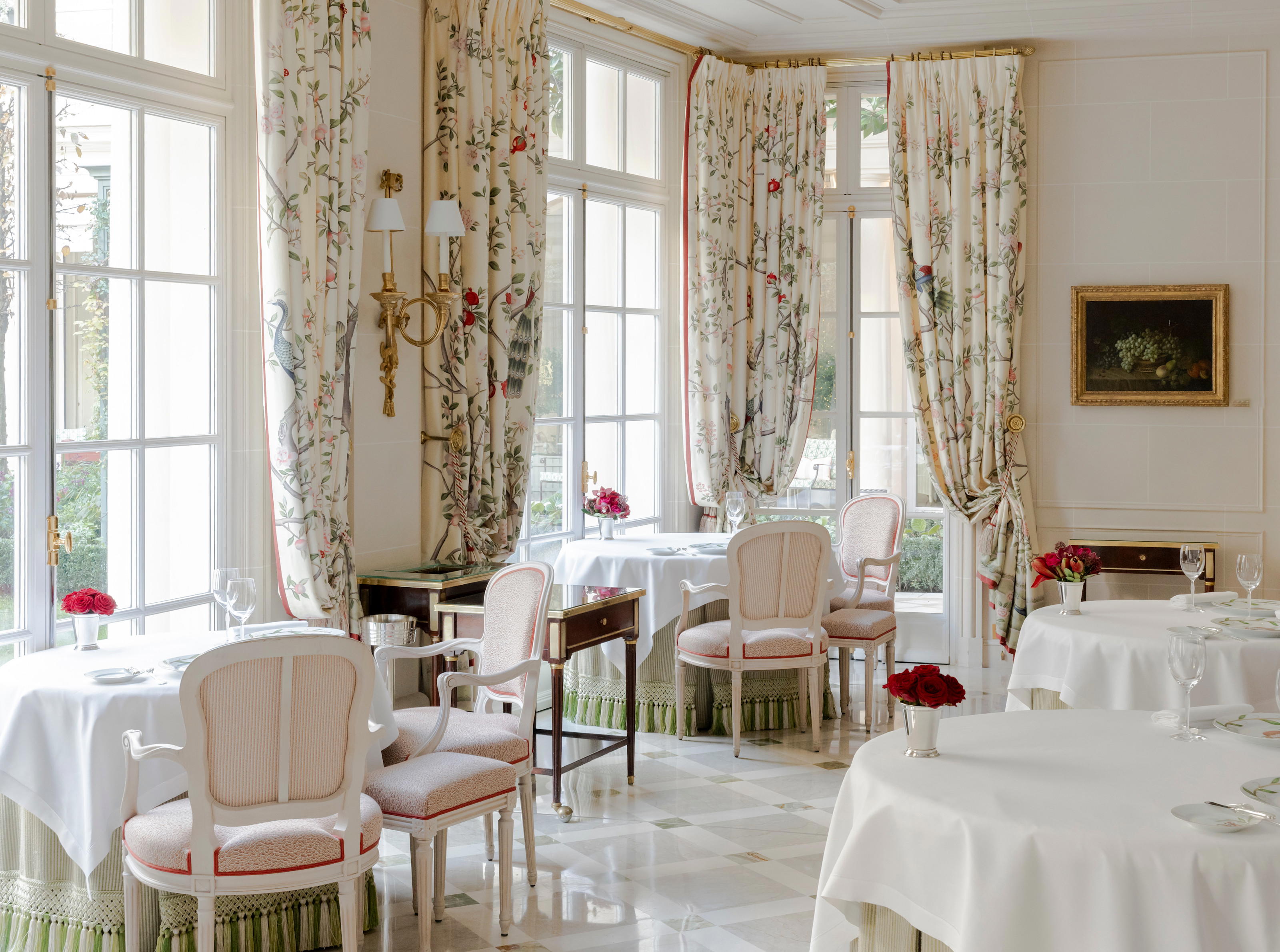
The transformation that matters most for food-oriented guests is the restaurant. From 7 April, the hotel's dining space relaunches as Maison Blossom, replacing the previous Blossom format with a more deliberately positioned gastronomic address. The spatial concept is telling: the room is designed to read as a Parisian home rather than a hotel restaurant, opening onto a winter garden and a patio garden described as one of the quieter courtyards in the 8th. The distinction between hotel dining room and independent restaurant has been a consistent challenge for Parisian properties; Maison Blossom's reconfiguration is an attempt to resolve it through setting as much as through the menu itself.
Kitchen's stated focus falls on seasonal ingredients and the reinterpretation of French classical cooking, which, in current Paris, positions it within a specific current: the move away from elaborate architectural plating toward cooking that locates its authority in sourcing and technique rather than novelty. French seasonal cooking at this level depends on a supply chain that the city's geography makes relatively direct: Rungis market, accessible before dawn, remains the primary clearing house for restaurant-grade produce across Paris, and hotels in the 8th typically have direct supplier relationships alongside it. The promise of Maison Blossom is that seasonal produce arrives at the table in recognisable form, the great classics, reread with restraint rather than reimagined from the ground up.
One reported detail from the kitchen's approach gives some texture to this: guests who cannot choose between desserts are invited to name a single favourite ingredient, and the pastry section prepares a tailor-made dish around it. That detail suggests a kitchen interested in direct dialogue with produce rather than locked-in tasting formats, an approach more aligned with the bistrot de luxe tradition than with formal multi-course programs.
The Bar and the Street
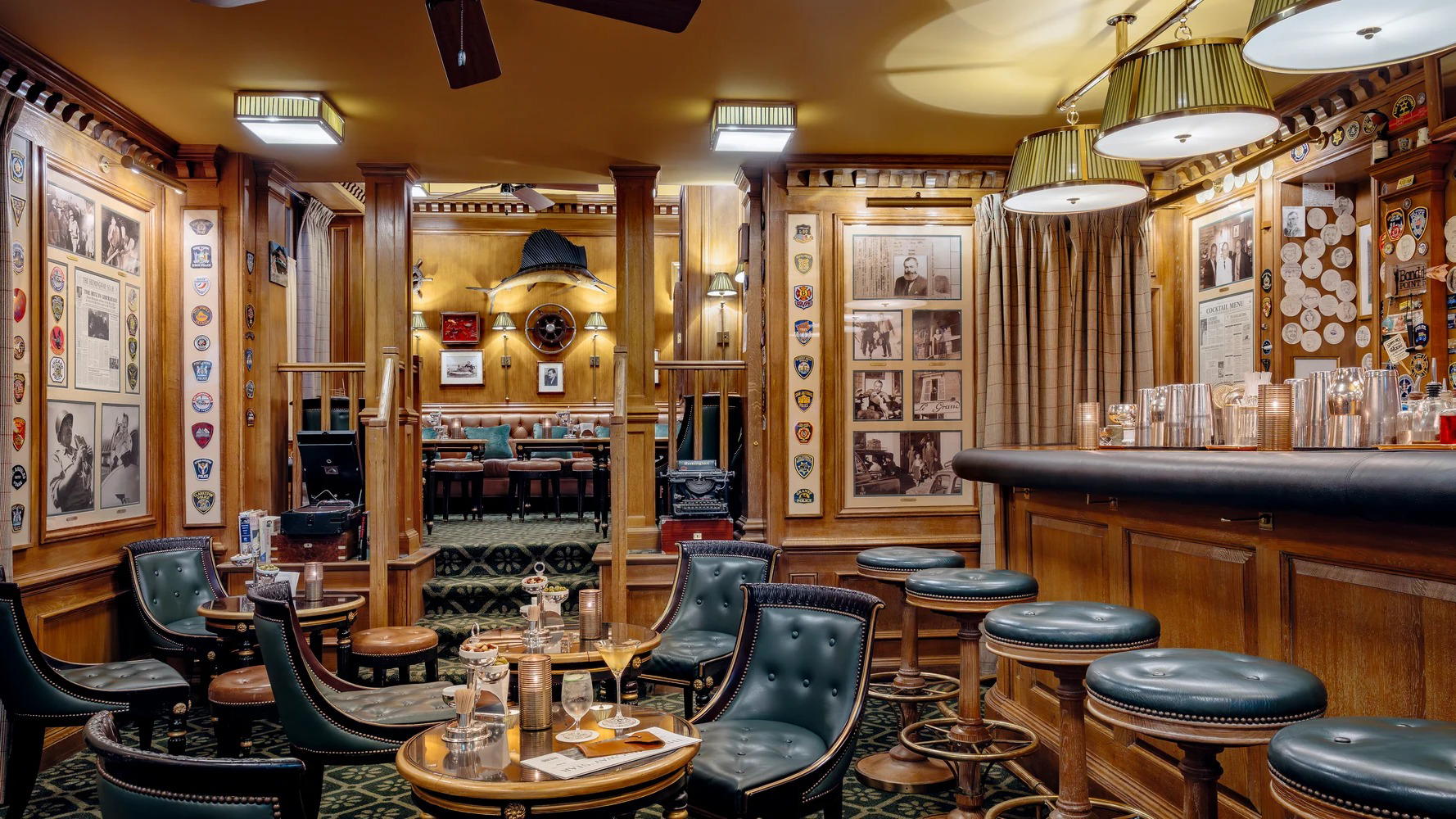
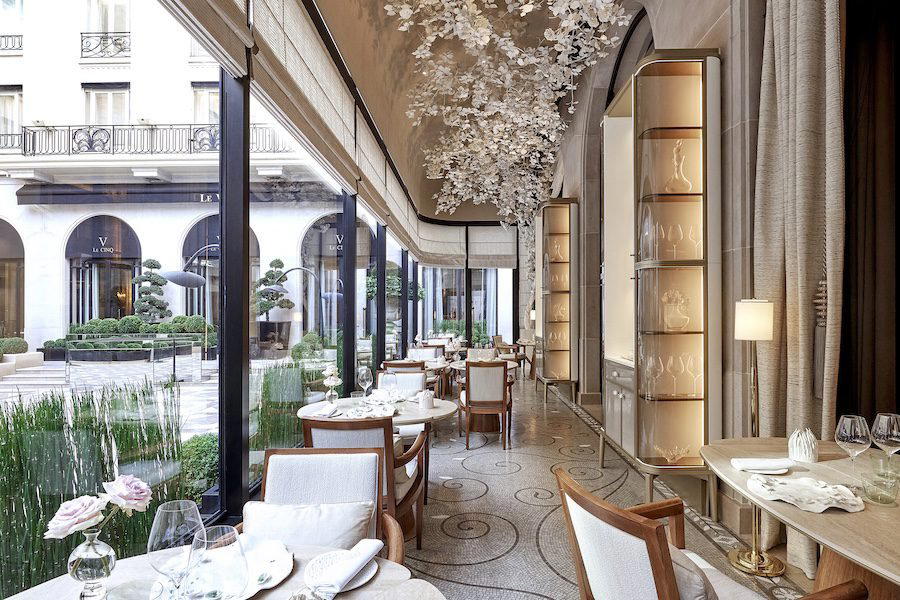
Bar du Faubourg operates on a different logic from Maison Blossom. Its terraces face Rue Boissy d'Anglas directly, and the programming spans cocktails, tapas, afternoon tea, and light lunch across the full day, a format that captures the street's mix of locals in the fashion industry and visitors moving between the Tuileries and the Faubourg Saint-Honoré boutiques. The bar-as-salon format is well-established in Paris's luxury hotels; what distinguishes Bar du Faubourg is the address, where foot traffic skews toward a genuinely local professional crowd rather than pure tourism.
148 Rooms and the Haute Couture Aesthetic
The hotel's 148 rooms divide across categories where the primary variable is size rather than a dramatic shift in specification. All categories draw Balmain-branded amenities, Nespresso machines, and the pastel-and-fashion-photography interior language that Gomez established through the building. Suites are architecturally configured to echo a Parisian apartment, with classical moulding over thresholds and colour schemes built around neutrals, yellow, and gold. Several rooms carry rooftop views across the 8th. The detail that recurs in property descriptions, walls in some rooms given over almost entirely to large-format fashion photographs, including one that doubles as a closet door, illustrates how thoroughly the couture concept is applied. It is a choice that will read as either immersive or intrusive depending on the guest.
The design approach places this property in a distinct niche within the Accor group's Paris portfolio and within the broader 8th arrondissement market. Properties like Four Seasons George V and Le Bristol Paris operate at larger scale with more institutional weight. The Sofitel Le Faubourg's 148-key count and fashion-house framing target a narrower audience: guests for whom design specificity matters as much as address, and for whom the neighbourhood's mix of professional Paris and luxury commerce is an attraction rather than a backdrop.
Wellness and the Courtyard Patio
Wellness area runs to a fitness room with leather-panelled walls, two separate hammams (one per gender), and treatment options available on approximately one hour's notice, using Kos Paris products. The treatment space is separated from the fitness room by double doors, creating effective acoustic isolation. The patio, described internally as one of the more peaceful hidden courtyards in central Paris, functions as the hotel's counterpoint to the street-level energy of the bar terraces, a shift in register that the building's townhouse footprint makes possible in a way that larger hotel structures typically cannot.
For guests extending their France itinerary, the EP Club covers a range of properties that represent different modes of French luxury: Les Sources de Caudalie in Bordeaux, Domaine Les Crayères in Reims, Baumanière Les Baux-de-Provence in Les Baux, La Bastide de Gordes in Gordes, Villa La Coste in Le Puy-Sainte-Réparade, Royal Champagne Hotel and Spa in Champillon, Cheval Blanc Courchevel, Four Seasons Megève, Hotel Du Cap-Eden-Roc in Cap d'Antibes, The Maybourne Riviera in Roquebrune-Cap-Martin, La Réserve Ramatuelle, Airelles Saint-Tropez Château de la Messardière, and Hôtel and Spa du Castellet in Le Castellet. Beyond France, international alternatives in the EP Club portfolio include Airelles Château de Versailles, Aman Venice, The Fifth Avenue Hotel in New York, and Aman New York.
Know Before You Go
- Address: 15 Rue Boissy d'Anglas, 75008 Paris
- Hotel Group: Accor (Sofitel)
- Room Count: 148 rooms and suites
- Restaurant: Maison Blossom (relaunched April 7); seasonal French menu, winter garden and patio setting
- Bar: Bar du Faubourg; open across the full day for cocktails, tapas, tea service, and light lunch; street terrace on Rue Boissy d'Anglas
- Wellness: Fitness room, two hammams, treatments available with approximately one hour's notice; Kos Paris products
- Room Amenities: Balmain bath products, Nespresso machines across all categories
- Guest Rating:
- Neighbourhood: Steps from Tuileries Gardens and the Grand Palais; proximity to American Embassy; adjacent to Rue du Faubourg Saint-Honoré luxury boutiques
Comparable Spots, Quickly
Comparable venues nearby, for context on price, style, and recognition.
| Venue | Cuisine | Price | Awards | Notes |
|---|---|---|---|---|
| Sofitel Paris Le FaubourgThis venue (the venue you are viewing) | Elegant 18th-century inspired luxury with modern updates | Not listed | Michelin Selected · Forbes Recommended | Not listed |
| Mandarin Oriental Lutetia, Paris | Historic Art Deco palace with modern luxury renovations | Not listed | 2 Michelin Keys · La Liste Top Hotels | Saint-Germain-des-Prés |
| Hôtel Splendide Royal Paris | Luxury boutique hotel blending Italian design sensibility with Parisian elegance; positioned as a 'pocket-sized family palace' emphasizing personalized service and refined comfort. | $750–1,000 | Michelin Selected · Relais Chateaux Award | 8th arrondissement (Rue Saint-Honoré area) |
| Esprit Saint Germain | Boutique hotel designed as a luxurious private Parisian home with personalized service and cozy lounges. | $100–200 | Virtuoso Luxury Hotel Partner | 6th Arrondissement |
| Cour des Vosges | Historic 17th-century mansion reimagined as an ultra-luxury boutique hotel with contemporary design elements and curated art. | $1,000–1,500 | Michelin Selected · Virtuoso Luxury Hotel Partner | Le Marais (4th arrondissement) |
| 42 Av. Gabriel | urban mansion | Not listed | 3 Michelin Keys · World's 50 Best #51 | 8th arrondissement |
Recognition history
Dated appearances from independent guides and award organizations, with the underlying list record or original source where available.
Michelin Selected
Michelin
Forbes Recommended
Forbes
Virtuoso Luxury Hotel Partner
Virtuoso
Full recognition history (4 entries)
Forbes Recommended
Forbes
Continue exploring
More in Paris
Hotels in Paris
All hotels in Paris →
Bars in Paris
All bars in Paris →



Details
- Elegant
- Sophisticated
- Classic
- Ornate
- Romantic Getaway
- Business Trip
- Anniversary
- Historic Building
- Terrace
- Garden
- Wi Fi
- Fitness Center
- Spa
- Room Service
- Concierge
- Valet Parking
- Street Scene
- Garden
- Wheelchair Accessible
- Elevator
- Step Free Entrance
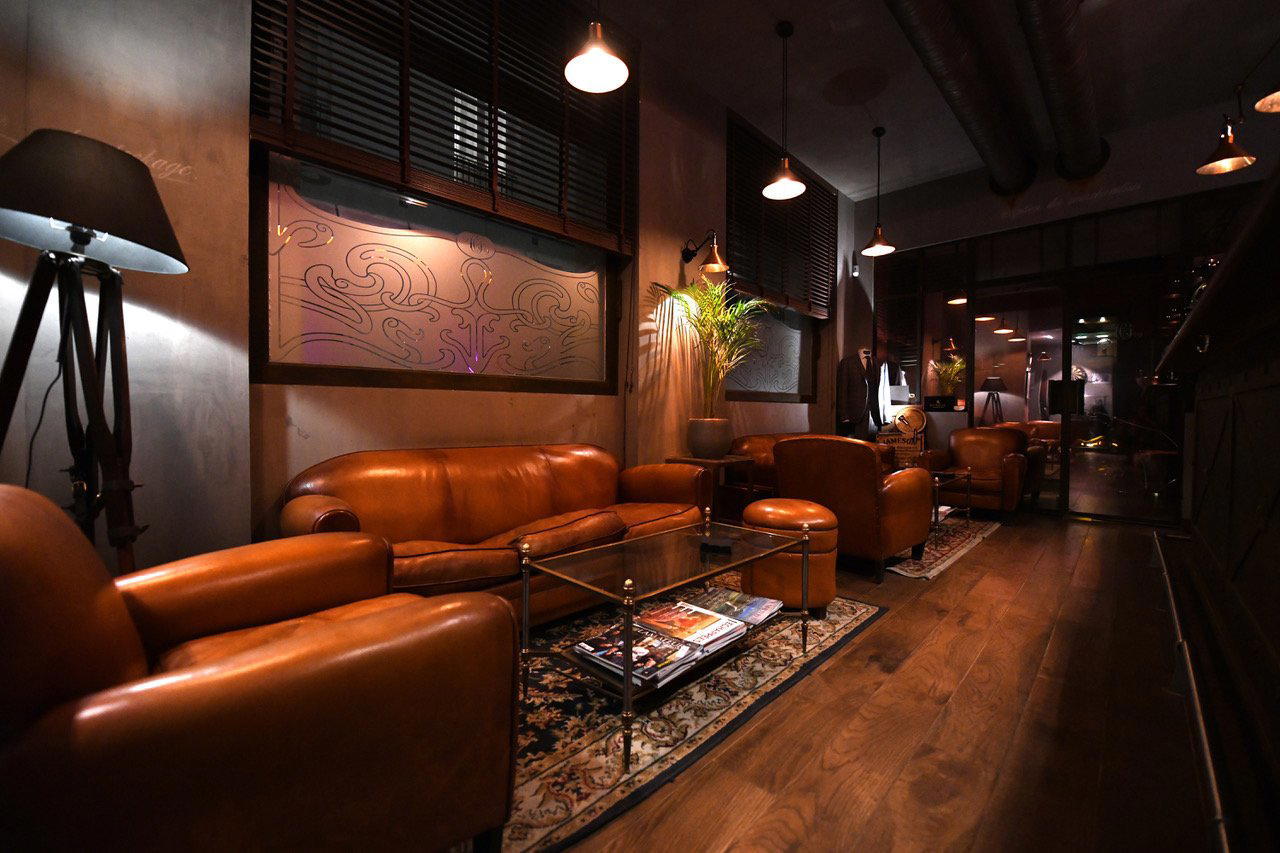
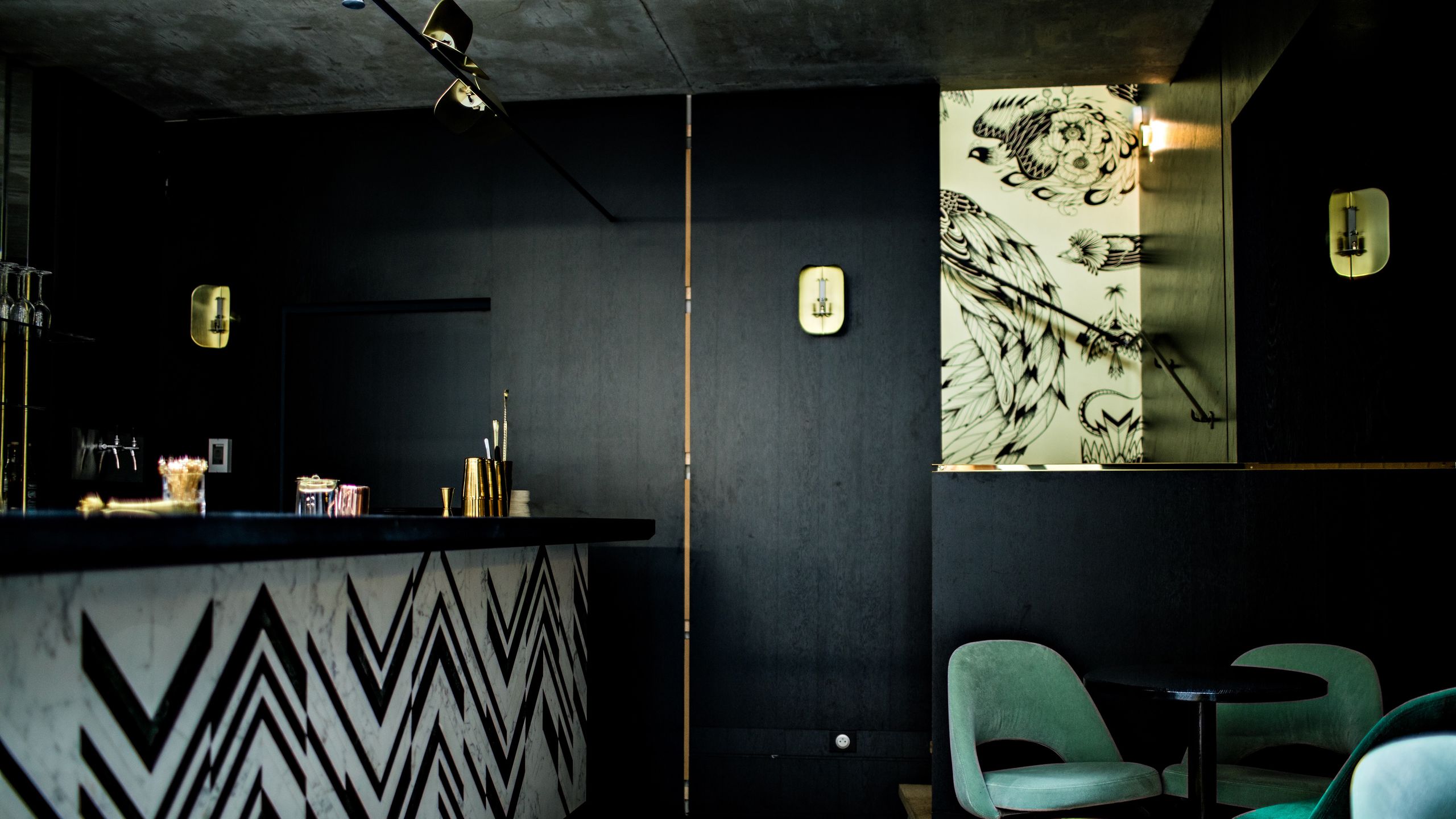
Chic and elegant with stylish, cozy bar lighting and sophisticated Parisian charm praised in guest reviews.