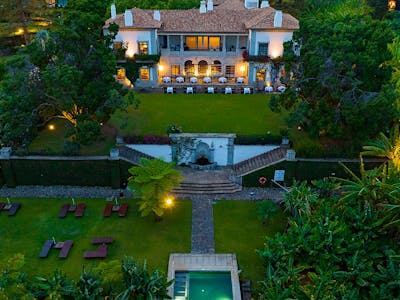
Socalco Nature Hotel sits along the terraced southern slopes of Madeira's Calheta municipality, where the island's agricultural heritage and Atlantic-facing topography frame a property built around landscape integration rather than resort spectacle. For travellers drawn to Portugal's quieter coastal parishes, it represents a specific kind of small-scale, nature-oriented hospitality that has grown steadily as an alternative to the island's larger hotel corridors.
Pearl is the En Primeur Club membership app — saves, bookings, and concierge access live there. Same editors, same standards.
- Address
- Caminho do Lombo do Salão Nº 13, 9370-174 Calheta, Portugal
- Phone
- +351 291 146 910
- Website
- socalconature.com
- Directions
- Get directions
 Saves & bookings on Pearl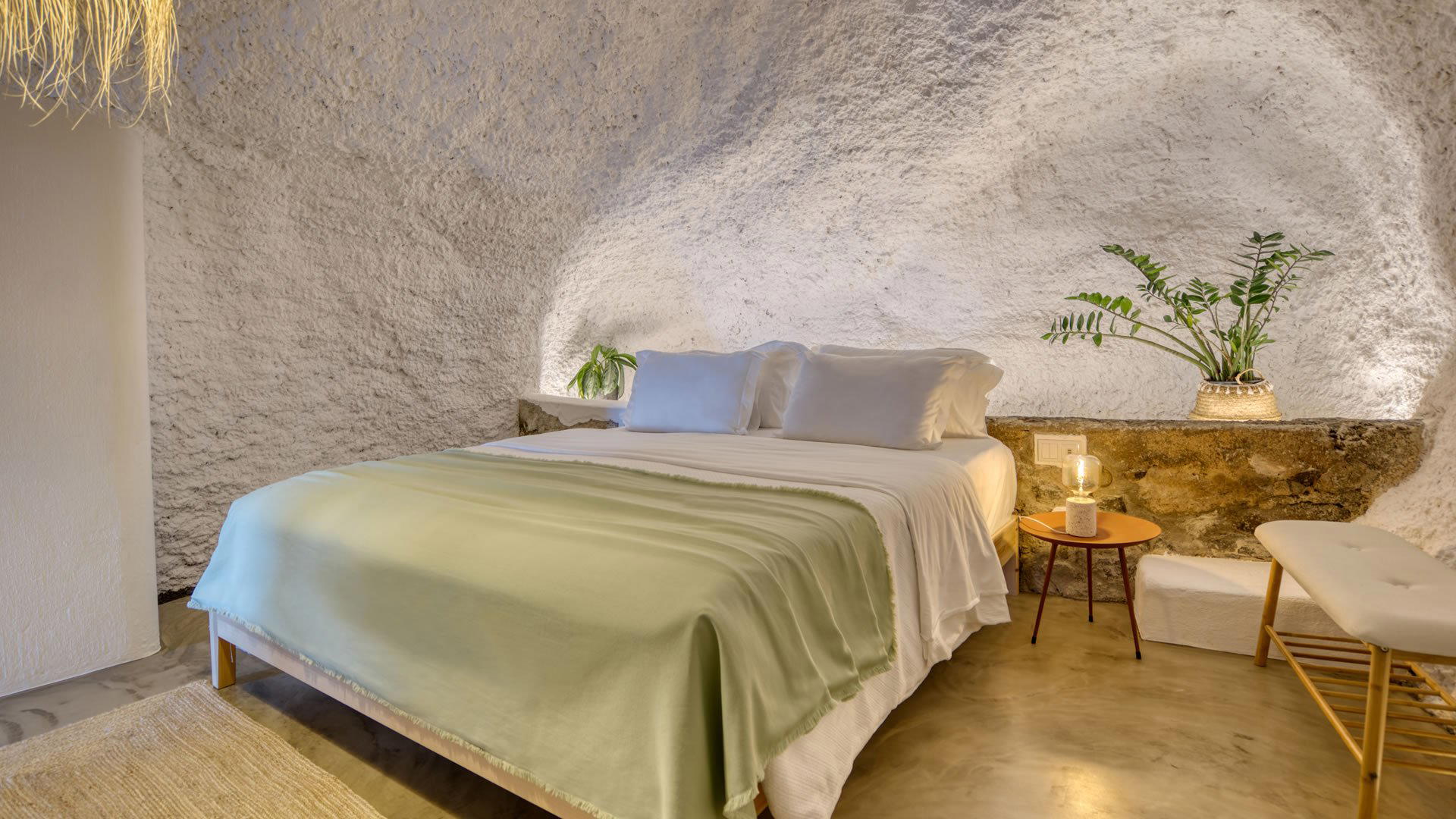
Terraced Madeira: The Architecture of Integration
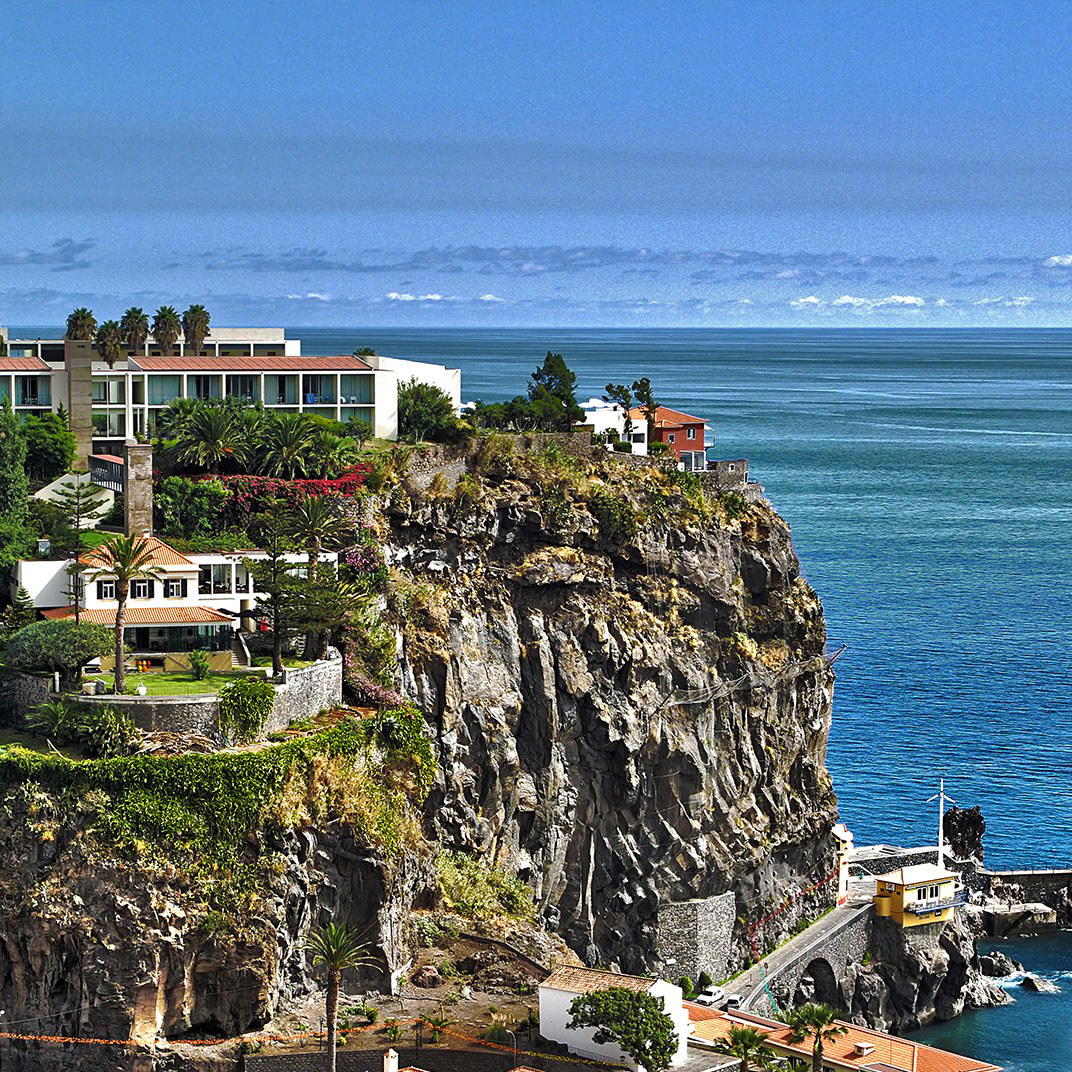
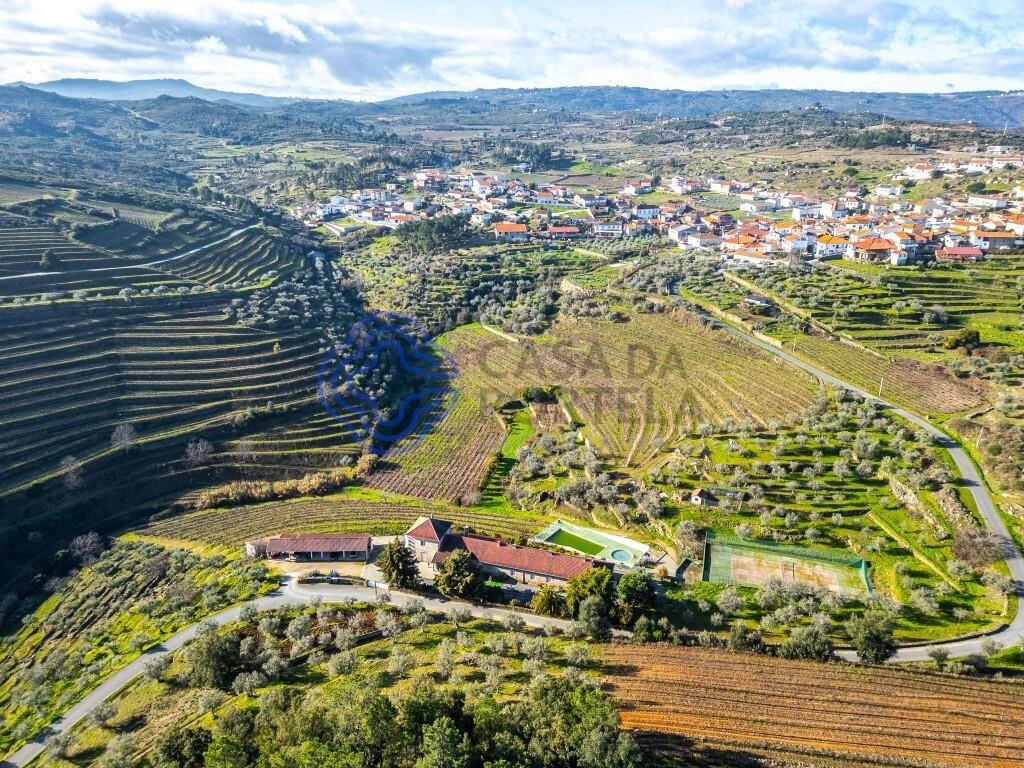
The southwest coast of Madeira operates on a different register from Funchal's hotel density. Calheta sits in a parish where land has been cultivated in terraced bands for centuries, the levada irrigation system threading through banana plantations and vine plots that step down toward a coastline the island's interior mountains keep sheltered from the north. It is this agricultural infrastructure — the socalcos, or terraced fields, that give the municipality its characteristic silhouette — that defines the spatial logic of the hotel that takes its name from them.
In the broader pattern of Portuguese boutique hospitality, properties that root their design identity in vernacular landscape rather than imported luxury signals have become a recognisable category. Craveiral Farmhouse in São Teotônio and Hospedaria da Pensão Agrícola in Conceição e Cabanas de Tavira are continental examples of properties where the agricultural past shapes the guest experience architecturally and spatially, not merely as decoration. Socalco Nature Hotel occupies a comparable position in Madeira's accommodation offer, drawing on the island's terraced-landscape tradition as its primary design and conceptual reference.
What the Setting Demands of the Architecture
Building on terraced Madeiran hillside is not a neutral design decision. The ground does not flatten for convenience; the architecture must negotiate gradient, retain walls, and orientation toward the Atlantic. Properties that do this well tend to produce rooms and communal spaces that read as embedded rather than placed, where sightlines are deliberate and the relationship between interior and exterior is worked out carefully rather than defaulted to a generic resort formula.
This approach aligns Socalco with a cohort of design-attentive small hotels across Portugal that treat the physical setting as a structural argument, not a backdrop. Casa das Penhas Douradas in Manteigas, set into Serra da Estrela's granite elevations, and Ventozelo Hotel & Quinta in Ervedosa do Douro, where Douro Valley terracing provides a direct parallel to Madeira's socalcos, both demonstrate how topographically committed design produces a more coherent guest experience than landscape-agnostic construction.
At Caminho do Lombo do Salão, the address itself encodes the property's relationship to the land: lombo is the local term for a ridge or spine of cultivated hillside, and the road follows that geography. Arriving at the hotel means reading the terrain first.
Calheta as a Base: What the Parish Offers
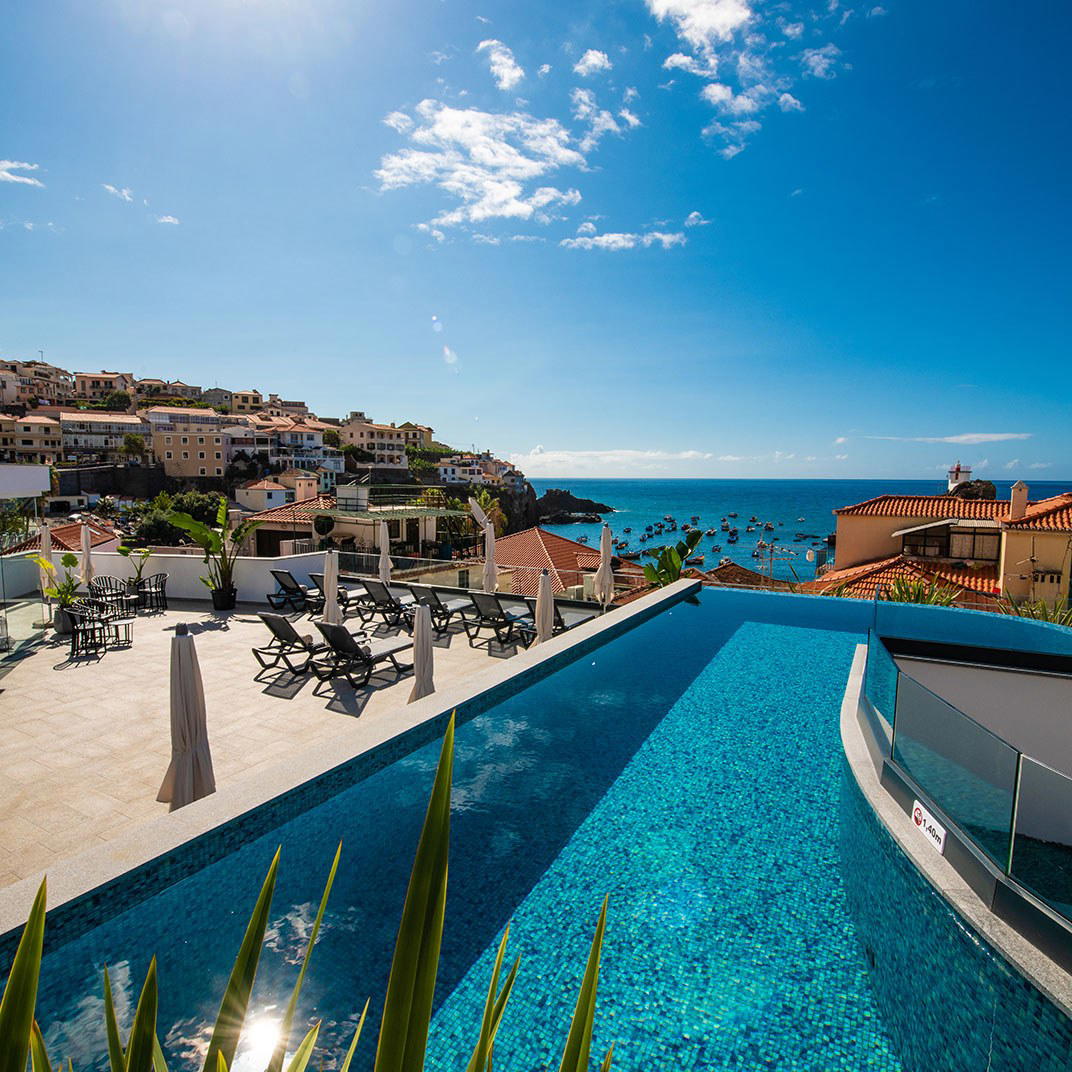
Calheta is one of Madeira's more compositionally coherent destinations outside Funchal. The marina area, completed in the early 2000s with a man-made beach using Saharan sand, gave the parish a functional coastal anchor. The surrounding municipality extends inland through valleys where sugar cane, bananas, and traditional viticulture occupy the terraces alongside newer residential development. The Calheta Arts Centre (CAC) brought a Souto de Moura and Graça Dias Soeiro-designed cultural space to the parish, establishing that the area has architectural ambition beyond its rural character.
For guests based at Socalco, this means access to a parish that combines working agricultural landscape, a usable beach, and a degree of cultural infrastructure that Madeira's more rural western parishes lack. The drive along the southern coastal road toward Funchal takes approximately 45 minutes, making day access to the island's capital practical without requiring that the hotel operate at Funchal's price level or density.
Travellers comparing Madeira options against wider Portuguese coastal stays might also weigh properties like Villa Epicurea in Sesimbra or Masana Algarve in Albufeira, both represent the mainland's nature-and-coast tier, but Madeira's distinctive topography and the specific micro-climate of the Calheta coast produce a different quality of light, temperature, and vegetation that the island's southwest consistently delivers from October through May, the shoulder season when Atlantic Portugal's mainland coast is less reliable.
The Nature-Hotel Category in Portugal
Portugal has seen a consolidation of what might be called the agricultural-luxury tier over the past decade: properties that position around landscape immersion, local food systems, and lower key counts rather than the amenity stacking of international resort brands. This cohort now includes rural stays across the Alentejo, the Douro Valley, and Madeira's interior and south coast, each drawing visitors who prioritise spatial quality and environmental setting over conference facilities or full-service spas.
The Douro Valley has produced some of the clearest examples of this model: Casa Vale do Douro in Cambres and Q.ta da Corte in Valença do Douro both operate on the principle that terraced wine country provides a self-justifying setting that larger-footprint properties cannot replicate. Madeira's socalco landscape offers a direct structural parallel: the same carved-hillside geometry, the same interplay of cultivation and altitude, transposed to an Atlantic island context with year-round mild temperatures rather than the Douro's summer extremes.
Casas da Lapa, Nature & Spa Hotel in Seia provides another continental reference point for how Portuguese properties in this tier tend to combine landscape integration with wellness programming, a pairing that has become near-standard in the category as the market has matured.
Approaching a Stay: Practical Orientation
Madeira Airport (FNC) serves Calheta via the Via Expresso motorway, with the drive running approximately 50 kilometres along the island's south coast. Calheta sits at the western end of this corridor, and the journey from the airport takes between 45 minutes and one hour depending on traffic through Funchal. Rental cars are the practical choice for guests intending to explore the municipality's levada walking routes and the road network that accesses the island's central plateau and northern coast. Taxi and transfer services connect the airport to Calheta, but the parish's terraced geography and the distribution of its key sites reward independent mobility.
For travellers building a longer Portugal itinerary that combines Madeira with the mainland, the island's domestic connections to Lisbon and Porto are frequent, and properties like M Maison Particulière Porto or Hotel Britania Art Deco in Lisbon serve as natural urban counterpoints to the agricultural quietude of the Calheta coast. The contrast between a Funchal flight and a Porto or Lisbon city stay a few nights later is one of the more coherent multi-stop Portugal itineraries available, and Madeira's mild autumn and winter temperatures make it a practical opening or closing leg when mainland Portugal's weather is less consistent.
For a fuller picture of where Socalco sits within Calheta's accommodation and dining options, see our full Calheta restaurants guide.
In Context: Similar Options
| Venue | Cuisine |
|---|---|
| Socalco Nature HotelThis venue — the venue you are viewing | This venue |
Continue exploring
More in Calheta
Hotels in Calheta
Browse all →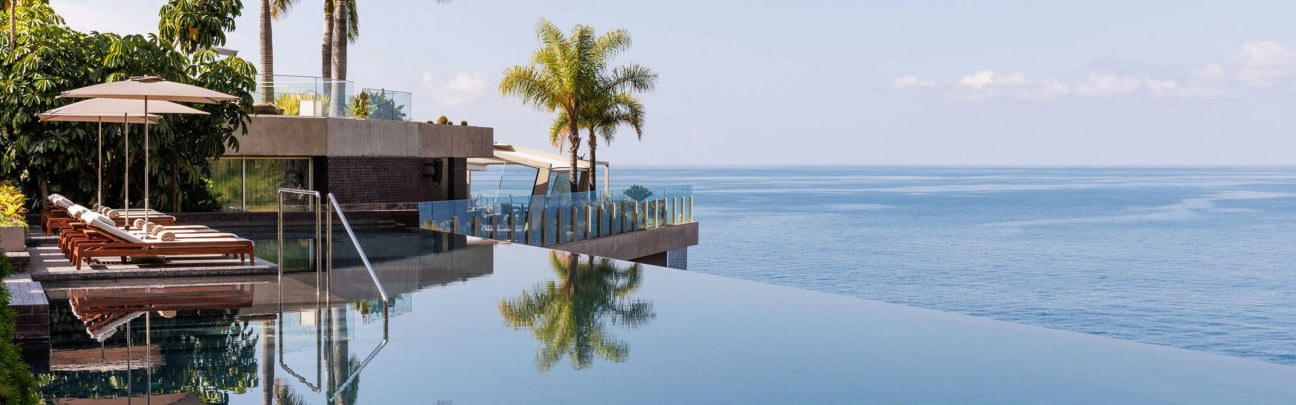
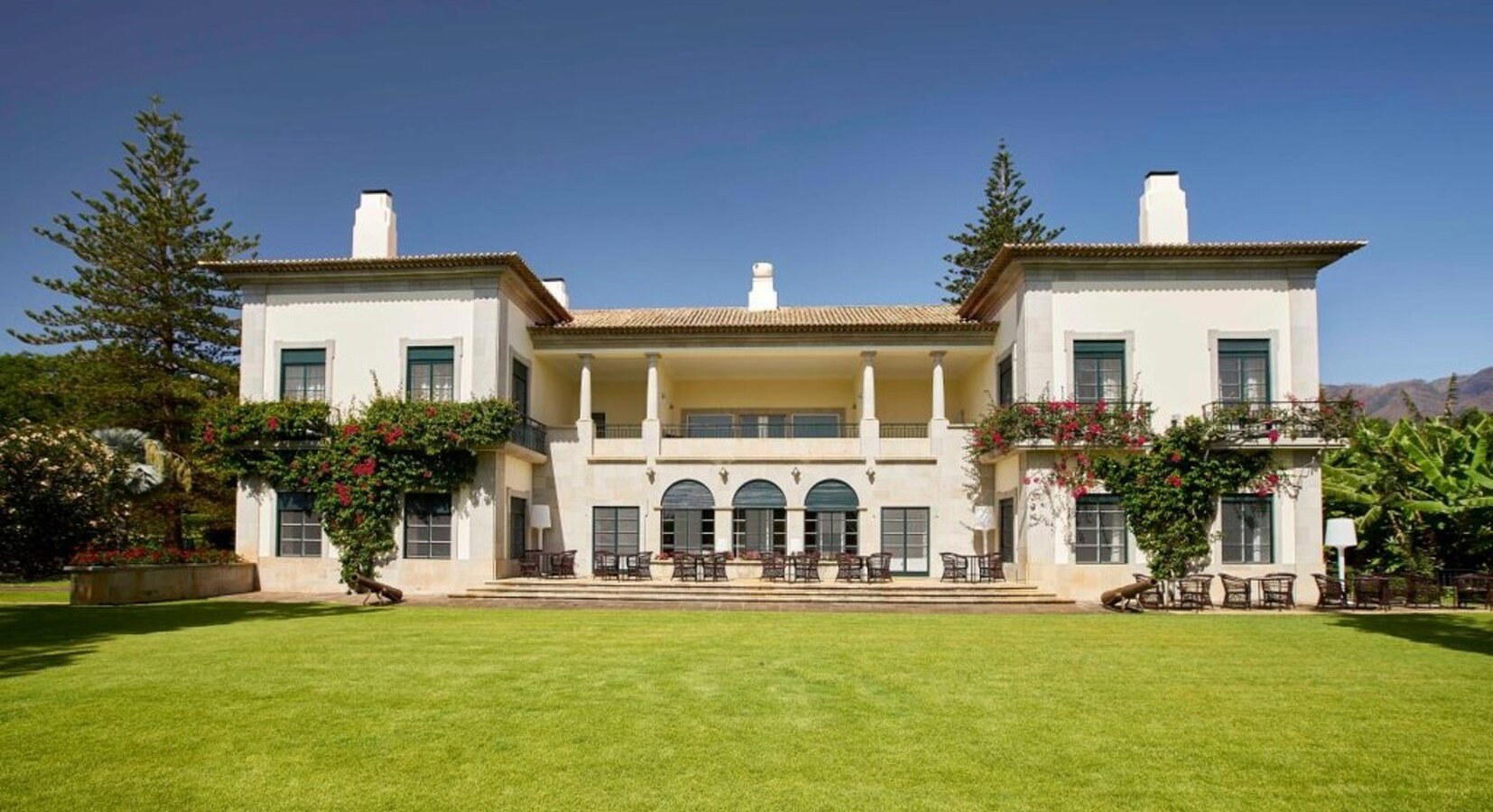
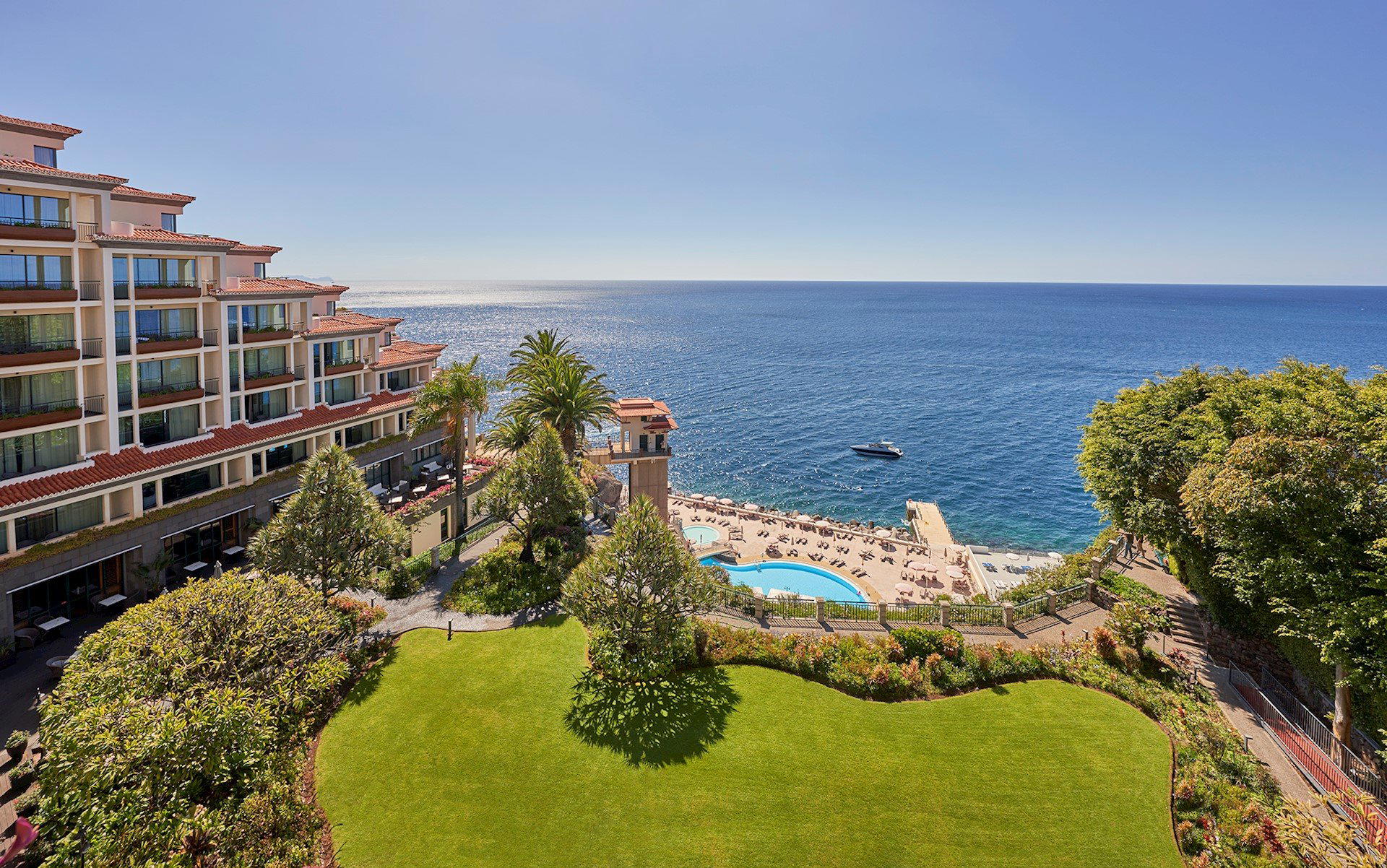
Bars in Calheta
Browse all →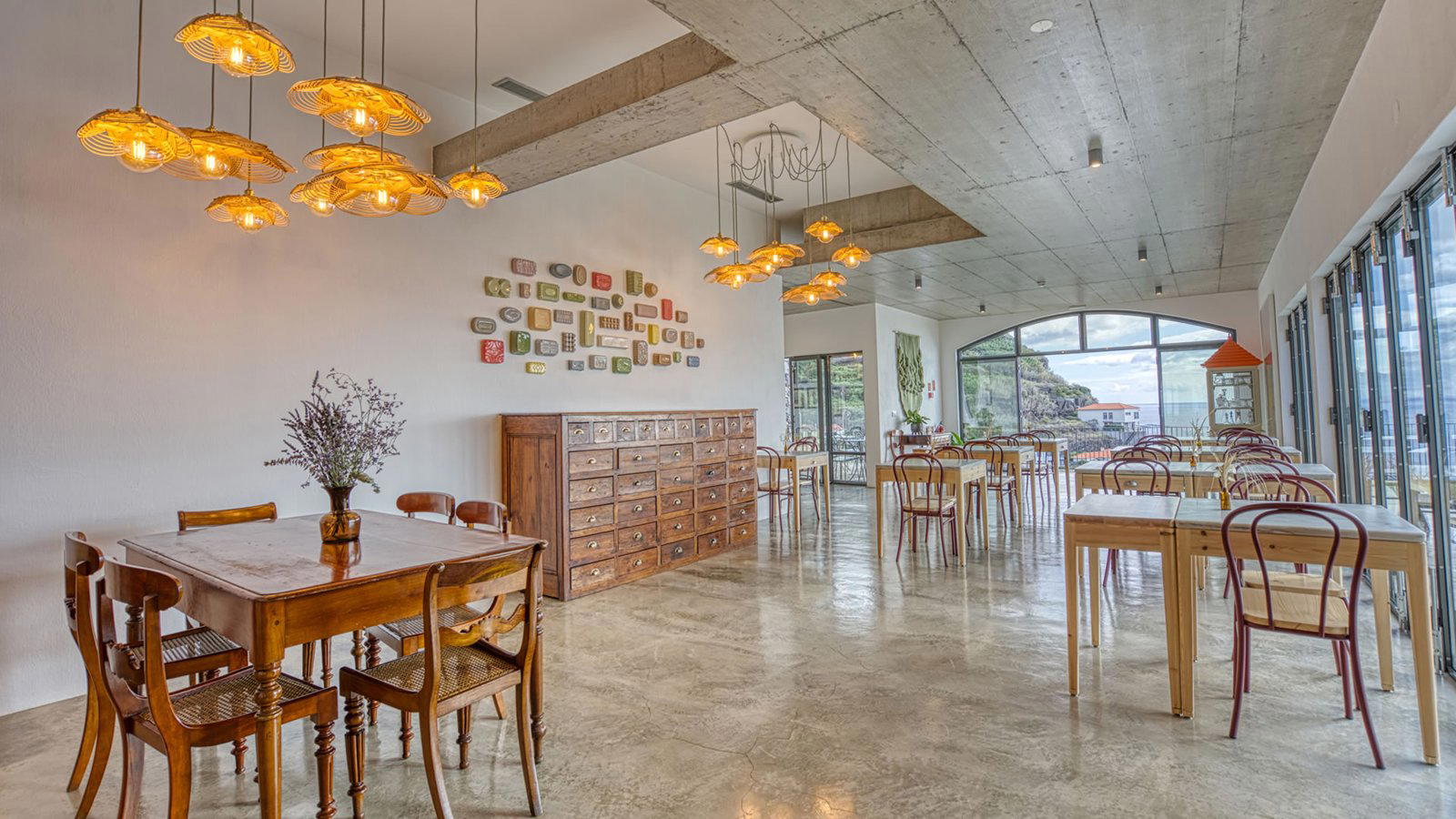
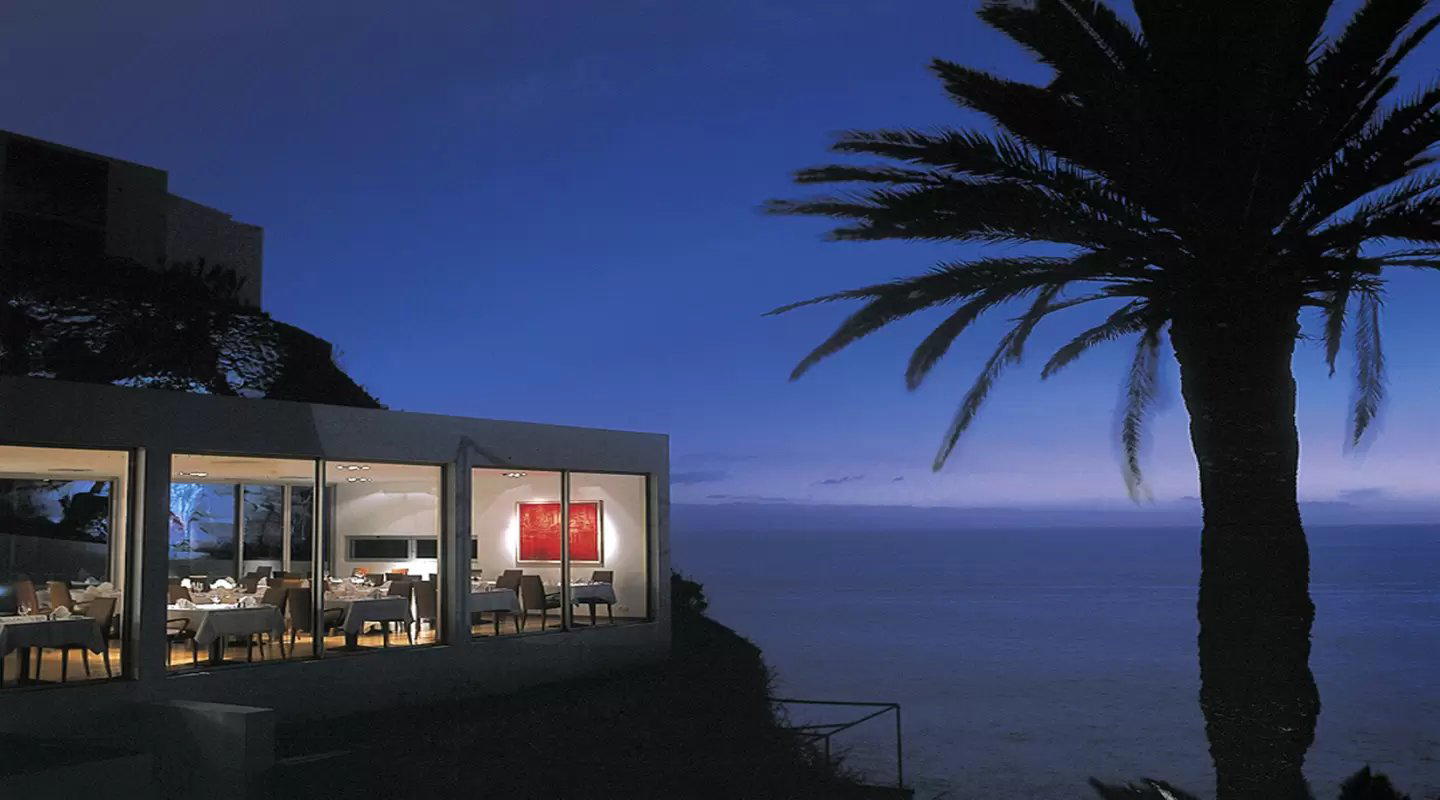

Restaurants in Calheta
Browse all →
At a Glance
- Scenic
- Romantic
- Quiet
- Rustic
- Cozy
- Romantic Getaway
- Wellness Retreat
- Weekend Escape
- Panoramic View
- Garden
- Terrace
- Wi Fi
- Pool
- Spa
- Room Service
- Garden
- Restaurant
- Bar
- Mountain
- Waterfront
- Wi Fi
- Pool
- Spa
- Room Service
- Garden
- Restaurant
- Bar
Minimalist yet elegant Scandinavian-inspired decor with natural light, water features in some rooms, surrounded by lush gardens and serene coastal scenery.
Know Before You Go
- Getting there
- Caminho do Lombo do Salão Nº 13, 9370-174 Calheta, Portugal