Sixty DC


Michelin Selected
Sixty DC sits at 1337 Connecticut Ave NW, placing it in the Dupont Circle orbit where Washington’s embassy traffic, wellness-minded hotel stays, power breakfasts, and after-work dining overlap.

Pearl is the En Primeur Club membership app — saves, bookings, and concierge access live there. Same editors, same standards.
- Address
- 1337 Connecticut Ave NW, Washington, DC 20036
- Phone
- (202) 866-6060
- Website
- sixtyhotels.com
- Directions
- Get directions
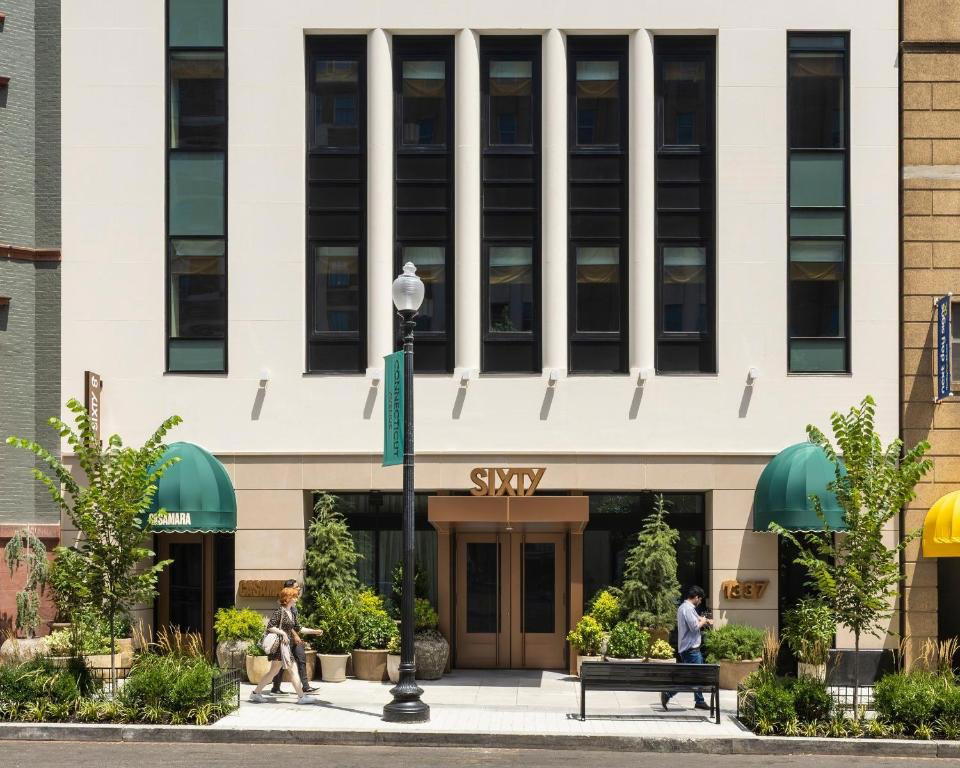
Connecticut Avenue as a Reset Point
Approaching 1337 Connecticut Ave NW means entering one of Washington, D.C.’s better-known corridors for calibrated urban rhythm: office doors opening onto embassy-side sidewalks, Dupont Circle foot traffic moving between cafés and hotels, and a dining audience that often arrives between meetings, gallery visits, workouts, and late trains rather than long, ceremonial evenings. Sixty DC belongs to that city pattern. This is not a page that should invent a menu, a spa program, or a signature service. It should ask what this address means inside Washington’s hospitality map.
Dupont Circle has long rewarded venues that can function across several registers. The neighbourhood is residential enough to support repeat local use, central enough for business travel, and close enough to museums, embassies, think tanks, and hotel lobbies to draw an audience that treats time as part of the expense. In that sense, Sixty DC is better understood through the retreat mindset than through conventional restaurant chasing. The wellness angle in Washington is rarely about silence and isolation; it is more often about reducing friction. A venue in this part of the city earns attention when it can fit into a day built around movement, recovery, work, and measured social time.
That distinction matters because Washington hospitality often splits between occasion dining, hotel dining, and neighbourhood convenience. The Connecticut Avenue address places Sixty DC near the city’s practical luxury circuit, where travellers may compare a meal or stop here with stays at The Dupont Circle Hotel, the quieter formality of The Jefferson, or Georgetown-side hotel routines around Rosewood Washington, D.C..
The Wellness Lens in a Political City
Washington does not sell wellness with the same vocabulary as a desert resort or a coastal spa town. Its version is urban and scheduled: early runs along the Mall, reformer classes before calls, a hotel gym before breakfast, a low-intervention lunch after a morning of meetings. In Dupont Circle, wellness is less about retreating from the city than editing the city down to a manageable radius. Sixty DC’s verified address gives it that advantage. Connecticut Avenue NW links easily into Dupont Circle, Farragut, and downtown movement patterns, which makes the venue legible for travellers who want fewer transfers and fewer logistical unknowns.
This is where the absence of published data becomes part of the planning equation. There is no cuisine category or chef credential available to anchor a conventional critical argument. Its value is tied to address, timing, and the wider day around it, not to claims that cannot be verified from the record.
The stronger Washington comparison is with hotels and mixed-use hospitality that package rest, food, work, and social life into compact urban routines. Eaton D.C. has made wellness and culture part of its broader identity; Pendry Washington DC — The Wharf draws a waterfront leisure audience; Riggs Washington DC places hospitality inside a downtown heritage-building frame; and The Hay-Adams Hotel trades on proximity to federal Washington. Sixty DC sits in a different pocket, closer to the Dupont habit of using the city on foot. That is the practical distinction.
What the Sparse Record Tells a Careful Reader
Those omissions should not be disguised with borrowed confidence.
For the reader, that means three immediate planning conclusions. First, this is a Dupont Circle-area stop, so geography is the clearest reason to consider it. Third, without a listed website or phone number, planning should involve independent confirmation through current channels before treating the venue as fixed into an itinerary. That is not a criticism; it is how to read thin public data without inflating it.
Washington’s stronger dining pages usually have hard markers: chef names, tasting-menu structures, Michelin recognition, price bands, bar awards, or reservation policies. Those markers help distinguish destination restaurants from useful neighbourhood addresses. Sixty DC, by contrast, is better placed in the second category until more verifiable information is available. For broader city comparison, readers can scan Our full Washington, D.C. restaurants guide, Our full Washington, D.C. bars guide, Our full Washington, D.C. hotels guide, Our full Washington, D.C. wineries guide, and Our full Washington, D.C. experiences guide to see where firmer category signals exist.
Dupont Circle, Hotels, and the Low-Friction Day
The reason Dupont Circle keeps returning in Washington travel planning is not mystery; it is usefulness. The area lets a visitor build a day with limited transport dependence: breakfast near a hotel, a museum or meeting window, a walkable lunch, a late-afternoon reset, then drinks or dinner without crossing the city twice. That pattern lines up with contemporary wellness travel, which increasingly prizes sleep, movement, and control over schedule rather than maximal sightseeing. For a premium traveller, the question is not only where to eat or stay, but how many times the day forces a reset.
Sixty DC’s address gives it a role in that calculus. A Connecticut Avenue NW location can serve travellers staying near Dupont, Logan Circle, West End, or downtown, depending on the day’s route. It also suits visitors who want to avoid turning every meal into a cross-city errand. In Washington, that can be a material advantage. Traffic, security closures, rain, summer humidity, and winter darkness all affect how appealing a venue feels in practice. A place that fits the day’s geography often wins over a more decorated room on the other side of town when the itinerary is dense.
That point becomes clearer when Washington is compared with retreat-led properties elsewhere. Amangiri in Canyon Point builds wellness around desert scale and spatial removal; Troutbeck in Amenia uses Hudson Valley acreage and literary-house rhythms; Sage Lodge in Pray frames restoration through Montana access and mountain air; Mayflower Inn represents the country-house version of retreat planning. Washington has to do the same work in compressed form. Its better urban days depend on sequence: where to walk, where to pause, where to eat without overextending the schedule.
How to Think About Price, Awards, and Expectation
Washington pricing can vary sharply within a few blocks, especially where office workers, hotel guests, diplomats, students, and residents overlap. The same applies to awards. No Michelin, James Beard, bar-list, hotel-rating, or editorial recognition is attached to the record, so awards should not drive expectation here.
That lack of award data changes the frame. Award-led dining invites a reader to evaluate technique, originality, service cadence, and cellar depth against known peers. Address-led dining asks different questions: Does the location fit the day? Is the format likely to reduce friction? Does the venue sit near hotels, offices, wellness stops, or cultural plans already on the itinerary? In this case, the confirmed address is the central fact. It places Sixty DC in a corridor where convenience, timing, and surrounding hospitality matter.
For travellers building a larger North American wellness itinerary, Washington’s urban-rest model sits between destination hotels and city hotels with strong lifestyle infrastructure. The Fifth Avenue Hotel in New York City and Raffles Boston in Boston show how dense cities can package rest inside vertical luxury. Four Seasons at The Surf Club in Surfside and The Beverly Hills Hotel in Los Angeles move that equation toward climate, pool culture, and longer leisure pacing. Sixty DC should not be compared to those hotels as a product. It is better used as a Washington example of how address can shape a low-friction city day.
Planning Sixty DC Into a Washington Stay
The practical plan is simple: treat Sixty DC as a Connecticut Avenue NW anchor and confirm current operating details before relying on it. That should push travellers toward same-week verification through current public listings, hotel concierge channels, or direct search rather than fixed assumptions.
Timing matters in Dupont Circle. Weekday mornings and early evenings can be shaped by office traffic; weekends often bring a more residential pace, with brunch, galleries, and park-adjacent movement changing the feel of the streets. Seasonal conditions matter too. Spring and autumn make walking between Dupont, Logan, and downtown more appealing, while high summer humidity and winter weather shorten the radius many travellers are willing to cover on foot.
Readers using Washington as part of a longer hotel-led route may also compare urban reset points with properties where the retreat experience is more self-contained. SingleThread Farm Inn in Healdsburg ties lodging to a farm-and-restaurant ecosystem; Kona Village, A Rosewood Resort in Kailua Kona shifts the wellness frame toward island pacing; Hôtel de Paris Monte-Carlo in Monte Carlo, Badrutt's Palace Hotel in St. Moritz, and Aman Venice in Venice show how European grand-hotel settings turn place into ritual. Washington works differently: the retreat is often the well-managed gap between obligations.
Editorial Verdict
Sixty DC is not a venue to oversell from the available record. What can be said with confidence is narrower and more useful: the address places it in a strong Dupont Circle corridor for travellers who care about walkability, schedule control, and the calmer side of Washington hospitality. That makes it relevant for a wellness-minded itinerary, especially when the day’s goal is not spectacle but rhythm.
The critical stance is therefore conditional. Readers seeking a fully evidenced destination restaurant should compare award and chef data elsewhere in the city. Readers staying nearby, planning around Connecticut Avenue, or shaping a day around low-friction movement have a clearer reason to keep Sixty DC in view. In a capital where the itinerary can become the stressor, location itself becomes a form of comfort.
Reputation & Price
Comparable venues nearby, for context on price, style, and recognition.
| Venue | Price | Awards | Notes |
|---|---|---|---|
| Sixty DCThis venue — the venue you are viewing | Not listed | Michelin Selected | Not listed |
| The LINE DC | Not listed | Michelin Selected · Mr & Mrs Smith Seal of Approval | Reed-Cooke, historic church converted into design-forward lifestyle hotel |
| Willard InterContinental | Not listed | Michelin Selected · Star Wine List | East End, Historic luxury with contemporary refresh |
| Fairmont Washington DC Gold Experience | Not listed | 4-Star | West End, Classic luxury with modern contemporary design rooted in Washington DC history |
| Hotel Nell - Union Market | $1–100 | Michelin Selected | Capital City Market, Contemporary boutique in historic industrial building |
| The Graham Georgetown | Not listed | Not listed | Waterfront Georgetown, Historic facade with contemporary interiors |
Recognition history
Dated appearances from independent guides and award organizations, with the underlying list record or original source where available.
Michelin Selected
Michelin
AHEAD Awards AHEAD Americas Hotel Conversion Shortlist
AHEAD Awards · AHEAD Americas Awards 2026 Shortlist - Hotel Conversion
Continue exploring
More in Washington DC
Hotels in Washington DC
Browse all →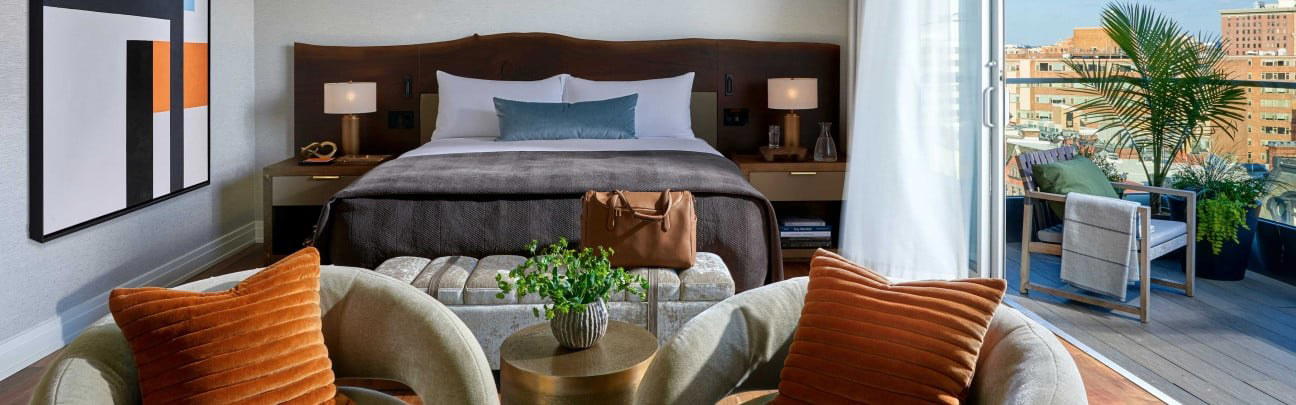
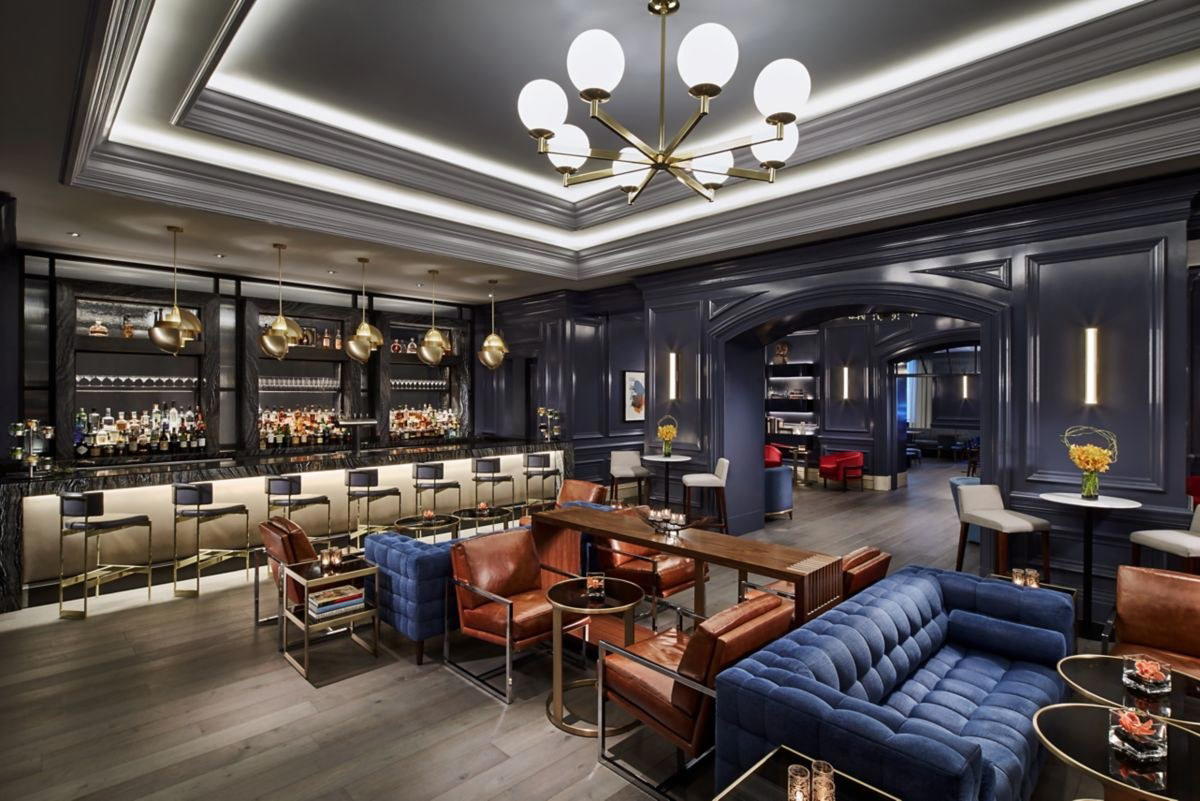
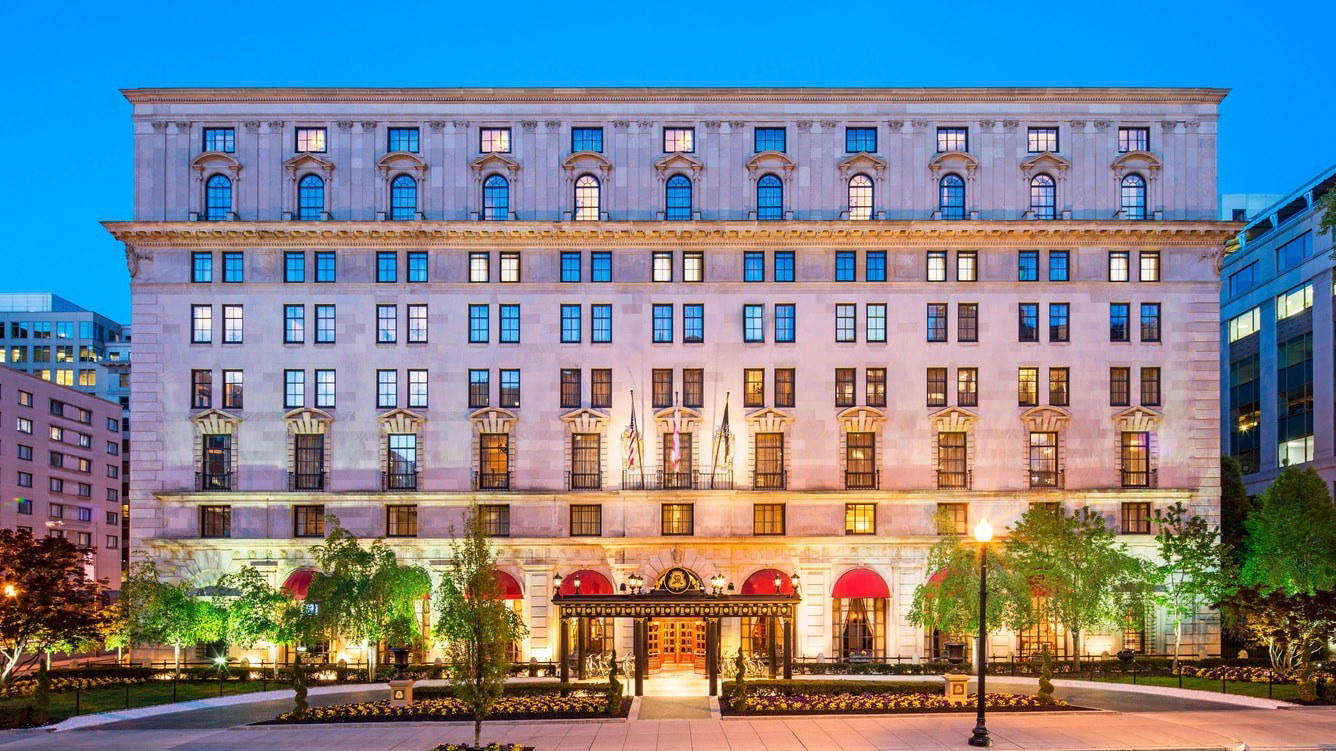
Bars in Washington DC
Browse all →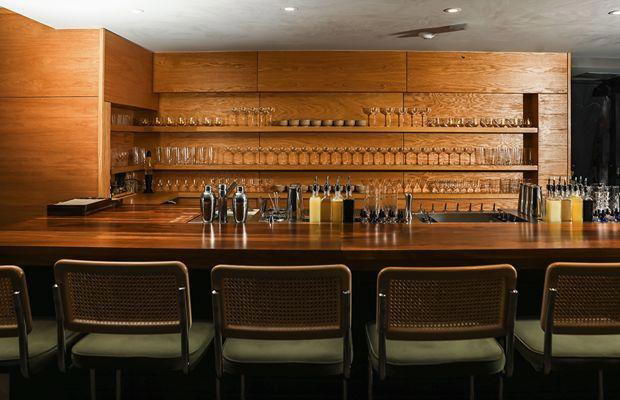
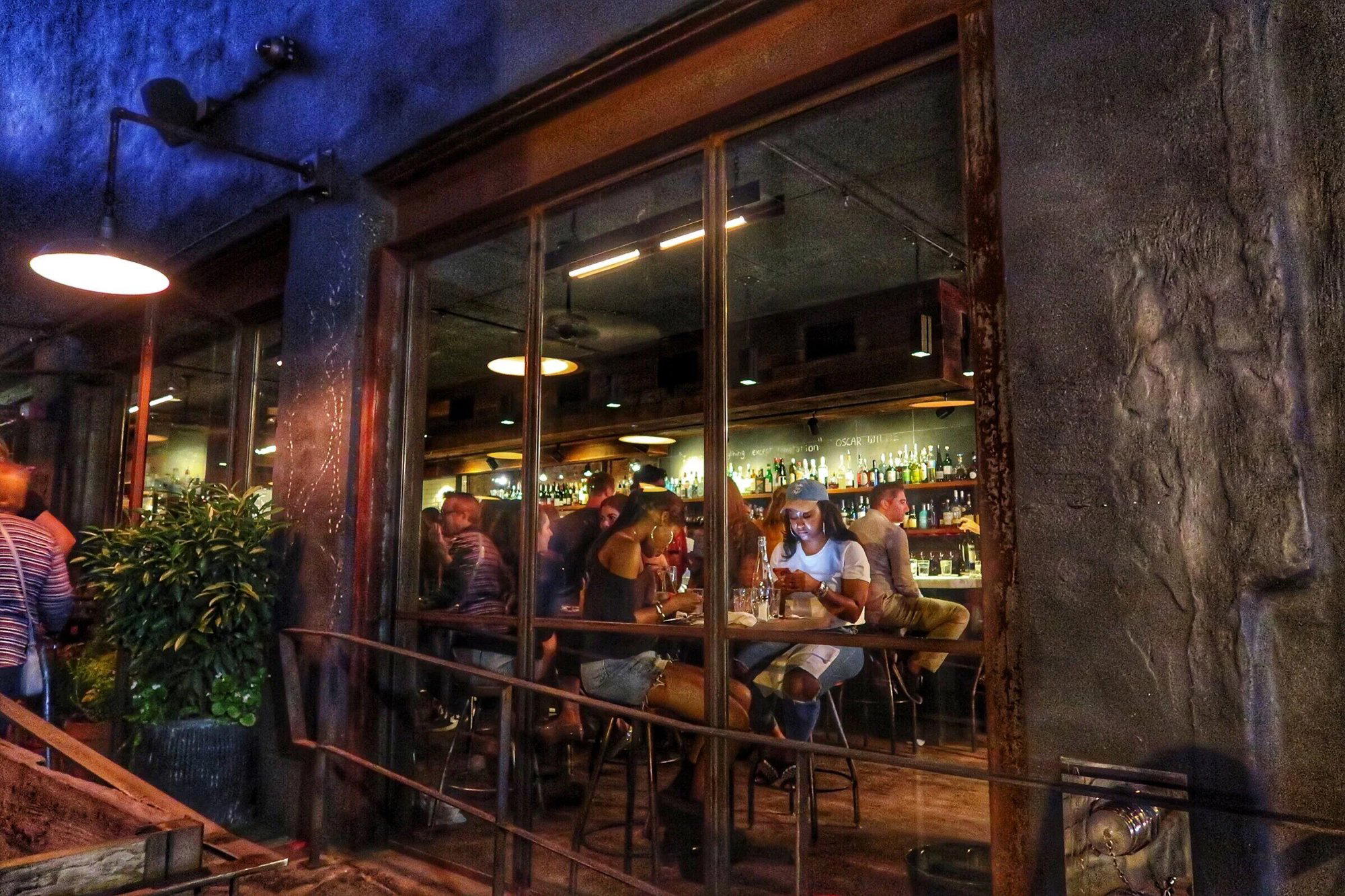
Restaurants in Washington DC
Browse all →
Details
- Modern
- Elegant
- Sophisticated
- Trendy
- Intimate
- Business Trip
- Weekend Escape
- Romantic Getaway
- Group Retreat
- Historic Building
- Design Destination
- Panoramic View
- Terrace
- Wi Fi
- Room Service
- Concierge
- Valet Parking
- Fitness Center
- Restaurant
- Bar
- Skyline
- Street Scene
- Wheelchair Accessible
- Elevator
- Accessible Restroom
- Step Free Entrance
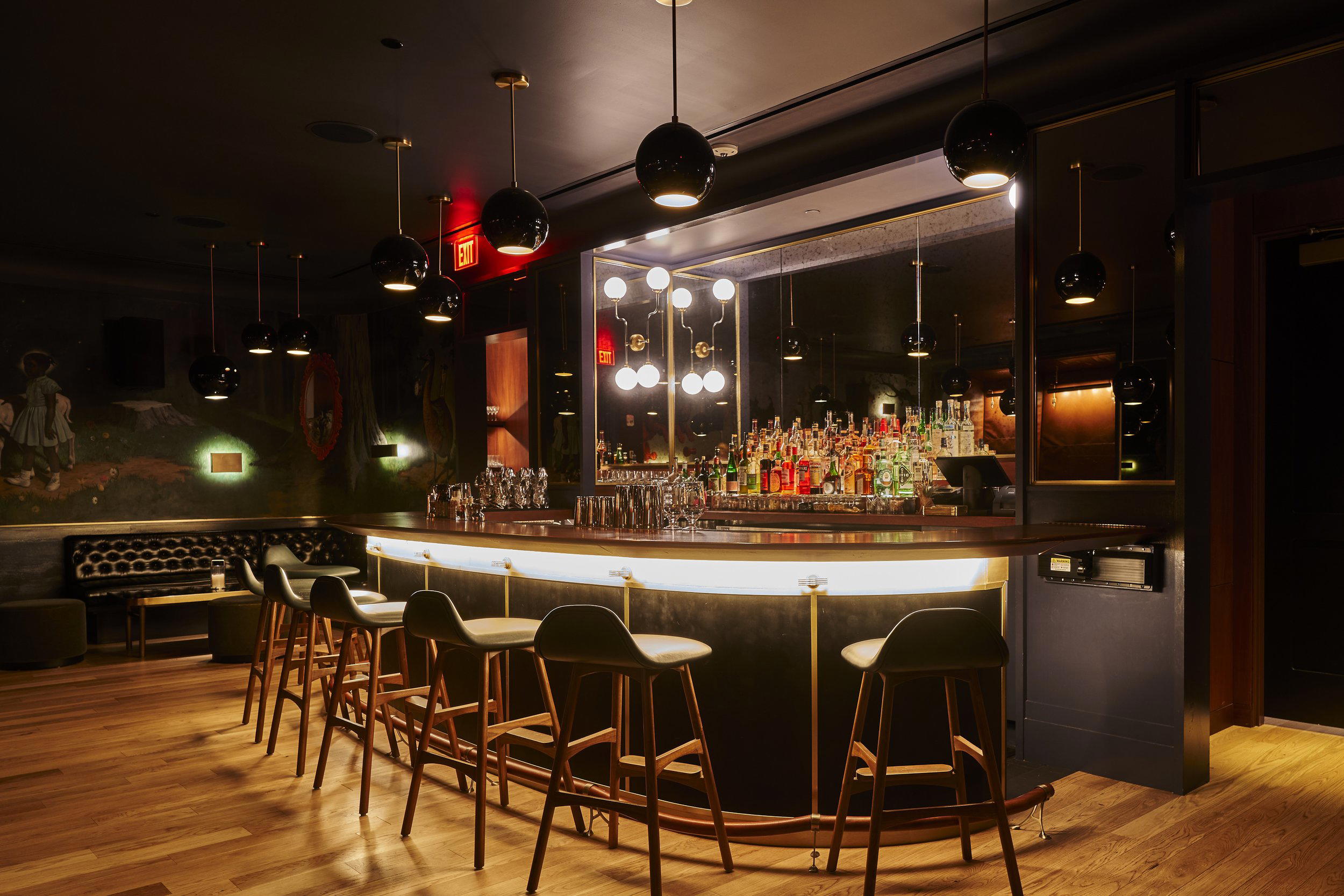
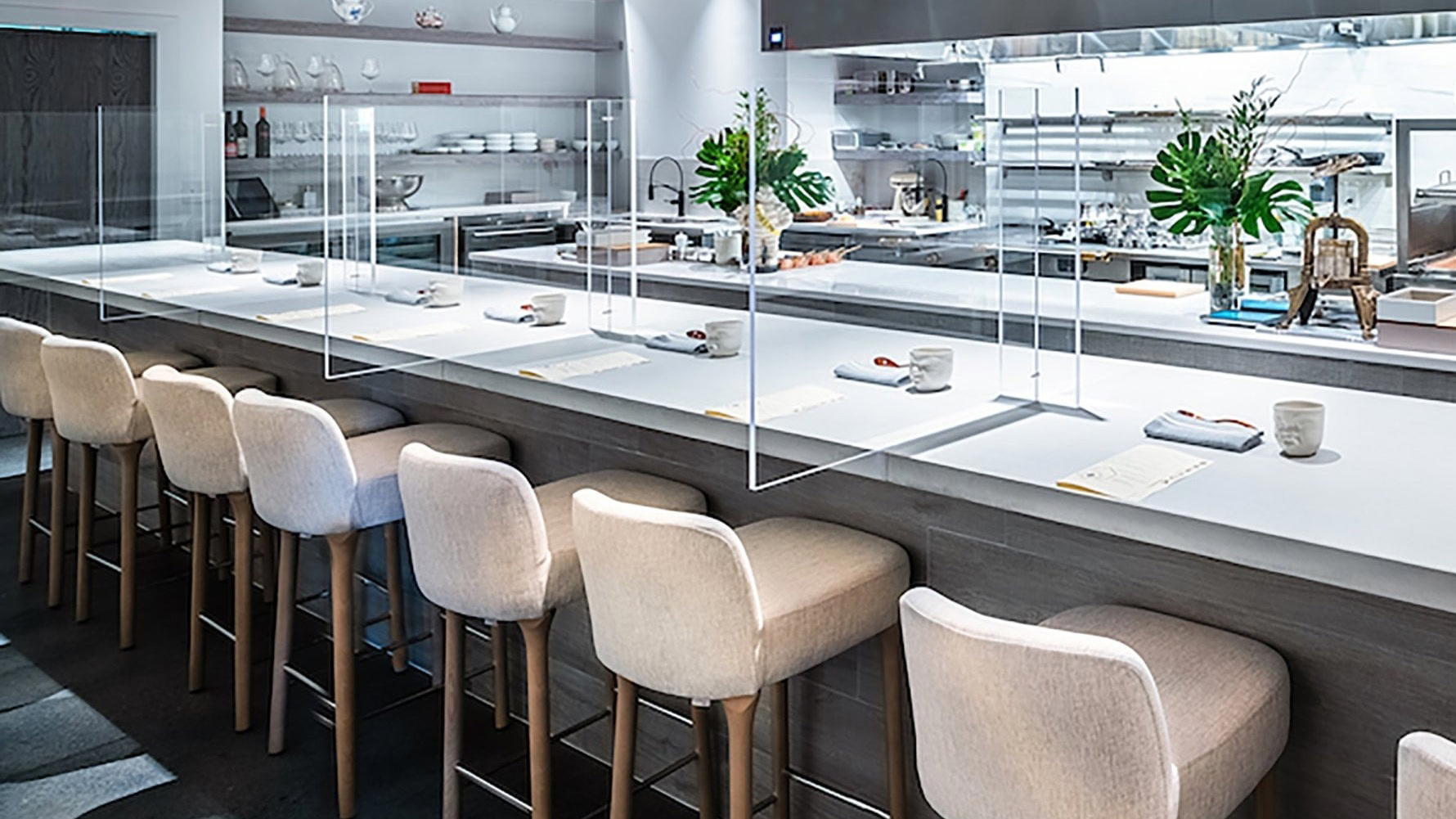
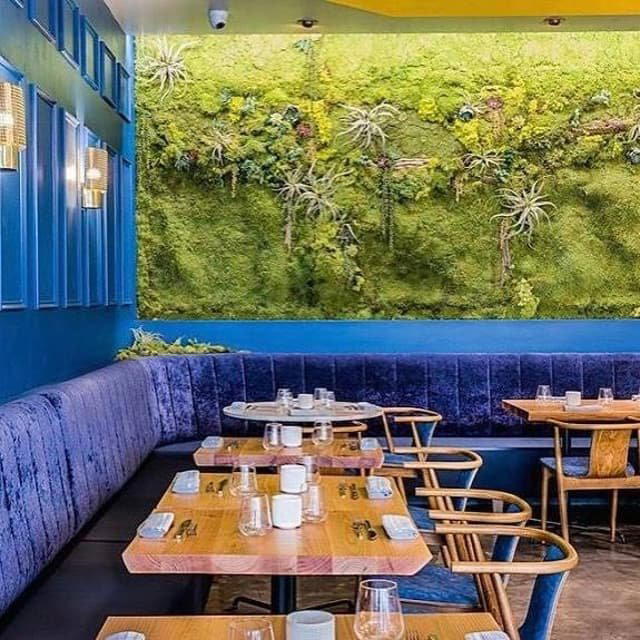
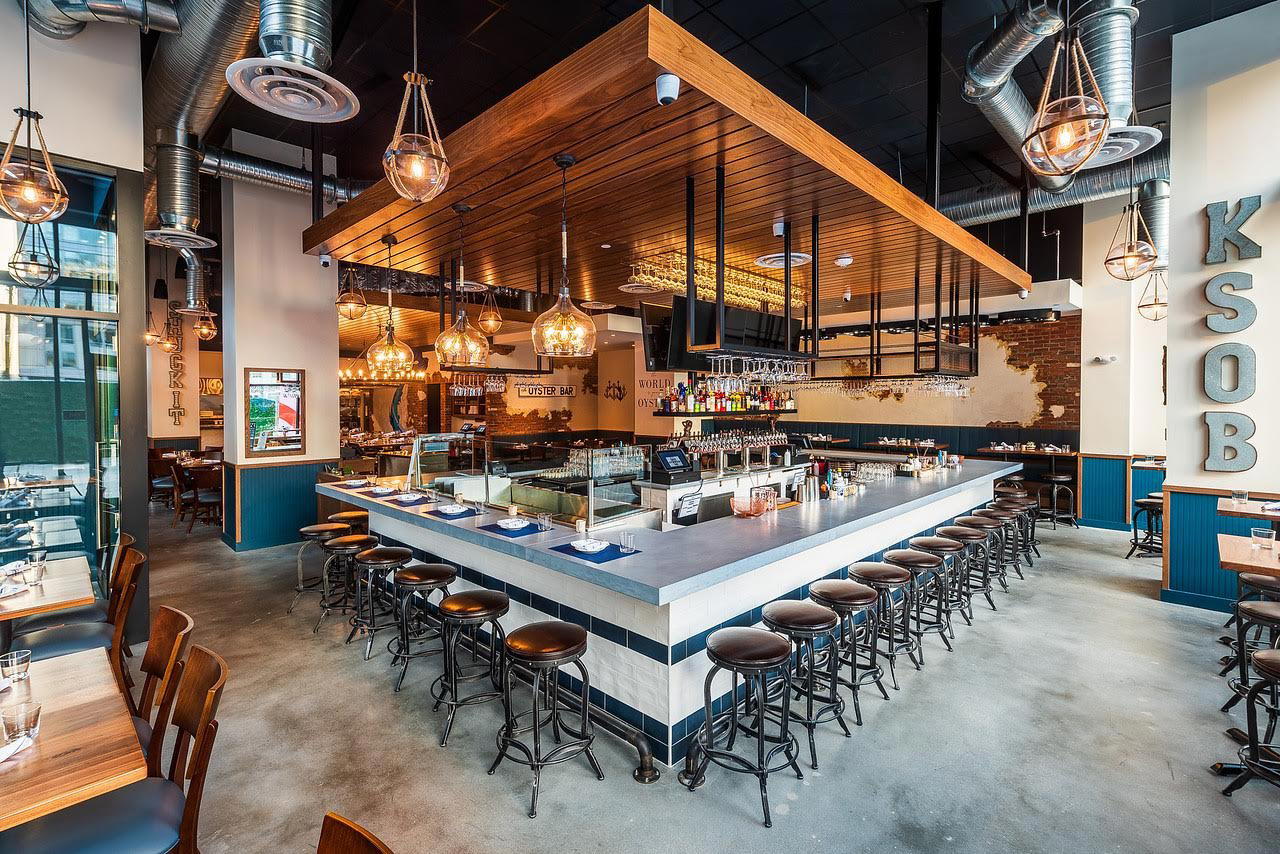
Warm, residential, and design-forward, with Bauhaus-inspired restraint softened by rich materials, moody lighting, and intimate social spaces.