
Sasaab sits inside Samburu National Reserve, earning 91 points in the 2026 La Liste Top Hotels ranking, a placement that puts it among Kenya's most recognised remote lodges. The property's position within the Westgate conservancy places guests in direct contact with the reserve's distinct semi-arid ecosystem, home to species rarely found further south.
Pearl is the En Primeur Club membership app — saves, bookings, and concierge access live there. Same editors, same standards.
- Address
- Westgate, Samburu National Reserve, 6GGVJ9J2+C6
- Phone
- +254 111 033900
- Website
- thesafaricollection.com
- Directions
- Get directions
 Saves & bookings on Pearl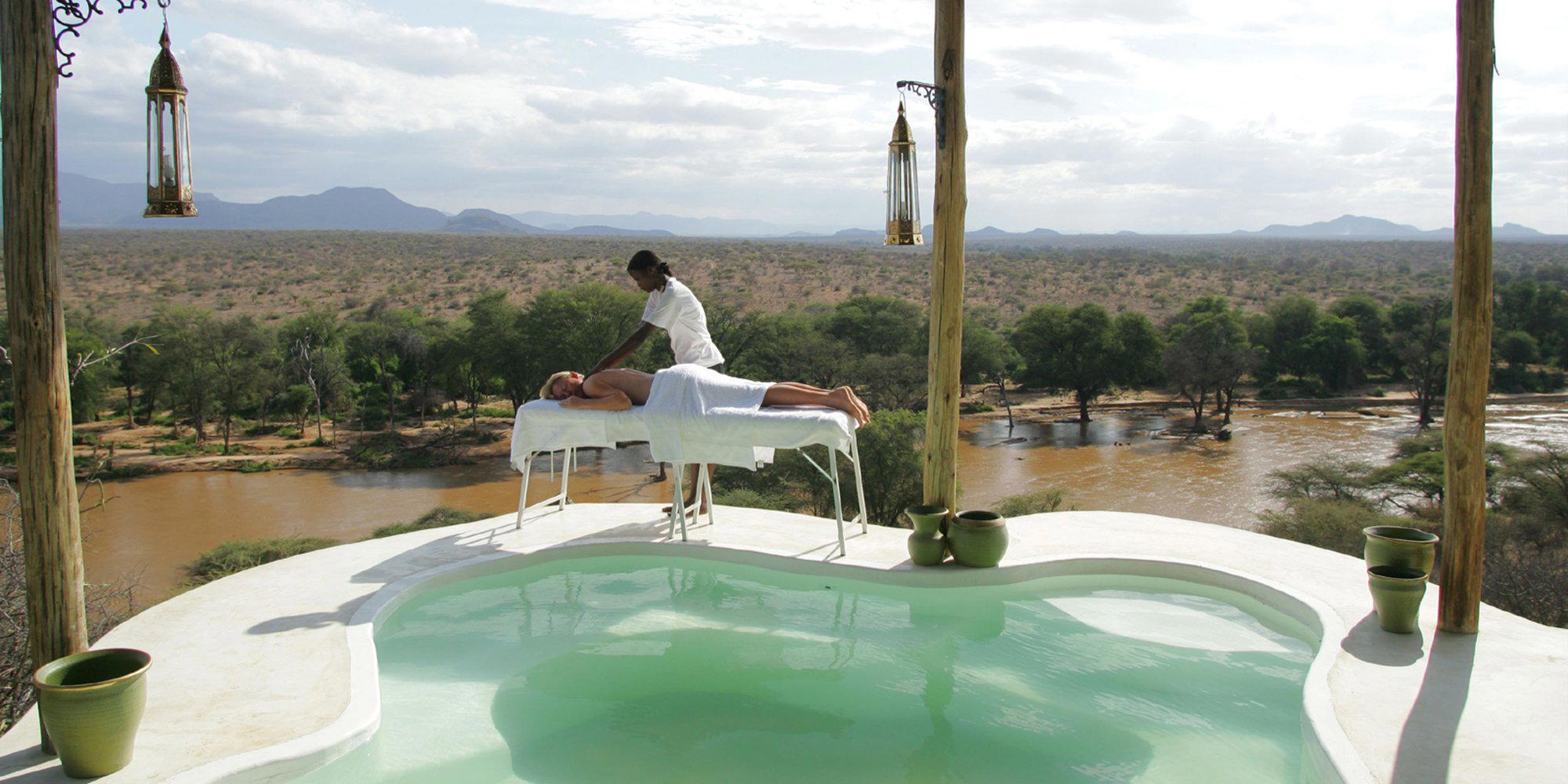
Where the Ewaso Ng'iro Meets the Stone Hills
Samburu National Reserve operates on a different register from Kenya's better-known wildlife circuits. The terrain is drier, more austere, and the wildlife list includes species, Grevy's zebra, reticulated giraffe, Beisa oryx, Somali ostrich, that don't appear on the Maasai Mara checklist. Lodges that succeed here do so by working with the landscape rather than against it: open-sided architecture that channels the riverine breeze, positions that face the Ewaso Ng'iro at the hour when elephant herds come to drink, and dining programmes timed to the rhythms of the bush rather than a fixed restaurant clock. Sasaab, positioned in the Westgate area of the reserve, is a 5-star hotel with nine rooms in Samburu National Reserve, Kenya.
The Logic of the Samburu Dining Programme
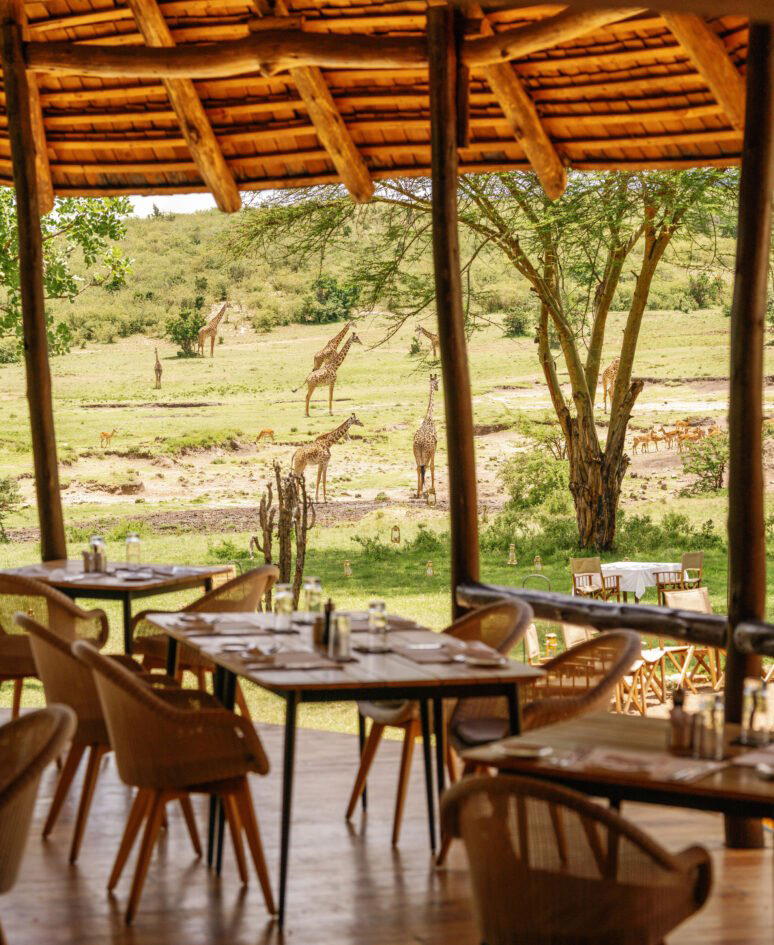
In remote safari camps, the dining programme is not a peripheral amenity, it is the social architecture of the stay. The rhythms of early game drives, mid-morning returns, afternoon departures, and sundowner stops mean that meals serve as the moments around which the day reassembles. Camps that understand this design their food and beverage offering accordingly: breakfast that can be served before 6am without compromising quality, lunches that accommodate guests arriving back from the bush at different hours, and dinners that function as both a nutritional reset and a communal event after a long day in open vehicles.
At Sasaab, the Westgate position within Samburu means proximity to a semi-arid zone that informs what is possible and appropriate on the table. East African safari lodges of this tier have, over the past decade, moved away from a generic international menu toward programmes that draw on Kenyan produce, Swahili coastal influence, and the practical intelligence of cooking in a remote environment. That shift represents a wider maturation in how Africa's premium camps think about food: not as an approximation of what guests might find at a city hotel, but as an expression of where they actually are. Comparable properties across Kenya, including Elewana Elsa's Kopje in Meru National Park and Borana Lodge in Laikipia, have pursued similar identities, anchoring their food programmes to the specific region rather than a generic luxury safari template.
Sasaab in Its Competitive Set
Kenya's premium safari lodge market has stratified significantly. At one end sit large-footprint camps affiliated with international hotel groups, properties like the Fairmont Mara Safari Club in Maasai Mara or the JW Marriott Masai Mara Lodge in Talek, which bring brand infrastructure and scale. At the other end sit lower-key, design-led camps where the intimacy of the setting and the specificity of the location carry more weight than brand recognition. Sasaab belongs to the latter category. A 91-point La Liste score in 2026 is not an outlier result for a Samburu property, it reflects a consistent hospitality standard that the ranking's methodology tends to reward in small, well-executed remote properties, where the ratio of guest attention to guest count is high.
For Samburu specifically, the comparison set is smaller than in the Mara. Saruni Samburu operates in the same reserve with a similar intimate-camp positioning. Both properties speak to the same traveller: someone who has likely already done the Mara, through camps like andBeyond Bateleur Camp or Mahali Mzuri in Olare Motorogi Conservancy, and is now seeking the reserve's less-trafficked northern circuit. That context matters for how you read Sasaab's La Liste recognition: it is not competing against a deep field in Samburu, but within a wider Kenya ranking where properties like ol Donyo Lodge in Chyulu Hills and Solio Lodge in Nyeri occupy equivalent niches in different ecosystems.
Getting to Samburu and Planning the Stay
Samburu's dry seasons, roughly January to March and June to October, concentrate wildlife viewing along the Ewaso Ng'iro and deliver particularly reliable game drive conditions, those are the months when the reserve's semi-arid character works in the visitor's favour rather than against it.
Safari itineraries that include Sasaab often extend to a second or third property in a different ecosystem. Common combinations pair Samburu with the Mara (via properties such as Enaidura Camp or Cottar's Safaris in Narok), or with a coastal finish at properties like Chale Island or Sirai Beach in Kilifi. For travellers who want to stay within the northern circuit, Elewana Loisaba Tented Camp in Loisaba Conservancy and andBeyond Suyian Lodge in Nanyuki offer logical extensions that keep the character of the trip consistent.
What the La Liste Score Signals
Sasaab's recognition in La Liste's 2026 ranking places it among Kenya's more formally noted safari properties. For travellers using award signals as a pre-booking filter, the result is a useful marker of consistency at a remote camp where location and execution matter as much as style.
What kind of setting is Sasaab?
Sasaab occupies the Westgate area of Samburu National Reserve in northern Kenya, a semi-arid terrain distinct from the grassland circuits of the Mara. The reserve is recognised for species absent from southern Kenya, Grevy's zebra, reticulated giraffe, Beisa oryx, and the camp's location within the Westgate conservancy places it close to the Ewaso Ng'iro river corridor. With a 91-point La Liste Leading Hotels score in 2026, the property sits among Kenya's more formally recognised intimate safari camps.
Which room category should I book at Sasaab?
Room categories and their configurations are not published here, so confirm a useful fit directly with the camp before booking.
Why do people go to Sasaab?
The primary draw is access to Samburu's northern wildlife circuit and the suite of species it offers that the Mara and Amboseli do not. Within that context, Sasaab's La Liste 91-point ranking in 2026 signals that the camp delivers the hospitality standard expected at its price tier, a combination of setting specificity and execution quality that distinguishes it from more generic safari accommodation in the reserve. Travellers choosing Samburu over the Mara are typically prioritising lower visitor density and a different ecological character; Sasaab is one of the options in that reserve that has been independently assessed to a credible hospitality benchmark.
Cost and Credentials
Comparable venues nearby, for context on price, style, and recognition.
| Venue | Price | Awards | Notes |
|---|---|---|---|
| SasaabThis venue — the venue you are viewing | $$$$ | 5-Star | Not listed |
| Saruni Samburu | $$$$ | 5-Star | Kalama Conservancy, Samburu District, Eco-chic luxury lodge seamlessly integrated into its natural landscape, pioneering community-based conservation tourism with authentic Samburu cultural immersion. |
| Fairmont Mount Kenya Safari Club | $$$$ | 5-Star | Nanyuki, Colonial-era luxury safari lodge blending heritage charm with modern amenities |
| Villa Rosa Kempinski | $$$$ | 5-Star | Kilimani, Grand European luxury hotel positioned as a global village emulating a Tuscan aesthetic with rich warm colors, sophisticated urban complex design |
| Elewana Elsa's Kopje | $$$$ | 5-Star | Meru National Park, Historic safari lodge sculpted into a kopje with Born Free legacy. |
| Kwetu Nairobi, Curio Collection by Hilton | $$$$ | 5-Star | Westlands, Historic fusion of nature, city, and 1800s heritage with cozy local charm. |
Recognition history
Dated appearances from independent guides and award organizations, with the underlying list record or original source where available.
La Liste Top Hotels
La Liste
At a Glance
- Romantic
- Scenic
- Elegant
- Rustic
- Intimate
- Sophisticated
- Ornate
- Honeymoon
- Romantic Getaway
- Family Vacation
- Wellness Retreat
- Anniversary
- Weekend Escape
- Infinity Pool
- Panoramic View
- Private Villa
- Pool
- Spa
- Wi Fi
- Fitness Center
- Laundry Service
- Concierge
- Room Service
- Butler Service
- Airport Transfer
- Mountain
- Garden
- Pool
- Spa
- Wi Fi
- Fitness Center
- Laundry Service
- Concierge
- Room Service
- Butler Service
- Airport Transfer
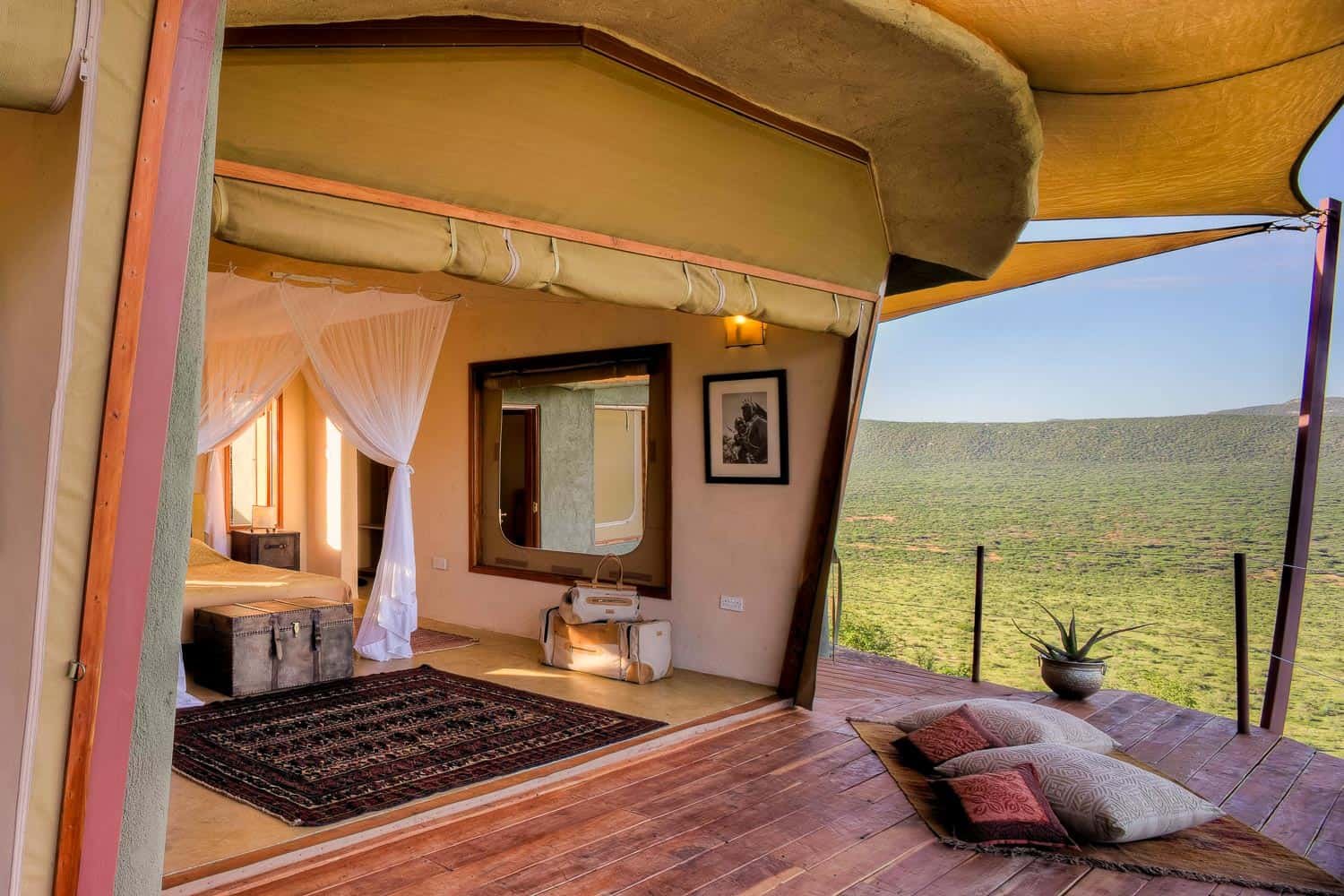
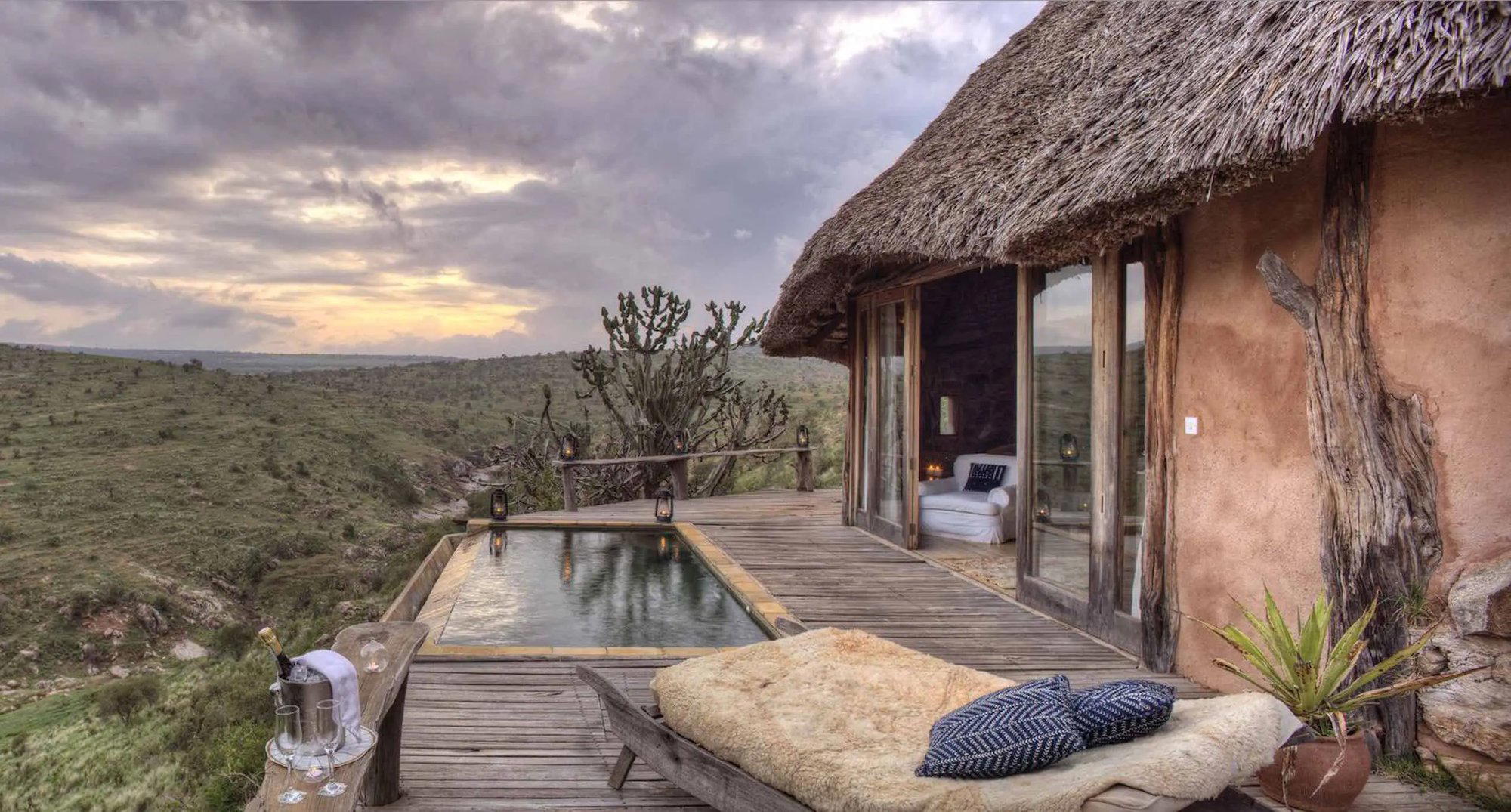
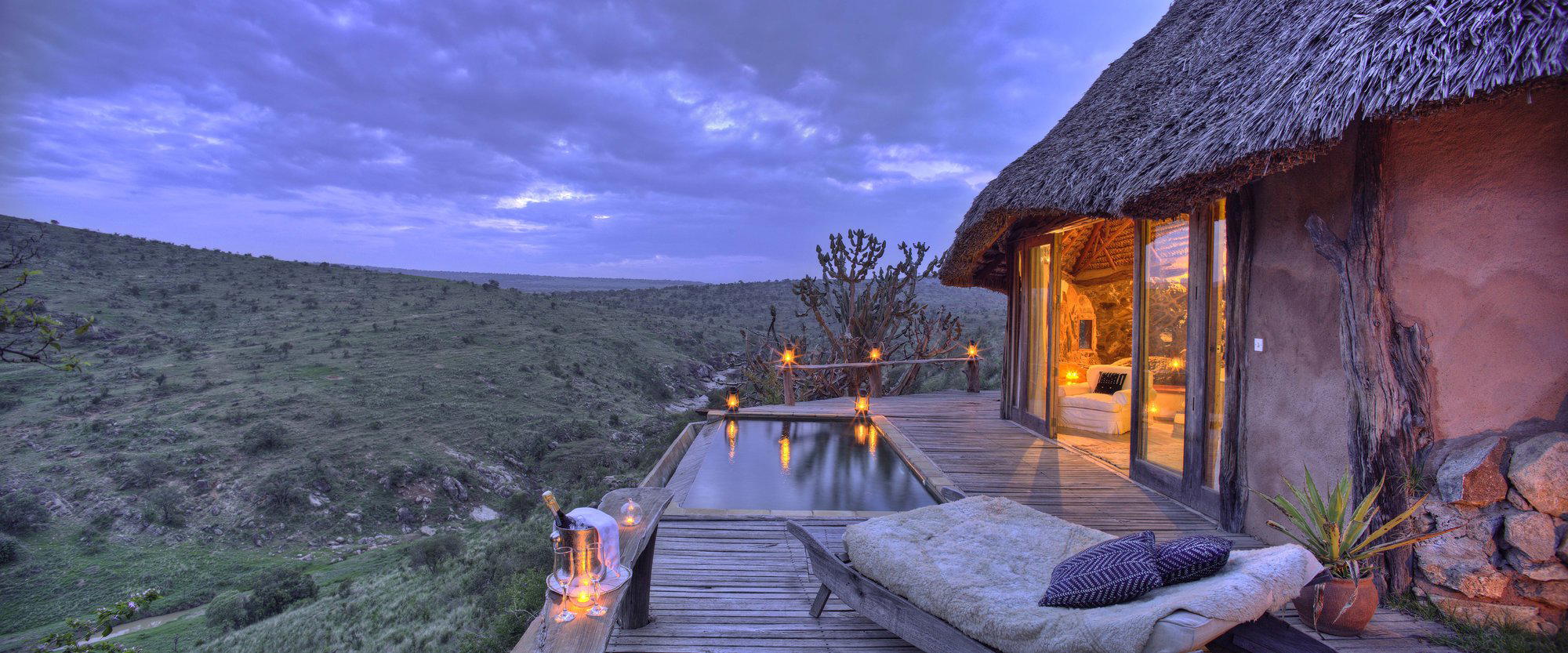
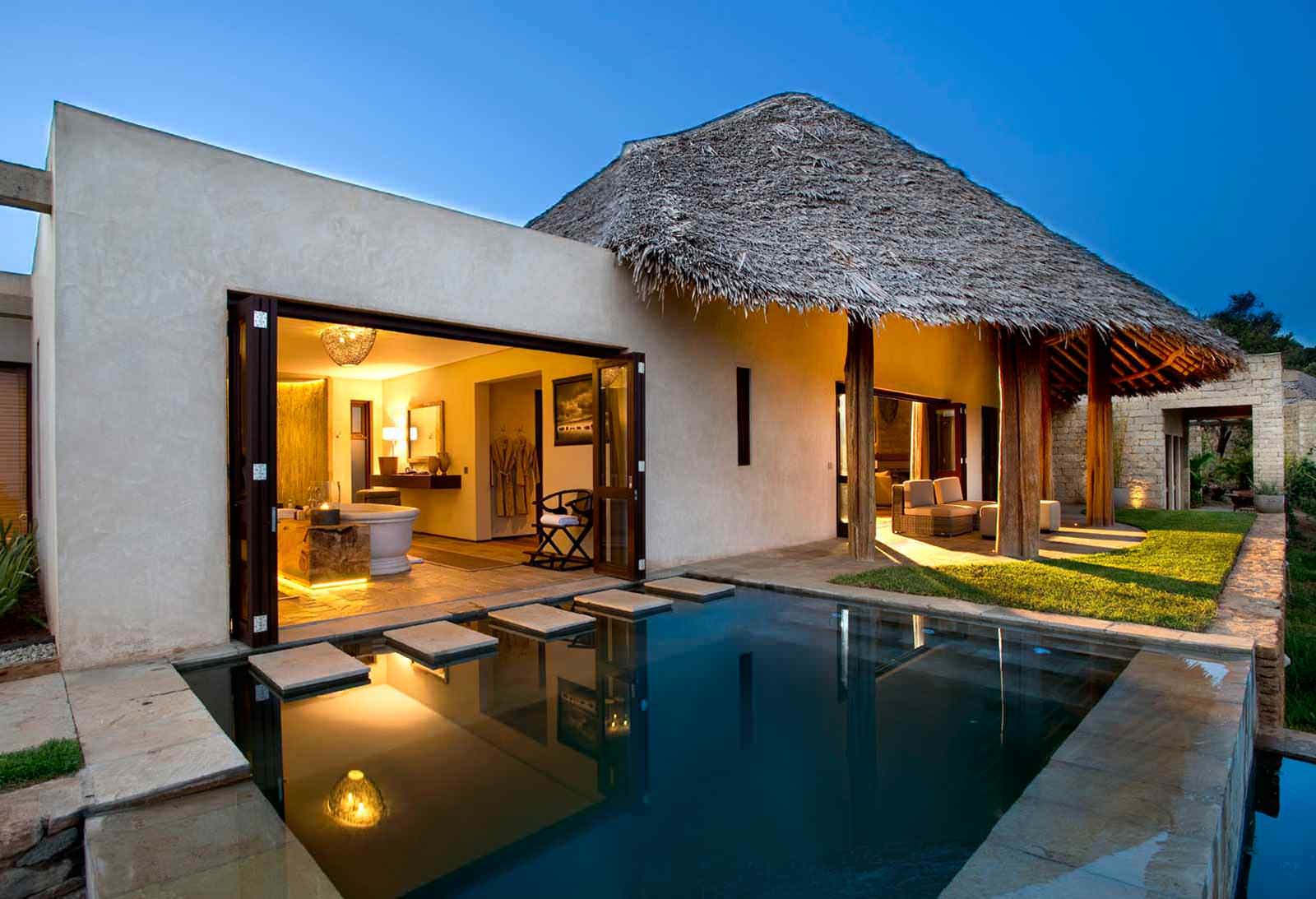
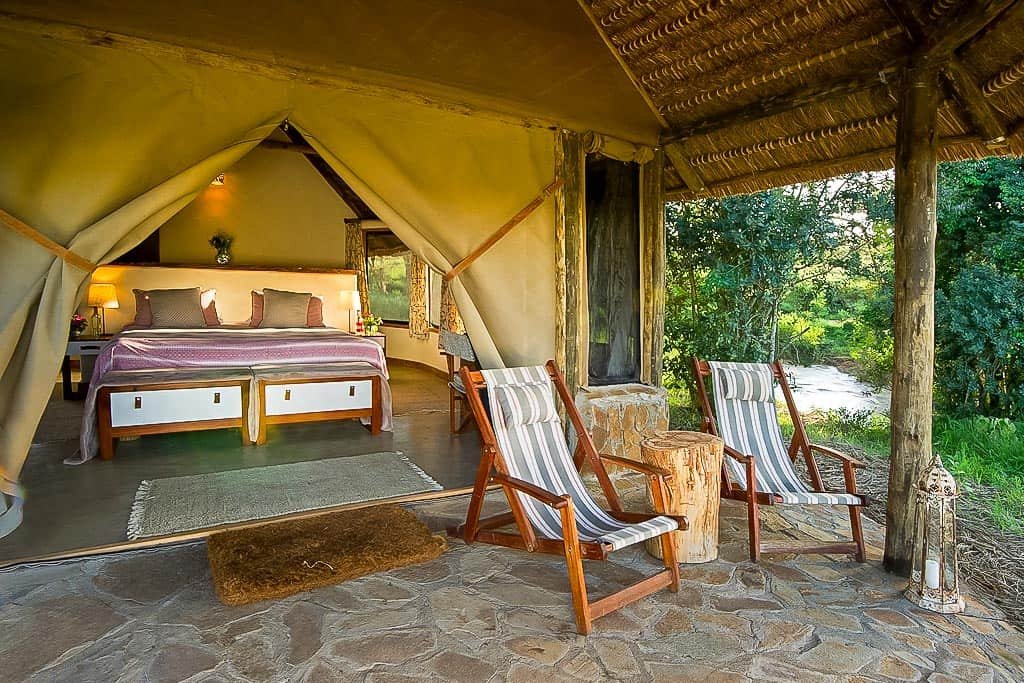
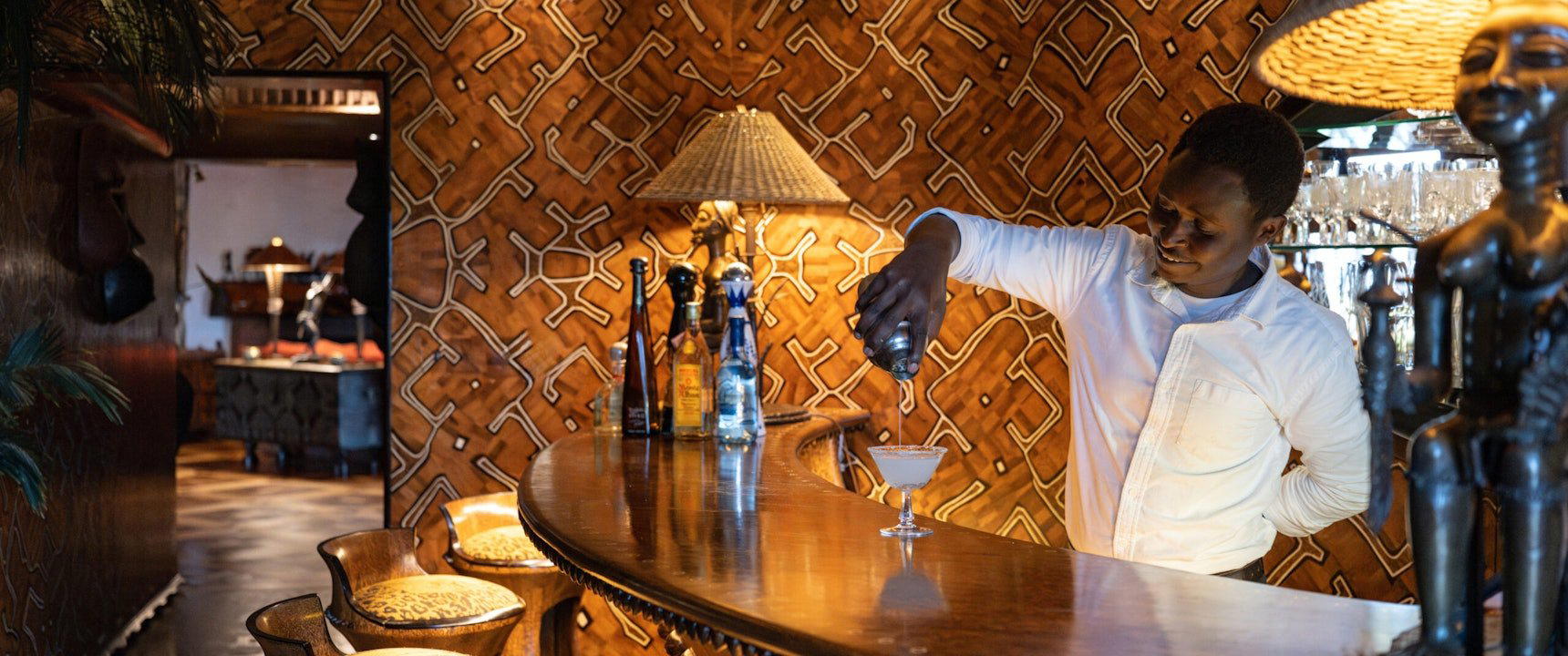
Spacious open-air rooms with cooling Moroccan design, serene infinity pool overlooking the river, and starlit outdoor dining creating a tranquil, luxurious bush retreat.