Occupying a meticulously restored Gothic-Renaissance townhouse on Toruń's Vistula bulwark, Copernicus Toruń Hotel places guests within the UNESCO-listed medieval core of one of Poland's most architecturally coherent cities. The address at Bulwar Filadelfijski 11 positions it steps from the riverfront promenade and the Old Town's brick-vaulted lanes, making it a considered base for serious engagement with the city's history and fabric.
Pearl is the En Primeur Club membership app — saves, bookings, and concierge access live there. Same editors, same standards.
- Address
- Bulwar Filadelfijski 11, 87-100 Toruń, Poland
- Phone
- +48 56 611 57 00
- Website
- copernicustorunhotel.com
- Directions
- Get directions
 Saves & bookings on Pearl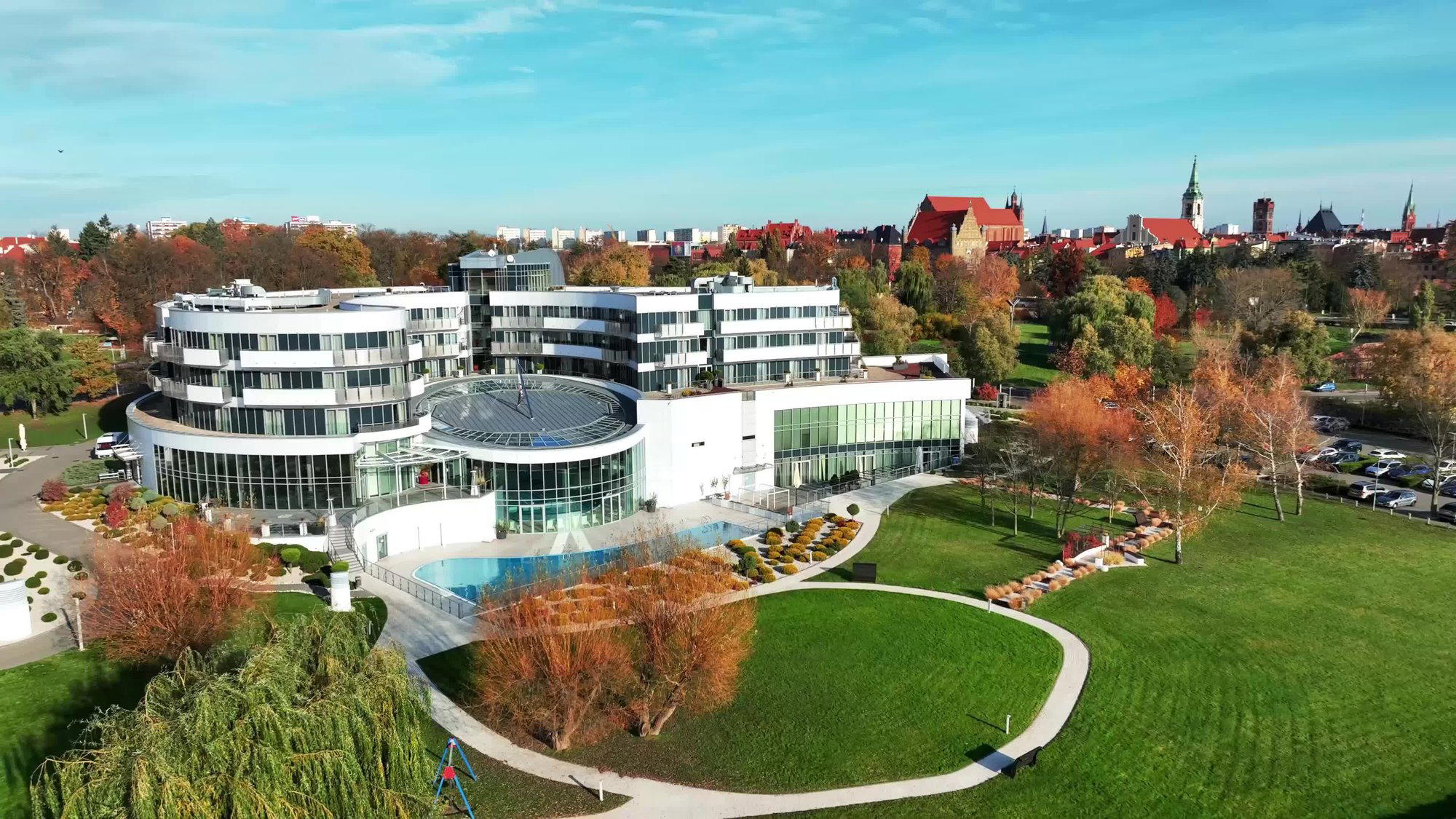
A Medieval Envelope on the Vistula
Toruń occupies a specific position in European heritage tourism that most visitors underestimate before arrival. The city's Old Town, awarded UNESCO World Heritage status in 1997, is not a curated fragment but a near-complete medieval urban plan: Gothic parish churches, Teutonic Knight ruins, Renaissance merchant houses, and Baroque civic buildings arranged along the Vistula's northern bank with a coherence that larger Polish cities lost to wartime destruction. Hotels operating inside this zone face a particular design constraint, the architecture precedes them by five or six centuries, and the question is always how much of that fabric to expose, how much to intervene, and how much to smooth away in the name of comfort.
Copernicus Toruń Hotel, at Bulwar Filadelfijski 11, sits along the riverfront bulwark with the Vistula on one side and the tightening lanes of the medieval core on the other. The address is not incidental. The bulwark strip is where Toruń's historic silhouette reads most clearly from a distance, a line of brick towers, steep-pitched rooflines, and church spires that has changed less in two centuries than almost any comparable riverfront in Central Europe.
Gothic Structure, Contemporary Habitation
Heritage hotel conversions across Poland have developed along two distinct trajectories over the past two decades. The first, represented by properties like Hotel Stary in Krakow and Hotel Altus Palace in Wrocław, involves inserting contemporary hospitality programs into urban palaces or medieval tenement clusters, where the original structure becomes the primary aesthetic argument. The second involves more thorough renovation that retains a historic shell but prioritises modern comfort above legibility of the original fabric.
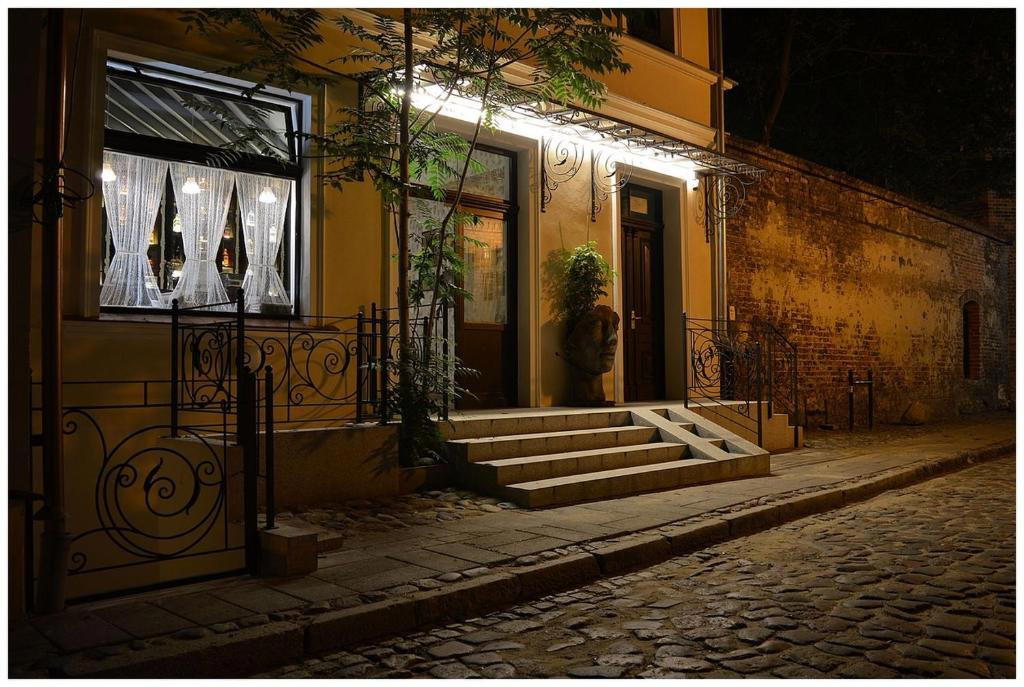
The Copernicus Toruń Hotel belongs recognisably to the first category. Buildings in this part of Toruń carry the characteristic deep-red fired brick of the Teutonic period, with vaulted cellars, thick load-bearing walls, and the irregular room proportions that result from adapting medieval floor plates to sleeping quarters. These features are not easily neutralised, and in hotels that handle them well, they become the product. Exposed brick at ceiling height, asymmetric window placements, and vaulted ground-floor spaces read as architectural evidence rather than decorative gesture when the structure beneath is genuinely old.
The riverfront position adds a secondary layer of spatial quality. Rooms oriented toward the Vistula access a view that has no modern interruption on the opposite bank, the river here is wide, the southern shore low and largely undeveloped, and the light quality in the late afternoon, when the western angle catches the water, is the kind of thing that makes guests extend stays rather than compress them.
Toruń's Place in Poland's Hotel Hierarchy
Poland's heritage accommodation offer has expanded considerably since EU structural funds began flowing into conservation and tourism infrastructure in the mid-2000s. Cities like Kraków, Wrocław, and Gdańsk developed competitive upper-tier hotel markets with multiple properties operating in restored historic buildings. Toruń, smaller and less visited by international traffic, has a tighter competitive set. The city draws heavily on domestic tourism, school groups visiting the birthplace of Nicolaus Copernicus, and a steady flow of visitors who treat it as a day trip from Bydgoszcz or a stopover on the Gdańsk-Warsaw corridor.
For the visitor who commits to an overnight stay, the hotel's position on Bulwar Filadelfijski is the operative detail. The Old Town is compact enough to cover on foot in a day, but the experience of being inside the walls after the day visitors leave, when the brick lanes empty and the Gothic churches recede into the evening, is categorically different from the daytime tourist flow. The riverfront address adds a spatial dimension that central-square positions cannot offer.
Travellers calibrating Toruń against other Polish heritage destinations will find useful reference points in H15 Boutique Hotel in Warsaw for design-led urban stays, or Bachleda Residence Zakopane in Zakopane for the contrasting mountain-heritage model. Within the northern Poland corridor, Hilton Gdansk in Gdansk represents the international chain approach to a historic city, while Quadrille in Gdynia offers a modernist counterpoint nearby. The Copernicus Toruń Hotel sits in a different register from all of these, smaller city, deeper medieval fabric, fewer international comforts traded for proximity to a largely unaltered historic core.
Closer to the hotel in style and scale, Róże i Zen Apartamenty represents Toruń's boutique apartment-style alternative for longer stays.
Planning Your Stay
Toruń's peak visitor periods align with the summer months and the December gingerbread-and-Christmas-market season, when the city's most famous export, pierniki, the spiced gingerbread produced here since the medieval period, becomes both a culinary and retail draw. Visiting in shoulder season, particularly September and October when the crowds thin and the low Vistula light sharpens, offers a quieter engagement with the architecture. The hotel's bulwark address is walkable to the Old Town's principal sites without crossing any significant traffic corridors, which matters in a medieval street plan not designed for vehicular movement. Booking direct or through the hotel's own channels will generally surface the clearest room availability information; specific rates and room categories should be confirmed at time of enquiry given the absence of a published price structure in current data.
A Quick Peer Check
Comparable venues nearby, for context on price, style, and recognition.
| Venue | Cuisine | Price | Awards | Notes |
|---|---|---|---|---|
| Copernicus Toruń HotelThis venue — the venue you are viewing | Modern riverside hotel with distinctive curved architecture blending contemporary design with historic city context | $$$ | 4-Star | Not listed |
| "Róże i Zen" Apartamenty. Pokoje Gościnne | stylish historic apartments | $$ | Not listed | Stare Miasto |
| Warszauer Hotel | Contemporary boutique blending modern design with historic context | $$$$ | 4-Star | Kazimierz |
| Hotel Liberte 33 | Boutique hotel blending historic 19th-century villa architecture with contemporary design, positioned as an upscale urban retreat for informed travelers. | $$$ | 4-Star | Stare Miasto District |
| Rysy Boutique Hotel | Intimate luxury boutique in Tatra Mountains center | $$$$ | 5-Star | Krupowki |
| PURO Łódź Centrum | Modern boutique design hotel with Scandinavian-inspired minimalism and warm contemporary aesthetics; part of a six-city Polish chain emphasizing local character and high-end comfort. | $$$ | 4-Star | Downtown Łódź |

At a Glance
- Modern
- Elegant
- Scenic
- Sophisticated
- Business Trip
- Family Vacation
- Romantic Getaway
- Wellness Retreat
- Waterfront
- Panoramic View
- Destination Spa
- Terrace
- Wi Fi
- Indoor Pool
- Outdoor Pool
- Spa
- Fitness Center
- Restaurant
- Sauna
- Room Service
- Concierge
- Waterfront
- Wi Fi
- Indoor Pool
- Outdoor Pool
- Spa
- Fitness Center
- Restaurant
- Sauna
- Room Service
- Concierge
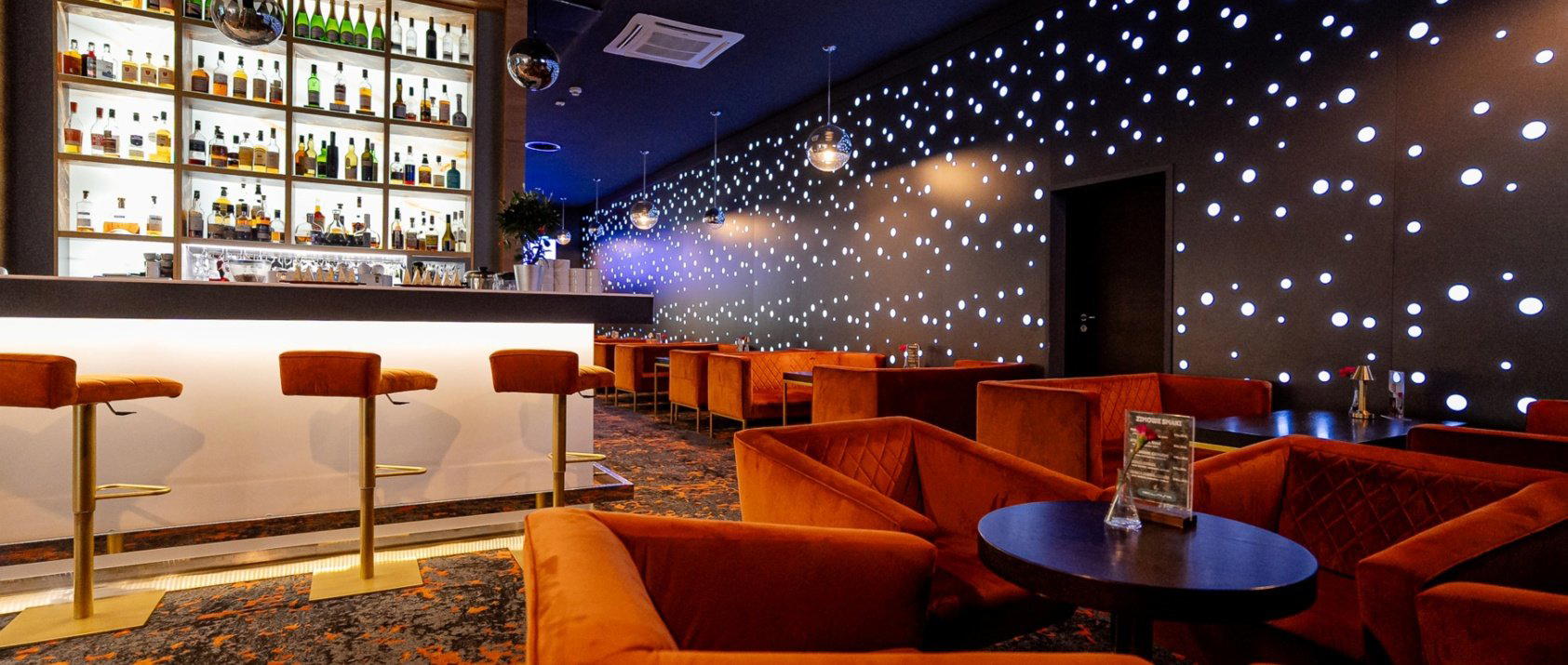
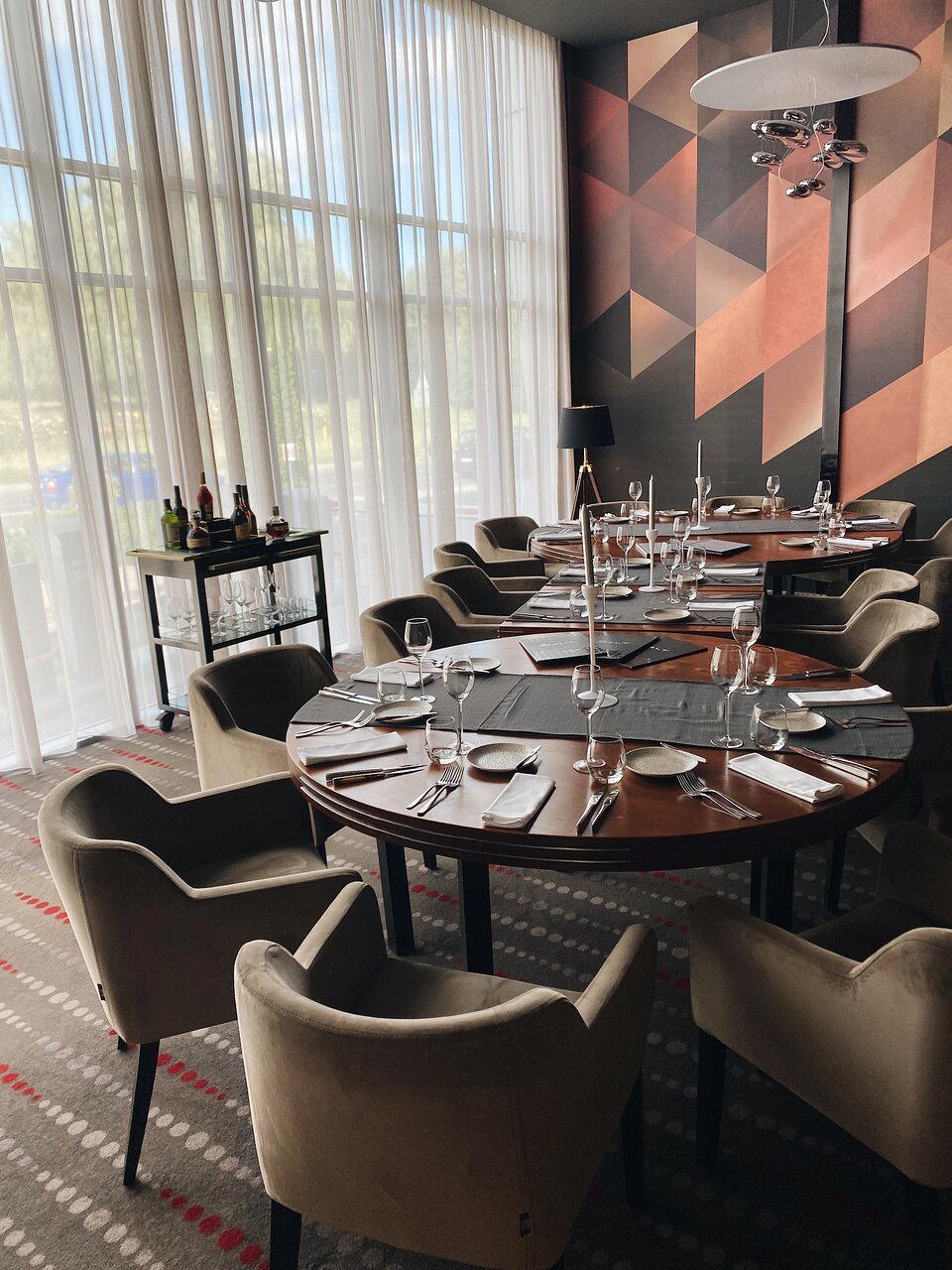
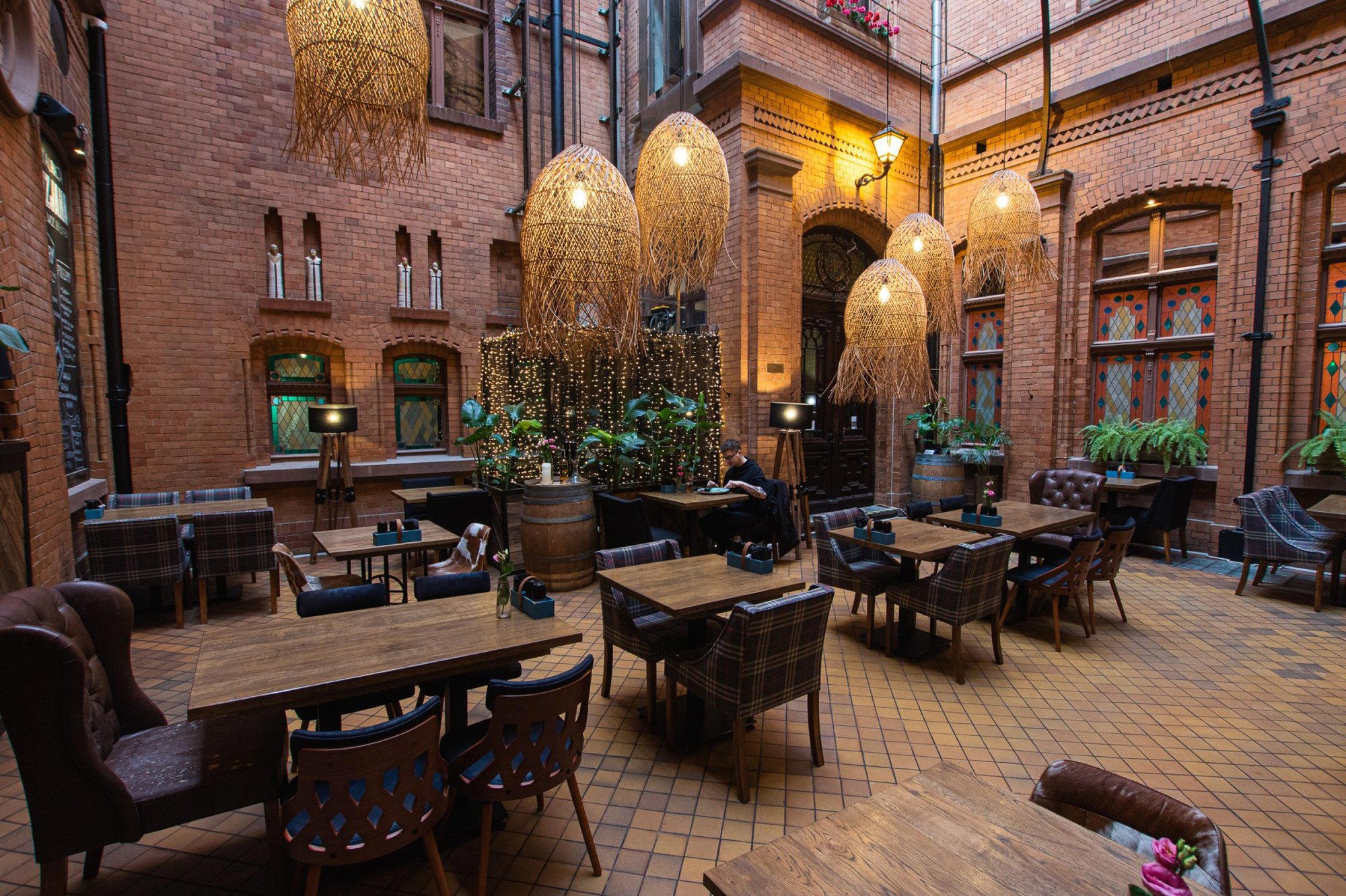
Bright, contemporary, and welcoming with tasteful modern decor featuring cosmic design elements; spacious and well-lit common areas with river views and a peaceful atmosphere despite extensive amenities.