

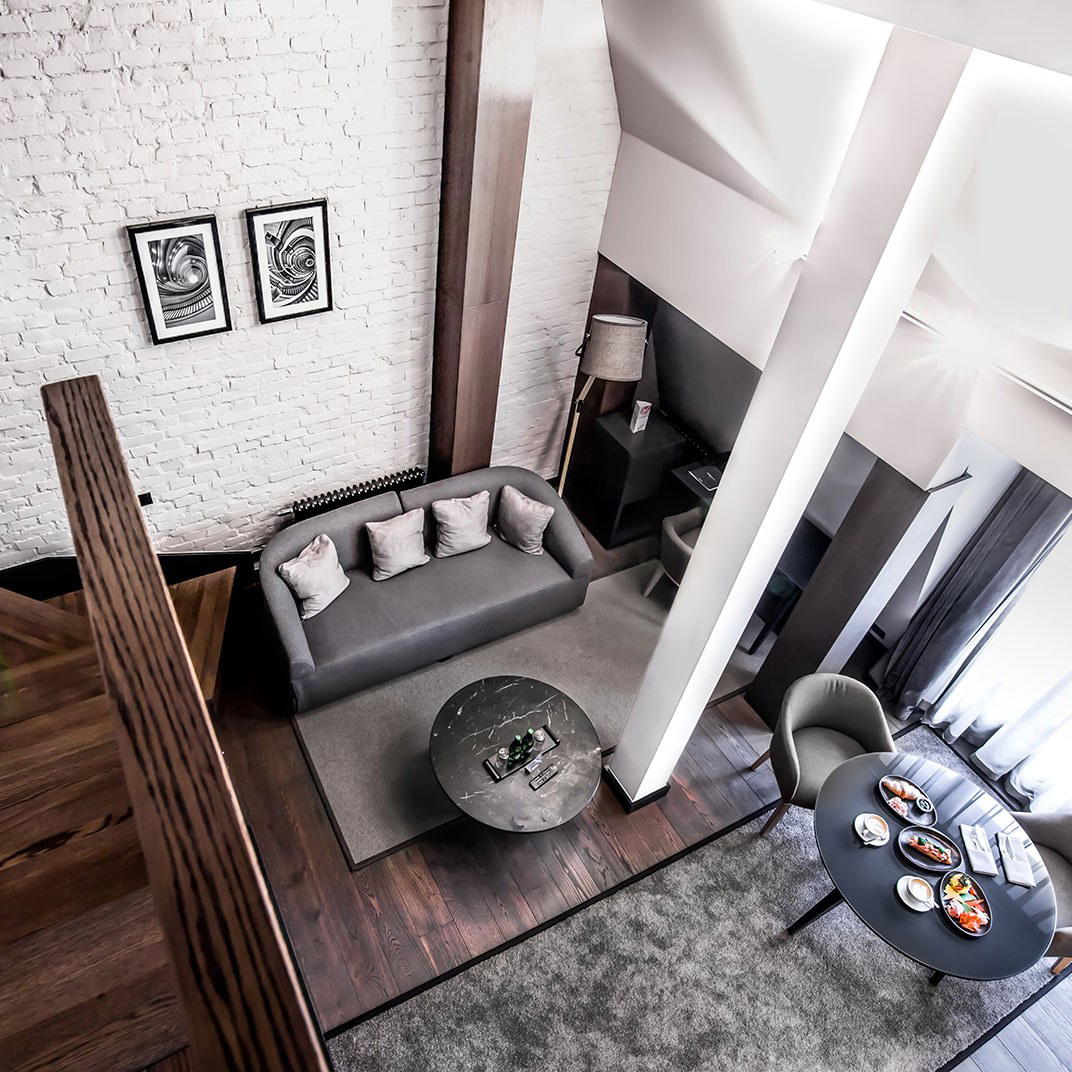
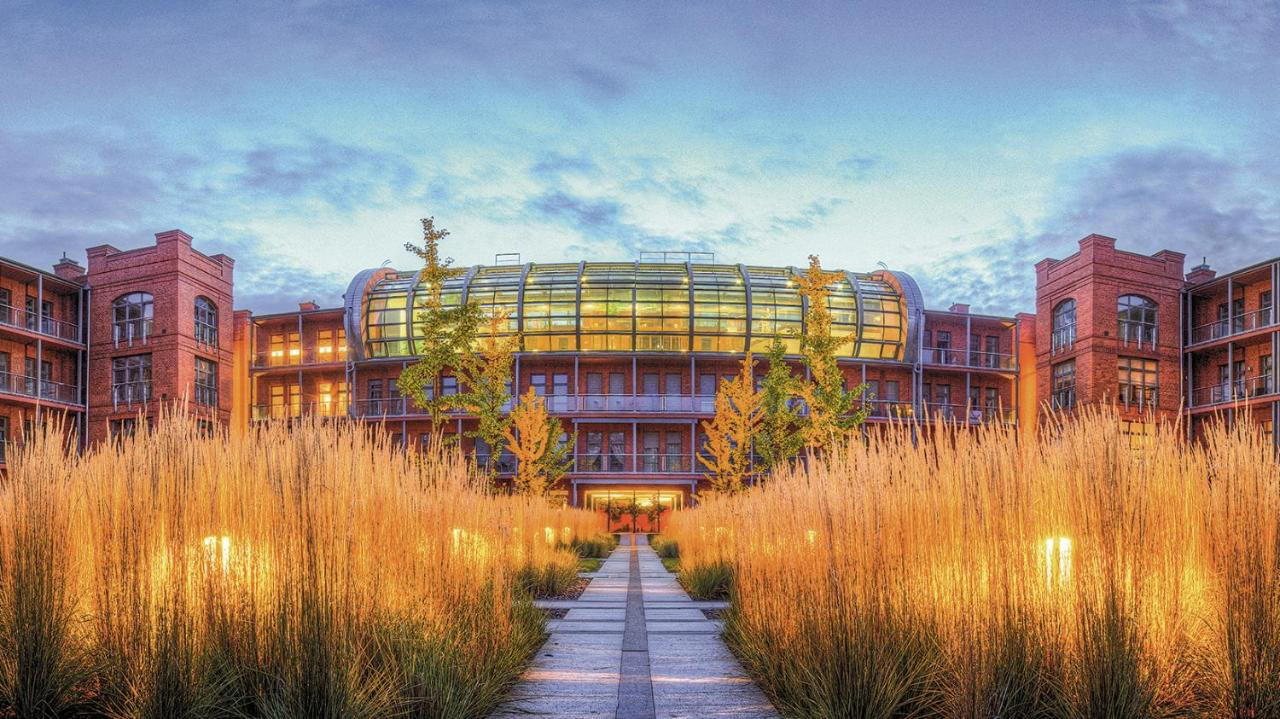
PURO Poznań occupies a four-star position on Stawna Street in the heart of Poznań's old town, carrying membership in the Great Hotels of the World collection across 135 rooms. The property represents the design-led, mid-luxury tier that has reshaped Polish city hotels over the past decade, trading heritage grandeur for sharp contemporary interiors and a central location that puts the city's best streets within walking distance.
Pearl is the En Primeur Club membership app — saves, bookings, and concierge access live there. Same editors, same standards.
- Address
- Stawna 12, 61-759 Poznań, Poland
- Phone
- +48 61 333 10 00
- Website
- purohotel.pl
- Directions
- Get directions
 Saves & bookings on Pearl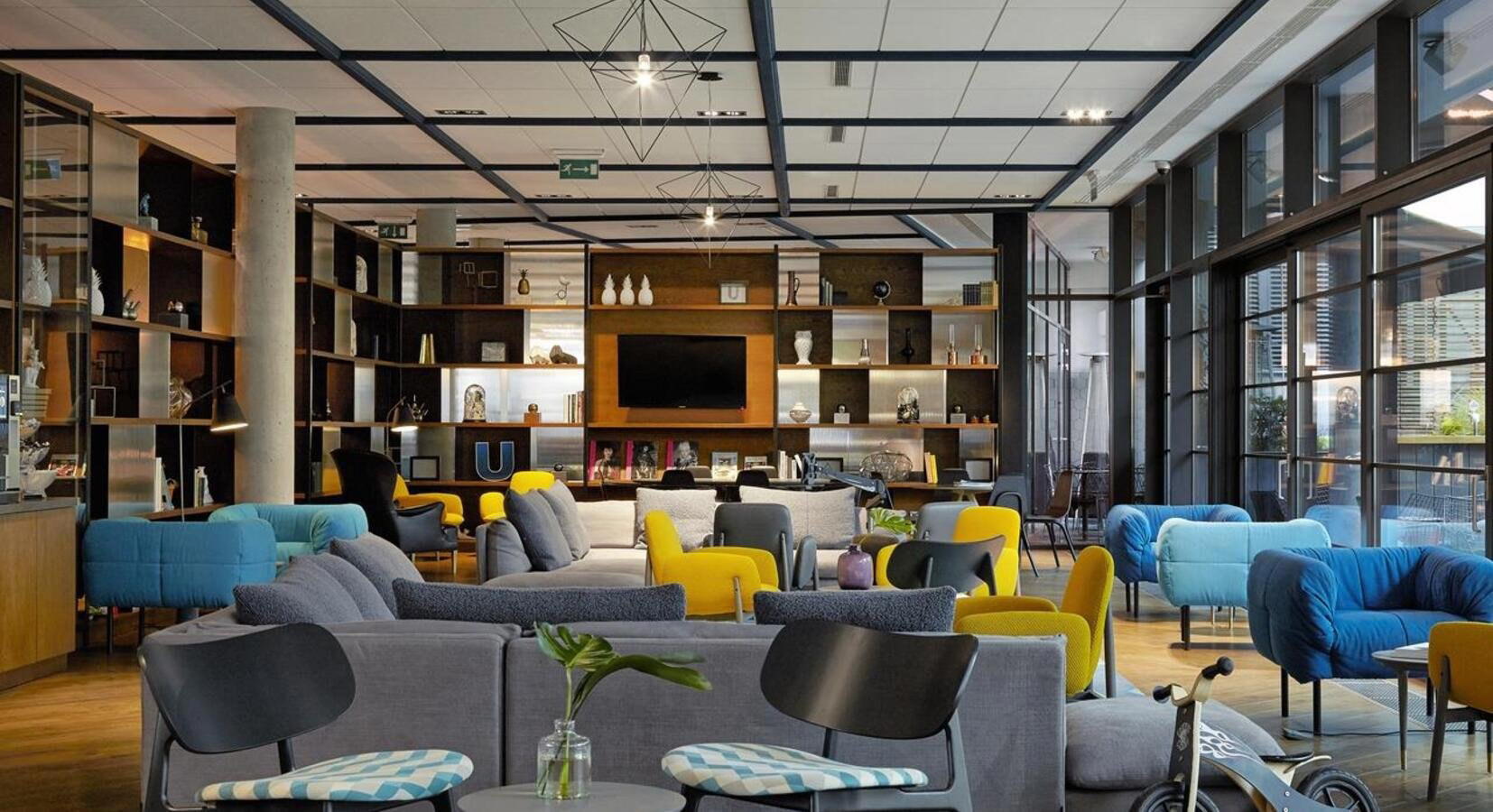
Design Over Deference: How PURO Fits Poznań's Hotel Conversation
Polish city hotels have split into two recognisable camps over the last fifteen years. On one side sit the palatial conversions, where 19th-century facades and vaulted cellars carry the weight of historical credibility. On the other, a newer cohort of design-forward properties has emerged, prioritising spatial intelligence and contemporary material palettes over period detail. PURO Poznań is a four-star hotel at Stawna 12 in Poznań's old town, with 135 rooms. Its four-star rating and 135-room footprint place it in the upper-middle tier of Poznań's accommodation offer, large enough for operational consistency, compact enough to avoid the impersonal feel of convention-scale properties.
That positioning matters in Poznań more than it might in, say, Warsaw or Kraków, where the luxury hotel market is deeper and more stratified. Poznań's top tier is thinner, which means a well-executed design hotel punches into a space that in other Polish cities would be crowded. Membership in the Great Hotels of the World collection signals a recognised standard of quality.
The Architecture of a PURO Stay
The PURO brand has built its identity around the idea that design is infrastructure, not decoration. Across its Polish properties, the formula leans on clean geometries, considered lighting, and material choices that hold up under prolonged use rather than photograph well once and age badly. The Poznań outpost follows that logic in a city whose old town presents a specific architectural context: warm ochres and terracottas, Renaissance and Baroque facades facing the Stary Rynek, a built environment that could easily swallow a contemporary hotel whole if the interior language wasn't confident.
At 135 rooms, the property operates at a scale that allows for a coherent design vision without the dilution that creeps into larger footprints. The single meeting room, with a theatre capacity of up to 70, keeps the conference dimension modest relative to the room count. That ratio suggests a hotel that takes leisure and independent business travel seriously rather than anchoring its occupancy model to large corporate events. Compare that to PURO Łódź Centrum, which operates in a post-industrial city with a different architectural and visitor context.
Poznań as Context
Poznań is a city that draws less international attention than Kraków or Warsaw but runs a serious cultural and commercial programme. The trade fair tradition, centred on the Międzynarodowe Targi Poznańskie complex, means the city has a reliable base of business visitors who expect hotel infrastructure to function without friction. The old town, rebuilt after the Second World War with considerable fidelity to its pre-war appearance, creates a walkable historic core where Stawna 12 sits within easy reach of the Stary Rynek's coloured townhouses and the city's cathedral island.
For travellers arriving from outside Poland, the comparison set is instructive. Copernicus Toruń Hotel serves a smaller, more specifically heritage-focused city with a property that leans harder into period atmosphere. Hilton Gdańsk operates in a northern port city where international brand infrastructure matters more to the visitor mix. Hotel Stary in Kraków occupies the higher end of Poland's design-meets-heritage spectrum. PURO Poznań sits between these reference points: more contemporary than Toruń's historic properties, less internationally branded than the Hilton approach, and pitched at a price tier below Kraków's premium conversion hotels.
The broader Polish hotel market has seen consistent investment in this mid-to-upper design tier. Hotel Altus Palace in Wrocław and H15 Boutique Hotel in Warsaw both operate in the same general conversation, each anchored in cities with distinct visitor profiles. The pattern across all of them is the same: design credibility as the primary differentiator in a market where price alone no longer sorts the good from the mediocre.
Planning Your Stay
Stawna 12 sits in the old town, which means the main square, the cathedral island, and Poznań's leading restaurant streets are all reachable on foot. The property's meeting infrastructure, one room, theatre capacity to 70, covers small corporate events without tipping the hotel into conference territory. For travellers arriving for trade fair events at the Poznań International Fair grounds, the central location requires ground transport to the exhibition site.
Travellers building a wider Polish itinerary might pair a Poznań stay with a visit to Hotel Monopol Katowice in the south, or extend west toward Quadrille in Gdynia on the Baltic coast. For mountain access, Bachleda Residence Zakopane anchors the Tatra end of a country-crossing itinerary. Across all of these, PURO Poznań functions as a competent, design-aware base for a city that deserves more attention than it typically receives from western European travellers.
Great Hotels of the World membership places the hotel within a broader international collection. Cheval Blanc Paris, Aman Venice, and Badrutt's Palace Hotel in St. Moritz represent the upper end of what curated collection hospitality looks like globally. The hotel operates at a different price register and scale, but the collection membership frames it as a property that has cleared a defined quality threshold rather than simply marketed its way into a category.
Fast Comparison
Comparable venues nearby, for context on price, style, and recognition.
| Venue | Cuisine | Price | Awards | Notes |
|---|---|---|---|---|
| PURO PoznańThis venue — the venue you are viewing | Contemporary urban hotel with elegant design reflecting the city. | $$$ | 4-Star | Not listed |
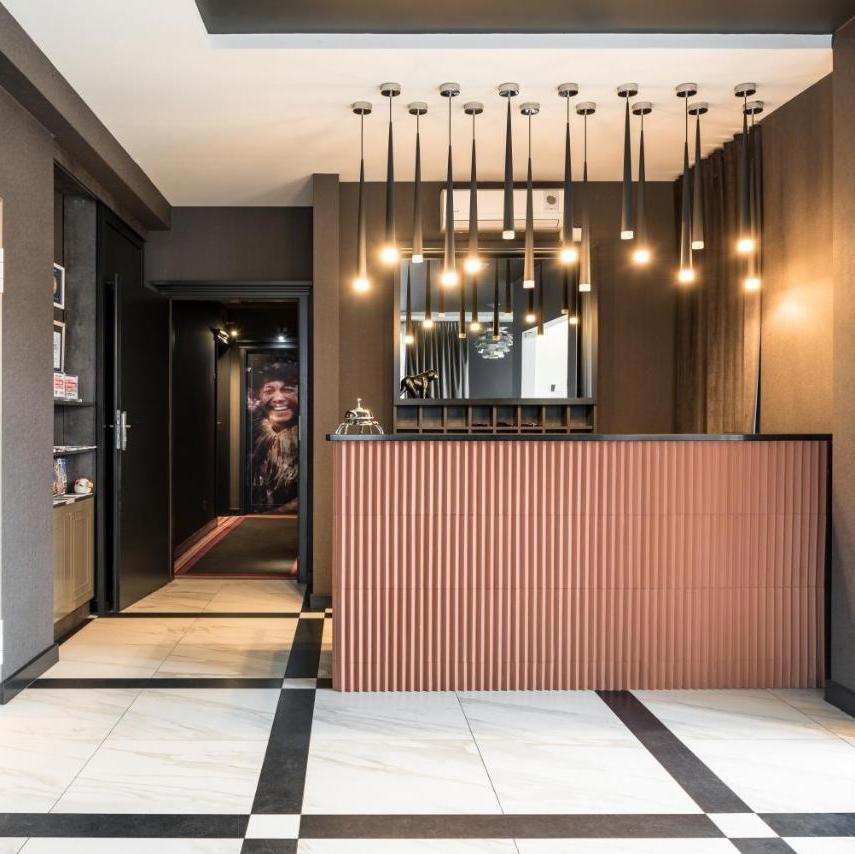
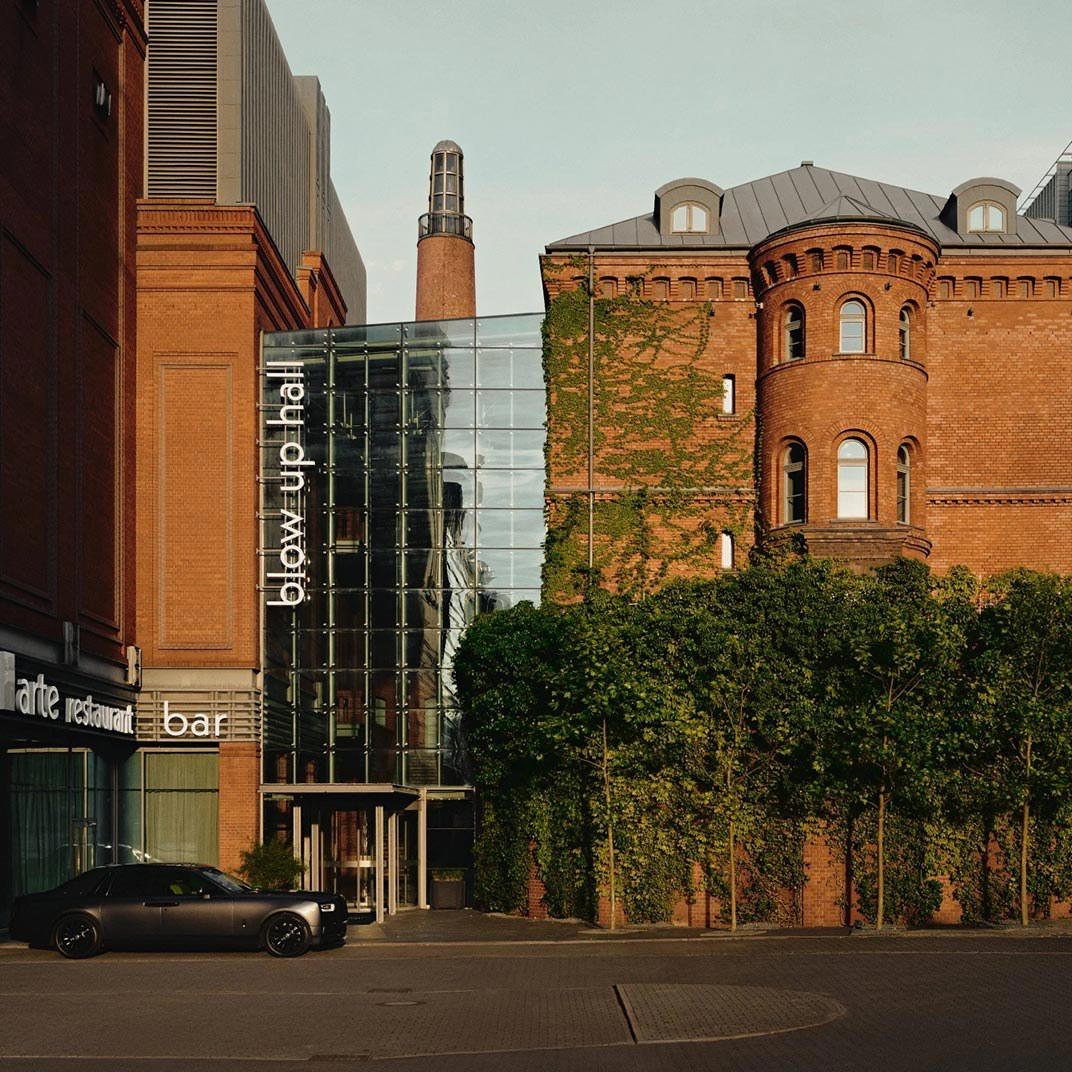
| Blow Up Hall | Boutique design hotel in historic brewery with contemporary artistic spin. | $$$$ | 5-Star | Poznań City Center |
| Ilonn Boutique Limanowskiego | Boutique aparthotel in historic building | $$$ | 4-Star | Łazarz |
| City Park Hotel & Residence | Boutique luxury apartment hotel in a repurposed historic military base complex. | $$$$ | 5-Star | Grunwald |
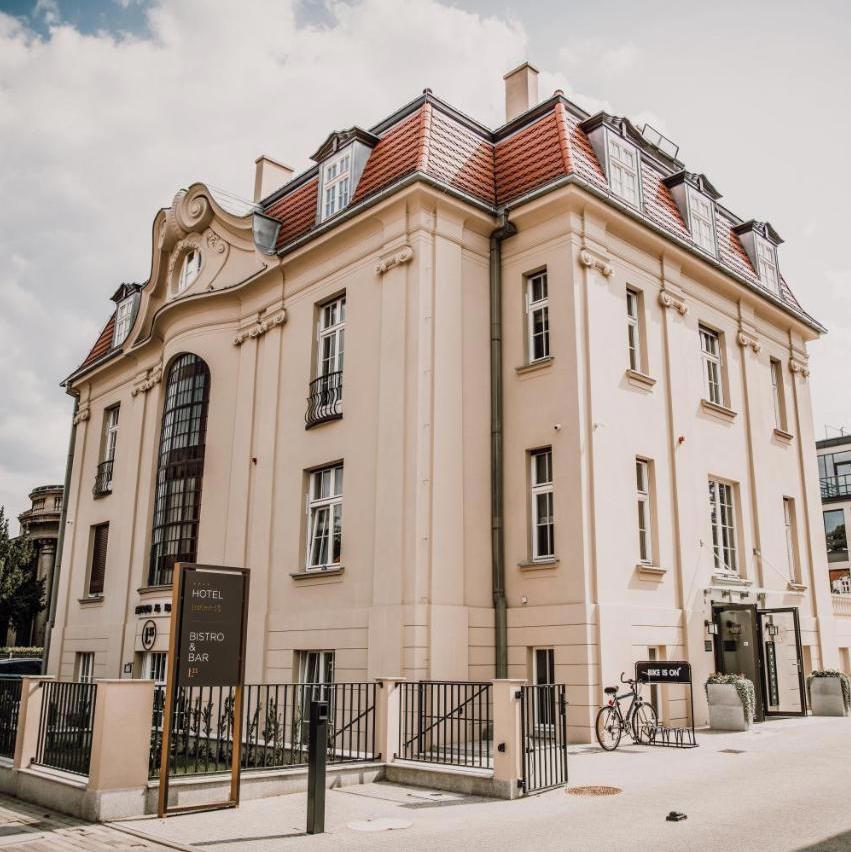
| Hotel Liberte 33 | Boutique hotel blending historic 19th-century villa architecture with contemporary design, positioned as an upscale urban retreat for informed travelers. | $$$ | 4-Star | Stare Miasto District |
| City Solei | Art Deco boutique hotel connected to a shopping center in the historic district. | $$$ | 4-Star | Chwaliszewo |
Recognition history
Dated appearances from independent guides and award organizations, with the underlying list record or original source where available.
Great Hotels of the World GHOTW Collection Member
Great Hotels of the World
Michelin Selected
Michelin
At a Glance
- Modern
- Minimalist
- Trendy
- Business Trip
- Weekend Escape
- Terrace
- Historic Building
- Wi Fi
- Fitness Center
- Room Service
- Concierge
- Business Center
- Garden
- Wi Fi
- Fitness Center
- Room Service
- Concierge
- Business Center
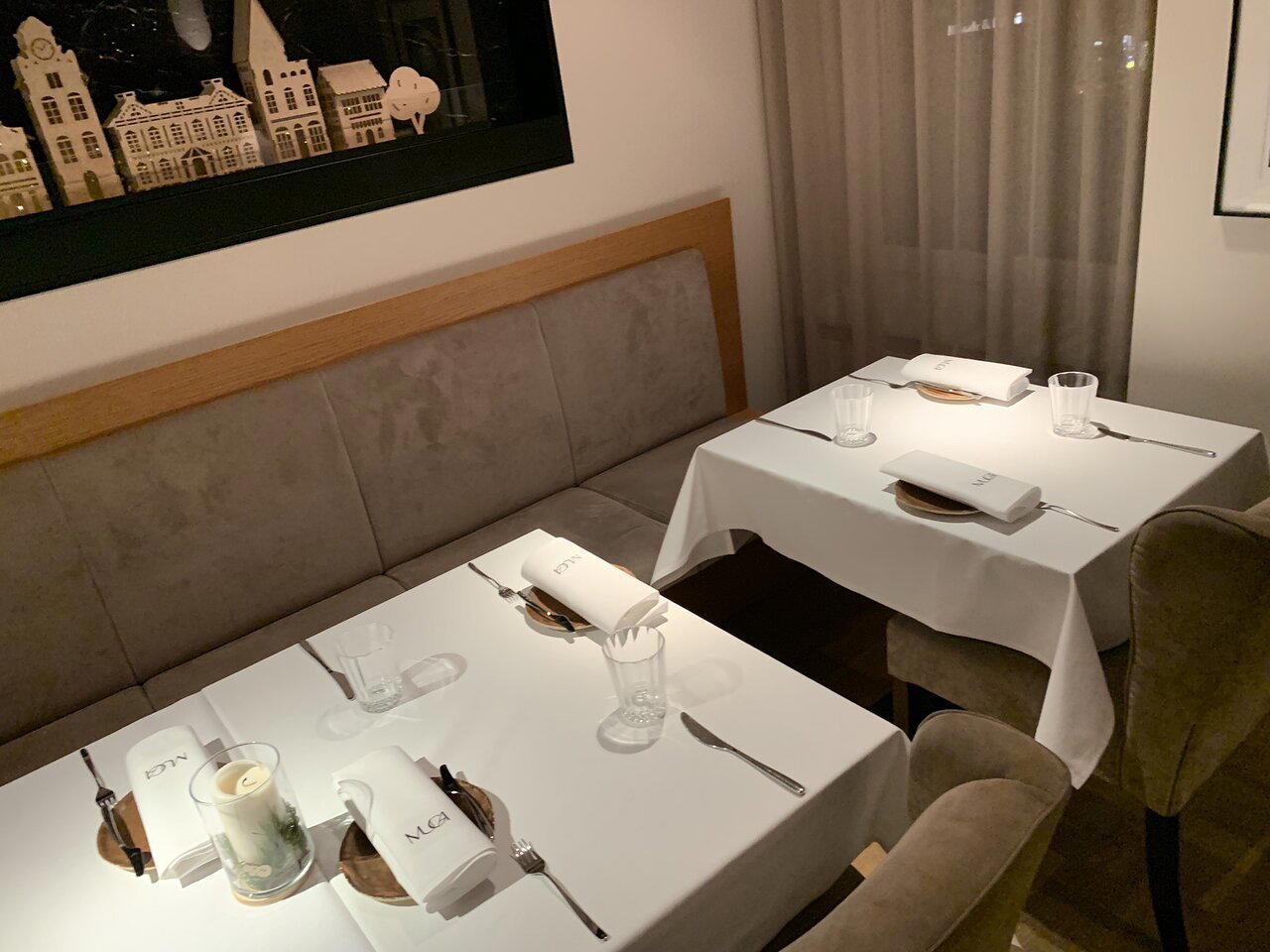
Clean, stylish, and welcoming with comfortable beds, spacious rooms, and a peaceful garden setting praised for its modern elegance.