Planned hotel(s) in Addis Ababa
A planned addition to a ten-property Ethiopian hospitality portfolio, this future Addis Ababa hotel is positioned to serve as the capital anchor of a nationally distributed network spanning Bahir Dar, Hawassa, Jimma, and destinations in the country's south. Specific details on design, pricing, and opening timeline remain unreleased. Its arrival would mark a meaningful shift in the city's premium accommodation options, particularly for the diplomatic and international business traffic that defines Addis Ababa's hospitality demand.
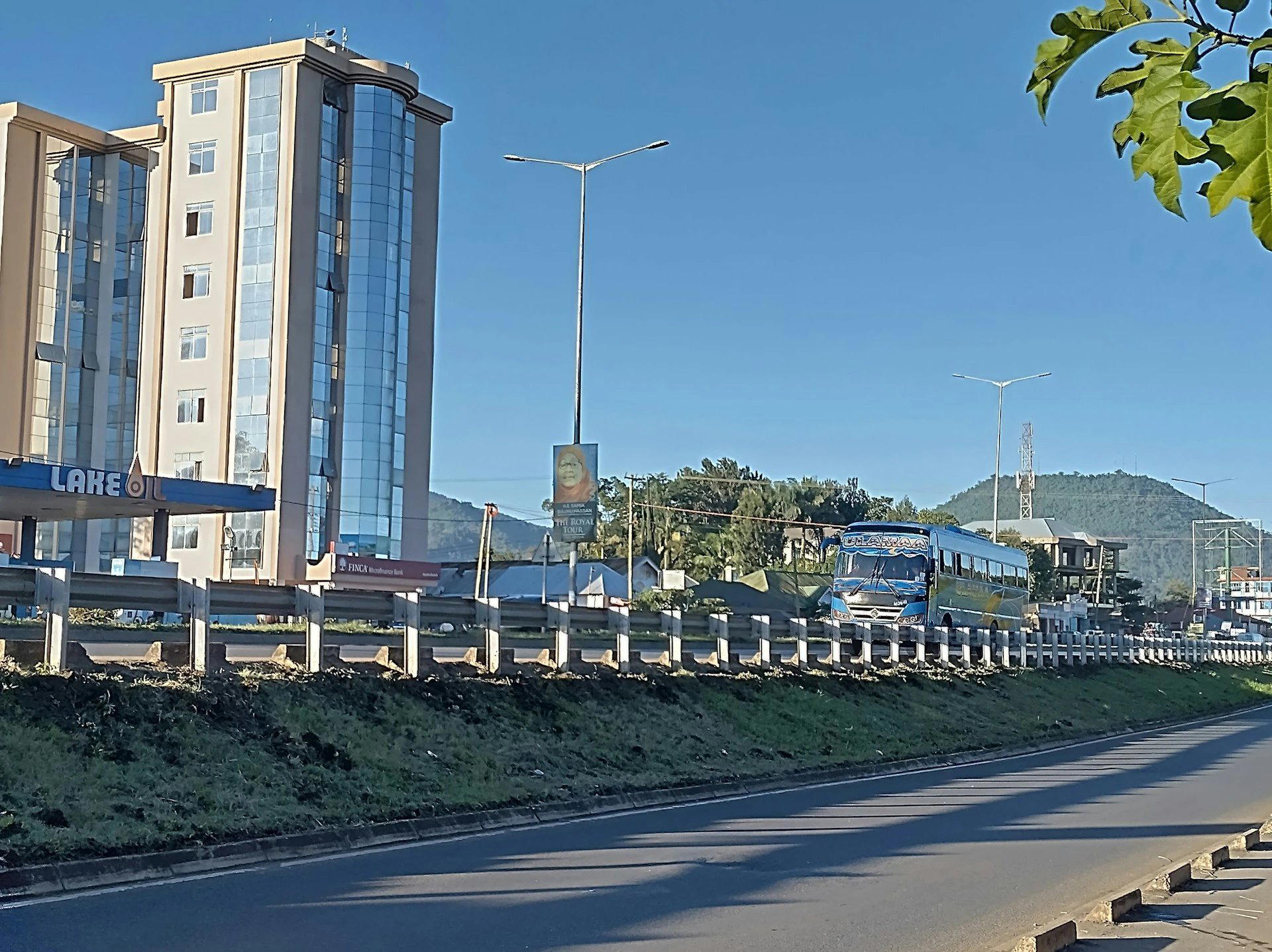
Addis Ababa and the Next Chapter of Ethiopian Hospitality
Addis Ababa sits at 2,355 metres above sea level, a city of eucalyptus-lined boulevards, Soviet-era ministries, and a skyline that has changed faster in the past decade than in the previous five combined. For most of its modern history, the city's hotel stock divided cleanly between ageing state-owned properties near Meskel Square and a thin layer of international chain hotels clustered around Bole Road. That divide is now closing. A planned portfolio of up to ten properties across Ethiopia, with at least one address in the capital, signals a different kind of development: locally anchored, multi-city in reach, and timed to arrive as Addis Ababa positions itself as the institutional and commercial hub of Sub-Saharan Africa.
The planned Addis Ababa hotel is part of a broader ten-property Ethiopian hospitality programme that spans destinations including Bahir Dar, Hawassa, and Jimma. The capital entry in that portfolio carries the heaviest expectations: Addis Ababa is where diplomatic traffic concentrates, where African Union summits fill hotel blocks, and where the first impression of Ethiopia is formed for most international arrivals. Getting the architecture and spatial language right here matters more than anywhere else on the circuit.
The Architecture Question in a City That Is Building Fast
Addis Ababa is in the middle of a construction wave that has produced some genuinely ambitious infrastructure, the Chinese-built light rail, Skylight Hotel near the airport, new commercial towers in the Bole district, alongside a great deal of generic concrete. The most instructive projects in the city's recent hospitality history are those that chose not to replicate generic international forms. Properties that have read the city's material character, its basalt rock, its corrugated-iron vernacular, the layered colour of traditional textiles, and translated that reading into spatial decisions have aged better than those that arrived as transplants.
The trajectory of lodge-scale design elsewhere in Ethiopia points toward what a considered urban property might look like. At the southern end of the country, Eco Omo Lodge in Jinka and Evangadi Lodge in Turmi have both drawn on local material and spatial logic rather than imposing external templates. Dorze Lodge in the South Ethiopia Regional State takes that further, using the distinctive beehive architecture of the Dorze people as its primary design reference. None of these are urban hotels, but the discipline they represent, rooting form in local precedent rather than importing a neutral international aesthetic, is exactly what Addis Ababa needs from its next generation of premium accommodation.
Globally, the hotels that have set new standards for contextual design tend to operate with a specific conviction about place. Amangiri in Canyon Point is perhaps the clearest example of a property that reads its landscape and responds architecturally. Castello di Reschio in Lisciano Niccone does something similar with historical fabric. Hotel The Mitsui Kyoto anchors its design in a 400-year-old garden. In each case, the physical environment is the argument the hotel is making.
What the City's Position Demands From Premium Design
Addis Ababa functions differently from other African capitals. As the seat of the African Union and the United Nations Economic Commission for Africa, it draws a continuous stream of diplomats, development finance professionals, and senior government delegations who arrive with experience of Geneva, New York, and Brussels behind them. The reference point for these guests is not a regional one. They are comparing what they find in Addis against Aman New York, against Cheval Blanc Paris, against Le Bristol Paris and La Réserve Paris. That comparison sets a high bar for spatial quality, materials specification, and the kind of service that reads as attentive rather than procedural.
At the same time, a property that simply replicates European palace-hotel language in Addis Ababa would miss the city entirely. The most interesting hospitality move available here is to meet that international service expectation while grounding the spatial experience in something that could only be Ethiopian. The tension between those two demands is precisely where the design opportunity lies.
The Broader Portfolio Context
Understanding the planned Addis Ababa hotel requires understanding what a ten-property national portfolio implies. Hotels in Bahir Dar, Hawassa, and Jimma serve regional travellers and domestic tourism, but the capital property anchors the network. It is the address that international visitors encounter first and remember longest. In portfolio terms, it sets the design and service register that the rest of the properties will be measured against.
Multi-property Ethiopian programmes of this kind are not common. The country's lodge sector has strong individual properties, as the cluster of southern Ethiopia lodges demonstrates, but coordinated national portfolios that span both urban and regional destinations are rarer. If the design discipline holds across all ten addresses, the network could shift expectations for Ethiopian hospitality in a way that individual properties cannot.
For travellers using Ethiopia as a base for wider continental movement, the Addis Ababa property will function as a gateway node. Bole International Airport handles connections across Africa and the Middle East, and the city's geography places it within a reasonable travel radius of both the Rift Valley lake circuit and the northern historic route taking in Lalibela, Gondar, and Axum. A well-positioned hotel in the capital is not just an Addis Ababa decision; it is the anchor point of a broader Ethiopian itinerary. Browse our full Addis Ababa guide for deeper context on the city's current hospitality options.
Planning Around a Property Still in Development
Specific booking details, pricing, room configurations, and opening dates for the planned Addis Ababa hotel are not yet confirmed. Travellers interested in tracking its development should monitor announcements from the portfolio group directly, as specifics including address, contact details, and reservation procedures have not been released at the time of writing. Given the city's position as a major conference destination, early reservation will almost certainly be advisable once the property opens, particularly around African Union calendar events and the Ethiopian academic and business year, which peaks between October and June.
For travellers considering the Ethiopia circuit now, the southern properties, including Eco Omo Lodge and Evangadi Lodge, are operational and can be booked in conjunction with a capital stay at existing Addis Ababa options. As a reference point for what the portfolio's eventual design register might achieve, it is worth looking at how contextually grounded properties elsewhere have set a standard in their respective cities: Bvlgari Hotel Tokyo, Aman Venice, and Mandarin Oriental Bangkok each demonstrate what it looks like when a property earns its place in a city rather than simply occupying it.
Continue exploring
More in Addis Ababa
Hotels in Addis Ababa
All hotels in Addis Ababa →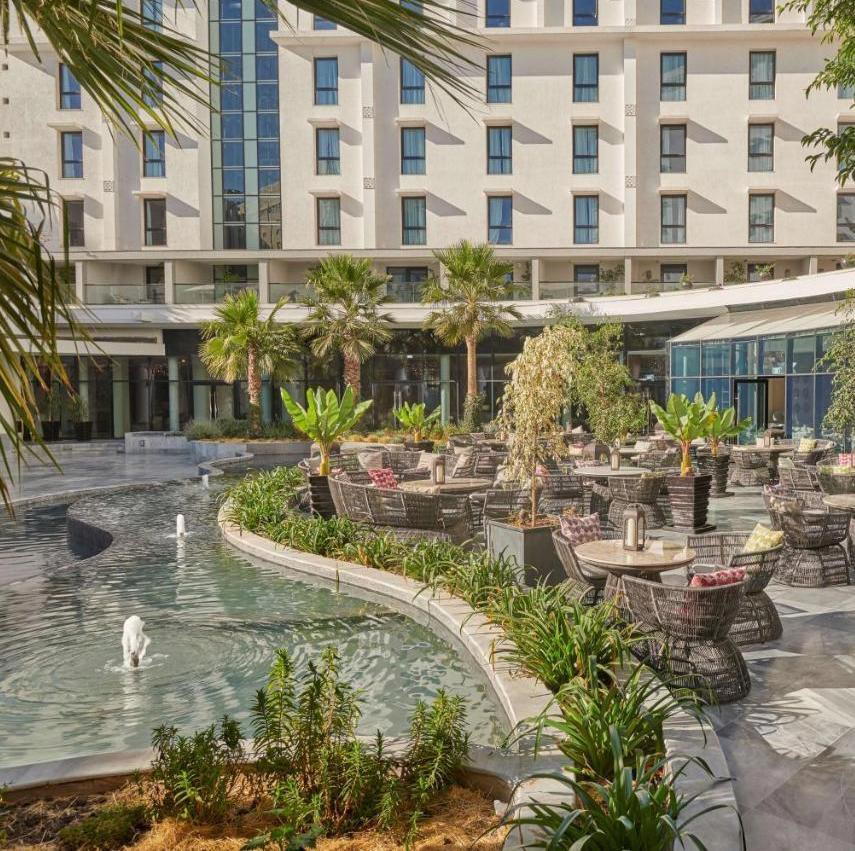
Bars in Addis Ababa
All bars in Addis Ababa →
Details
Planned modern hospitality development in key urban destinations.