A forthcoming addition to an ambitious 10-hotel Ethiopian portfolio, the planned property in Hawassa positions itself at the intersection of lakeside geography and a national hospitality push to formalize tourism infrastructure in the Southern Nations region. Details on room configuration, pricing, and design remain in development, but its placement in Hawassa signals a deliberate move toward Ethiopia's emerging interior circuit.
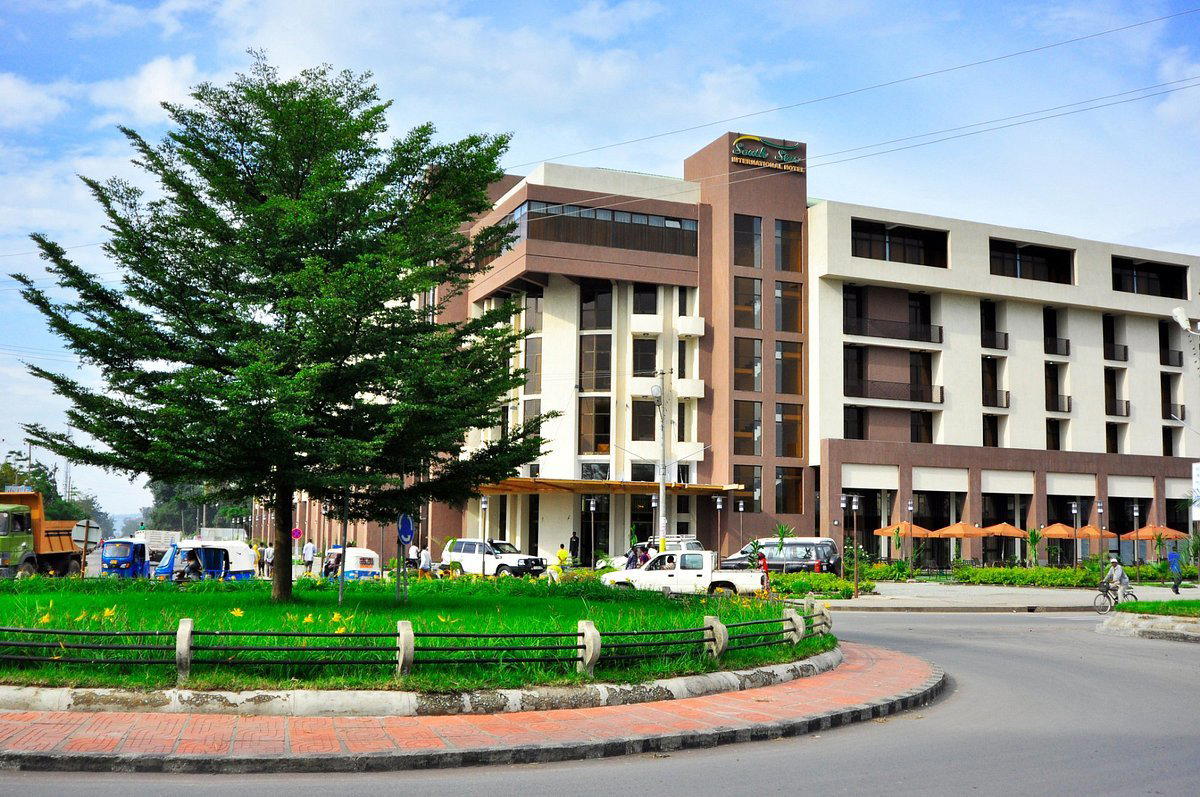
Hawassa and the Case for Lakeside Hospitality in Southern Ethiopia
Ethiopia's southern interior has long operated on the periphery of the country's tourism infrastructure. Addis Ababa drew the international flights; Lalibela and the Simien Mountains took the trekkers; the Omo Valley, with its communities and cultural weight, attracted the specialist operators. Hawassa, the administrative capital of the Southern Nations, Nationalities and Peoples' Region, sat somewhat apart from these established circuits, despite sitting on the shores of a rift valley lake that rivals anything in East Africa for sheer scenic presence. That positioning is beginning to shift, and a planned hotel development forming part of a coordinated 10-property Ethiopian portfolio signals exactly the kind of institutional confidence in the city that precedes a broader market pivot.
Rift valley lakes have a specific quality of light in the early morning. The water sits heavy and still, the shoreline acacia bends slightly, and the birdlife along the Hawassa lakeshore, which includes pelicans, marabou storks, and dozens of migratory species, creates a kind of ambient presence that no amount of designed atmosphere can replicate. Any serious hospitality project in this location inherits that setting as both an asset and an obligation. The architecture and design choices made for a hotel here will be measured against that natural frame, whether those choices lean into transparency and open structure or opt for something more grounded and material-heavy in response to the equatorial climate.
Design Stakes in a City Without a Luxury Precedent
Hawassa does not yet have an established luxury hotel tier. That is both a constraint and an opportunity. In cities where the premium segment is already defined, a new entry competes on incremental distinction. In Hawassa, the first properties to define their design language will effectively set the terms of the category for years afterward. The planned hotel, as part of a portfolio that also encompasses developments in Addis Ababa, Bahir Dar, and Jimma, has the structural advantage of operating within a coordinated brand logic rather than as an isolated venture.
Across Africa, the most coherent recent hotel design has come from projects that read the local material palette carefully: compressed earth, local timber, volcanic stone where geology allows, and passive cooling strategies suited to the climate rather than energy-intensive HVAC as a primary solution. Hawassa's equatorial position, sitting at around 1,700 metres above sea level, produces temperatures that are warm but rarely extreme, which creates genuine opportunity for open-plan, porous architecture that connects interior and exterior without the penalties that lower-altitude lakeside sites impose. Whether this portfolio's Hawassa entry pursues that direction will define much of its editorial and commercial identity.
For reference, regionally adjacent projects like Eco Omo Lodge in Jinka and Evangadi Lodge in Turmi have demonstrated that the southern Ethiopian circuit can sustain design-conscious accommodation, even without the volume of international arrivals that a city like Addis commands. The Dorze Lodge in the South Ethiopia Regional State points in a similar direction. None of these properties operates at the scale a multi-hotel portfolio implies, but they collectively establish that the appetite for considered design in this region is real.
What a Portfolio Approach Implies for Hawassa
A 10-hotel portfolio across multiple Ethiopian cities is not a boutique project. It implies central procurement, consistent service training frameworks, and likely some degree of brand-level design coherence across properties. For travellers, the practical implication is that a stay in Hawassa would exist within a network, making multi-city Ethiopian itineraries considerably easier to plan under a single operator relationship. Addis Ababa as entry point, Bahir Dar for the Blue Nile and Lake Tana monasteries, Jimma for coffee-origin context, and Hawassa for rift valley immersion, forms a coherent southern arc that this portfolio appears designed to serve.
Globally, the shift toward design-led portfolio hotels rather than single flagship developments reflects a broader pattern in premium hospitality. Groups like Aman have shown, across properties from Canyon Point to Venice to New York, that brand coherence across radically different contexts is achievable when design discipline is applied consistently. European palace hotels such as Badrutt's Palace and Hotel Sacher Wien demonstrate the opposite model: deep local singularity over portfolio spread. The Ethiopian 10-hotel project will need to decide where on that spectrum it sits, and the Hawassa property, as a lakeside location with strong natural identity, may be the one that most rewards a singular, site-specific approach.
Planning a Visit: What Travellers Should Know Now
Specific room configurations, rates, booking channels, and opening timelines for the Hawassa property are not yet published. Travellers planning an Ethiopian itinerary that includes the south should monitor the portfolio's broader communications, given that the Addis Ababa anchor property will likely open first and serve as the operational template for subsequent sites. Hawassa is accessible from Addis Ababa by road, a journey of approximately four hours on the main southern highway, or by domestic air connections that have expanded as Ethiopian Airlines continues to develop its regional network.
The city itself rewards independent exploration: the fish market at the lakeside in the early morning, the walking path along the shore, the proximity to Yirgacheffe coffee-growing country to the southwest. These are not supplementary activities to be scheduled around hotel programming. They are the substance of what Hawassa offers, and they are available regardless of which accommodation a visitor chooses. A hotel that understands this, and designs its common spaces and guest experience around amplifying access to the city rather than replacing it, will be better positioned than one that turns inward.
For broader context on what the Hawassa hospitality scene currently offers and what this development fits into, see our full Hawassa restaurants and hotels guide.
Details
Modern urban hotel atmosphere expected in a developing gateway destination.