Our Habitas Alula






Michelin Selected · La Liste Top Hotels · Virtuoso Luxury Hotel Partner
Positioned in the sandstone canyons of Ashar Valley, Our Habitas AlUla is a low-impact desert camp that has earned Tatler Asia's Best Destination Hotel for the Middle East (2025) and a 97-point score from La Liste Top Hotels (2026). The property channels the founders' festival-camp roots into a programme of heritage experiences, guided wilderness activities, and communal dining that connects guests directly to one of the Arabian Peninsula's most consequential archaeological sites.

Pearl is the En Primeur Club membership app — saves, bookings, and concierge access live there. Same editors, same standards.
- Address
- QV65+RH3, Ashar Valley, Al Ula 43511
- Phone
- +966 14 821 3900
- Website
- ourhabitas.com
- Directions
- Get directions
A Canyon Address That Changes the Frame
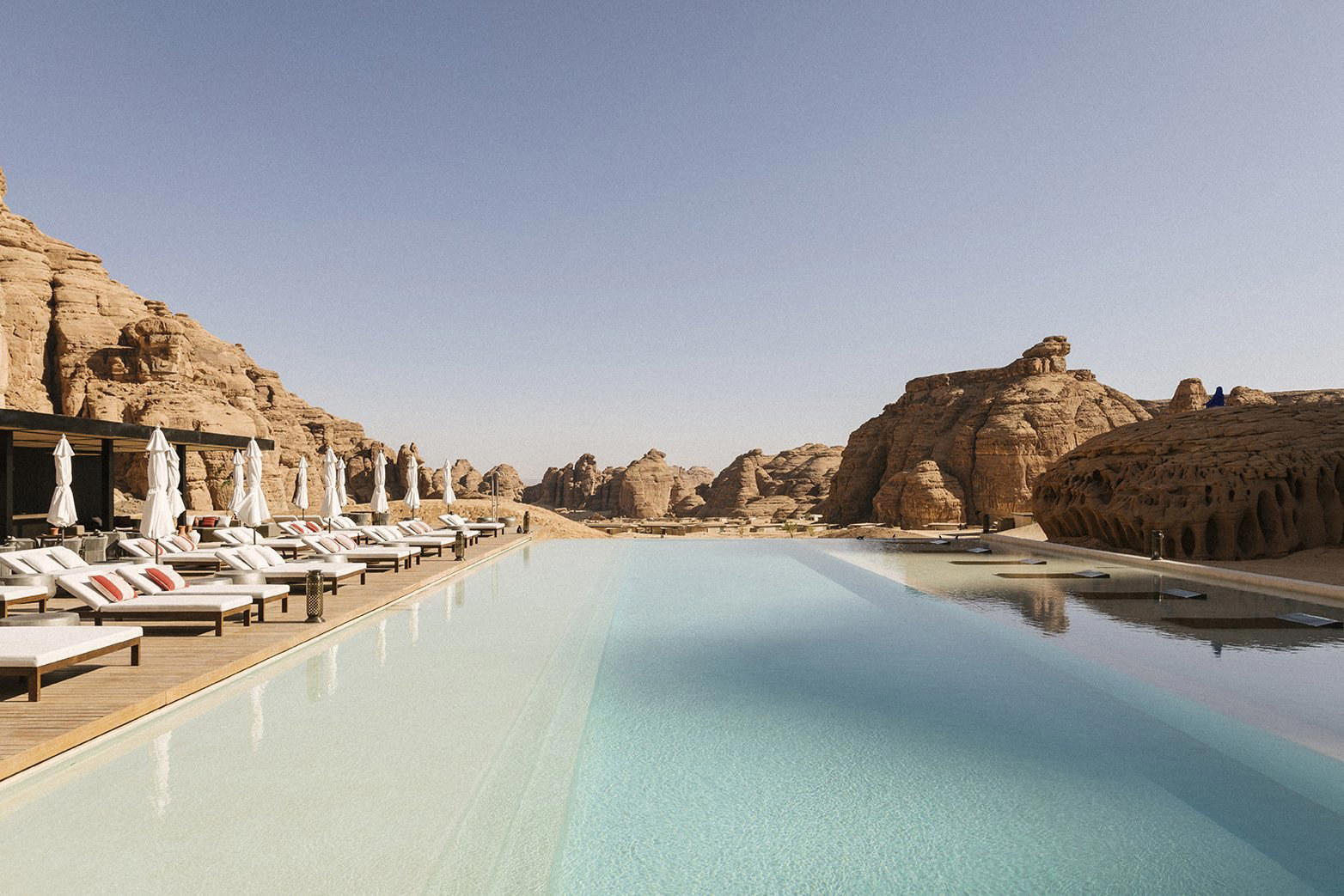
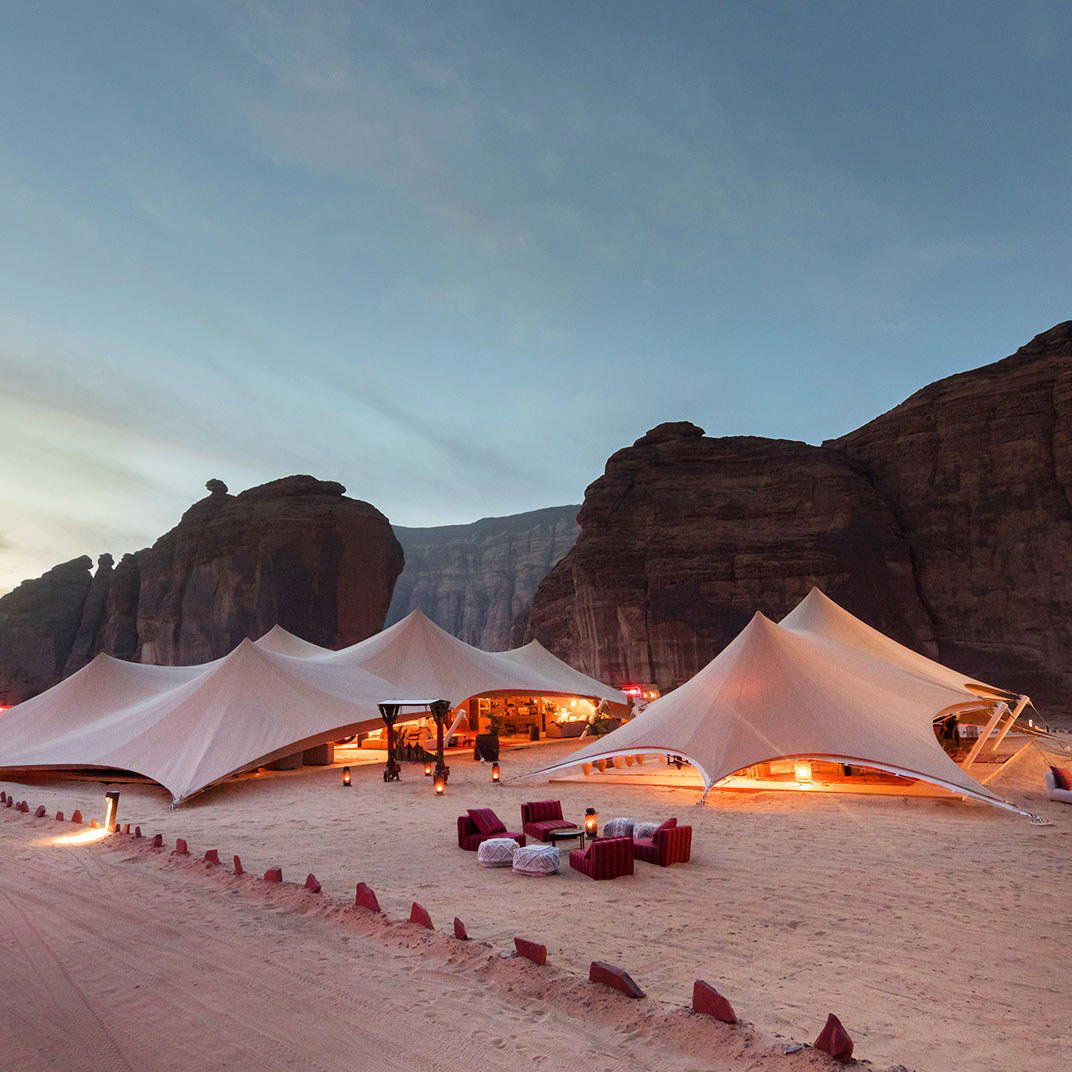
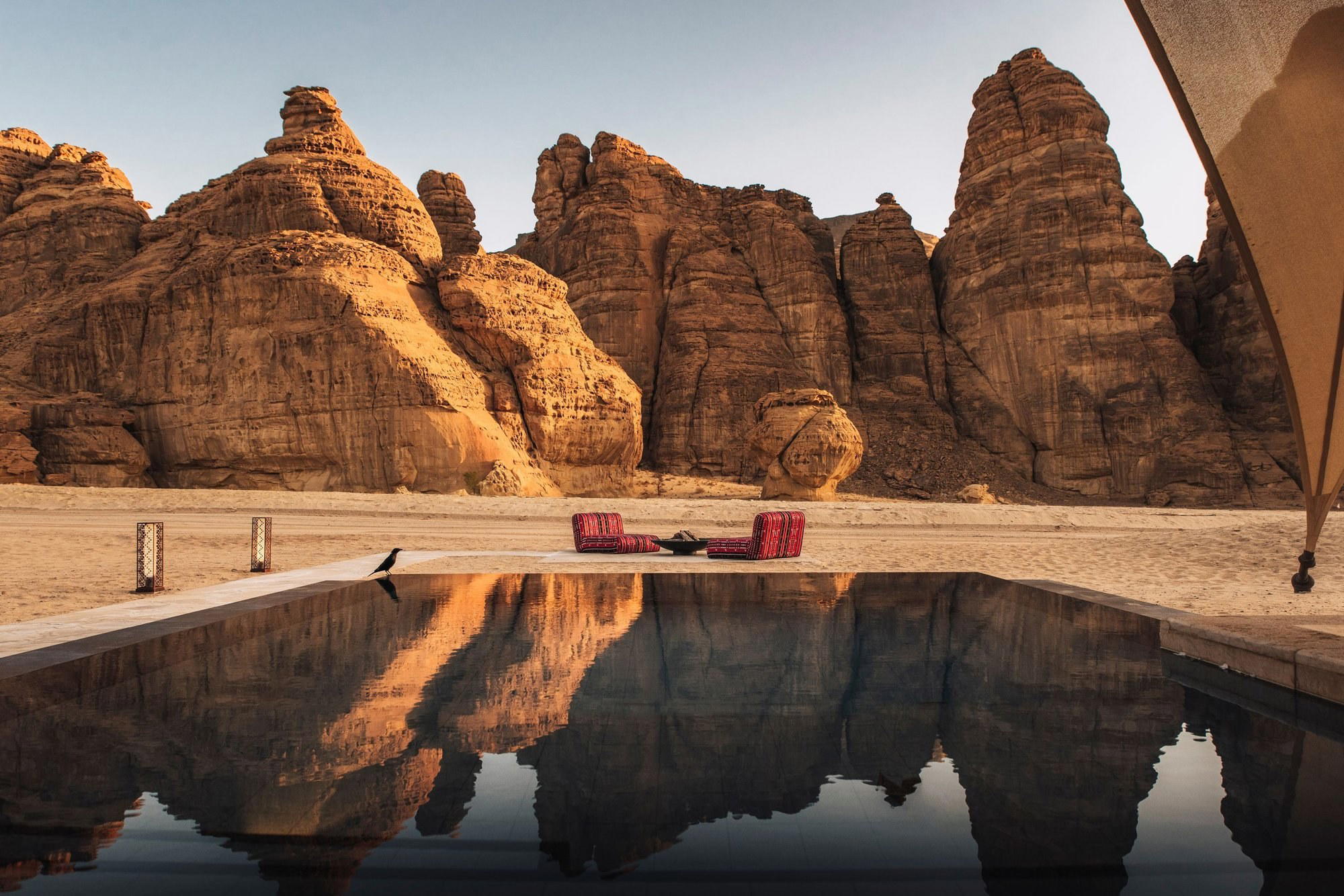
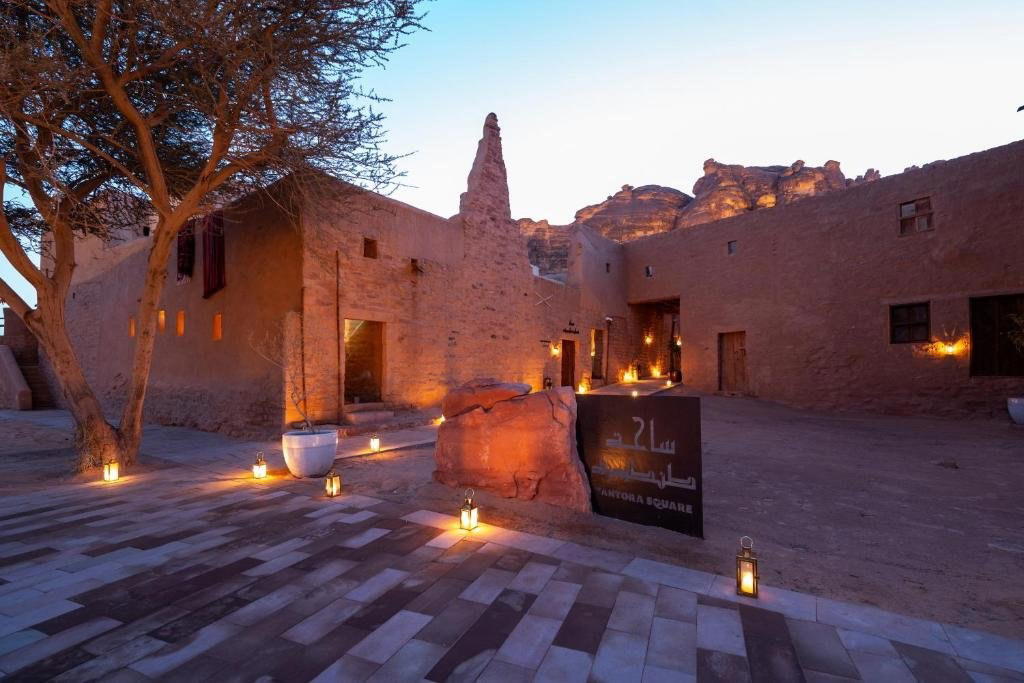
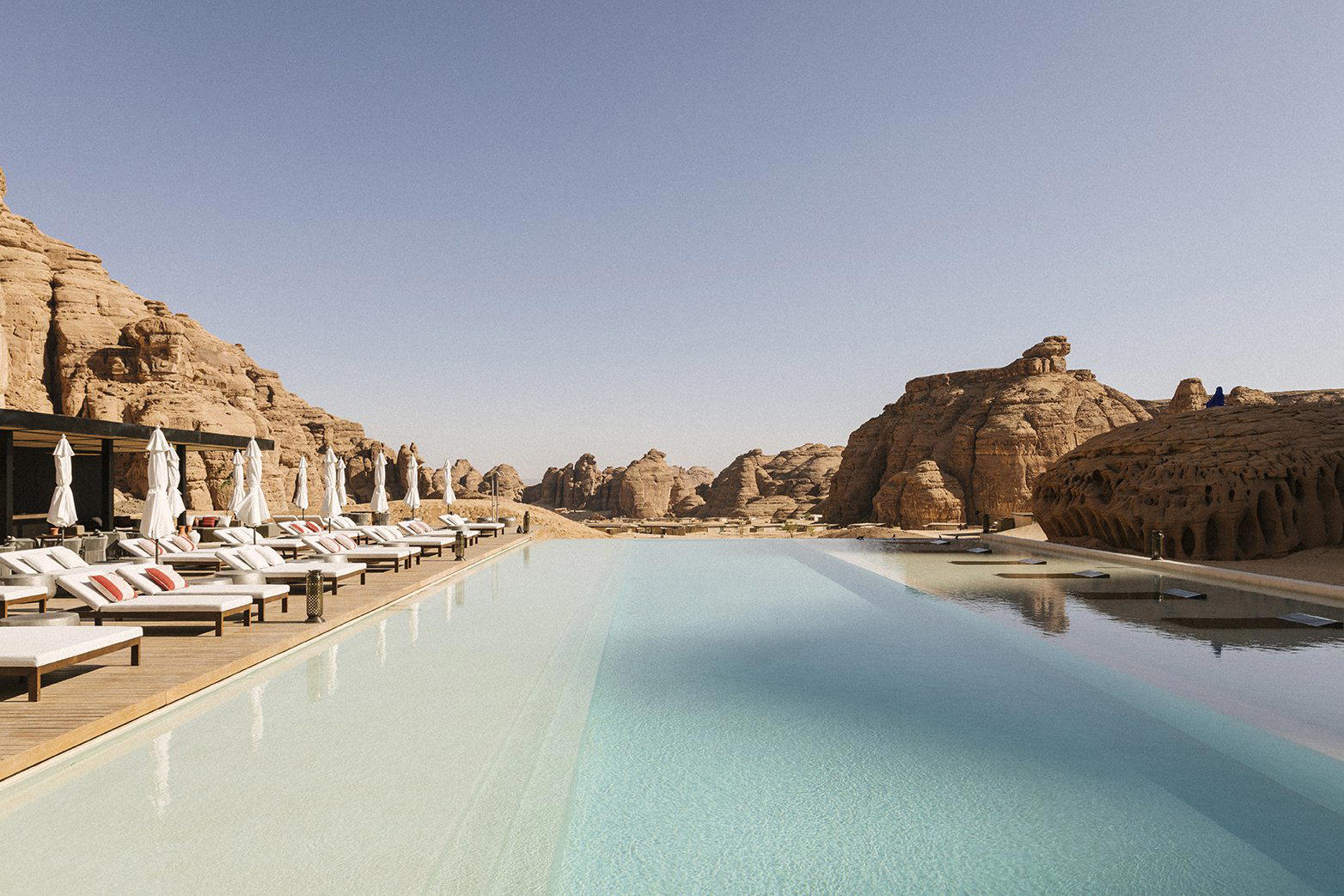
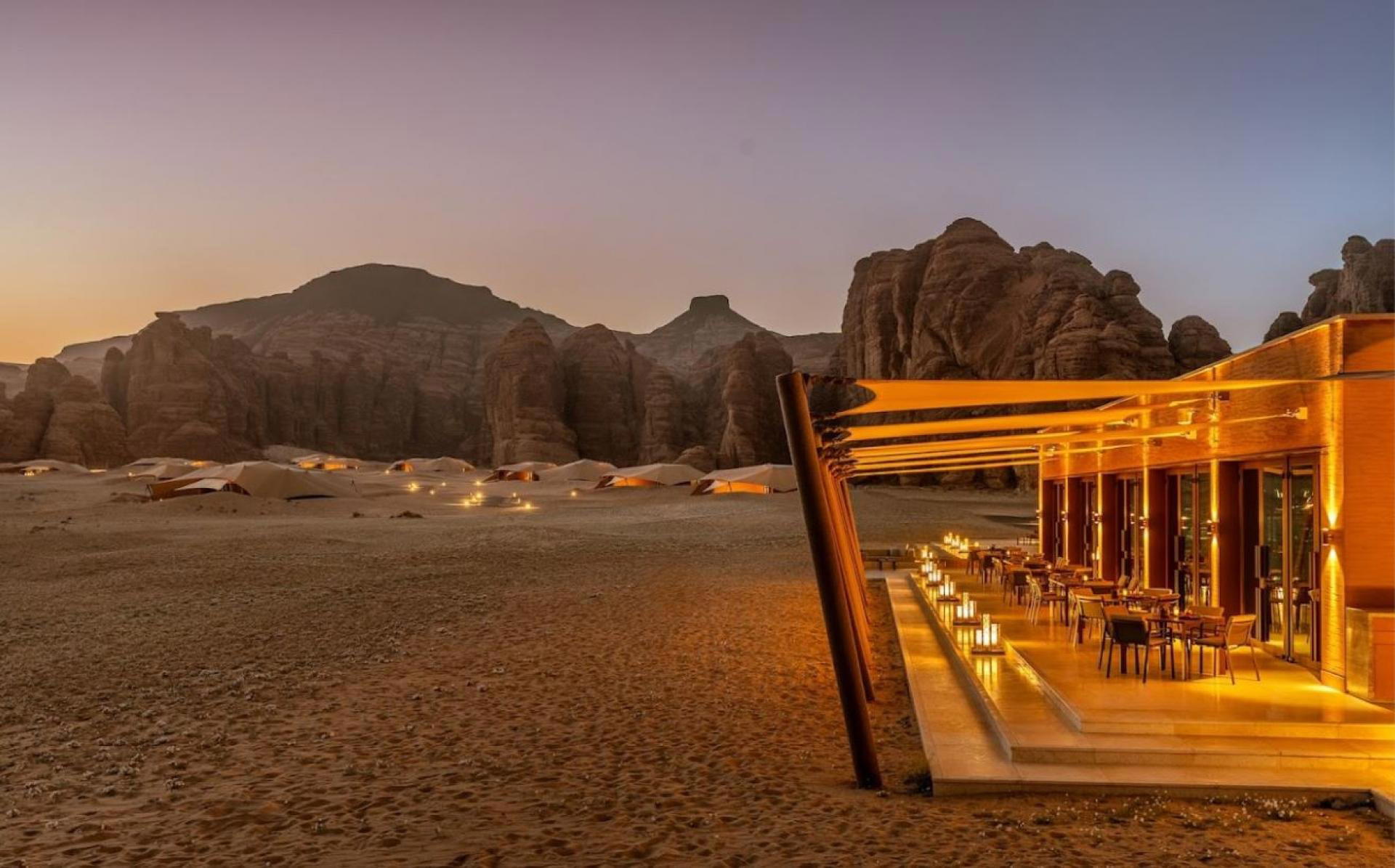
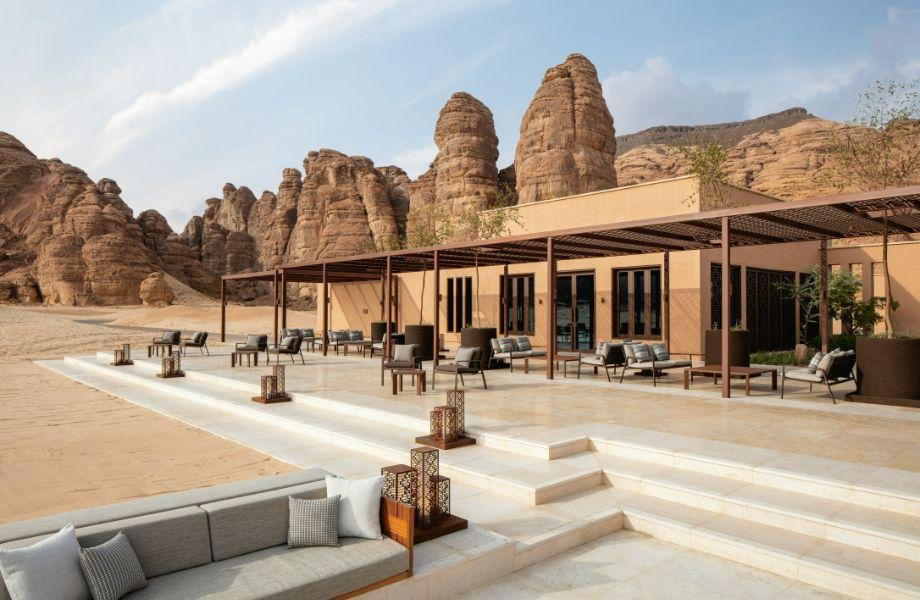
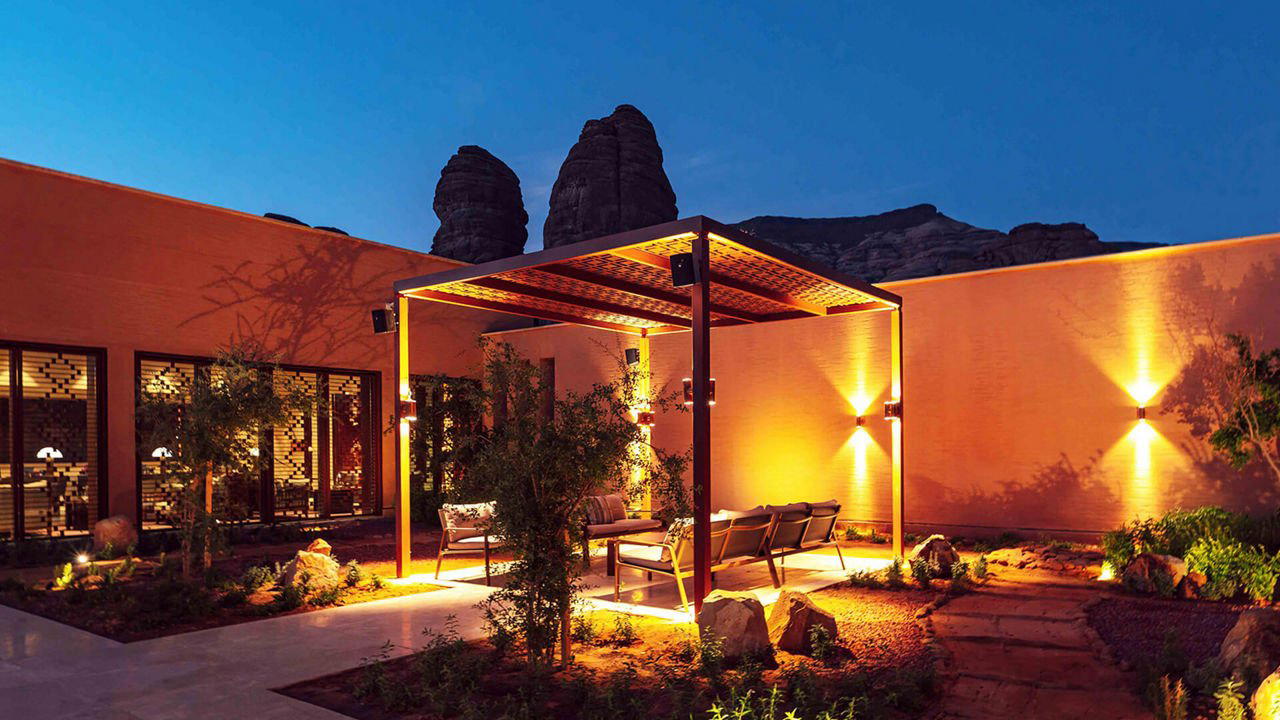
The Ashar Valley cuts through AlUla's sandstone plateau in a way that makes conventional hotel design look beside the point. Rock faces rise steeply on either side, the light shifts from pale gold at dawn to deep amber by late afternoon, and the silence is of a kind that most travellers have simply never encountered before. Our Habitas AlUla occupies this terrain as a low-profile camp rather than a resort complex, using sustainable construction materials that allow the architecture to recede into the geology rather than compete with it. That design decision is an editorial one: the landscape is the amenity, and everything else is arranged in service of it.
AlUla itself sits in the northwest of Saudi Arabia, roughly 300 kilometres from Tabuk, and its opening to international tourism has been one of the more consequential developments in Arabian Peninsula travel over the past several years. The valley holds Nabataean tombs, Dadanite inscriptions, and geological formations that predate most of human civilisation. Where a property sits in relation to that context matters more than its thread count. Our Habitas AlUla sits inside it, in Ashar Valley, rather than at a polite remove on a highway approach road. That proximity to the archaeological and natural fabric of the region is what earned it Tatler Asia's Leading Destination Hotel for the Middle East in 2025 and a 97-point placement on the La Liste Leading Hotels ranking for 2026.
The Habitas Model and What It Means in Practice
Desert luxury in the Middle East has split into two broad streams: large-footprint international-brand properties with full spa and F&B infrastructure, and smaller, conceptually driven camps that prioritise programme depth over room count. Our Habitas AlUla sits firmly in the second category. The founders built their methodology at Burning Man camps before translating it into permanent properties, and that origin carries specific implications for how the operation runs. Community and shared experience take structural priority over privacy and isolation. Spaces are designed for gathering. Programming is built around connection, both between guests and between guests and the surrounding environment.
For comparison, [The Chedi Hegra] brings a polished international-brand sensibility to AlUla, while [Dar Tantora The House Hotel] operates within the old town at a more intimate scale. [Banyan Tree AlUla] occupies a different register again.
Food and Communal Table
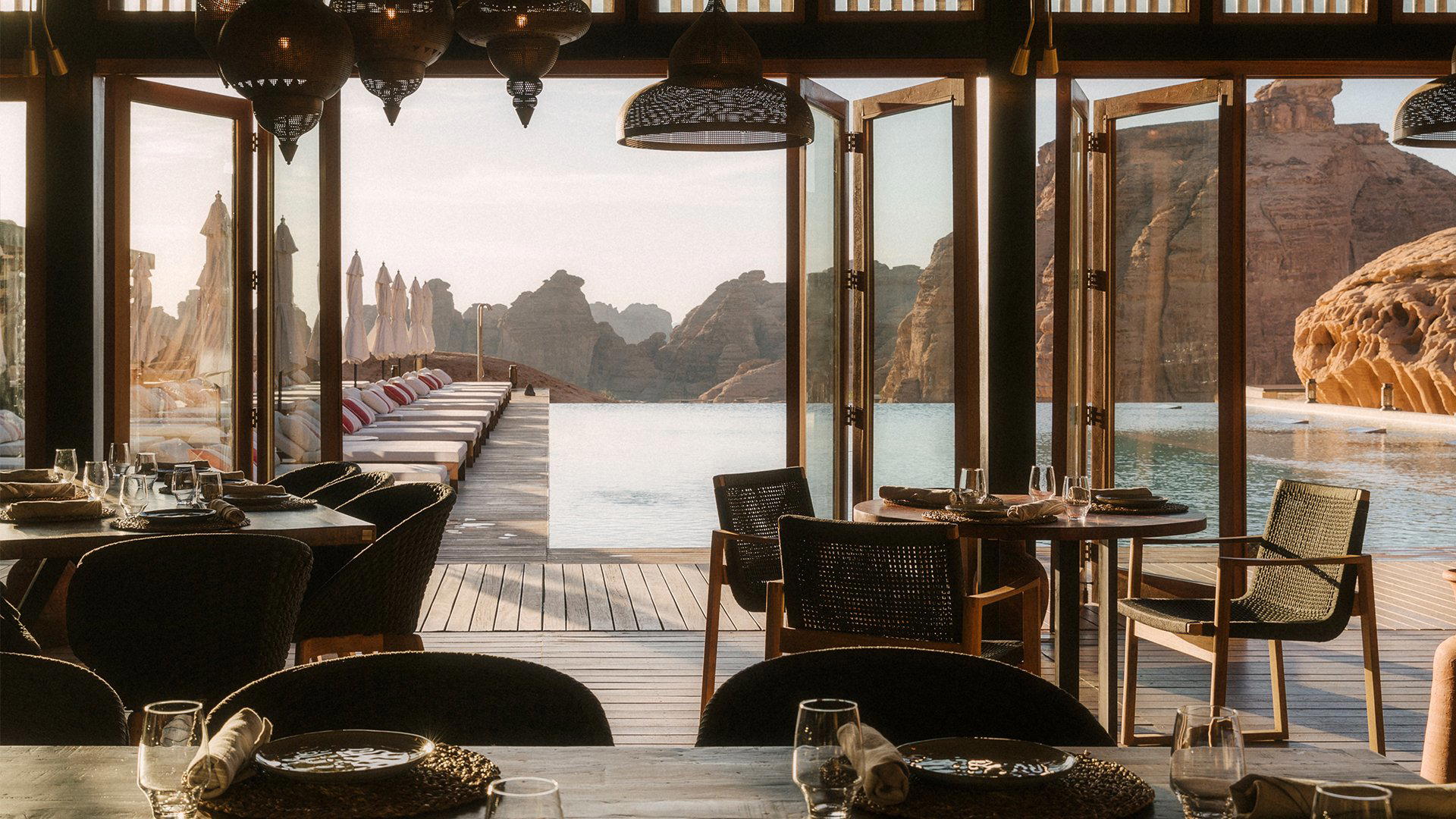
The editorial angle at Our Habitas AlUla is not a single signature restaurant with a celebrity chef attached. The property's culinary identity is tied to its communal structure: mealtimes function as social infrastructure rather than isolated dining occasions. This is a pattern that runs across the Habitas portfolio globally, where the table is treated as a venue for the kind of conversation and connection that the broader programme is designed to encourage.
In the AlUla context, this means food that draws on the region's ingredients and culinary traditions without deploying them as spectacle. That sunset, which arrives differently every evening depending on seasonal light angles, is itself part of the dining occasion.
Guests staying at properties oriented around this model consistently report that the food-and-setting combination produces a more memorable experience than restaurants operating at a technically higher level in urban contexts. The desert camp format creates conditions, including silence, unfamiliar stars, and the weight of genuine geological age in the surroundings, that change how meals register.
Experiences Built Around the Region
What separates a destination hotel from a hotel that happens to be in a destination is the depth of its programming. Our Habitas AlUla organises its activities around the heritage and natural character of Ashar Valley and the broader AlUla region: guided access to Nabataean sites, stargazing, canyon walks, and experiences that connect guests to the cultural continuity of a place that has been inhabited, and subsequently abandoned, and rediscovered, across millennia. The founders' Burning Man background is legible here in the emphasis on participation over spectatorship.
AlUla's season runs primarily between October and April, when temperatures in the valley are manageable and evening conditions are close to ideal. Summer months bring heat that makes outdoor programming difficult, and the property's scheduling reflects this. Booking ahead is advisable for peak winter months, when the region draws the heaviest concentration of international visitors and the limited room count at a boutique camp compresses availability quickly.
Planning Your Stay
Our Habitas AlUla is located in Ashar Valley (postal reference QV65+RH3, AlUla 43511). The nearest city with air connectivity is AlUla, served by Prince Abdul Majeed bin Abdulaziz Domestic Airport, which handles direct flights from Riyadh and Jeddah and has seen route expansion in line with the Saudi government's Vision 2030 tourism targets. The property can be reached by vehicle from the town centre. Booking is handled through the Habitas group website at ourhabitas.com/alula. For enquiries, the contact number on record is +966 14 821 3900.
For broader context on where this property sits within AlUla's accommodation options, our full AlUla restaurants and hotels guide maps the region's key properties and dining. Travellers coming from Riyadh may also be considering properties such as Edge Riyadh Al Rabie for the capital leg of a Saudi itinerary. On the Red Sea coast, Red Sea Shura Island (Four Seasons) and InterContinental The Red Sea Resort represent the coastal-luxury alternative to AlUla's desert-heritage offer. Other Saudi properties worth noting for multi-city itineraries include Assila, A Luxury Collection Hotel in Jeddah, Al Manakha Rotana in Madinah, Nammos Resort AMAALA, AMAALA (Four Seasons), Miraval The Red Sea, Grand Hyatt Al Khobar, InterContinental Taif, Nofa Riyadh, A Radisson Collection Resort, Movenpick Hotel Qassim, Mövenpick Hotel Wa'ad Al Shamal, Braira Abha, Braira Al Rass, Braira Al-Ahsa, Ayara-managed hotels in Dammam, and Conrad Makkah Jabal Omar. For international reference points in the boutique luxury camp category, Aman Venice and Aman New York illustrate how low-key-count, design-led properties operate in very different geographies, and The Fifth Avenue Hotel shows the urban boutique end of the spectrum.
Budget and Context
Comparable venues nearby, for context on price, style, and recognition.
| Venue | Price | Awards | Notes |
|---|---|---|---|
| Our Habitas AlulaThis venue — the venue you are viewing | $300–500 | Michelin Selected · La Liste Top Hotels | Not listed |
| Caravan by Habitas AlUla | $300–500 | Michelin Selected | Ashar Valley, Contemporary luxury glamping blending Bedouin nomadic traditions with modern design in vintage Airstreams. |
| The Chedi Hegra | $500–750 | 1 Michelin Key · La Liste Top Hotels | Al Hijir District, Contemporary luxury integrated within historic railway station architecture, blending Arabian opulence with Asian elegance and UNESCO World Heritage Site preservation. |
| Dar Tantora The House Hotel | $200–300 | 1 Michelin Key · La Liste Top Hotels | Al'Ula Old Town, Restored traditional mudbrick heritage architecture in AlUla Old Town |
| Banyan Tree AlUla | $1,500–2,500 | 1 Michelin Key · La Liste Top Hotels | Ashar Valley, Luxury villa resort blending Saudi Arabian and Asian wellness traditions |
| Waves Hotel | $300–500 | Michelin Selected | Umluj, Beachfront luxury resort with contemporary Arabic fusion. |
Recognition history
Dated appearances from independent guides and award organizations, with the underlying list record or original source where available.
Michelin Selected
Michelin
La Liste Top Hotels
La Liste
Conde Nast Gold List
Conde Nast
Fodor's Most Incredible Hotels in the World
Fodor's
Virtuoso Luxury Hotel Partner
Virtuoso
Full recognition history (8 entries)
Tatler Best Destination Hotel
Tatler
Tatler Best Middle East: Best Destination Hotel
Tatler
Tatler Listed in Best Hotels Middle East
Tatler
Details
- Modern
- Scenic
- Elegant
- Minimalist
- Sophisticated
- Romantic Getaway
- Wellness Retreat
- Weekend Escape
- Infinity Pool
- Panoramic View
- Terrace
- Wi Fi
- Pool
- Spa
- Fitness Center
- Room Service
- Concierge
- Mountain
- Wheelchair Accessible
- Step Free Entrance
- Accessible Parking
Serene and tranquil atmosphere with modern rustic luxury amid rocky mountains, praised for peaceful stays and star-gazing.