The Chedi Hegra



1 Michelin Key · La Liste Top Hotels · World Travel Awards
Fewer than a dozen luxury retreats in Saudi Arabia hold both La Liste and World Travel Awards recognition simultaneously, and The Chedi Hegra is one of them. Set against the sandstone formations of ancient Hegra — Arabia's first UNESCO World Heritage Site — it operates as a low-footprint, high-access base for one of the most archaeologically significant addresses in the region. La Liste scored it 95 points in 2026.

Pearl is the En Primeur Club membership app — saves, bookings, and concierge access live there. Same editors, same standards.
- Address
- 5617, Dist, Madain Salih 43541
- Phone
- +966 14 821 4900
- Website
- ghmhotels.com
- Directions
- Get directions
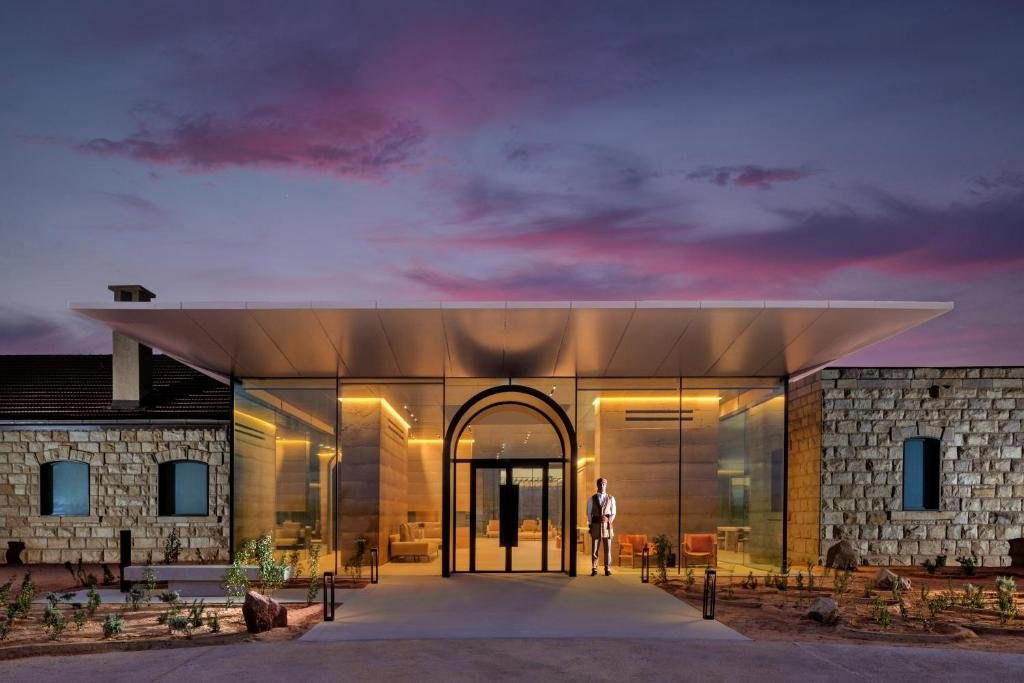
Where the Address Does the Heavy Lifting
Saudi Arabia's luxury hotel sector has expanded rapidly since 2020, with properties opening across Riyadh, Jeddah, the Red Sea coast, and the northwest reaches of the Hejaz. Within that expanding field, AlUla occupies a category of its own. The region holds Hegra, a Nabataean city older than Petra and Arabia's first UNESCO World Heritage Site, and the hotels that have positioned themselves closest to that heritage carry an address-based advantage that no amount of interior design can replicate. The Chedi Hegra sits at the edge of that ancient site, in the Madain Salih district, and that proximity is its primary editorial fact.
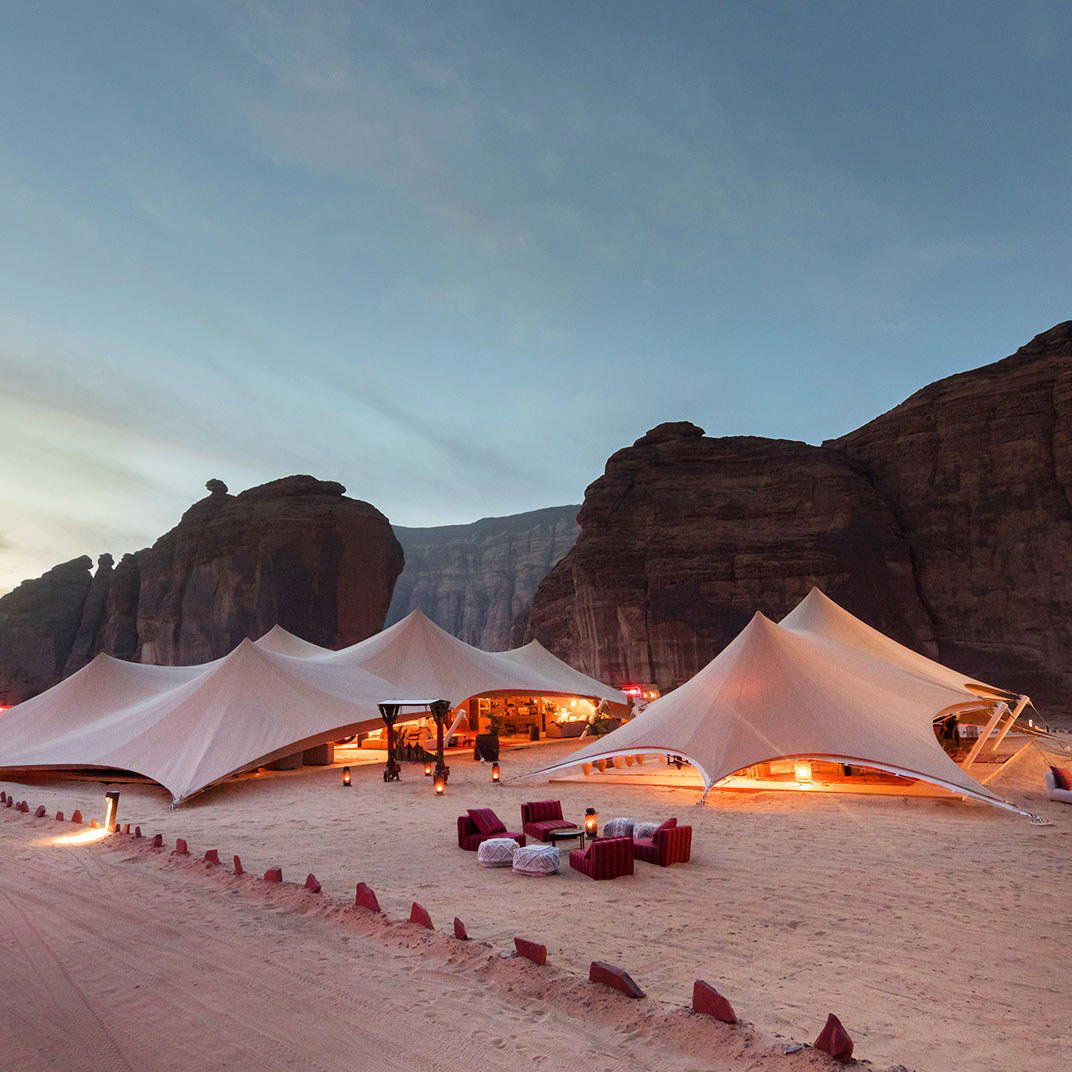
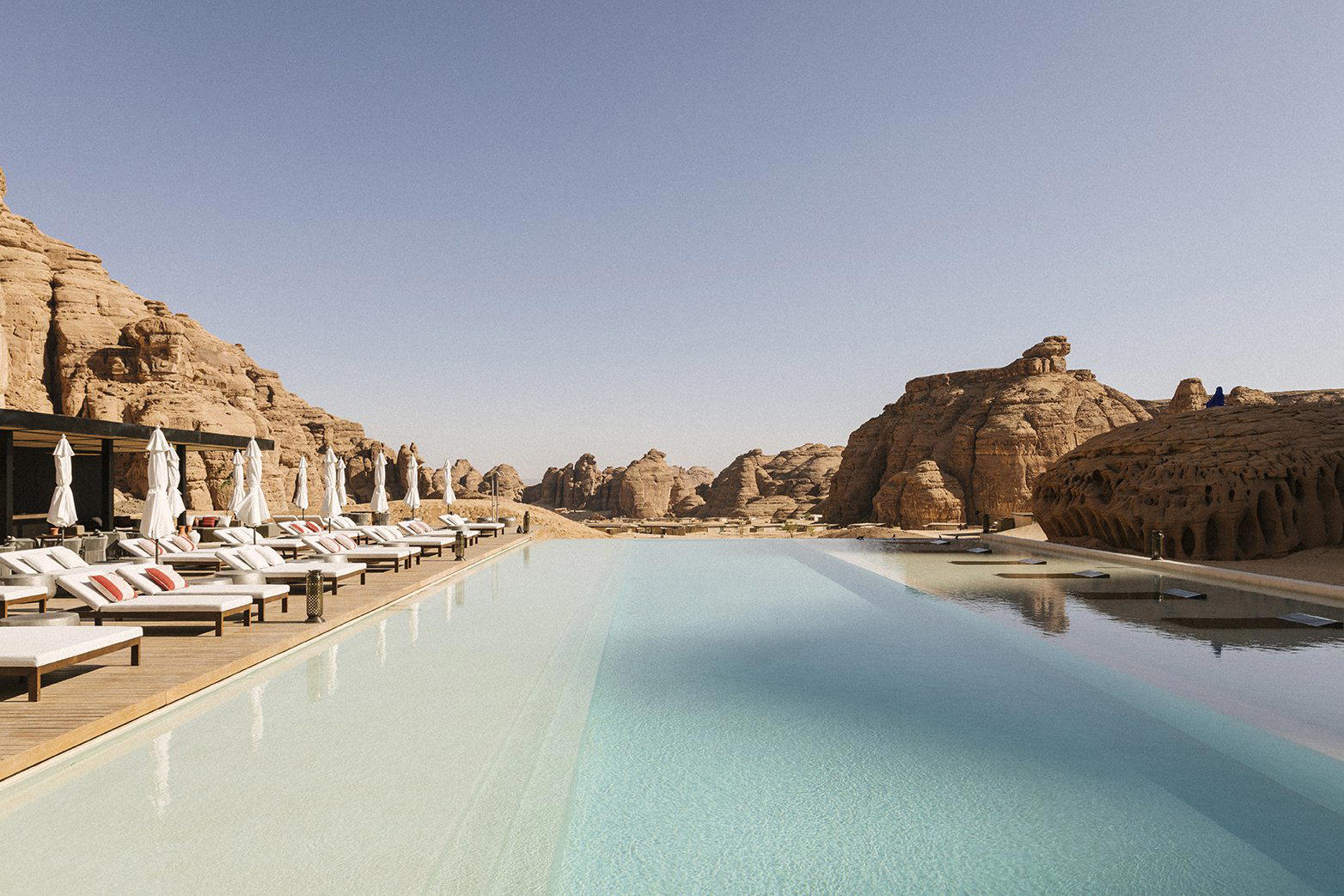
Compare that with the AlUla alternatives: Banyan Tree AlUla and Our Habitas Alula each offer compelling design propositions and access to the wider AlUla valley, while Dar Tantora The House Hotel leans into the restored old town quarter. The Chedi Hegra's distinction is site-specificity: it is positioned directly against the Hegra rock formations, meaning guests wake inside the archaeological zone rather than traveling to it. That is a fundamentally different relationship with the landscape, and it shapes everything from sightline to sound.
The Physical Reality of Arriving at Hegra
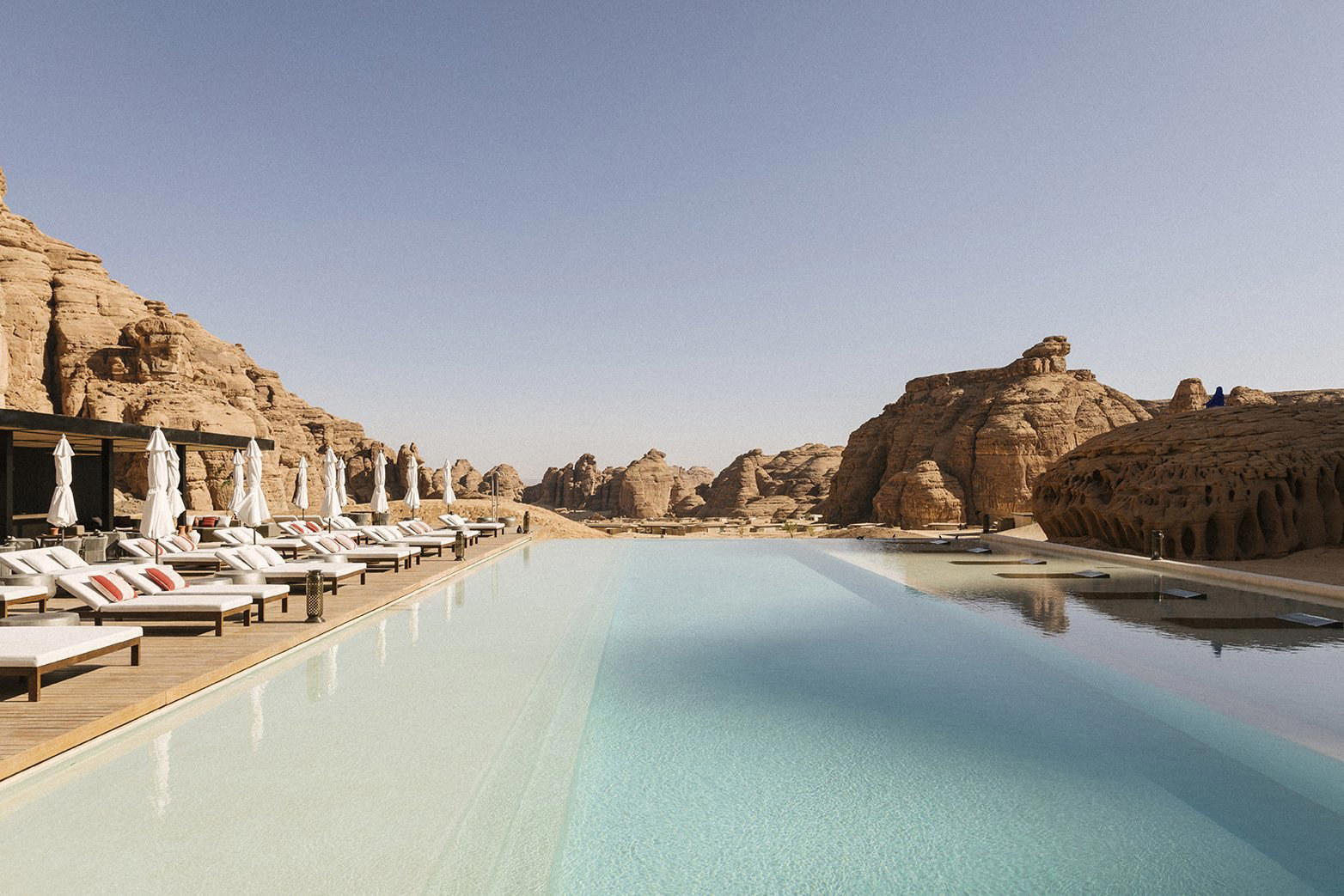
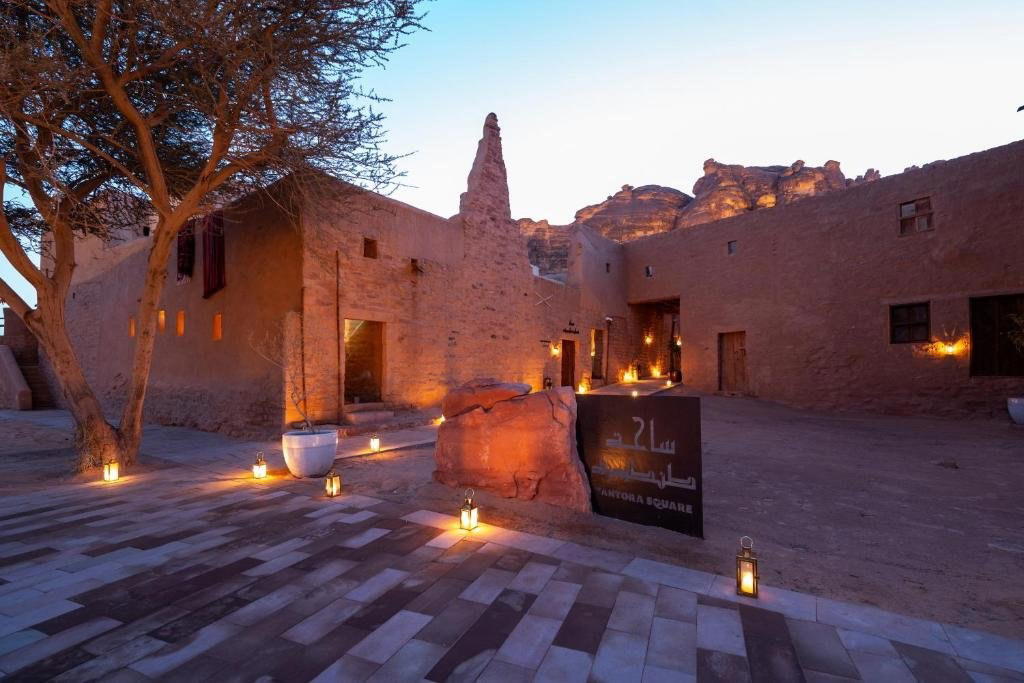
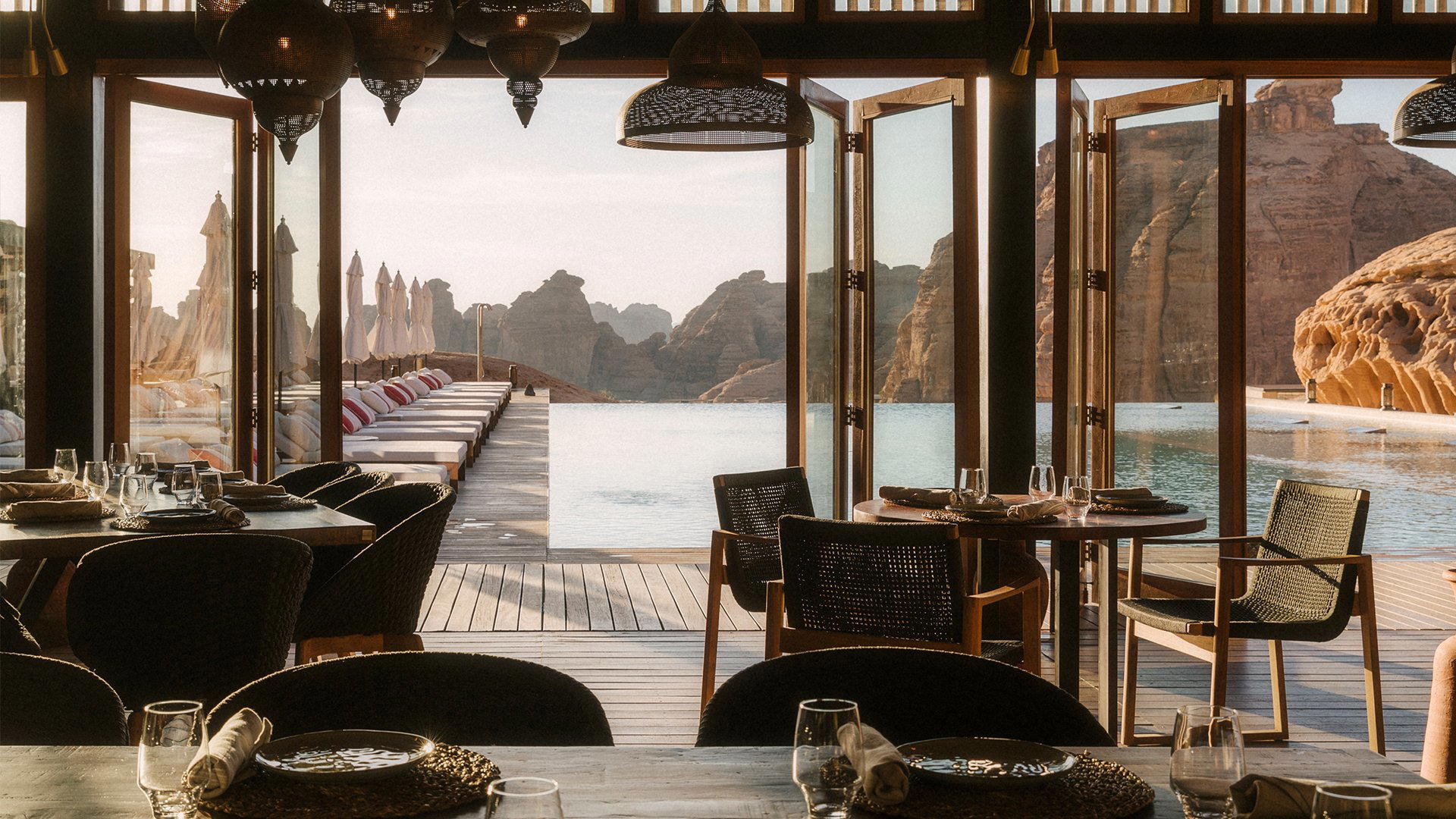
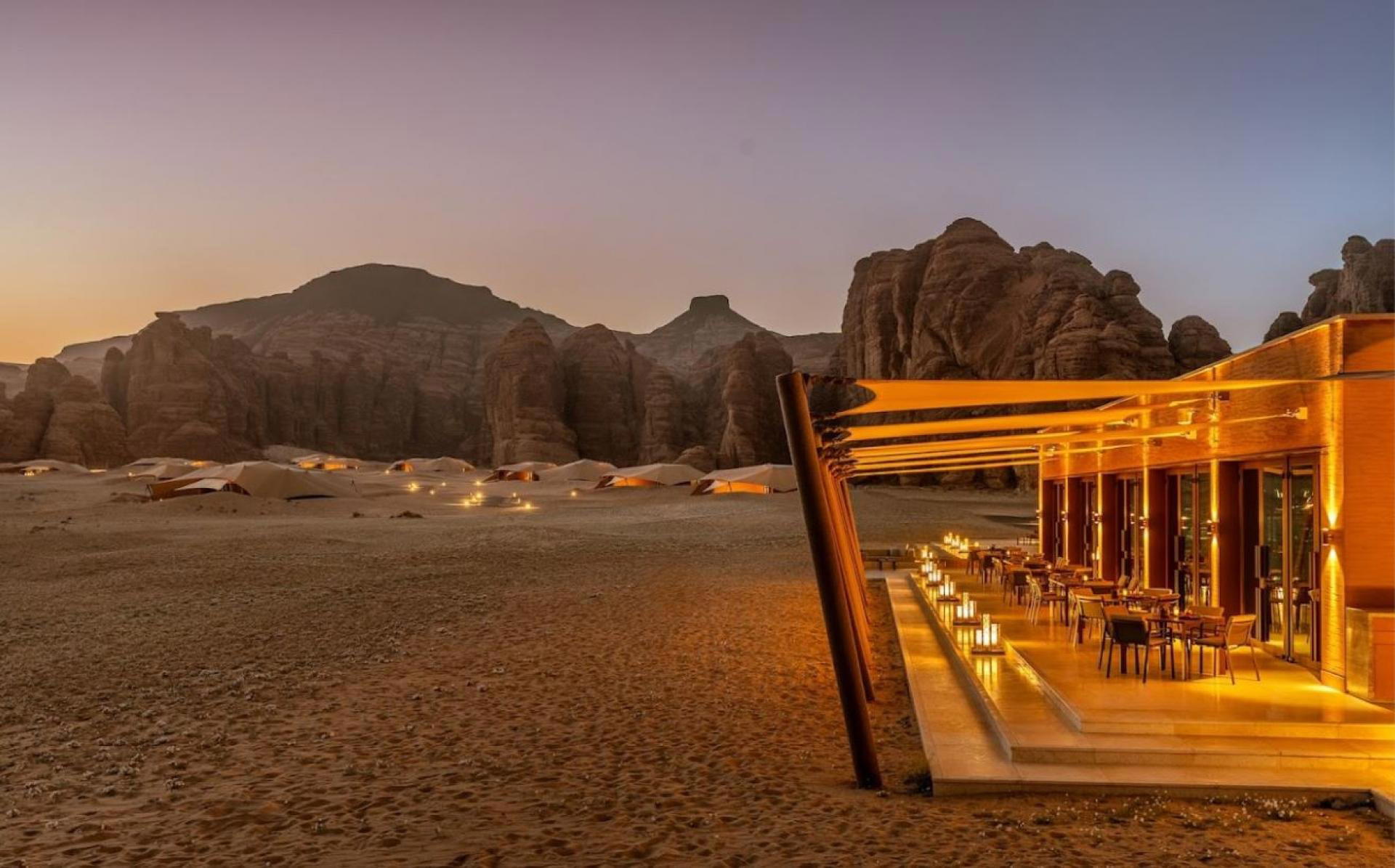
The approach to The Chedi Hegra follows the terrain of the northwest Saudi highlands: flat desert gives way to rust-colored sandstone outcrops, and the built structure of the hotel reads as low-slung and horizontal against the rock face rather than imposing upon it. This is the architectural logic that serious desert retreats in the region have increasingly adopted — volume kept deliberately minimal, materials drawn from the local palette, sight-lines preserved toward the formations rather than interrupted by them.
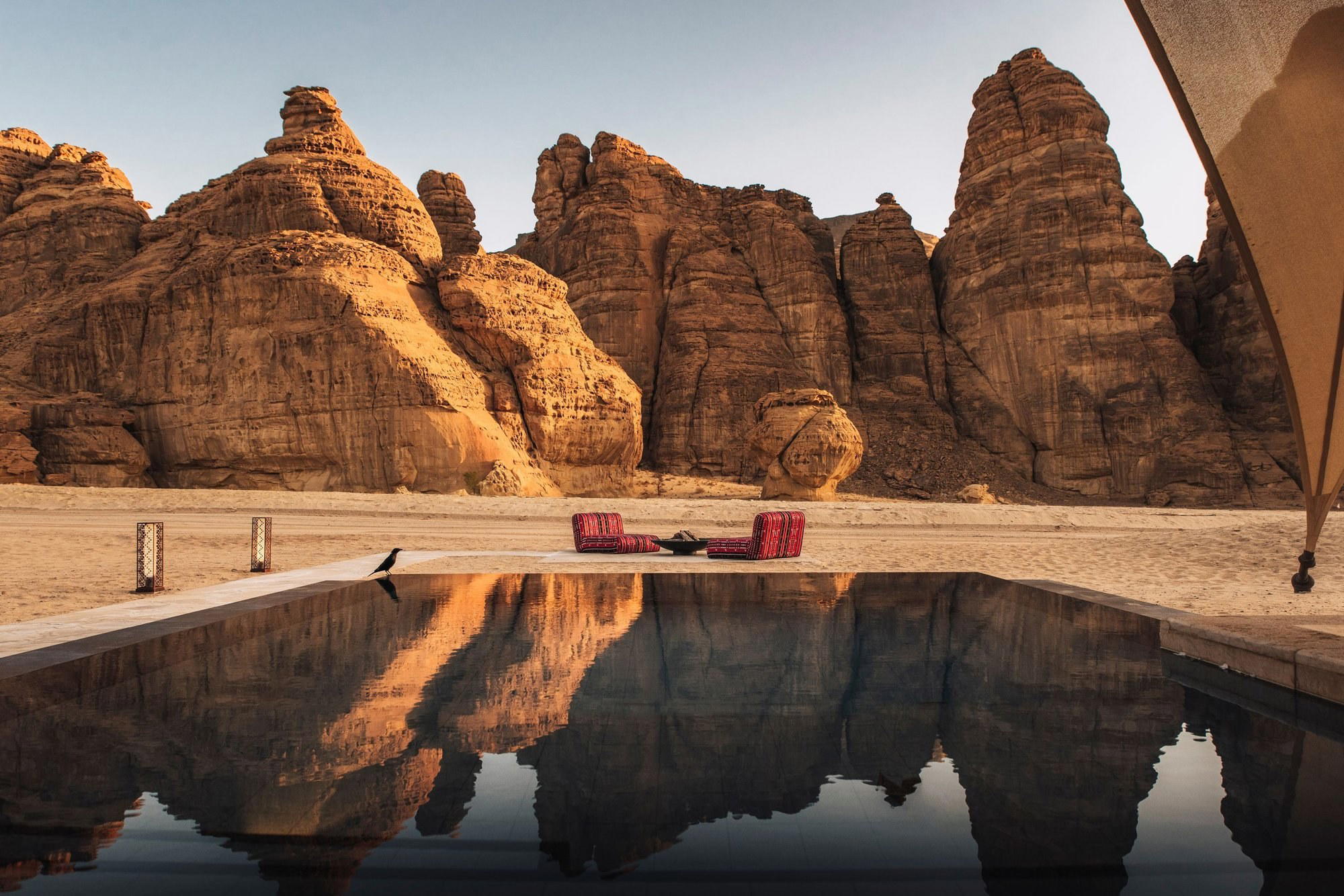
AlUla's extreme light conditions at dawn and late afternoon are well-documented among landscape and architectural photographers. The Hegra tombs, carved directly into sandstone monoliths, shift from ochre to deep amber in those hours, and a property placed this close to the carvings frames that spectacle from the accommodation itself rather than from a shuttle stop. That access point is not incidental. For travellers making the four-hour drive from Riyadh or the domestic flight into AlUla's Prince Abdul Majeed bin Abdulaziz Airport, the journey investment only makes sense if the stay delivers daily, effortless proximity to what they came to see.
Recognition Inside a Competitive Tier
The Chedi Hegra holds two substantive external validations. La Liste, the Paris-based ranking that evaluates hotels and restaurants across independent international criteria, awarded it 95 points in its 2026 edition — a score that places it within the upper bracket of La Liste's global hotel selection. Separately, the World Travel Awards named it World's Leading Exclusive Retreat for 2025, a category that specifically addresses low-volume, high-access properties rather than large resort footprints.
That combination of scores matters as a positioning signal. The La Liste methodology draws on international critical assessment alongside data inputs, while the World Travel Awards reflect industry and consumer recognition across global markets. For a property in AlUla, a destination that only opened substantively to international tourism from 2020 onward, reaching both in the same window indicates that the retreat has been taken seriously at speed, without the years of reputation-building that older properties in Oman, Jordan, or Egypt have relied upon.
For context at the Saudi level: properties like Red Sea Shura Island (Four Seasons), AMAALA (Four Seasons), and Nammos Resort AMAALA have staked their claims on the Red Sea coast's marine environment and large-scale resort infrastructure. The Chedi Hegra is operating from an entirely different competitive position: heritage access, geological drama, and low-capacity exclusivity rather than beach frontage or recreational volume. These are different products serving different trip motivations.
AlUla's Tourism Arc and Where This Property Sits Within It
AlUla has become one of the more closely watched destination development cases in recent travel media. The Royal Commission for AlUla (RCU) has overseen a controlled infrastructure expansion that includes the Maraya concert venue, the restoration of the old town, guided access to Hegra's tombs, and a set of curated hotel openings spaced to preserve the site's character. That controlled pacing is intentional: AlUla is not building toward mass market volumes. Properties selected for the zone have had to align with RCU frameworks around site preservation and visitor experience quality.
The Chedi Hegra's low-capacity model fits that framework directly. Exclusive retreat formats, few keys, structured access, guided programming around the heritage site, are what RCU's vision for the northern end of AlUla calls for. This is not a coincidence of brand preference; it reflects the fact that Hegra's archaeological zones require managed visitor flow. A high-room-count resort model would not work operationally or philosophically in this location.
Travellers who have covered comparable heritage-adjacent retreats, Amangiri in Utah's canyon country, or Amanjiwo against Borobudur in Central Java, will recognize the structural logic. The property exists partly to mediate access to something ancient, and that mediation is itself the product.
Planning the Stay
AlUla receives the most temperate conditions between October and March, when daytime temperatures in the valley drop from summer extremes to a range comfortable for outdoor site visits. Winter months also coincide with the Hegra season at its most programmatically rich, with the RCU's guided tomb access and cultural programming concentrated in this window. Booking The Chedi Hegra during peak season requires lead time; the property's low capacity means the available room pool tightens quickly once peak demand arrives. For broader orientation on what the destination offers beyond the property itself, our full AlUla guide covers the dining, cultural, and logistics picture in more depth.
Getting to AlUla from within Saudi Arabia is direct via the domestic network into Prince Abdul Majeed bin Abdulaziz Airport, with connections from Riyadh and Jeddah. International guests typically route through one of the two major Saudi hubs before connecting. Ground transfers from the airport to the Madain Salih area take approximately 30 to 45 minutes depending on the specific property access road.
For travellers building a wider Saudi circuit, the contrast with coastal properties is worth considering. Assila in Jeddah, Edge Riyadh Al Rabie, and InterContinental The Red Sea Resort in Umluj each represent a different face of Saudi hospitality infrastructure. The Chedi Hegra is the archaeological end of that spectrum, as different from a Jeddah city hotel as Wadi Rum is from Amman. Additional Saudi options worth considering for a broader itinerary include Al Manakha Rotana Madinah, Grand Hyatt Al Khobar, InterContinental Taif, Miraval The Red Sea, Nofa Riyadh, A Radisson Collection Resort, Mövenpick Hotel Qassim, Mövenpick Hotel Wa'ad Al Shamal, Braira Abha, Braira Al Rass, Braira Al-Ahsa, Ayara-managed hotels in Dammam, and Conrad Makkah Jabal Omar.
For those drawing global comparisons in the exclusive retreat category, Aman New York, The Fifth Avenue Hotel, and Aman Venice represent the low-key, high-access model in urban heritage contexts, useful reference points for understanding what The Chedi Hegra is attempting in a wilderness archaeological setting.
The Essentials
Comparable venues nearby, for context on price, style, and recognition.
| Venue | Price | Awards | Notes |
|---|---|---|---|
| The Chedi HegraThis venue — the venue you are viewing | $500–750 | 1 Michelin Key · La Liste Top Hotels | Not listed |
| Dar Tantora The House Hotel | $200–300 | 1 Michelin Key · La Liste Top Hotels | Al'Ula Old Town, Restored traditional mudbrick heritage architecture in AlUla Old Town |
| Caravan by Habitas AlUla | $300–500 | Michelin Selected | Ashar Valley, Contemporary luxury glamping blending Bedouin nomadic traditions with modern design in vintage Airstreams. |
| Our Habitas Alula | $300–500 | Michelin Selected · La Liste Top Hotels | Ashar Valley, Sustainable desert resort blending into natural landscape with 96 villas. |
| Banyan Tree AlUla | $1,500–2,500 | 1 Michelin Key · La Liste Top Hotels | Ashar Valley, Luxury villa resort blending Saudi Arabian and Asian wellness traditions |
| Waves Hotel | $300–500 | Michelin Selected | Umluj, Beachfront luxury resort with contemporary Arabic fusion. |
Recognition history
Dated appearances from independent guides and award organizations, with the underlying list record or original source where available.
Michelin 1 Key
Michelin
La Liste Top Hotels
La Liste
World Travel Awards
World Travel Awards
Full recognition history (4 entries)
Michelin Selected
Michelin
Details
- Romantic
- Scenic
- Elegant
- Sophisticated
- Historic
- Modern
- Romantic Getaway
- Family Vacation
- Wellness Retreat
- Destination Wedding
- Butler Service
- Destination Spa
- Historic Building
- Design Destination
- Panoramic View
- Terrace
- Private Dining
- Wi Fi
- Pool
- Spa
- Fitness Center
- Room Service
- Concierge
- Restaurant
- Valet Parking
- EV Charging
- Bicycle Rental
- Mountain
- Wheelchair Accessible
- Accessible Restroom
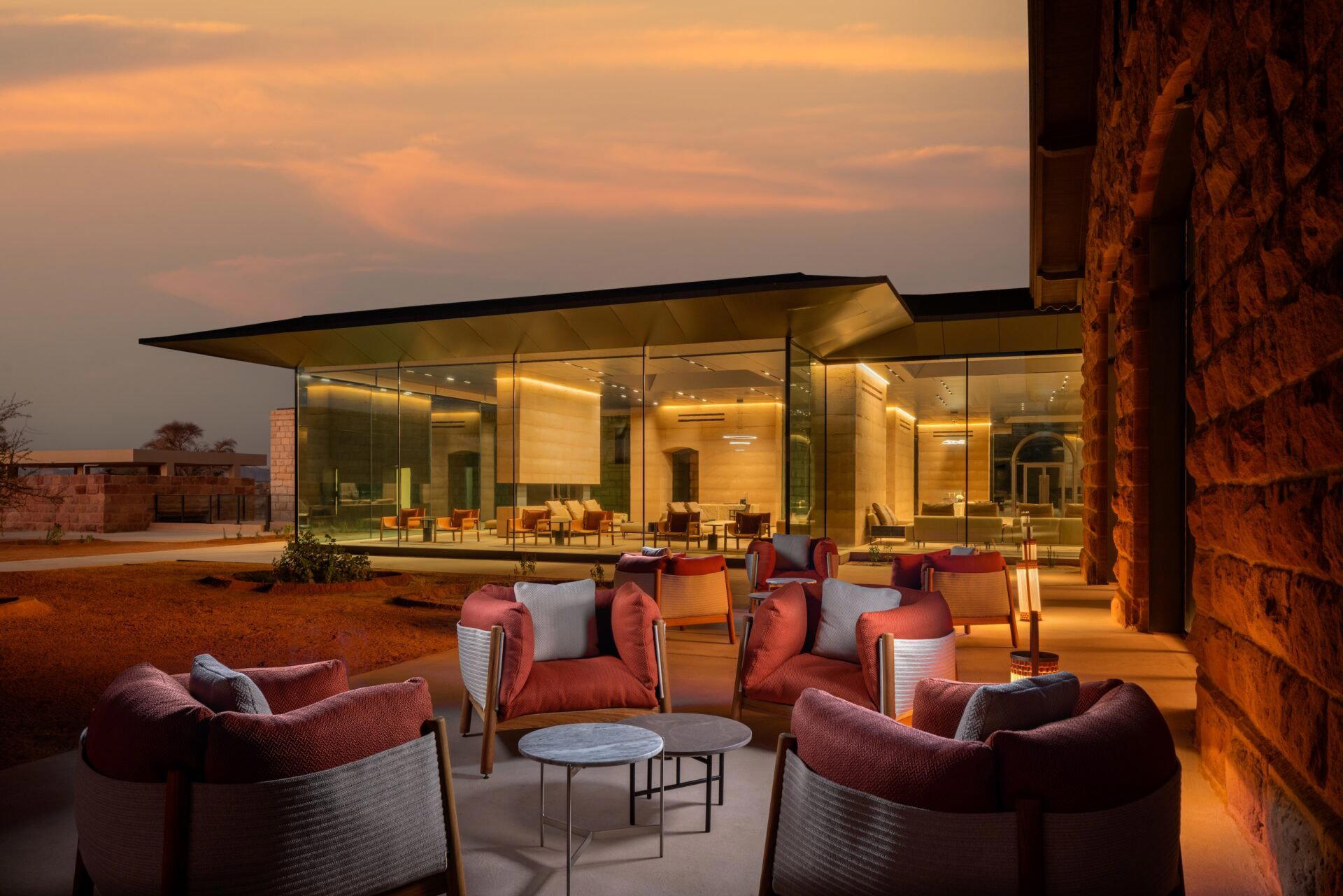
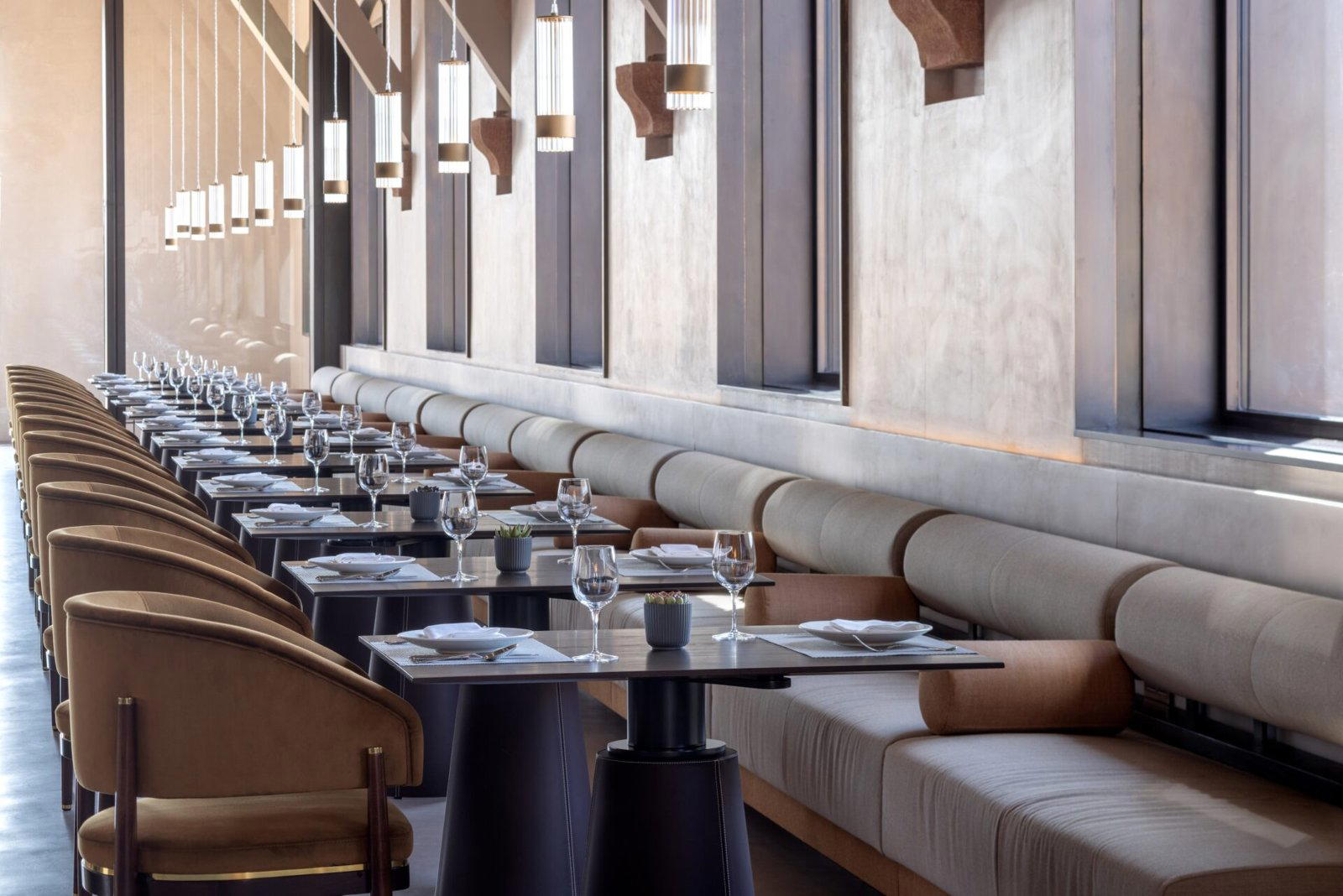
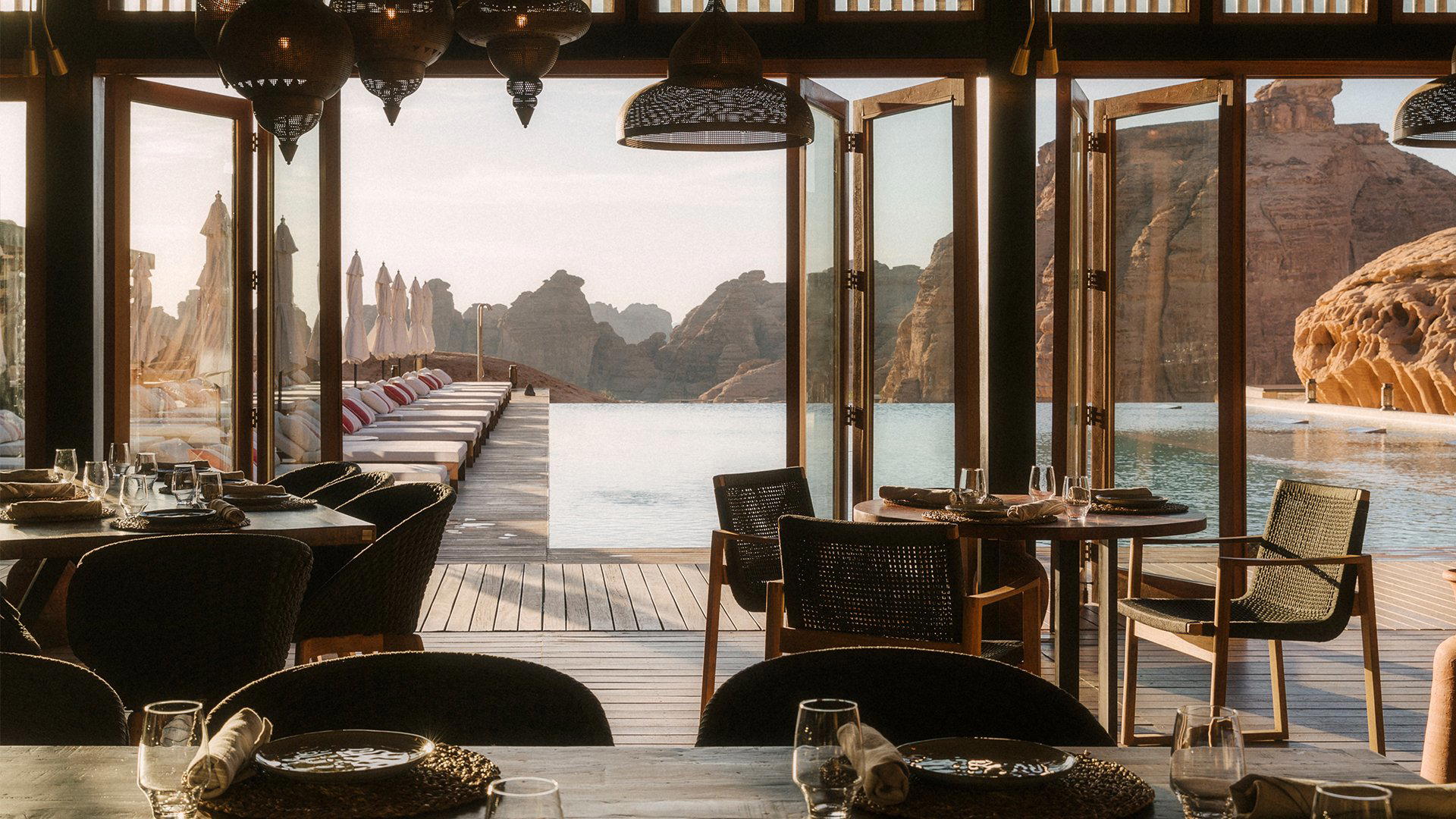
Subdued, warm lighting with high-quality natural materials throughout; stone walls, arched thresholds, and leather-bound lamps create an intimate, historically-grounded atmosphere with contemporary luxury touches.