Four Seasons Resort and Residences Red Sea at Shura Island
Four Seasons' contribution to Saudi Arabia's Red Sea Project places a resort on Shura Island, one of the development's flagship destinations. The property sits within a broader wave of ultra-premium, design-forward hospitality being built across the Red Sea coastline, positioning itself alongside a small number of international brands that have committed to the region's most ambitious tourism initiative.

Pearl is the En Primeur Club membership app — saves, bookings, and concierge access live there. Same editors, same standards.
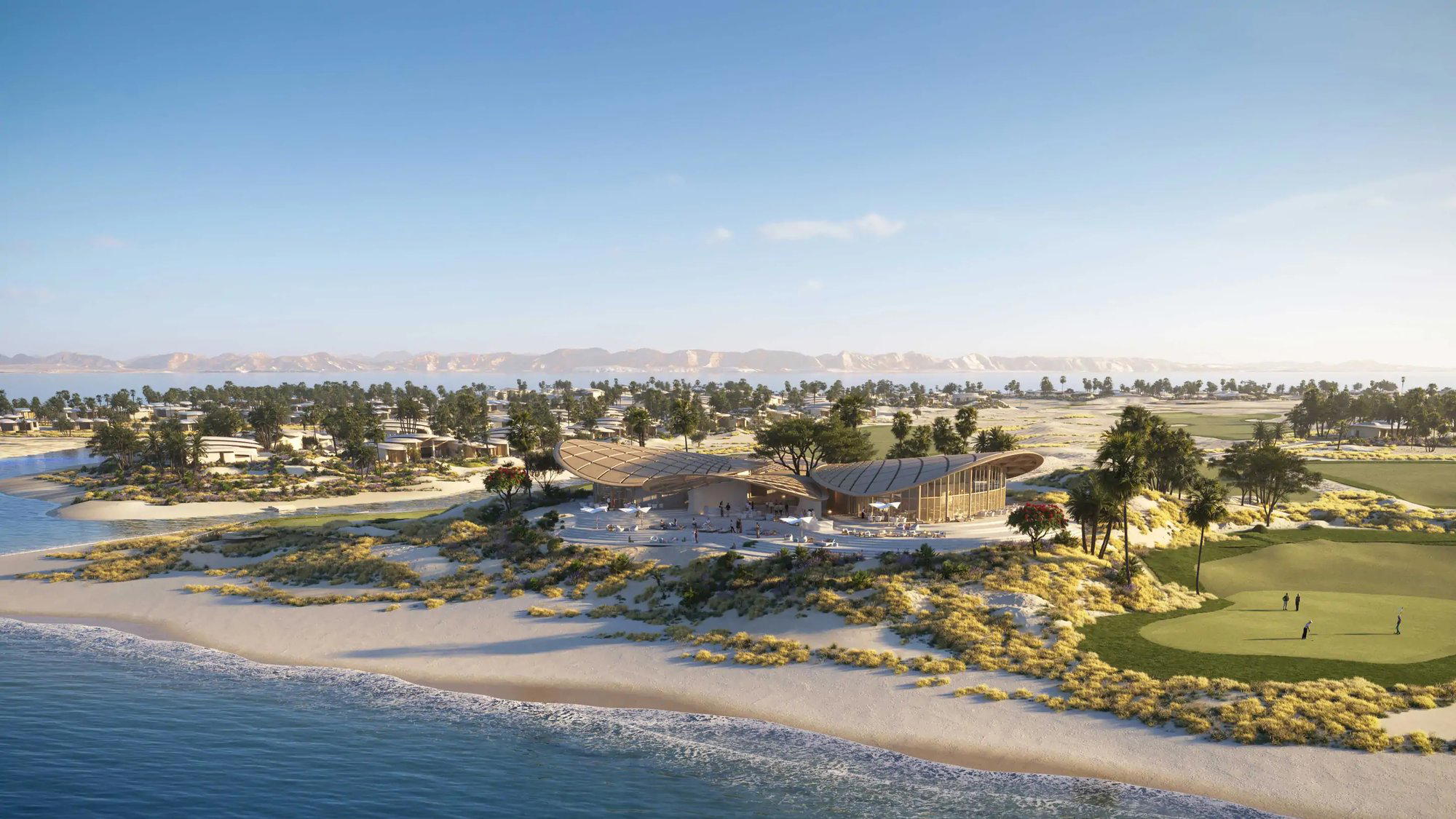
Where Saudi Arabia's Largest Tourism Bet Meets International Hotel Architecture
Approaching Shura Island, the scale of ambition becomes apparent before any building comes into view. The island sits within the Red Sea Project, a Saudi giga-project that has committed billions of dollars to transforming a 28,000-square-kilometre coastal stretch into among the more concentrated luxury hospitality zones on earth. The strategy is deliberate: rather than dispersing development across the mainland, the Red Sea Project clusters its flagship properties on a chain of islands, keeping the coral ecosystem as both backdrop and selling point. Four Seasons' presence on Shura Island, the development's central hub, signals how seriously the brand is treating the Red Sea as a long-term market rather than an opportunistic franchise extension.
The Architecture of Arrival: Design as the First Statement
The Red Sea Project's defining design logic is restraint in the face of abundance. Where developers in comparable contexts, the Gulf coast, the Maldives atolls, the Aegean, have historically defaulted to statement maximalism, the Red Sea Project's masterplan has pushed its flagship properties toward an architecture that negotiates with the natural environment rather than dominating it. Four Seasons' Shura Island property sits within that framework, a project where the coral reefs, mangroves, and desert light are treated as design constraints as much as amenities.
This positions the property within a specific cohort of contemporary luxury hotels where the architecture functions as an argument about place. The approach has parallels elsewhere in the portfolio of internationally managed island resorts: Amangiri in Canyon Point uses concrete and canyon geometry to make the same kind of claim about landscape integration; Aman Venice operates through the opposite logic of total historic absorption. Shura Island's version of this argument will be shaped by the Red Sea's particular conditions: extreme summer heat, protected marine habitat, and the need to manage guest movement across an island without conventional road infrastructure.
The broader Red Sea development has drawn architects and designers to work within an ecological brief that includes zero single-use plastics, renewable energy targets, and a commitment to leaving 75 percent of the land undeveloped. For a luxury hotel operator, that brief produces a physical property that reads as considered rather than imposed, and it aligns Four Seasons with the direction that premium hospitality design has been moving globally since the mid-2010s.
Shura Island in the Regional Tier: How This Property Sits Among Its Peers
Saudi Arabia's luxury hotel market has expanded at speed across multiple cities in the past decade. Properties like Assila, A Luxury Collection Hotel, Jeddah and Edge Riyadh Al Rabie represent urban luxury formats calibrated to business travel and Saudi Vision 2030's domestic tourism goals. Banyan Tree AlUla takes an archaeological-landscape approach that places it closer to the wilderness resort category. The Shura Island Four Seasons operates in yet another register: the island-resort format that prioritises seclusion, marine access, and a self-contained guest experience over proximity to a city centre.
Among the Red Sea Project's own confirmed brands, the competitive set on and around Shura Island is unusually concentrated. The Red Sea EDITION is the direct neighbour in brand tier, targeting a slightly younger, design-forward demographic that overlaps but does not fully coincide with the Four Seasons core guest. Further along the Red Sea coast, InterContinental The Red Sea Resort in Umluj and Miraval The Red Sea in Ḩanak serve different positioning angles within the same coastal development zone. Four Seasons' Shura Island property anchors the highest-consistency service tier within that spread. For a comparable Four Seasons coastal commitment at a different scale, AMAALA (Four Seasons property) is the brand's second Red Sea Project deployment, positioned further north and aimed at the wellness-focused ultra-premium segment.
Tone and Format: Reading the Experience Level
The Red Sea Project's island properties are, by design, removed from the rhythms of a working city. That distance shapes what kind of stay each property is suited to. The Shura Island Four Seasons format is built for multi-night or week-long stays where the resort itself is the destination, not a base for city exploration. The marine environment, the Red Sea's northern waters hold particularly intact coral reef systems globally, means diving and snorkelling form a credible activity core rather than an afterthought amenity.
The tone skews toward low-density calm rather than programmatic entertainment. This is consistent with how Four Seasons has positioned its island properties in comparable markets globally. The brand's aesthetic register tends toward composed service and spatial generosity over theatrical public areas, which fits the ecological brief of the Red Sea Project's masterplan. Guests travelling for the physical environment rather than the F&B; or social scene will find that calibration appropriate. Those seeking the kind of activation-heavy experience that urban luxury hotels in Riyadh or Jeddah deliver may find the island context limiting rather than liberating.
For travellers who want to combine a Red Sea island stay with broader Saudi Arabia itinerary planning, the country's hotel network now covers a wider range of contexts: Al Manakha Rotana Madinah for the pilgrimage cities, Grand Hyatt Al Khobar for the Eastern Province, and InterContinental Taif for the mountain retreat format. The island properties represent a category of their own within that network.
Planning Your Stay: What to Know Before Booking
The Red Sea Project's island properties are accessed via the new Red Sea International Airport.
Comparable Venues
Comparable venues nearby, for context on price, style, and recognition.
| Venue | Cuisine | Price | Awards | Notes |
|---|---|---|---|---|
| Red Sea Shura IslandThis venue — the venue you are viewing | Inspired by desert caravans in low-density clusters amid sand dunes and sea. | $$$$ | 5-Star | Not listed |
| The Red Sea EDITION | Contemporary luxury resort designed by Foster + Partners with nature-inspired architecture reflecting coral reef forms; low-density layout emphasizing sustainability and environmental sensitivity. | $$$$ | 5-Star | Shura Island |
| Kempinski Hotel & Resort Sariya Yanbu Red Sea | Luxury contemporary resort combining European sophistication with Arabesque design elements, positioned as Saudi Arabia's premier Red Sea destination. | $$$$ | 5-Star | Al Mahar Island, Royal Commission |
| Jareed Hotel Riyadh | Boutique luxury with Saudi heritage inspiration; art deco design positioning; curated guest house aesthetic rather than grand hotel theatrics. | $$$$ | 5-Star | Hitteen |
| Dar Tantora The House Hotel | Restored traditional mudbrick heritage architecture in AlUla Old Town | $$$$ | 5-Star | Al'Ula Old Town |
| Al Ahsa InterContinental by IHG | Luxury palace-inspired hotel blending contemporary comfort with regional cultural heritage, designed as a modern interpretation of 16th-century castle architecture. | $$$$ | 5-Star | Al-Hofuf |
Continue exploring
More in Shura Island
Hotels in Shura Island
Browse all →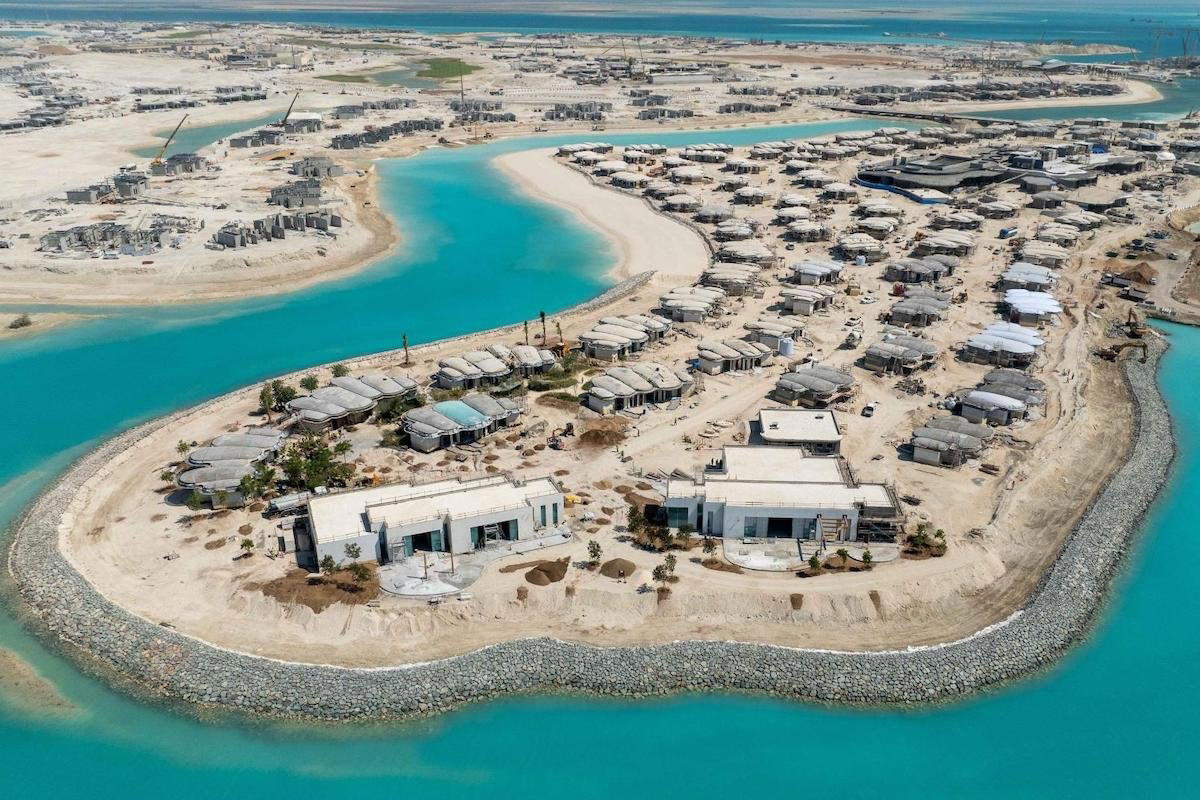
Restaurants in Shura Island
Browse all →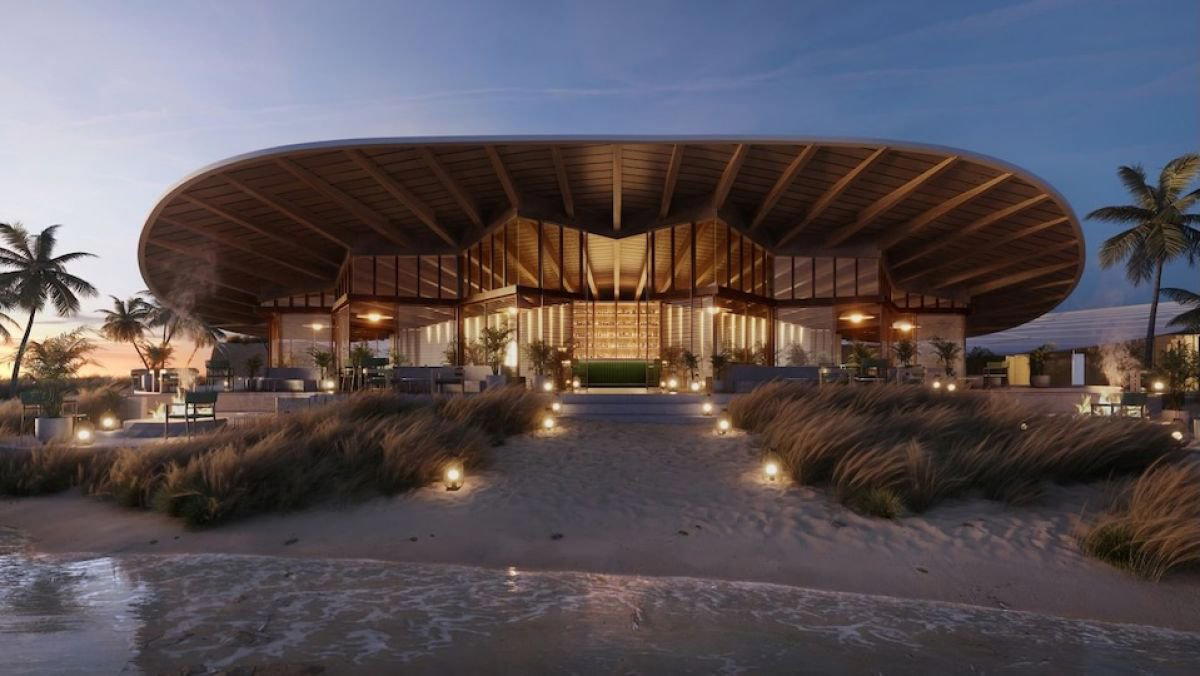
At a Glance
- Scenic
- Elegant
- Sophisticated
- Ornate
- Honeymoon
- Family Vacation
- Wellness Retreat
- Weekend Escape
- Beachfront
- Infinity Pool
- Private Villa
- Golf Course
- Panoramic View
- Pool
- Spa
- Fitness Center
- Room Service
- Concierge
- Valet Parking
- Kids Club
- Beach Access
- Golf Course
- Waterfront
- Pool
- Spa
- Fitness Center
- Room Service
- Concierge
- Valet Parking
- Kids Club
- Beach Access
- Golf Course
Casual barefoot luxury blending chic modern design with natural immersion, featuring spacious outdoor terraces, fresh breezes, and serene pools encircled by pristine beaches and dunes.