Conrad Makkah Jabal Omar

Forbes Recommended
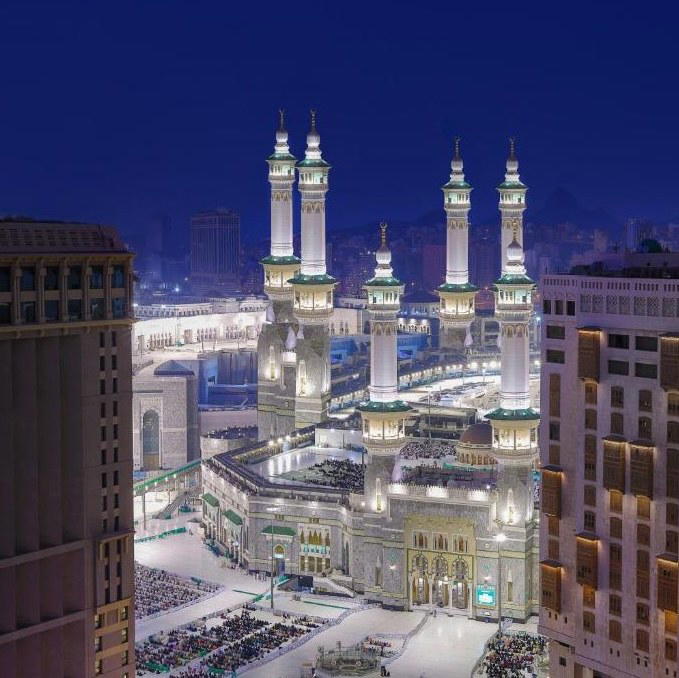
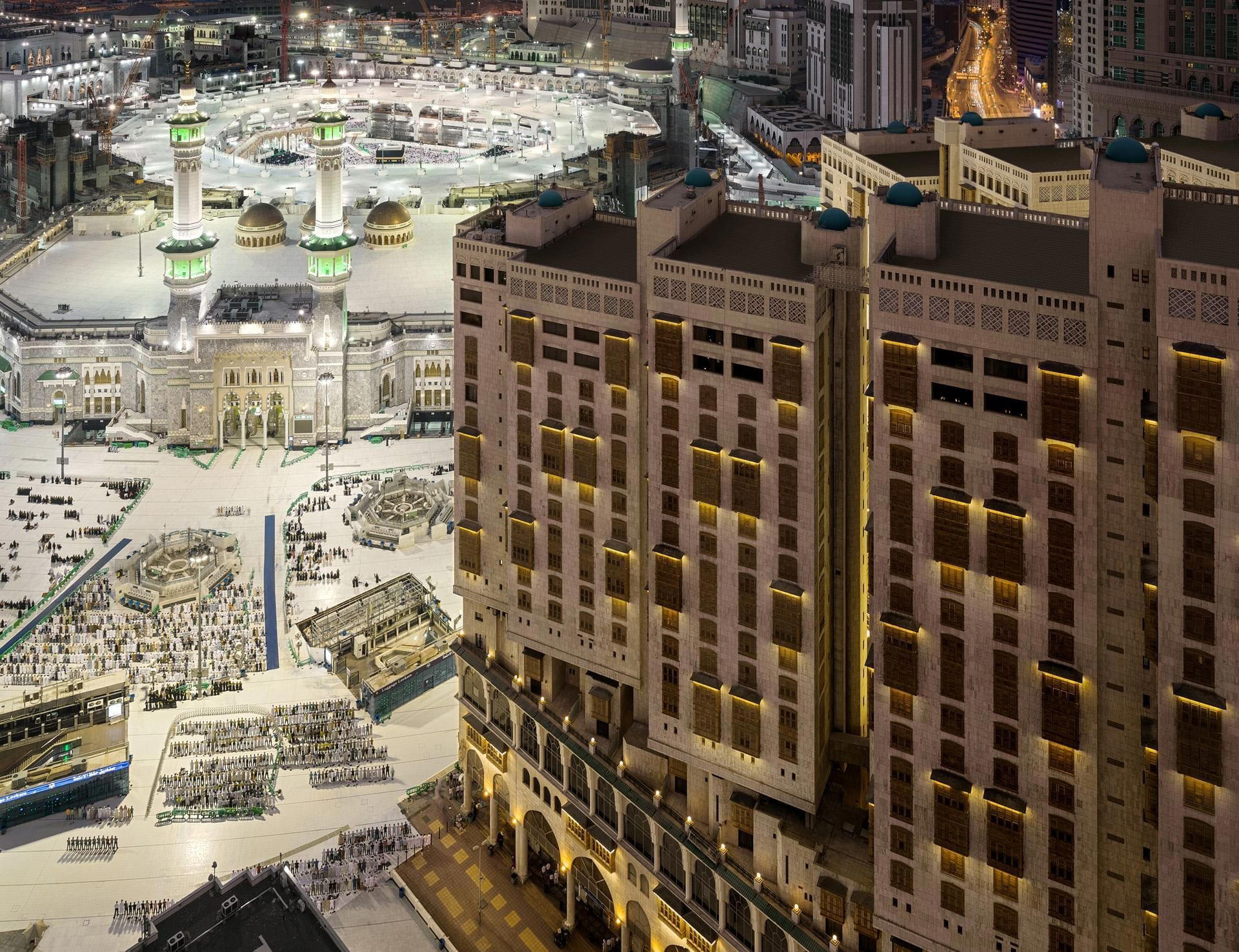
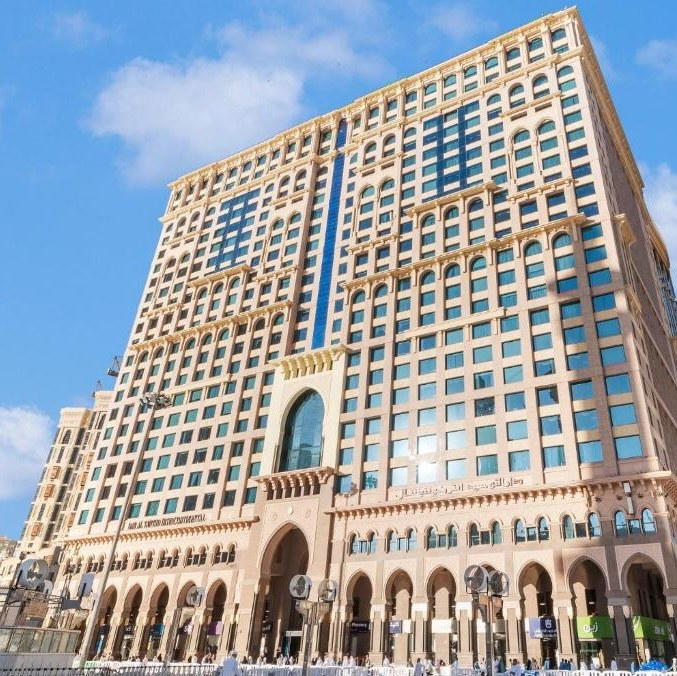
Positioned directly across from the King Fahad Gate entrance to Al Haram, Conrad Makkah Jabal Omar occupies one of the most consequential addresses in the city for pilgrims and guests alike.

Pearl is the En Primeur Club membership app — saves, bookings, and concierge access live there. Same editors, same standards.
- Address
- Ibrahim Al Khalil, Jabal Omar, الشبيكة، مكة 21955
- Phone
- +966 12 526 7700
- Website
- hilton.com
- Directions
- Get directions
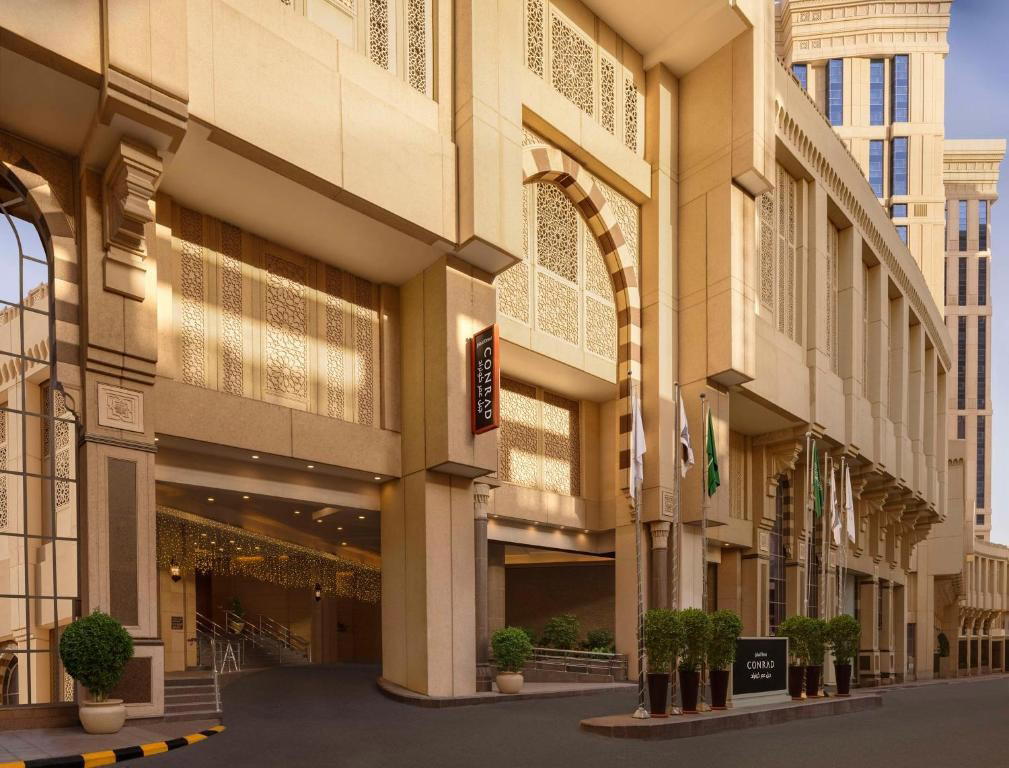
The View From Ibrahim Al Khalil
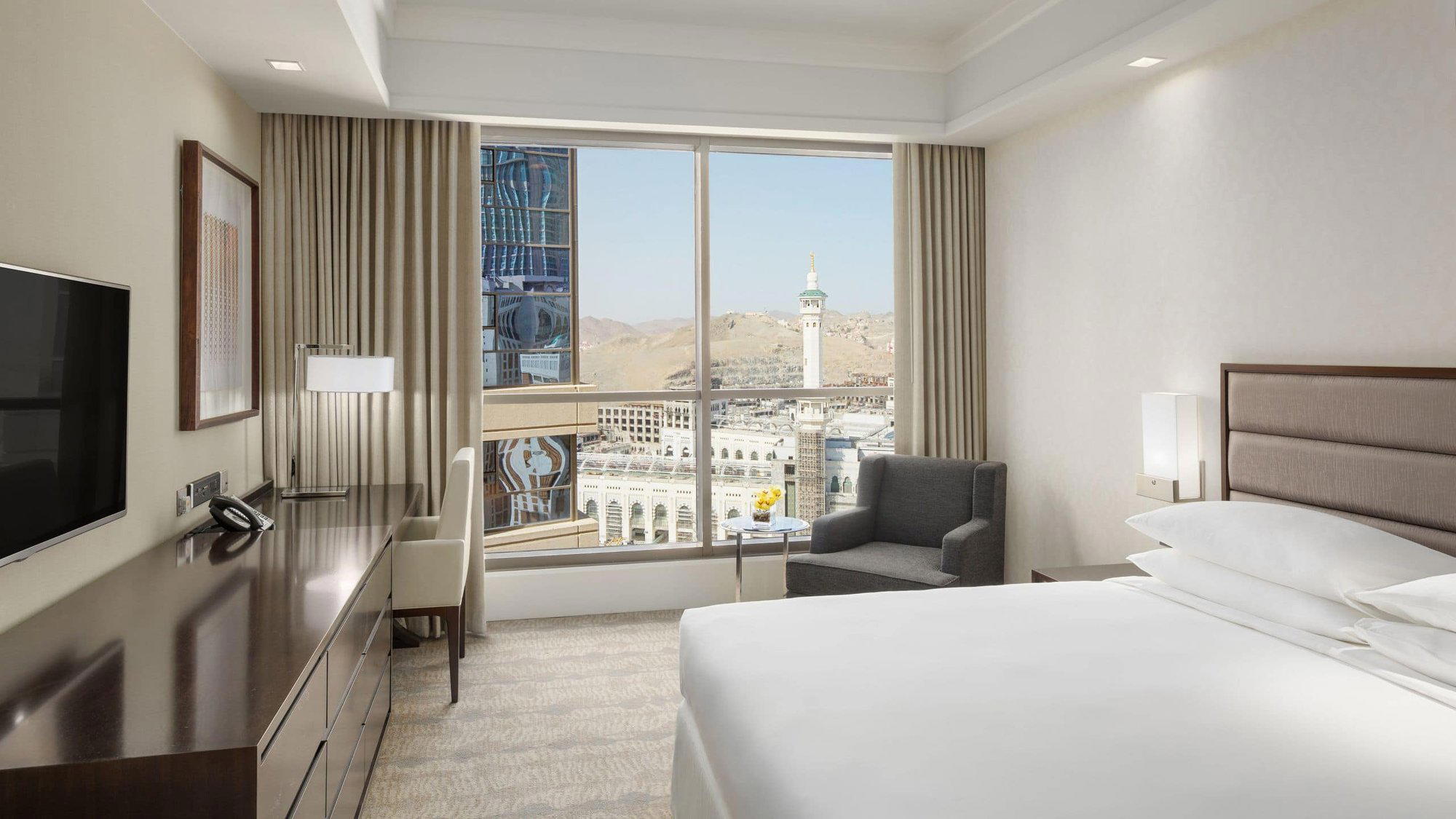
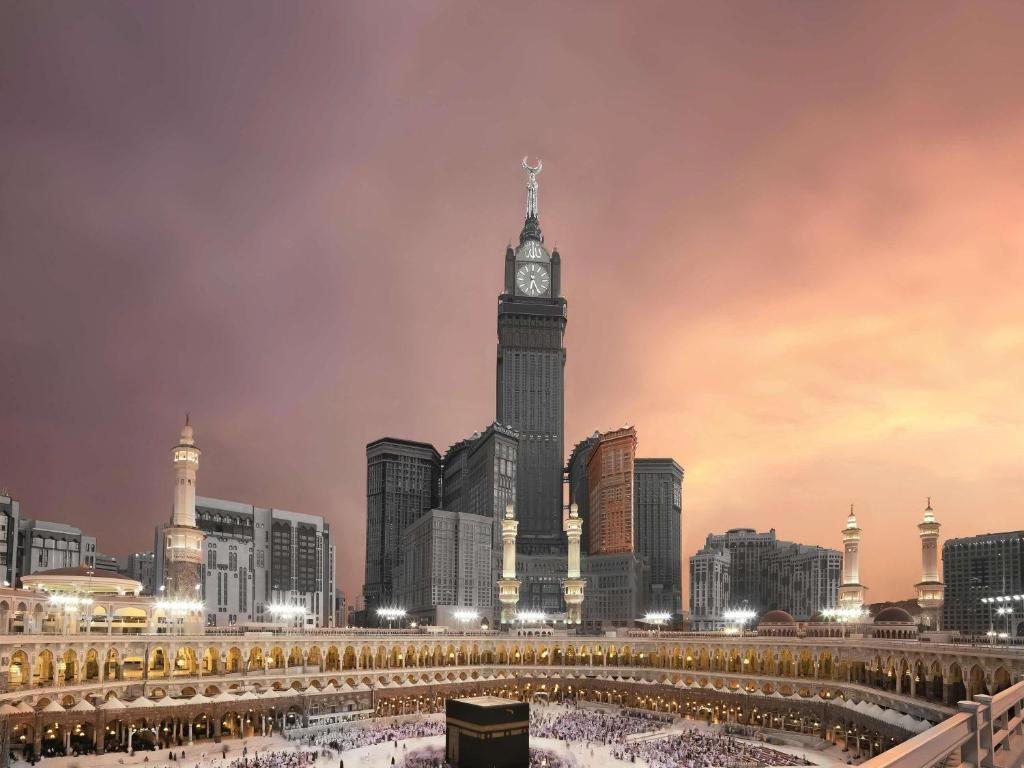
Stand at the window of almost any room at Conrad Makkah Jabal Omar and the geometry of the situation becomes immediately apparent. The hotel sits on Ibrahim Al Khalil Street in the Jabal Omar development, positioned so that the King Fahad Gate entrance to Al Haram falls directly in the sightline. For the millions of pilgrims and visitors who travel to Makkah each year, proximity to the Grand Mosque is the single most consequential factor in choosing accommodation, and this address resolves that calculation efficiently. The Kaaba itself is visible from guest rooms and suites through what the hotel describes as big-picture windows, a design choice that frames the spiritual centre of Islam as a living feature of the guest experience rather than something to be reached by transit.
Within the Jabal Omar development, this kind of orientation is not accidental. The district was conceived as a high-density hospitality and retail zone designed to absorb the surge in pilgrimage traffic that followed Saudi Arabia's Vision 2030 expansion of Haram capacity. Several major international chains now operate within the precinct, including the Jabal Omar Hyatt Regency Makkah and the Address Jabal Omar Makkah. Conrad, operating under Hilton Worldwide's upper-luxury tier, holds its position in that competitive set through scale, service consistency, and the specificity of its Al Haram views.
Architecture as Orientation Device
The architectural logic of Conrad Makkah is essentially about sightlines and volume. Accommodations start at 603 square feet, a floor area that places entry-level rooms well above the international luxury standard for comparable city-centre properties. Walk-in closets large enough to accommodate a travel crib signal an awareness of the demographic reality: a significant share of Makkah's pilgrimage visitors travel in multigenerational family groups, and spatial generosity at the base tier reduces the pressure to immediately upgrade to suite inventory.
At the top of the room hierarchy, the Royal Suites reach 2,658 square feet, making them among the largest suite formats in the city. That figure encompasses dedicated dining and living areas, two bedrooms fitted with blackout curtains, and executive lounge access. The blackout curtains are a practical detail that matters in Makkah, where prayer schedules and the rhythms of Umrah and Hajj often compress sleep into unconventional hours. The suite's scale also reflects a broader pattern in Makkah's luxury tier: the city's premium hotels have increasingly competed on living-area volume rather than decorative opulence, because the pilgrimage context concentrates guests in-room at different intensities than leisure or business travel would.
For a broader picture of how Makkah's hotel stock compares across price and style, the EP Club Makkah city guide maps the full range. Properties like the Makkah Clock Royal Tower, A Fairmont Hotel and the Raffles Makkah Palace represent the ultra-luxury bracket, while Makkah Hotel & Towers and TIME Ruba Hotel & Suites operate at different price points within the same proximity corridor.
The Dining Program: Function Over Spectacle
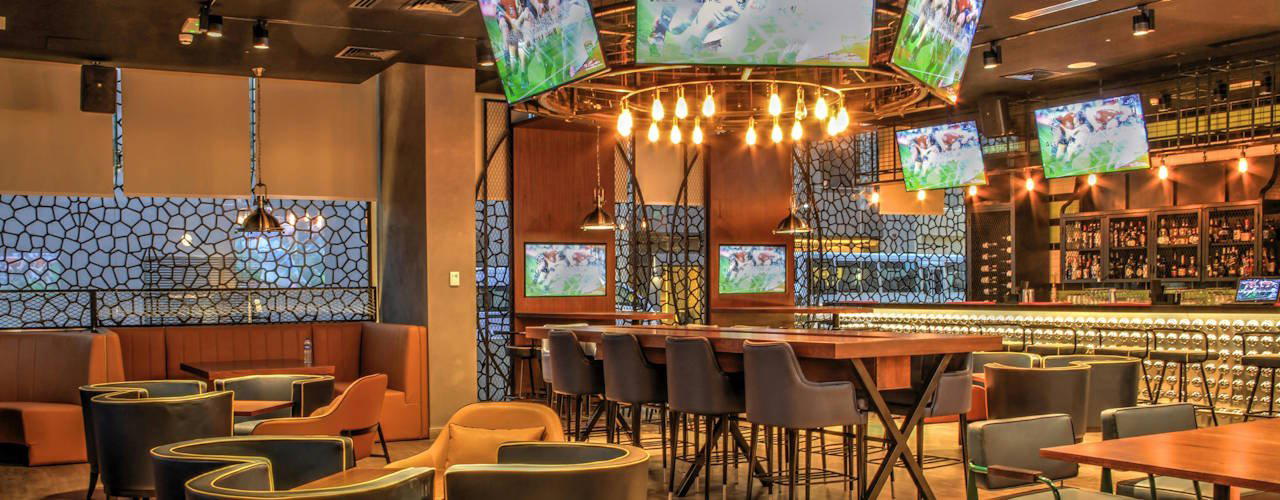
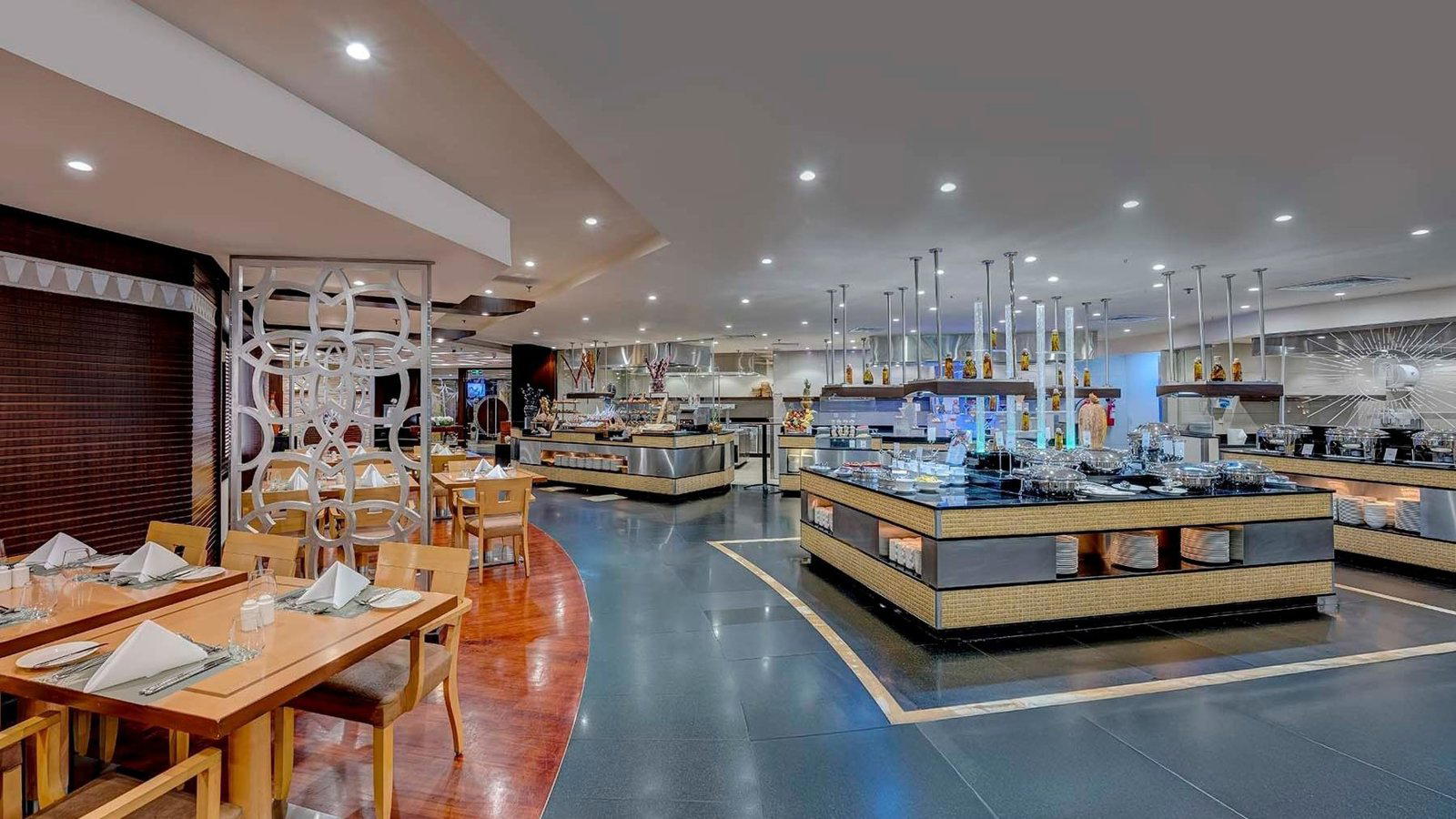
Makkah's hotel dining operates under specific constraints that shape every outlet's format and menu. The city does not permit alcohol, and the visitor profile skews heavily toward guests observing dietary and ritual requirements, which means that hotel restaurants function less as destination dining and more as reliable, high-capacity service operations for a transient population. Conrad Makkah's F&B program is calibrated accordingly.
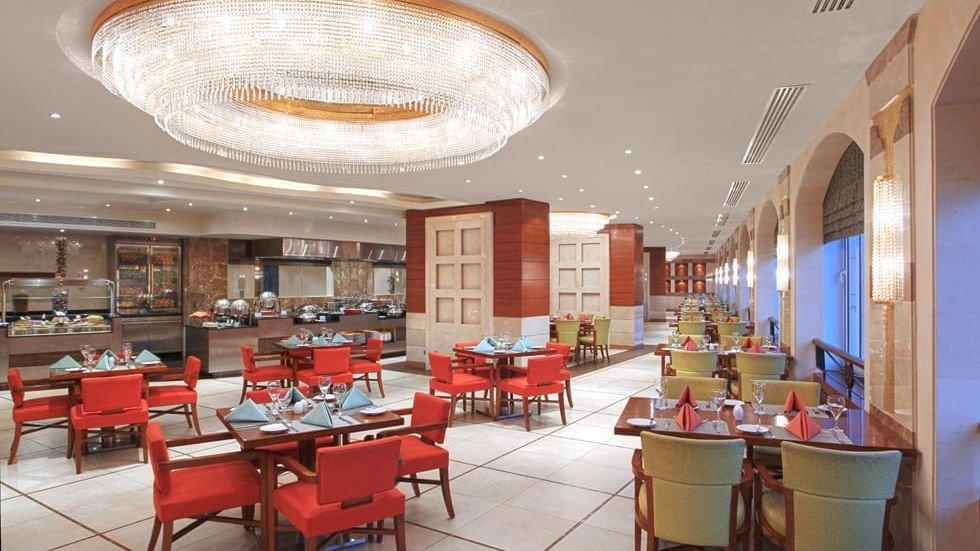
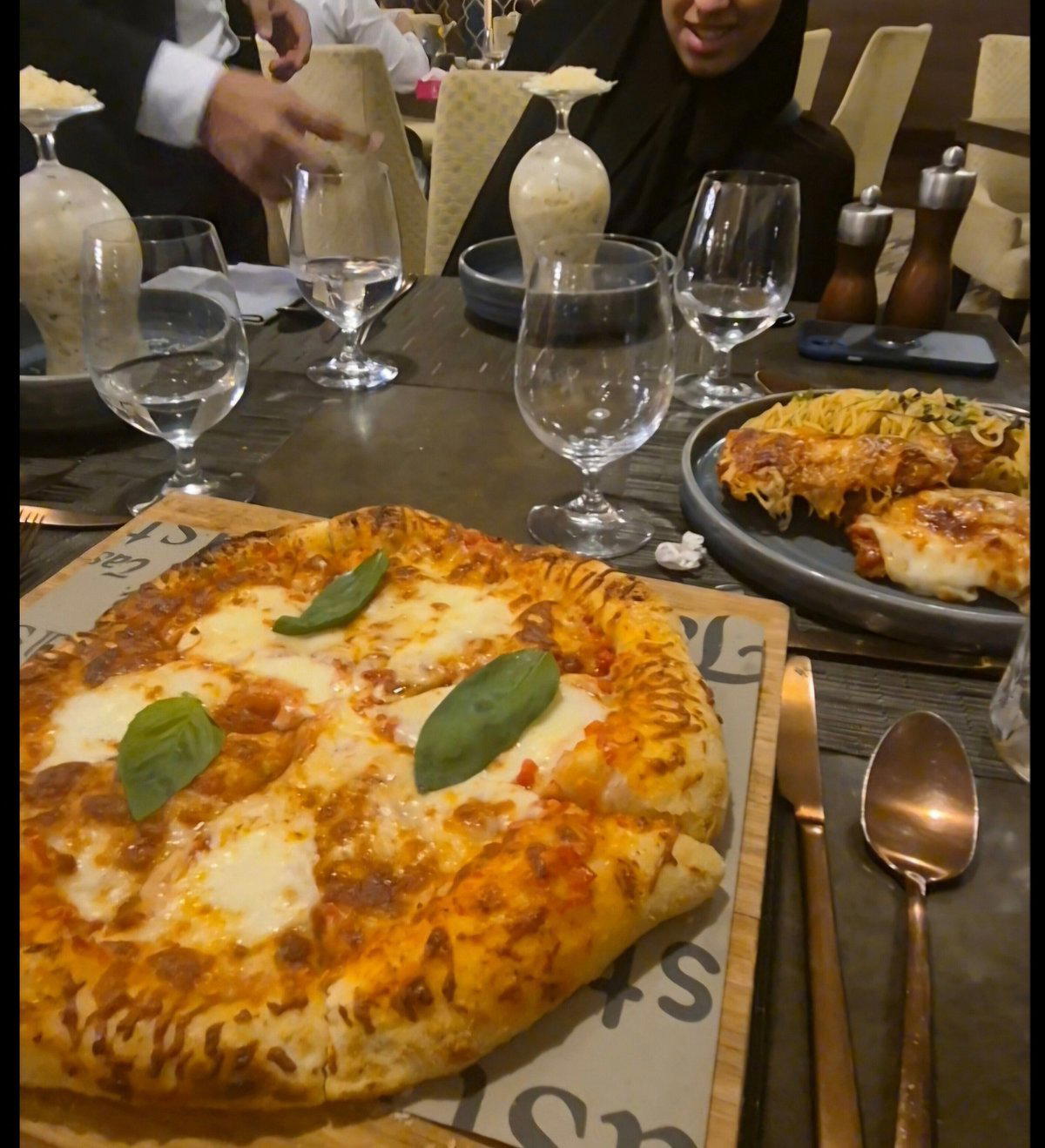
Prime, the hotel's steakhouse, takes a wood-paneled, open-kitchen format that is familiar from international hotel dining but suited to a crowd seeking comfort food of a specific register: seared proteins, visible fire, legible menus. The Al Haram view from Prime's dining room converts an otherwise standard hotel steakhouse into something slightly more charged by context.
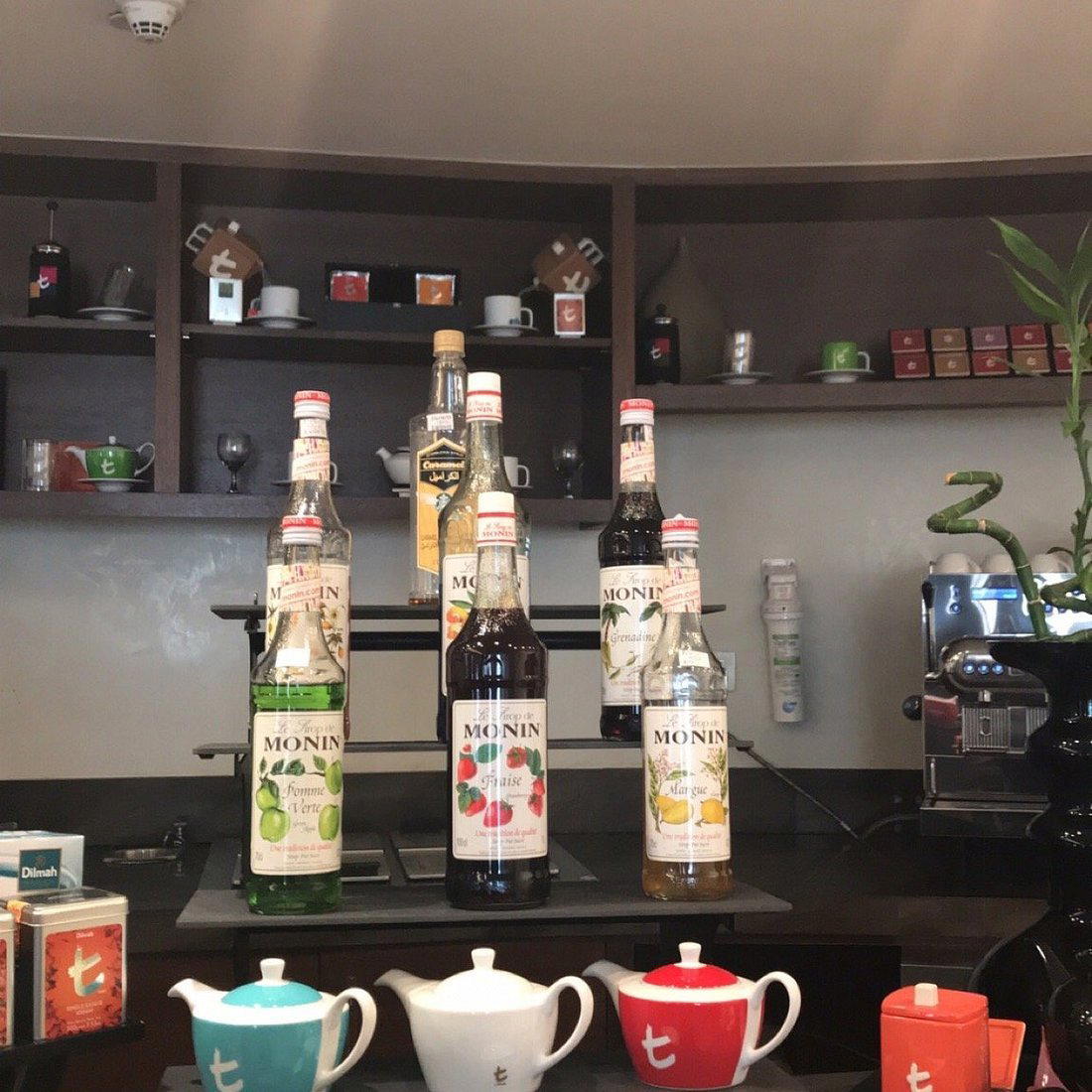
Al Helal operates as a café format, serving juices, snacks, coffee, and tea, and functions primarily as a decompression point between prayer times or during the heat of the Makkah afternoon. The Al Kawthar Lounge adds a pastry and coffee counter with Haram views. For guests in executive-level rooms, the executive lounge provides complimentary dinner service covering Arabic specialties and Asian-inspired dishes, which in practice means that a substantial portion of guests can take their evening meal without leaving the property.
Service at Scale
Hotels in Makkah operate under a particular service pressure. The pilgrimage calendar compresses demand into specific windows, particularly during Ramadan and the Hajj season, when occupancy across the precinct approaches capacity simultaneously. Inspector notes for Conrad Makkah identify service warmth as a consistent differentiator, noting that the standard across concierge, housekeeping, and restaurant staff runs to professionalism with an evident human register. That quality at scale is not a given in a market where volume is the dominant operational condition.
The executive lounge dinner offering deserves a specific mention as a logistical asset. For families with young children or guests managing fatigue after extended time at Al Haram, the ability to take a structured meal in a controlled, quieter environment within the property resolves a real pain point. The walk-in closet accommodating a crib is in the same category: the hotel has thought through the family travel use case at a design level rather than addressing it as an afterthought.
Planning Your Stay
The hotel sits at Ibrahim Al Khalil Street in the Jabal Omar district, Makkah 21955, Saudi Arabia, with the King Fahad Gate entrance to Al Haram a short walk from the main entrance. Entry to Makkah, and by extension to any hotel within the city, is restricted to Muslims only; this is a non-negotiable condition of Saudi law and applies across every property in the city without exception. Visitors should confirm current visa and pilgrimage permit requirements with Saudi authorities or their travel agent well in advance, particularly for Hajj periods when access quotas are strictly managed.
Families considering the Royal Suites should enquire about configuration and executive lounge access at the point of booking rather than on arrival.
For context on Saudi Arabia's broader hospitality landscape, EP Club covers properties at other price points and in other cities: the Al Manakha Rotana Madinah serves the Madinah pilgrimage corridor, while Assila, A Luxury Collection Hotel, Jeddah is the reference address for the Red Sea coast. Further afield, Banyan Tree AlUla represents the desert heritage tier, and Red Sea Shura Island (Four Seasons property) anchors the ultra-luxury resort category on the country's western coast. For business travel to the capital, Edge Riyadh Al Rabie is worth noting. Additional regional coverage includes InterContinental Taif, Grand Hyatt Al Khobar Hotel and Residences, InterContinental The Red Sea Resort, Miraval The Red Sea, Movenpick Hotel Qassim, Mövenpick Hotel Wa'ad Al Shamal, Braira Abha, Braira Al Rass, and Braira Al-Ahsa. For international reference points in the Hilton luxury tier, The Fifth Avenue Hotel in New York City, Aman New York, and Aman Venice offer a useful calibration of what upper-luxury city-centre hotels deliver at their ceiling.
A Quick Peer Check
Comparable venues nearby, for context on price, style, and recognition.
| Venue | Cuisine | Price | Awards | Notes |
|---|---|---|---|---|
| Conrad Makkah Jabal OmarThis venue — the venue you are viewing | Luxury urban hotel with direct access to sacred sites | Not listed | Forbes Recommended | Not listed |
| Makkah Clock Royal Tower, A Fairmont Hotel | Well-known architectural masterpiece blending luxury with spiritual significance | $200–300 | Michelin Selected · Star Wine List | Abraj Al Bait |
| Jabal Omar Hyatt Regency Makkah | Modern luxury hotel blending comfort and spirituality near holy sites | Not listed | Michelin Selected · World Luxury Hotel Awards WLHA Country Winner | Jabal Omar |
| Anjum Hotel Makkah | Ultra-luxury Islamic hospitality hotel designed for pilgrims and luxury travelers, featuring modern architecture with traditional Islamic elements and direct access to the Holy Haram. | $100–200 | World Luxury Hotel Awards WLHA Global Winner | Makkah City Center |
| Makkah Hotel & Towers | Luxury 5-star hotel with oriental Arabian design in six towers | Not listed | World Luxury Hotel Awards WLHA Continent Winner | Ajyad |
| Address Jabal Omar Makkah | Luxury urban hotel tailored for pilgrims | Not listed | Michelin Selected · Star Wine List | Jabal Omar |
Recognition history
Dated appearances from independent guides and award organizations, with the underlying list record or original source where available.
Forbes Recommended
Forbes
Full recognition history (2 entries)
Forbes Recommended
Forbes
Details
- Elegant
- Modern
- Sophisticated
- Ornate
- Family Vacation
- Business Trip
- Panoramic View
- Historic Building
- Wi Fi
- Fitness Center
- Room Service
- Concierge
- Business Center
- Valet Parking
- EV Charging
- Skyline
- Wheelchair Accessible
- Elevator
- Step Free Entrance
- Accessible Parking
Light-filled modern spaces blending traditional Arabian elements with contemporary luxury, featuring spacious soundproofed rooms and elegant furnishings.