
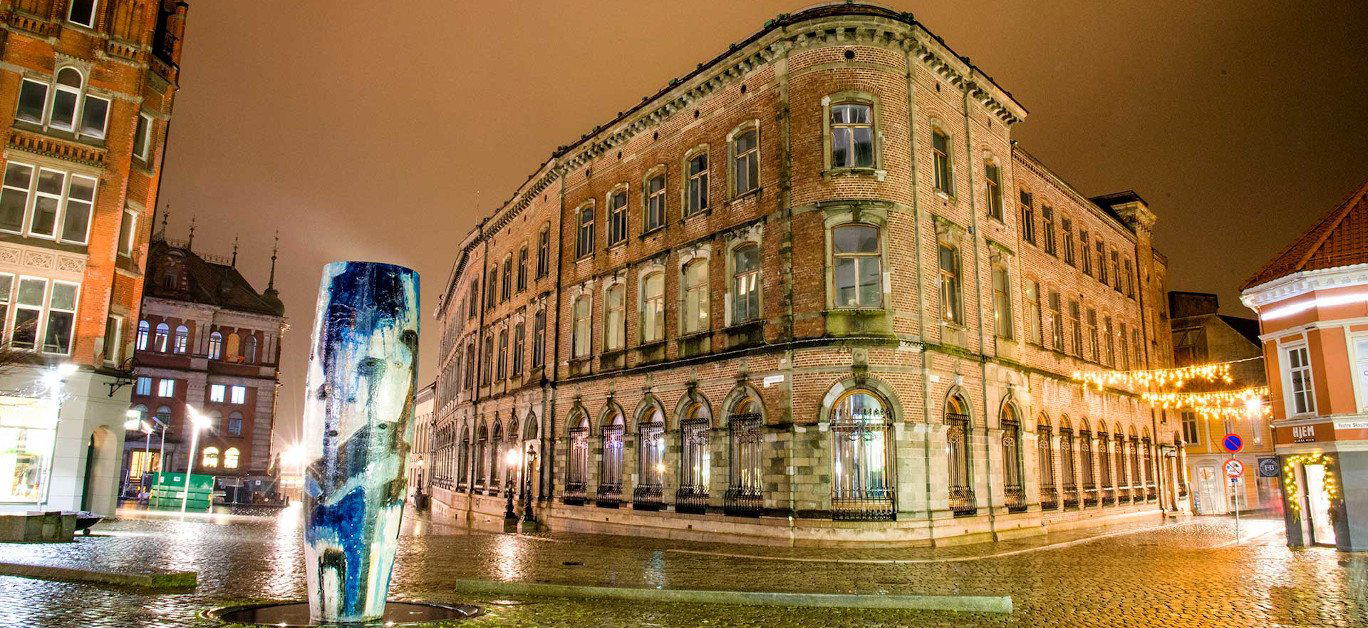
Frescohallen occupies the vaulted interior of Bergen's 1862 stock exchange building, a structure that now also houses Bergen Børs Hotel and the Michelin one-star restaurant Bare. Opened in May 2022, it sits at the centre of one of the city's most architecturally significant dining addresses, where nineteenth-century commerce has been converted into a contemporary gathering space at Vågsallmenningen 1.
Pearl is the En Primeur Club membership app — saves, bookings, and concierge access live there. Same editors, same standards.
- Address
- Vågsallmenningen 1, 5014 Bergen, Norway
- Phone
- +47 41 38 31 00
- Website
- debergenske.no
- Directions
- Get directions
 Saves & bookings on Pearl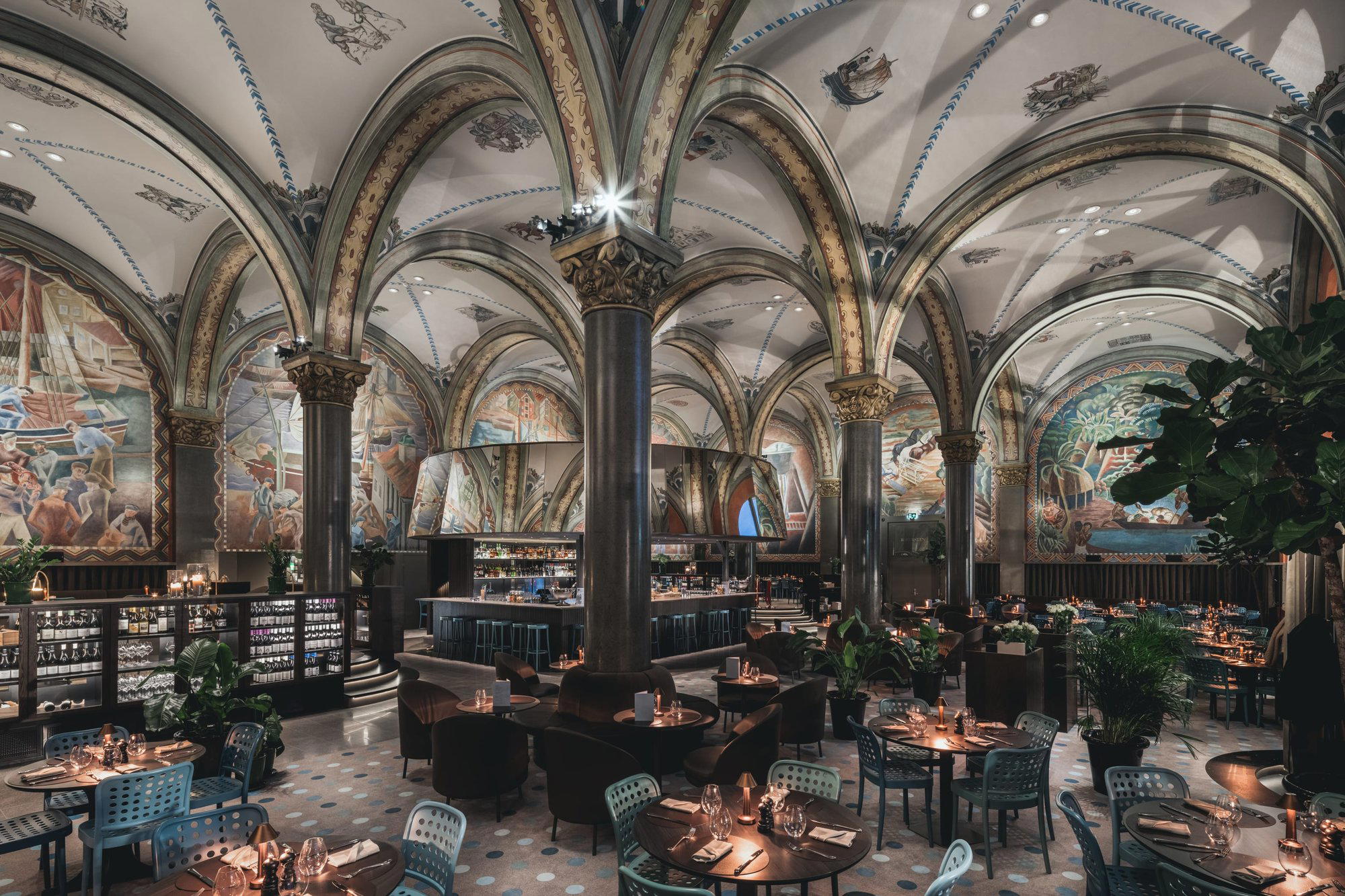
A Vaulted Room at the Heart of Bergen's Dining Scene
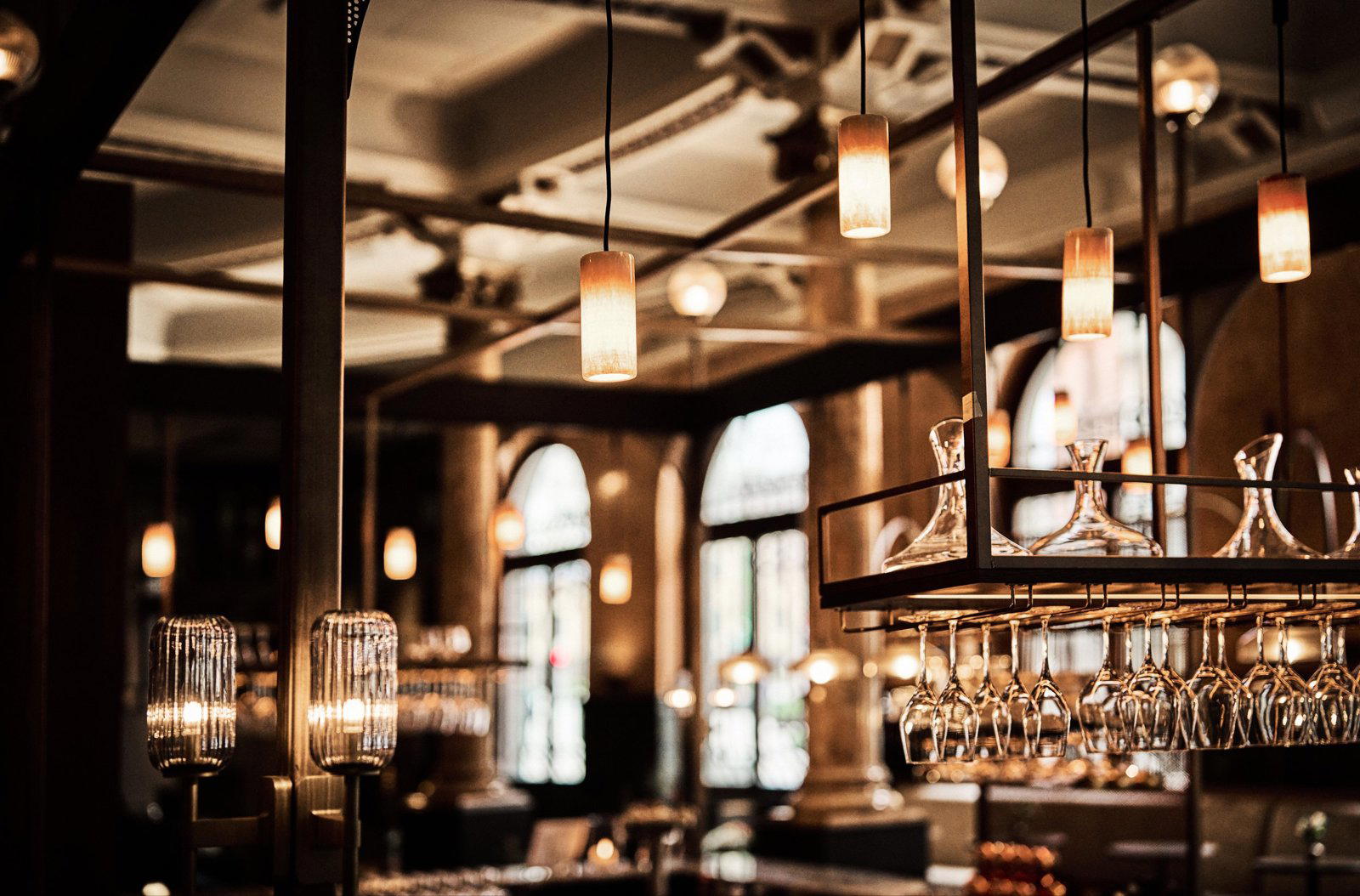
Bergen's most atmospheric dining addresses tend to share a quality that newer constructions rarely replicate: the sense that the building preceded the restaurant by a significant margin, and that the room itself carries the weight of that history. The former Bergen Stock Exchange, completed in 1862 on Vågsallmenningen, is among the clearest examples of this in western Norway. The neoclassical structure was built to house the commercial transactions of a port city at the height of its mercantile ambition, and its vaulted interior retains the proportional authority of that original purpose. Frescohallen, a restaurant serving modern Norwegian seafood, inherits a room that no fit-out budget could manufacture from scratch.
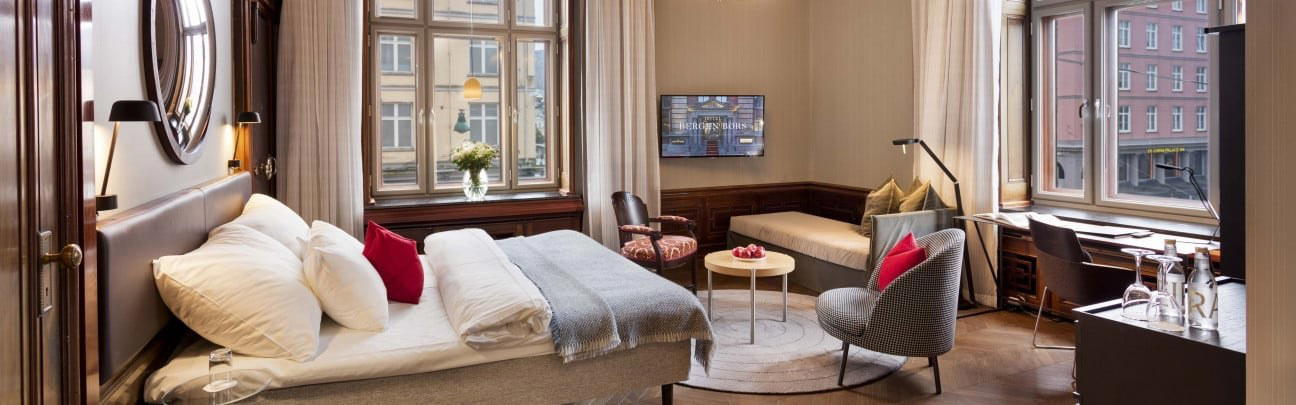
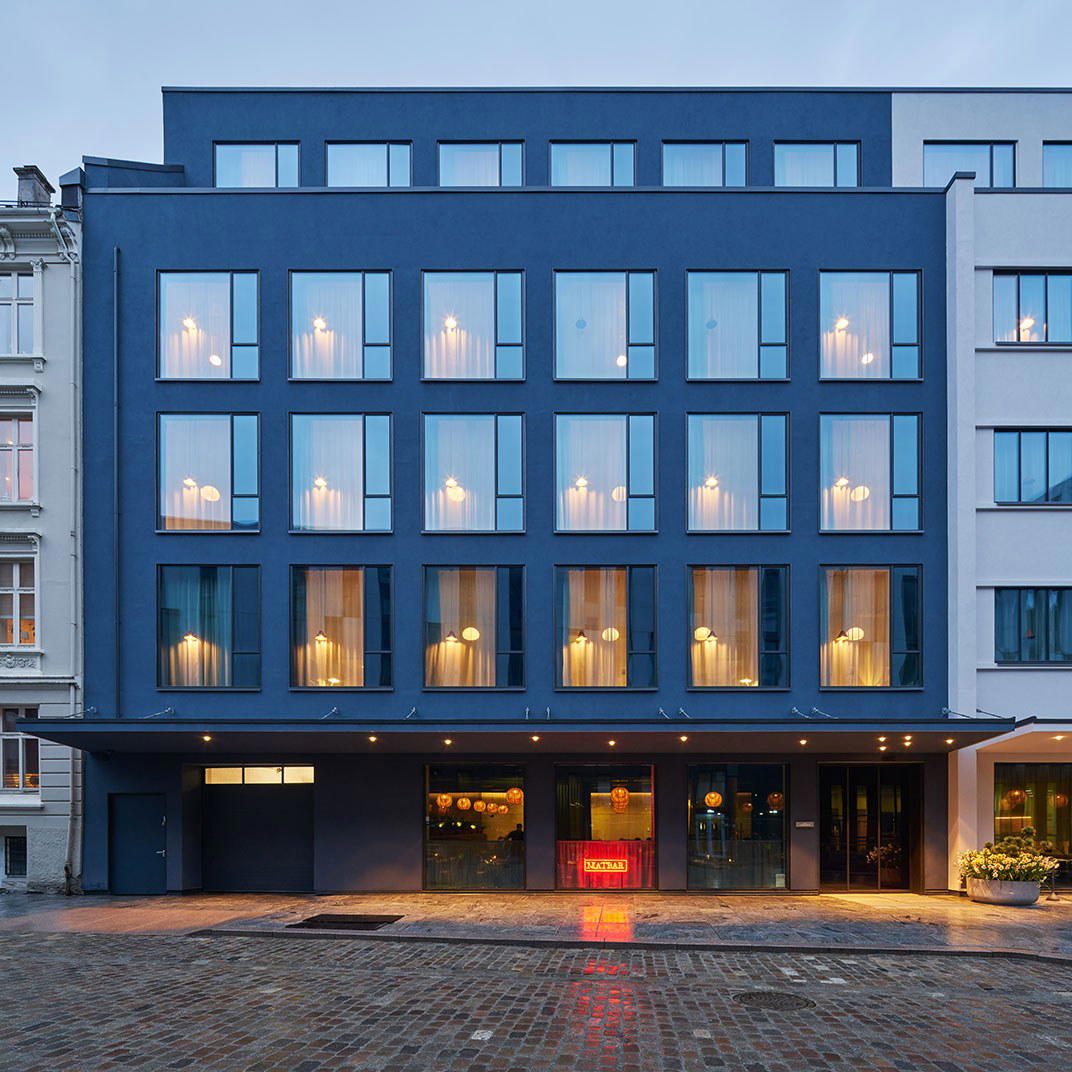
The same building now contains Bergen Børs Hotel and BARE Restaurant, which holds a Michelin star. That concentration of hospitality within a single nineteenth-century landmark places this address in a peer category occupied by only a handful of European properties where architectural heritage and contemporary dining programming coexist at the same level of ambition. The building's position on Vågsallmenningen, the main public square running toward the waterfront, means arriving on foot from Bryggen or the fish market takes only a few minutes and frames the entrance against the broader urban grain of the city centre.
Norwegian Dining Tradition and the Context of Bergen's Food Culture
To understand where Frescohallen sits within Bergen's dining culture, it helps to map that culture against Norway's wider restaurant trajectory. The country's fine dining conversation has been anchored for years by a small cluster of destination addresses: Maaemo in Oslo, RE-NAA in Stavanger, FAGN in Trondheim, Iris in Rosendal, and Under in Lindesnes, among others. Bergen's own contribution to that conversation has grown steadily, supported by the city's access to some of Norway's leading coastal produce and a food culture shaped by centuries of fishing commerce through the Hanseatic trade networks that made Bryggen a UNESCO site.
That maritime heritage is not incidental to how Bergen's restaurants position themselves. The proximity to the North Sea and the western fjords gives the city's kitchens access to shellfish, white fish, and cold-water species that restaurants in Oslo or Trondheim have to work harder to source at equivalent freshness. The stock exchange building's own history is woven into that commercial fabric: the transactions conducted in this room for generations were, in large part, transactions over the fish and timber that moved through Bergen's harbour. A restaurant operating inside those walls is, whether it chooses to foreground the fact or not, participating in a long conversation about what this coastline produces and how it is valued.
Bergen's current dining scene reflects that inheritance through a range of approaches. Lysverket has built a reputation in the New Nordic and modern cuisine register at the €€€€ price tier, while Gaptrast occupies a comparable bracket with a modern cuisine focus. The city has also developed a credible Japanese dining cohort, with Omakase by Sergey Pak at the premium end and the more accessible Allmuen Bistro offering a different register entirely. Frescohallen enters this scene as a venue shaped as much by its architectural setting as by any single culinary category.
The Børs Complex as a Multi-Format Hospitality Address
The Bergen Børs complex represents a particular model that has become increasingly common in European cities with significant historic building stock: a single heritage structure reprogrammed to serve multiple hospitality functions simultaneously. Hotel rooms occupy the upper floors and side wings, a Michelin-starred restaurant operates as the address's fine dining proposition, and a larger, more convivial hall-format space serves a broader audience with less ceremony but the same architectural backdrop.
This layered model has precedents in converted bourses, customs houses, and exchange buildings across northern Europe, where the original function of facilitating trade in a formal but semi-public setting translates naturally into hospitality. The logic is that the architecture was always designed to impress, to signal the seriousness of the commerce conducted within it, and that a dining or drinking program can occupy that atmosphere without needing to replicate it artificially. For venues like Frescohallen, the room does a significant share of the work before a single dish arrives.
Guests considering the Bergen Børs address as a hotel base will find it listed in our full Bergen hotels guide. Those building a broader itinerary around Bergen's drinking and bar culture can consult our full Bergen bars guide, and anyone interested in the region's wine and spirits production should see our full Bergen wineries guide. For curated experiences beyond dining, our Bergen experiences guide covers the broader cultural and activity offer.
Where Frescohallen Sits in a Wider Nordic Comparison
For visitors arriving in Bergen from other Nordic dining destinations, the frame of reference matters. The contrast between Frescohallen's vaulted, historically loaded setting and the more scenographically controlled environments of peers like Boen Gård in Tveit illustrates how Norwegian hospitality draws on different forms of heritage. Internationally, the converted-landmark dining format has analogues in addresses like Le Bernardin in New York City or Emeril's in New Orleans, where the building's civic or cultural weight contributes to the dining proposition in ways that purely purpose-built restaurants cannot replicate.
What this means practically for a visitor is that the experience at Frescohallen is calibrated differently from the tasting-menu concentration of BARE next door. The hall format invites a longer, less structured evening, with the architecture providing continuity across the meal rather than the kitchen dictating its pace. Bergen's dining culture has room for both registers, and the Børs building houses them within the same walls.
Planning a Visit to Frescohallen
Frescohallen is located at Vågsallmenningen 1, 5014 Bergen, in the centre of the city's commercial and waterfront district. The address is within walking distance of the main Bryggen wharf and the central bus and light rail connections, making it accessible without a car from most central Bergen accommodation. Those building a longer Bergen itinerary around the restaurant scene should consult our full Bergen restaurants guide, which maps the city's dining options across price tiers and cuisine categories. Given its setting in the former exchange and shared building with a hotel and a Michelin-starred restaurant, the address draws a mix of hotel guests, local regulars, and visitors specifically seeking the architectural experience of the former exchange. Booking ahead is advisable for weekend evenings, when the combination of in-house hotel guests and Bergen's restaurant-going public creates consistent demand for the hall's tables.
Budget Reality Check
Comparable venues nearby, for context on price, style, and recognition.
| Venue | Cuisine | Price | Notes |
|---|---|---|---|
| FrescohallenThis venue — the venue you are viewing | city centre, Modern Norwegian Seafood | $$$ | Not listed |
| BARK Mat | Not listed | $$$ | Bergen sentrum, Modern Nordic Fine Dining |
| Banzha | Not listed | $$$ | Heart of Bergen, Authentic Yunnan Chinese |
| Allmuen Bistro | Sentrum, Norwegian Seafood Bistro | $$$ | Not listed |
| Marg og Bein | Sentrum, Modern Norwegian Nose-to-Tail | $$$ | Not listed |
| Brasserie Cherie | Not listed | $$$ | Skostredet, Classic French Brasserie with Norwegian Influences |
Recognition history
Dated appearances from independent guides and award organizations, with the underlying list record or original source where available.
Star Wine List
Star Wine List
At a Glance
- Elegant
- Historic
- Well Known
- Sophisticated
- Special Occasion
- Business Dinner
- Casual Hangout
- Historic Building
- Open Kitchen
- Extensive Wine List
- Local Sourcing
- Waterfront
- Street Scene
Current opening hours
- Monday
- 7 AM–11 PM
- Tuesday
- 7 AM–11 PM
- Wednesday
- 7 AM–11 PM
- Thursday
- 7 AM–11 PM
- Friday
- 7 AM–12 AM
- Saturday
- 8 AM–12 AM
- Sunday
- 8 AM–12 AM
Hours can change for holidays and private events. Last verified .
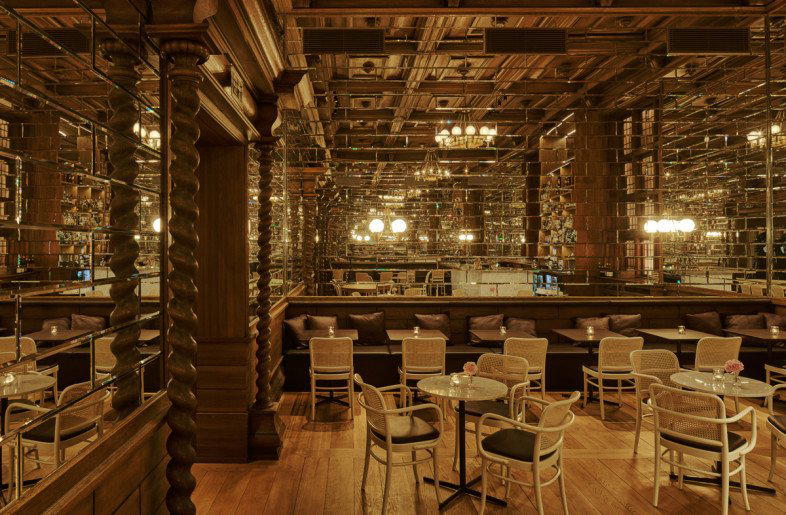
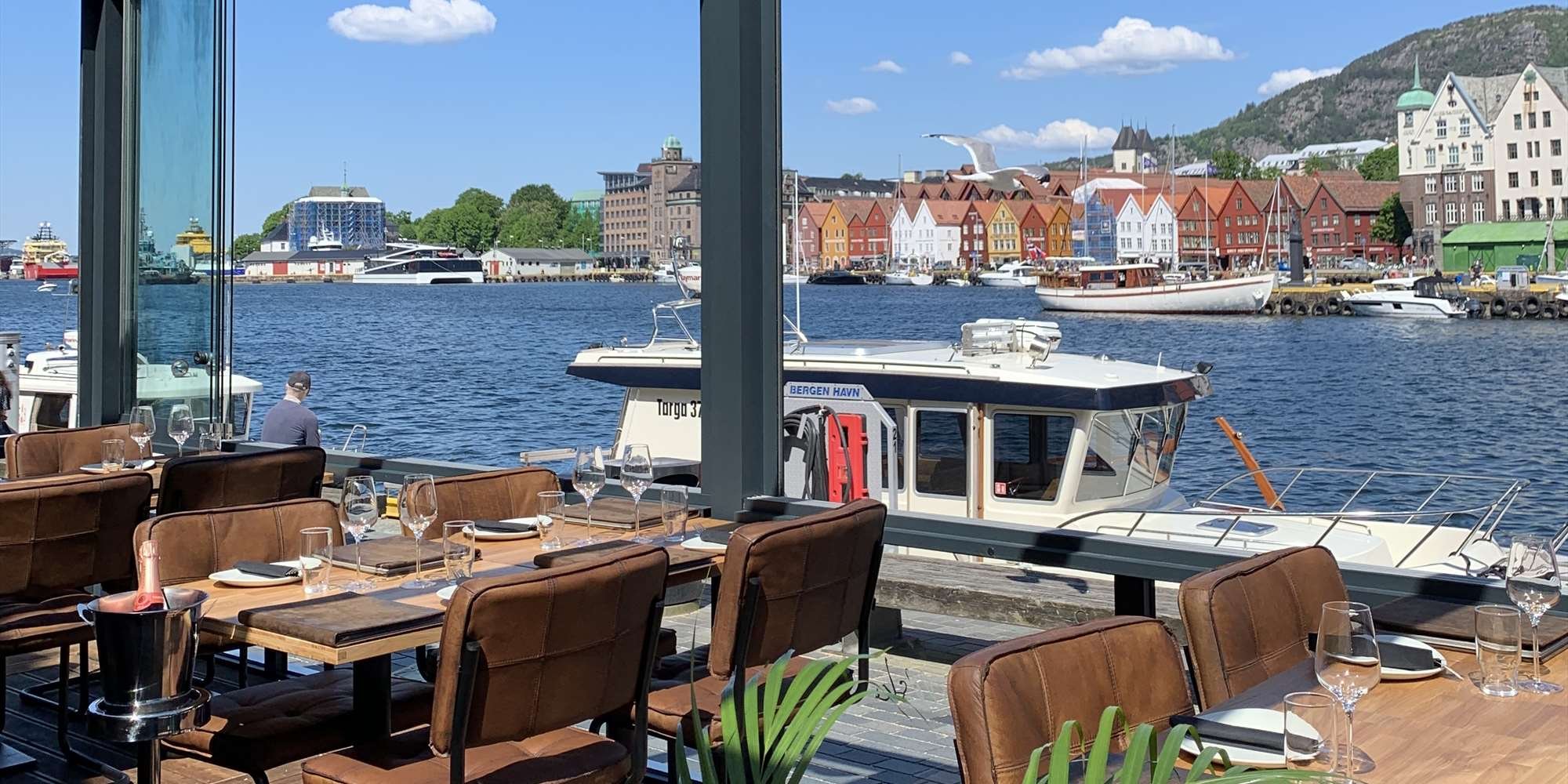
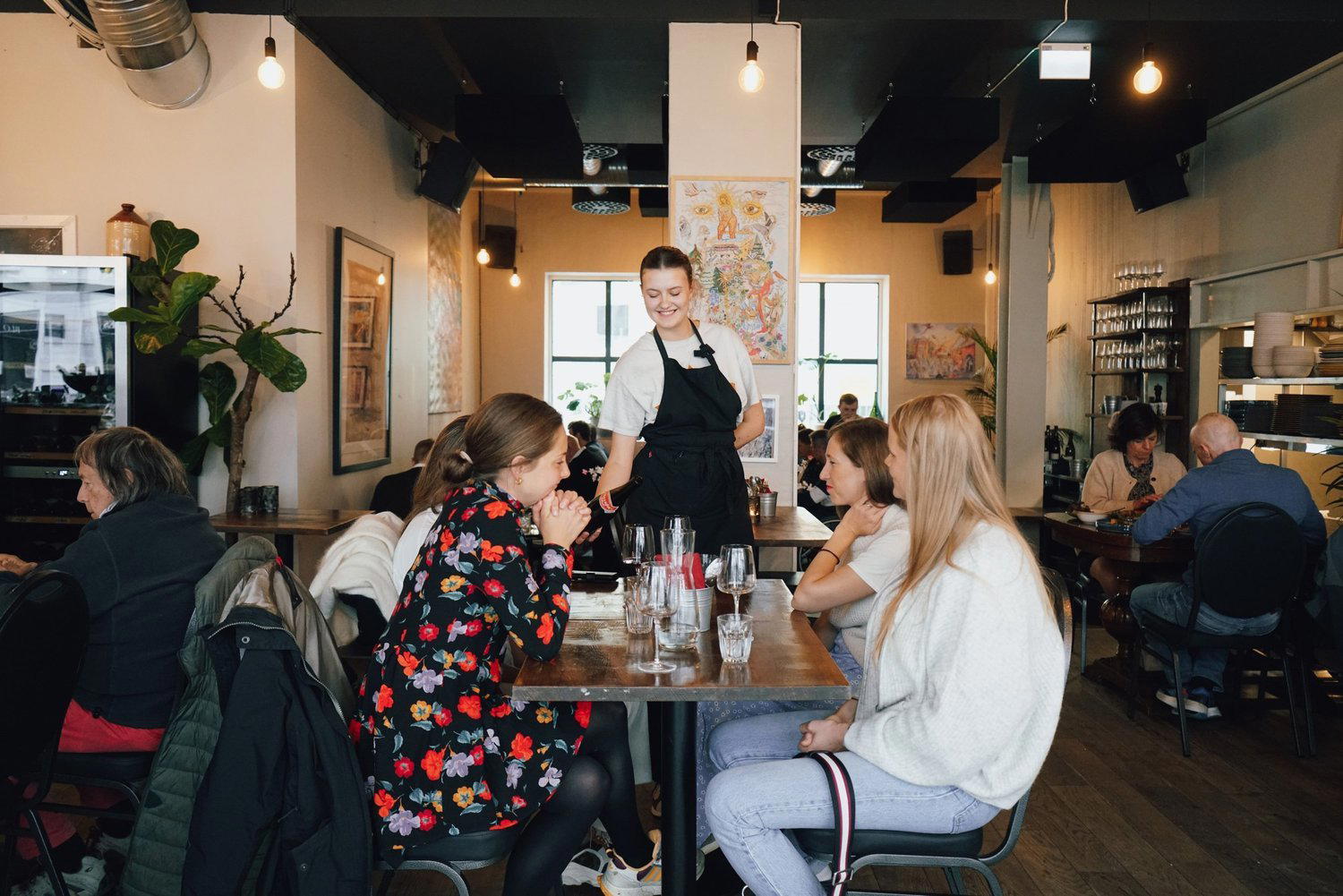
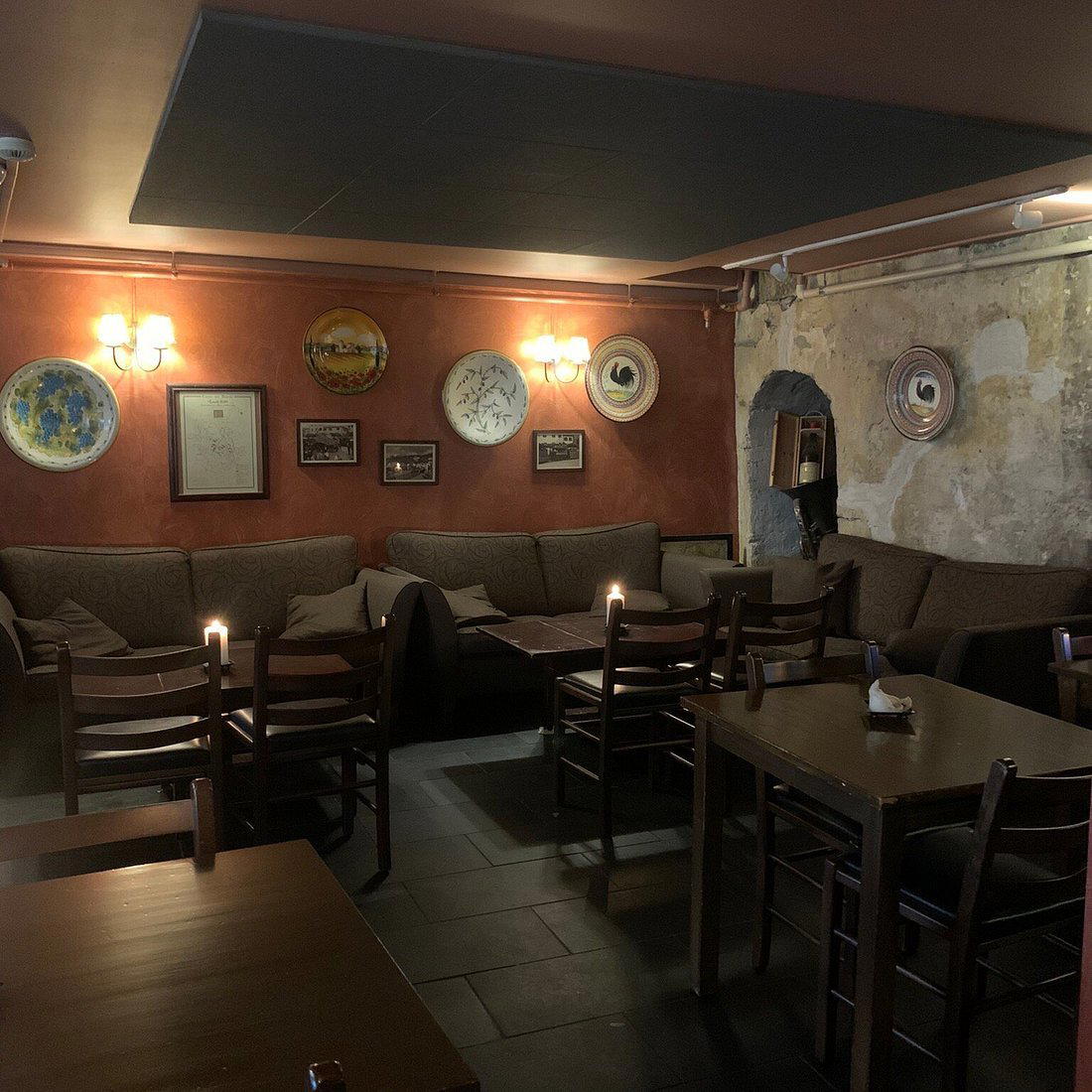
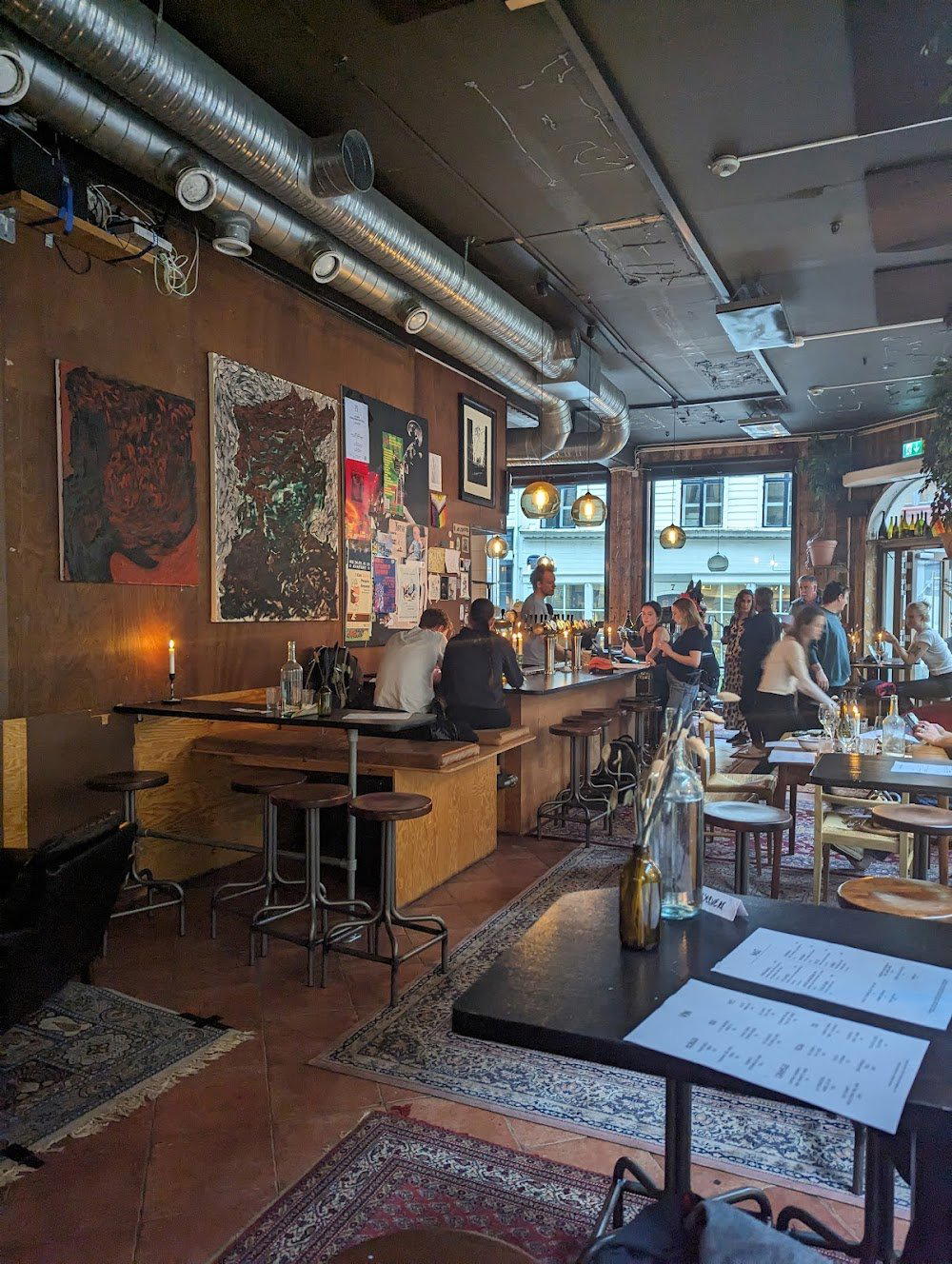
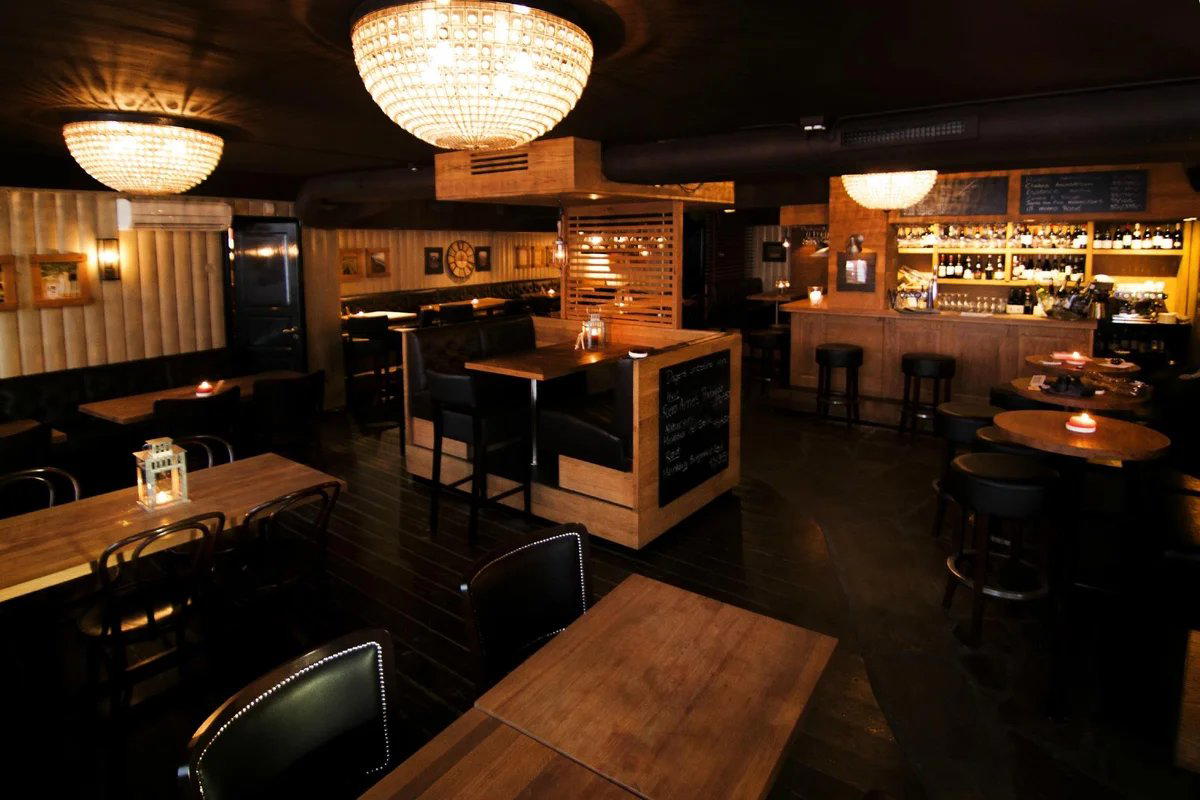
Elegant atmosphere with soaring vaulted ceilings, dramatic Axel Revold frescoes, and massive windows offering harbor views; lively with DJ sets in evenings.