On a cobbled stretch of Skostredet in central Bergen, Brasserie Cherie occupies the kind of address that rewards those who pay attention to a city's quieter streets. The format sits within Bergen's mid-register dining tier, where the brasserie tradition meets a western Norwegian appetite for ingredient-led cooking without the ceremony of the city's tasting-menu rooms.
Pearl is the En Primeur Club membership app — saves, bookings, and concierge access live there. Same editors, same standards.
- Address
- Skostredet 12, 5017 Bergen, Norway
- Phone
- +4755201600
- Website
- brasseriecherie.no
- Directions
- Get directions
 Saves & bookings on Pearl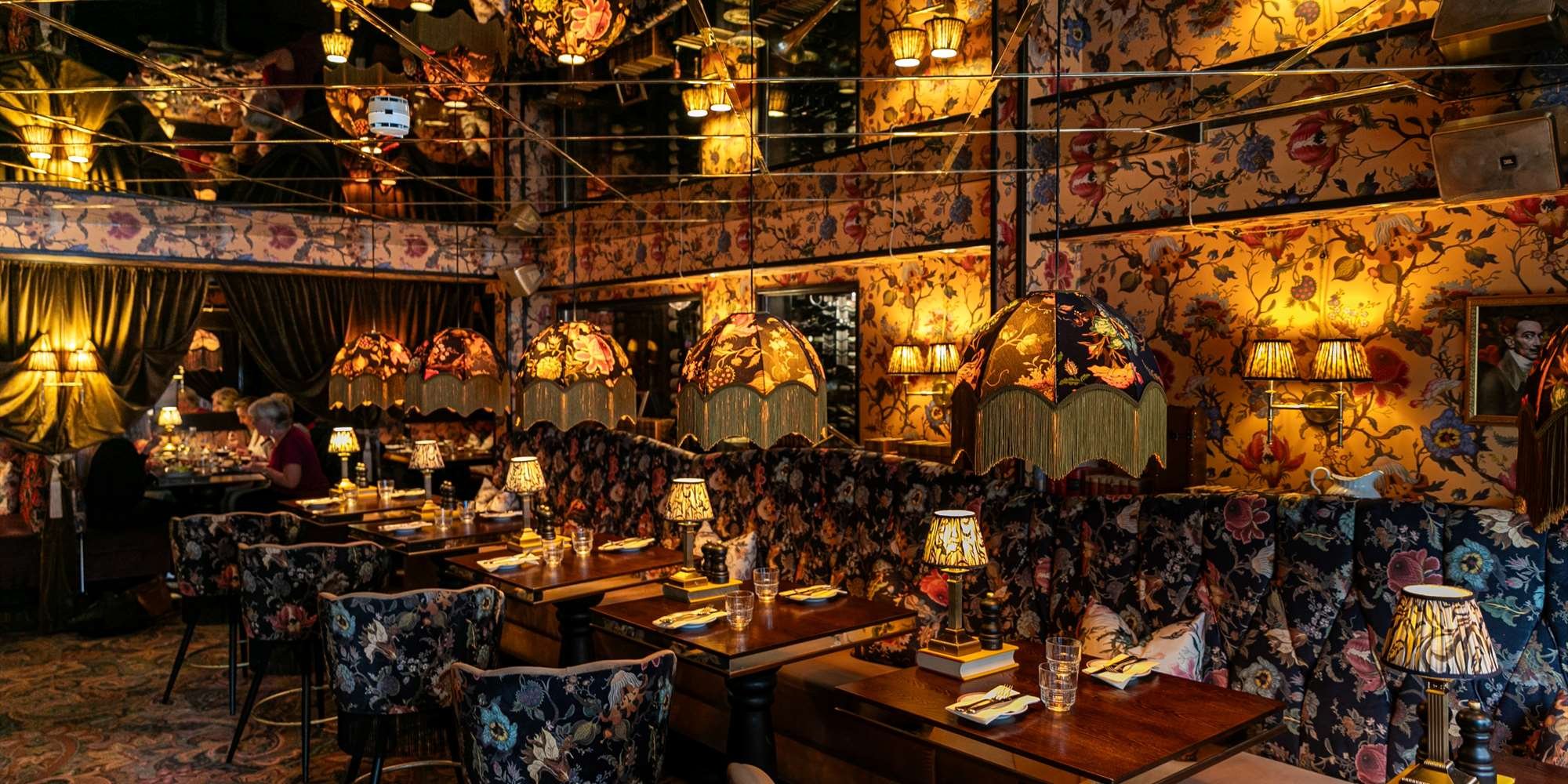
Skostredet and the Case for the Unhurried Meal
Brasserie Cherie is a restaurant in Bergen at Skostredet 12, with. Bergen's dining scene has organised itself into recognisable tiers. At one end sit the high-commitment tasting-menu counters: Lysverket and Gaptrast both occupy the €€€€ bracket, demanding advance planning, a full evening, and a willingness to cede the pace of dinner to the kitchen. At the other, more casual neighbourhood spots operate without much editorial attention. Brasserie Cherie at Skostredet 12 sits in the space between those poles, in a street that runs through one of Bergen's older residential quarters, where the architecture still reads as pre-war and the foot traffic belongs to people who actually live in the city rather than to tour itineraries.
That address matters for understanding what the brasserie format offers here. In French culinary tradition, the brasserie occupies a specific social role: not a grand restaurant, not a café, but a place where the meal has structure and unhurriedness without demanding that you surrender the whole evening to a fixed sequence. The ritual of a brasserie dinner, in its classical sense, is one of arrival, a drink at the table before food is discussed, a menu that rewards reading rather than just executing, and a pace set by the guest rather than by the kitchen's tasting arc. Whether Bergen's brasseries have fully absorbed that tradition or adapted it toward local habits is part of what makes this tier of the city's dining worth examining.
Where Brasserie Cherie Sits in Bergen's Dining Structure
Bergen is not Oslo in terms of dining density, but it has a more concentrated restaurant culture than its size might suggest, partly because it functions as the gateway city for western Norway's considerable food-tourism traffic. Visitors arriving before or after journeys to the fjords, or stopping en route to experiences like Glime Restaurant in Hardanger Fjord, tend to seek out restaurants that offer a sense of place without the commitment of a full tasting format.
The comparison set for a brasserie-positioned venue in Bergen is worth thinking through. Omakase by Sergey Pak operates at the opposite end of the ritual spectrum: a fixed counter experience, Japanese in structure, where every element of pacing is predetermined. Banzha and Allmuen Bistro occupy the more relaxed end of the register. The restaurant's name and address position it in a mid-formal register: table service, a degree of occasion, but without the locked-in format of the city's prestige rooms.
Nationally, the Norwegian restaurant conversation is dominated by destinations with Michelin recognition: Maaemo in Oslo, RE-NAA in Stavanger, and Speilsalen in Trondheim anchor the upper tier. Further afield, more destination-driven formats like Under in Lindesnes and MiraBelle by Ørjan Johannessen in Bekkjarvik operate where the journey is part of the proposition. The restaurant is none of those things, and that is precisely the point: Bergen needs restaurants where the ritual of dinner is the point, not the credentials of the kitchen.
The Ritual Question: How Bergen Eats at This Register
The brasserie dining ritual, as it functions across northern Europe, has always been slightly different from its French origin. Scandinavian eating culture tends toward directness: less ceremony around the table, less performance in service, a greater willingness to eat earlier and finish cleanly. Bergen specifically eats along those lines, with dinner services that tend to fill between 18:00 and 20:00 and thin out after that in ways that a Paris brasserie would not recognise.
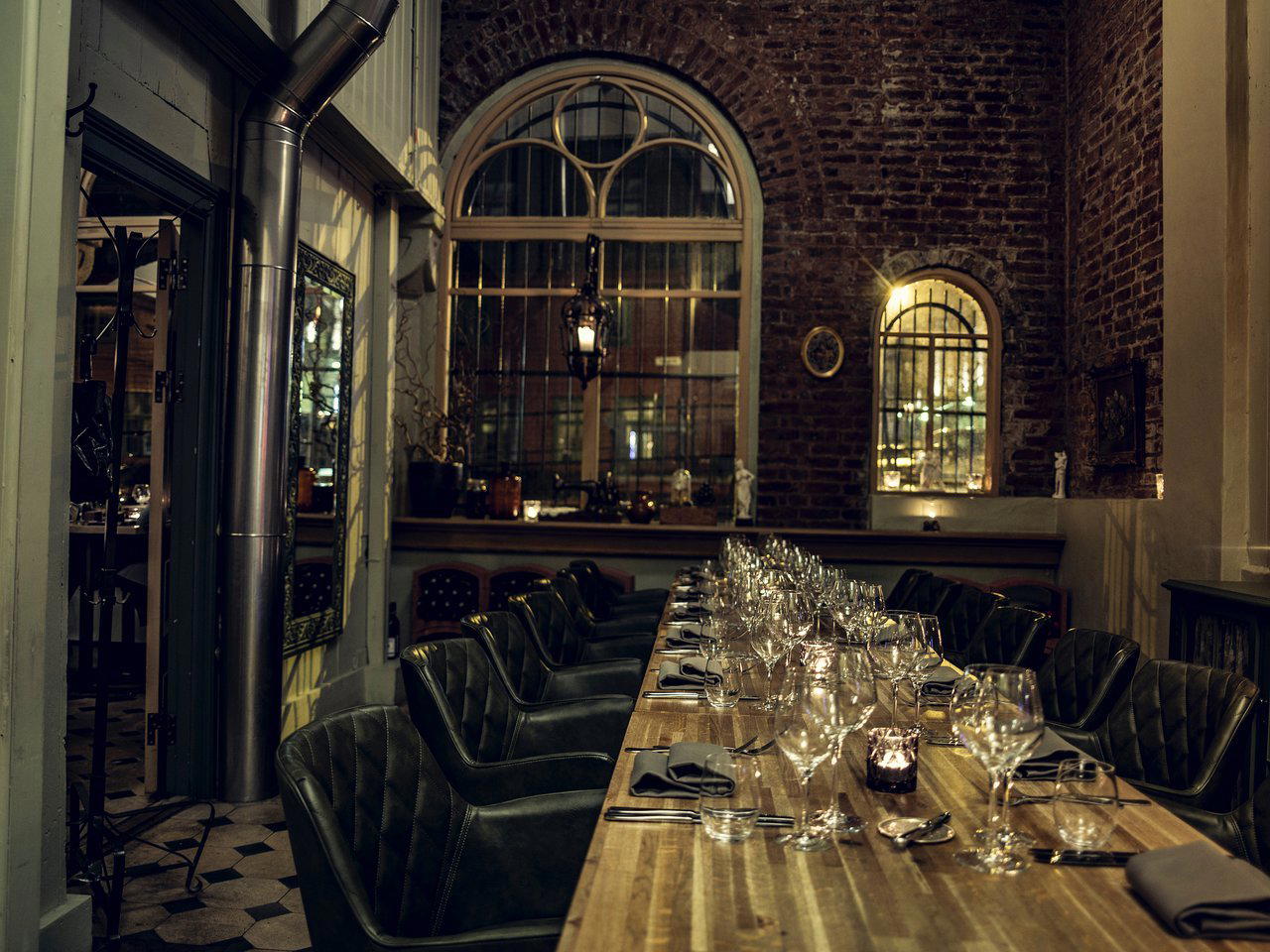
For a venue like Brasserie Cherie, that local rhythm has implications. The pacing ritual that defines the brasserie format in theory, the long second act of the meal after the main course, the cheese or dessert stretch, the coffee that runs long, is compressed by local habit. What that leaves is a version of the format where arrival and ordering carry more weight than extended lingering, and where the character of the room matters as much as the length of the meal. Skostredet's street-level setting, on a lane that predates Bergen's modern tourist infrastructure, provides a physical context that a restaurant in a hotel lobby or a converted warehouse cannot replicate.
For comparison at the global level of the brasserie-adjacent tradition, operations like Le Bernardin in New York City or the communal-dinner format of Lazy Bear in San Francisco show how differently the concept of a shared meal ritual can be interpreted across cultures and price points. Bergen's version, at this address, operates closest to the European mid-register tradition: occasion without theatre.
Planning a Visit: What to Know Before You Go
Skostredet 12 sits within walking distance of Bergen's city centre, making it accessible from most central accommodation without requiring transport. Bergen's restaurant culture runs toward earlier dinner times, and mid-week tables at brasserie-format restaurants in the city tend to be more available than weekend slots, when both local and visitor traffic concentrates. Checking current availability directly before planning an evening around it is advisable.
Those extending further into western Norway will find additional reference points at Buer Restaurant in Odda, Vianvang in Vågå, and Restaurant 1893 in Stokmarknes. For something further afield in Norway's broader dining network, Lily Country Club in Kløfta represents a different kind of destination proposition entirely.
Cuisine Context
Comparable venues nearby, for context on price, style, and recognition.
| Venue | Cuisine | Price | Notes |
|---|---|---|---|
| Brasserie CherieThis venue — the venue you are viewing | Classic French Brasserie with Norwegian Influences | $$$ | Not listed |
| BARK Mat | Modern Nordic Fine Dining | $$$ | Bergen sentrum |
| Allmuen Bistro | Norwegian Seafood Bistro | $$$ | Sentrum |
| Restaurant 1877 | Dining | Not listed | Bergen |
| BARE Restaurant | Modern Norwegian-Japanese Fusion | $$$$ | Vågen |
| Enhjørningen | Traditional Norwegian Seafood | $$$ | Vågen |
At a Glance
- Elegant
- Classic
- Cozy
- Sophisticated
- Date Night
- Business Dinner
- Celebration
- Brunch
- Private Dining
- Hotel Restaurant
- Extensive Wine List
- Local Sourcing
Current opening hours
- Monday
- 6:30 AM–10 PM
- Tuesday
- 6:30 AM–10 PM
- Wednesday
- 6:30 AM–10 PM
- Thursday
- 6:30 AM–10 PM
- Friday
- 6:30 AM–10 PM
- Saturday
- 7:30 AM–10 PM
- Sunday
- 7:30 AM–10 PM
Hours can change for holidays and private events. Last verified .
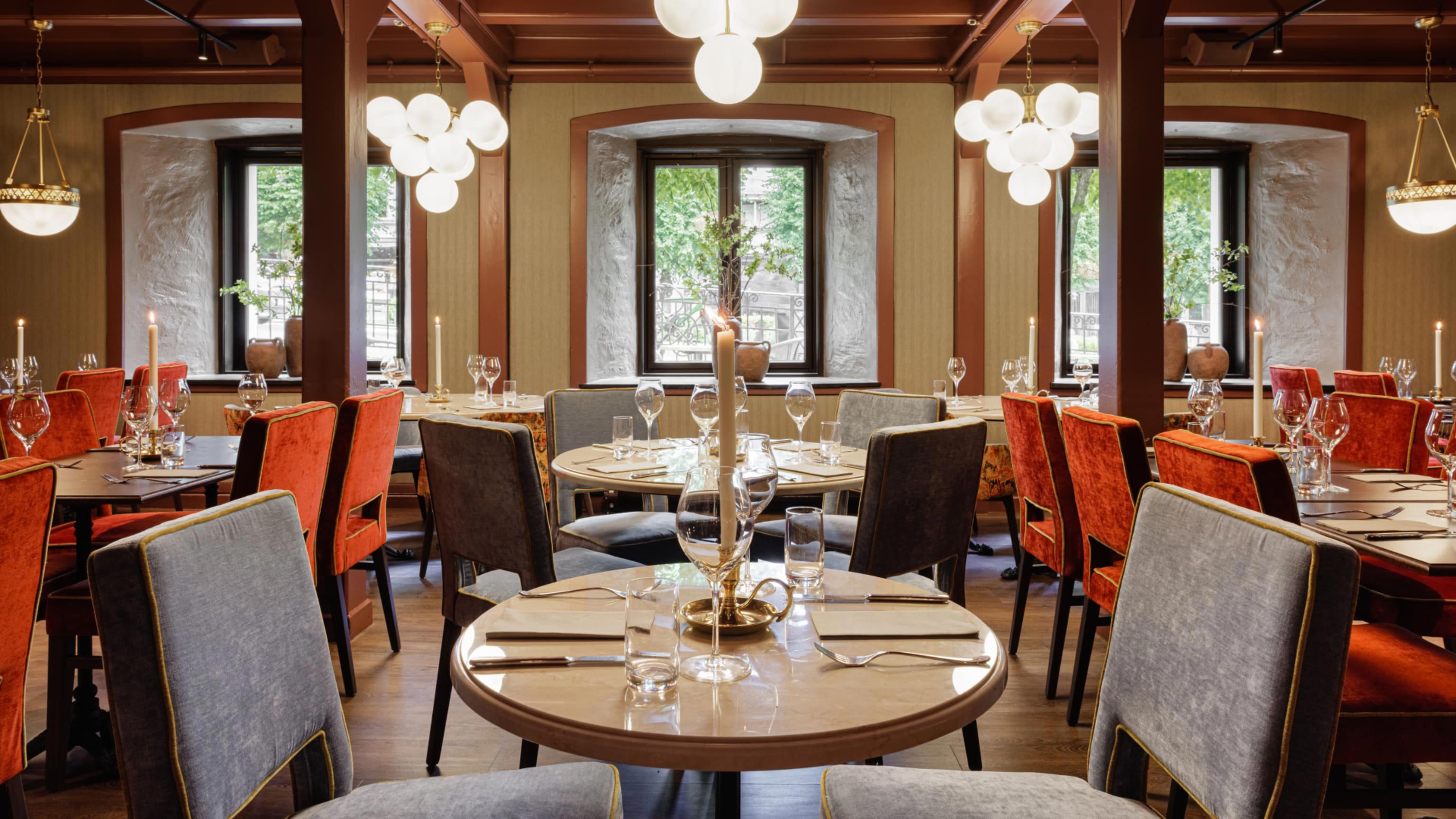
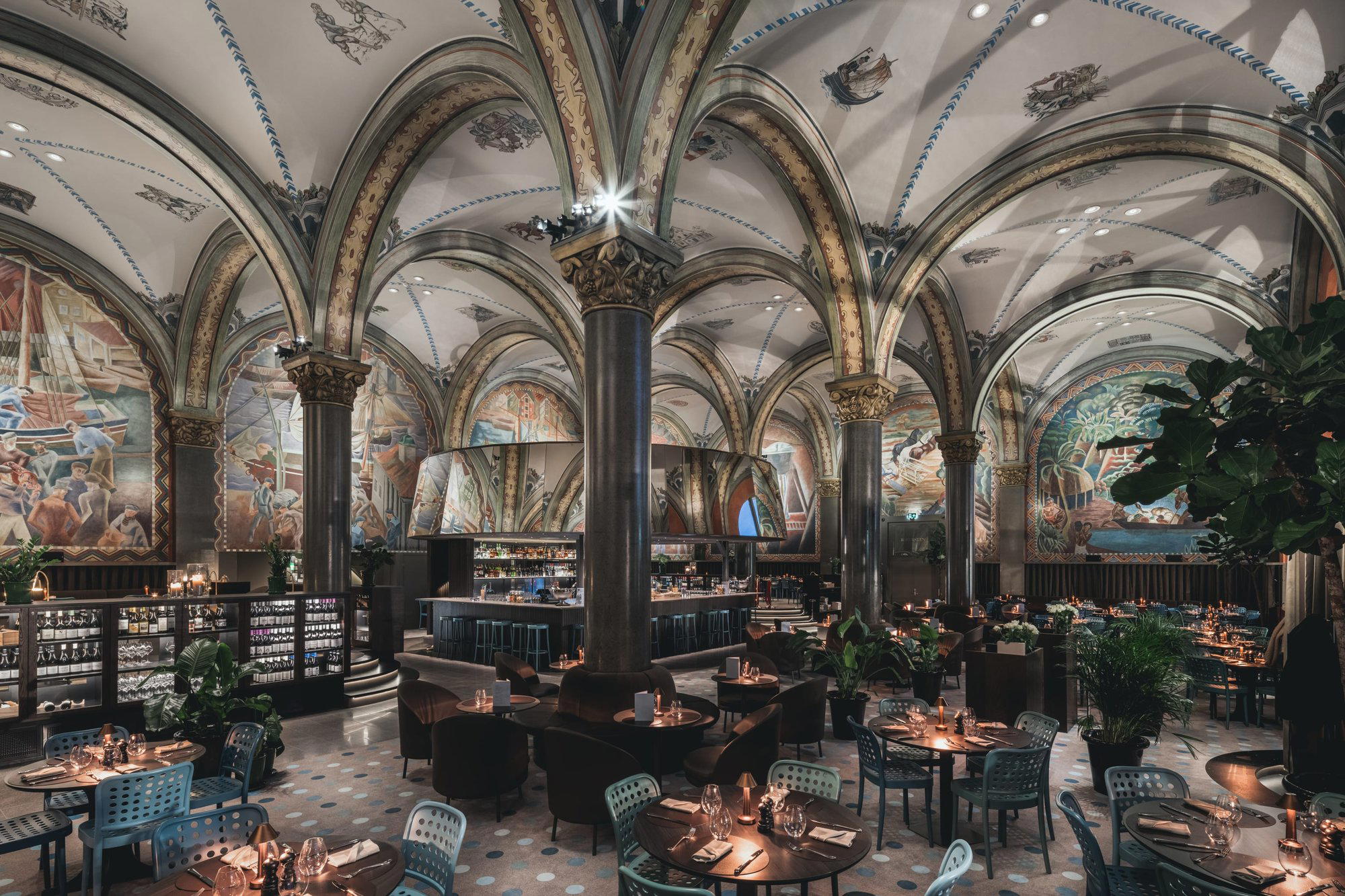
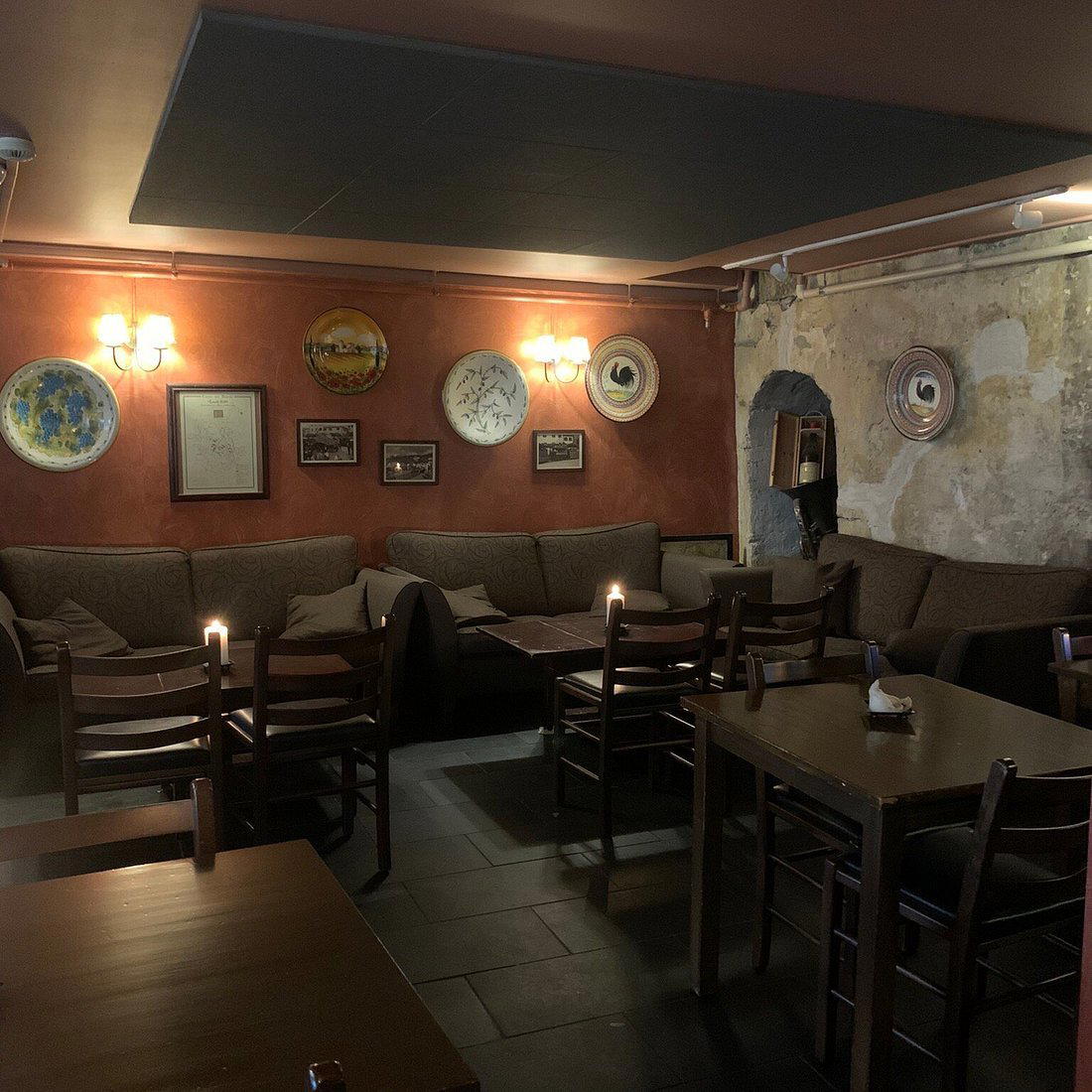
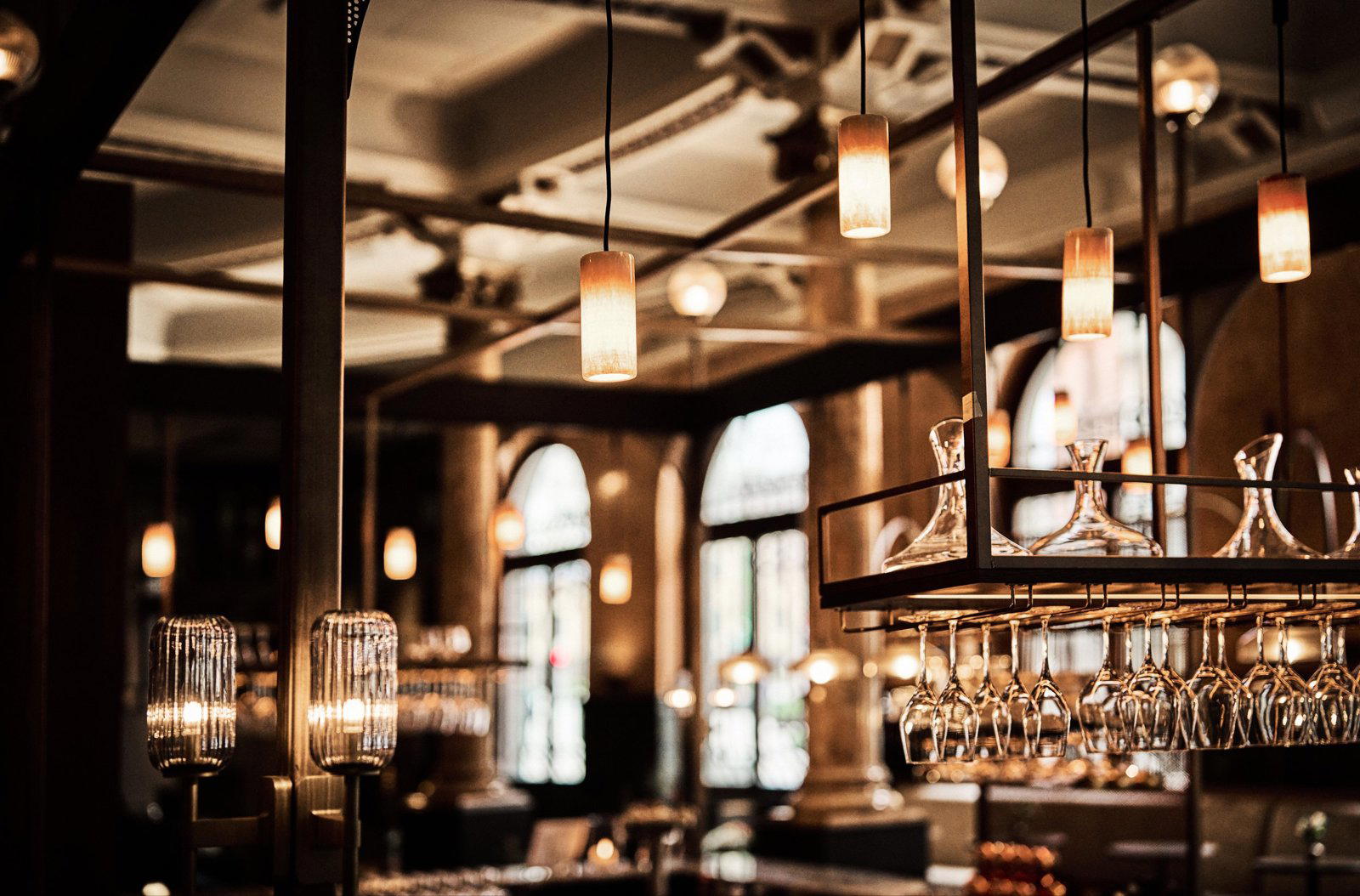
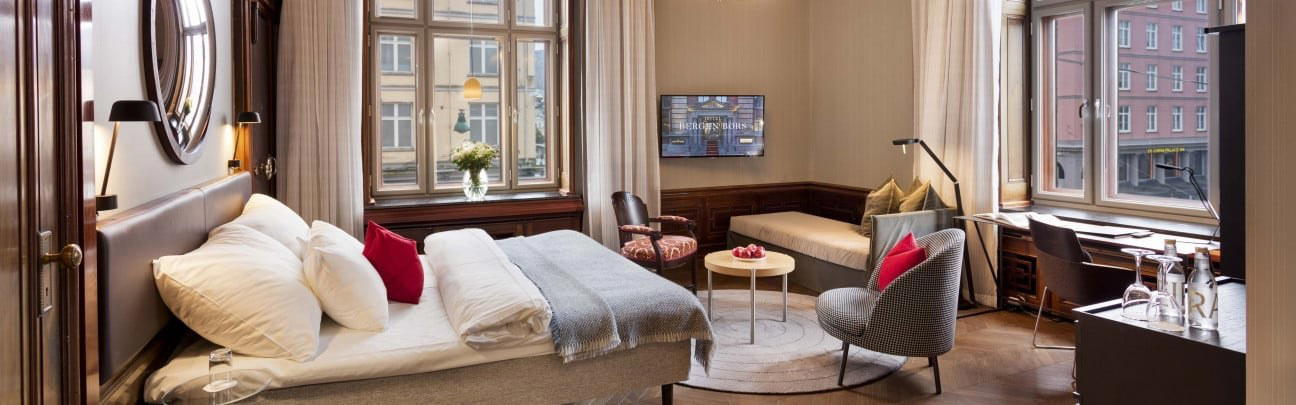
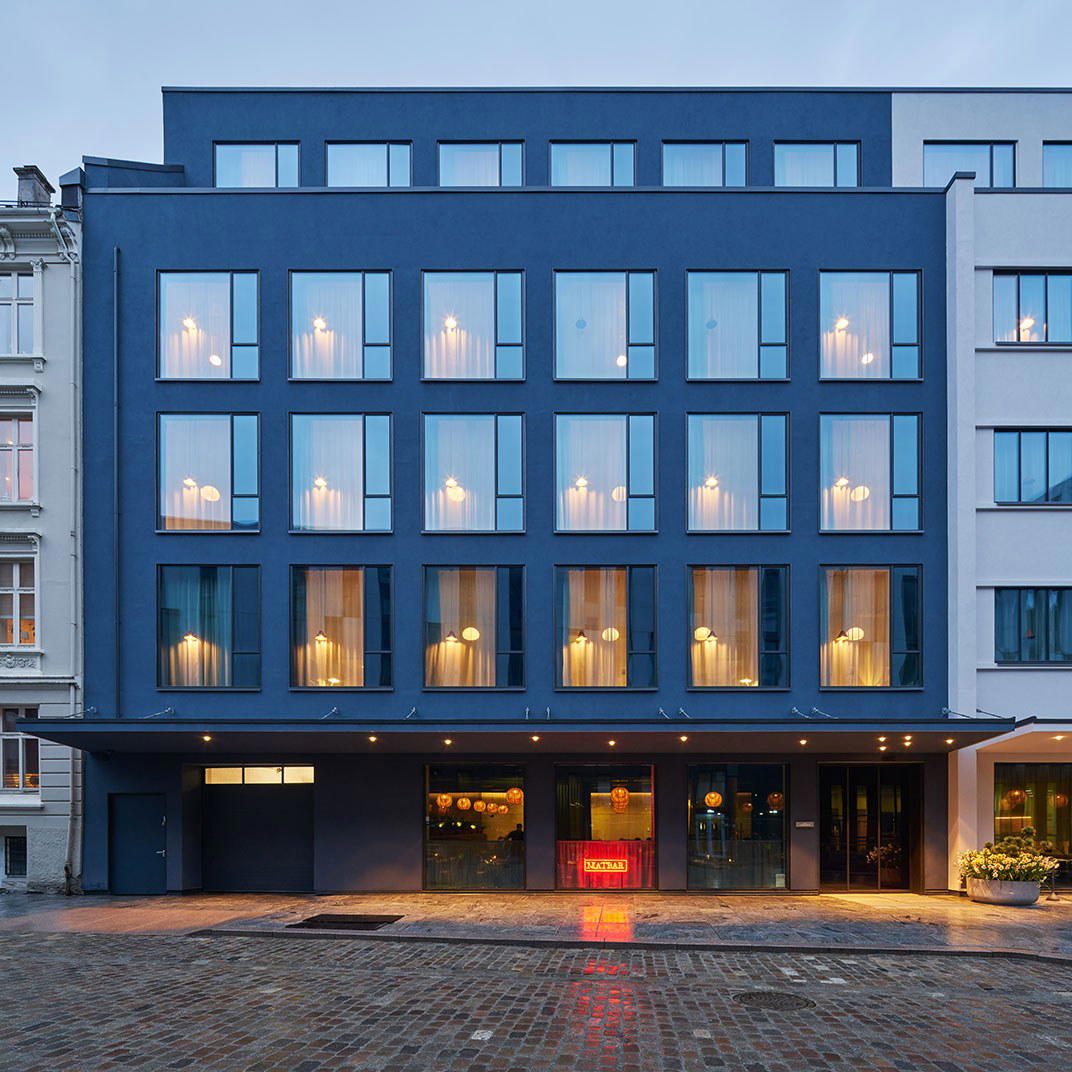
Belle Epoque Parisian style with floral wallpaper, green backgrounds, soft table lighting, and antique details creating an elegant, atmospheric setting.