

Bergen's most discussed Japanese restaurant, BARE sits on Torgallmenningen with an Opinionated About Dining Top Restaurants in Europe ranking and a four-evening-per-week format that signals deliberate restraint. Chef Vladimir Pak's kitchen operates within a kaiseki-influenced tradition that has earned consecutive OAD recognition since 2023. For a city building genuine depth in Japanese dining, BARE is the reference point.
Pearl is the En Primeur Club membership app — saves, bookings, and concierge access live there. Same editors, same standards.
- Address
- Torgallmenningen 2, 5014 Bergen, Norway
- Phone
- +47 55 21 25 50
- Website
- debergenske.no
- Directions
- Get directions
 Saves & bookings on Pearl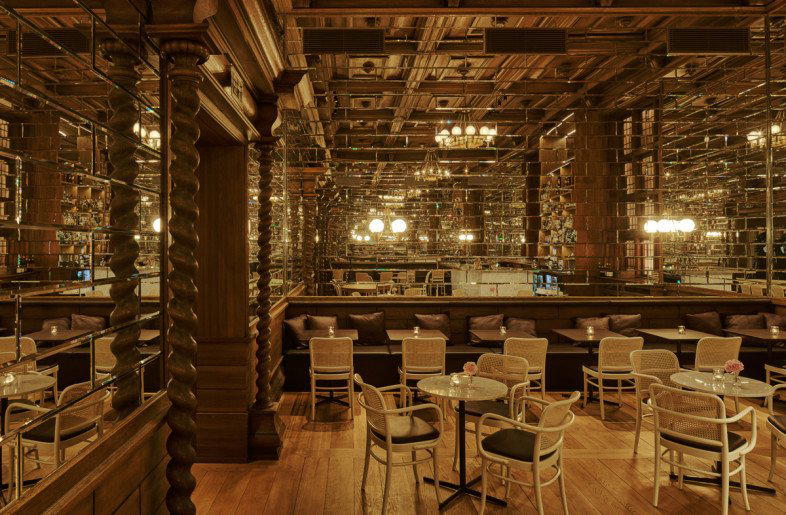
A Counter in the North
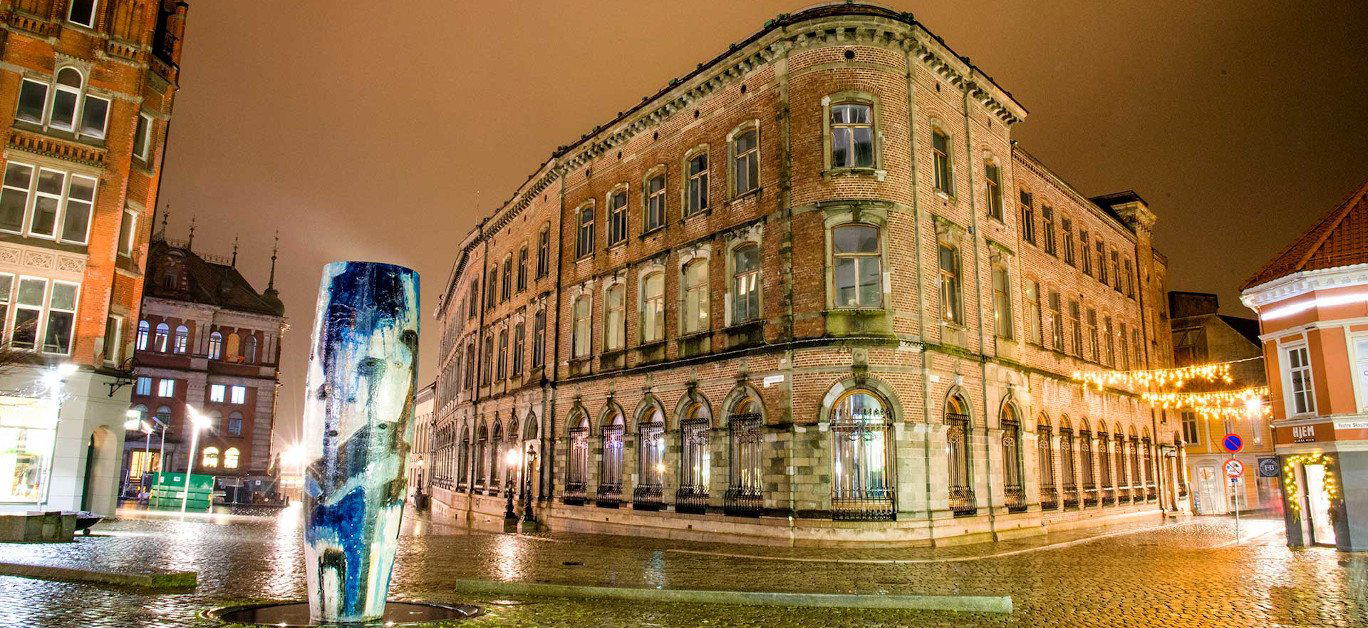
Torgallmenningen, Bergen's central square, is the kind of address that moves foot traffic rather than concentrating it. Most diners pass through rather than stop. BARE Restaurant occupies this civic centre without performing for it. That compressed schedule is a deliberate signal: the kitchen is not in the business of volume.
Approaching from the square, the contrast between Bergen's Hanseatic stone facades and the precision of what happens inside is part of the experience. The city's relationship with Japanese cuisine is newer than its relationship with fish, but it has developed faster than most Norwegian cities outside Oslo. BARE sits at the more considered end of that development, alongside Omakase by Sergey Pak and the casual register of Izakaya Skostredet, forming a small but genuinely differentiated Japanese dining tier in a city better known for New Nordic ambition.
Kaiseki Logic in a Norwegian Context
The kaiseki tradition, sequential courses built around seasonal rhythm, technical restraint, and deliberate progression, has become a structuring principle for serious Japanese restaurants operating outside Japan. The format demands that each course justify its place in a sequence rather than simply deliver satisfaction as a standalone dish. Timing, temperature, texture contrast, and the relationship between courses carry as much weight as any individual ingredient.
BARE works within this tradition in a context that offers unusual raw material. Western Norway's coastline produces fish and shellfish at a quality that Japanese culinary logic handles particularly well: the same precision-over-excess philosophy that governs kaiseki applies equally to the treatment of cold-water species. What emerges is a kitchen positioned at a genuine intersection, not a fusion exercise in the marketing sense, but a case of two culinary traditions that share certain foundational values meeting on compatible ground. For a broader comparison of how Japanese multi-course formats are executed at the highest level, Myojaku in Tokyo and Azabu Kadowaki in Tokyo provide useful reference points for the form at its source.
Chef Vladimir Pak leads the kitchen. Within the kaiseki framework, the chef's role is less to impose personality and more to orchestrate, reading what the season offers, calibrating the arc of a meal, deciding when restraint serves better than elaboration. That the restaurant has drawn OAD attention since 2023, with ranked placements in 2024 and 2025, suggests a kitchen that established itself quickly.
Where BARE Sits in Bergen's Dining Order
Bergen's upper-tier restaurant scene has been shaped primarily by Nordic and modern European ambition. Lysverket and Gaptrast both hold Michelin stars and represent the New Nordic and modern cuisine traditions that have defined the city's fine dining reputation. Moon covers the French register at a more accessible price point.
BARE occupies a different position. It does not compete with Lysverket or Gaptrast on Nordic identity; it operates in a Japanese culinary tradition that those kitchens do not address. Within that Japanese tier, Omakase by Sergey Pak represents the premium anchor. BARE's OAD rankings place it in a peer conversation that extends across Europe, not just Bergen, which is a different kind of recognition than city-level Michelin assessment. OAD rankings reflect the votes of serious diners and industry professionals who track restaurants across multiple cities; consecutive appearances in that list signal a level of attention that goes beyond local reputation.
Norway's broader fine dining map includes reference points that help locate BARE's ambition: Maaemo in Oslo, RE-NAA in Stavanger, FAGN in Trondheim, Iris in Rosendal, Under in Lindesnes, and Boen Gård in Tveit together define Norway's serious restaurant geography. Within that map, Bergen's Japanese tier is an anomaly worth noting: a mid-sized city with genuine depth in a cuisine tradition far removed from its Nordic roots.
Planning the Visit
BARE operates Wednesday through Saturday, 6 to 12 am, with Monday, Tuesday, and Sunday dark. The address is Torgallmenningen 2, 5014 Bergen.
Side-by-Side Snapshot
Comparable venues nearby, for context on price, style, and recognition.
| Venue | Cuisine | Price | Notes |
|---|---|---|---|
| BARE RestaurantThis venue — the venue you are viewing | Modern Norwegian-Japanese Fusion | $$$$ | Not listed |
| Banzha | Authentic Yunnan Chinese | $$$ | Heart of Bergen |
| Restaurant 1877 | Dining | Not listed | Bergen |
| Villani Skostredet - Osteria & Trattoria | Authentic Italian Trattoria & Pizzeria | $$$ | Vågen |
| Marg og Bein | Modern Norwegian Nose-to-Tail | $$$ | Sentrum |
| Fjellskål | Norwegian Seafood | $$$ | Vågen |
Recognition history
Dated appearances from independent guides and award organizations, with the underlying list record or original source where available.
Opinionated About Dining Top Restaurants in Europe Recommended
Opinionated About Dining
White Guide Nordic Restaurants - Very Fine Level
White Guide
Opinionated About Dining Top Restaurants in Europe Ranked #347
Opinionated About Dining
Opinionated About Dining Top Restaurants in Europe Ranked #310
Opinionated About Dining
Opinionated About Dining Top New Restaurants in Europe Recommended
Opinionated About Dining
At a Glance
- Elegant
- Sophisticated
- Modern
- Date Night
- Special Occasion
- Hotel Restaurant
- Extensive Wine List
- Local Sourcing
Current opening hours
- Monday
- Closed
- Tuesday
- Closed
- Wednesday
- Closed
- Thursday
- 6 PM–12 AM
- Friday
- 6 PM–12 AM
- Saturday
- 6 PM–12 AM
- Sunday
- Closed
Hours can change for holidays and private events. Last verified .
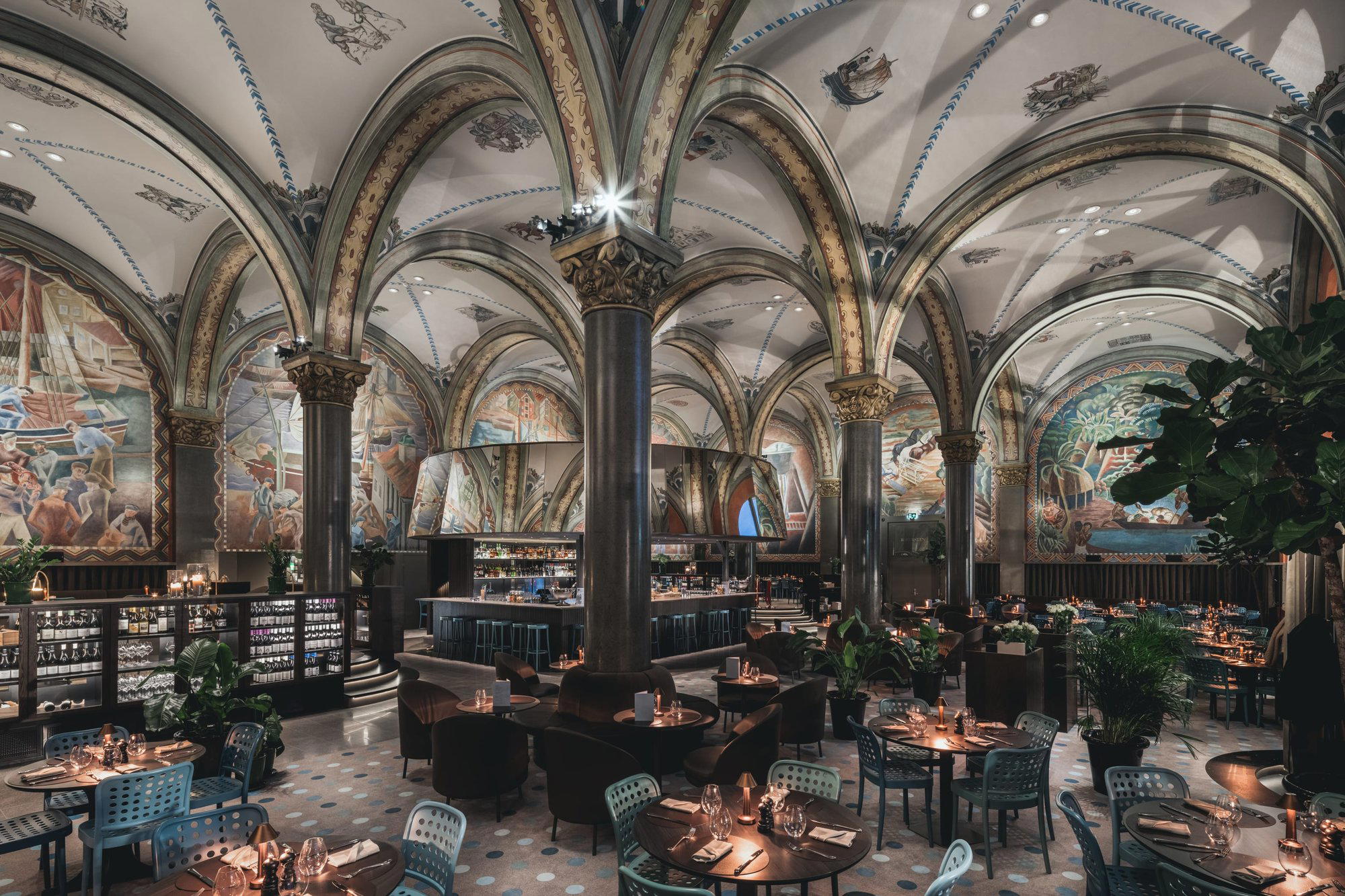
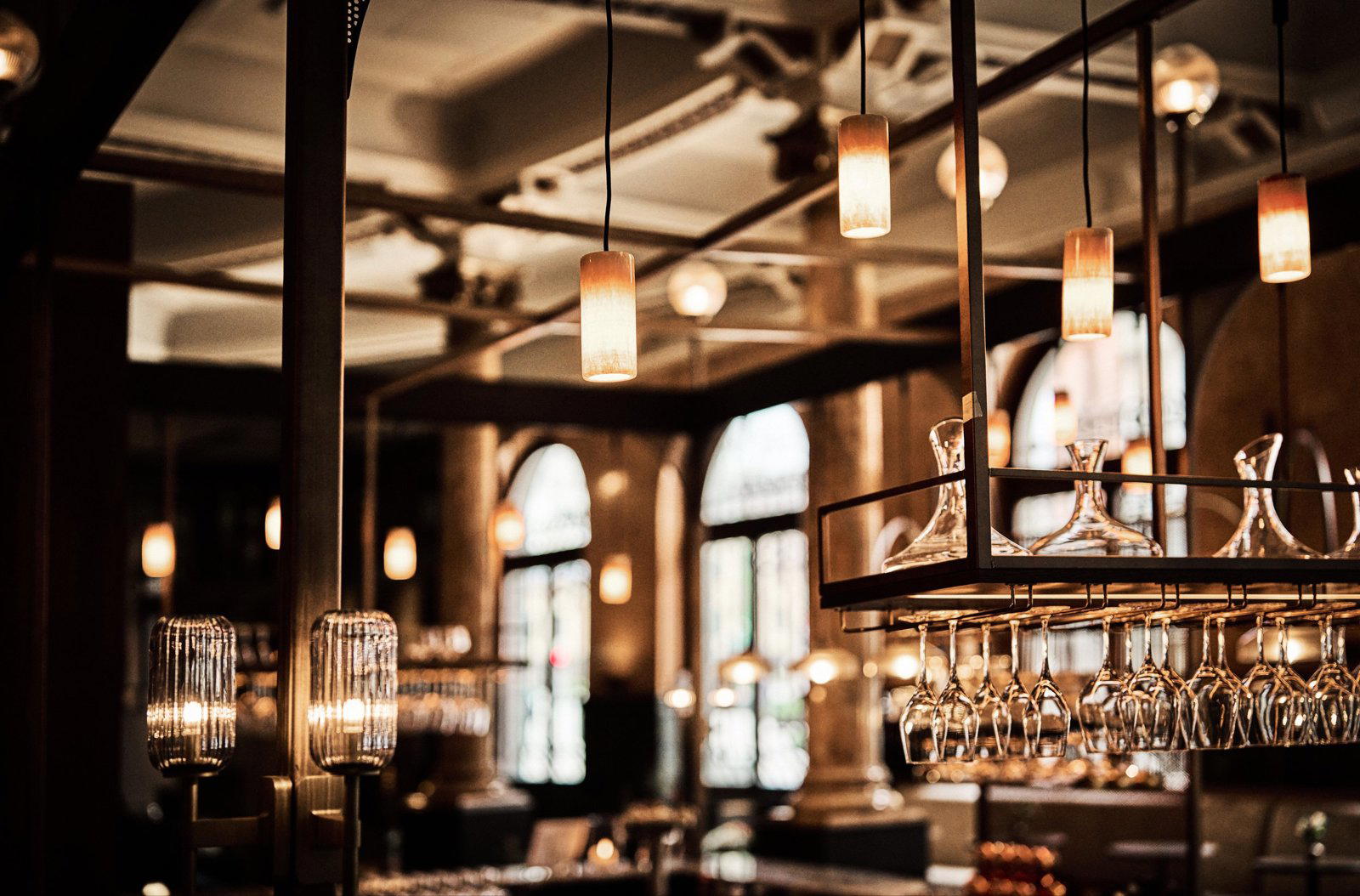
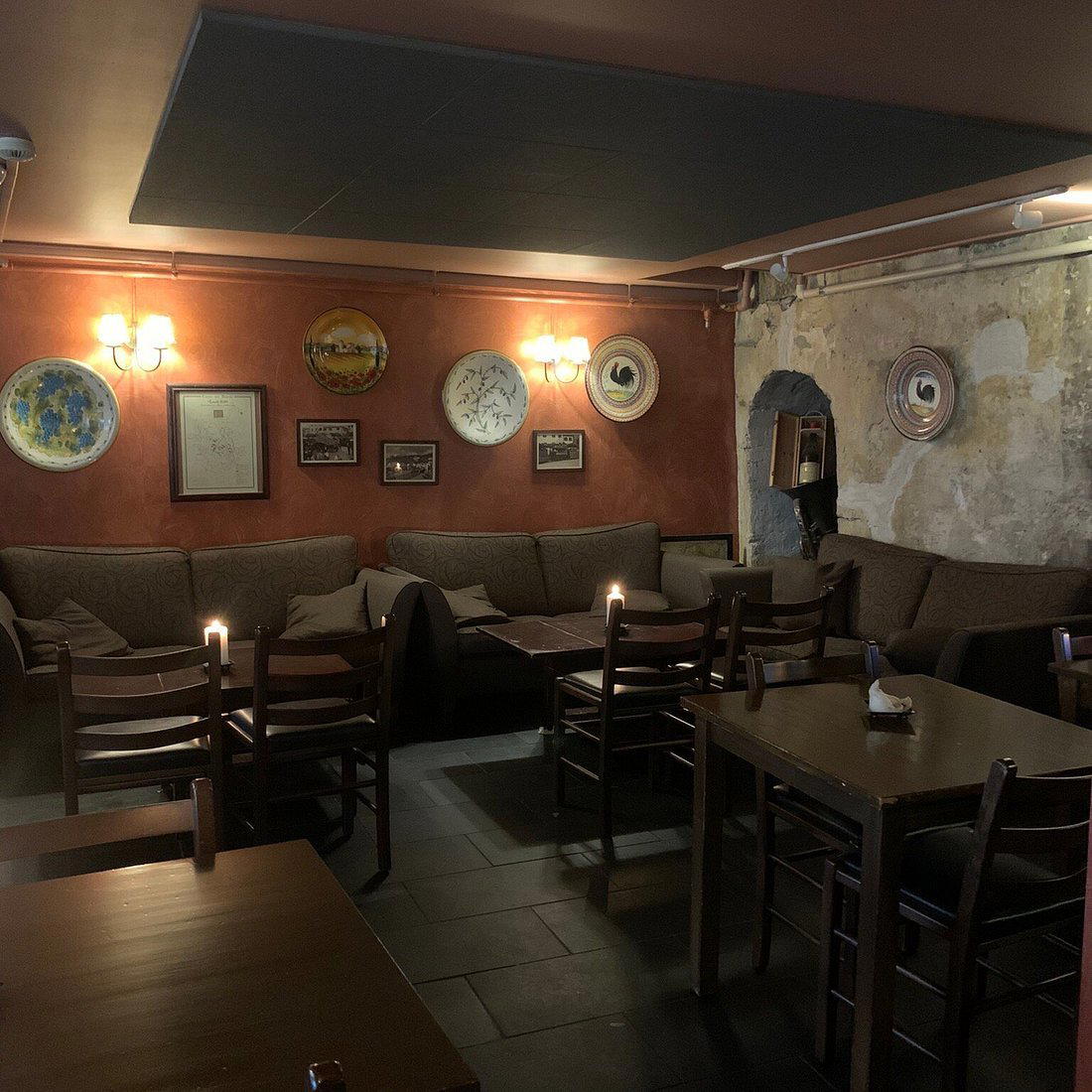
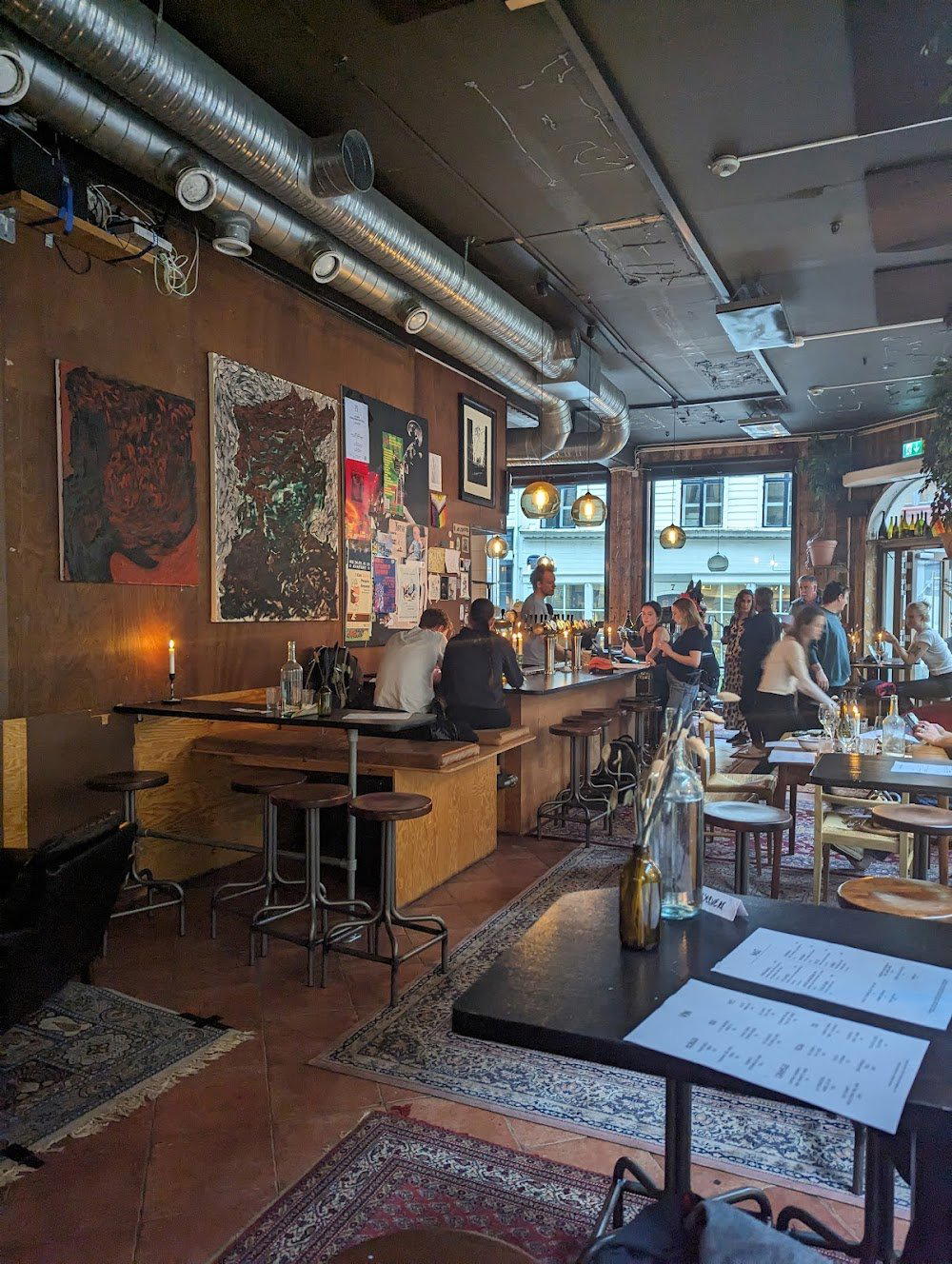
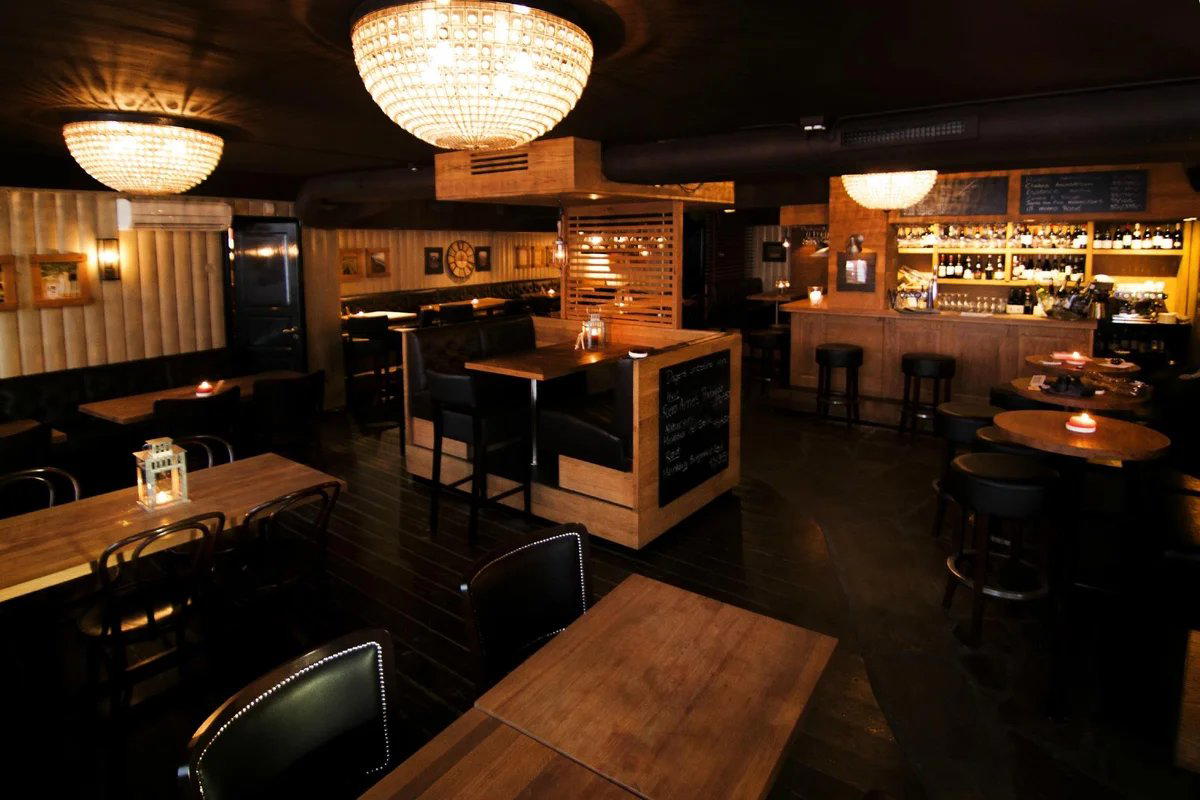
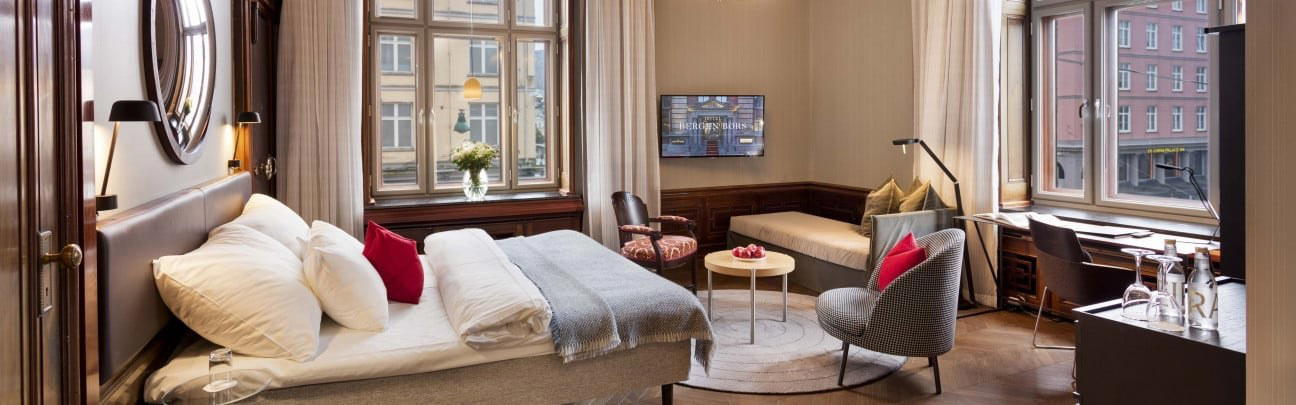
Sophisticated and elegant with beautiful decor in the old chamber of commerce hall, blending contemporary design and cozy elements.