The Ritz-Carlton New York, NoMad





.png)
NoMad occupies one of New York City's most architecturally charged addresses, where the Flatiron District meets the avenue that gave the neighbourhood its name. Booking windows and format details are best confirmed directly with the property.
Pearl is the En Primeur Club membership app — saves, bookings, and concierge access live there. Same editors, same standards.
- Address
- 25 West 28th Street, New York, NY 10001
- Website
- ritzcarlton.com
- Directions
- Get directions
 Saves & bookings on Pearl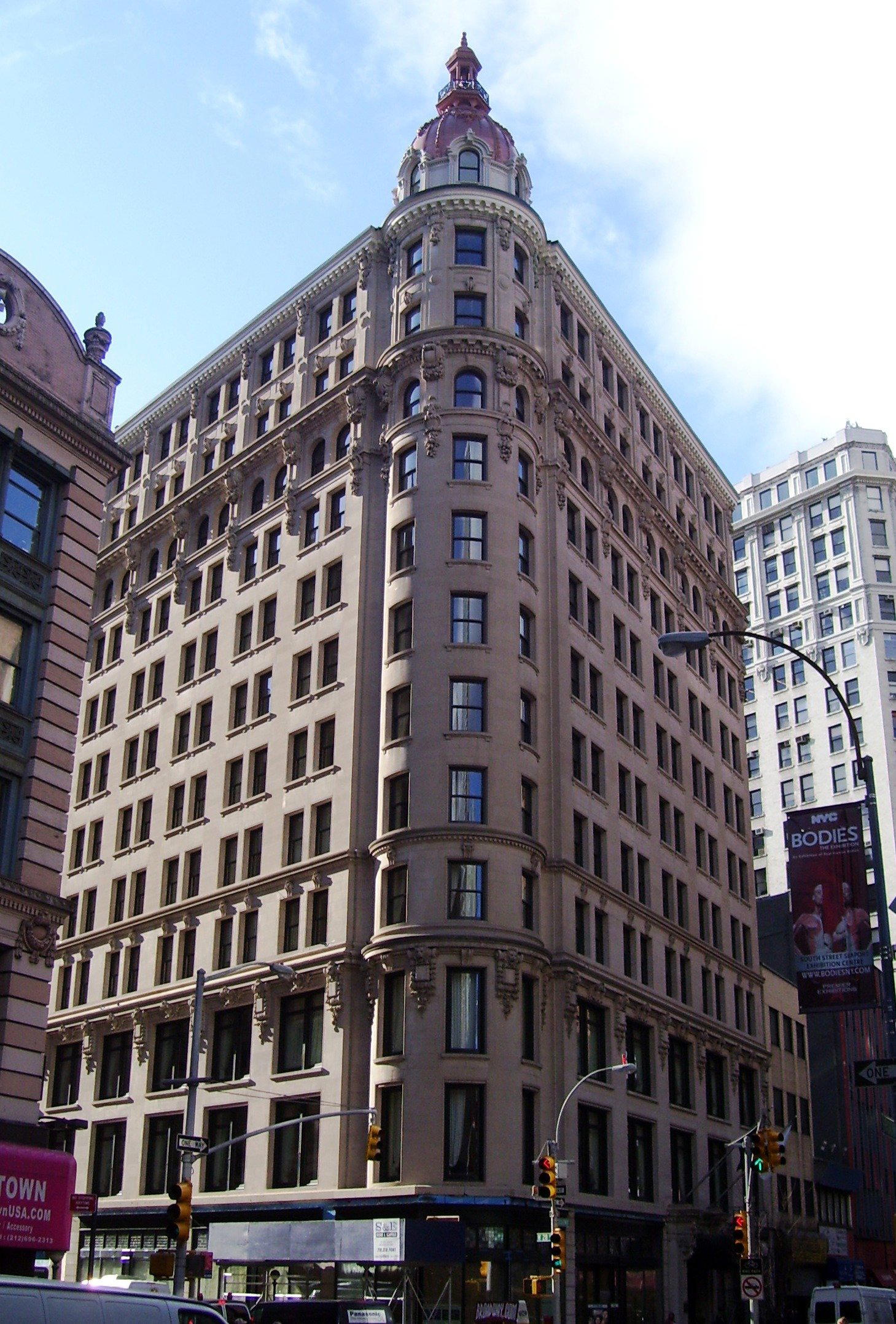
Where Flatiron Ambition Meets the Table
The stretch of Broadway between 25th and 30th Streets has, over the past decade and a half, become one of the more quietly contested corridors in New York hospitality. The neighbourhood once associated with wholesale flower merchants and sample sales has repositioned itself as a destination for design-forward hotels that take their food programs as seriously as their architecture. NoMad sits within that shift, occupying a landmarked building whose bones predate the current conversation about what a Manhattan hotel should do with its ground floor.
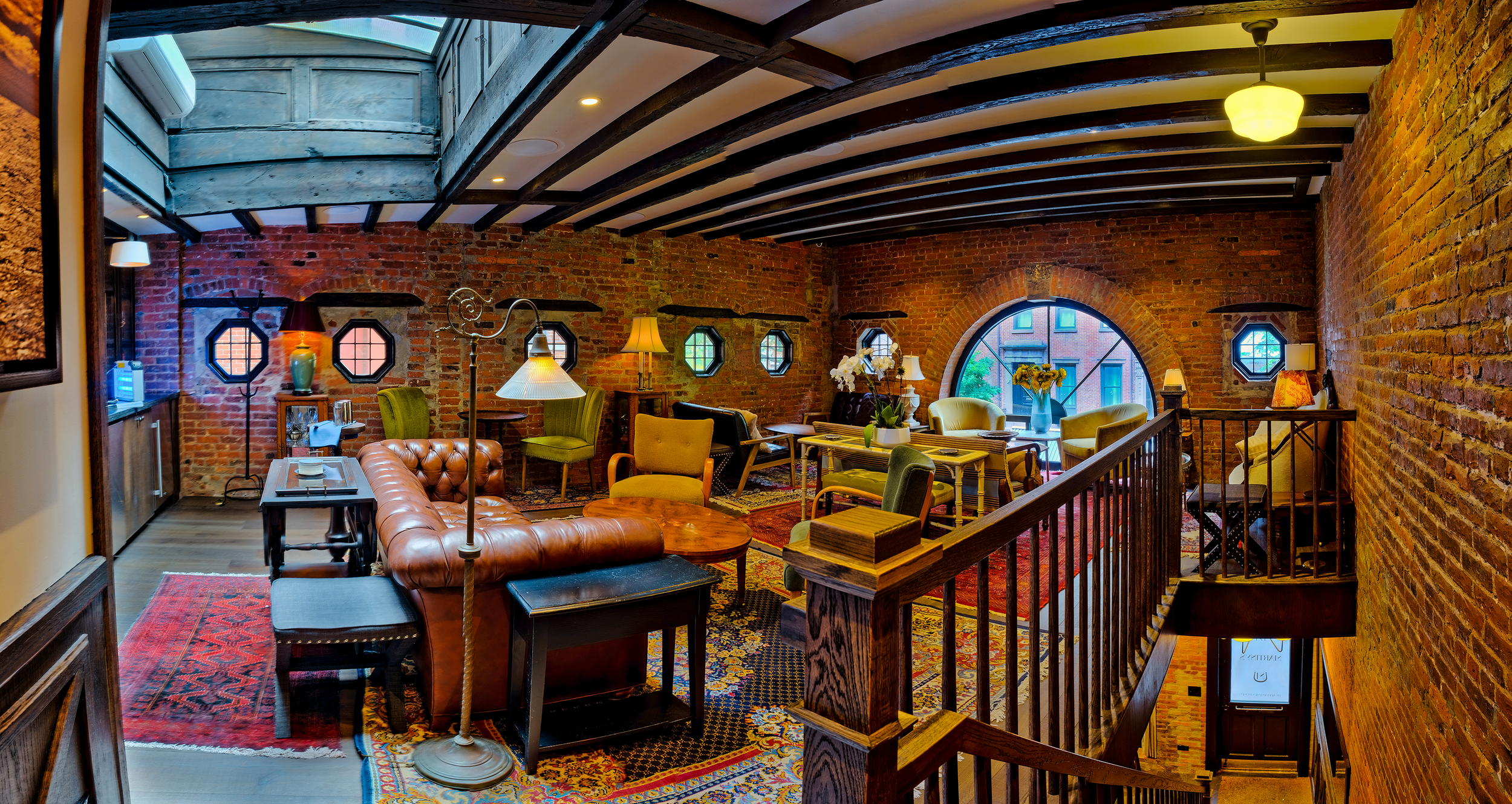
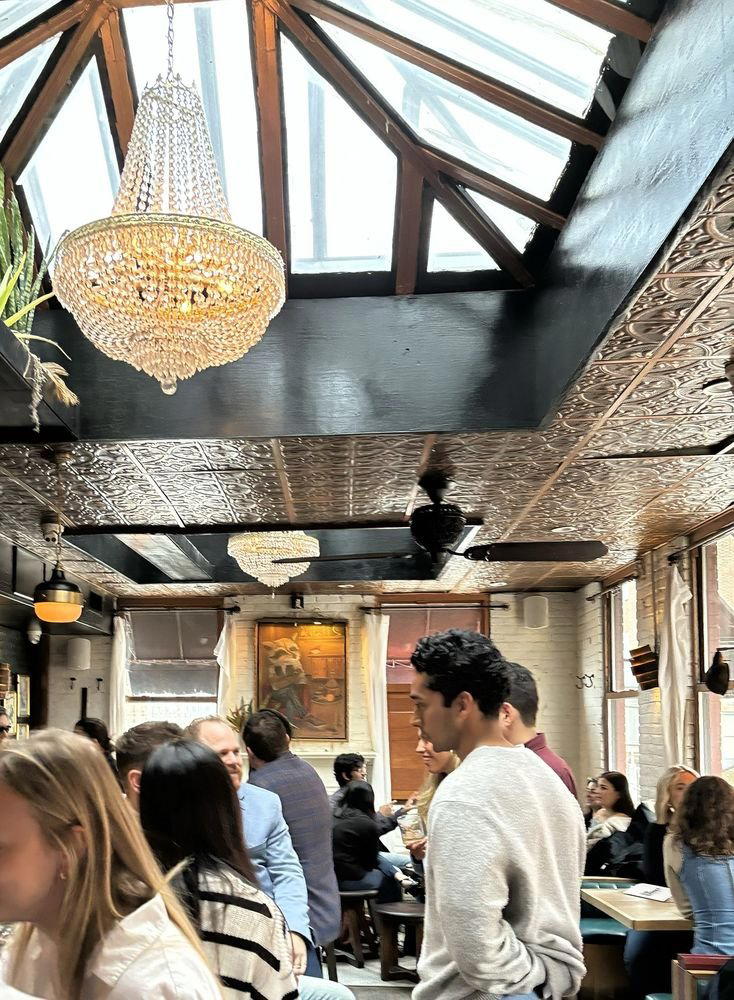
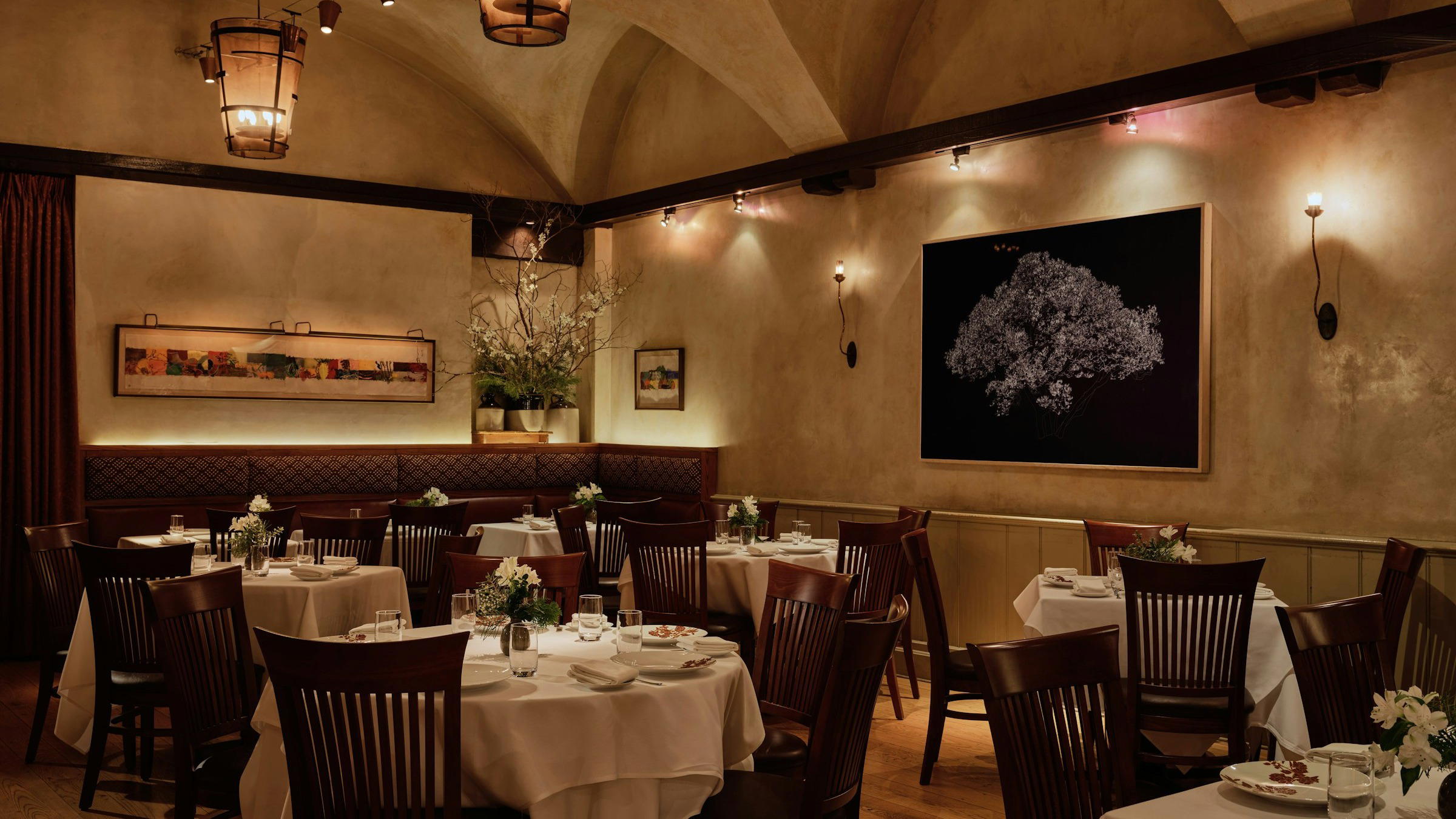
Arrival here involves a specific kind of atmosphere that the neighbourhood has cultivated: not the declarative grandeur of Midtown, not the studied casualness of the Lower East Side, but something between civic formality and lived-in warmth. The building's period detail, retained and worked with rather than erased, sets a tone that the dining spaces carry forward. In New York, where hotel restaurants have historically oscillated between captured-audience convenience and over-engineered destination theatre, the approach here leans toward a third model: the kind of room where the architecture does the persuading and the food is expected to hold its own against that setting.
The NoMad Neighbourhood: A Dining District in Transition
Understanding NoMad the hotel requires understanding NoMad the neighbourhood, which is still settling into its identity. The district takes its name from the acronym for North of Madison Square Park, and the park itself remains one of the more civilised outdoor spaces in Manhattan, a useful reference point for orienting the area's character. The dining density here is lower than in the West Village or the East Village, but the average quality of what has opened in the past five years skews toward considered, mid-to-upper-tier operations that tend to draw local regulars rather than tourist traffic.
That context matters for how a hotel restaurant in this postcode functions. Unlike properties in Times Square or around Grand Central, where the transient guest population can sustain a dining room indefinitely, a hotel in NoMad either builds a neighbourhood following or operates primarily as an amenity. The better properties, including this one, have historically pursued the former. New York's broader pattern of hotel dining has moved in this direction: the era when a hotel restaurant's address was its main credential has given way to programs that require the kitchen to justify its own existence.
For other design-forward hotel options across Manhattan, The Fifth Avenue Hotel and Aman New York represent different points on the same spectrum of architectural seriousness, while Casa Cipriani New York and Crosby Street Hotel demonstrate how SoHo and Lower Manhattan have developed their own distinct hotel-dining registers. Uptown, The Carlyle, A Rosewood Hotel and The Mark anchor an older model of hotel excellence, while The Whitby Hotel and The Greenwich Hotel each demonstrate how a smaller key count and a specific design point of view can define a property's character more clearly than scale ever could.
Local Ingredients, Global Technique: The Framework That Defines the Category
The editorial angle that runs through the most credible hotel dining programs in New York is the tension between imported culinary method and locally sourced material. This is not a new argument — the farm-to-table framing has been present in American restaurant culture since at least the early 2000s — but it has evolved from a marketing position into something closer to a structural commitment. The kitchens that take it seriously now operate relationships with specific producers in the Hudson Valley, on Long Island's East End, and across the wider Northeast, and those relationships shape what appears on the menu seasonally rather than nominally.
NoMad, in its original restaurant configuration, worked within a framework that brought classical French technique to American ingredients, a pairing that has produced some of New York's more interesting dining over the past two decades. The broader category of European-trained chefs working with regional American produce has generated a particular kind of cooking: technically precise, often restrained in flavour, and reliant on the quality of the base ingredient in a way that less disciplined kitchens can avoid. When the ingredient is strong, the approach rewards it. When the sourcing lapses, the technique cannot hide it. It is a high-accountability model, and the leading versions of it in New York have earned their reputations accordingly.
Properties like SingleThread Farm Inn in Healdsburg have taken the local-ingredient principle to its furthest point, operating an on-site farm as a direct supply chain for the kitchen. Troutbeck in Amenia applies a similar logic in the Hudson Valley. Both illustrate how the intersection of agriculture and technique has become a defining credential in premium American hospitality, extending well beyond New York.
Planning Your Visit
NoMad sits in the Flatiron District, accessible from multiple subway lines converging around 23rd Street, with the N, R, W, and 6 trains all within reasonable walking distance of the property. For guests arriving from outside the city, Penn Station is approximately fifteen minutes on foot and Madison Square Garden is nearby, which affects local hotel pricing during major events. Prospective guests should confirm current dining formats, booking requirements, and hours directly with the property, as operational details have evolved since the original restaurant's run and the building has passed through subsequent hospitality configurations. For a fuller picture of where NoMad fits within the city's broader dining and hotel scene, our full New York City restaurants guide maps the current landscape by neighbourhood and category.
Travellers who move between premium American properties will find useful comparison points at Auberge du Soleil in Napa, Post Ranch Inn in Big Sur, and Four Seasons at The Surf Club in Surfside, each of which represents a different iteration of the same premium American hospitality conversation. Further afield, Amangiri in Canyon Point, Hotel Bel-Air in Los Angeles, Raffles Boston, Canyon Ranch Tucson, Kona Village, A Rosewood Resort in Kailua Kona, Little Palm Island Resort & Spa in Little Torch Key, Sage Lodge in Pray, and 1 Hotel San Francisco round out a picture of how American properties at this tier are defining their identities through place, produce, and design. For international context, Aman Venice, Badrutt's Palace Hotel in St. Moritz, and Bvlgari Hotel Tokyo show how different cities resolve the same tension between setting, technique, and local material.
Price and Recognition
A small set of peers for context, based on recorded venue fields.
| Venue | Awards |
|---|---|
| NoMadThis venue — the venue you are viewing | Not listed |
| Aman New York | Michelin 3 Key |
| The Carlyle, A Rosewood Hotel | Michelin 2 Key |
| Pendry Manhattan West | Michelin 2 Key |
| Ace Hotel Brooklyn | Michelin 1 Key |
| The Ludlow Hotel | Michelin 1 Key |
Recognition history
Dated appearances from independent guides and award organizations, with the underlying list record or original source where available.
Forbes 4-Star
Forbes
La Liste Top Hotels
La Liste
Virtuoso Luxury Hotel Partner
Virtuoso
AAA 5 Diamond
AAA
Conde Nast Best Hotels #2
Conde Nast
Conde Nast Gold List
Conde Nast
Forbes 4-Star
Forbes
Michelin 1 Key
Michelin
Michelin 1 Key
Michelin
Continue exploring
More in New York City
Hotels in New York City
Browse all →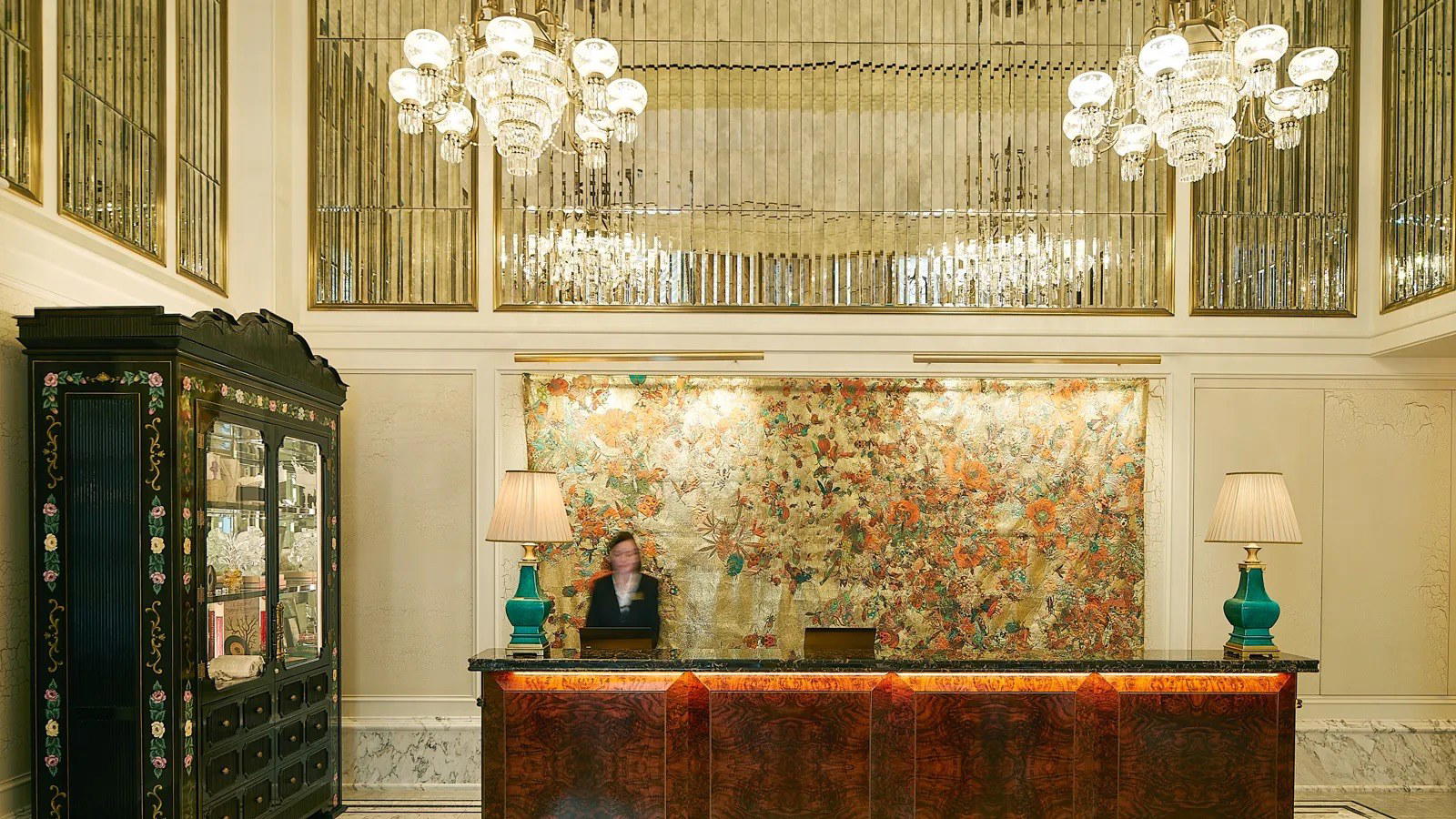
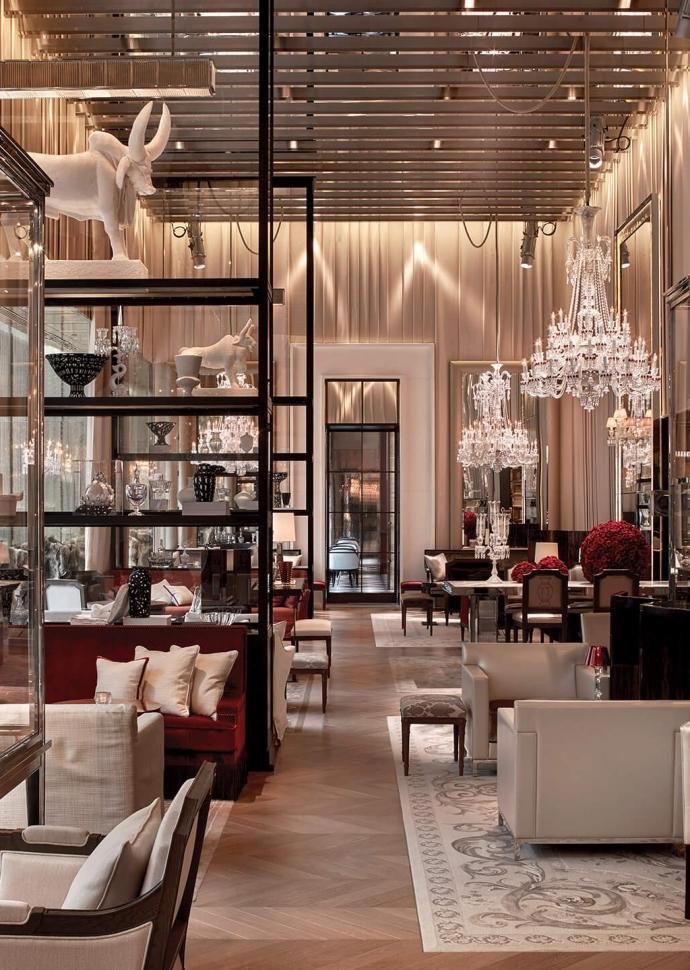
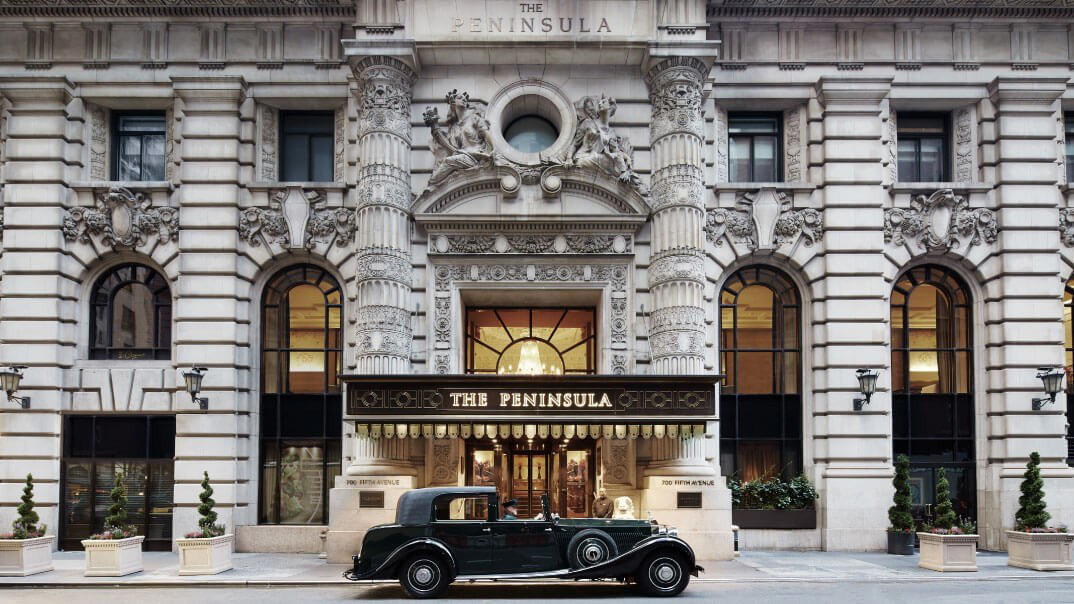
Bars in New York City
Browse all →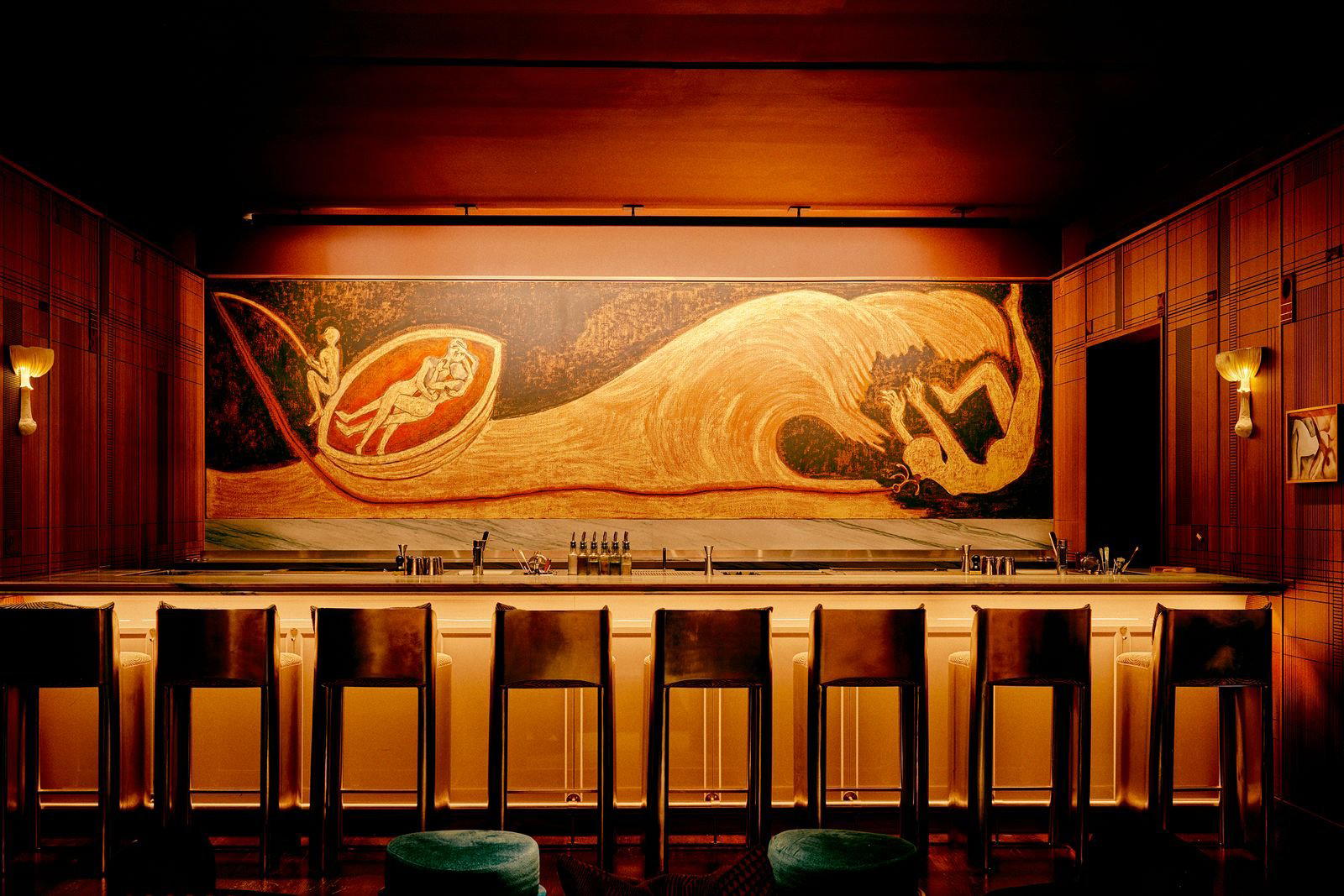
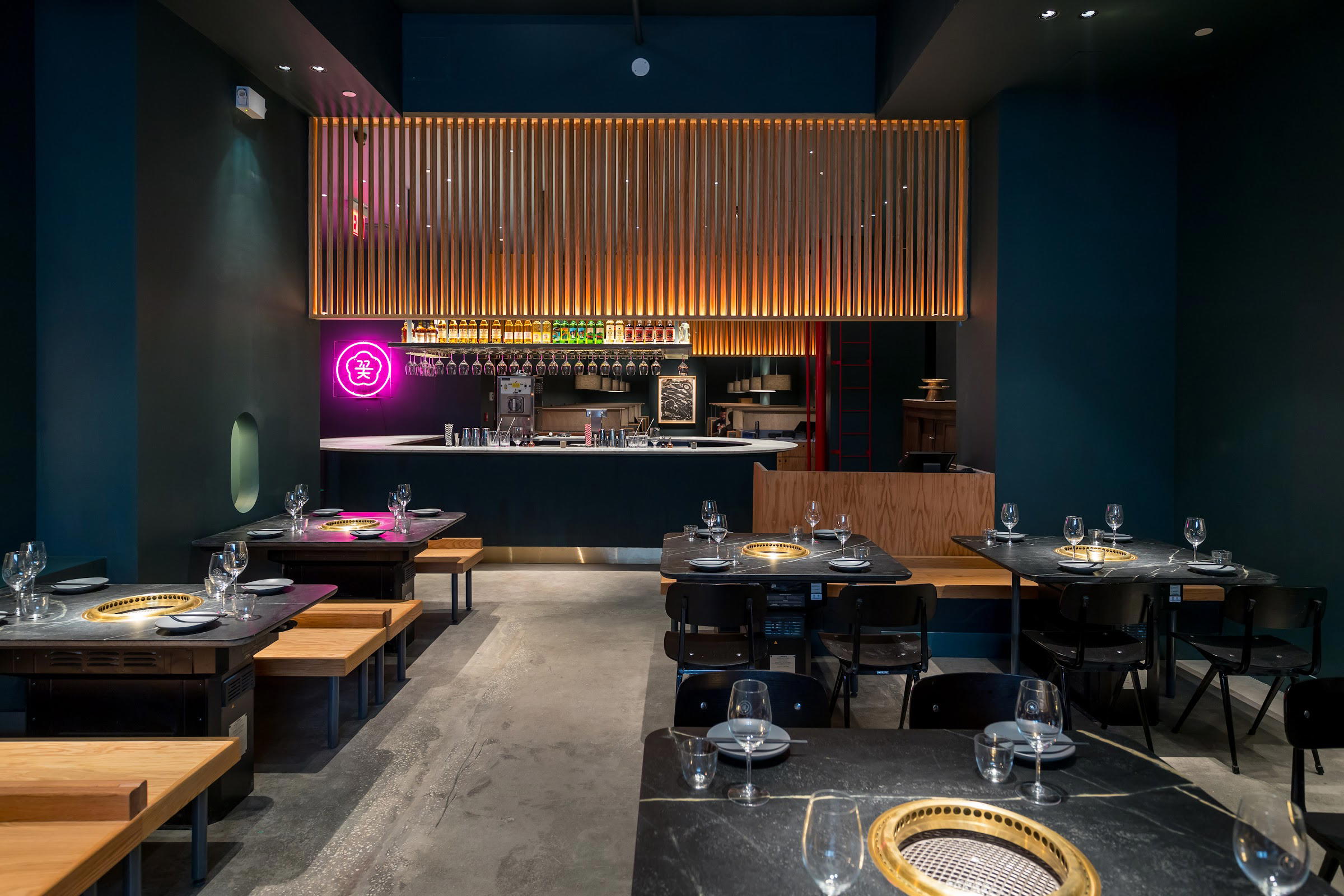

Restaurants in New York City
Browse all →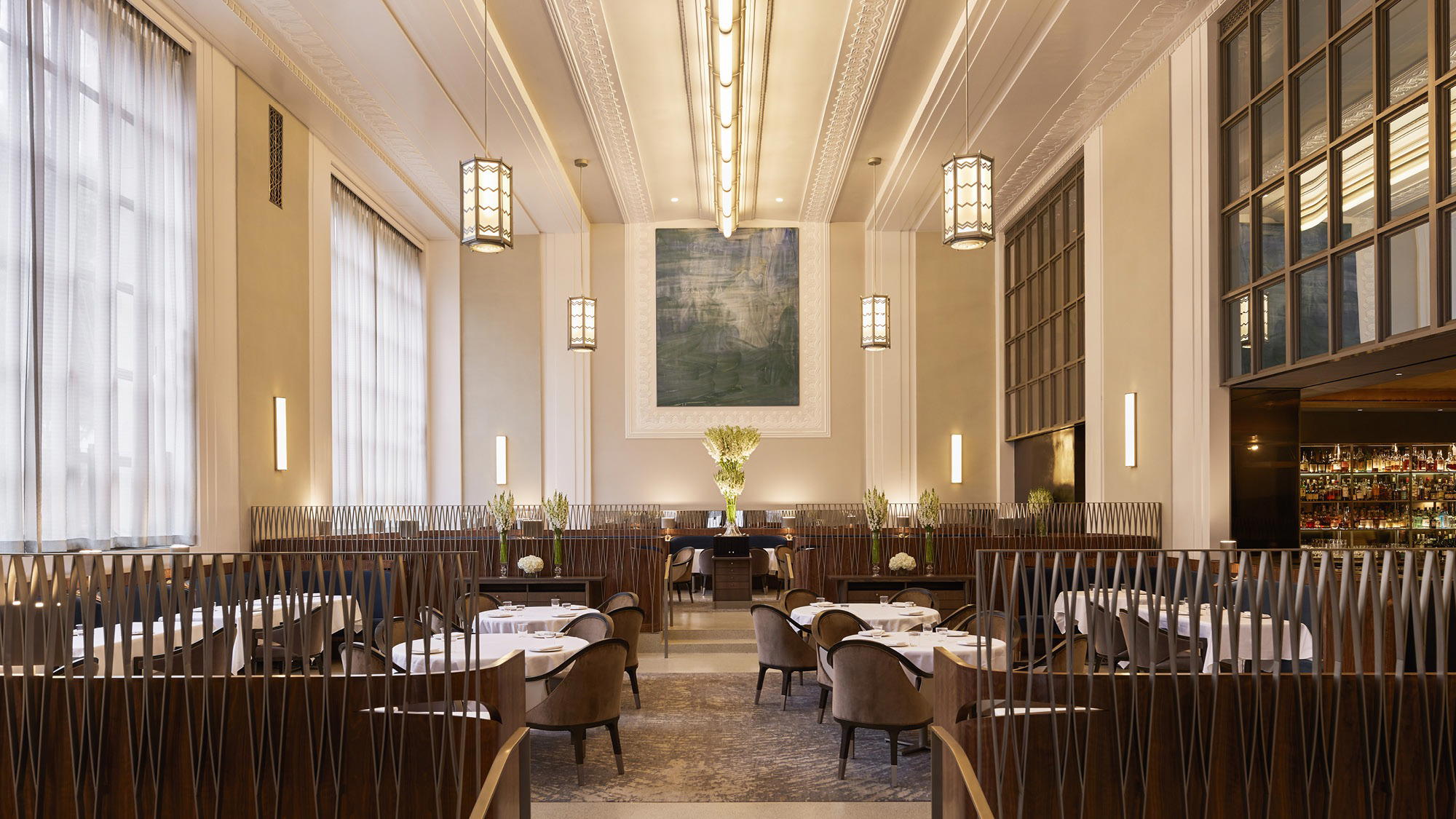





At a Glance
- Elegant
- Sophisticated
- Modern
- Ornate
- Business Trip
- Weekend Escape
- Group Retreat
- Design Destination
- Terrace
- Historic Building
- Wi Fi
- Skyline
- Wi Fi
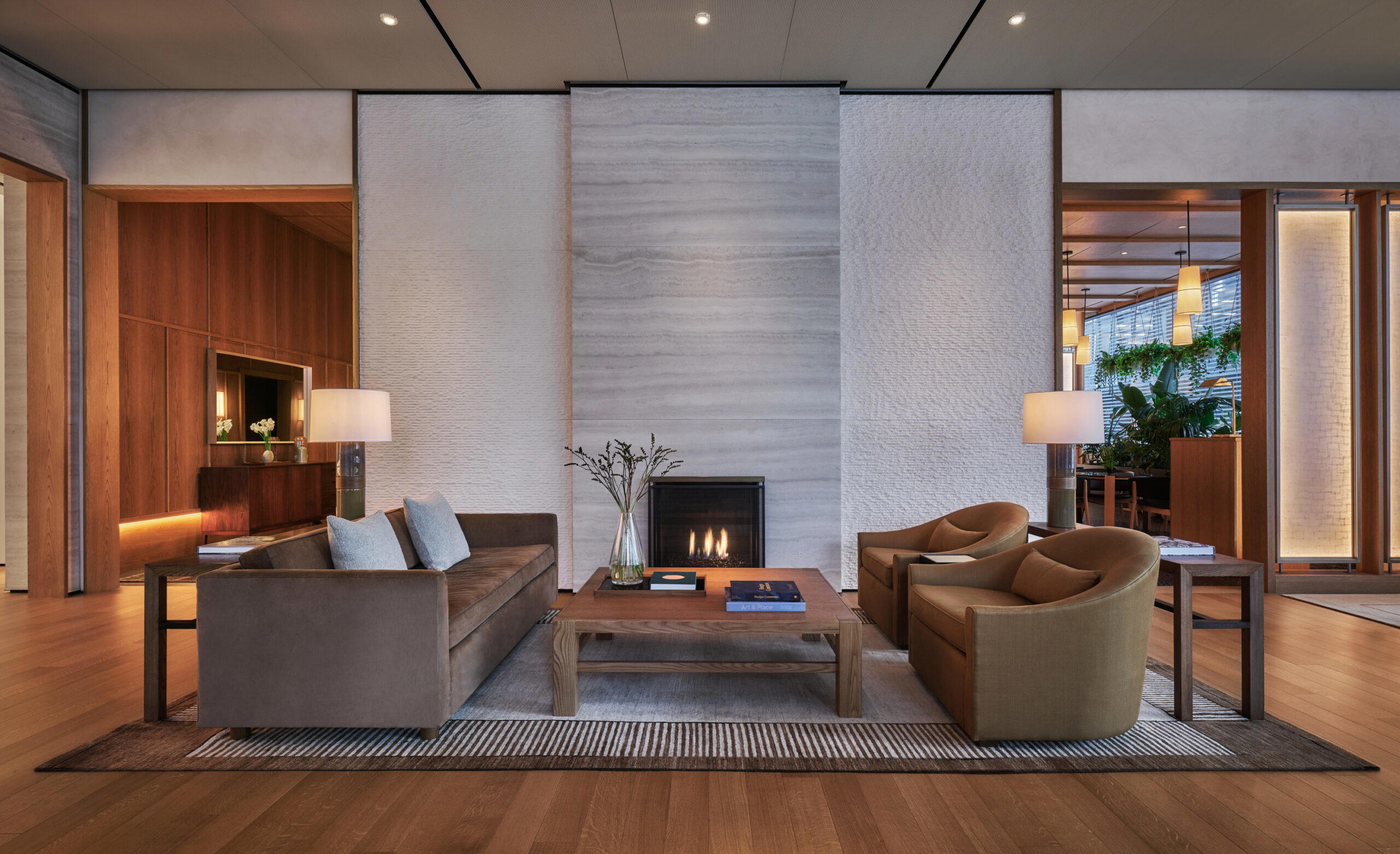
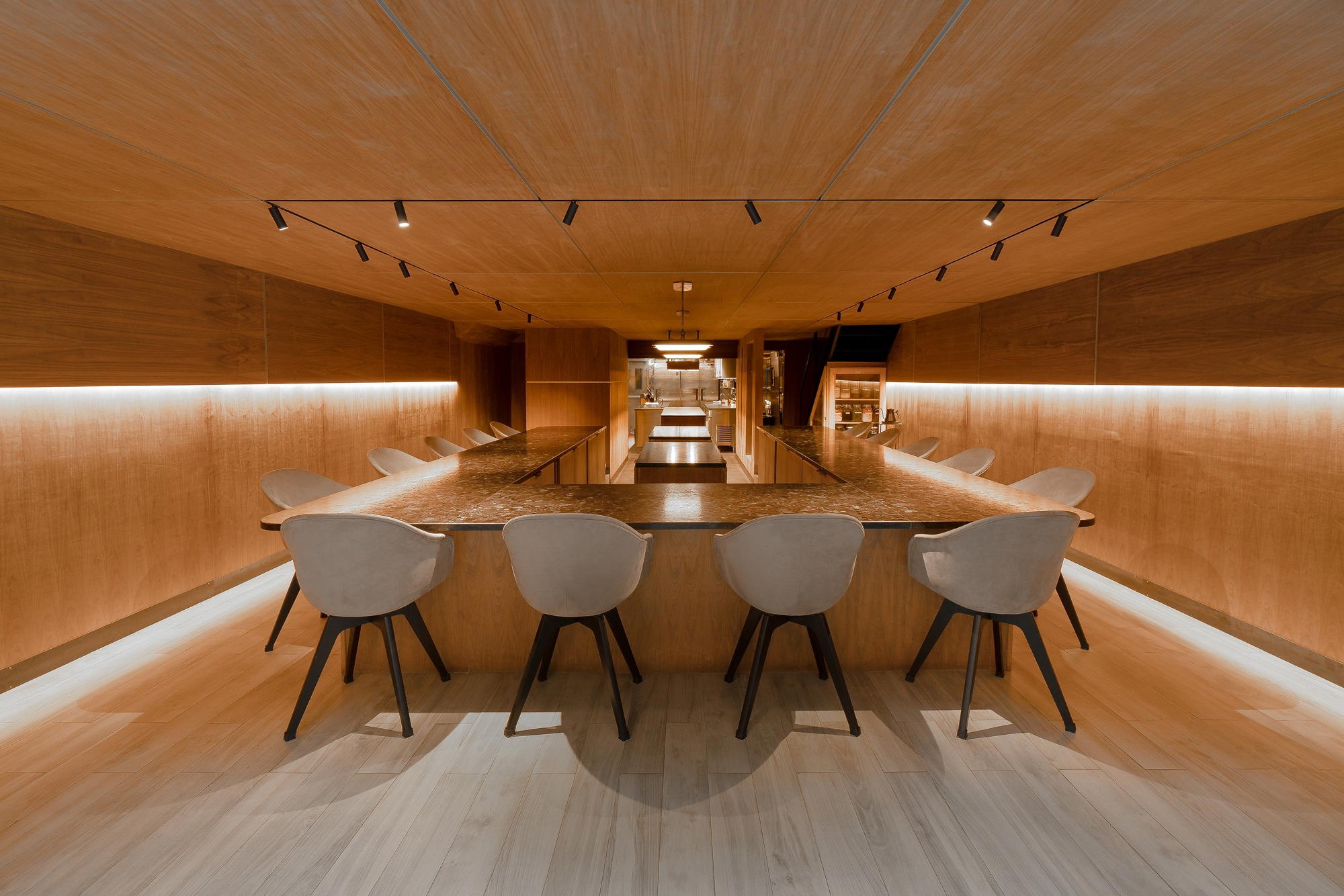
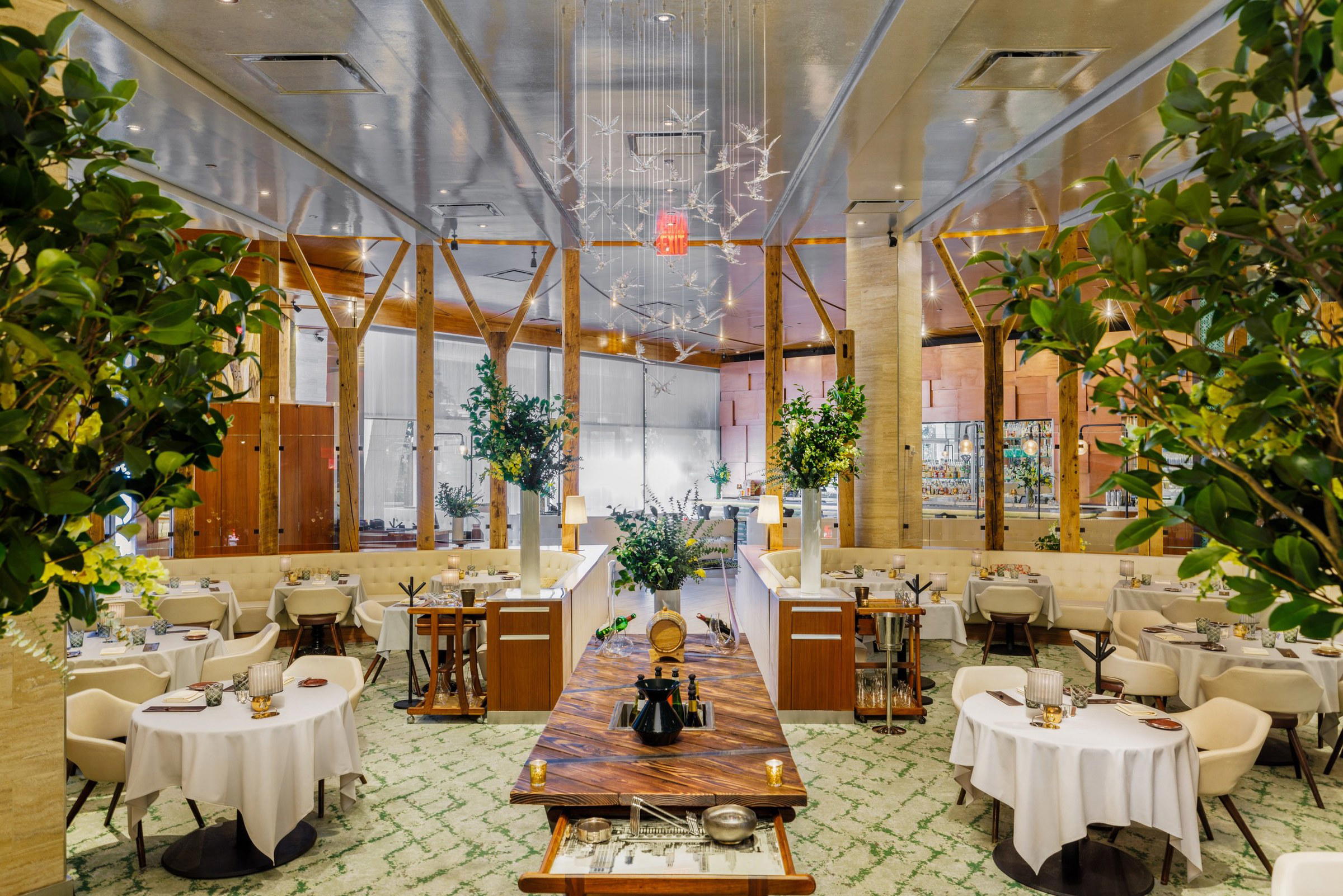
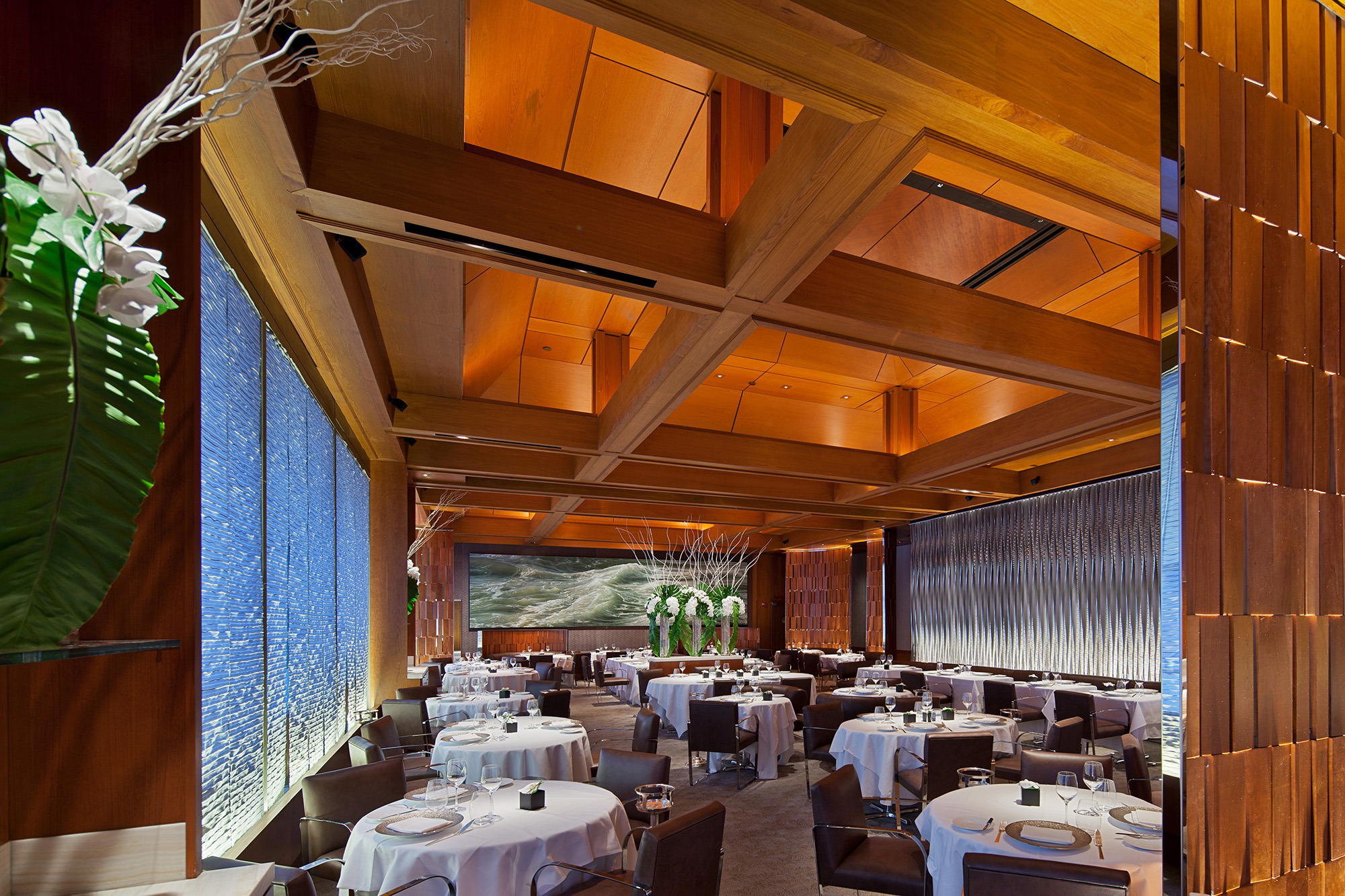
Moody minimalist interiors with natural materials, stylish dark tones, and serene retreat atmosphere amid urban energy.
Know Before You Go
- Getting there
- 25 West 28th Street, New York, NY 10001