The Standard, East Village

The Standard, East Village occupies a different register from its Meatpacking District sibling, quieter in pitch, more neighbourhood-embedded, and positioned at the intersection of Cooper Square and the Bowery's ongoing identity shift. Where Manhattan's upper-tier hotels court arrival spectacle, this address leans into the architectural and cultural grain of a block that has always resisted easy categorisation.
Pearl is the En Primeur Club membership app — saves, bookings, and concierge access live there. Same editors, same standards.
- Address
- 25 Cooper Sq, New York, NY 10003
- Phone
- +1 212 475 5700
- Website
- hyatt.com
- Directions
- Get directions
 Saves & bookings on Pearl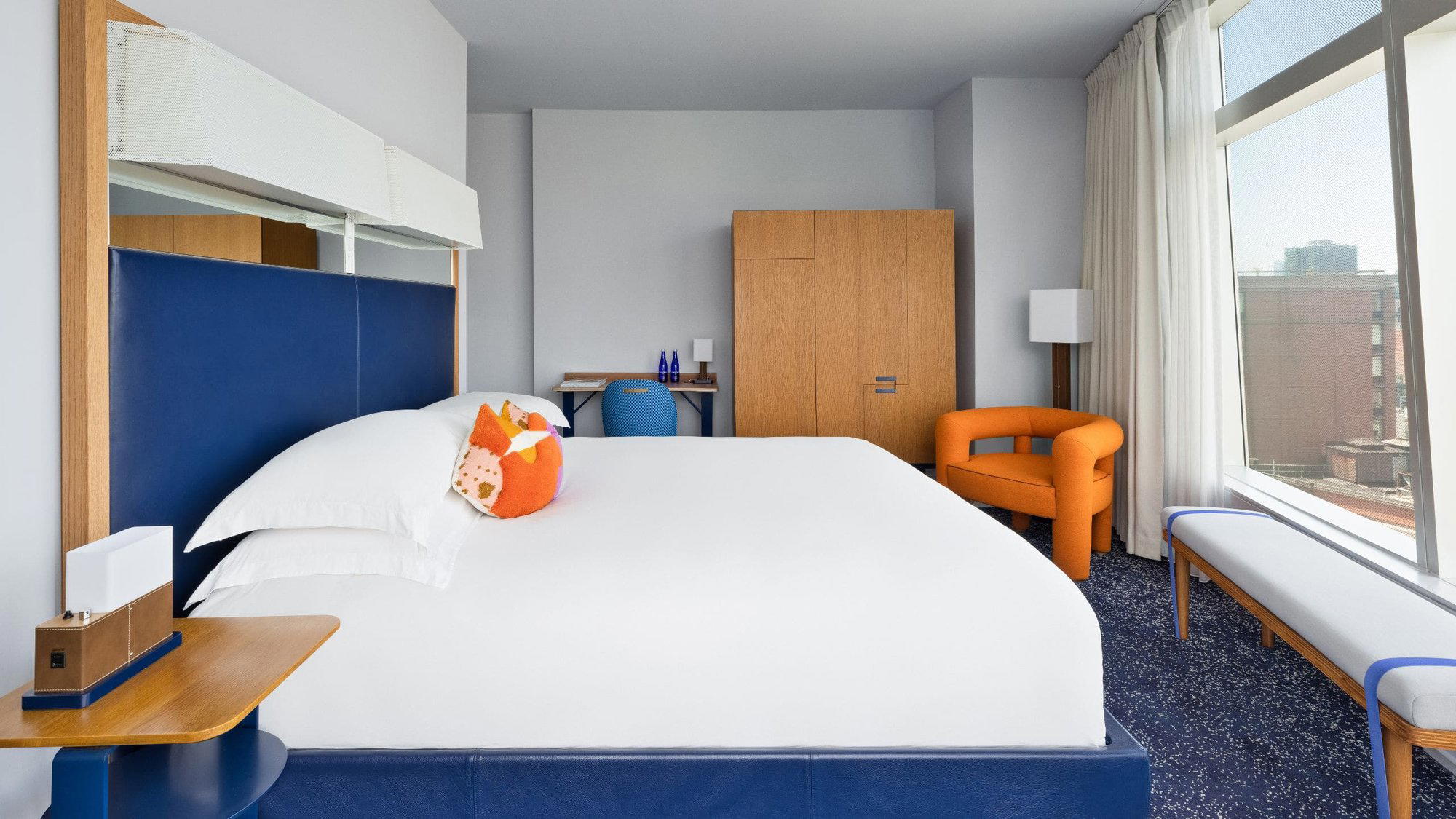
Cooper Square and the Block That Defines the Experience
The stretch of the Bowery approaching Cooper Square tells you something useful before you reach the door. On one side, the New Museum's stacked-box facade anchors a strip that has cycled through hardware wholesalers, lighting showrooms, and art-adjacent tenants for decades. On the other, the remnants of what was once the city's skid row have been replaced by residential towers and restaurants serious enough to attract a dining public that lives elsewhere. The Standard, East Village at 25 Cooper Square sits precisely in that transition zone, which is not incidental, it is the architectural and social fact that most directly shapes the experience of staying here.
East Village hotels occupy a different competitive tier from their counterparts on the Upper East Side or in Midtown. Properties like The Carlyle, A Rosewood Hotel or Aman New York are designed around the logic of destination arrival, guests who want the city filtered through a highly controlled environment. The East Village proposition runs the other direction: the neighbourhood asserts itself, and the hotel either engages with that or loses credibility with the guests who chose this address deliberately.
A Neighbourhood Built on Reinvention
The East Village's hospitality character has always been shaped by density and diversity of use rather than by any single dominant institution. Unlike SoHo, where retail concentration sets the tone, or Tribeca, where residential quiet and serious restaurants coexist around The Greenwich Hotel, the East Village runs on a tighter grid of bars, community-facing businesses, independent restaurants, and performance spaces. This is the neighbourhood that gave the city CBGB, St. Mark's Place, and the kind of Ukrainian diners that still charge seven dollars for pierogies a block away from bars charging eighteen dollars for a cocktail.
For a hotel positioned here, that context is an asset and a test simultaneously. The Standard brand, which has operated the Meatpacking District property since 2009, built its early reputation on a particular kind of studied louche energy, rooftop access, see-and-be-seen programming, and a guest profile that skewed heavily toward the fashion and media industries. The East Village address requires a different calibration. The guests choosing Cooper Square over, say, Crosby Street Hotel in SoHo or The Whitby Hotel in Midtown are making a locational statement about where they want to be embedded in the city's geography.
Position in the Downtown Hotel Market
Downtown Manhattan's hotel market has split meaningfully in the past decade. At one end, design-forward boutique properties have consolidated around Soho and the West Village, appealing to guests who want neighbourhood character with international polish. At the other, conversion projects and new builds in the Financial District and Lower East Side have pushed price points down while increasing room counts. The Standard, East Village occupies the middle tier of that spectrum, a branded property with enough design investment and programming history to sit above the commodity end, but without the capital outlay or amenity density of the city's upper bracket.
For comparison: Casa Cipriani New York at the Battery Maritime Building operates as a private club-hotel with significant F&B; heritage and a deliberately restricted guest list. The Fifth Avenue Hotel competes on address prestige and interior design investment. The Standard, East Village competes on neighbourhood access and a programming identity that connects to the cultural output of the blocks around it, a different pitch to a different traveller.
The Bowery Axis and What It Means for Access
The property's position on Cooper Square places it within walking distance of several distinct neighbourhoods simultaneously. NoHo to the west, the Lower East Side to the south, and the East Village proper, St. Mark's, Tompkins Square Park, Avenue A, to the north and east. That geographic centrality is one of the more practical arguments for this address over a West Village hotel: a guest based here can reach the city's most concentrated stretch of serious independent restaurants (the blocks around First and Second Avenues have more seats per block than almost any comparable stretch in Manhattan) without a cab or a subway ride.
For travellers who are structuring a New York visit around eating and drinking rather than around specific cultural institutions, the East Village axis makes sense. The broader downtown dining and drinking scene is documented in our full New York City restaurants guide. The same logic applies to guests who want to reach Brooklyn easily, the F and L trains, both accessible within a short walk of Cooper Square, put Williamsburg within fifteen minutes.
For context on what a more resort-oriented version of the Standard's neighbourhood-embedding approach looks like at a different scale, Troutbeck in Amenia and SingleThread Farm Inn in Healdsburg both represent properties whose identity is inseparable from their immediate geographic and agricultural context, a parallel logic, applied to different environments. At the other extreme of the scale, Amangiri in Canyon Point and Post Ranch Inn in Big Sur show what happens when a property's landscape becomes the primary product. The Standard, East Village works on neither of those registers, it is a city hotel that derives its identity from the city's street-level texture rather than from managed scenery.
Other properties in the broader Standard competitive set for a guest choosing between design-led urban options across the country include Hotel Bel-Air in Los Angeles and 1 Hotel San Francisco in San Francisco, both of which make explicit arguments about neighbourhood identity as a hospitality product. Internationally, the same framework applies to properties like Aman Venice or Bvlgari Hotel Tokyo, where the surrounding city context is as curated as the interior.
Know Before You Go
- Address: 25 Cooper Square, New York, NY 10003
- Neighbourhood: East Village / Cooper Square, Lower Manhattan
- Nearest Subway: 6 train to Astor Place; F train to Second Avenue; L train to First Avenue
- Leading For: Guests who want a downtown base with direct neighbourhood access rather than a managed arrival experience
- Booking: Contact the property directly for current availability and rate information
- Note: The Bowery block between Houston and Astor Place has significant foot and vehicle traffic, room selection relative to street-facing exposure is worth considering at booking
The Essentials
Comparable venues nearby, for context on price, style, and recognition.
| Venue | Price | Notes |
|---|---|---|
| The Standard, East VillageThis venue — the venue you are viewing | $$$$ | Not listed |
| W New York - Times Square | $$$$ | Midtown-Times Square, Luxury lifestyle hotel with bold modern design and cultural positioning; recently renovated to emphasize contemporary art and see-and-be-seen social spaces. |
| WestHouse Hotel New York | $$$$ | Midtown-Times Square, Contemporary luxury boutique hotel blending 1920s Art Deco glamour with modern residential design, positioned as an exclusive retreat in Midtown Manhattan. |
| Gansevoort Meatpacking | $$$$ | Tribeca-Civic Center, Modern luxury boutique in lively urban district |
| The Westin New York Grand Central | $$$$ | Murray Hill-Kips Bay, Corporate wellness hotel with efficient, spacious design |
| The Iroquois Hotel | $$$$ | Midtown-Times Square, Historic boutique hotel blending 1903 heritage architecture with contemporary luxury amenities; positioned as a sophisticated, personalized alternative to larger Midtown chains. |
Recognition history
Dated appearances from independent guides and award organizations, with the underlying list record or original source where available.
Michelin Selected
Michelin
Continue exploring
More in New York City
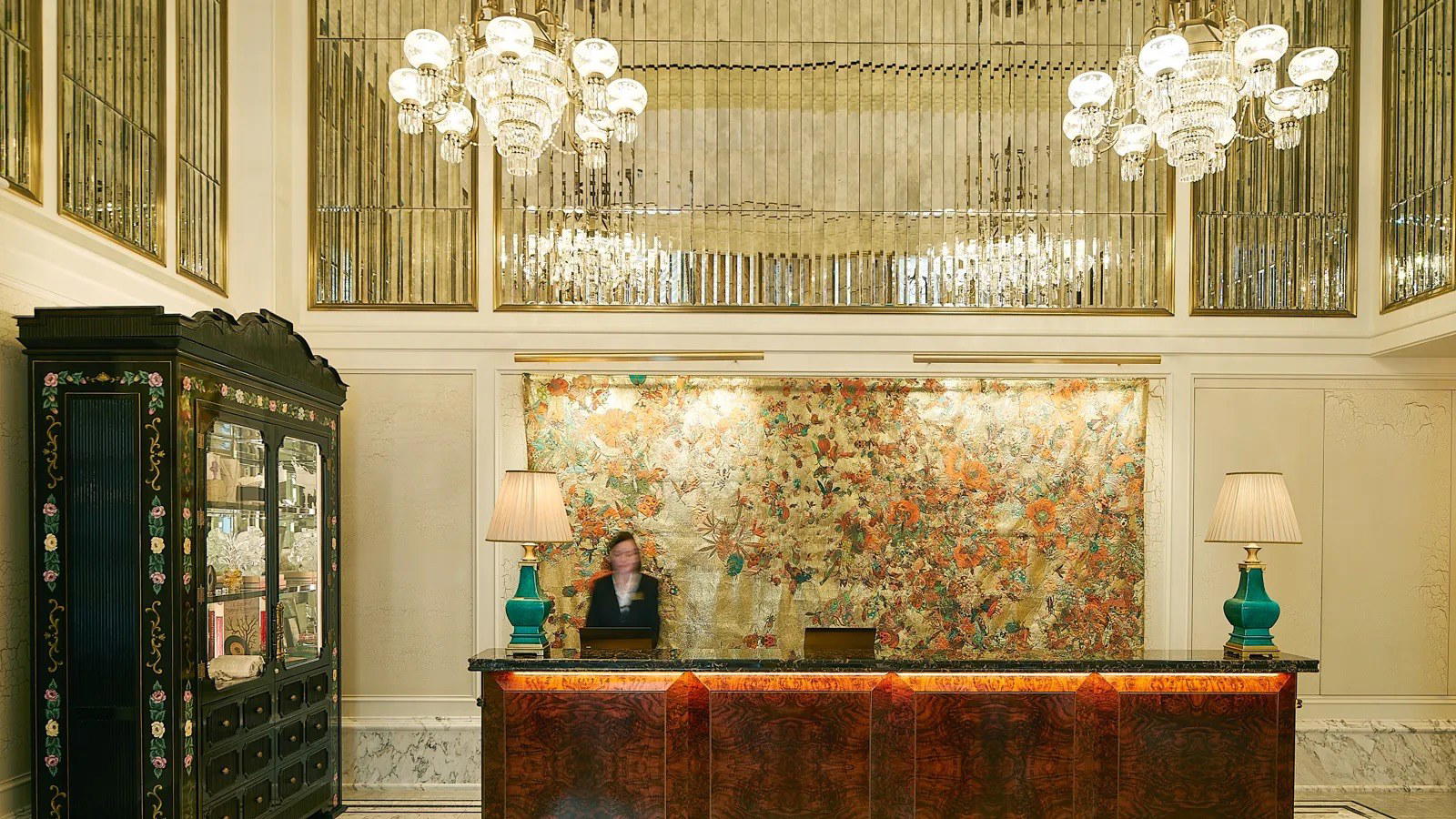
Hotels in New York City
Browse all →
Bars in New York City
Browse all →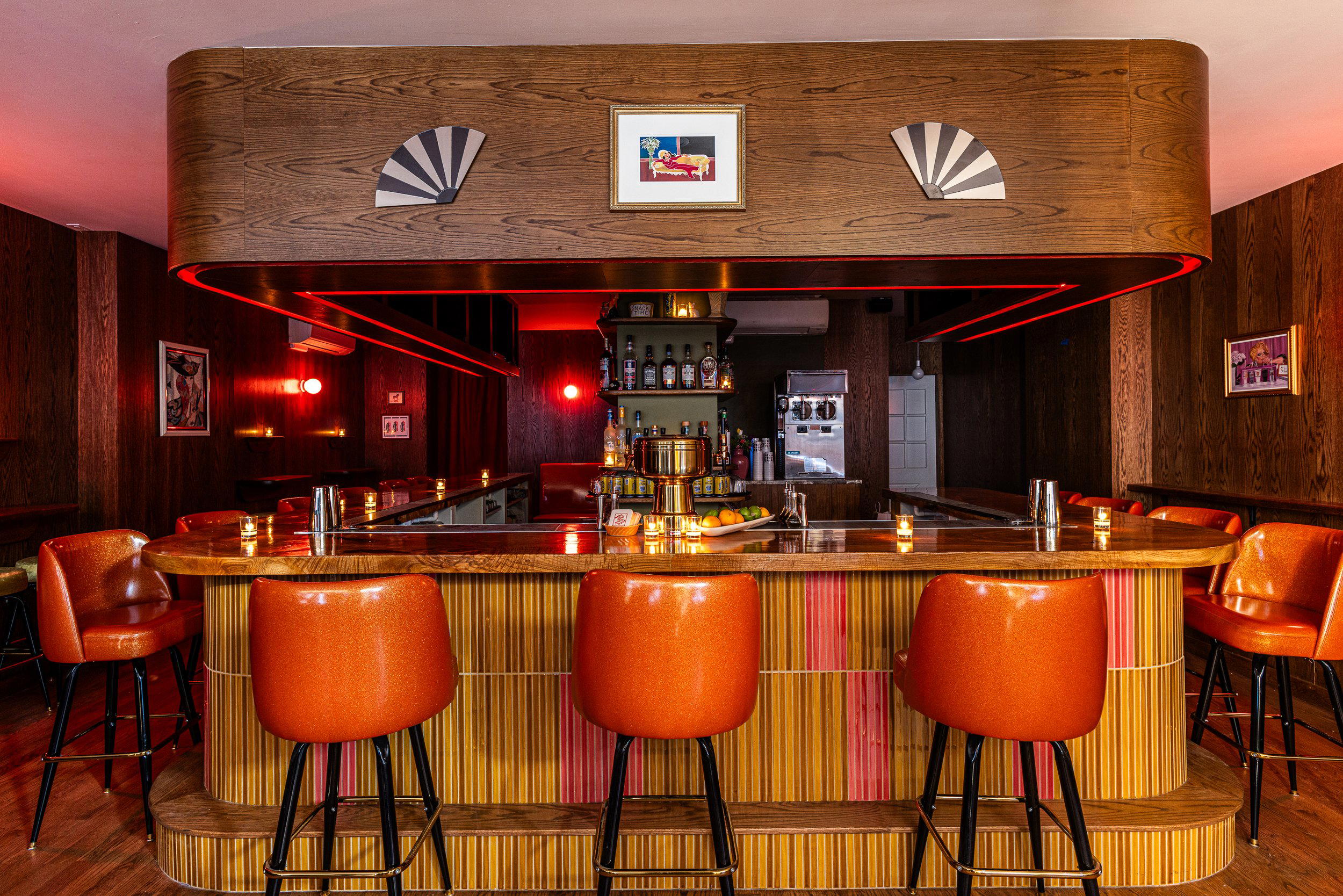
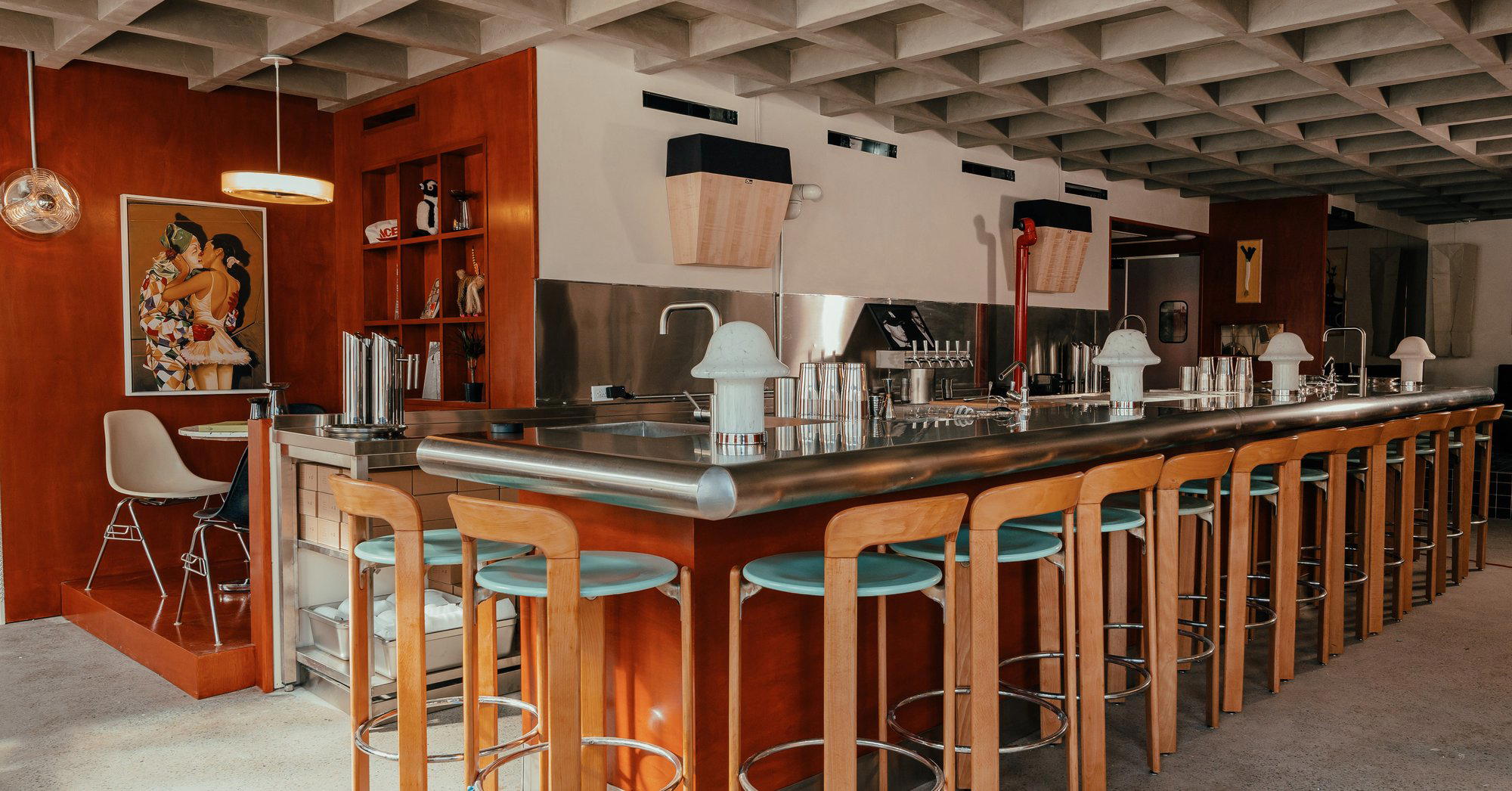
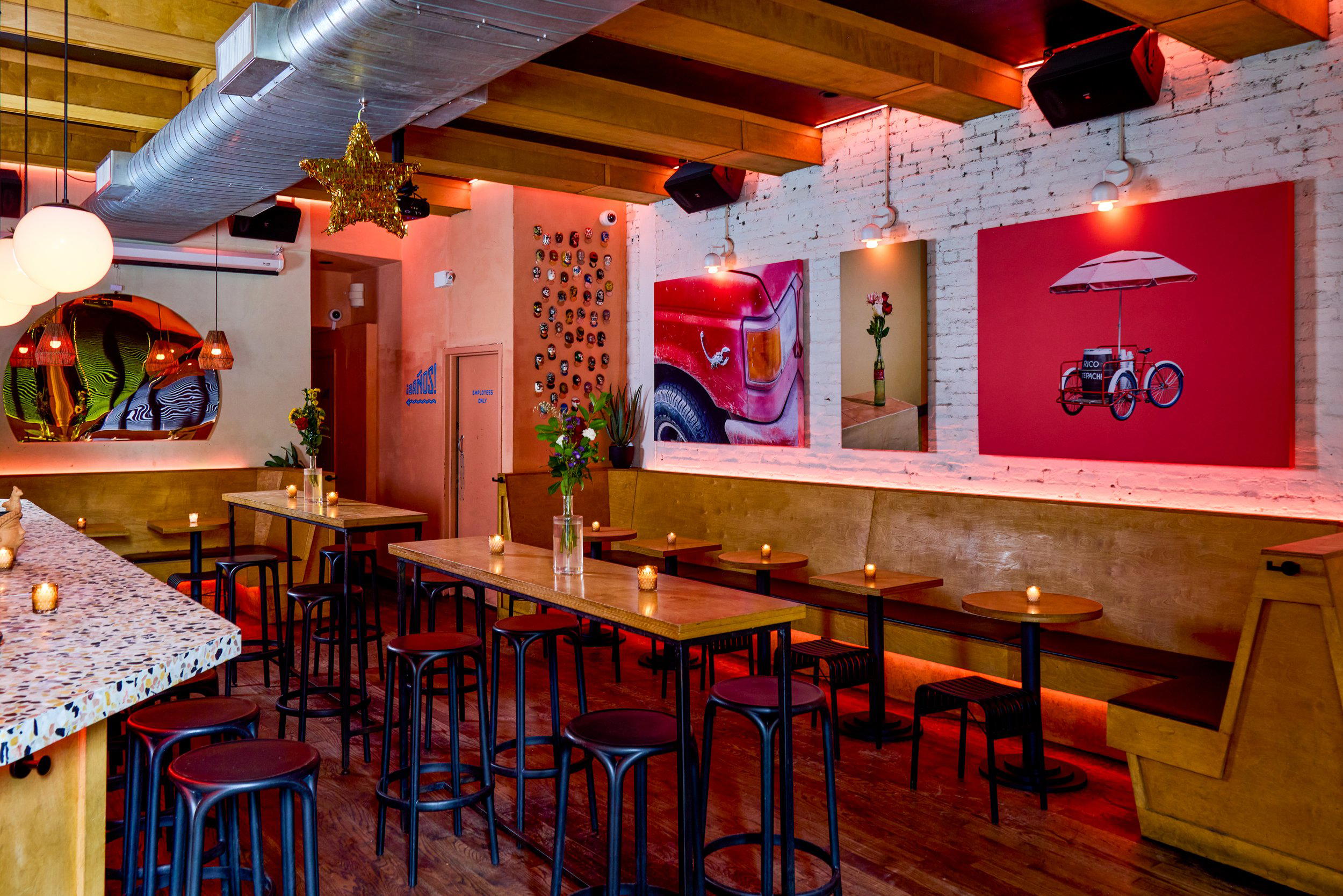
Restaurants in New York City
Browse all →
Wineries in New York City
Browse all →


At a Glance
- Trendy
- Modern
- Lively
- Weekend Escape
- Romantic Getaway
- Rooftop
- Panoramic View
- Garden
- Terrace
- Wi Fi
- Fitness Center
- Room Service
- Concierge
- Skyline
- Street Scene
- Wi Fi
- Fitness Center
- Room Service
- Concierge
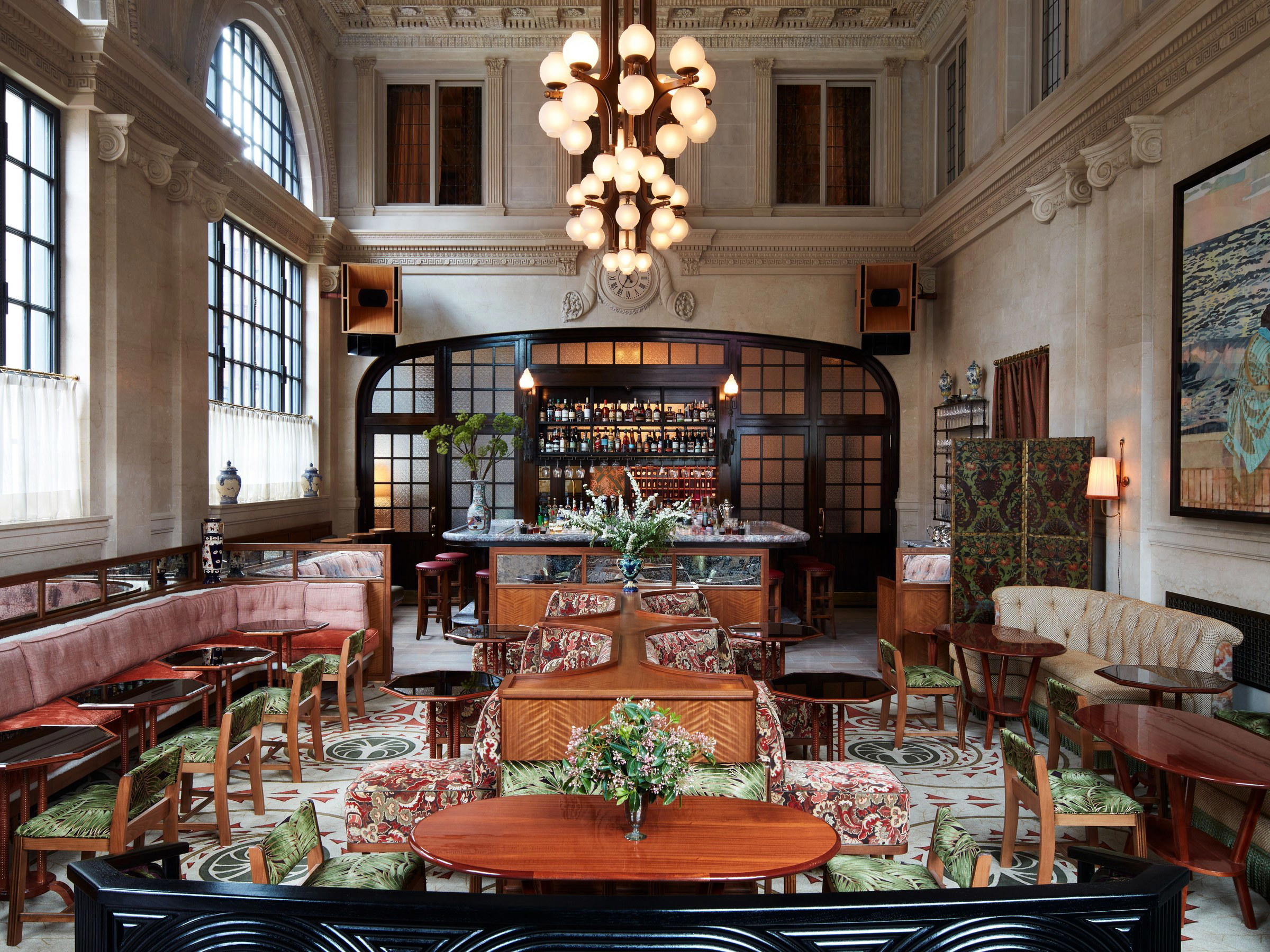
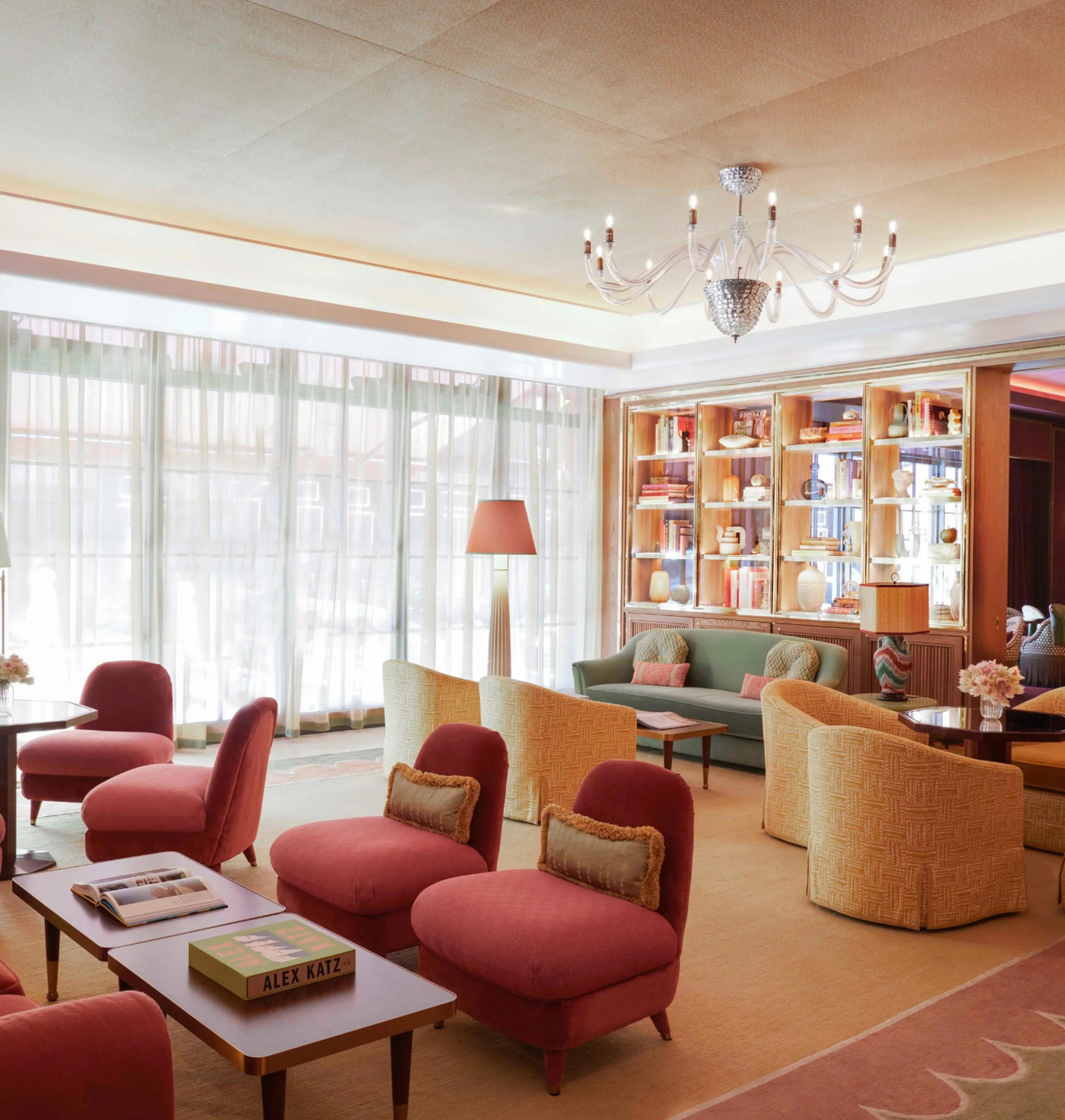
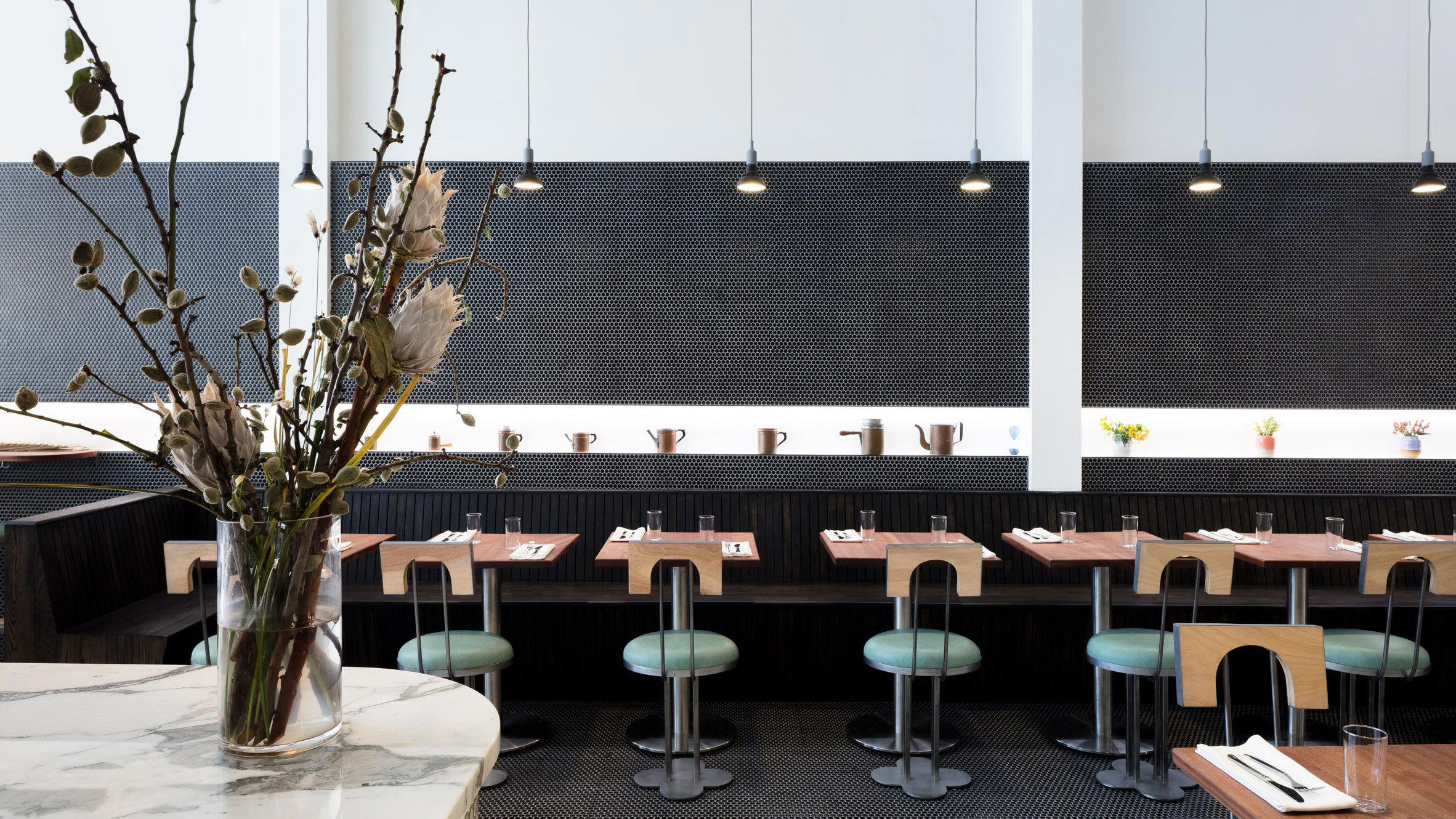
Light, airy spaces with quirky, artsy decor, colorful details, retro furnishings, and a cozy, charming atmosphere blending urban energy with tucked-away tranquility.