
The Longevity Hotels Longevity Hotel Member
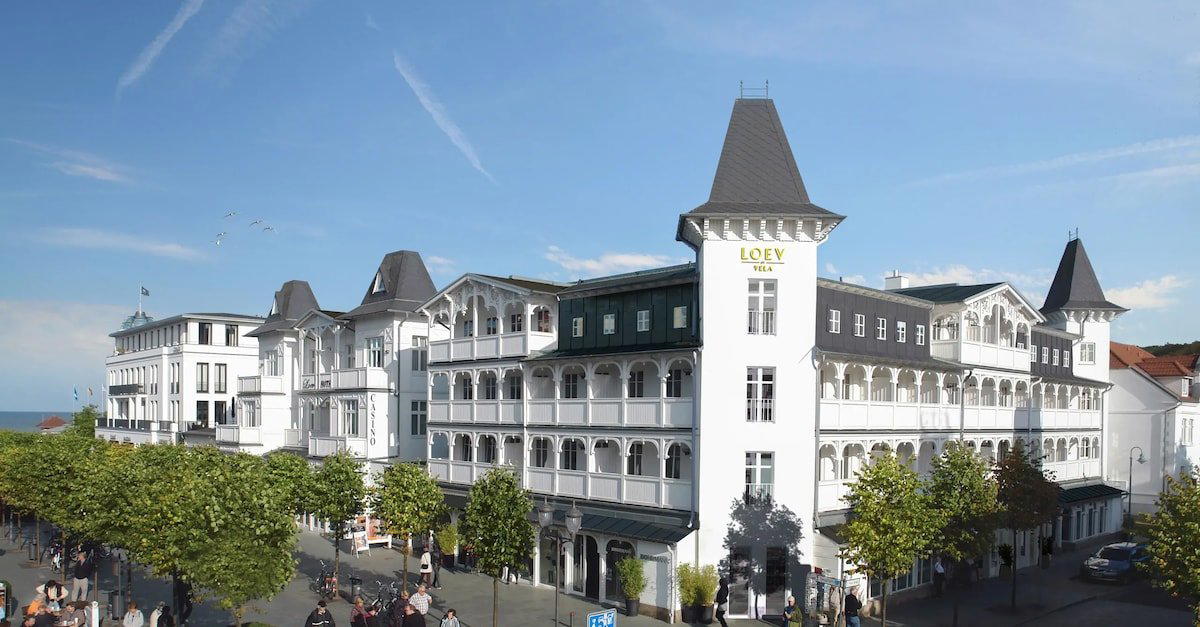
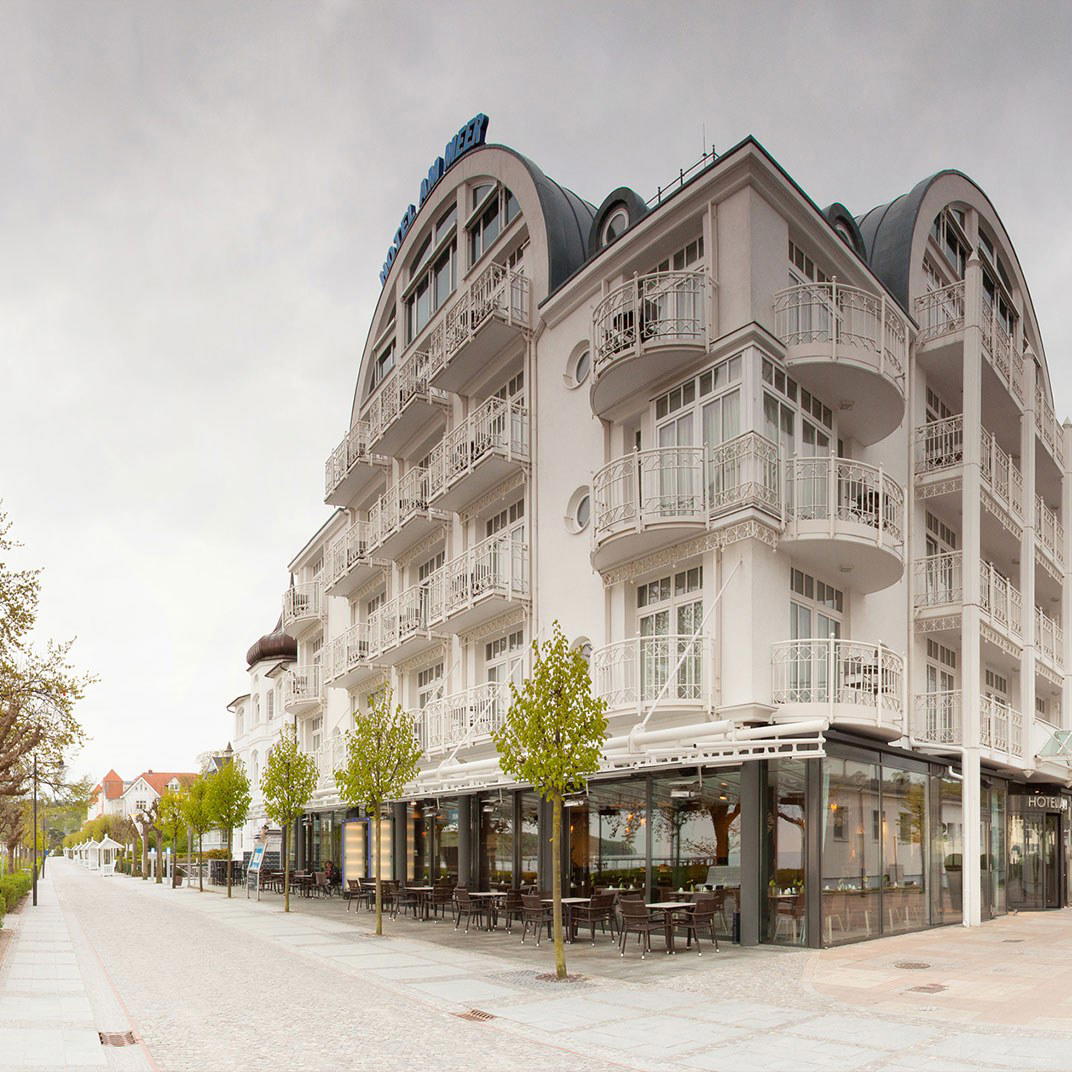
On Rügen's most-visited stretch of Baltic coastline, LOEV Hotel occupies a position at Hauptstraße 20-22 in Binz where the resort town's Wilhelminian architecture frames a property pitched at the upper tier of the island's accommodation market. The hotel's stated identity — where exceptionally high quality meets the Baltic breeze — signals an ambition that sits above the standard seaside offering without crossing into the anonymous luxury of large-chain resorts.

Pearl is the En Primeur Club membership app — saves, bookings, and concierge access live there. Same editors, same standards.
Where the Baltic Coast Meets Considered Design
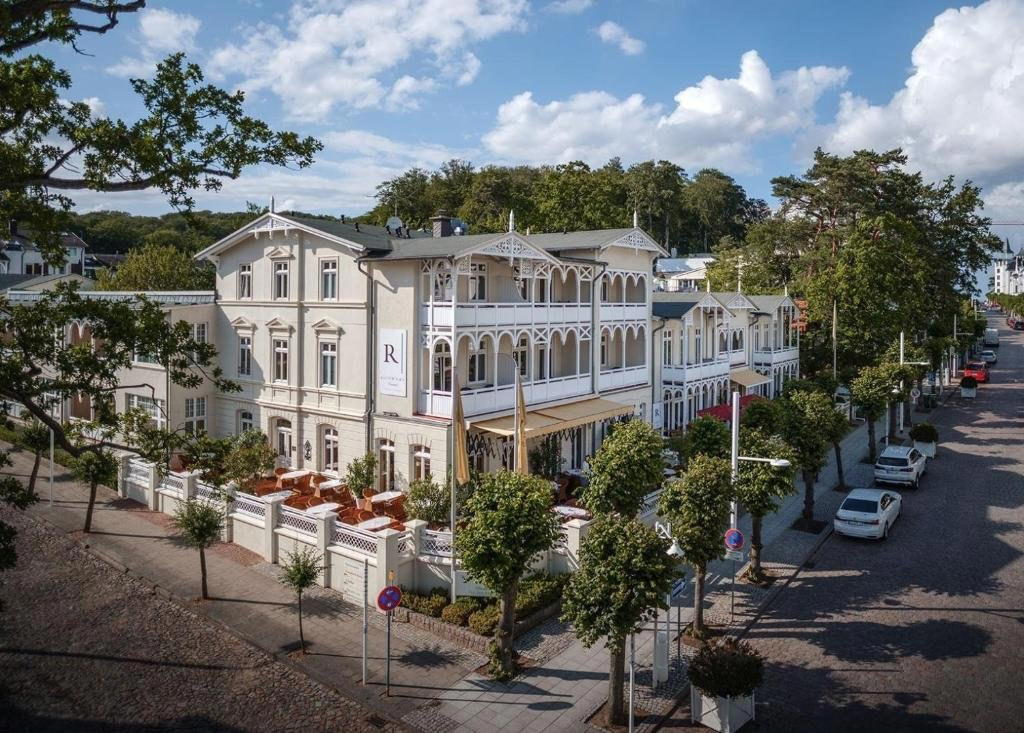
Binz arrives slowly. The train from Stralsund deposits you at a small station, and the walk toward the beach promenade takes you past the gabled, white-stuccoed façades that define this part of Rügen — a resort architecture rooted in the late nineteenth century, when Germany's wealthier families discovered the Baltic as a summer destination. By the time you reach Hauptstraße, the built character of the town has already made an argument: this is a place that takes its aesthetic inheritance seriously. LOEV Hotel, at numbers 20-22, sits inside that argument rather than against it.
The property's position on Hauptstraße places it within the central spine of Binz, a street that functions as both arrival corridor and social axis for the resort. The Baltic is close. The beach promenade, lined with those characteristic Bäderarchitektur buildings — the ornate wooden balconies, the pitched roofs, the sea-facing orientation, is within easy reach on foot. For a hotel that frames its identity around the meeting point of quality and coastal atmosphere, the address is not incidental. Location in Binz, unlike in a larger German city, is largely about relationship to the water, and LOEV's position on the main street places it inside the town's walkable core without requiring a car for access to either beach or the restaurant strip.
A Design Register That Reads Against the Island Norm
Rügen's accommodation market divides along a familiar axis: on one side, the grand old resort hotels that trade on Wilhelminian fabric and period atmosphere; on the other, functional holiday apartments and mid-tier pensions that serve the island's substantial leisure visitor numbers. LOEV Hotel's stated positioning, "exceptionally high quality meets the Baltic breeze", reads as a deliberate insertion between those two poles, aligning it with the smaller cohort of design-led properties that have emerged along the North and Baltic Sea coasts as alternatives to both heritage grandeur and budget pragmatism.
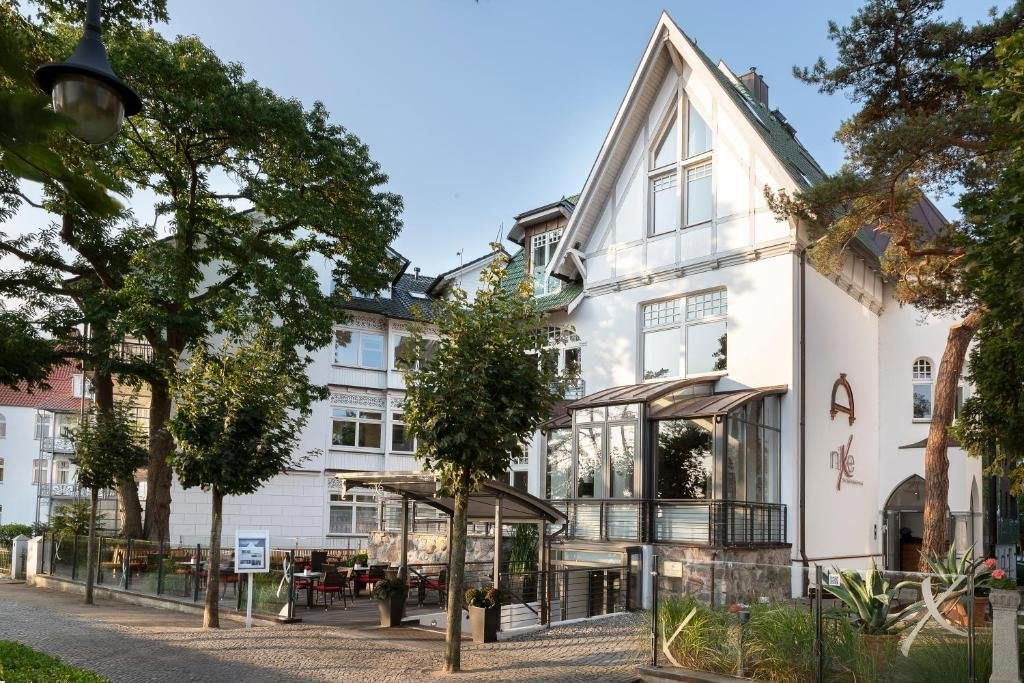
That cohort, which includes properties such as BUDERSAND Hotel in Hörnum on Sylt and Landhaus Stricker in Sylt, tends to share certain characteristics: a restrained visual identity, fewer keys than the legacy resort hotels, and a prioritisation of material quality over programmatic spectacle. The niXe Boutiquehotel and Spa represents the closest direct peer within Binz itself, occupying a similar niche of boutique ambition in a town whose default register skews either historic grand or functional mid-market.
What the address and positioning communicate is a property that has chosen to operate at the quality end of Binz's market without seeking the scale of the island's larger traditional hotels. In the context of German coastal hospitality, where properties like Althoff Seehotel Überfahrt in Rottach-Egern and Fairmont Hotel Vier Jahreszeiten in Hamburg set a reference point for grand-hotel tradition, a smaller, design-led property on Rügen is making a different kind of claim: that the island's landscape and light are context enough, and that the architecture's job is to frame rather than compete with them.
Binz as Context: What the Town Offers Around the Hotel
Rügen is Germany's largest island, and Binz is its most visited resort. The town's reputation rests partly on the beach, wide, sandy, and facing southwest along the Prorer Wiek bay, and partly on the preserved Bäderarchitektur streetscape that gives Binz a visual coherence unusual among German seaside resorts. The Jasmund National Park, home to the chalk cliffs and beech forests that have drawn visitors since the Romantic era, is accessible from Binz by local transport or bicycle, placing the hotel within reach of one of the region's most significant natural sites.
The restaurant and café offer along Hauptstraße and the adjacent promenade has developed steadily over the past decade, moving from a predominantly tourist-refuelling model toward a more considered food and drink offer, though Binz remains a leisure destination rather than a dining destination in the sense that cities like Hamburg or Berlin might claim. For those whose primary reference points are properties such as Hotel Bareiss in Baiersbronn or Schloss Elmau in Elmau, where the hotel's own food program is central to the proposition, Binz and LOEV operate in a different register entirely. Here, the draw is coastal, seasonal, and environmental rather than gastronomic. For food-led German hotel stays, see also our guides to Hotel Ketschauer Hof in Deidesheim, Der Öschberghof in Donaueschingen, and LA MAISON in Saarlouis.
The Baltic coast's high season runs from June through August, when Binz's population swells significantly and accommodation across the island tightens. Shoulder season, May and September, offers a materially different experience: quieter beaches, cooler temperatures, and a town that returns to something closer to its year-round character. For a property operating at the quality tier LOEV signals, shoulder season is often when the experience translates most cleanly, without the compression of peak-summer demand. Our full Binz restaurants guide covers the broader dining picture across both seasons.
Planning Your Stay
LOEV Hotel is located at Hauptstraße 20-22, 18609 Binz, on the island of Rügen in northern Germany. Binz is accessible by train via Stralsund, with connections from Berlin taking approximately three hours and from Hamburg around three and a half hours, with a change at Stralsund and onward travel on the narrow-gauge Rügenbahn to Binz station. The hotel's position on Hauptstraße means most of what Binz offers is walkable from the front door.
Given Binz's significant summer demand and the limited inventory at the quality tier, advance booking is advisable for June through August stays. For comparable German coastal or lake properties with more available booking data, BUDERSAND Hotel in Hörnum and Villa Contessa in Bad Saarow offer useful reference points for the boutique-quality segment of the German leisure market. Those comparing LOEV against the international design-led boutique tier should also consider how properties like Aman Venice or The Fifth Avenue Hotel in New York City handle the same balance of location, design restraint, and limited-key intimacy at a different price point and market context.
At-a-Glance Comparison
Comparable venues nearby, for context on price, style, and recognition.
| Venue | Cuisine | Price | Awards | Notes |
|---|---|---|---|---|
| LOEV HotelThis venue (the venue you are viewing) | Modern beachfront spa hotel | $100–200 | The Longevity Hotels Longevity Hotel Member | Not listed |
| Hotel AM Meer & Spa | Beachfront boutique lifestyle hotel with wellness and sports facilities | $200–300 | Michelin Selected | Binz |
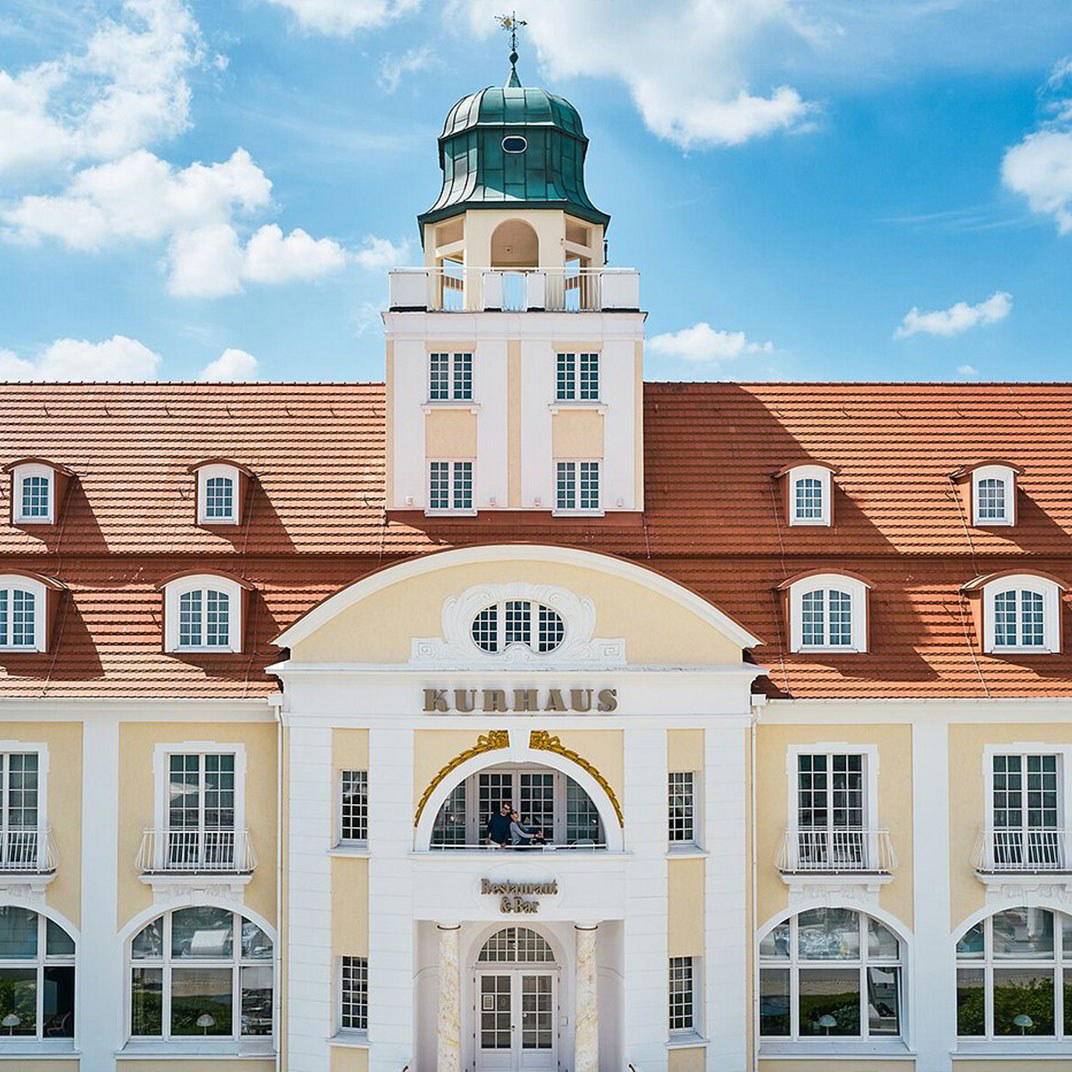
| Travel Charme Kurhaus Binz | Historic seaside resort with classic spa architecture renovated in 2016 | $100–200 | Michelin Selected | Ostseebad Binz |
| niXe Boutiquehotel & Spa | Beachfront boutique with design elements | $300–500 | 1 Michelin Key | Binz |
| Ceres Am Meer | Contemporary design hotel blending timeless elegance with modern comfort in a sophisticated Baltic seaside setting. | $200–300 | Michelin Selected | Binz |
| The Dean Berlin | Contemporary Art Deco boutique hotel with modern luxury positioning in an upscale urban setting. | $1–100 | Not listed | Charlottenburg-Wilmersdorf |
Recognition history
Dated appearances from independent guides and award organizations, with the underlying list record or original source where available.
The Longevity Hotels Longevity Hotel Member
The Longevity Hotels
Continue exploring
More in Binz
Hotels in Binz
All hotels in Binz →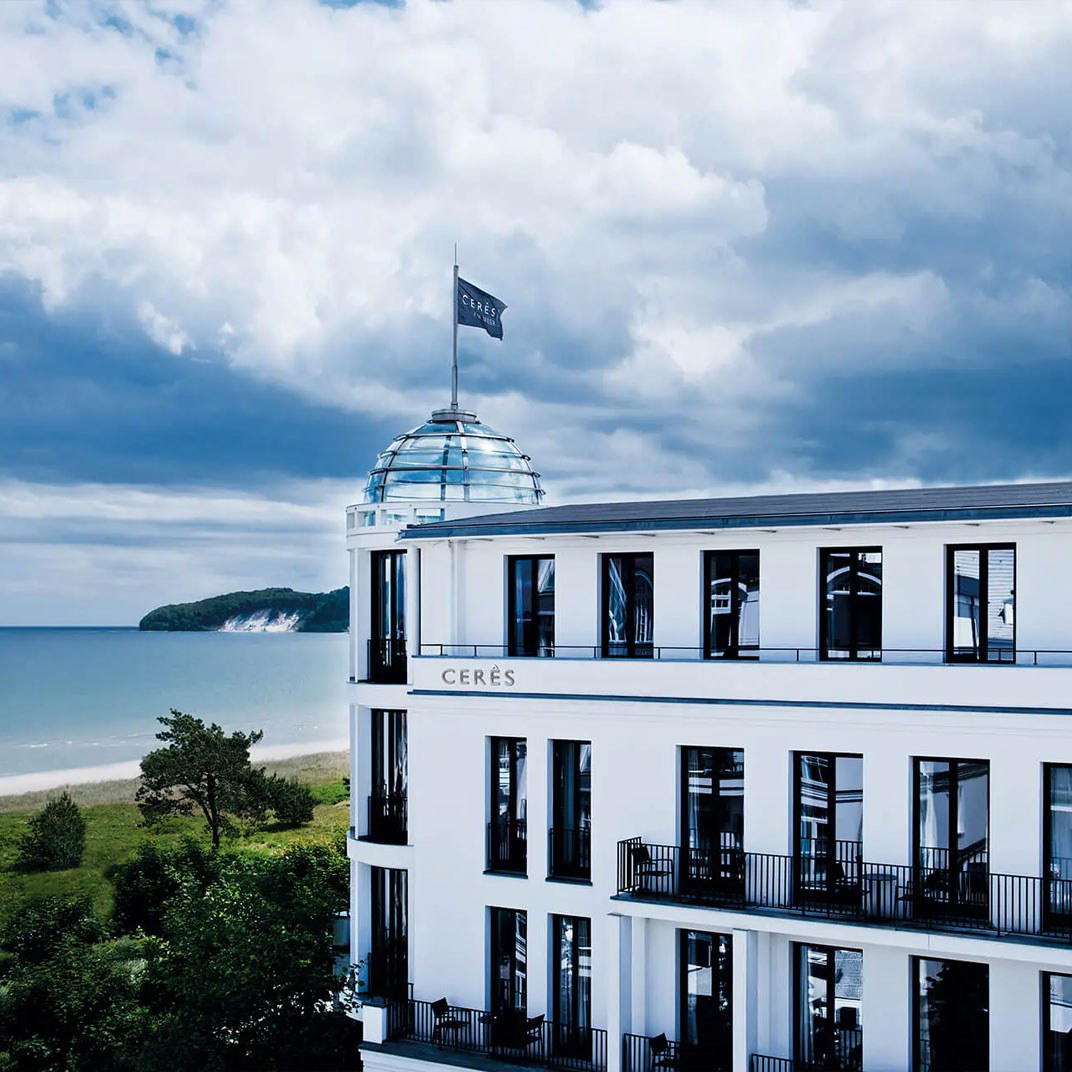
Details
- Modern
- Elegant
- Cozy
- Romantic Getaway
- Wellness Retreat
- Family Vacation
- Weekend Escape
- Beachfront
- Terrace
- Wi Fi
- Pool
- Spa
- Fitness Center
- Room Service
- Concierge
- Sauna
- Restaurant
- Street Scene
- Elevator
- Wheelchair Accessible
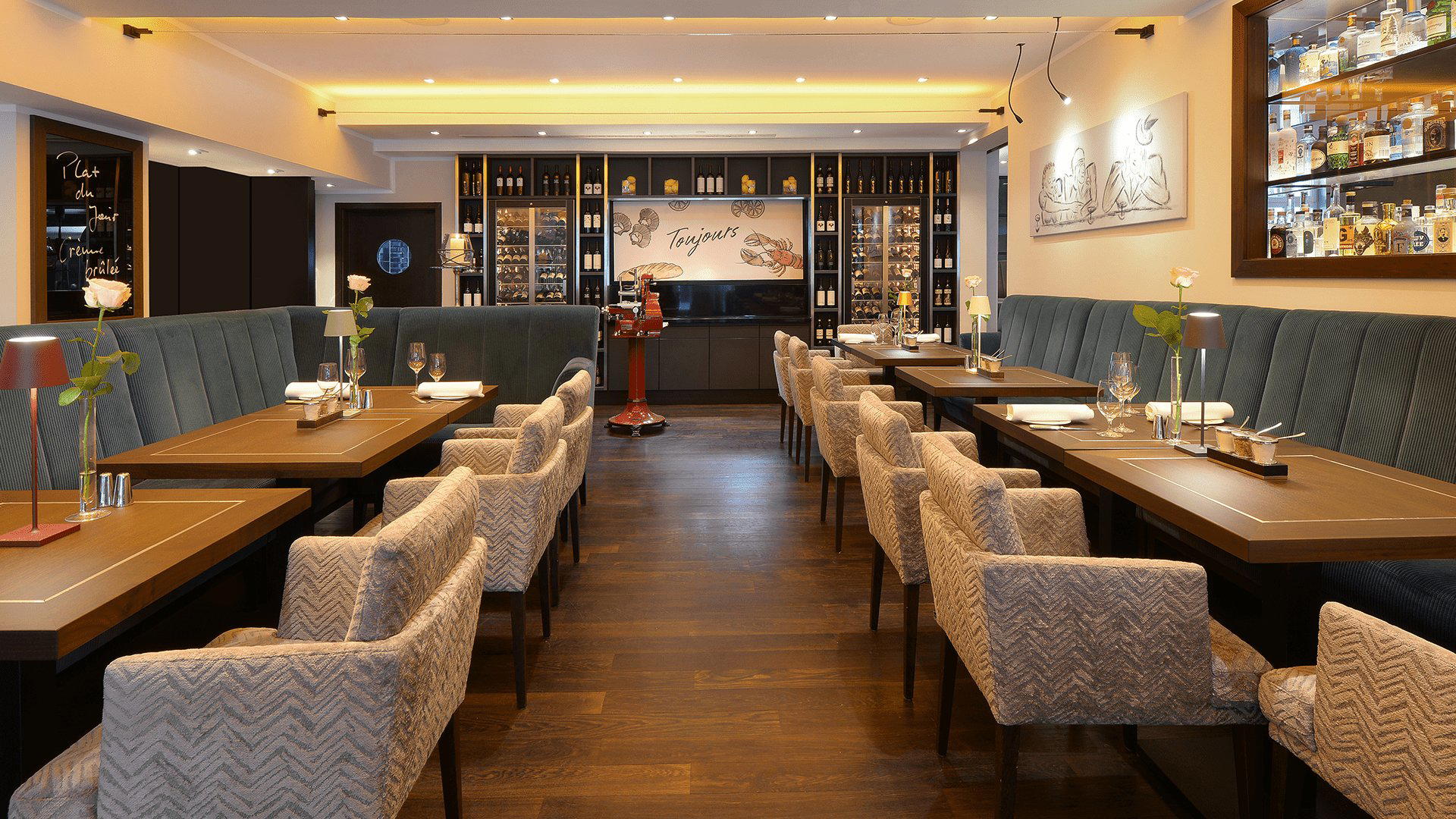
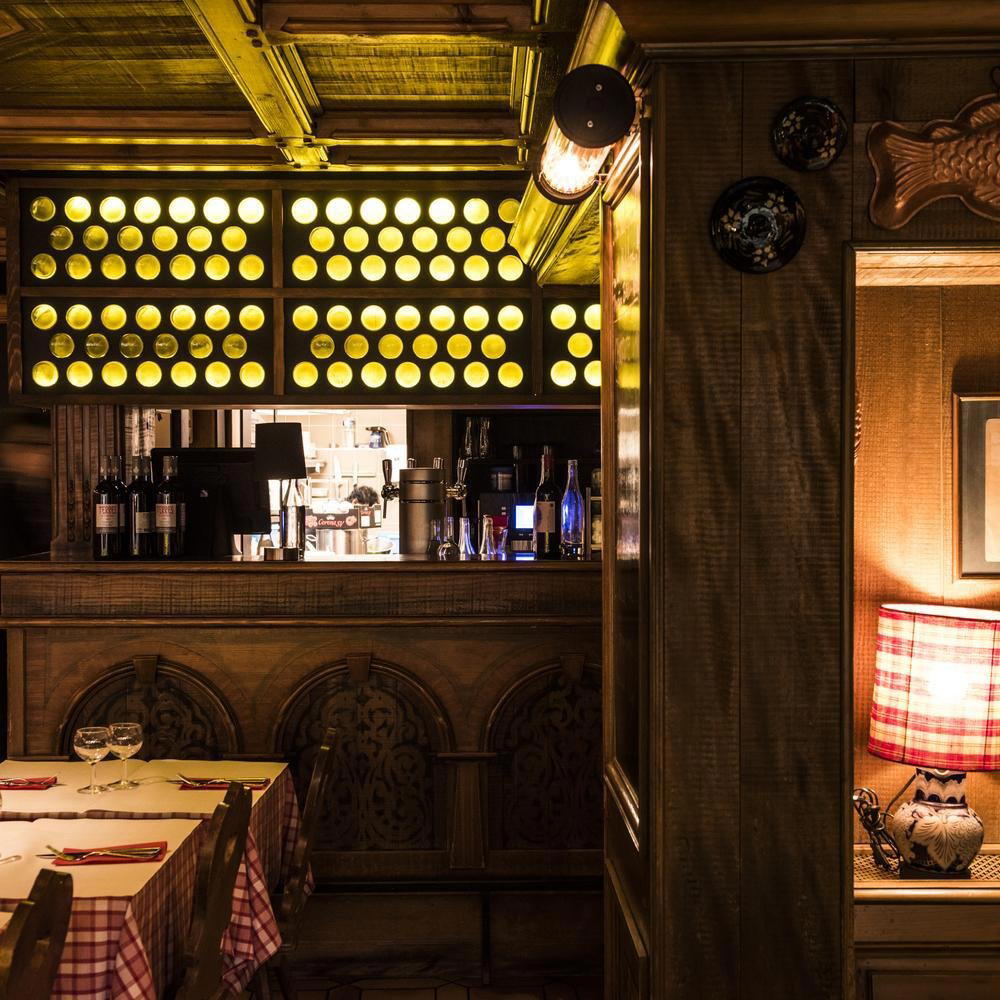
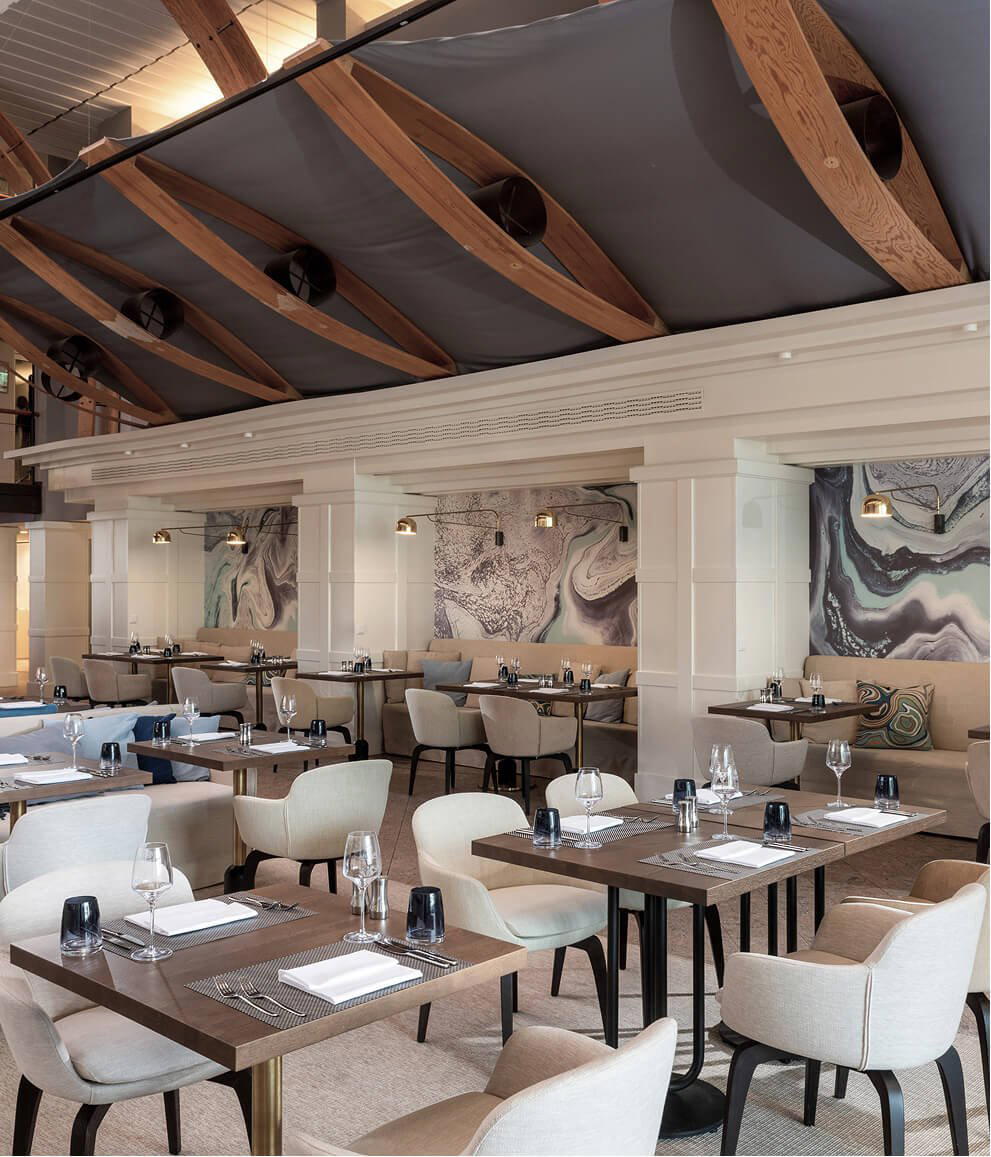
Modern and stylish with clean, bright rooms, relaxing spa atmosphere, and welcoming staff service.