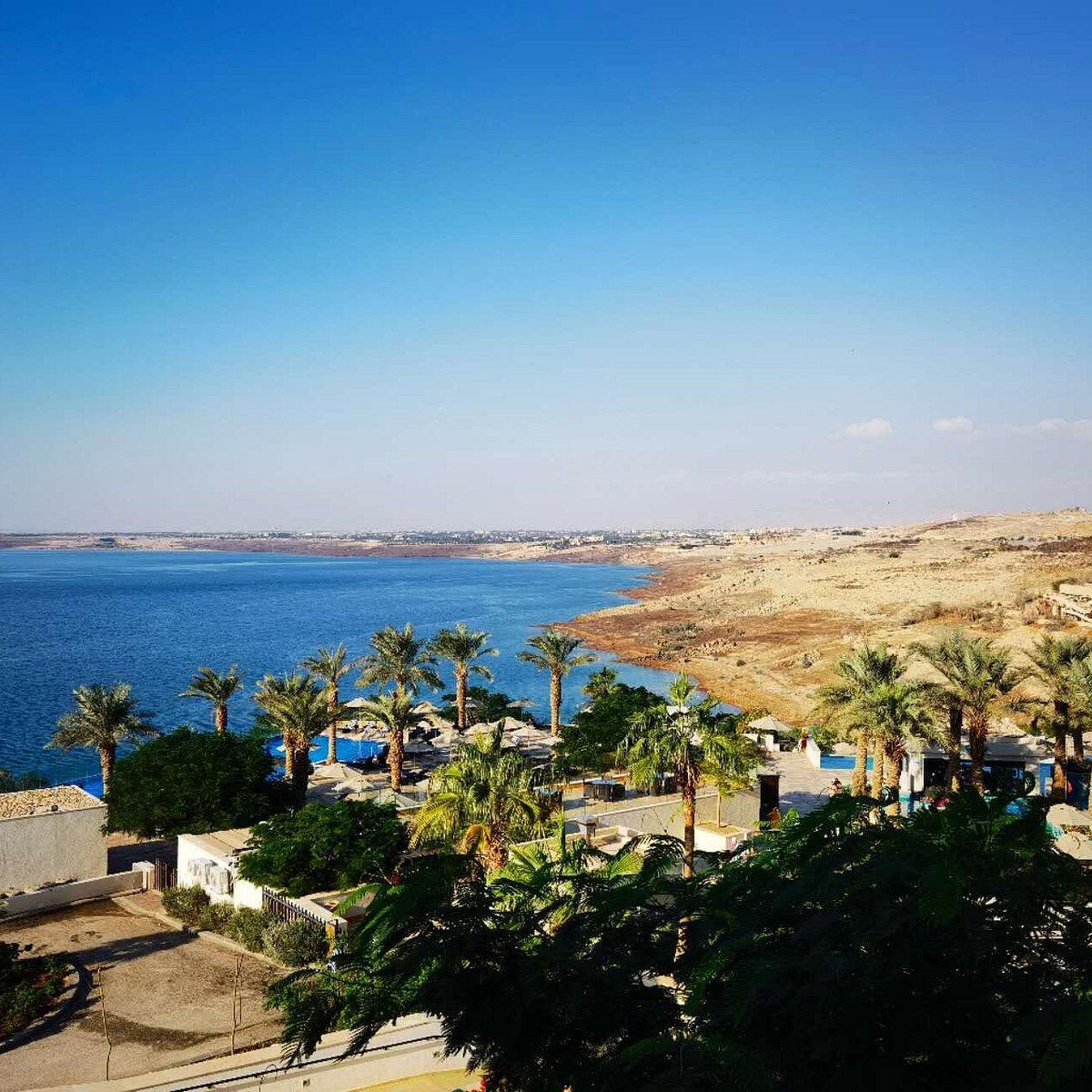
Mövenpick Dead Sea Jordan sits on the shore of the lowest point on earth, where the resort's dining programme spans Jordanian and international formats against a backdrop of mineral-rich waters and the haze of the Judean Hills. A large-format property on Dead Sea Road, Swemeh, it draws visitors combining therapeutic float sessions with structured meal programmes that anchor the resort experience.

Pearl is the En Primeur Club membership app, where members save venues, book tables and use the concierge.
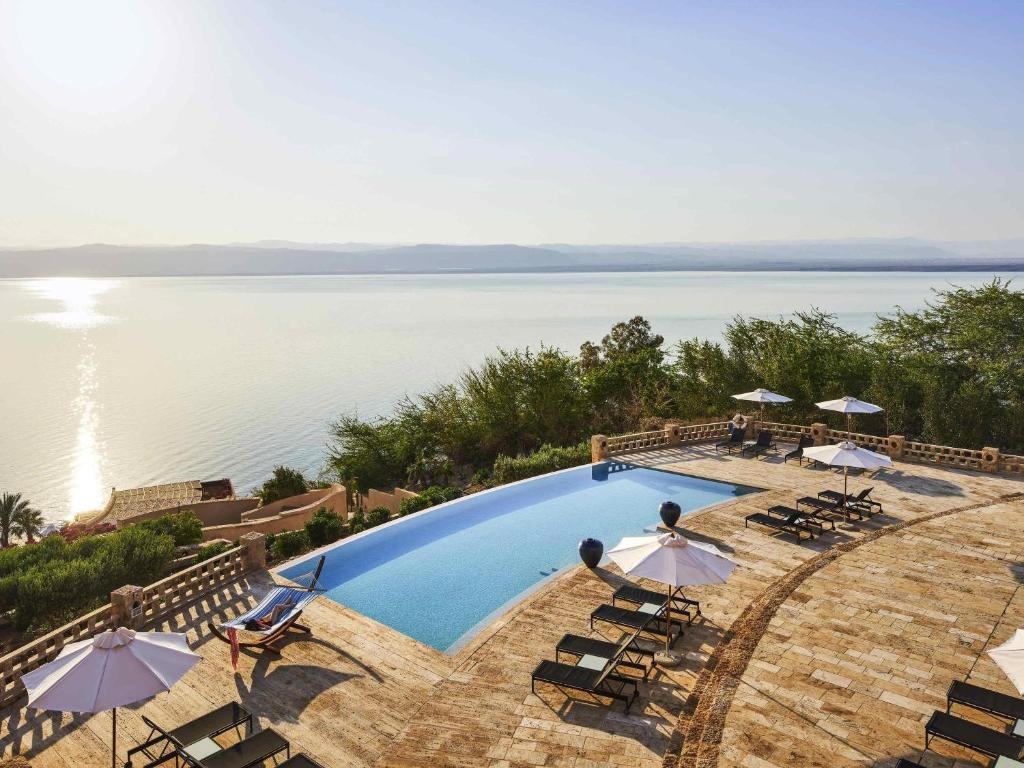
At the Lowest Point on Earth, the Table Comes First
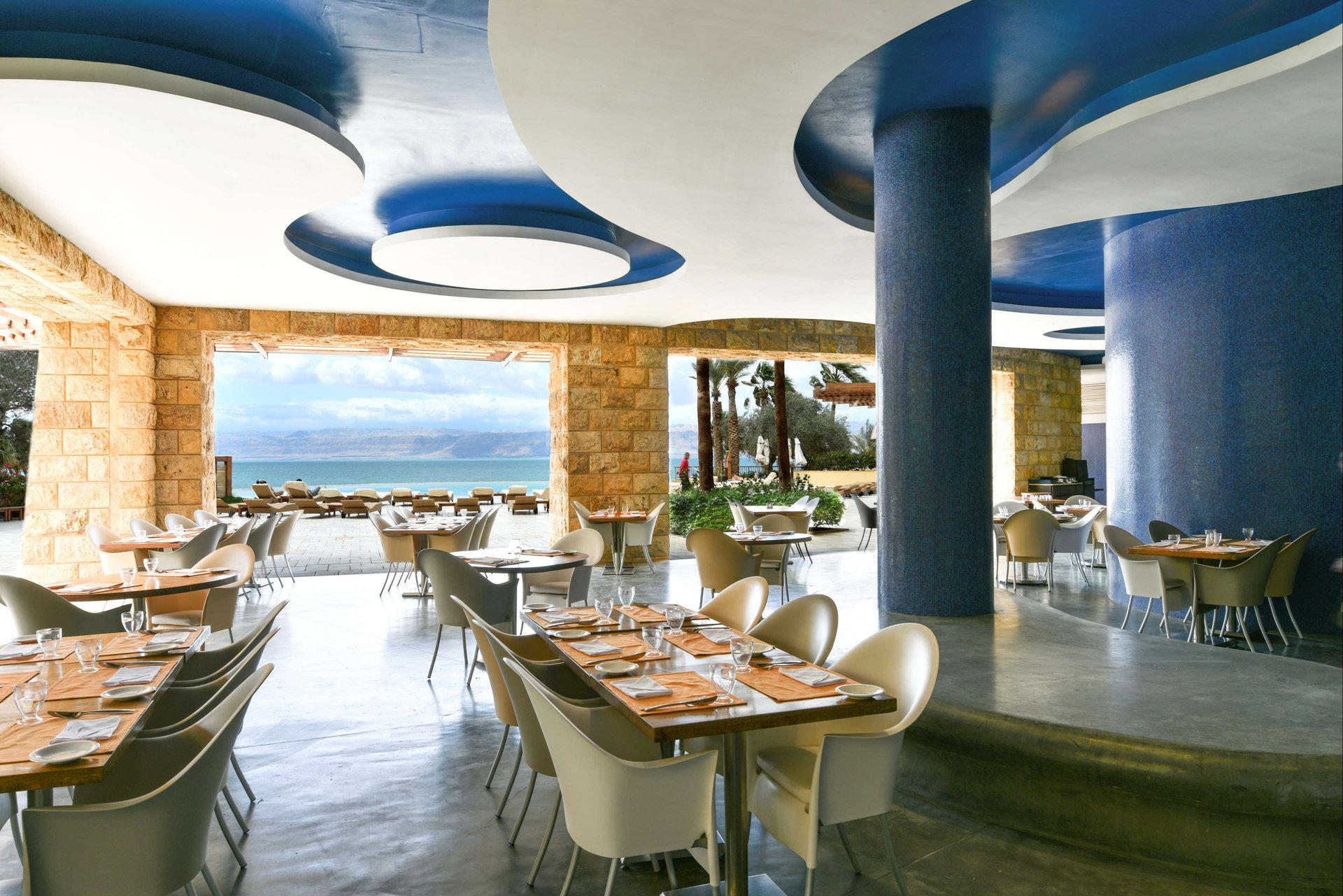
The Dead Sea shore operates by different rules than other resort corridors. At roughly 430 metres below sea level, the air is thick, UV radiation is lower than almost anywhere on the planet, and the silence between breakfast and the midday float session has a particular weight to it. Mövenpick Dead Sea Jordan sits within that atmospheric pressure, on Dead Sea Road in Swemeh, and the resort's dining architecture is designed to fill a full day's rhythm rather than serve as a secondary amenity. That framing matters: properties on this stretch of shoreline compete not just on room quality but on how well they anchor guests who arrive for multi-day stays structured around the water, the mud, and the spa circuit.
The broader Dead Sea resort belt has consolidated around a handful of large-footprint operators. The Kempinski Hotel Ishtar Dead Sea and the Hilton Dead Sea Resort & Spa in Sweimeh occupy the same competitive tier, each running multi-outlet food and beverage programmes designed for guests who may not leave the property for two or three days.
The Dining Programme: Structure and Scope
Resort dining at this scale in Jordan tends to follow a recognisable architecture: a main all-day restaurant anchoring breakfast and dinner buffets, a pool and beach bar serving lighter fare through the afternoon, a speciality restaurant positioning the property for dinner trade, and at least one lounge or shisha space for the evening wind-down. Mövenpick Dead Sea Jordan operates within that structure, and the emphasis falls where it should for a property of this type: on breadth of Jordanian and Levantine cooking rather than a narrow celebrity-chef format.
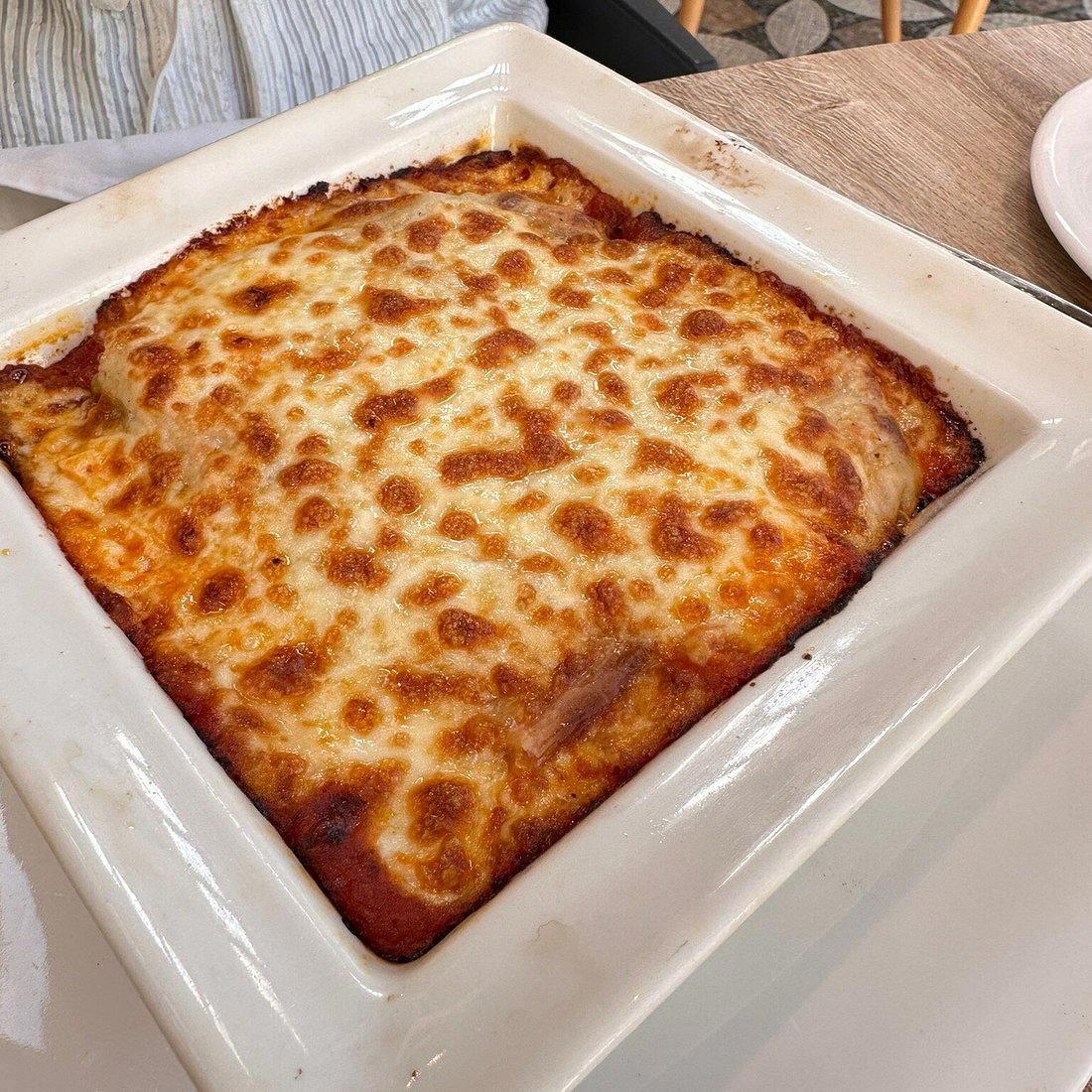
Jordanian resort dining at the Dead Sea has historically leaned on mezze culture as its backbone, and with good reason. The Levantine mezze tradition is built for the rhythm of a long, slow meal in heat, with cold preparations arriving first and hot dishes following in waves. Hummus with olive oil and pine nuts, fattoush with sumac-dressed bread, kibbeh, and slow-cooked lamb preparations form the grammar of any serious Jordanian dining programme. A resort property at this level is expected to execute these with sourced regional ingredients, not generic buffet shortcuts. The distinction between properties that understand this and those that treat mezze as a cost-efficient filler is immediately apparent to any guest who has eaten well in Amman or Petra before arriving at the shore.
For context, the capital's dining standard is set by hotel restaurants at properties like the Four Seasons Hotel Amman, the Fairmont Amman, and the The Ritz-Carlton, Amman, all of which run tightly edited restaurant programmes with clear culinary identities. Dead Sea properties work with a different brief: feeding guests across a full day at volume, while still delivering the refined Jordanian food experience that draws international visitors to the region. The The St. Regis Amman and W Amman represent the capital's more design-forward positions; the Dead Sea corridor answers to a different set of priorities, where outdoor dining timing, sun exposure management, and post-float appetite patterns shape the menu more than trend cycles.
The Dead Sea Context: Why Location Changes Everything About a Meal
Eating at the Dead Sea is a specific sensory situation. The low altitude means guests often feel surprisingly hungry by mid-morning. The mineral-saturated air and post-float dehydration create an appetite profile that skews toward protein, salt, and bread, which happens to align neatly with the traditional Jordanian spread. A serious breakfast buffet at a Dead Sea property does meaningful work: it sets the energy level for a morning in the water, and properties that understand this prioritise the quality of their labneh, their fresh bread, and their egg preparation over decorative fruit towers.
The evening meal functions differently. With the Judean Hills visible across the water through haze, and temperatures dropping to something workable after sunset, outdoor dinner terraces become the most sought-after seats. Properties that have invested in outdoor lighting, wind management, and a clear sunset sight line hold an advantage that no indoor restaurant can replicate regardless of its menu quality. This is a resort category where the physical environment does significant editorial work, and the dining programme needs to be good enough not to undercut it.
Planning Your Stay: Practical Considerations
Dead Sea Road runs between the Sweimeh resort cluster and the broader Queen Alia International Airport catchment, with Amman city centre approximately an hour's drive away depending on traffic patterns on the descent. Guests arriving from Amman for a Dead Sea stay typically plan two to three nights minimum to absorb the therapeutic circuit meaningfully, and the multi-day itinerary makes the dining programme's depth more relevant than it would be for a one-night transit stop.
For travellers extending a Jordan itinerary, properties further south like the Bedouin Garden Village in Aqaba or the Wadi Rum Night Luxury Camp offer a natural continuation into the Wadi Rum desert and Red Sea corridor. The Mujib Chalets in the Mujib Biosphere Reserve sit roughly between the Dead Sea resort cluster and the Wadi Mujib canyon system, making them a logical break point in a southbound itinerary. The Holiday Inn Resort Dead Sea operates in the same Sweimeh cluster at a lower price point, and represents the entry-level alternative for the same shore access.
For context on how Dead Sea resort dining compares to the concentrated international-standard restaurant scene in the capital, the full Amman restaurants guide maps the city's food and beverage geography in detail.
Where the Mövenpick Dead Sea Sits in the Region
Across the global Mövenpick portfolio, the Dead Sea property occupies an interesting position: a large-format resort anchoring a site with genuine natural significance, rather than a city-centre business hotel or airport property. The comparison point internationally is not urban luxury, but destination resort programmes built around natural phenomena, the kind of model seen at properties like Amangiri in Canyon Point, where the landscape itself structures the guest programme and the food and beverage offer has to respect that hierarchy rather than compete with it.
Within Jordan specifically, the Dead Sea shore remains the most internationally recognised resort address outside Petra and Wadi Rum. The therapeutic properties of the water and mud have drawn visitors since Roman times, and the resort infrastructure that has grown around that draw now includes properties across several competitive tiers. Mövenpick Dead Sea Jordan operates at the upper-middle of that band, with a dining programme that aims to serve both leisure guests and day visitors attracted by the spa and beach access.
Cost and Credentials
| Venue | Price | Awards |
|---|---|---|
| Mövenpick Dead Sea JordanThis venue (the venue you are viewing) | $100–200 | Not listed |
| Fairmont Amman | $200–300 | 1 Michelin Key · Forbes Recommended |
| Four Seasons Hotel Amman | Not listed | 1 Michelin Key · La Liste Top Hotels |
| The Ritz-Carlton, Amman | $300–500 | 1 Michelin Key · Forbes 4-Star |
| The St. Regis Amman | $300–500 | 1 Michelin Key · Forbes 4-Star |
| W Amman | $100–200 | Michelin Selected · Forbes Recommended |
Continue exploring
More in Amman
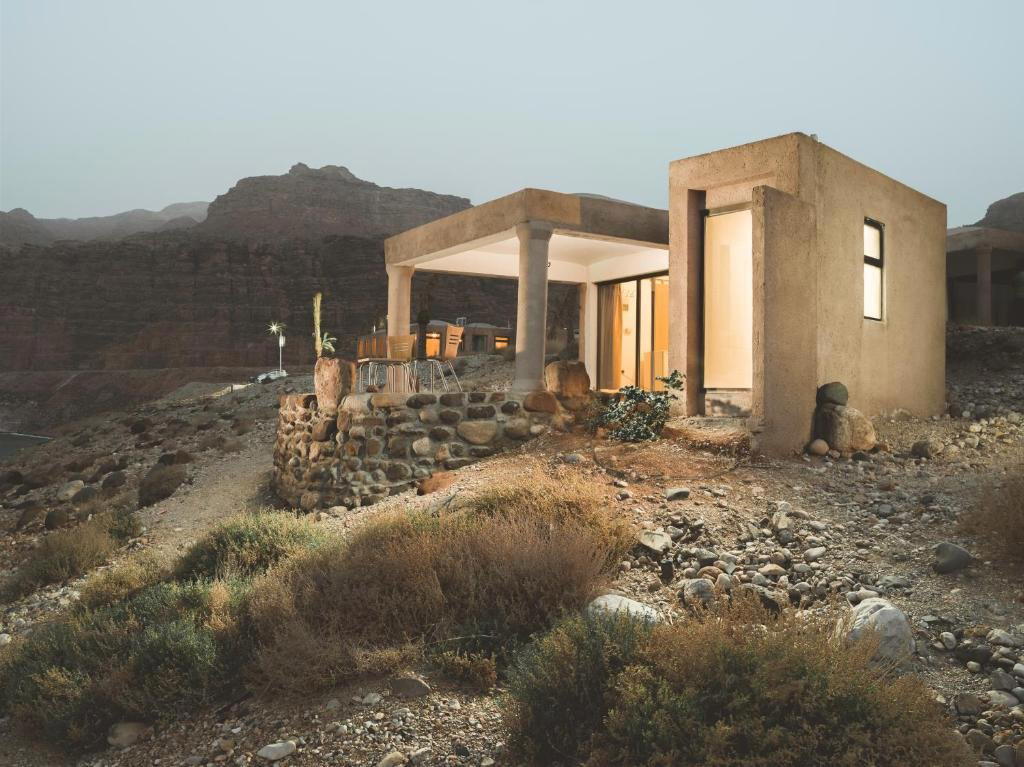
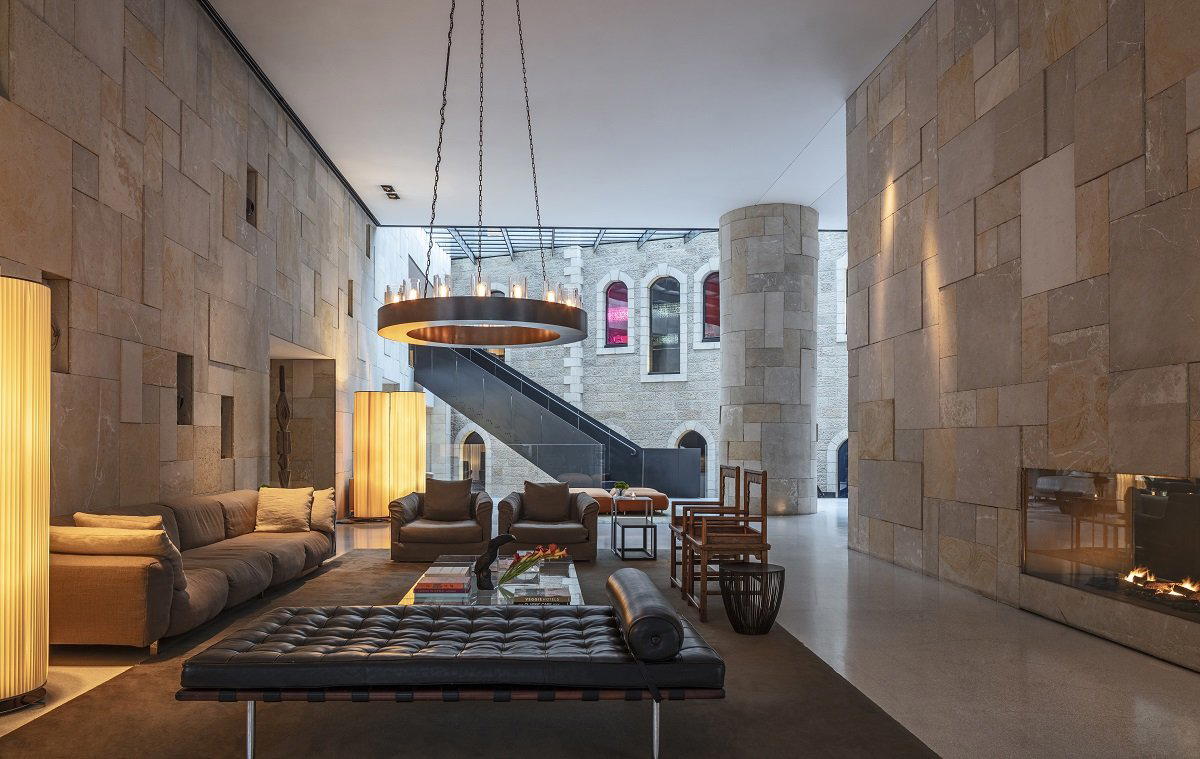
Hotels in Amman
All hotels in Amman →
Bars in Amman
All bars in Amman →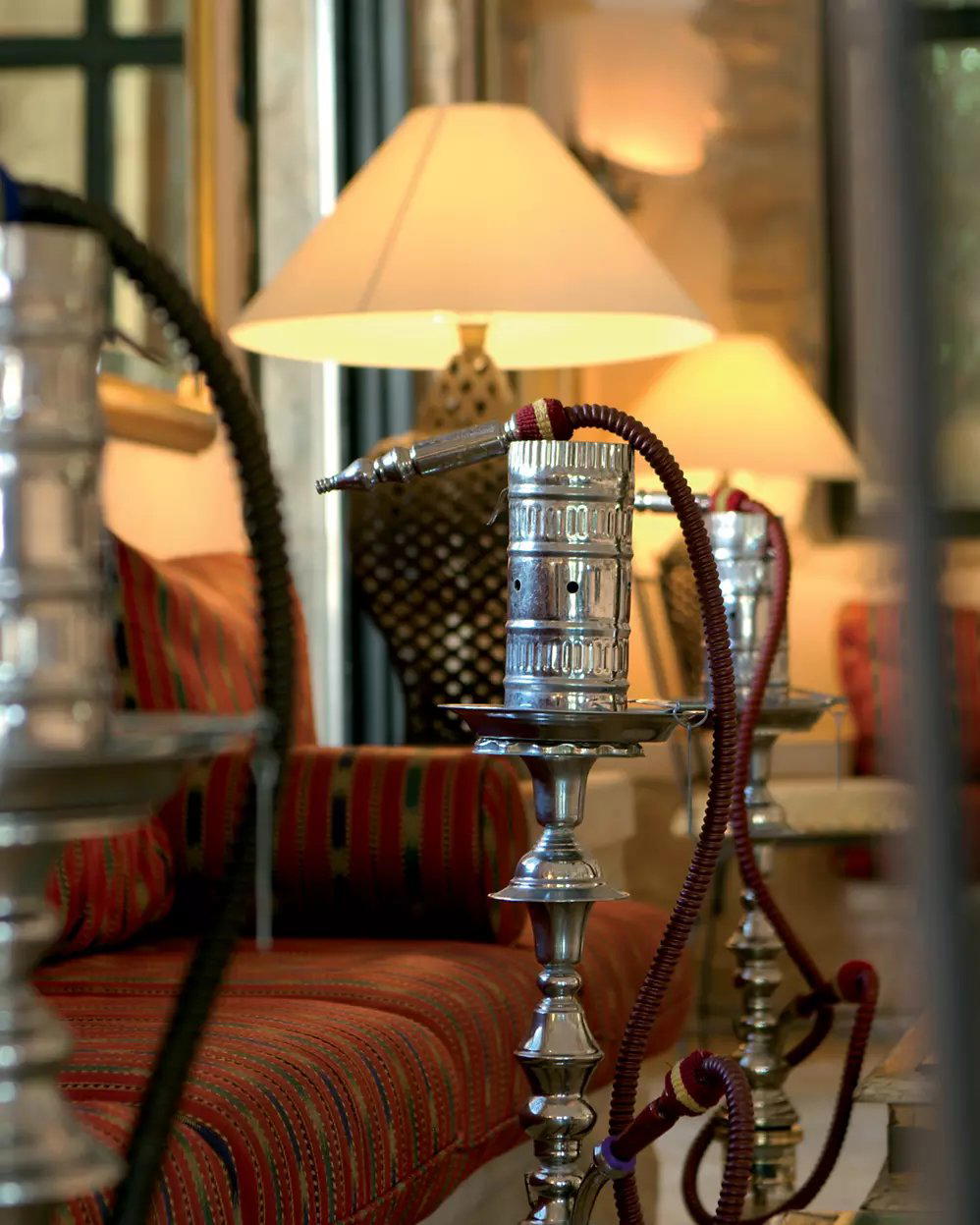
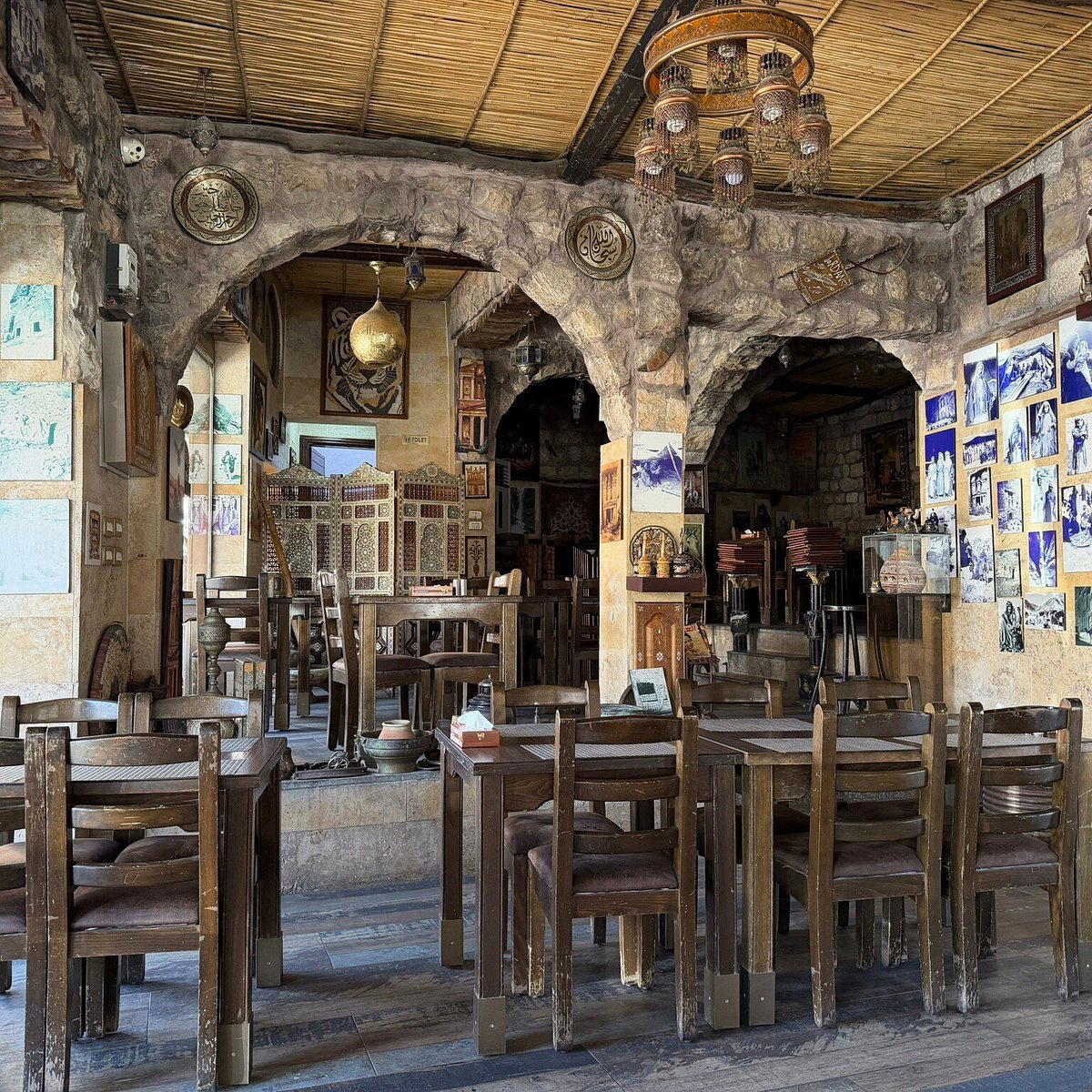
Restaurants in Amman
All restaurants in Amman →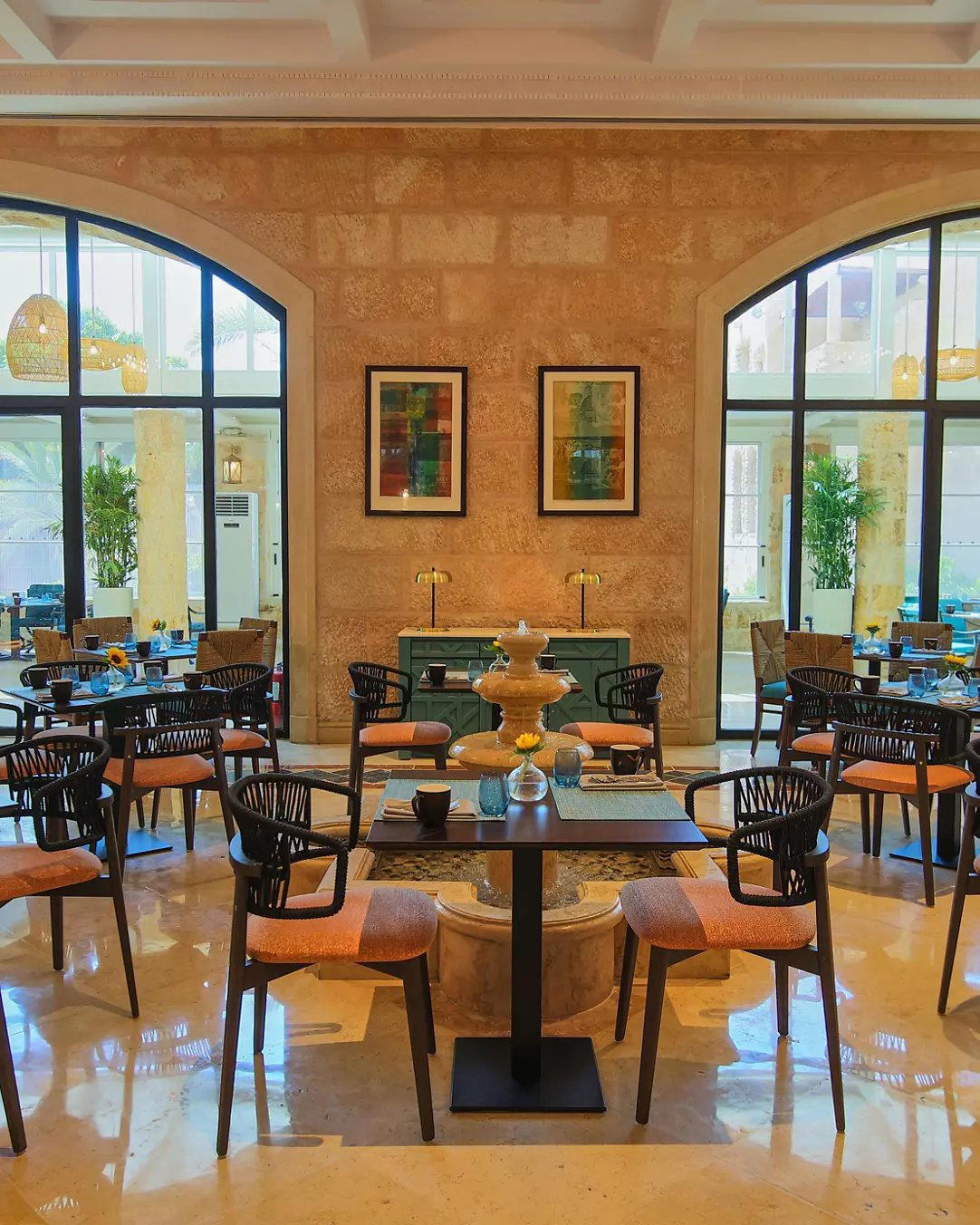

Details
- Quiet
- Elegant
- Scenic
- Sophisticated
- Honeymoon
- Wellness Retreat
- Family Vacation
- Romantic Getaway
- Beachfront
- Infinity Pool
- Destination Spa
- Pool
- Spa
- Wi Fi
- Room Service
- Concierge
- Tennis Court
- Beach Access
- Fitness Center
- Waterfront
- Mountain
- Garden
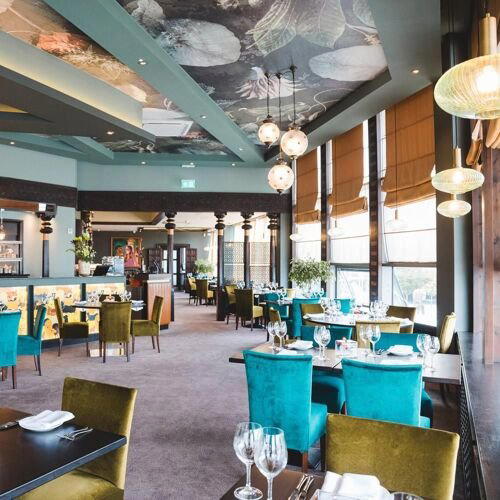
Tranquil and relaxing atmosphere with modern décor, Arabic influences, lush gardens, trickling streams, and soothing natural colors.