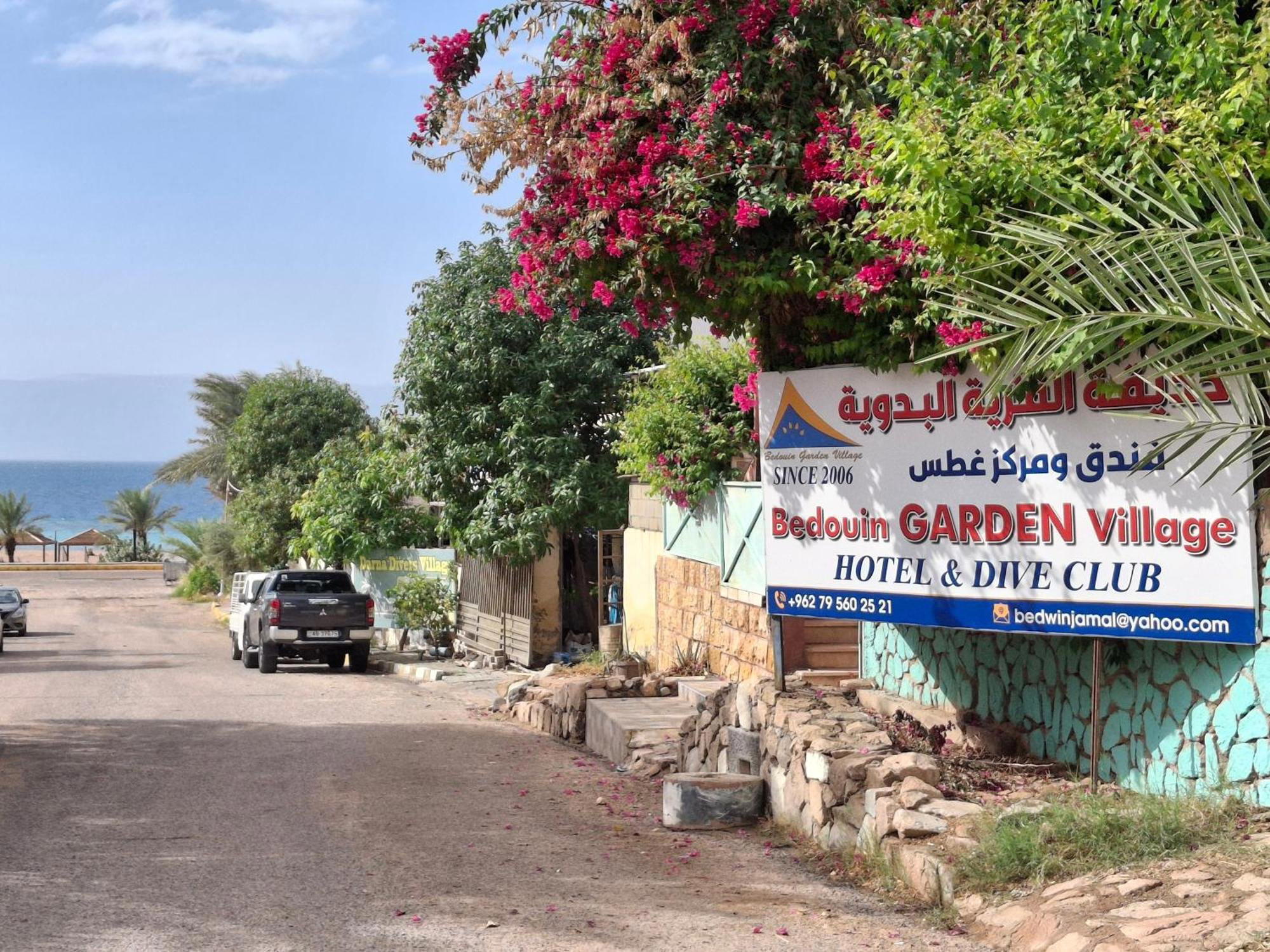
Positioned directly opposite Aqaba's Marine Park on the South Beach Highway, Bedouin Garden Village draws its identity from the desert-rooted architectural traditions of southern Jordan. The open-air format and organic spatial arrangement place it within a category of experience-led venues that prioritise atmosphere over formality. For visitors arriving from the Red Sea coast or en route to Wadi Rum, it reads as a deliberate counterpoint to the city's international hotel corridor.

Pearl is the En Primeur Club membership app, where members save venues, book tables and use the concierge.
Where the Desert Meets the Waterfront: Aqaba's Bedouin Design Tradition
Aqaba occupies a narrow geographic corridor between the Hejaz mountains and the northern tip of the Red Sea, a position that has made it Jordan's only coastal city and a meeting point for Bedouin land culture and maritime trade. That duality shapes how experience venues in the city are conceived: the most characterful spaces tend not to replicate the international resort formula common further along the Gulf of Aqaba, but instead draw on the vernacular architecture and communal spatial logic of the desert interior. Bedouin Garden Village, positioned directly in front of the Marine Park on the South Beach Highway, belongs to this current of thinking. Its address alone signals the intent: it faces the sea but draws its design language from inland traditions.
This is not a format unique to Jordan, but Jordan does it with particular coherence. Across the country, from the camps of Wadi Rum Night Luxury Camp to the ecological lodges of Mujib Chalets in the Mujib Biosphere Reserve, there is a recurring architectural conversation between the natural environment and the built one. Bedouin Garden Village participates in that conversation at the city scale, bringing its spatial vocabulary into an urban setting rather than a remote wilderness context.
The Architecture of Openness: Reading the Physical Space
Bedouin-influenced design in Jordan typically operates through a set of recognisable spatial principles: low-profile structures that defer to the horizon, organic material palettes drawn from stone, wood, and woven textiles, and a preference for courtyard or garden configurations that create interior social space without enclosing it. These are not aesthetic choices made in isolation, they are responses to a climate that is intensely hot in summer and surprisingly cold in winter, and to a cultural tradition that privileges communal gathering over private dining.
A garden village format, as the name directly signals, extends this logic into a landscaped outdoor environment where the spatial experience is defined by planted areas, shade structures, and the interplay between open sky and protected enclosure. In the context of Aqaba's South Beach Highway, this positions the venue as a deliberate alternative to the indoor-air-conditioned formats that dominate the city's international hotel strip. The Marine Park location adds a further dimension: the Red Sea sits immediately beyond, offering a horizon that Bedouin design vocabulary, oriented historically toward desert vistas, here reorients toward water.
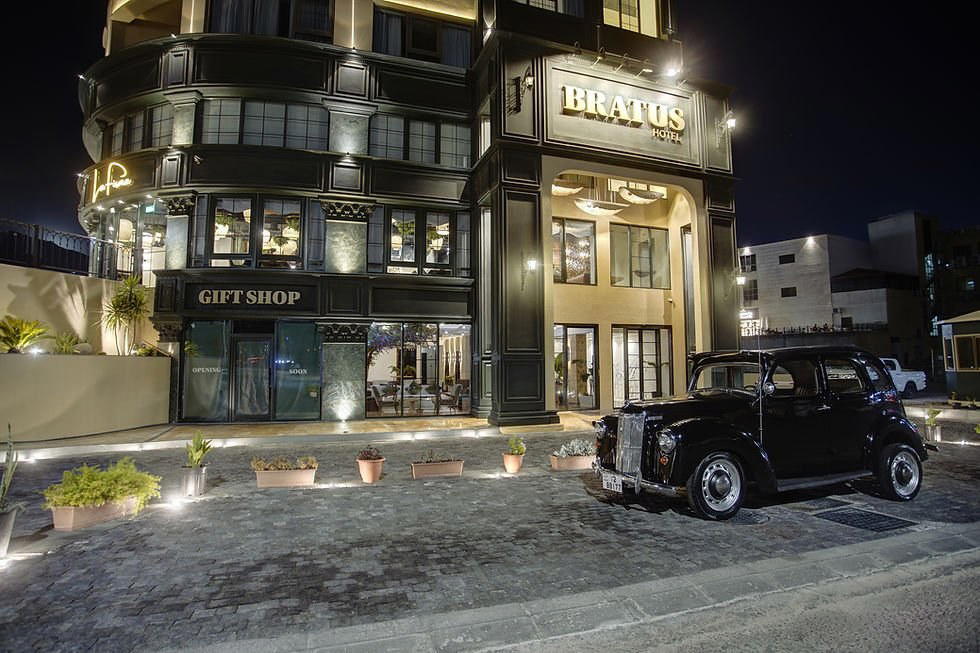
For travellers staying in Aqaba's more conventional hotel properties, such as Bratus Hotel or Captain's Hotel, a venue operating in this outdoor garden format represents a meaningful shift in atmosphere. The South Beach Highway corridor is accessible from most Aqaba accommodation, making the location practical as well as atmospheric.
Aqaba as a Design Context
To understand where Bedouin Garden Village sits within its city, it helps to map Aqaba's broader hospitality geography. The city has invested significantly in its coastal and marine tourism infrastructure over the past two decades, with the Marine Park, established to protect the northern Red Sea's coral reef ecosystem, functioning as the anchor for the southern beach zone. Venues that face the Marine Park occupy a position that is both environmentally and symbolically distinct from the downtown hotel cluster.
The tension in Aqaba's hospitality identity is between the pull of international standards and the specificity of place. Jordan's larger properties, including the Kempinski Hotel Ishtar Dead Sea and the Hilton Dead Sea Resort and Spa, operate within global brand frameworks that, by design, moderate the expression of local architectural identity. The more interesting creative spaces in Jordan tend to emerge outside those frameworks, in venues that have the freedom to build around vernacular material choices and landscape-responsive siting. Bedouin Garden Village's name and location suggest it falls into this second category.
Globally, the shift toward nature-embedded, culturally grounded design formats has accelerated. Properties like Amangiri in Canyon Point demonstrate how desert-responsive architecture can occupy a premium position in the international market by treating landscape not as backdrop but as primary material. Closer to Aqaba's own cultural register, the Bedouin tent and garden traditions of southern Jordan have long operated on similar principles, without the need to import the concept from abroad. What venues like Bedouin Garden Village represent is the domestication of that principle into an accessible, city-adjacent format.
Planning a Visit: What to Know Before You Go
The South Beach Highway address, directly opposite the Marine Park, is the clearest navigational reference point for reaching Bedouin Garden Village. Aqaba is compact enough that most points within the city are within a short drive, and taxis are the standard mode of local transport. The Marine Park itself is a well-known landmark, which makes the venue easier to locate than a street number alone would suggest.
Visitors to Aqaba typically come for one of three reasons: the Red Sea diving and snorkelling, the transit connection to Wadi Rum and Petra, or the broader Jordan loop that might begin at the Dead Sea and end at the Gulf. For travellers in any of these categories, a venue oriented toward outdoor Bedouin design and marine-adjacent positioning offers an experience that fits the regional narrative without requiring a departure from the city's practical geography. Our full Aqaba restaurants and venues guide covers the broader scene with updated practical detail.
The Broader Jordan Design Conversation
Bedouin Garden Village is one data point in a larger pattern of venues across Jordan that are attempting to resolve the tension between international visitor expectations and the material and spatial traditions of the region. The question of how to design for a foreign audience without flattening local identity is not unique to Jordan, but it is particularly acute here, where the Bedouin heritage is both genuinely living and heavily romanticised by the tourism industry.
The most credible venues in this space tend to be those where the design choices read as structurally functional rather than decorative: shading systems that actually respond to sun angles, material selections that perform thermally rather than just aesthetically, and spatial arrangements that follow social logic rather than photographic composition. Garden village formats have the potential to achieve all three of these when executed with care. Whether Bedouin Garden Village delivers on that potential in full is a judgement leading made on the ground, but its location, format, and framing place it within a category worth seeking out for travellers whose interest in Jordan extends beyond the poolside and into the cultural fabric of southern Jordanian life.
For reference, travellers who respond to design-led, culturally rooted hospitality environments elsewhere in the world, at properties such as Castello di Reschio in Umbria or Hotel Esencia in Tulum, will find the underlying design philosophy of Bedouin-influenced outdoor venues in Jordan to be a recognisable, if geographically and culturally distinct, expression of the same instinct: that the most durable hospitality environments are those where the built space is in active dialogue with the place it occupies.
How It Stacks Up
| Venue | Price | Awards |
|---|---|---|
| Bedouin Garden VillageThis venue (the venue you are viewing) | $1–100 | Not listed |
| Fairmont Amman | $200–300 | 1 Michelin Key · Forbes Recommended |
| Four Seasons Hotel Amman | Not listed | 1 Michelin Key · La Liste Top Hotels |
| The Ritz-Carlton, Amman | $300–500 | 1 Michelin Key · Forbes 4-Star |
| The St. Regis Amman | $300–500 | 1 Michelin Key · Forbes 4-Star |
| W Amman | $100–200 | Michelin Selected · Forbes Recommended |
Continue exploring
More in Aqaba
Details
- Rustic
- Cozy
- Scenic
- Bohemian
- Romantic Getaway
- Weekend Escape
- Beachfront
- Wi Fi
- Pool
- Outdoor Pool
- Private Beach
- Restaurant
- Fitness Center
- Waterfront
- Garden
- Wheelchair Accessible
- Step Free Entrance
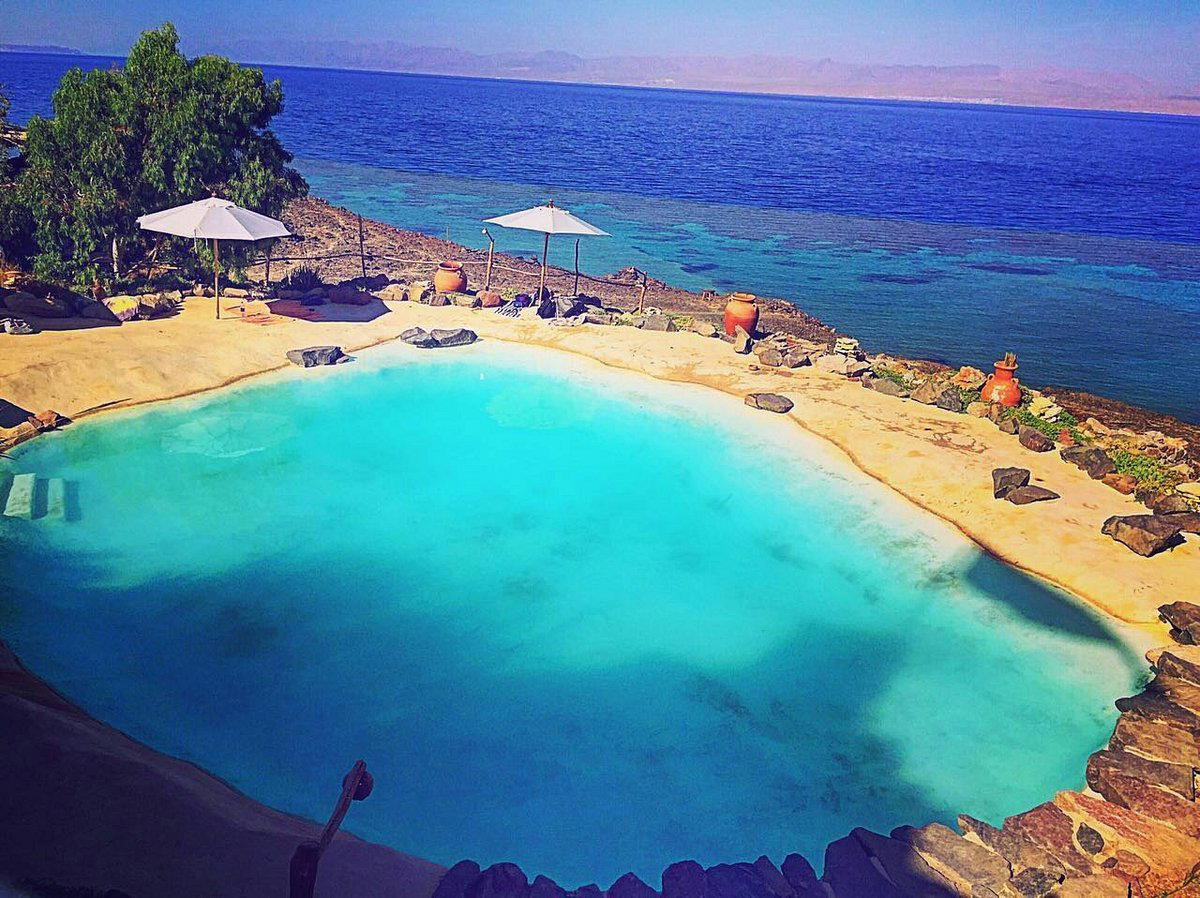
Peaceful oasis with beautiful plants, colors, and Bedouin character, featuring outdoor poolside relaxation and garden surroundings.