Mujib Chalets - Mujib Biosphere Reserve
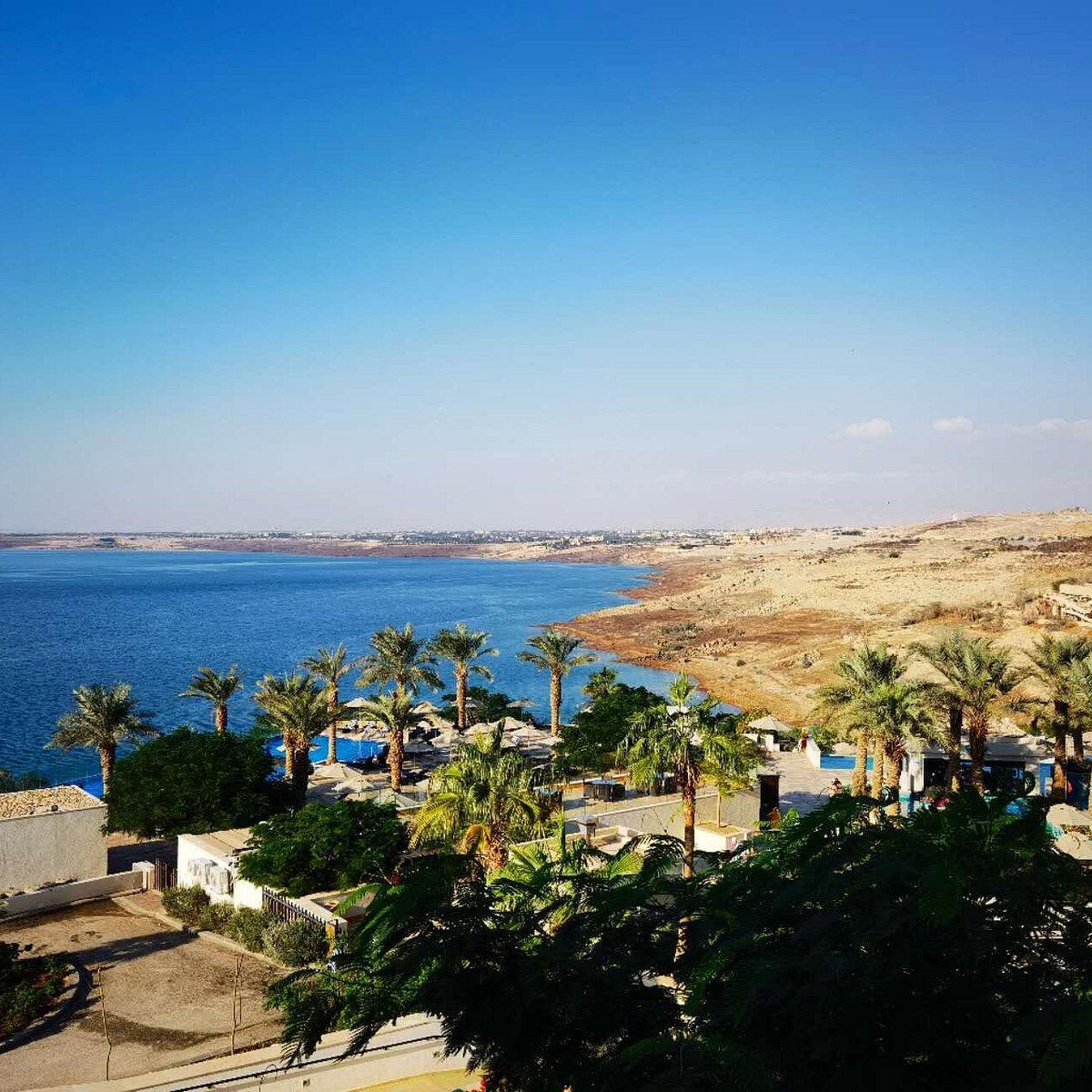
Mujib Chalets sit within Jordan's Mujib Biosphere Reserve, a protected canyon landscape on the northeastern shore of the Dead Sea. The accommodation places guests directly inside one of the lowest nature reserves on earth, where dramatic wadis and cliff-cut gorges define the terrain. For travelers prioritizing proximity to the reserve's trail network over hotel amenities, this is the practical base camp.

Pearl is the En Primeur Club membership app, where members save venues, book tables and use the concierge.
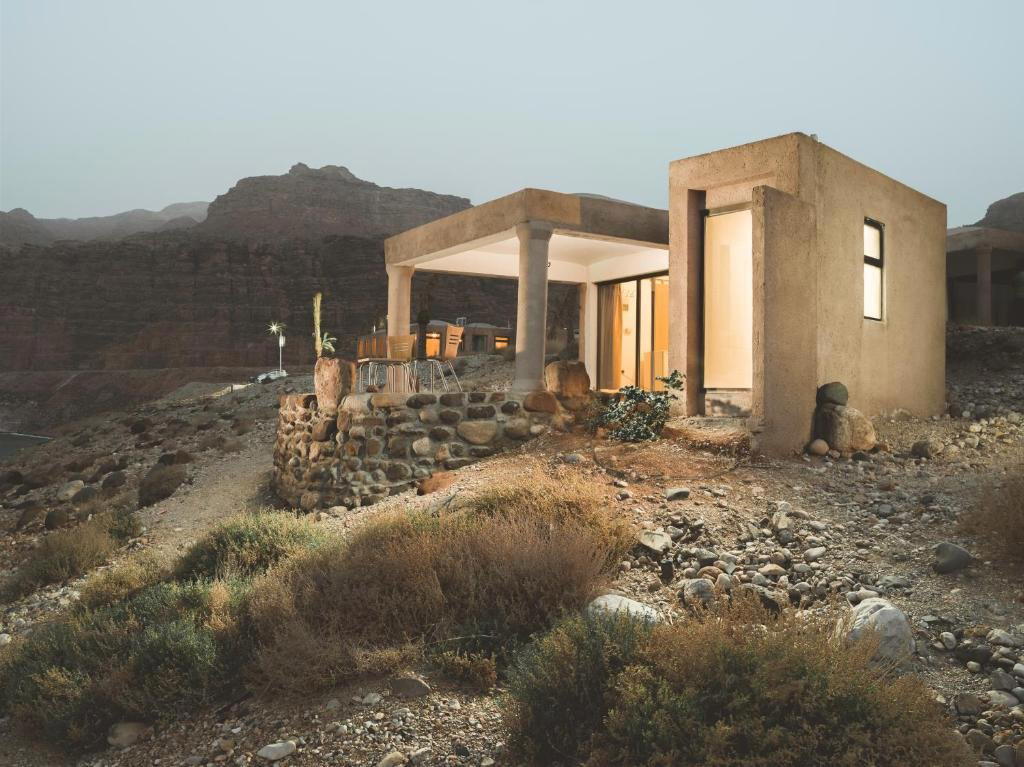
Canyon Architecture at the Lowest Point on Earth
The Mujib Biosphere Reserve occupies a stretch of the eastern Dead Sea shoreline where the land drops sharply through a system of sandstone wadis and basalt gorges before flattening into hypersaline water at roughly 400 metres below sea level. The chalets here are not a hotel in any conventional sense. They are a managed accommodation facility operated as part of the reserve infrastructure, which means the design logic follows conservation and access priorities rather than luxury hospitality conventions. In that framing, the physical setting does the architectural work that a traditional property might assign to interior design or amenity programming.
Across Jordan's protected landscape accommodation sector, a clear division exists between large resort developments concentrated around the Dead Sea's western-facing Jordanian shore and smaller, access-oriented facilities positioned inside reserve boundaries. The Mujib Chalets belong firmly to the second category, alongside comparable arrangements at places like Wadi Rum Night Luxury Camp, where the logic of sleeping inside the natural asset rather than adjacent to it shapes every decision about scale, density, and infrastructure footprint.
What the Physical Setting Delivers
The reserve's gorge system is the primary architectural fact of any stay here. The Siq Trail, which routes through a water-filled slot canyon, and the Malaqui Trail, which climbs above the wadi floor, are both accessed from within the reserve boundary. Accommodation positioned inside that boundary compresses the distance between waking up and entering the canyon to something measured in walking minutes rather than driving time, which changes the character of a visit substantially.
Wadis in this region are shaped by flash flood erosion through sedimentary and volcanic rock, producing walls that can rise vertically for tens of metres from a canyon floor only a few metres wide. The colour range across the Mujib gorges runs from pale limestone and cream sandstone through iron-oxide reds and, in sections, the dark grey-black of basalt intrusions. Natural light inside the narrower passages shifts dramatically by time of day, which means the experience of the same physical space at early morning versus midday is genuinely different in character. That variability is the closest equivalent to what a traditionally designed property would call a changing ambience.
For context on how Jordan positions its protected areas against international desert and canyon accommodation, the comparison set extends well beyond the Dead Sea corridor. Properties like Amangiri in Canyon Point operate on a design-meets-landscape philosophy where architecture is explicitly shaped to reference the surrounding geology. Mujib operates on a simpler premise: the geology is the experience, and the accommodation enables access to it without intermediating it through design language.
The Biosphere Reserve Context
UNESCO designated the Mujib area as a biosphere reserve in 2011, recognising the ecological significance of a corridor that runs from the Dead Sea shore through the mountainous terrain of the Moab plateau. The reserve supports a documented population of Nubian ibex, a species that had been locally extinct and was successfully reintroduced. The Dead Sea shoreline section of the reserve sits at the convergence of three biogeographical zones, which produces a flora and fauna profile that does not replicate elsewhere in Jordan. That ecological specificity is the reason for the reserve designation and, by extension, the reason accommodation exists here in a managed, limited-capacity format rather than in larger-scale development.
Jordan's Royal Society for the Conservation of Nature manages the reserve and operates its visitor facilities, including the trail network and the chalet accommodation. This is a different model from private ecotourism operators or international hotel groups, and the visitor experience reflects that difference in terms of infrastructure, service style, and what the booking process looks like. Travelers expecting the service architecture of properties like Kempinski Hotel Ishtar Dead Sea or Hilton Dead Sea Resort and Spa in Sweimeh will find a fundamentally different proposition here. Mujib positions inside the reserve as a facility for access and conservation-oriented tourism rather than as a hospitality destination in the resort sense.
Planning a Visit: Practical Considerations
The RSCN manages bookings for Mujib through Jordan's Wild Jordan network, and reservations are typically arranged in advance through that channel rather than via standard hotel booking platforms. The trails have seasonal restrictions: the water-based canyon routes operate from April through October, when water levels and flash flood risk make passage practical and manageable. Outside those months, access to the siq trails closes, which substantially changes what a visit to the reserve delivers. Timing a stay to the shoulder months of April to May or September to October aligns canyon trail access with more moderate temperatures on the Dead Sea shore, which can reach 40 degrees Celsius and above during July and August.
The nearest major infrastructure hub is Amman, from which the reserve sits roughly two hours south by road through the King's Highway route or the Desert Highway. Aqaba, Jordan's Red Sea port city, is the southern alternative entry point, where accommodation options including Bedouin Garden Village provide a southern base for multi-destination itineraries that combine Wadi Rum, Petra, and the Dead Sea corridor. For the Dead Sea resort corridor closer to the reserve, the Holiday Inn Resort Dead Sea provides a conventional hotel option if reserve accommodation is unavailable or unsuitable. Visitors building a longer Jordan itinerary might also reference our full Al Judayyidah restaurants guide for the broader area context.
At-a-Glance Comparison
| Venue | Price | Awards |
|---|---|---|
| Mujib Chalets - Mujib Biosphere ReserveThis venue (the venue you are viewing) | $100–200 | Not listed |
| Fairmont Amman | $200–300 | 1 Michelin Key · Forbes Recommended |
| Four Seasons Hotel Amman | Not listed | 1 Michelin Key · La Liste Top Hotels |
| The Ritz-Carlton, Amman | $300–500 | 1 Michelin Key · Forbes 4-Star |
| The St. Regis Amman | $300–500 | 1 Michelin Key · Forbes 4-Star |
| W Amman | $100–200 | Michelin Selected · Forbes Recommended |
Continue exploring
More in Al Judayyidah
Hotels in Al Judayyidah
All hotels in Al Judayyidah →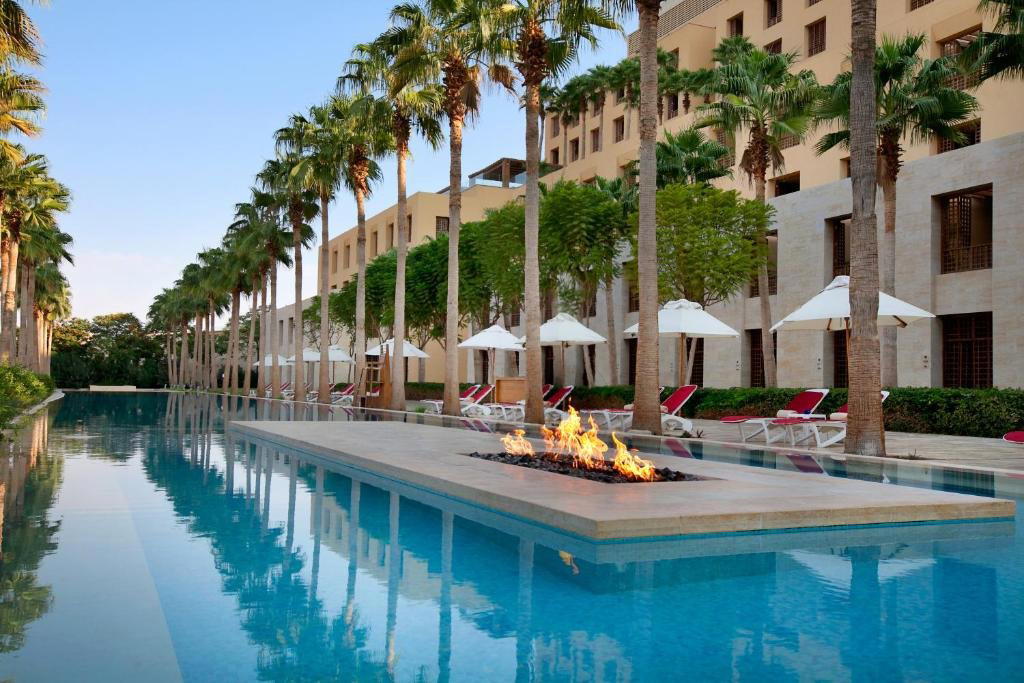
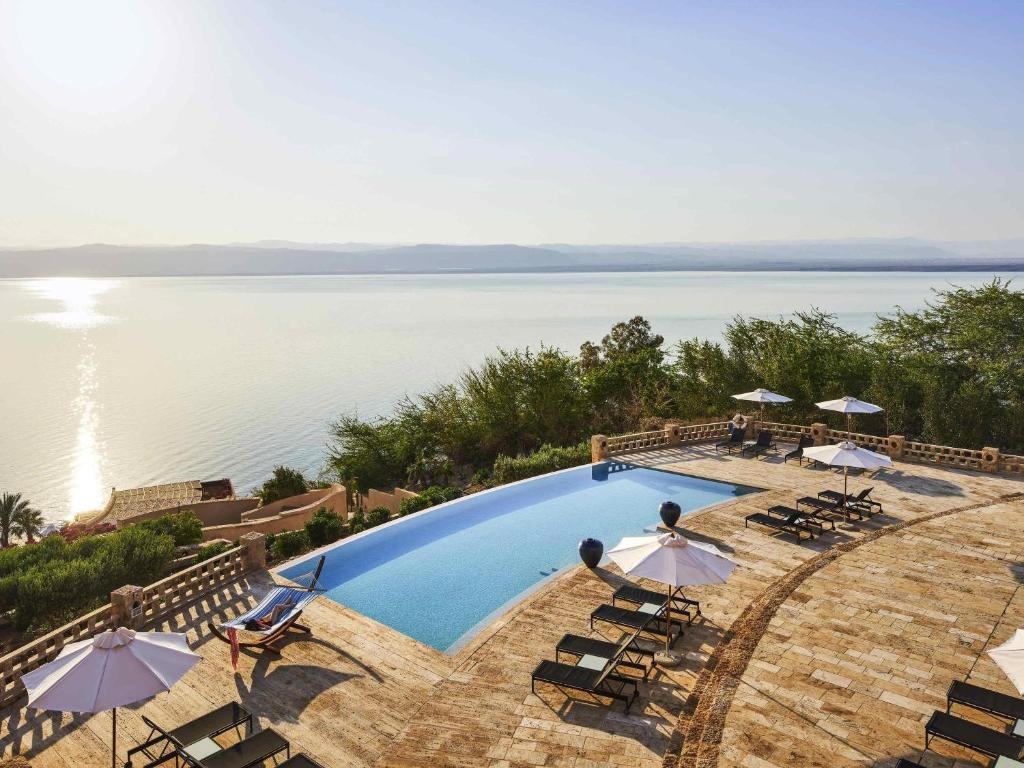
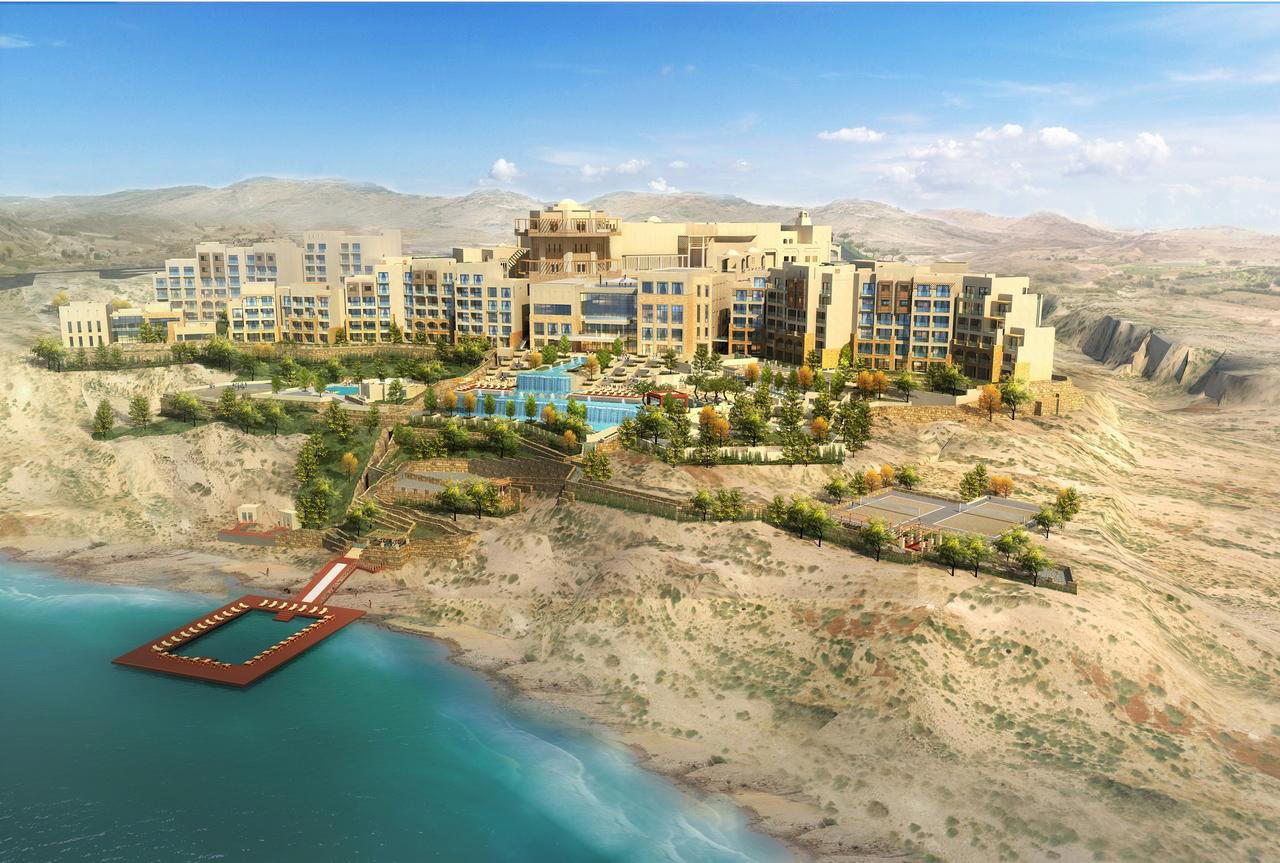
Bars in Al Judayyidah
Browse all →
Restaurants in Al Judayyidah
Browse all →

Details
- Rustic
- Scenic
- Cozy
- Quiet
- Romantic Getaway
- Wellness Retreat
- Weekend Escape
- Waterfront
- Panoramic View
- Terrace
- Wi Fi
- Restaurant
- Breakfast Included
- Air Conditioning
- Waterfront
- Step Free Entrance
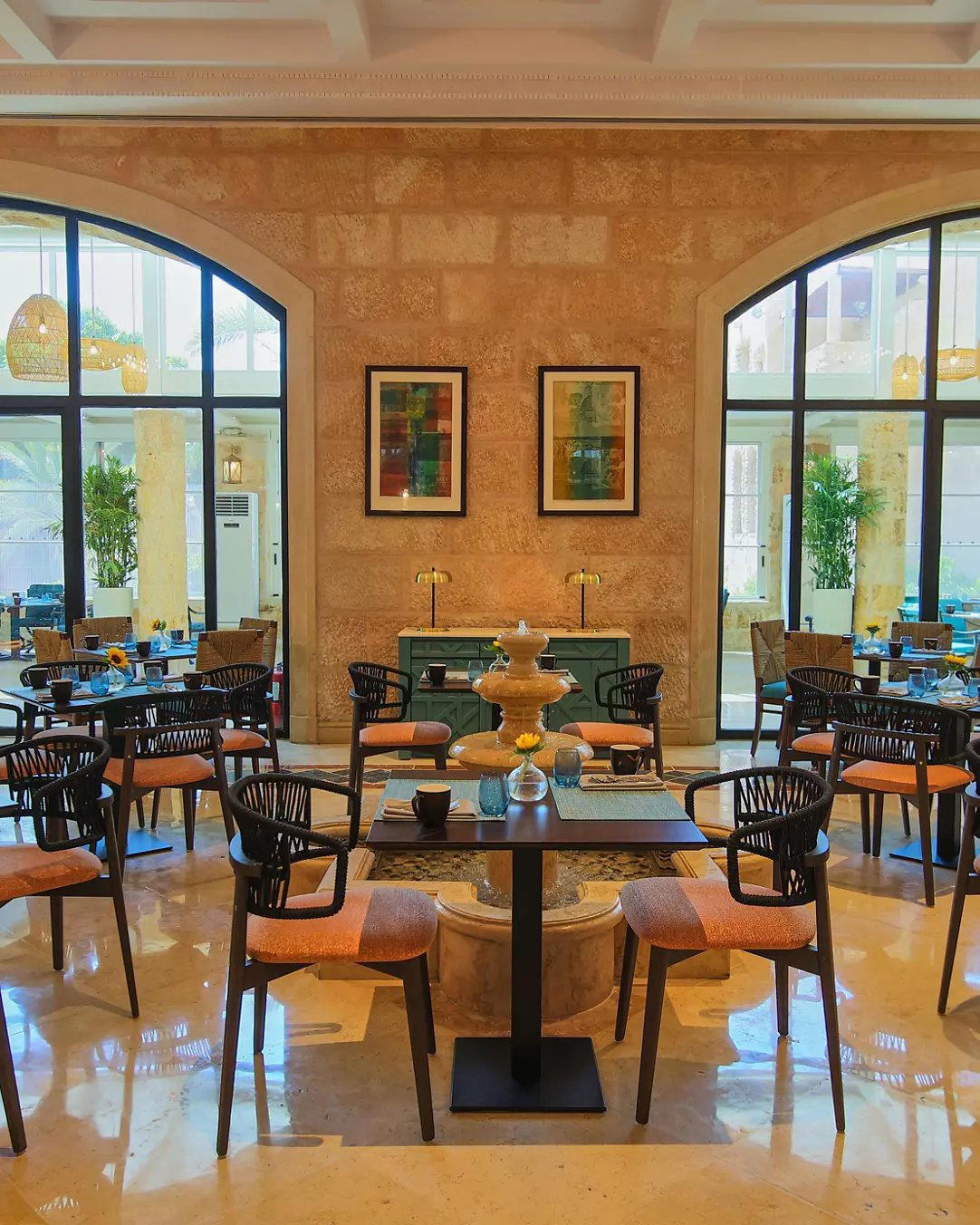
Cozy and serene with shaded terraces overlooking the Dead Sea, ideal for peaceful nature immersion.