On Dead Sea Road in Jordan, Holiday Inn Resort Dead Sea by IHG occupies a stretch of shoreline at the lowest point on earth, where the mineral-dense water and the resort's broad recreational facilities make it one of the more accessible entry points to the Dead Sea's therapeutic tourism circuit. The property fits the mid-tier international resort bracket on this corridor, sitting below the Kempinski and Hilton flagships in positioning but offering direct beach access and pool infrastructure suited to families and leisure-focused travellers.

Pearl is the En Primeur Club membership app, where members save venues, book tables and use the concierge.
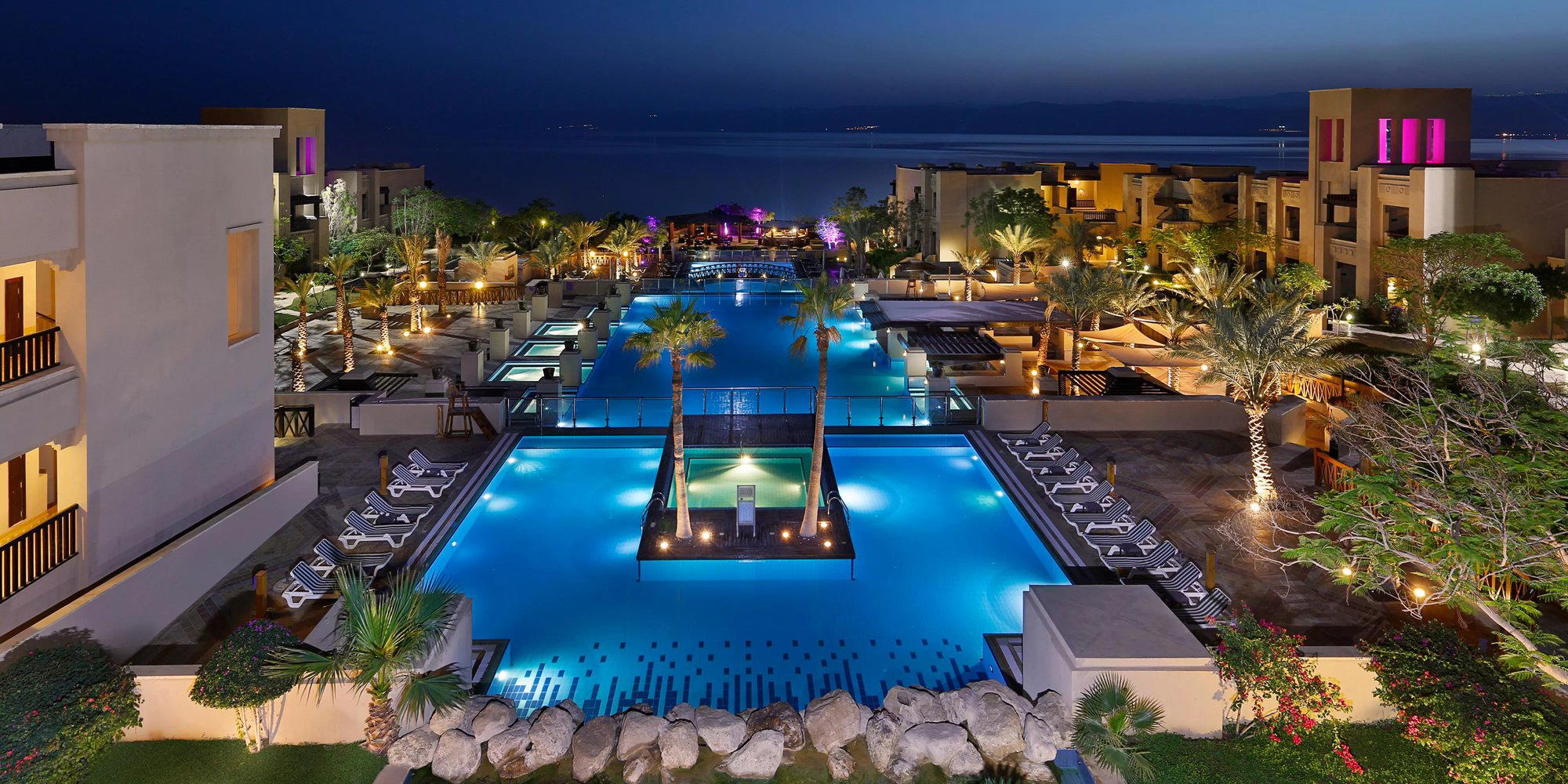
Where the Earth Drops Below Sea Level
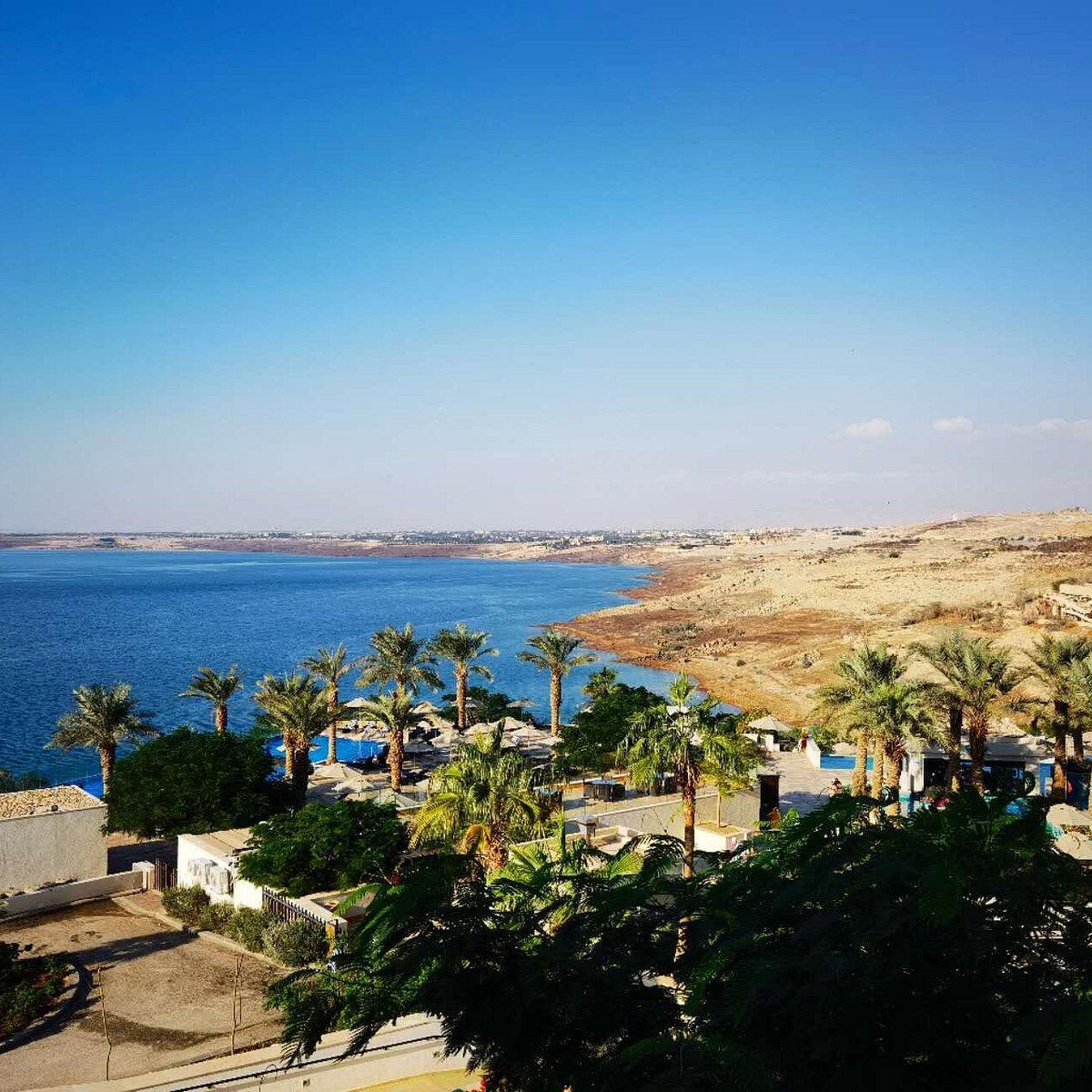
The Dead Sea shoreline in Jordan operates at roughly 430 metres below sea level, a geographic fact that shapes everything about how resorts here are designed and used. Arriving along Dead Sea Road, the descent from the Jordanian highlands is gradual but unmistakable: the air thickens slightly, the hills flatten into a salt-encrusted basin, and the water appears as a still, silver-grey sheet against the Judean Hills on the far Israeli bank. This corridor has developed steadily since the late 1990s into one of the Middle East's more specialised resort zones, anchored by therapeutic tourism, religious heritage visits (the baptism site of Bethany Beyond the Jordan lies a short drive north), and regional leisure travel from Amman, roughly an hour away by road.
Holiday Inn Resort Dead Sea by IHG sits on Dead Sea Road within this resort cluster, positioned in the mid-tier international bracket that characterises IHG's broader regional presence. It occupies the same shoreline geography as its neighbours, including the Hilton Dead Sea Resort & Spa in Sweimeh and the Kempinski Hotel Ishtar Dead Sea, though the competitive positioning of the Holiday Inn brand places it below those properties in price tier and design ambition. That gap is not necessarily a disadvantage: the property attracts a different traveller profile, one less concerned with architectural statement-making and more focused on direct water access and functional resort infrastructure.
Architecture on a Shoreline That Demands Practicality
Dead Sea resort architecture faces a set of constraints that designers elsewhere rarely encounter. The hypersaline environment accelerates corrosion of metal finishes and degrades certain materials faster than standard coastal conditions. The intense summer heat, regularly exceeding 40°C at the water's edge, dictates the placement and shading of outdoor spaces. And the unusual geography, a depression with no natural shade structures, means that resorts must create their own sense of enclosure through planting, pavilions, and tiered pool terraces.
The approach taken by mid-tier international resorts on this corridor, including the Holiday Inn property, leans toward broad horizontal footprints with extensive ground-level outdoor space rather than the vertical architectural gestures found at properties like Amangiri in Canyon Point or the curated spatial drama of Castello di Reschio in Lisciano Niccone. The logic is climate-driven: when the landscape itself is the draw, resort architecture functions as infrastructure rather than spectacle. Multiple pools, shaded lounging areas, and a private beach section with Dead Sea access define the spatial experience more than any interior design gesture.
That said, the Dead Sea corridor as a whole has seen design investment concentrate at the upper end of the market. Properties competing at the level of the Kempinski Ishtar have introduced Mesopotamian and Arabesque architectural references, terraced gardens, and sculptural pool forms that read as destination architecture. The Holiday Inn Resort operates in a different register, where consistency of the IHG brand standard matters more than site-specific design narrative. For travellers whose primary interest is the Dead Sea experience itself rather than the hotel as an aesthetic object, that trade-off is a reasonable one.
The Dead Sea as the Actual Amenity
No honest assessment of any Dead Sea property can separate the hotel from its primary asset: the water. The Dead Sea's salinity, approximately ten times that of standard seawater, creates the buoyancy effect that has drawn visitors since antiquity. The mineral composition, rich in magnesium, potassium, and bromides, underpins the therapeutic claims that drive significant medical tourism to this region, particularly from Europe and the Gulf. Jordan's side of the shoreline has historically offered cleaner infrastructure and more organised resort access than the Israeli west bank, which has contributed to its growth as the preferred destination for international resort stays.
Access to the Dead Sea for resort guests typically involves a dedicated beach section with fresh-water showers for rinsing the highly saline water, which can irritate eyes and skin if not removed promptly. The flotation experience itself requires no instruction but does require caution: the density of the water makes conventional swimming mechanics ineffective, and getting the highly saline water in the eyes or mouth is acutely uncomfortable. These are not warnings unique to this property but rather standard conditions of the Dead Sea experience regardless of where you stay on the Jordanian shore.
For travellers considering the Dead Sea alongside other Jordanian itinerary options, the resort corridor pairs logically with Petra and Wadi Rum. The Wadi Rum Night Luxury Camp represents the desert end of Jordan's premium accommodation spectrum, while properties like the Mujib Chalets in the Mujib Biosphere Reserve and Bedouin Garden Village in Aqaba round out a circuit that covers Jordan's most distinct natural environments. The Dead Sea sits at the northern end of this route, close enough to Amman to function as either a standalone weekend destination or a last night before departure.
Planning a Stay
The Dead Sea's climate makes timing consequential. Winter months, roughly November through March, offer manageable temperatures and clear skies, and this period draws the largest share of European visitors for therapeutic stays. Summer is extreme: midday temperatures at the shoreline make outdoor exposure difficult without early morning or late afternoon timing. Regional leisure travel from Jordan and the Gulf peaks during school holidays and weekends year-round. Booking through the IHG platform or via a travel agent with Jordan expertise is the standard approach for this property, and securing a room with a sea-facing orientation is worth specifying at the time of booking given the shoreline views the location affords. For broader context on what the Dead Sea resort corridor offers across all price tiers, our full Dead Sea restaurants and hotels guide maps the options in detail.
| Venue | Cuisine | Price | Awards |
|---|---|---|---|
| Holiday Inn Resort Dead Sea by IHGThis venue (the venue you are viewing) | This venue | $200–300 | Not listed |
| Fairmont Amman | Not listed | $200–300 | 1 Michelin Key · Forbes Recommended |
| Four Seasons Hotel Amman | Not listed | Not listed | 1 Michelin Key · La Liste Top Hotels |
| The Ritz-Carlton, Amman | Not listed | $300–500 | 1 Michelin Key · Forbes 4-Star |
| The St. Regis Amman | Not listed | $300–500 | 1 Michelin Key · Forbes 4-Star |
| W Amman | Not listed | $100–200 | Michelin Selected · Forbes Recommended |
Continue exploring
More in Dead Sea
Hotels in Dead Sea
All hotels in Dead Sea →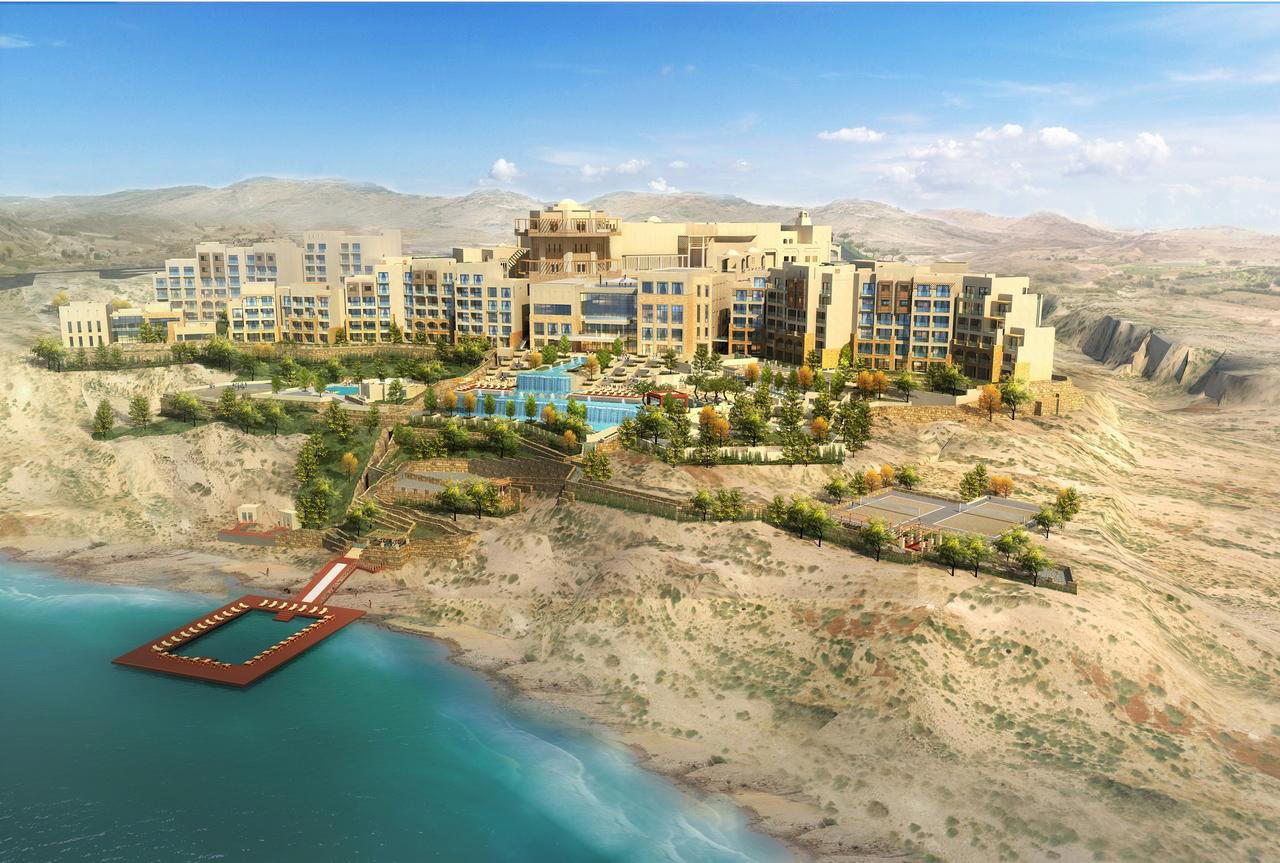
Bars in Dead Sea
Browse all →
Restaurants in Dead Sea
All restaurants in Dead Sea →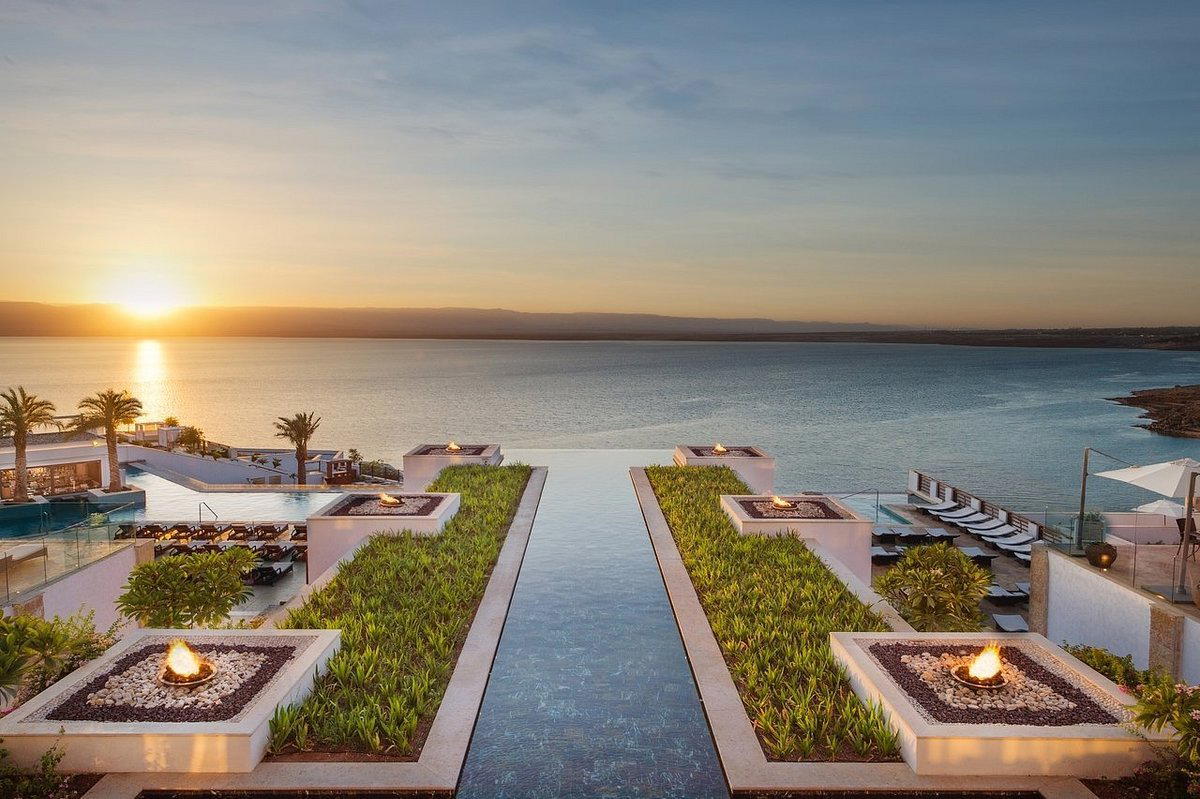

Details
- Scenic
- Relaxed
- Family Vacation
- Wellness Retreat
- Weekend Escape
- Beachfront
- Infinity Pool
- Pool
- Spa
- Private Beach
- Kids Club
- Fitness Center
- Room Service
- Wi Fi
- Concierge
- Waterfront
- Wheelchair Accessible
- Elevator
- Accessible Restroom
Welcoming and relaxing atmosphere with scenic Dead Sea views, praised for cleanliness and contemporary comfort.