Middle Eight


Michelin Selected · Preferred Hotels L.V.X. Collection
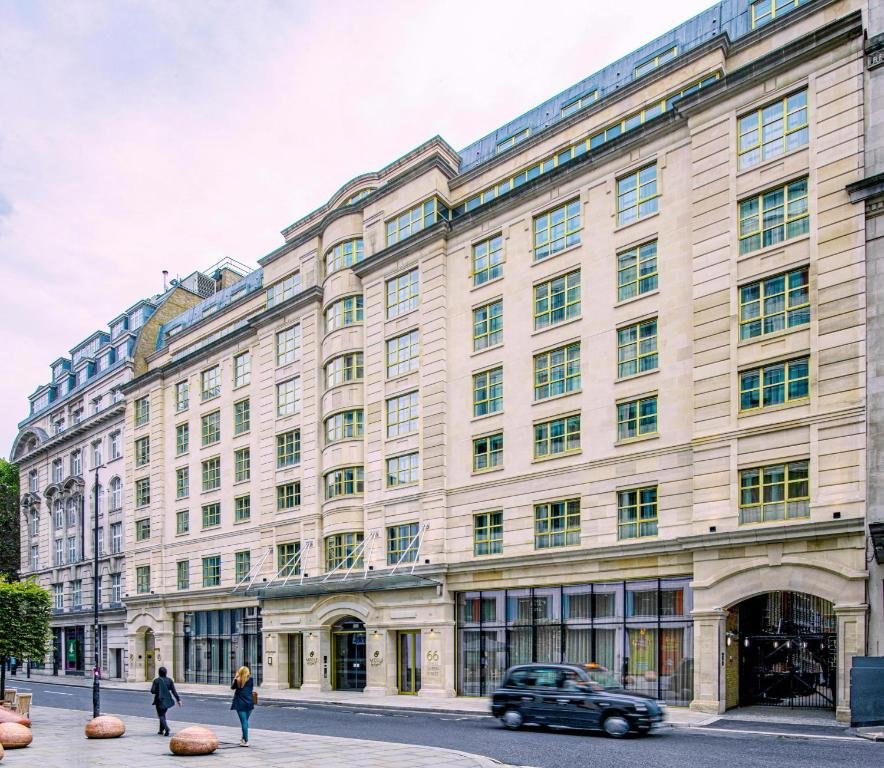
Middle Eight occupies a considered position on Great Queen Street in Covent Garden, offering 180 rooms in one of London's most theatrically connected neighbourhoods. The hotel sits within walking distance of the West End's major venues, making it a practical base for theatre-goers and cultural visitors who want proximity to the action without the Strand's heavier tourist footprint.

Pearl is the En Primeur Club membership app, where members save venues, book tables and use the concierge.
Great Queen Street and the Changing Shape of Covent Garden Hotels
Covent Garden has undergone a sustained repositioning over the past decade. What was once a neighbourhood defined by tourist-facing accommodation and chain dining has gradually attracted a more considered hospitality offer, as the area's proximity to the West End, Holborn's legal and media cluster, and the Seven Dials shopping corridor pulled a different kind of traveller into its orbit. Middle Eight, at 66 Great Queen St, sits inside that shift: a 180-room hotel on a street historically dominated by the Freemasons' Hall and a run of professional buildings, now operating as a mid-to-upper-tier option for visitors who want theatre access without the price premium of the Strand or the removed quietness of Mayfair.
The evolution of this part of WC2 is worth understanding before booking. Covent Garden's hotel stock has diversified considerably since the early 2010s, when the neighbourhood lacked the depth of offer you find today. The arrival of design-conscious properties across the Seven Dials and Long Acre corridor means visitors now have genuine comparative choices at multiple price points, and the question of which hotel matches which itinerary is more interesting than it used to be.
A Neighbourhood That Rewards Walkers
Great Queen Street connects Kingsway to the east with Drury Lane to the west, placing Middle Eight within a ten-minute walk of a significant cluster of West End theatres, including the Royal Opera House and the Theatre Royal Drury Lane. That geographical fact shapes the hotel's appeal more than almost anything else about it. For visitors building a trip around evening performances, proximity to the curtain becomes a genuine planning factor: dinner reservations, timing, and the question of whether to walk or take the tube all simplify considerably when the hotel sits this close to the cultural programme.
Holborn station (Central and Piccadilly lines) is a short walk east, and Covent Garden station is similarly accessible to the west, giving the property direct connections across London without requiring a taxi for most daytime movements. Those planning day trips to properties further afield, whether to Lime Wood in Lyndhurst, The Newt in Somerset in Castle Cary, or Estelle Manor in North Leigh, will find Waterloo and Paddington both reachable within fifteen minutes by tube.
Scale, Format, and What 180 Rooms Means in Context
At 180 rooms, Middle Eight occupies a scale tier that separates it from London's intimate boutique properties and from the grand historic hotels of Mayfair and the Strand. Hotels in this size range typically support a full-service food and beverage operation, a lobby that handles volume without feeling institutional, and a meetings or events component that runs alongside the leisure guest mix. That dual-use character is common to Holborn-adjacent properties, where the proximity to law firms, accountancy practices, and media companies generates consistent weekday corporate demand alongside the leisure traffic that peaks Thursday through Saturday.
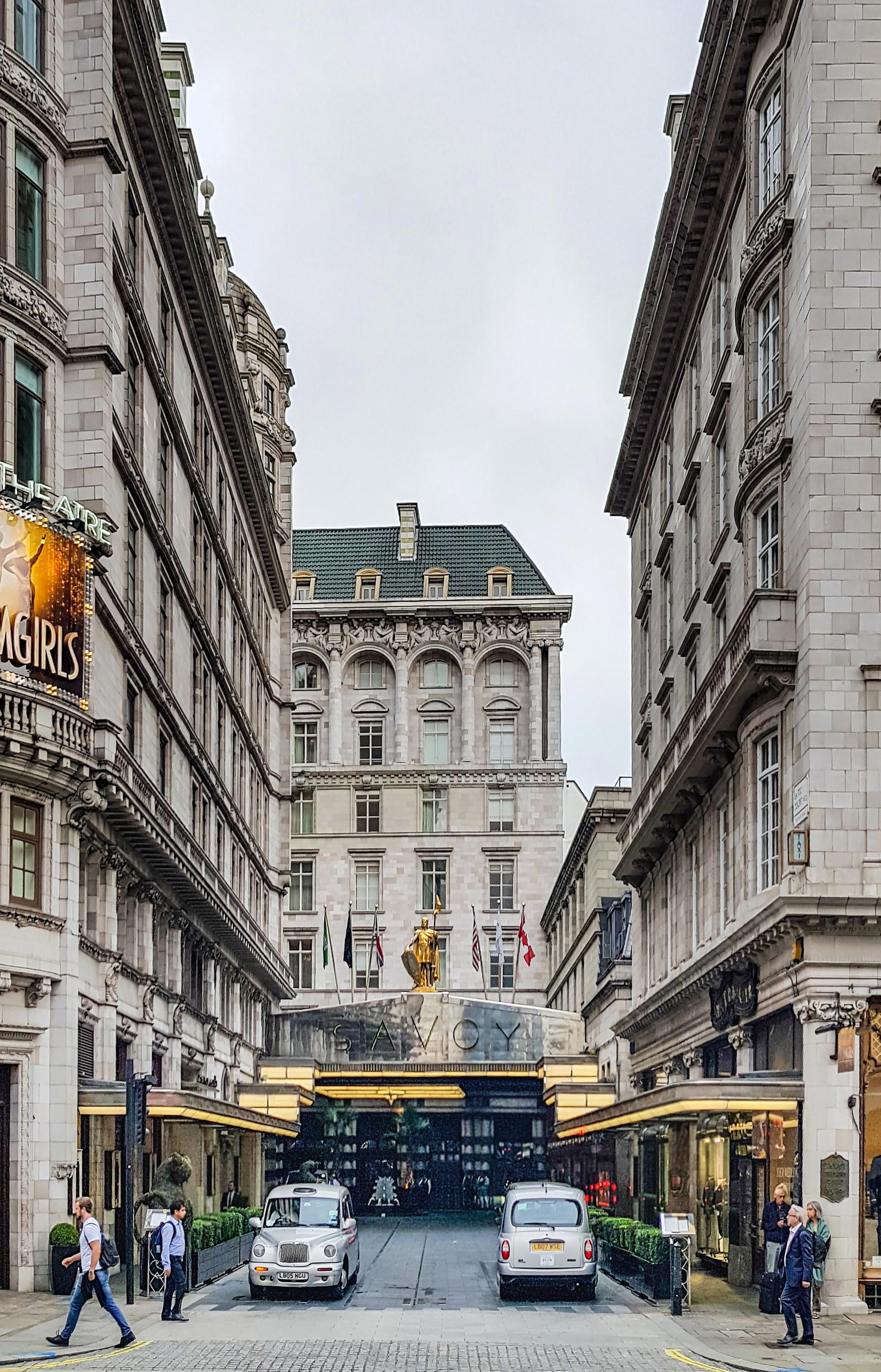
For comparison, the grandest London addresses, Claridge's, The Connaught, and The Savoy, operate with deep brand heritage and a guest profile shaped by decades of global recognition. Properties like NoMad London and Raffles London at The OWO have entered the market with a design and programme-led approach that targets a younger luxury demographic. Middle Eight operates in neither of those registers: it sits closer to the well-executed city hotel format that prioritises location, reliable service, and comfortable rooms over destination dining or high-concept interiors.
That is not a criticism. The segment is a legitimate and frequently underserved one. Visitors who want a sensibly priced base close to the West End, with enough space and amenity to function as a working base during the day, represent a large share of the London visitor market that the trophy hotels do not particularly compete for.
How Covent Garden's Hotel Market Has Repositioned
The broader pattern in WC2 over the past five years has been upward drift in average nightly rates, driven partly by the general London premium and partly by specific demand for theatre-adjacent accommodation from international visitors. That pressure has pushed some budget-tier properties out and encouraged the mid-market operators to sharpen their offer. The result is a neighbourhood where the gap between the cheapest and most expensive option has widened, and where properties in the middle of that range, which includes anything in the 180-room full-service format, need to be clear about what they are selling beyond the postcode.
For visitors considering the wider UK, the contrast with properties further afield is instructive. Scaled city hotels like King Street Townhouse Hotel in Manchester, Hope Street Hotel in Liverpool, and Glasgow Grosvenor Hotel in Glasgow all occupy similar structural positions in their respective cities: full-service, professionally run, proximity-led. What separates them is the specificity of the surrounding city programme. London, and Covent Garden in particular, offers a depth of cultural programming that makes proximity arguments especially strong.
Those drawn to smaller, more character-driven UK properties might also consider Burts Hotel in Melrose, Langass Lodge in Na H Eileanan An Iar, or Dun Aluinn in Aberfeldy, all of which deliver a fundamentally different proposition at the scale of ten to thirty rooms. For international visitors extending the trip, Aman Venice in Venice or The Fifth Avenue Hotel in New York City represent comparable mid-to-upper market positioning in their own contexts.
Planning Your Stay
Middle Eight's address at 66 Great Queen St places it close enough to Covent Garden's core that most dining, theatre, and daytime movement can be managed on foot. The hotel runs 180 rooms, a scale that suggests a reception and lobby capable of handling group check-in without significant queuing, which matters for visitors arriving in the pre-theatre window between 5pm and 7pm when the neighbourhood's foot traffic is at its peak.
Booking patterns for Covent Garden hotels tend to tighten considerably during the West End panto season in December, the summer tourist peak through July and August, and around major West End openings and transfers that generate their own accommodation demand. If the trip is pegged to a specific performance, booking the hotel at the same time as the theatre tickets is the more reliable approach. Rates in this part of London move meaningfully between midweek and weekend, and the corporate demand pattern means midweek is frequently the better value window for leisure visitors. For a broader view of where Middle Eight sits within London's wider hospitality offer, see our full London restaurants guide and the EP Club hotel coverage for the city. Additional London options worth comparing include The Emory, 1 Hotel Mayfair, and 11 Cadogan Gardens.
Same-City Peers
Comparable venues nearby, for context on price, style, and recognition.
| Venue | Cuisine | Price | Awards | Notes |
|---|---|---|---|---|
| Middle EightThis venue (the venue you are viewing) | contemporary lifestyle luxury hotel | $300–500 | Michelin Selected · Preferred Hotels L.V.X. Collection | Not listed |
| The Franklin London - Starhotels Collezione | Victorian townhouses refurbished as luxury boutique with Italian residential feel. | Not listed | Michelin Selected · Small Luxury Hotels of the World Member | Knightsbridge |
| 60 Hyde Park Gate Hotel | Ornate Victorian mansion blending traditional architecture with contemporary luxury and Italian-inspired design. | Not listed | Michelin Selected | Kensington and Chelsea |
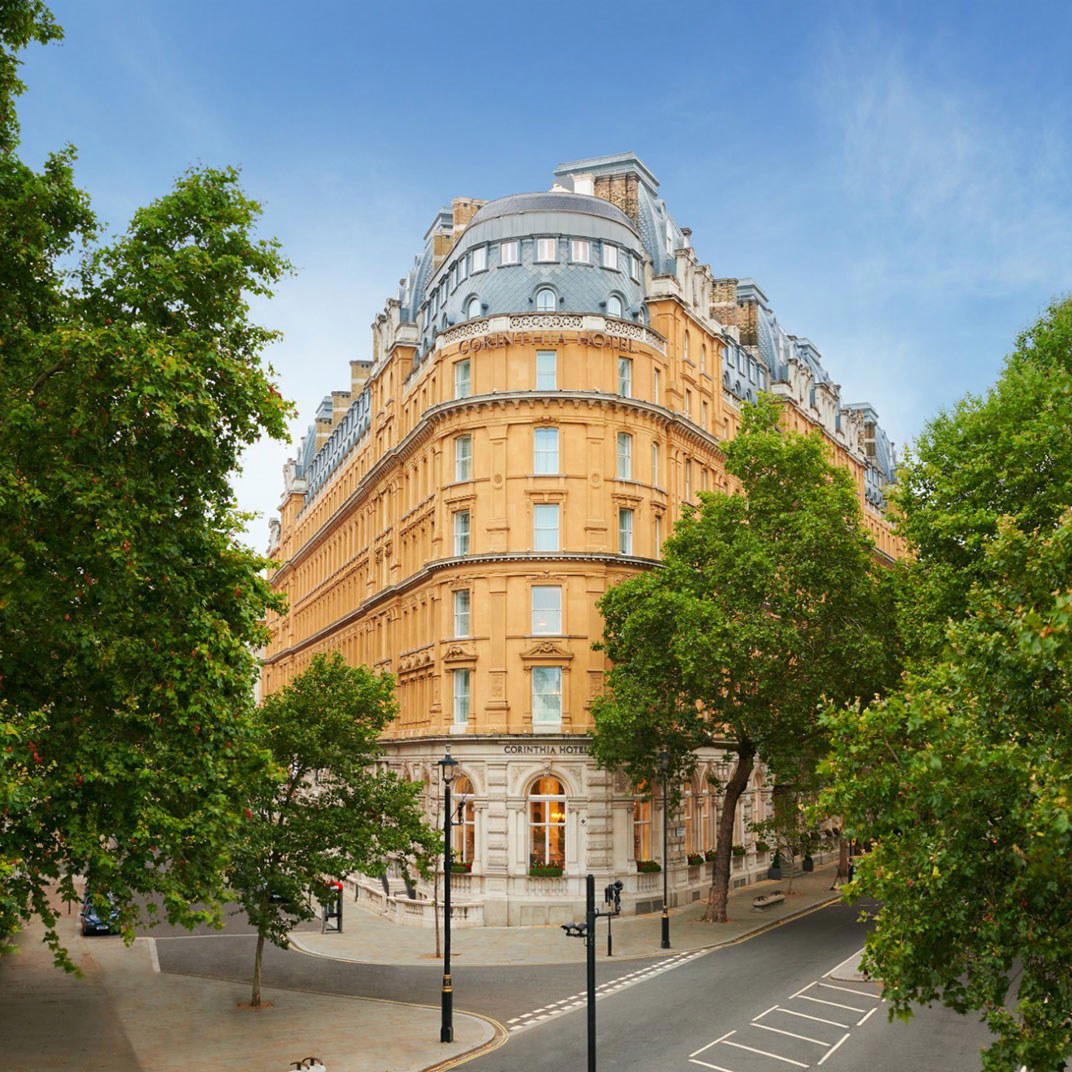
| Corinthia Hotel London | Grand Victorian heritage building blending historic grandeur with modern luxury renovations. | $500–750 | 2 Michelin Keys | Whitehall |
| Vintry & Mercer | contemporary luxury boutique inspired by historic trade guilds | Not listed | Michelin Selected · Mr & Mrs Smith Seal of Approval | Cannon |
| Royal Lancaster London | Timeless classic luxury with mid-century architectural icon status | Not listed | Preferred Hotels L.V.X. Collection | Bayswater |
Recognition history
Dated appearances from independent guides and award organizations, with the underlying list record or original source where available.
Michelin Selected
Michelin
Preferred Hotels L.V.X. Collection
Preferred Hotels
Continue exploring
More in London
Hotels in London
All hotels in London →
Bars in London
All bars in London →



Details
- Modern
- Elegant
- Sophisticated
- Intimate
- Romantic Getaway
- Business Trip
- Weekend Escape
- Historic Building
- Design Destination
- Fitness Center
- Room Service
- Concierge
- Restaurant
- Bar
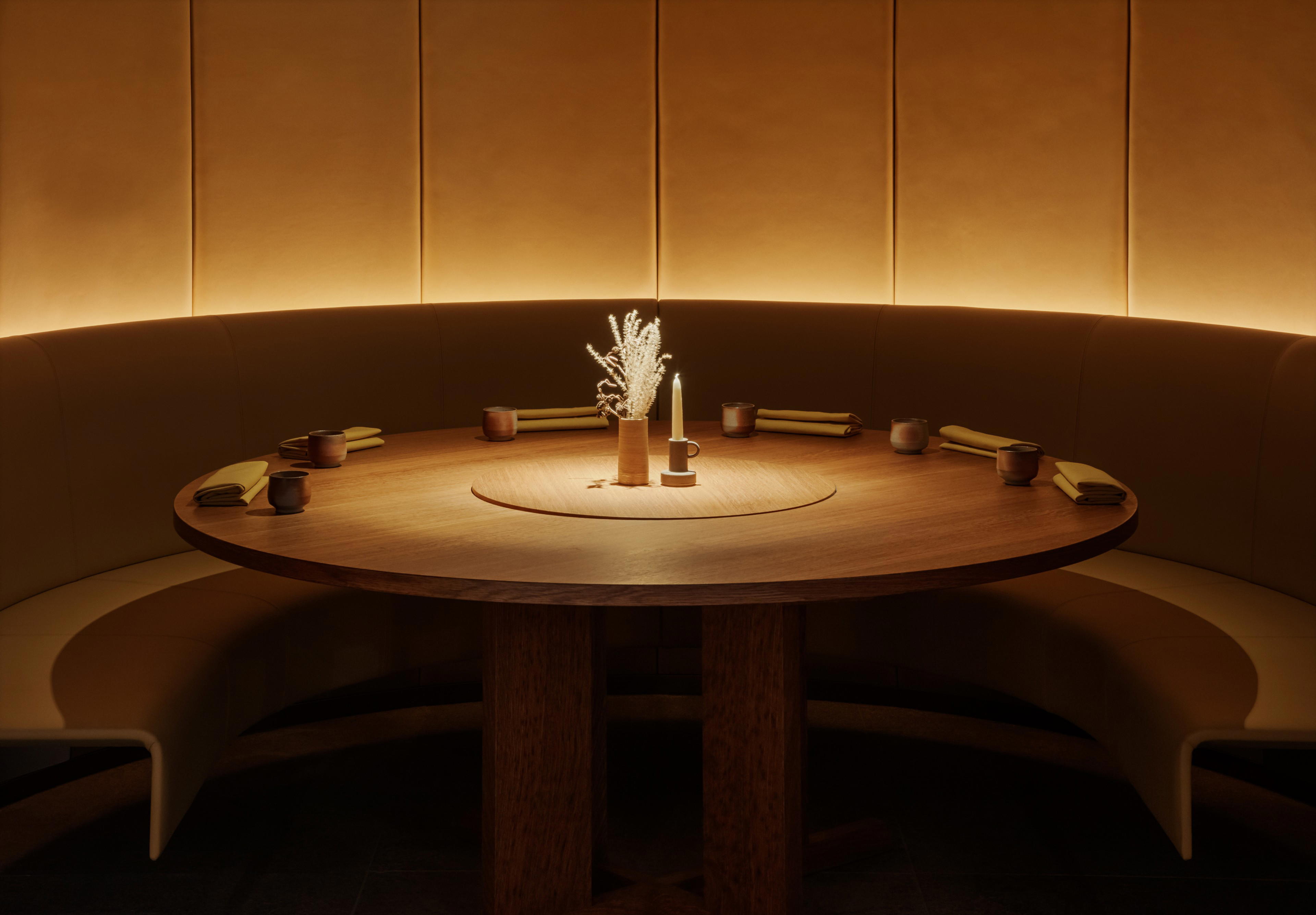
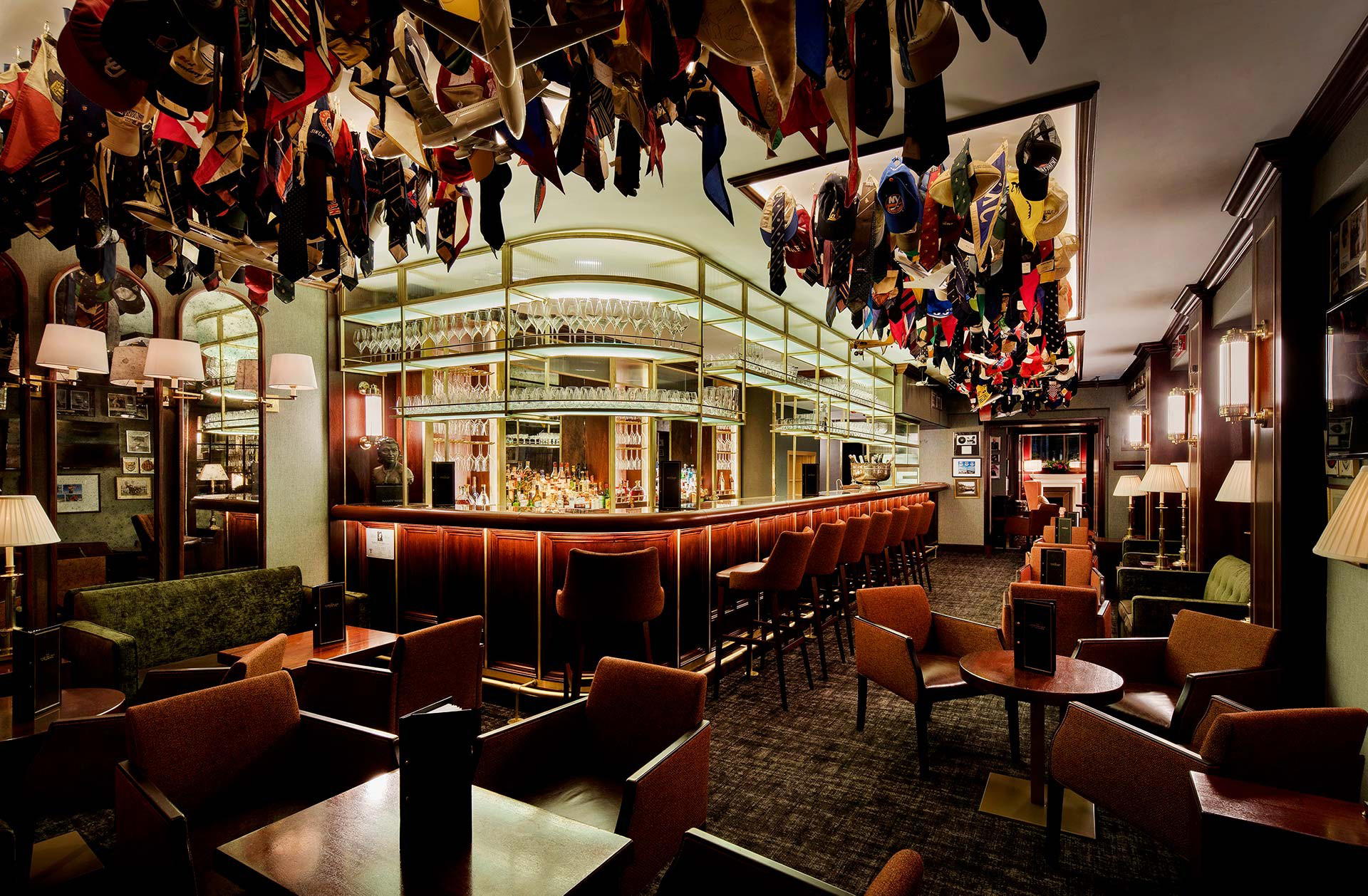
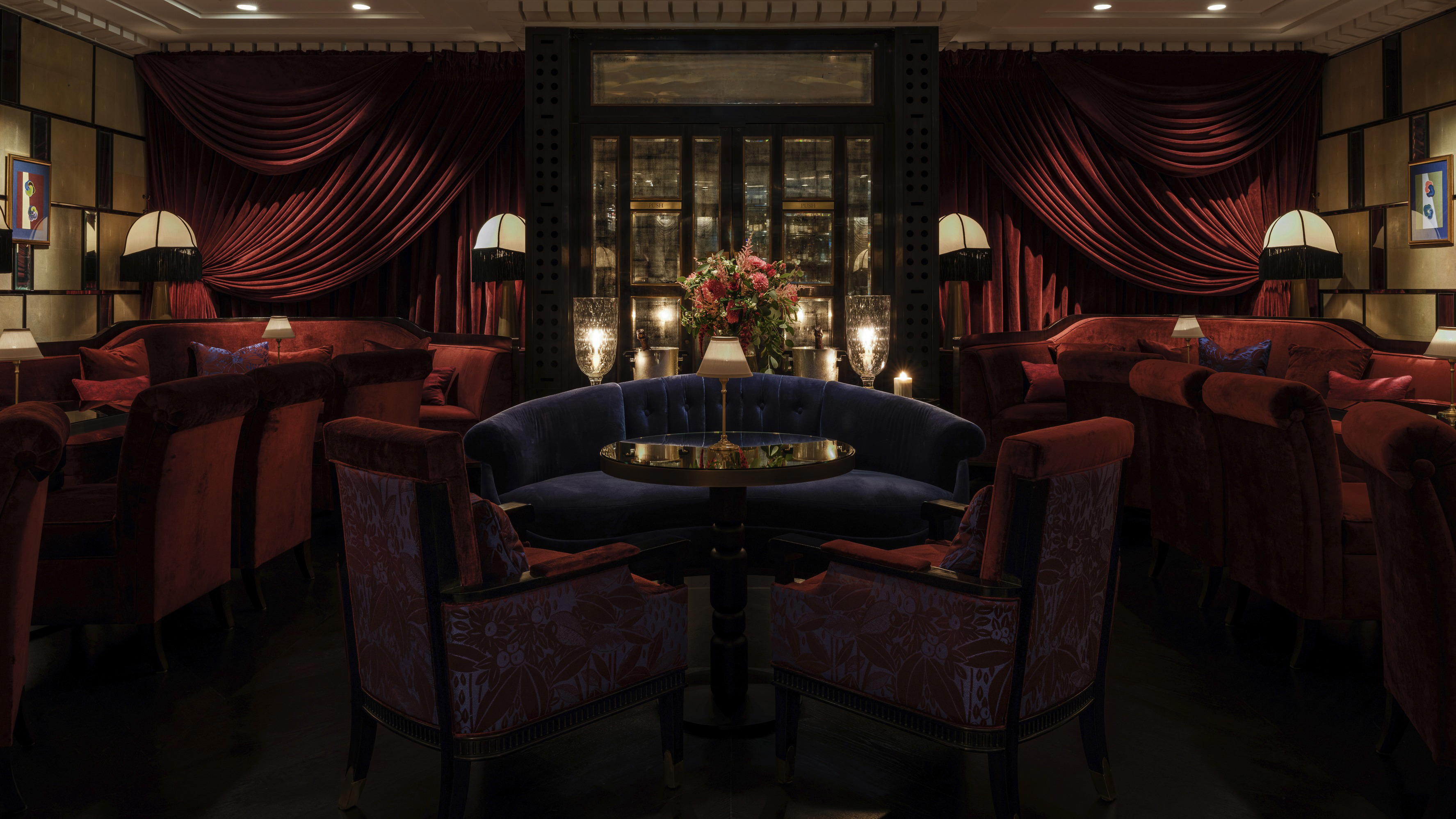
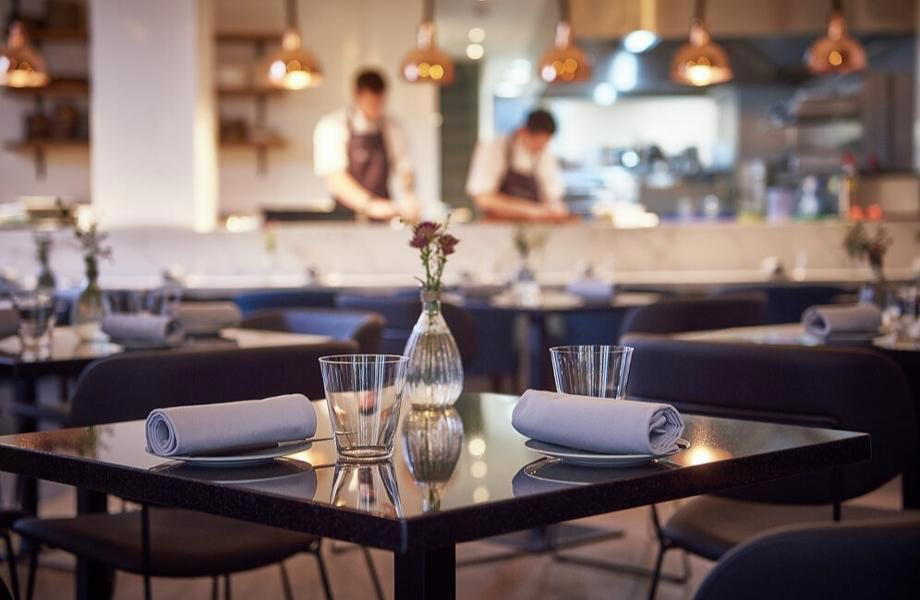
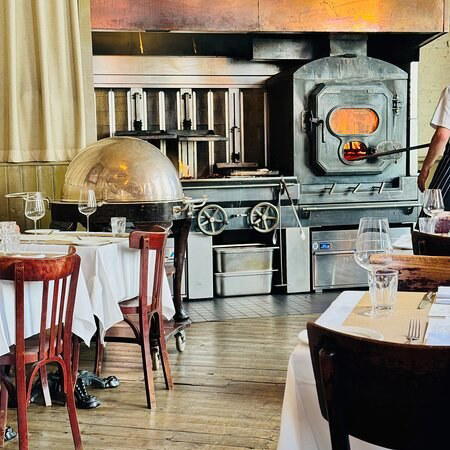
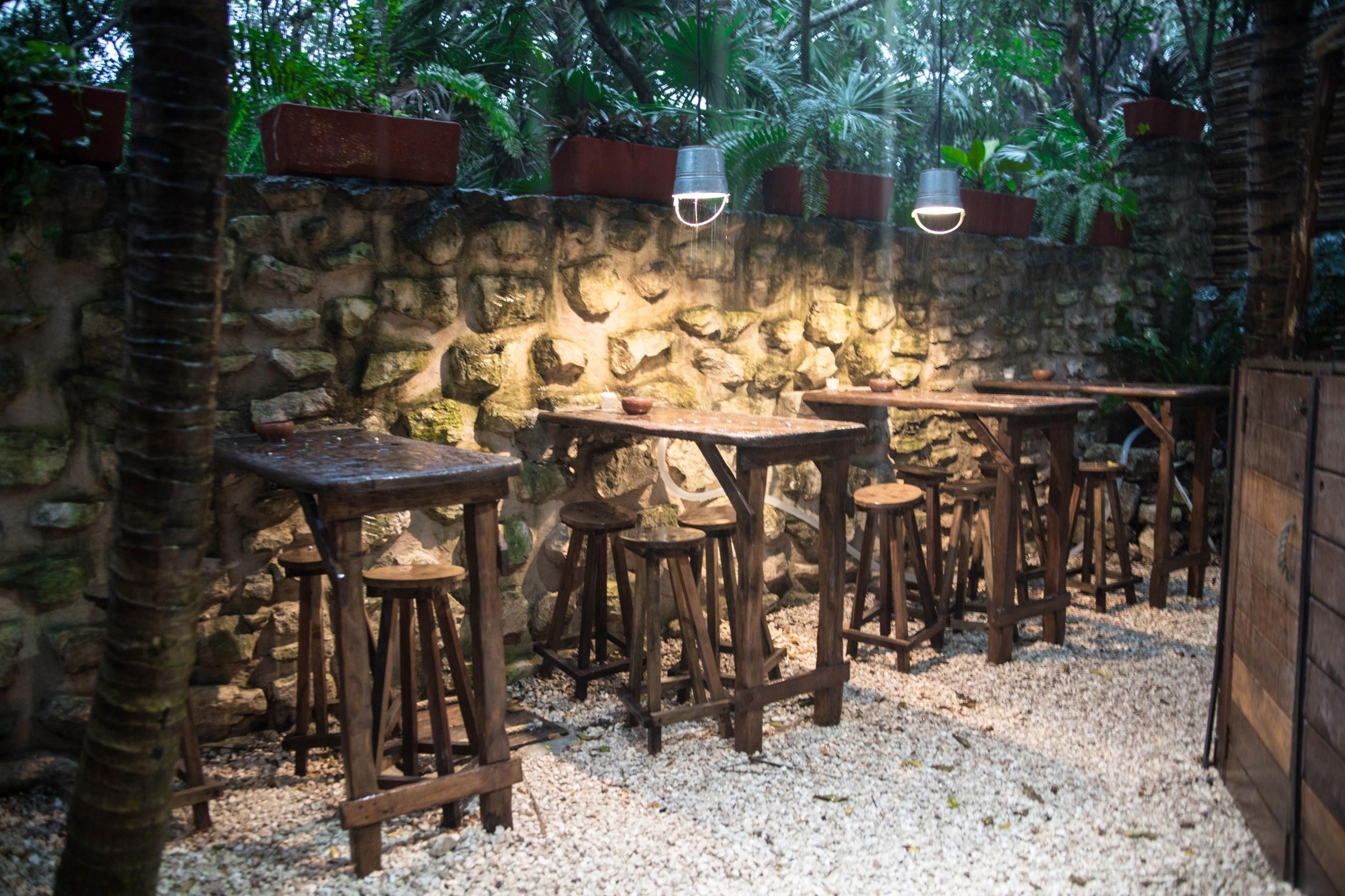
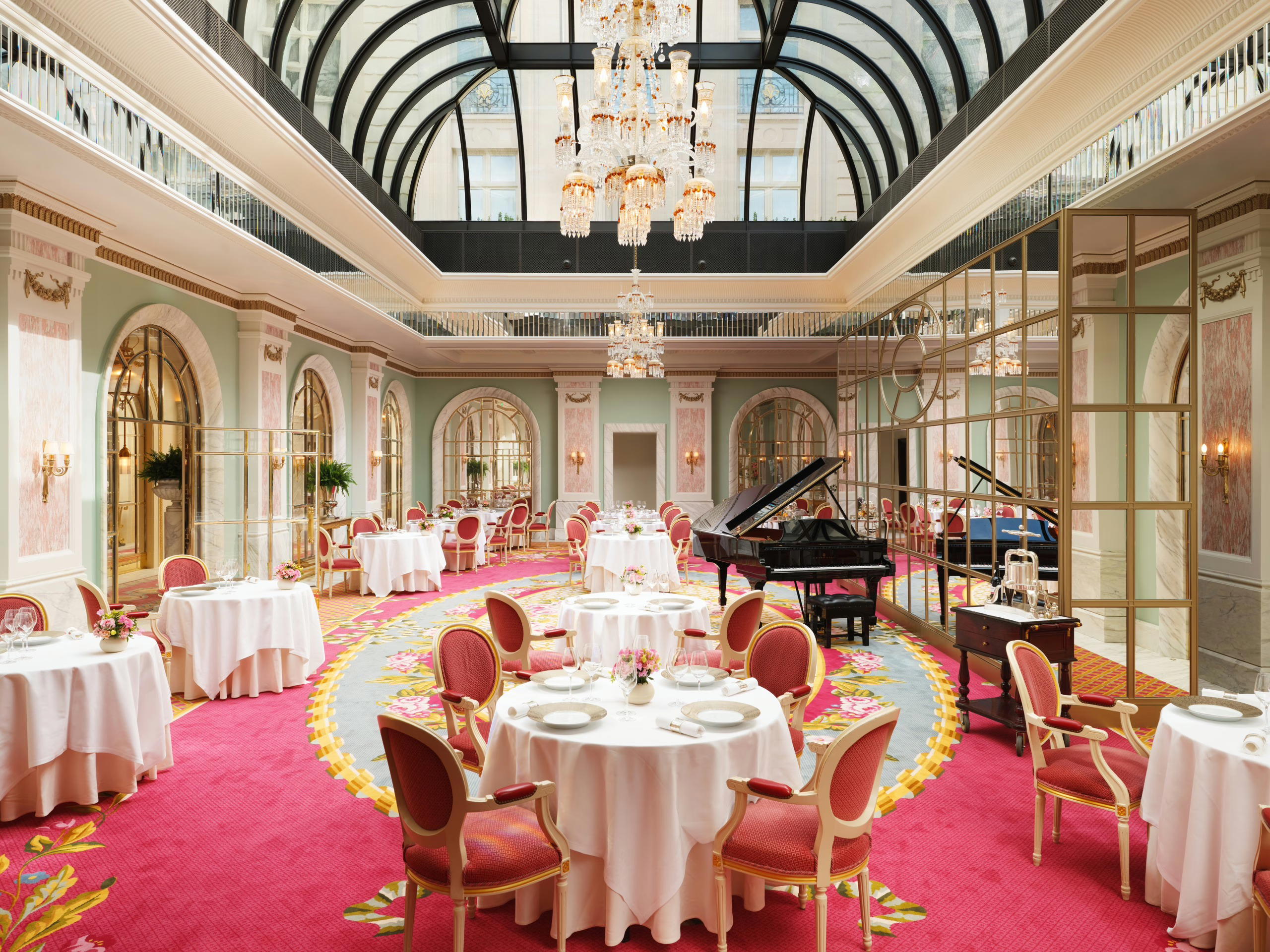
Stylish and inviting with modern, chic decor, warm lighting, and a buzzy yet comfortable atmosphere reflecting the neighborhood's energy.