

MGM Shanghai West Bund brings a pronounced art-forward, high-gloss sensibility to the Xuhui District waterfront, a stretch of the city that has moved decisively from industrial past to cultural destination. The hotel's Star Wine List recognition (2026) signals a beverage program operating at a level above the standard luxury-chain baseline. For stays that combine access to West Bund's gallery corridor with serious in-house hospitality, the property sits in a distinct position among Shanghai's newer luxury addresses.
Pearl is the En Primeur Club membership app — saves, bookings, and concierge access live there. Same editors, same standards.
- Address
- No.688 Yunjin Road, Xuhui District
- Phone
- 86-21-6058-8888
- Website
- mgmshanghai.com
- Directions
- Get directions
 Saves & bookings on Pearl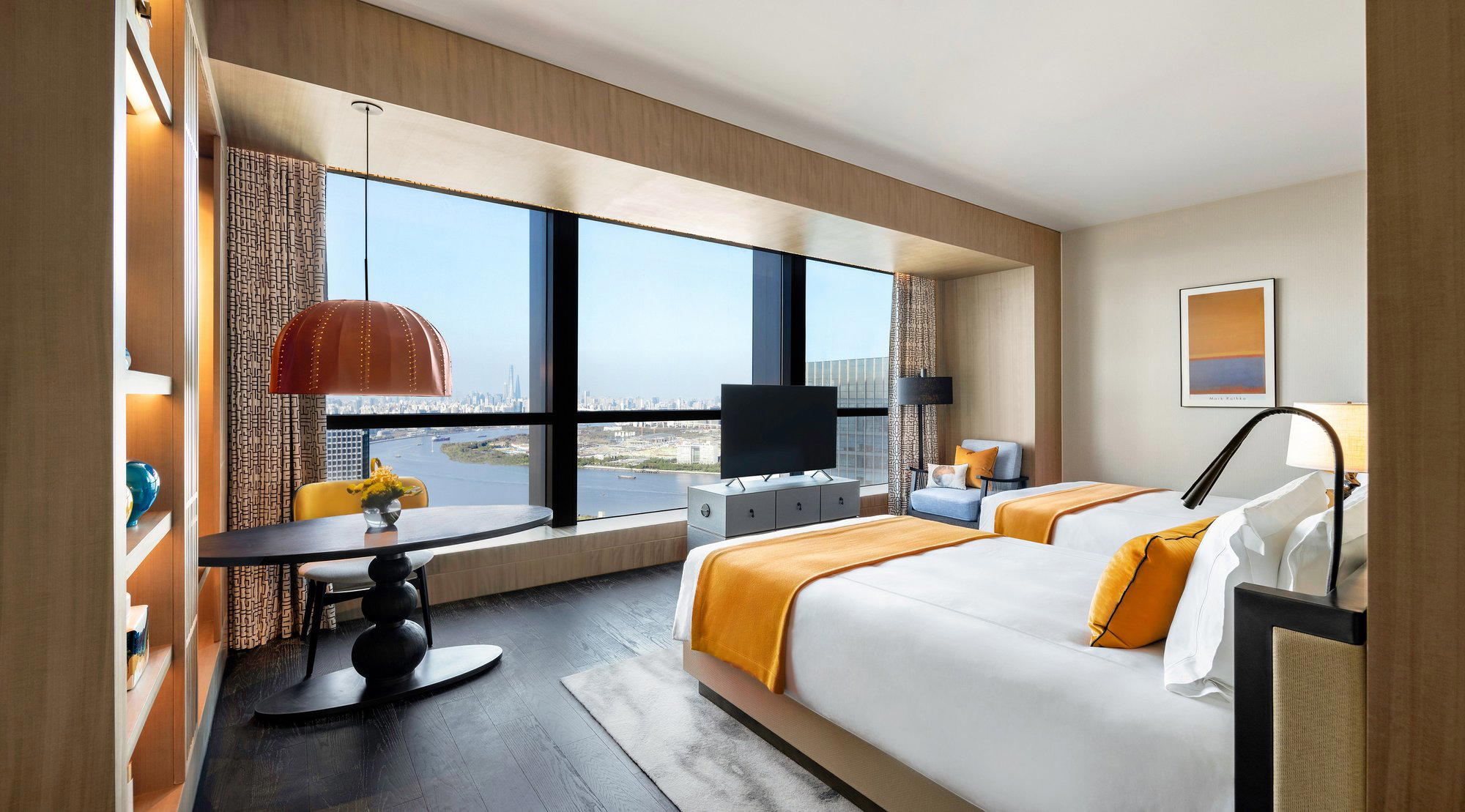
A District in Transition, a Hotel Built for the Moment
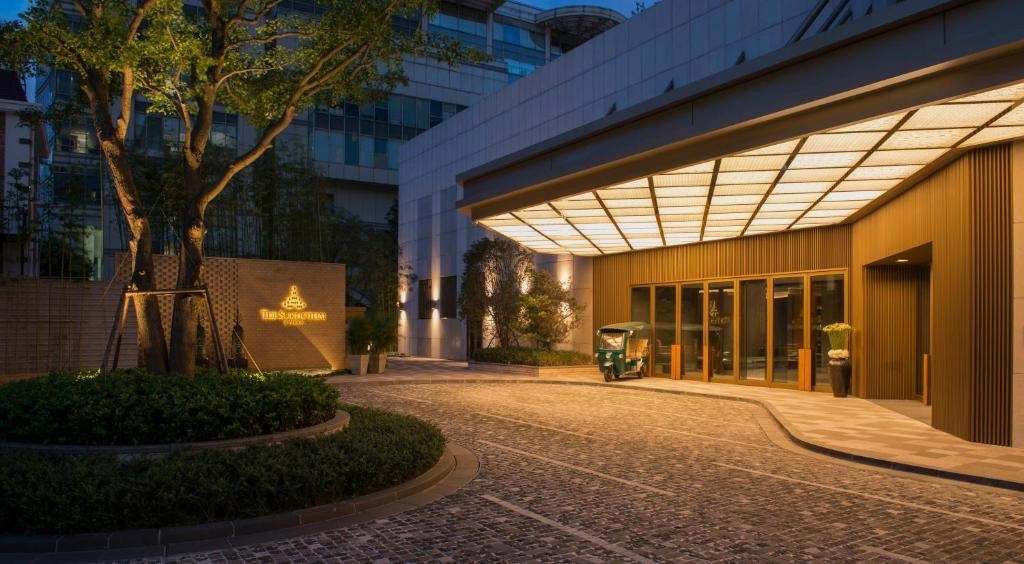
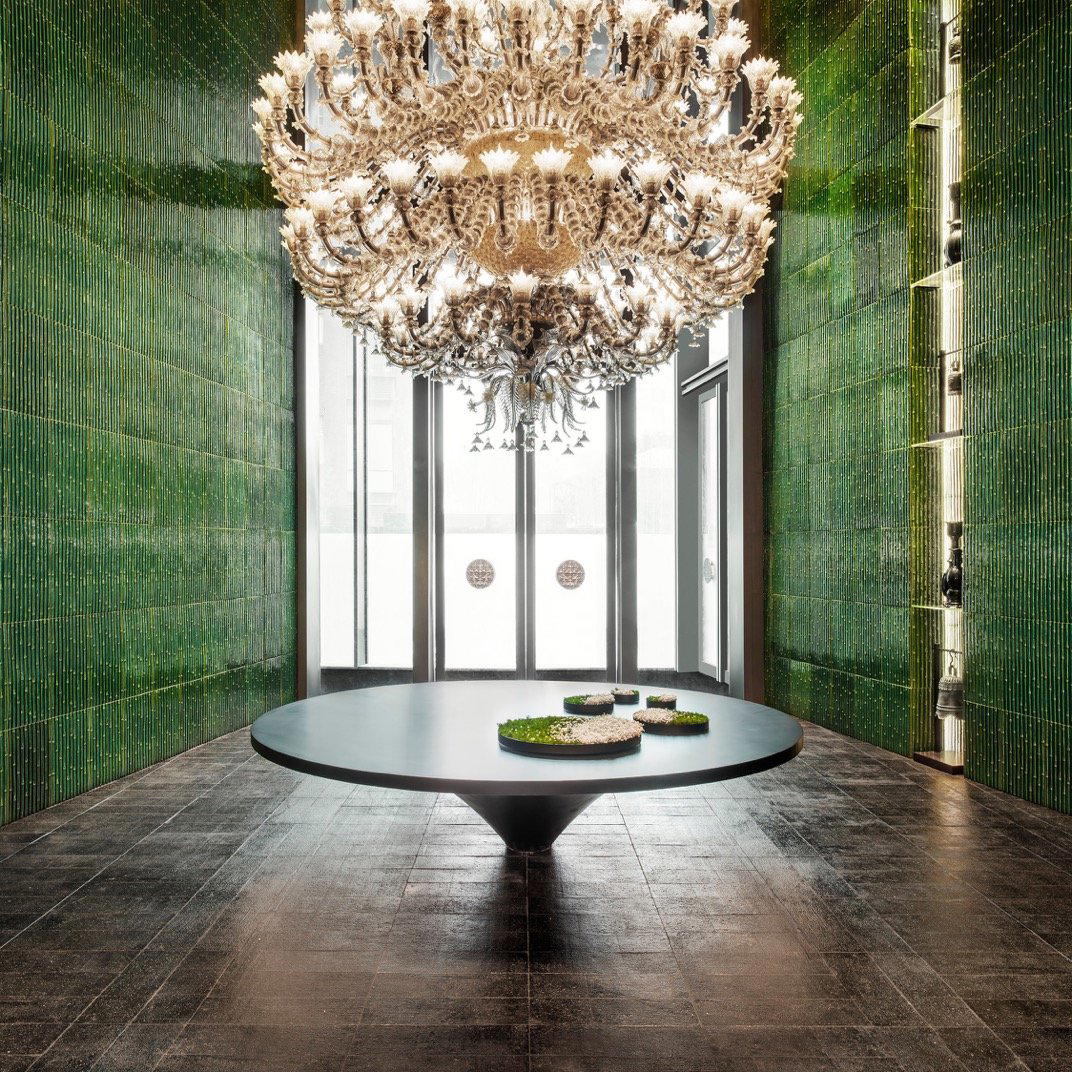
The West Bund was, within living memory, a working waterfront of wharves, warehouses, and a functioning airport. The transformation since the 2010s has been among the more deliberate urban repositioning projects in contemporary Shanghai: the same stretch of Huangpu riverbank that once handled cargo and light aircraft now anchors a museum corridor that includes the Long Museum, the Tank Shanghai arts complex, and a string of cultural institutions that have turned Xuhui's waterfront into the city's most ambitious arts district outside the Bund itself. MGM Shanghai West Bund, at No. 688 Yunjin Road, was built into this story rather than adjacent to it. The hotel's design vocabulary, described in its recognition materials as modern, bold, and filled with art, reads less as a branding exercise and more as a response to a neighbourhood that has made visual culture its primary currency.
For the traveller who finds Shanghai's older luxury corridors, particularly the Bund and Xintiandi strips, beginning to feel oversubscribed, the West Bund represents a meaningful alternative axis. Properties like Andaz Xintiandi, Shanghai and Capella Shanghai, Jian Ye Li serve the established central districts well; MGM West Bund is doing something different, orienting itself toward a waterfront that still feels like it is arriving rather than arrived.
The Wellness and Recovery Case for West Bund
Shanghai's luxury hotel wellness market has developed a predictable grammar: lap pool, treatment menu borrowed from Southeast Asian spa tradition, fitness centre with Technogym equipment, and some variant of a rooftop or river view attached to the whole apparatus. What distinguishes the better-positioned properties is how well the wellness infrastructure connects to the surrounding environment, and on this measure the West Bund location carries genuine structural advantages. The riverfront path that runs along the Huangpu in this district is among the more pleasant in the city for early-morning movement, considerably quieter than the Bund promenade and without the tourist density that makes contemplative exercise there near-impossible during peak hours.
For guests whose retreat calculus includes access to cultural programming alongside the usual physical recovery toolkit, the West Bund's proximity to the area's museum cluster adds a dimension that spa amenities alone cannot replicate. The Long Museum West Bund and Tank Shanghai are within the kind of walking distance that makes a late-afternoon gallery visit a reasonable extension of a rest day rather than a logistical undertaking. This positions MGM West Bund in a different category from, say, Amanyangyun, which offers deep retreat immersion at considerable remove from urban cultural infrastructure, or Alila Shanghai, which occupies a different neighbourhood register entirely. The West Bund property sits at a specific intersection: urban energy modulated by waterfront space, with cultural programming close enough to count as an amenity rather than an expedition.
The Wine Program as a Differentiator
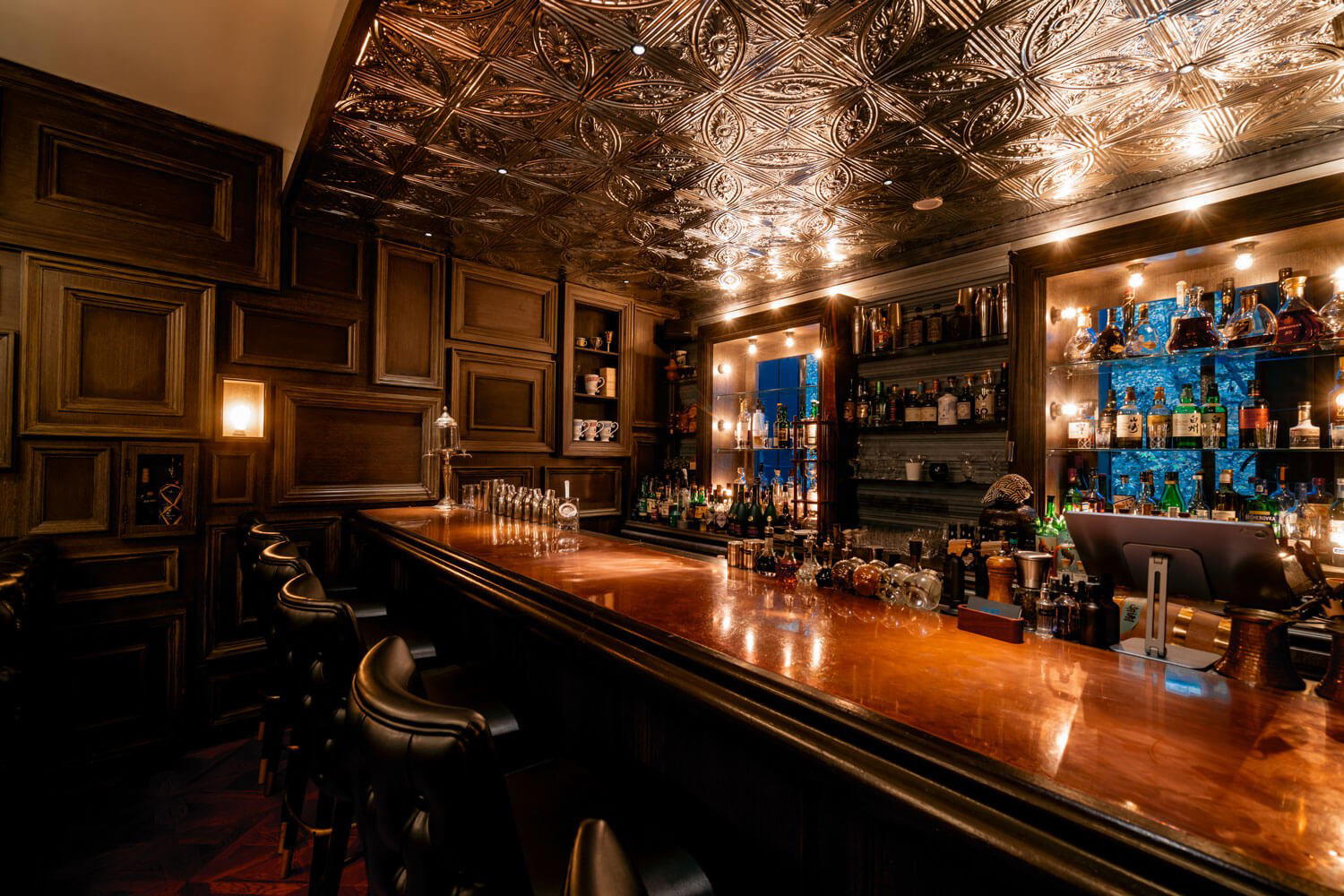
The 2026 Star Wine List recognition is the clearest verifiable credential in MGM West Bund's current awards profile. Star Wine List recognition at the hotel level in China remains relatively selective, and achieving it places the property's list in a comparable set that includes particularly considered cellar programs in the region. For guests whose definition of recovery extends to the dining room, a beverage program operating at this level changes the calculus around whether to eat and drink in-house or to export every evening to the West Bund's growing restaurant strip. The short answer, based on the wine recognition alone, is that at least one meal in the hotel makes logistical and quality sense.
How MGM West Bund Sits in Shanghai's Broader Luxury Field
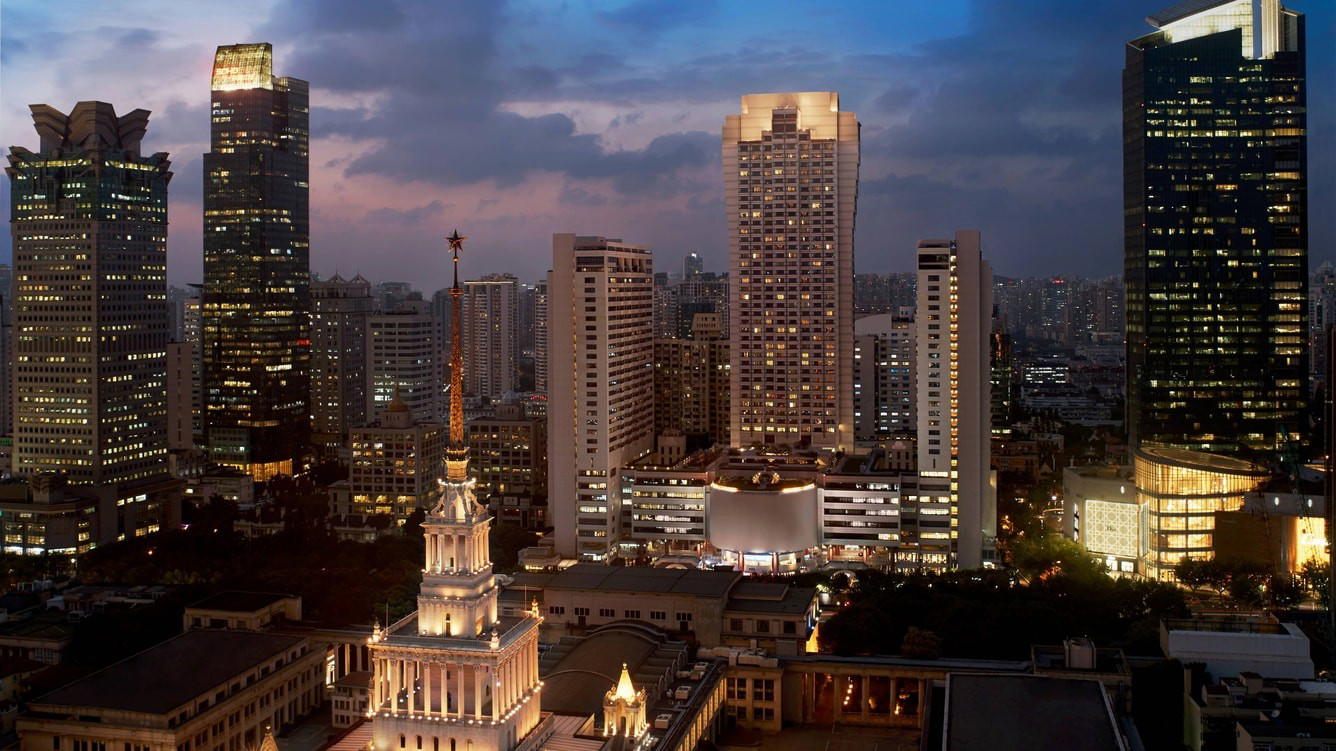
Shanghai's premium hotel market has stratified across several distinct clusters. The heritage-and-prestige tier runs from the Bund through the Former French Concession. A newer design-led cohort has established itself in Xintiandi and Jing'an. The West Bund is forming a third cluster, with MGM among the first international full-service brands to commit seriously to the district. Properties like Bvlgari Hotel Shanghai and Bellagio Shanghai anchor the prestige conversation elsewhere in the city; Artyzen NEW BUND 31 Shanghai and Cachet Boutique Shanghai represent the more independent, boutique-scaled approach. MGM West Bund sits in a specific gap: full-service international brand infrastructure, in a district whose cultural identity is still consolidating, which creates both the friction of an area without decades of visitor familiarity and the dividend of a neighbourhood that rewards early orientation.
Across China more broadly, the experiential spread continues to widen. Properties like Amanfayun in Hangzhou and Amandayan in Lijiang represent one end of the spectrum, deep-retreat, heritage-embedded, relatively remote. Andaz Shenzhen Bay and 1 Hotel Haitang Bay, Sanya represent coastal and resort registers. MGM West Bund belongs to the urban-cultural category, closer in orientation to how Mandarin Oriental Qianmen in Beijing positions itself against that city's heritage quarter. The comparison is imperfect, but the underlying logic, a major hotel brand planting itself where a city is rewriting its cultural identity, holds across both cases.
Planning a Stay
MGM Shanghai West Bund is located at No. 688 Yunjin Road in the Xuhui District, which places it on the western bank of the Huangpu River south of the city's historic centre. The West Bund is accessible by metro (Line 11 serves the area) and by taxi or ride-share from Hongqiao and Pudong airports, with Hongqiao the closer of the two transit hubs. The neighbourhood's gallery cluster is most active on weekends and during major art calendar events, including the West Bund Art and Design fair in November, which draws the regional art market's core audience and makes advance booking at that period more than usually advisable. For guests arriving from international connections, the airport logistics and district orientation are worth confirming before arrival.
Comparable Spots, Quickly
Comparable venues nearby, for context on price, style, and recognition.
| Venue | Cuisine | Price | Awards | Notes |
|---|---|---|---|---|
| MGM Shanghai West BundThis venue — the venue you are viewing | Art-infused urban luxury with Chinese heritage and modern design by HBA. | $$$$ | 5-Star | Not listed |
| Jing An Shangri-La, West Shanghai | High-rise urban luxury tower | $$$$ | 5-Star | Jing'an |
| The St. Regis Shanghai Jingan | Contemporary luxury tower in business district | $$$$ | 5-Star | Jing'an |
| Artyzen NEW BUND 31 Shanghai | Modern luxury lifestyle hotel blending contemporary design with Shanghainese cultural elements and artistic sensibility. | $$$$ | 5-Star | Yangsi Xiang |
| 上海万达瑞华酒店 | Landmark 6-star luxury hotel positioned as a cultural gateway blending Shanghai's historic Bund with contemporary design excellence, designed by Foster + Partners. | $$$$ | 5-Star | Lu Jia Du |
| Himalayas Hotel Shanghai | Contemporary luxury integrated with art and cultural center | $$$$ | 5-Star | Beicai Zhen |
Recognition history
Dated appearances from independent guides and award organizations, with the underlying list record or original source where available.
Forbes 4-Star
Forbes
Star Wine List
Star Wine List
At a Glance
- Modern
- Elegant
- Sophisticated
- Business Trip
- Romantic Getaway
- Weekend Escape
- Panoramic View
- Rooftop Pool
- Wi Fi
- Pool
- Spa
- Fitness Center
- Room Service
- Concierge
- Indoor Pool
- Sauna
- Waterfront
- Skyline
- Wi Fi
- Pool
- Spa
- Fitness Center
- Room Service
- Concierge
- Indoor Pool
- Sauna
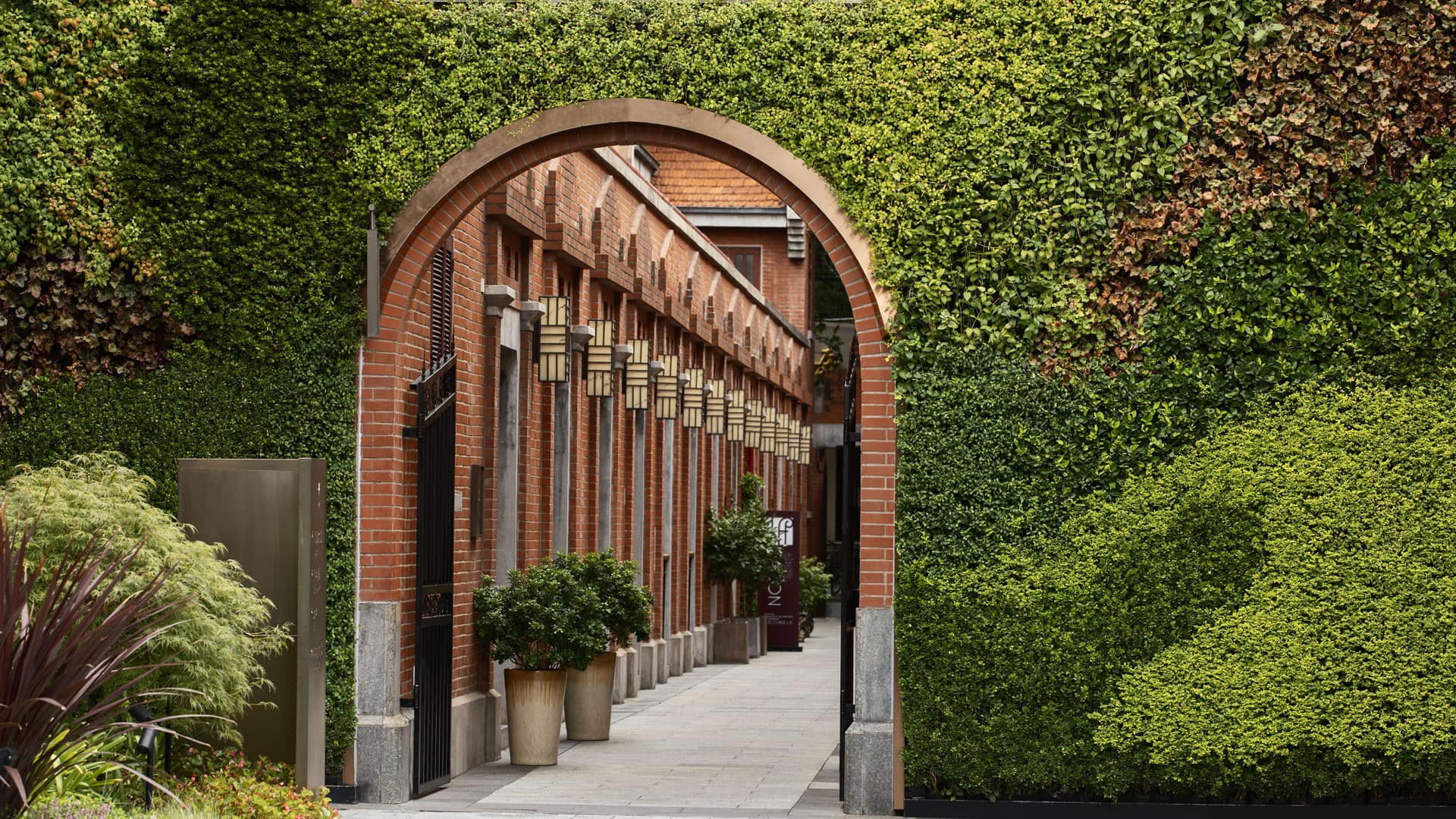
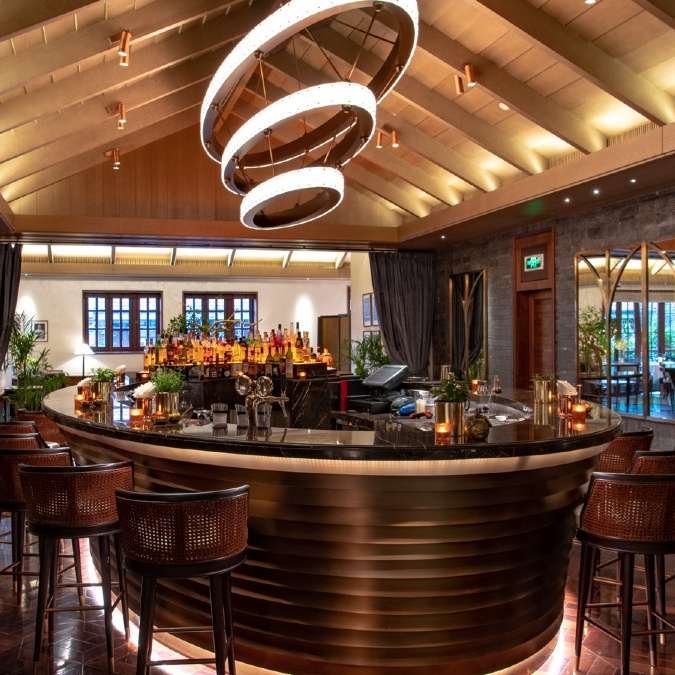
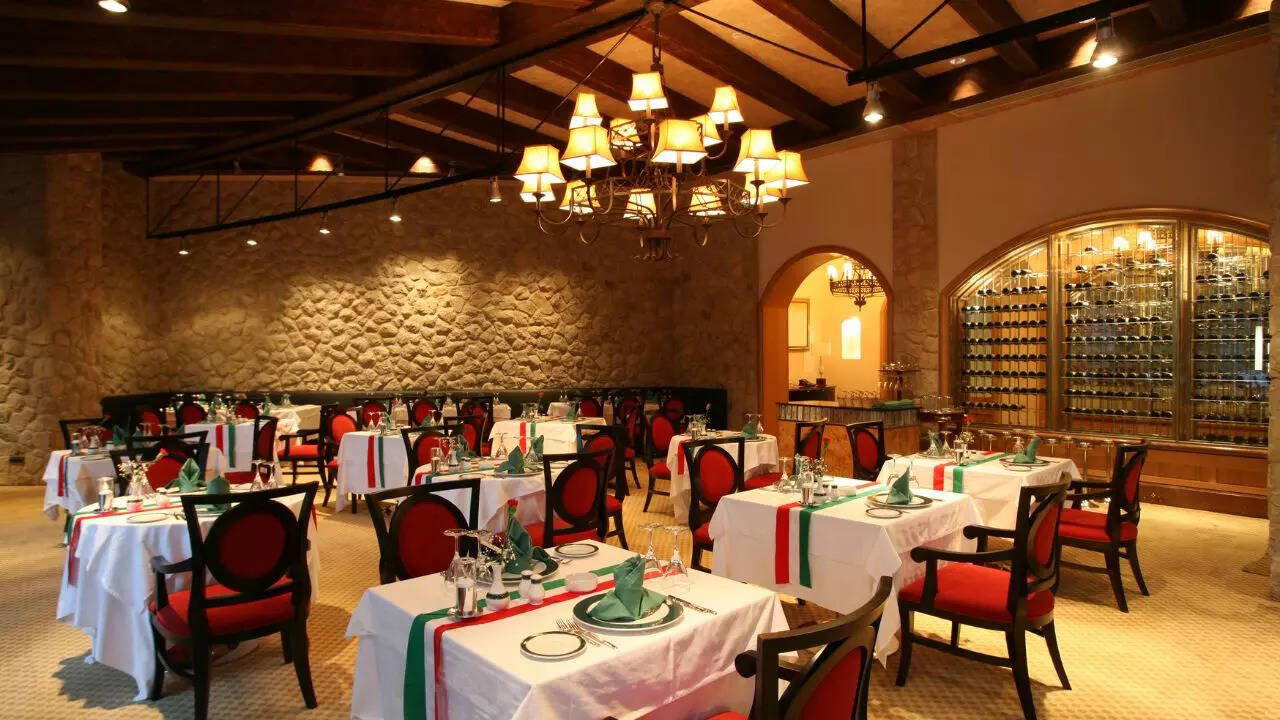
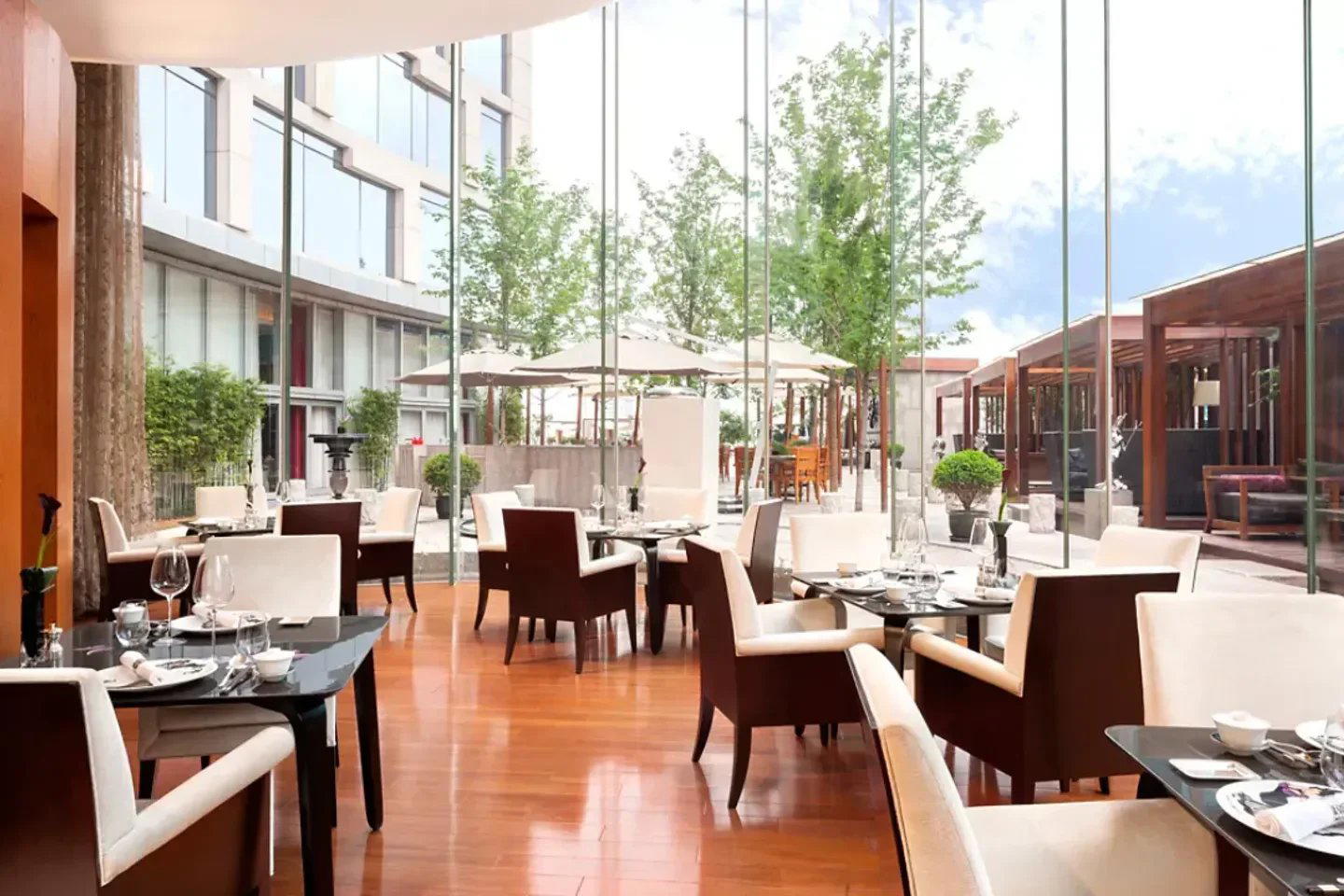
Elegant atmosphere blending profound Chinese heritage with modern elements, featuring natural woods, soft orange accents, porcelain art pieces, cozy lighting from hand-made lamps, and panoramic city/river views through floor-to-ceiling windows.