
Mara Plains Camp sits within the Olare Motorogi Conservancy, one of the private conservancies bordering the Maasai Mara ecosystem that consistently attract serious safari travellers. Recognised in the La Liste Top Hotels ranking for 2026 with a score of 90 points, the camp operates in a tier defined by low guest density, exclusive wildlife access, and service calibrated to individual itineraries rather than group schedules.
Pearl is the En Primeur Club membership app — saves, bookings, and concierge access live there. Same editors, same standards.
- Address
- Olare Motorogi Conservancy
- Directions
- Get directions
 Saves & bookings on Pearl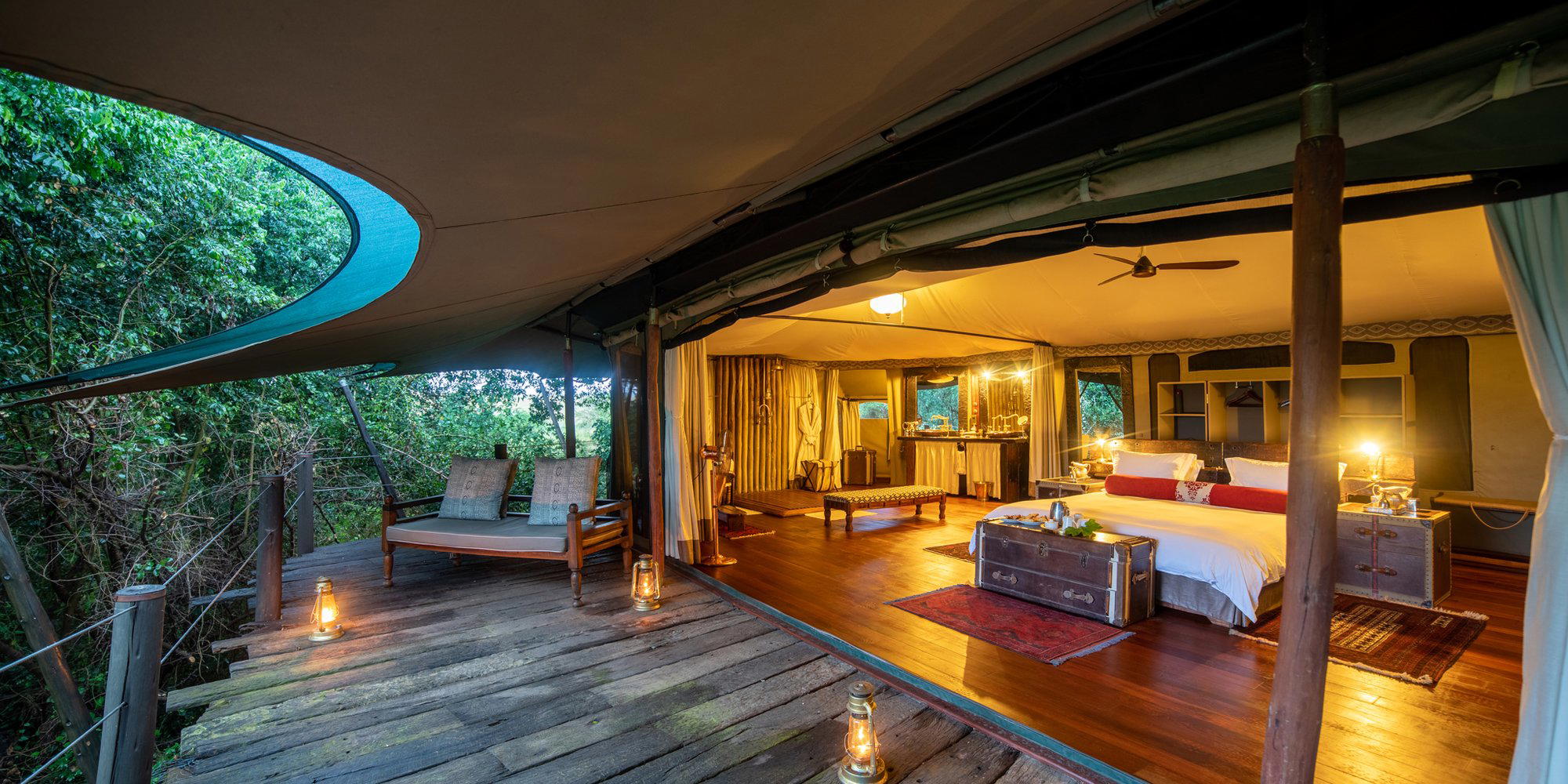
A Conservancy Standard That the National Reserve Cannot Match
The Olare Motorogi Conservancy functions differently from the Maasai Mara National Reserve that borders it. Visitor numbers are managed through a landowner model that limits the total camp capacity across the conservancy, which means dawn drives operate without the vehicle concentrations that routinely surround sightings inside the reserve. Mara Plains Camp sits within this system, placing guests in an environment where off-road tracking is permitted and the ratio of wildlife area to vehicles is a structural feature of the experience rather than a matter of luck or timing. Properties such as Mahali Mzuri in Olare Motorogi Conservancy operate under the same conservancy rules.
The La Liste Leading Hotels ranking awarded Mara Plains Camp 90 points for 2026. Within Kenya, that score positions the camp in the upper band of safari lodging, comparable in recognition tier to properties such as Angama Mara and Borana Lodge in Laikipia, both of which operate in the private or conservancy model.
Service at This Scale: What Low-Volume Hospitality Actually Means
Premium African safari hospitality has shifted decisively toward the low-capacity, high-ratio model over the past decade. The logic is direct: fewer guests per guide and per camp staff member means a personalised itinerary is operationally possible rather than aspirational. In practice, this translates to guides who learn individual preferences across a multi-day stay, kitchen teams that accommodate specific dietary requirements without treating them as exceptions, and camp managers who brief staff on guest details before arrival rather than after.
This contrasts with the larger-footprint model operated by international chain properties in the Mara ecosystem. The Fairmont Mara Safari Club in Maasai Mara and the JW Marriott Masai Mara Lodge in Talek offer defined infrastructure and brand consistency, but their scale means that service personalisation operates within standardised frameworks.
The Mara Ecosystem Context: Timing, Access, and What Surrounds the Camp
The Maasai Mara and its adjoining conservancies form one of East Africa's most reliably productive wildlife areas. The Great Migration, in which large wildebeest and zebra herds move between the Serengeti in Tanzania and the Mara grasslands, typically peaks from July through October, with river crossings at the Mara River concentrated in that window. Year-round, the conservancy supports resident lion prides, elephant populations, and a predator density that makes early-morning drives productive regardless of season. The conservancy model amplifies access to this: guides can track individual animals across terrain, follow sightings without time limits, and operate night drives that the national reserve does not permit.
Access to the Olare Motorogi Conservancy is typically by light aircraft into one of the Mara airstrips, with charter connections from Nairobi's Wilson Airport. Wilson handles the majority of safari traffic and connects to Nairobi's main accommodation tier, including Villa Rosa Kempinski in Nairobi, which frequently serves as a pre-safari stopover. Road access from Nairobi is possible but runs to approximately five to six hours depending on road conditions and the specific conservancy gate, making the airstrip option the practical choice for most itineraries. For travellers combining Mara Plains with a broader Kenya circuit, properties such as Elewana Elsa's Kopje in Meru National Park, Saruni Samburu in Samburu, or ol Donyo Lodge in Chyulu Hills represent logical routing through different ecosystems and species profiles.
Where Mara Plains Sits in the Kenyan Conservation Camp Tier
Kenya's premium safari market has split into several distinct categories. At one end sit the large lodge operators with national reserve concessions; at the other, a smaller group of conservancy camps where the land model itself is part of the product. The conservancy fee structure, through which camps contribute directly to community landowner payments and anti-poaching infrastructure, creates a different commercial relationship between guest spend and land management. This model is central to how camps like Mara Plains, Cottar's Safaris, and Enaidura Camp in Masai Mara position themselves in the market.
For comparison across Kenya's wider private camp circuit, andBeyond Bateleur Camp in Maasai Mara National Reserve, andBeyond Kichwa Tembo Tented Camp in Kawai, and andBeyond Suyian Lodge in Nanyuki operate within the same premium tier, though across different ecosystems and with varying degrees of conservancy exclusivity. The La Liste score for Mara Plains places it in credible company within this set.
Planning Your Stay
Mara Plains Camp takes essential reservations through specialist African safari operators and select luxury travel agencies. For travellers assembling a Kenya itinerary independently, one reliable approach is to contact an operator with confirmed conservancy relationships, as availability in the Olare Motorogi Conservancy during peak migration months (July to October) is constrained by the deliberately limited bed count across all camps. Rates at camps of this tier in Kenya typically include accommodation, meals, game drives, and conservancy fees in a single all-inclusive structure, with premium add-ons such as fly camping or private vehicle arrangements available on request. Guests extending their Kenya circuit to the coast will find contrasting properties at Sirai Beach in Kilifi and Chale Island, while those with an interest in rhino-focused conservation can route through Solio Lodge in Nyeri.
Style and Standing
Comparable venues nearby, for context on price, style, and recognition.
| Venue | Cuisine | Price | Awards | Notes |
|---|---|---|---|---|
| Mara Plains CampThis venue — the venue you are viewing | safari-chic conservation lodge | $$$$ | 5-Star | Not listed |
| Angama Mara | luxury tented safari camp | $$$$ | 5-Star | Oloololo Escarpment |
| Cottar's Safaris | Heritage luxury safari camp blending five generations of family safari expertise with sustainable conservation practices and authentic 1920s colonial design. | $$$$ | 5-Star | Olderkesi Conservancy, Narok |
| andBeyond Bateleur Camp | luxurious permanent tented safari camp | $$$$ | 5-Star | Maasai Mara National Reserve |
| Kwetu Nairobi, Curio Collection by Hilton | Historic fusion of nature, city, and 1800s heritage with cozy local charm. | $$$$ | 5-Star | Westlands |
| Mara Bushtops Luxury Camp | luxury tented safari camp | $$$$ | 5-Star | Isaaten Conservancy |
Recognition history
Dated appearances from independent guides and award organizations, with the underlying list record or original source where available.
La Liste Top Hotels
La Liste
At a Glance
- Romantic
- Quiet
- Elegant
- Scenic
- Intimate
- Sophisticated
- Honeymoon
- Romantic Getaway
- Anniversary
- Panoramic View
- Private Dining
- Infinity Pool
- Wi Fi
- Pool
- Spa
- Fitness Center
- Room Service
- Concierge
- Laundry Service
- Mountain
- Garden
- Wi Fi
- Pool
- Spa
- Fitness Center
- Room Service
- Concierge
- Laundry Service
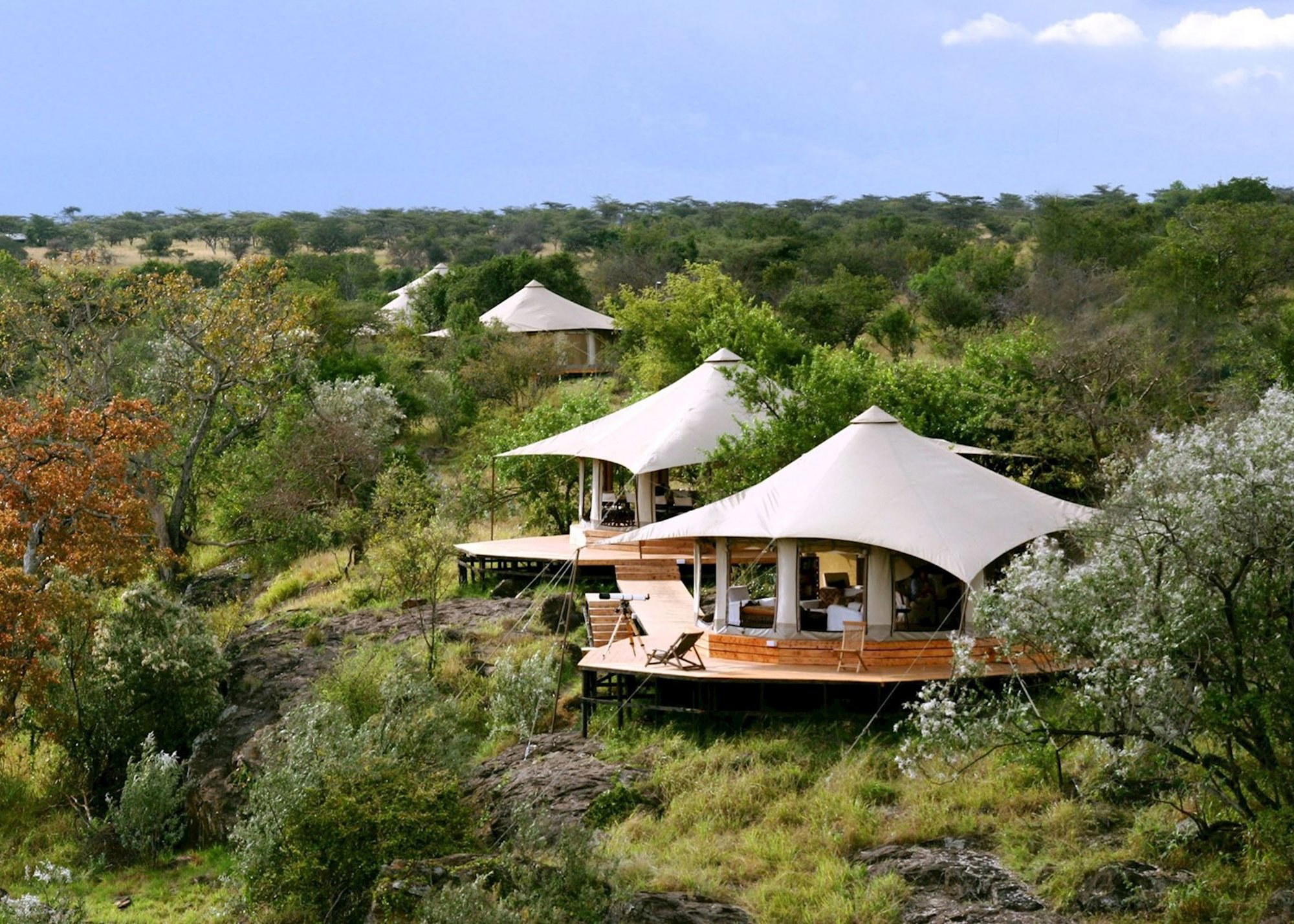
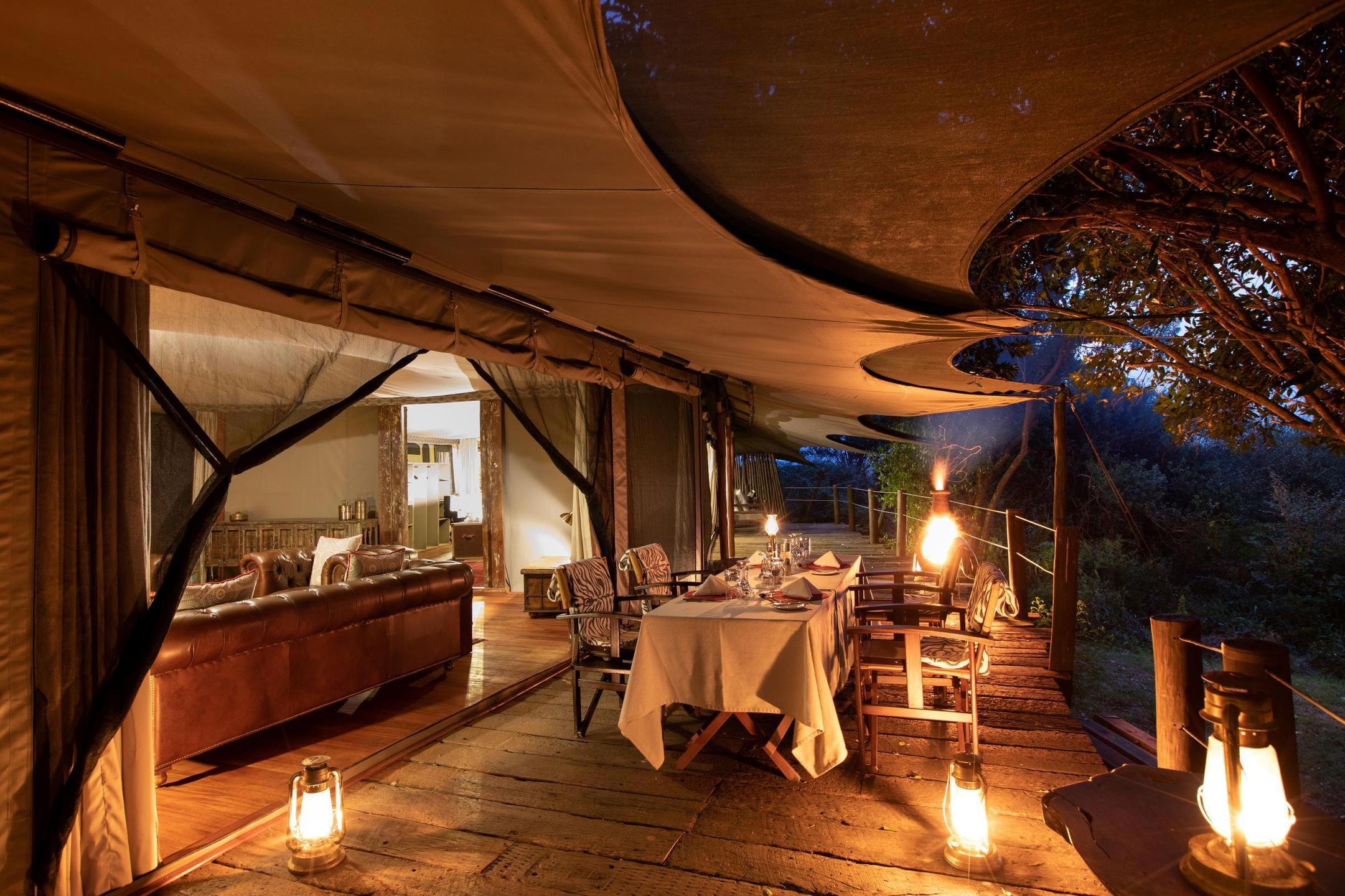
Modern comfort blended with classic safari charm, featuring soft lighting, tactile natural textures, and serene immersion in the wilderness.