Mara Plains Camp

Relais Chateaux Award
Our verdict
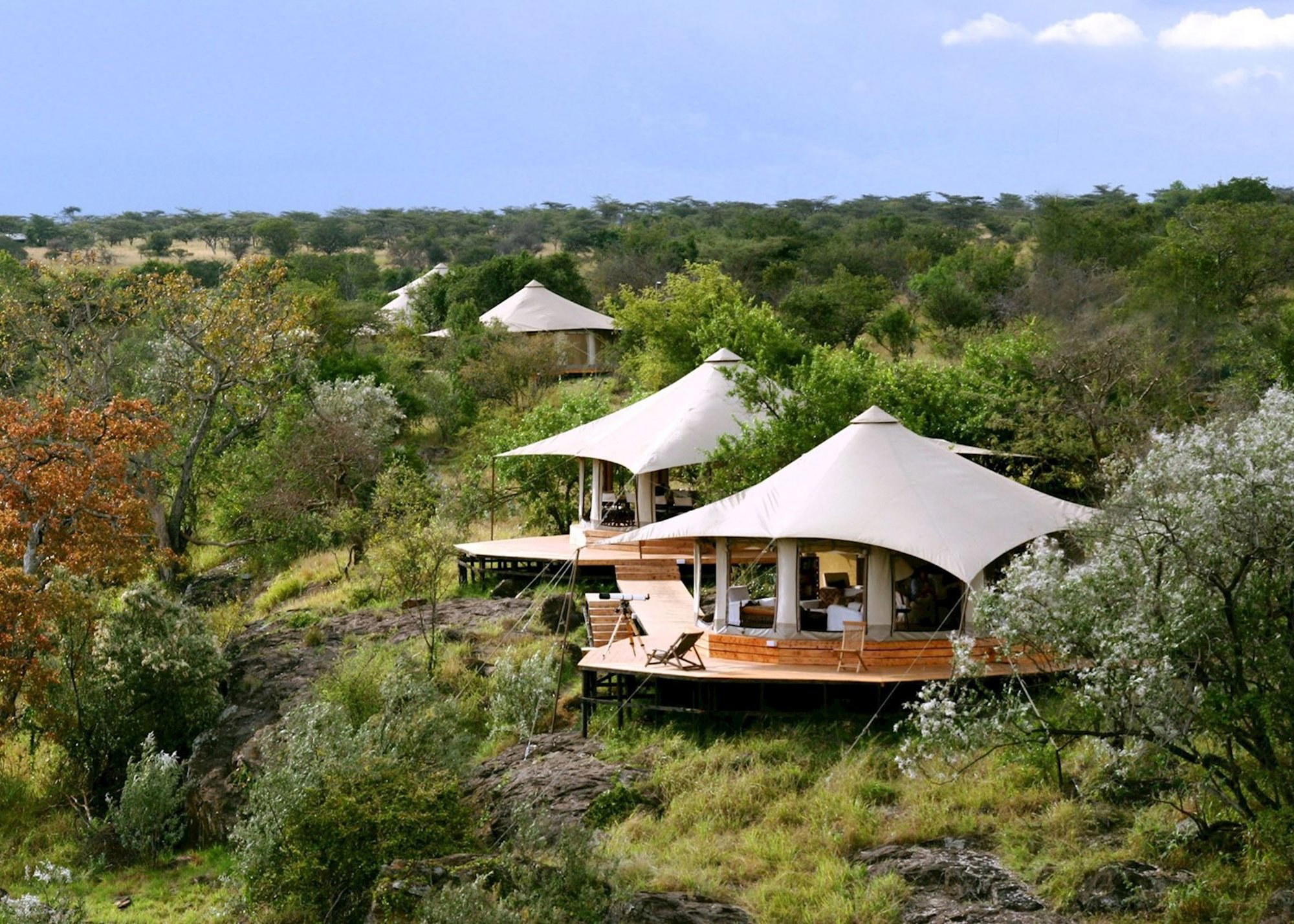
Great Plains Mara operates three ecolodges across a private wildlife reserve in the Maasai Mara, combining large canvas suites with an active conservation program. Dining here follows the rhythms of the bush rather than a fixed restaurant format, with East African cuisine grounded in the landscape surrounding the camp. Access is by scheduled or private air transfer from Nairobi's Wilson Airport to Olare Orok Airstrip.

Pearl is the En Primeur Club membership app — saves, bookings, and concierge access live there. Same editors, same standards.
- Address
- C11, Narosura, Kenya
- Phone
- +254 723 388555
- Website
- menumodo.com
- Directions
- Get directions
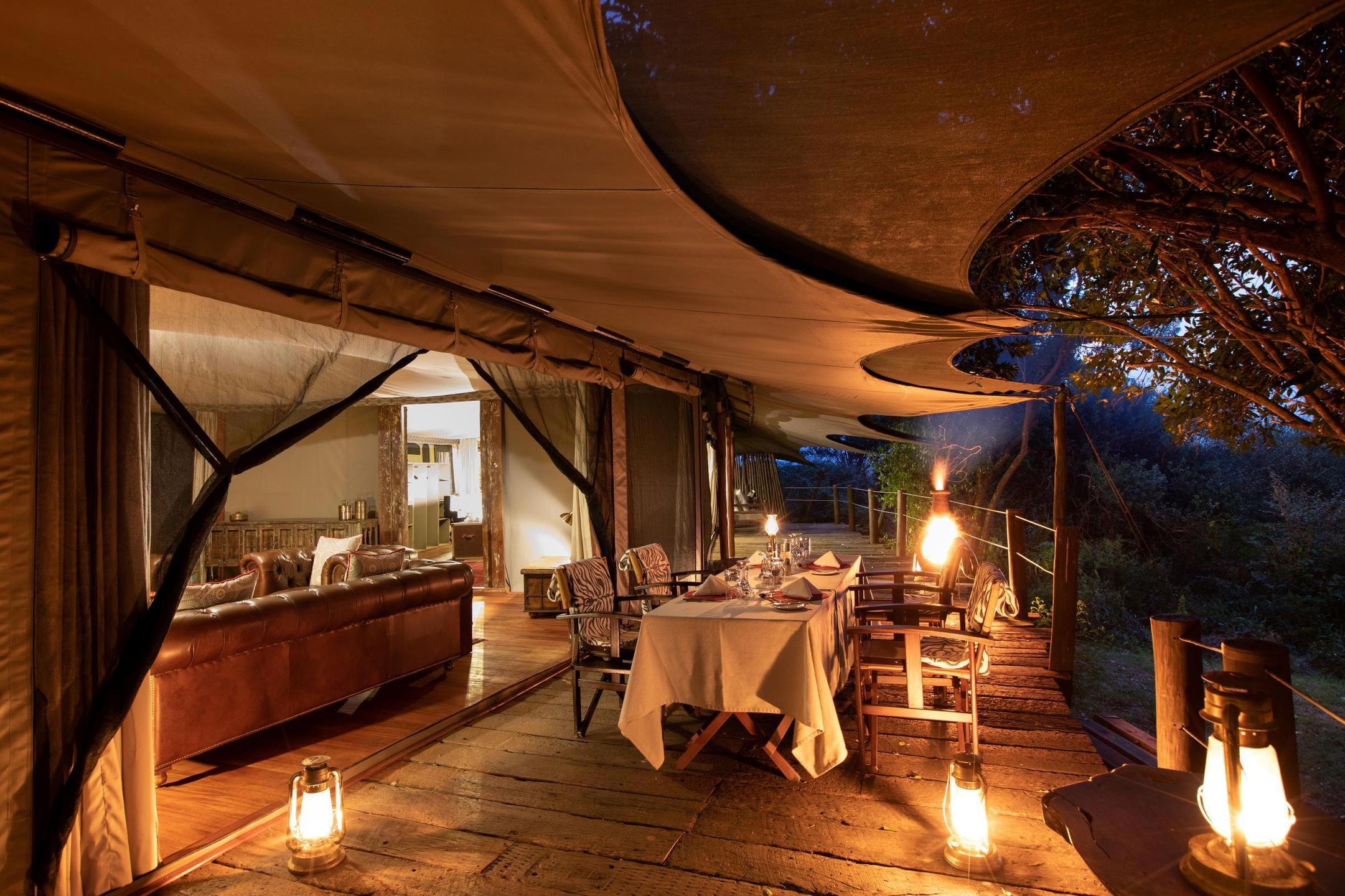
The Maasai Mara as Dining Room
Few places make the sourcing question as literal as a tented camp in the Maasai Mara. The savanna that stretches beyond the canvas walls is not backdrop — it is the supply chain, the cook's reference point, and the reason the food on the table tastes the way it does. At Great Plains Mara, which operates three ecolodges across a private wildlife reserve at GPS coordinates roughly 1.34°S, 35.16°E, the relationship between the land and the plate is structural, not decorative. East African bush hospitality at this tier is built on that premise: that proximity to the source is itself a form of quality.
This is not a restaurant in the conventional sense, and that distinction matters when thinking about what the food here represents. Dining in a remote Mara camp follows a different logic than dining at, say, Le Bernardin in New York City or Alain Ducasse at the Louis XV in Monte Carlo. There are no supply trucks arriving with imported protein, no tasting menus calibrated for Michelin inspectors. What there is instead is a kitchen working close to its geography, drawing on East African culinary traditions shaped by Swahili coastal influence, highland agriculture, and the communal roasting culture that places like Carnivore in Nairobi have made internationally legible.
East African Cuisine in Its Natural Context
East African cooking, at its core, is about fire, protein, and starch in honest proportion. The traditions that define it — slow-roasted meats, maize-based accompaniments, braised legumes, and the subtle spice grammar inherited from centuries of Indian Ocean trade, become more coherent when you eat them in the region where they developed. Compared to East African cuisine interpreted abroad, such as the diaspora cooking explored at Baobab Fare in Detroit, a camp kitchen in the Mara operates with a different mandate: authenticity through proximity rather than through urban translation.
The ingredient sourcing that defines this style of hospitality is shaped partly by necessity and partly by philosophy. Remote camps at the conservation end of the safari market, which is where Great Plains sits given its private reserve and active wildlife conservation program, tend to work with local suppliers and seasonal availability in ways that more urban operations cannot easily replicate. Vegetables travel shorter distances. Proteins are sourced with an awareness of what a conservation-oriented property should and should not serve. The kitchen's decisions about what appears on the table are, in this context, also conservation decisions, a consideration that does not apply when reviewing, for instance, Alinea in Chicago or Atomix in New York City.
Three Ecolodges, One Reserve
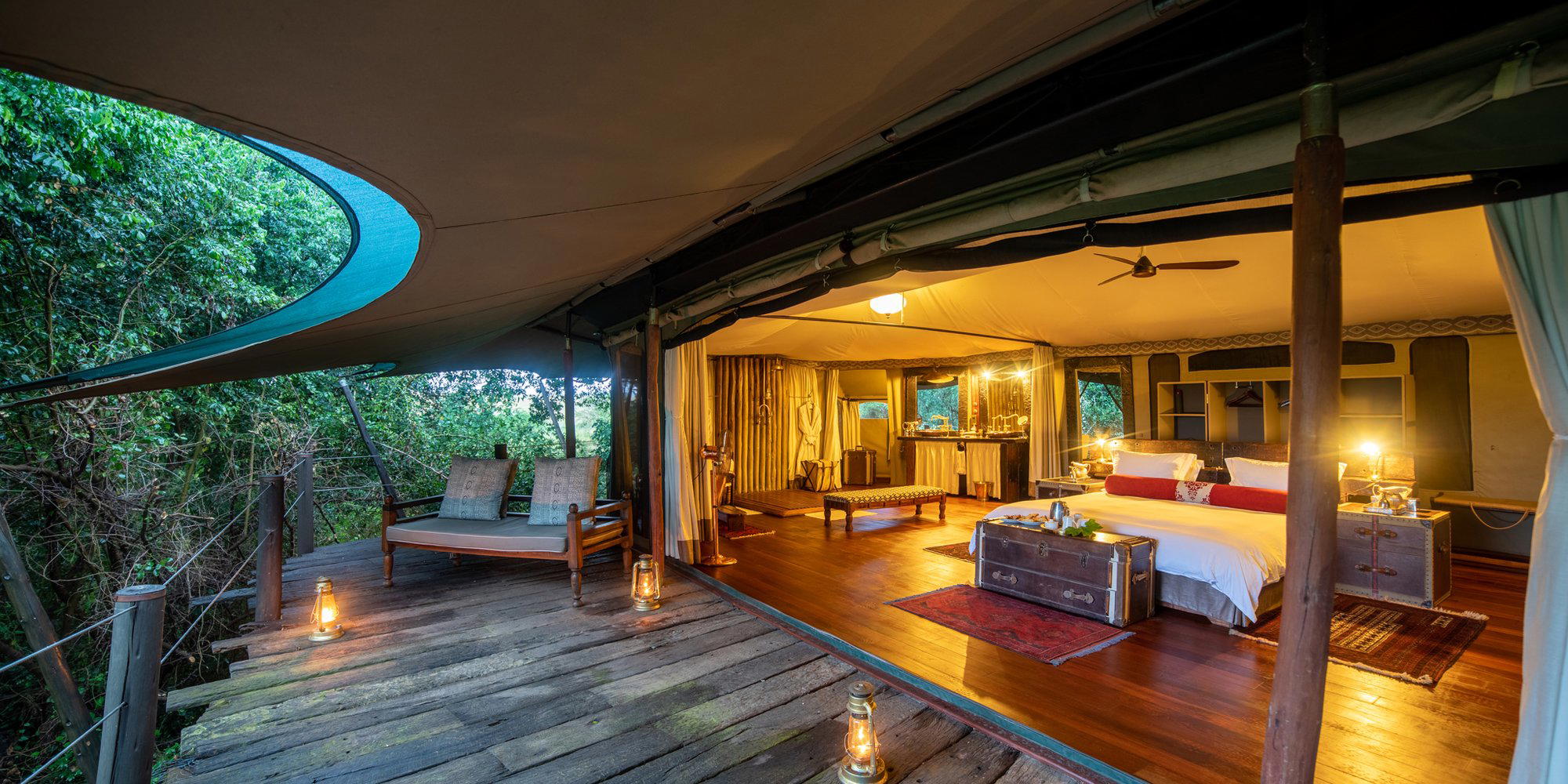
The Great Plains model distributes its offering across three separate ecolodge sites within the private wildlife reserve. Each site operates large canvas suites rather than permanent structures, a format that positions the property firmly in the conservation-luxury tier of African hospitality, a tier that has grown significantly since the early 2000s as travellers began treating wildlife reserves as destinations requiring serious design and food investment, not just functional field camps.
That tier now includes properties across East and Southern Africa that compete not on room count but on exclusivity, reserve quality, and program depth. In both cases, the food program cannot be separated from the conservation program: what is served reflects what the land can support.
For guests considering the broader Maasai Mara, our full Maasai Mara hotels guide maps the full range of accommodation options, from large-footprint tented camps to smaller owner-operated properties. The experiences guide covers the game drive and wildlife programming context that shapes how dining integrates into a Mara visit, and our Maasai Mara restaurants guide places Great Plains within the wider dining options available in the region.
Getting to Great Plains Mara
Access follows the standard routing for serious Mara properties. Guests fly into Nairobi Jomo Kenyatta International Airport, transfer to Wilson Airport, a smaller general aviation hub roughly 15 kilometres from the international terminal, and continue by Safarilink or Air Kenya scheduled service, or by private charter, to Olare Orok Airstrip. The airstrip sits close to the reserve, and the ground transfer from there to the camp is short by Mara standards. Flying into the Mara rather than driving from Nairobi is the practical choice for anyone staying fewer than five nights; the road journey takes the better part of a day and crosses rough terrain after the tarmac ends. The camp's coordinates (approximately 1.34°S, 35.16°E) place it in the northern Mara ecosystem, which has historically held good year-round game density independent of the Great Migration peak season.
The Migration itself, which concentrates wildebeest and zebra crossings in the Mara River corridor typically between July and October, is the calendar event that drives most international bookings. Securing dates during that window, particularly for a private reserve property with limited capacity, requires planning well ahead. Outside Migration season, the northern Mara offers consistent predator sightings and significantly fewer competing vehicles, a trade-off that experienced safari travellers increasingly prefer. For context on the full range of activities and timing decisions in the region, the Maasai Mara bars guide and wineries guide round out the picture for guests planning a multi-day itinerary.
What the Food Is Actually For
The question of what Great Plains Mara is serving matters less than the question of why the food matters at all in this context. At properties operating at the intersection of conservation and luxury hospitality, meals are the connective tissue of the guest day: breakfast before the morning drive, a bush lunch in the field, sundowners at a viewpoint, dinner back at camp under canvas with oil lamps and the sounds of the savanna. That rhythm is the format. The East African cuisine filling it is the substance, spiced, fire-inflected, grounded in regional tradition, and the sourcing decisions behind it are an extension of the same conservation ethic that defines the reserve itself.
That makes Great Plains Mara a different kind of dining reference point than the restaurants clustered at the formal end of the critical spectrum. It belongs to a category of place where the food's meaning comes from its environment. For readers wanting to compare that model against the full range of serious dining, the EP Club restaurant coverage spans everything from Aponiente in El Puerto de Santa María, where the sea defines the menu, to Lazy Bear in San Francisco and Emeril's in New Orleans, 8½ Otto e Mezzo Bombana in Hong Kong, and Alléno Paris au Pavillon Ledoyen and Amber in Hong Kong. The Mara sits at a different point on that spectrum entirely, one where the source of the food and the view from the table are, in the end, the same thing.
Frequently asked questions
Is Great Plains Mara a family-friendly restaurant?
Great Plains Mara is not a restaurant in the conventional sense — it is a conservation ecolodge on a private Maasai Mara wildlife reserve, where dining is one component of a broader safari stay. Private reserve camps in the Mara typically apply minimum age thresholds for game drives, so families with younger children should confirm policies directly before booking. The three separate ecolodge sites each operate large canvas suites, which suits families requiring more space than a standard hotel room provides.
What's the overall feel of Great Plains Mara?
The property sits in the conservation-luxury tier of Maasai Mara hospitality: large canvas suites distributed across three ecolodge sites within a private wildlife reserve, with a documented wildlife conservation program running alongside the guest experience. Access via Olare Orok airstrip — reached by scheduled or private air transfer from Nairobi's Wilson Airport — sets the tone before arrival. This is not a city hotel transplanted to the bush; the reserve itself shapes the rhythm of each day.
What awards or recognition does Great Plains Mara have?
Great Plains Mara has received recognition including: HIGHLIGHTS: • ECOLODGES ON 3 SITES • LARGE CANVAS SUITES • PRIVATE WILDLIFE RESERVE • WILDLIFE CONSERVATION PROGRAM DIRECTIONS & ACCESS: Directions By car Nairobi airport and then Olare Orok airstrip with Safarilink / Air Kenya scheduled an….
What dish is Great Plains Mara famous for?
No specific signature dish is published for Great Plains Mara, and the camp does not function as a fixed-menu restaurant with a defined culinary identity separate from its setting. Dining at conservation ecolodges in the Mara generally follows East African traditions — fire-cooked proteins, maize-based staples — calibrated to the schedule of game drives rather than a chef-led tasting format. The food serves the experience of the private wildlife reserve rather than the other way around.
Comparable Spots, Quickly
Comparable venues nearby, for context on price, style, and recognition.
| Venue | Cuisine | Price | Awards | Notes |
|---|---|---|---|---|
| Mara Plains CampThis venue — the venue you are viewing | Modern African Safari Cuisine | Not listed | Relais Chateaux Award | Not listed |
| Talisman Restaurant | Global Fusion with South Asian Influences | $20–30 | Not listed | Langata |
| Nyama Mama Delta | Modern Kenyan Fusion | Not listed | Not listed | Kilimani |
| Thai Chi | Authentic Thai | $30–50 | Not listed | Starehe |
| Bistro Lolo | French-leaning Bistro | Not listed | Conde Nast Hot List Restaurants | Kilimani |
| Bao Box | Fusion Casual Dining with Games | Not listed | Not listed | Westlands |
Recognition history
Dated appearances from independent guides and award organizations, with the underlying list record or original source where available.
Relais Chateaux Award
Relais Chateaux
Full recognition history (2 entries)
Relais Chateaux Award
Relais Chateaux
Continue exploring
More in Maasai Mara
Restaurants in Maasai Mara
Browse all →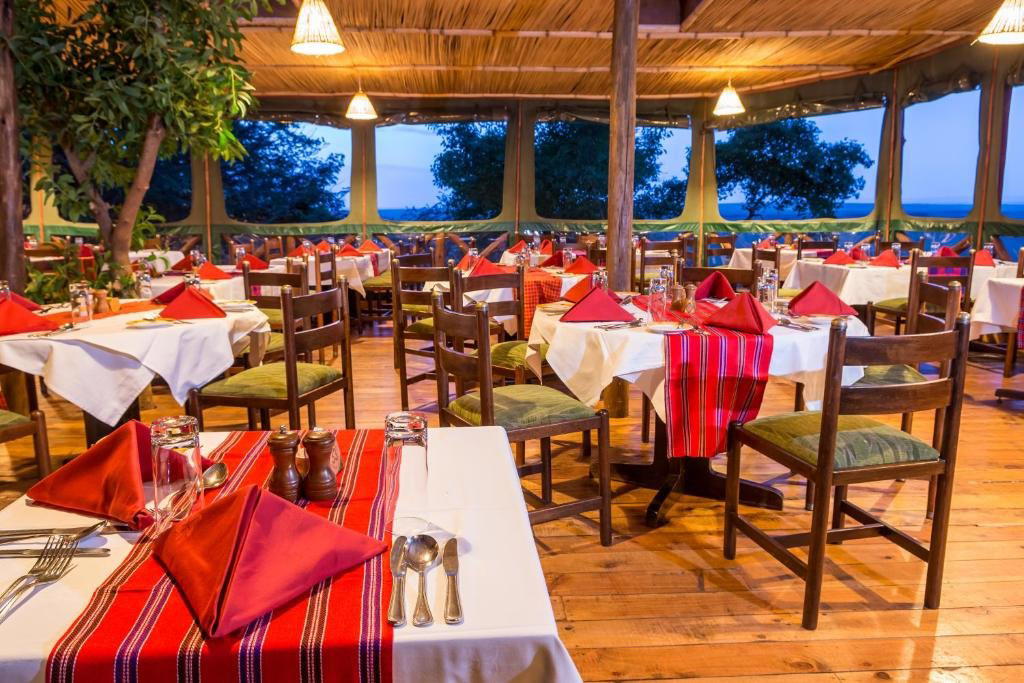
Details
- Elegant
- Rustic
- Scenic
- Intimate
- Sophisticated
- Special Occasion
- Celebration
- Hotel Restaurant
- Open Kitchen
- Terrace
- Craft Cocktails
- A La Carte
- Vegetarian Friendly
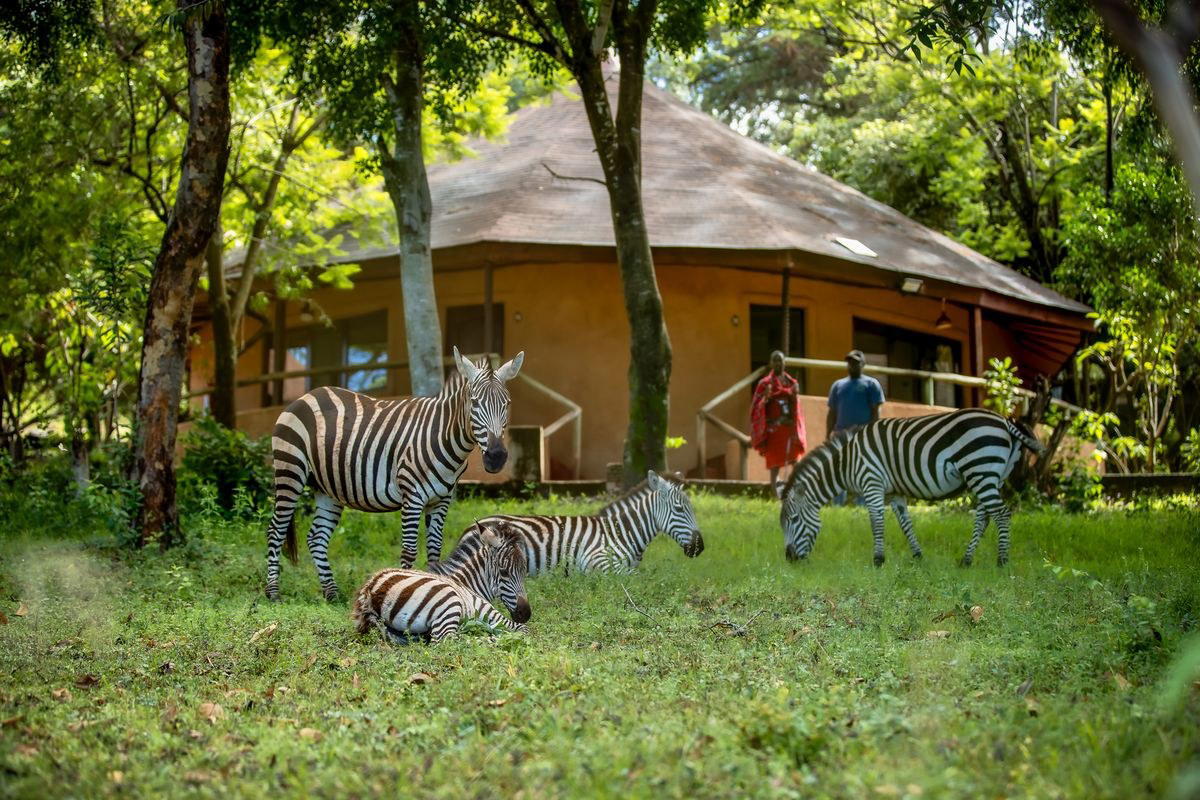
Colonial-style elegance with dark woods, leather furniture, chandeliers, and atmospheric main tent, immersed in lush riverine forest with wildlife sounds.