Nobu Hotel São Paulo enters a city where luxury hotels increasingly compete through architecture, neighbourhood identity, and dining gravity rather than room count alone. With, the useful read is comparative: how a Nobu address would sit against São Paulo’s design-led hotel tier, its established hospitality names, and a city that treats restaurants as serious cultural infrastructure.

Pearl is the En Primeur Club membership app — saves, bookings, and concierge access live there. Same editors, same standards.
- Address
- São Paulo, Brazil
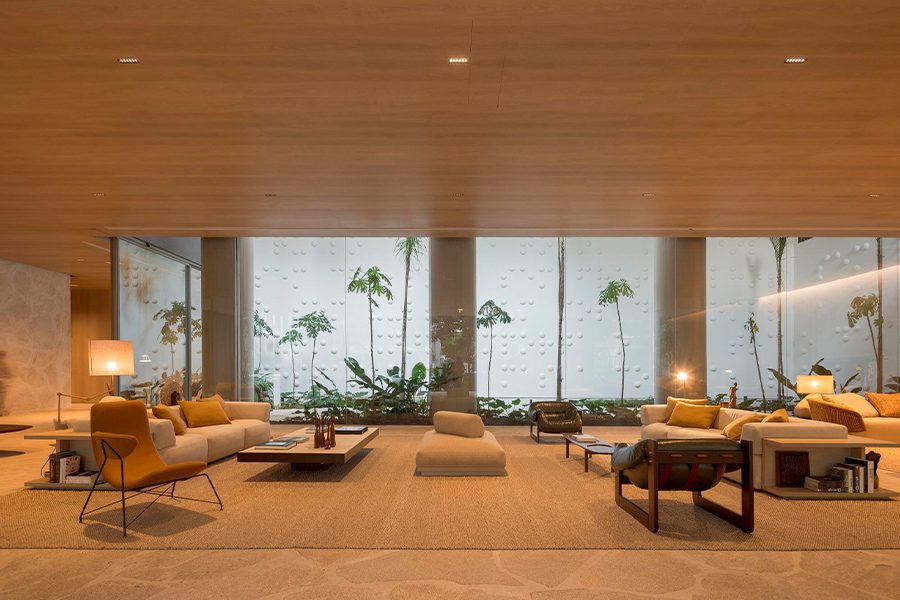
Design-first luxury in a city that reads hotels closely
Arriving at a high-end hotel in São Paulo is rarely a neutral experience. The city announces itself through scale: towers, traffic, guarded entrances, deep planting, polished stone, and the quick shift from street intensity to interior control. In that context, Nobu Hotel São Paulo belongs to a category where the lobby, restaurant, and arrival sequence matter as much as the room itself. São Paulo’s luxury hotel scene has moved beyond the old formula of international service plus business-district convenience. The sharper question now is how a property interprets the city’s appetite for design, privacy, food, and social theatre.
The Nobu name brings a particular expectation to that conversation. Globally, Nobu is associated with a restaurant-led hospitality model, where dining is not an amenity attached to the hotel but a central part of the reason the address exists. That matters in São Paulo, a city with one of Latin America’s strongest restaurant cultures and a clientele that can tell the difference between a hotel restaurant built for breakfast covers and one designed to pull locals in at night.
Instead of pretending to know room categories or lobby materials, the useful assessment is where the property would sit in São Paulo’s competitive set. The city already has strong luxury references: Rosewood São Paulo brought a major international design-hospitality statement into the Cidade Matarazzo complex, while Emiliano São Paulo helped define the quieter, service-led end of Jardins luxury. Hotel Fasano São Paulo remains part of the city’s established restaurant-and-hotel conversation, and Hotel Fasano Sao Paulo Itaim extends that brand logic into another business and dining axis. A Nobu address has to be read against that field, not in isolation.
The restaurant-led hotel model fits São Paulo unusually well
São Paulo is a city where hotels are judged by how they participate in local life. A property can have a polished suite product and still feel peripheral if its public rooms do not attract residents. This is where a restaurant-led hotel model has an advantage. The city’s social geography often runs through dinner tables, private rooms, hotel bars, late business meals, and weekend lunches that blur leisure and deal-making. For travellers, that means the dining program is not decorative. It is part of the hotel’s civic role.
Nobu’s global identity gives the São Paulo project a clear starting position: Japanese-Peruvian influence translated through an international luxury format. It does, however, place the hotel within a broader trend in which hospitality brands use restaurants to create recognisable rhythm from city to city. São Paulo already understands that rhythm. The local dining audience follows chefs, wine lists, counter formats, hotel openings, and imported brands with unusual attention, and the city’s premium hotel restaurants cannot rely on captive guests alone.
The more interesting comparison is not only with other hotels, but with the city’s wider food network. Travellers planning around meals should use Our full São Paulo restaurants guide alongside the hotel decision, because São Paulo rewards neighbourhood planning. Jardins, Itaim Bibi, Pinheiros, Vila Madalena, and the Avenida Paulista orbit each offer a different dining tempo. A hotel with a destination restaurant can simplify one evening, but it should not replace the city’s broader table culture. The stronger São Paulo itinerary pairs a serious hotel base with a calibrated restaurant map rather than treating the property as a self-contained resort.
Architecture is the real battleground
In São Paulo, architecture does heavy work for luxury hotels. The city has deep modernist memory, strong contemporary residential design, and a commercial skyline that can make generic interiors feel anonymous within minutes. A hotel that wants to matter has to answer a physical question: does it create a sense of place, or does it import a global lounge language and hope the city does the rest?
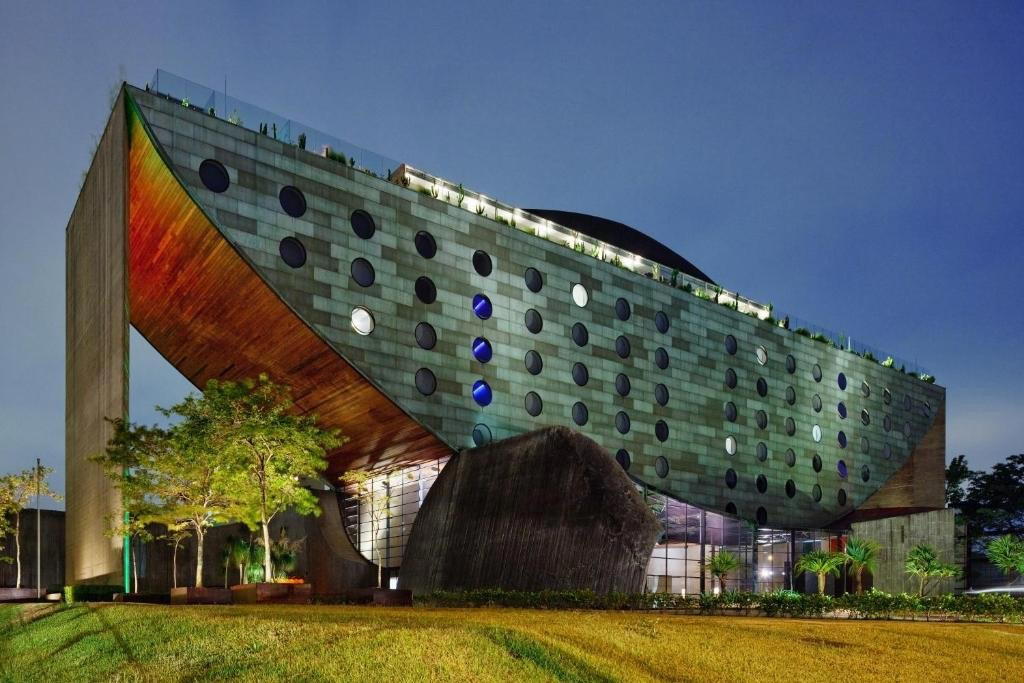
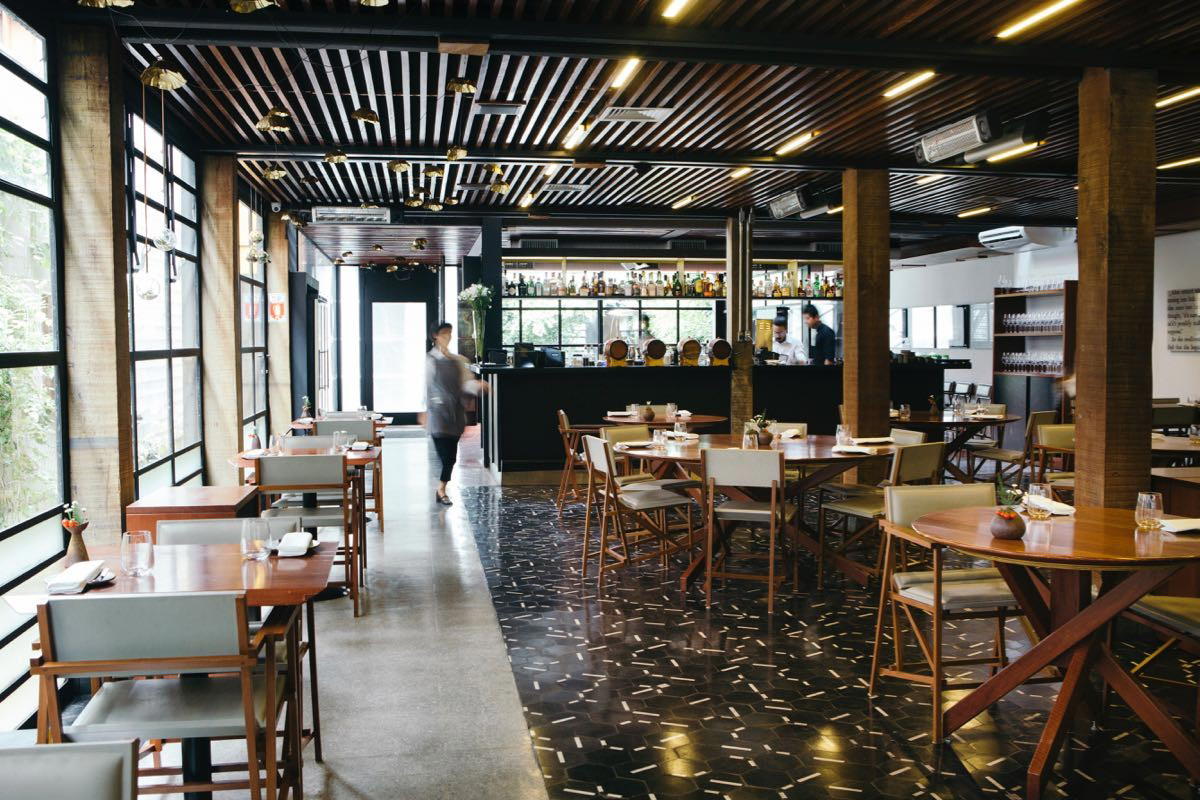
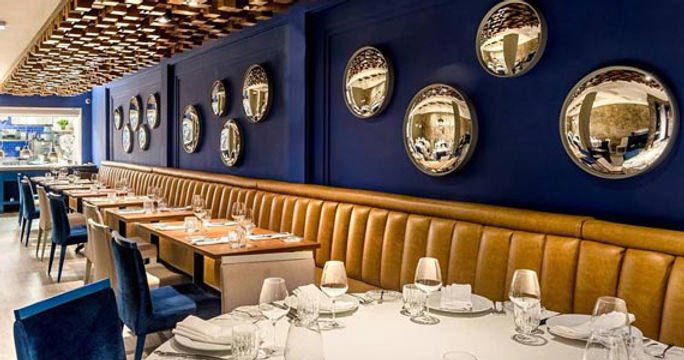
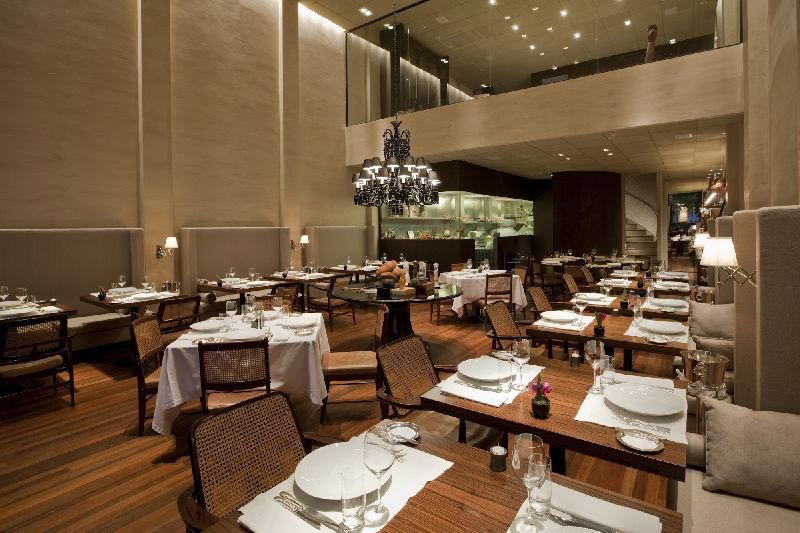
That is why Nobu Hotel São Paulo is better understood through design expectations than through standard amenity language. A Nobu property typically arrives with a controlled visual code: dark woods, soft lighting, Japanese references, and an emphasis on restaurant atmosphere. São Paulo complicates that code in productive ways. The city’s luxury audience is used to sharper architectural gestures, from the boat-shaped silhouette of Hotel Unique to the urban campus feel associated with Rosewood’s São Paulo address. If the Nobu project leans too heavily on brand repetition, it risks feeling placeless. If it absorbs São Paulo’s material confidence, planting, art, and spatial drama, it can sit in the smaller tier of hotels where design becomes the selling argument.
The hotel comparison set also includes different forms of scale. Grand Hyatt São Paulo and JW Marriott Hotel São Paulo speak to the international business traveller who wants infrastructure, meeting capacity, and brand predictability. L'Hotel PortoBay São Paulo belongs to a more intimate urban-hotel lane. Nobu, by contrast, is expected to draw energy from the restaurant, from the bar, and from the arrival experience. That distinction matters for travellers choosing between a corporate base, a design address, and a hotel that functions as a social stage.
How it fits a São Paulo itinerary
The practical question is not whether São Paulo has enough luxury hotels. It does. The question is what kind of trip the traveller is building. For a food-led stay, the Nobu proposition makes sense as part of a plan that treats meals as anchors and uses the hotel as a late-evening landing point. For an architecture-led stay, it should be weighed against properties where the building itself carries documented local significance.
Planning in São Paulo is also seasonal in a practical sense. The city is active year-round rather than built around a single tourism season, but weekday traffic, major trade events, art fairs, fashion weeks, and football fixtures can affect hotel demand and restaurant availability. This is especially relevant for a hotel attached to a globally recognised dining name, where opening-period demand and local curiosity can compress availability.
The hotel also sits within a larger Brazil luxury map. Travellers combining São Paulo with Rio can compare urban grand-hotel tradition at Copacabana Palace, A Belmond Hotel, Rio de Janeiro in Rio de Janeiro. A nature-led extension points toward Hotel das Cataratas, A Belmond Hotel, Iguassu Falls in Iguassu Falls or Hotel das Cataratas, A Belmond Hotel, Iguassu Falls in Iguazu Falls, depending on itinerary language and routing. Beach and coastal itineraries bring in Zorah Beach Hotel in Trairi or Ilha de Toque Toque Eco Hotel in Sao Sebastiao, while heritage-city planning can include Fera Palace Hotel in Salvador and Hotel Fasano Salvador in Salvador Bahia. Mountain and southern Brazil routes point toward Parador Casa da Montanha in Cambara Do Sul and Wyndham Gramado Termas Resort & Spa in Gramado.
The traveller it suits
This is not the natural choice for someone who wants every hotel decision resolved by published specifications before shortlisting. No star rating, price range, awards, room count, booking method, or official contact details are listed here. The safer editorial position is to treat Nobu Hotel São Paulo as a high-interest entrant in the city’s luxury conversation, then verify operational details before committing.
It suits travellers who care about the overlap between hotel and restaurant culture, who prefer a property with social energy over a purely residential mood, and who are comfortable comparing brand identity against local competitors. Those seeking a quieter São Paulo stay may find Emiliano or PortoBay more aligned with that mood. Those who want architectural theatre already have Hotel Unique and Rosewood in the frame. Those who want international corporate machinery may look first at Grand Hyatt or JW Marriott. The Nobu argument is narrower and more specific: a hotel whose relevance depends on how convincingly it translates a globally recognised dining brand into São Paulo’s demanding design and restaurant culture.
For city planning beyond hotels, the useful approach is to connect categories. Our full São Paulo hotels guide gives the accommodation context, while Our full São Paulo bars guide helps map the after-dinner circuit. Our full São Paulo wineries guide is relevant for travellers tracking Brazil’s growing wine conversation from an urban base, and Our full São Paulo experiences guide helps separate cultural programming from hotel-led downtime. São Paulo is too large and too fragmented to plan from a single address; the hotel should act as a base for a wider city edit.
Planning notes
In São Paulo, location is not a minor detail. Travellers should confirm the neighbourhood before arranging restaurant reservations, meetings, airport transfers, or late-night returns. If the stay is built around dining, secure restaurant plans early and avoid stacking cross-city commitments on the same evening. If the stay is built around architecture and design, compare the property directly with Rosewood, Hotel Unique, Fasano, and Emiliano rather than using star categories alone.
For international comparison, Nobu Hotel São Paulo sits in the same broad travel conversation as design-forward city hotels that use food, architecture, and social rooms to create identity. That might place it on a longlist beside The Fifth Avenue Hotel in New York City, Hôtel de Paris Monte-Carlo in Monte Carlo, or Badrutt's Palace Hotel in St. Moritz, although each operates in a different tradition and price logic. The useful comparison is not sameness, but function: how much of the trip is carried by the building, the dining room, and the public spaces.
Reputation & Price
Comparable venues nearby, for context on price, style, and recognition.
| Venue | Price | Awards | Notes |
|---|---|---|---|
| Nobu Hotel São PauloThis venue — the venue you are viewing | Not listed | Not listed | Not listed |
| L'Hotel PortoBay São Paulo | $200–300 | Michelin Selected | Vila Bela Vista, Elegant Art Deco boutique in the heart of Jardins district |
| Hotel Fasano Sao Paulo Itaim | $300–500 | Michelin Guide New Hotels New Hotel · Michelin Selected | Pinheiros, Contemporary luxury with Italian heritage; architect Marcio Kogan's design blends classic Fasano brand elements with modern Brazilian sensibilities across 20 floors. |
| Hotel Unique | Not listed | 1 Michelin Key · Forbes Recommended | Pinheiros, Well-known design hotel with boat-shaped architecture and curved minimalist rooms. |
| Soho House São Paulo | $300–500 | Michelin Selected · Mr & Mrs Smith Seal of Approval | Bela Vista, Members-only creative club blending heritage preservation with contemporary Brazilian design in a reimagined historic hospital complex. |
| Tivoli Mofarrej | Not listed | 1 Michelin Key · Leading Hotels of World Member | Vila Bela Vista, Five-star urban luxury hotel |
Continue exploring
More in São Paulo
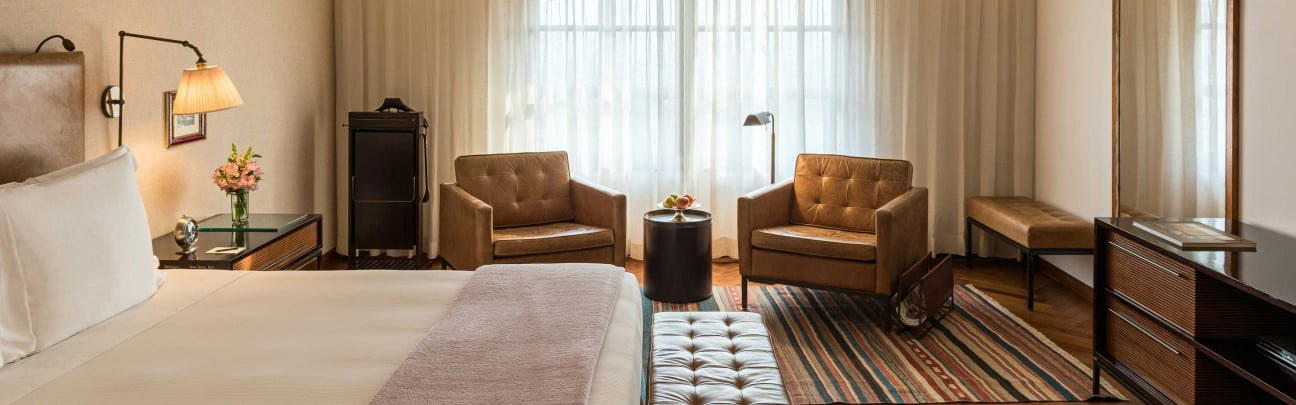
Hotels in São Paulo
Browse all →
Bars in São Paulo
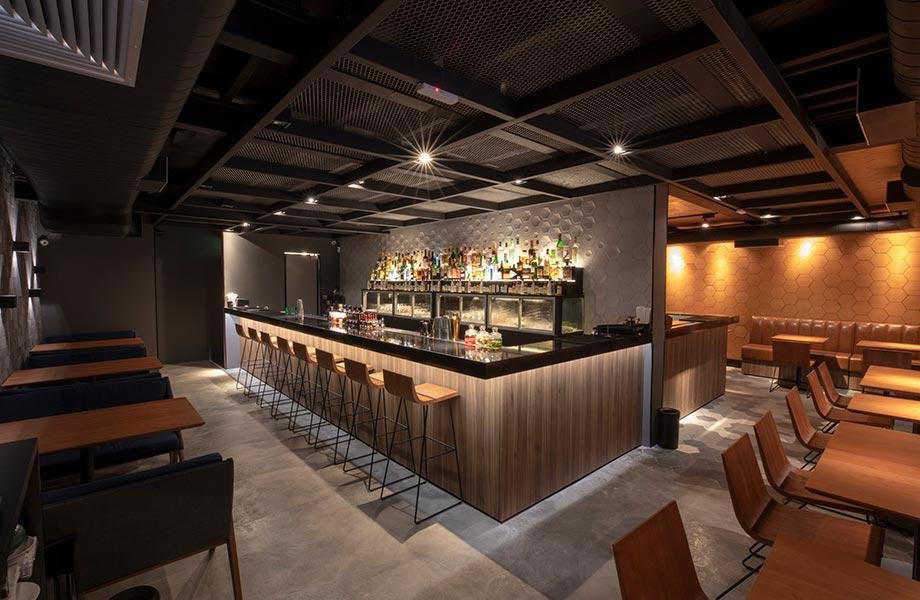
Browse all →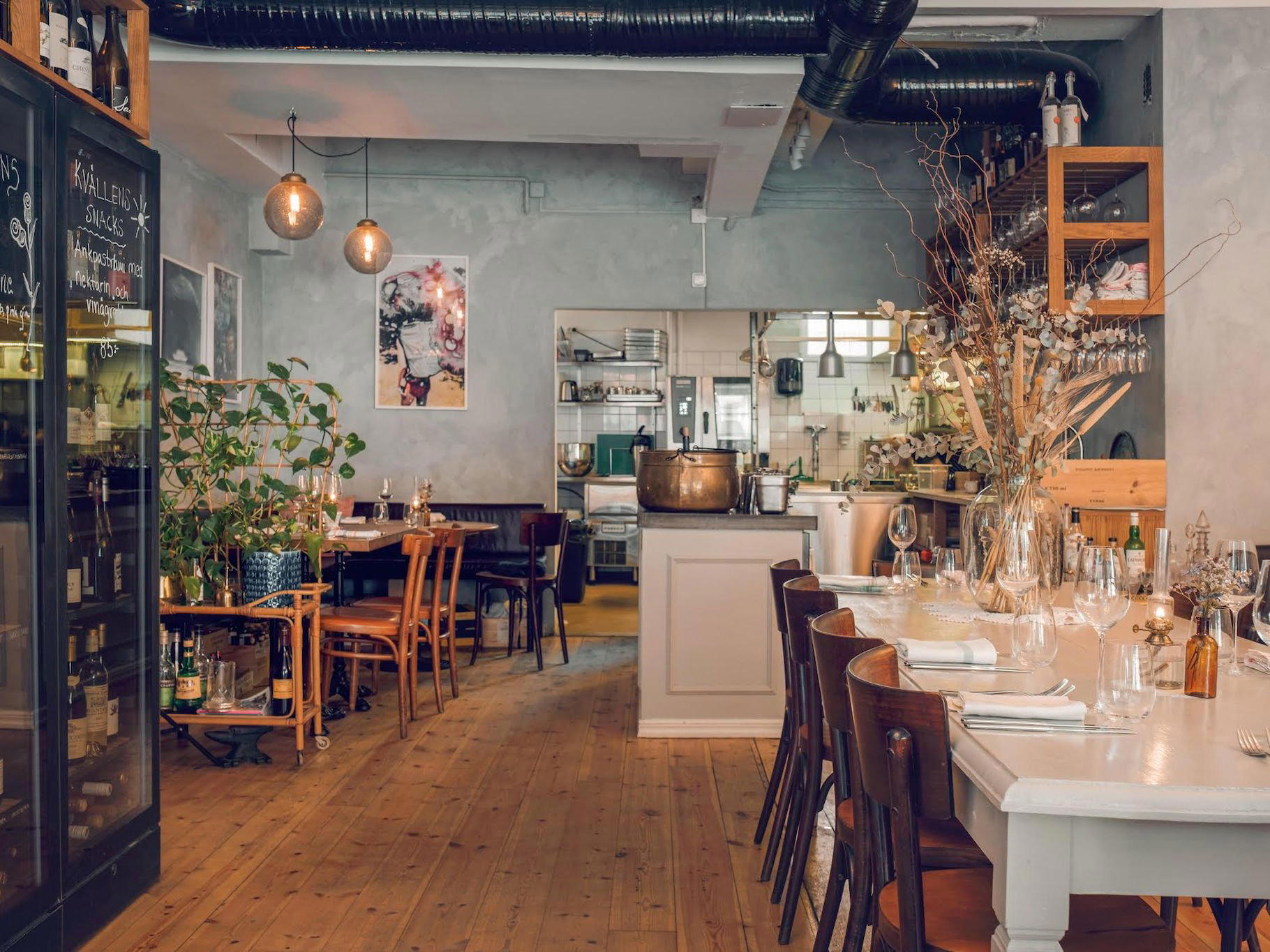
Restaurants in São Paulo
Browse all →
Details
- Sophisticated
- Modern
- Elegant
- Trendy
- Ornate
- Business Trip
- Celebration
- Group Retreat
- Rooftop Pool
- Design Destination
- Private Dining
- Pool
- Fitness Center
- Room Service
- Concierge
- Skyline
- Wheelchair Accessible
Luxury lifestyle atmosphere with a modern, minimalist, upscale feel; designed as a business-and-lifestyle destination with rooftop amenities and a polished dining-led identity.