


Michelin Selected · Design Hotels Member · World Travel Awards
Ion Adventure Hotel sits on the edge of Þingvellir National Park in southern Iceland, occupying a former workers' inn built to serve the nearby Nesjavellir geothermal power plant. Recognised as Iceland's Leading Boutique Hotel at the 2025 World Travel Awards, it positions itself at the intersection of raw sub-Arctic wilderness and considered design-led hospitality, a counterpoint to Reykjavík's urban hotel circuit.

Pearl is the En Primeur Club membership app, where members save venues, book tables and use the concierge.
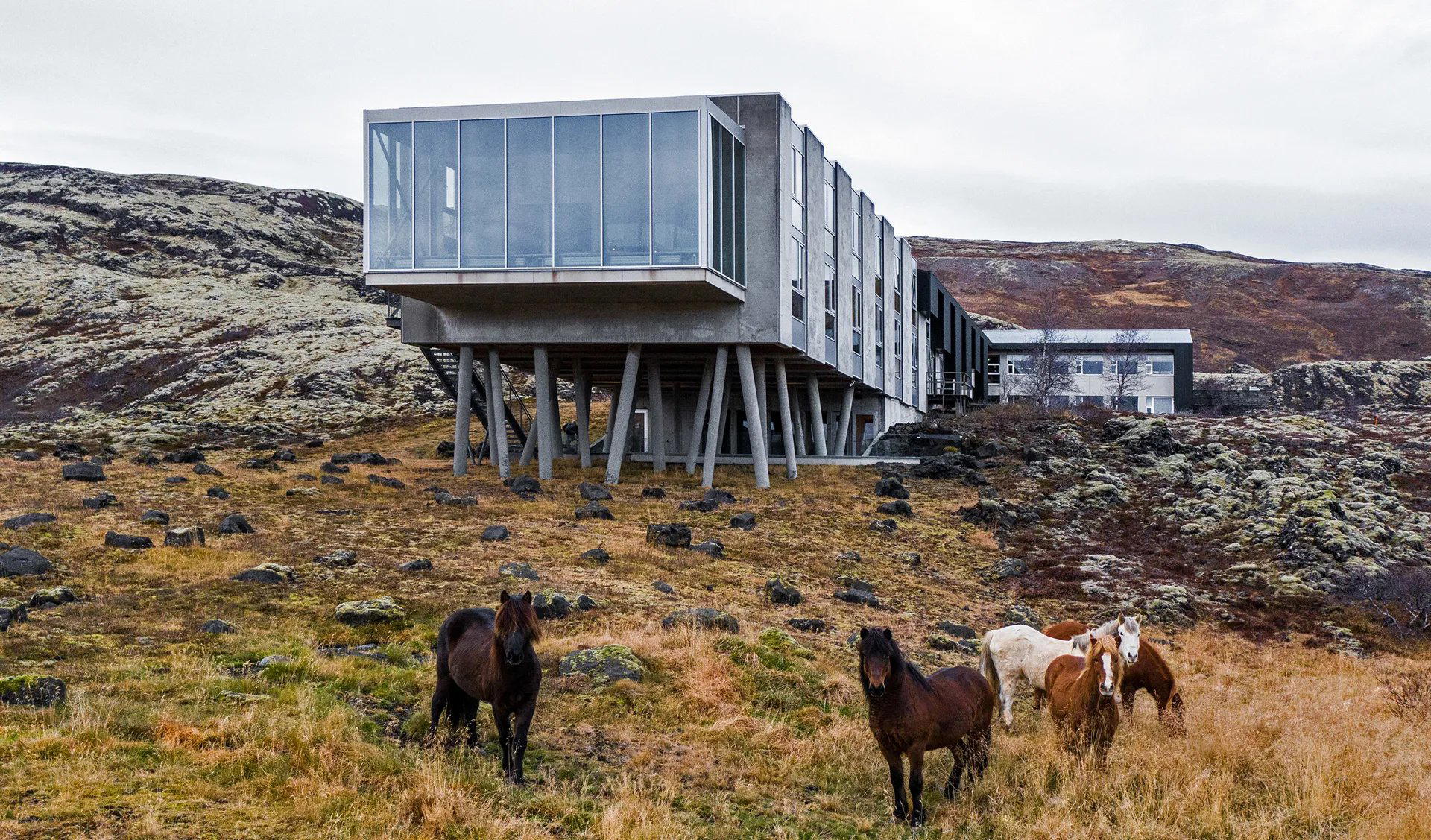
Where Geothermal Infrastructure Became a Design Statement
The standard logic for Icelandic wilderness hotels runs toward the pastoral: converted farmhouses, timber cladding, views of glacial rivers. Ion Adventure Hotel at Nesjavellir breaks from that pattern in a way that rewards understanding. The structure was originally built as a workers' facility for the Nesjavellir geothermal power plant, a piece of utilitarian infrastructure in one of Iceland's most geologically active zones. That backstory is not incidental to the experience; it is the experience. The industrial bones of the original building inform the hotel's aesthetic restraint, and the proximity to the power plant means the landscape outside functions less like a postcard and more like a live geological exhibit. Plumes of steam rise from the earth a short distance away. The lake of Þingvellir shimmers in the foreground. This is not scenery you observe from a distance, it surrounds the property on every side.
For travellers already considering ION Adventure Hotel, Nesjavellir, a Member of Design Hotels, the Design Hotels affiliation is a useful calibration marker. Design Hotels membership does not guarantee a particular price tier, but it does signal a minimum standard of spatial intentionality and a defined curatorial identity. Ion earns that affiliation through its relationship with the terrain rather than through conventional luxury signifiers. Heated surfaces, vast windows facing the lava fields, and materials that do not fight the volcanic landscape, these are the editorial choices a design-led property makes when its setting is already doing significant work.
The Dining Programme as a Lens on Place
Iceland's hotel dining scene has evolved considerably over the past decade. In the early 2010s, many wilderness properties defaulted to safe international menus that could have been served anywhere in northern Europe. The better properties since then have moved toward programmes anchored in Icelandic produce: lamb from highland farms, Arctic char, skyr-based preparations, wild herbs gathered from volcanic soil. That shift reflects both a maturing domestic food culture and growing international demand for place-specific eating experiences.
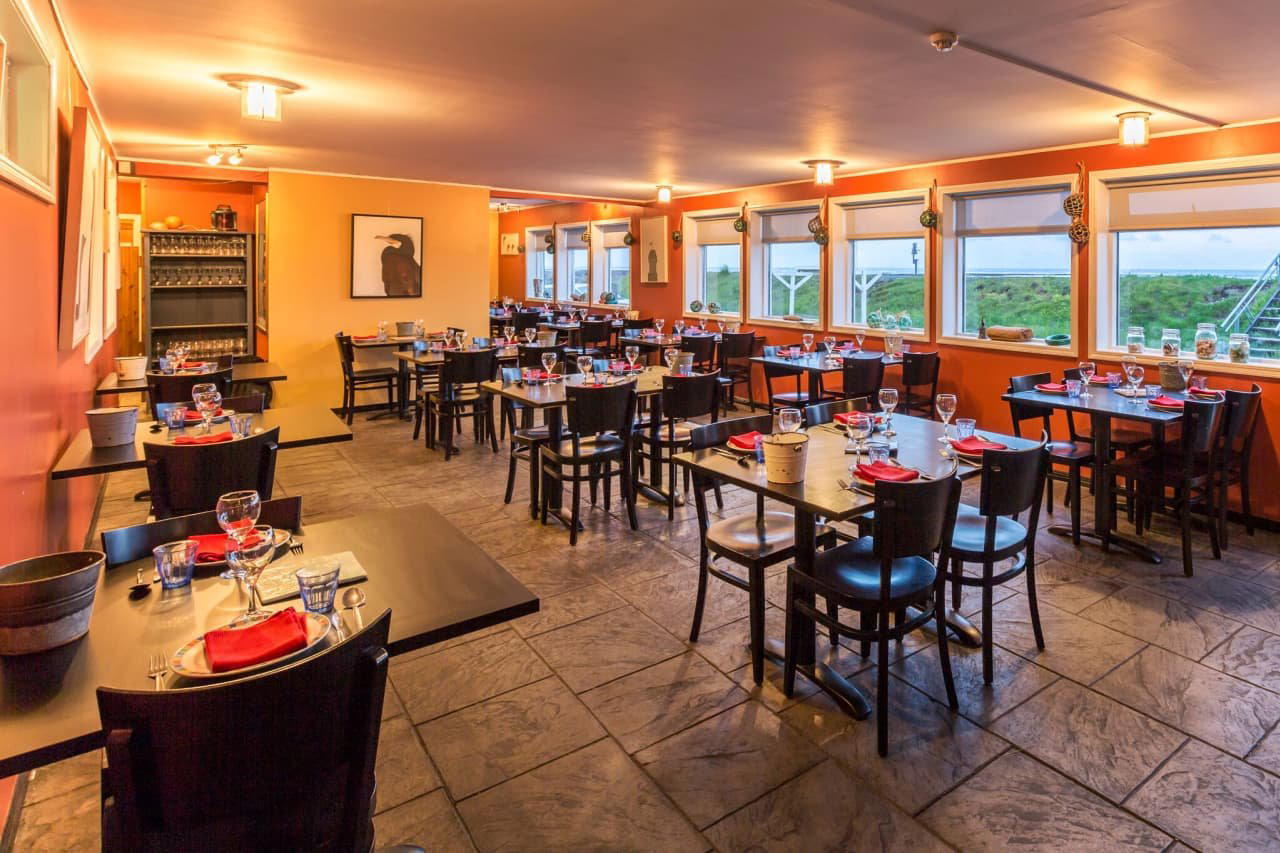
Ion's dining operation sits in this newer tradition. The property's restaurant faces the national park, which makes the physical setting inseparable from the act of eating, the view from the table is part of what the kitchen is working with, not a backdrop to it. Hotels operating in this format, where the dining room and the wilderness share a visual axis, tend to anchor their menus in ingredients drawn from or near that same landscape. The credibility of a geothermal-zone restaurant in Iceland rests partly on whether the food acknowledges where it is. For hotels in southern Iceland's interior, that means lamb, freshwater fish, and foraged elements that change with the season, as the short growing window between late spring and early autumn determines what is genuinely available rather than imported. Travellers arriving in winter should expect a different larder than those visiting in July or August.
The bar programme at design-led Icelandic properties has also sharpened in recent years, with several properties now running Northern Lights bars or viewing lounges that double as serious cocktail spaces. Ion's position on the Þingvellir ridge, with minimal light pollution in any direction, makes it one of the more logical places in southern Iceland to track the aurora borealis from October through March. Whether the hotel formalises this as a structured bar experience or keeps it informal, the geographical fact remains: few properties in the Design Hotels network sit this close to both a Ramsar-designated wetland and a UNESCO World Heritage Site simultaneously.
How Ion Sits in Iceland's Boutique Hotel Market
The 2025 World Travel Award for Iceland's Leading Boutique Hotel places Ion in a competitive field that includes properties along the Ring Road, in the Westfjords, and on the Snæfellsnes Peninsula. Properties like Hótel Búðir in Búðir and Hotel Ranga in Hella occupy similar territory: small key counts, remote settings, an emphasis on the natural environment as the primary draw. Eleven Deplar Farm in Ólafsfjarðardalur targets the expedition-and-fly-fishing bracket at a higher price ceiling.
What separates Ion from properties like Hótel Reykjahlíð in Reykjahlíð or Vogafjós Farm Resort in Vogar is the urban-design sensibility applied to a sub-Arctic industrial site. Those properties lean into agrarian or lakeside pastoral identities. Ion's identity is more architecturally confrontational, it does not try to look like it belongs to the landscape in the way a traditional turf-roofed structure might. It sits beside the lava field as a deliberate counterpoint, which is a curatorial choice that either resonates or does not, depending on what a traveller is looking for. For those who respond to the aesthetic, it is among the more coherent hotel concepts operating in Iceland. For those who want the warmth of a converted farmhouse, Skálakot Hotel in Hvolsvöllur or Hótel Klaustur in Kirkjubæjarklaustur offer that register instead.
At the international level, the model Ion follows, repurposed industrial or utilitarian structure transformed into a design hotel in a range of geological drama, has parallels in places like Amangiri in Canyon Point, where architecture and geology enter into a deliberate dialogue. The scale and price points differ considerably, but the conceptual logic is comparable: the building acknowledges rather than ignores the strangeness of its setting.
Planning Your Stay
Ion sits roughly 60 kilometres northeast of Reykjavík, accessible via Route 36 through Þingvellir National Park. The road passes through the rift valley of the Mid-Atlantic Ridge, which makes the drive itself a worthwhile orientation to the geological context the hotel inhabits. For travellers covering the Golden Circle, Þingvellir, Geysir, and Gullfoss, Ion places you at the western anchor of that circuit rather than looping from Reykjavík, which reduces road time on subsequent days. Properties in Reykjavík like Black Pearl or The Reykjavik EDITION serve as natural bookends for stays that begin or end in the capital. The UMI Hotel in Vík and Silica Hotel in Grindavík cover the southern coast and Blue Lagoon corridor if you are building a multi-stop southern Iceland itinerary. You can find the full picture of what the region offers in our full Selfoss restaurants guide.
Aurora season runs from October to March, and Ion's position away from coastal light pollution makes it one of the better-placed properties in this part of Iceland for sightings when solar activity cooperates. Summer visits trade the aurora for near-continuous daylight and access to the national park's hiking and cycling trails directly from the property.
Booking and Cost Snapshot
Comparable venues nearby, for context on price, style, and recognition.
| Venue | Price | Awards | Notes |
|---|---|---|---|
| Ion Adventure HotelThis venue (the venue you are viewing) | $300–500 | Michelin Selected · Design Hotels Member | Not listed |
| ION Adventure Hotel, Nesjavellir, a Member of Design Hotels | $300–500 | Michelin Selected · Design Hotels Member | Nesjavellir, Eco-conscious luxury adventure hotel integrated into volcanic landscape |
| Black Sand Hotel | $200–300 | Michelin Selected · Tablet Hotels Top 40 New Hotels | Ölfus, Contemporary Nordic luxury retreat harmonizing with volcanic landscape |
| Silica Hotel | Not listed | La Liste Top Hotels | Grindavík, Boutique wellness sanctuary integrated into the lava landscape |
| Reykjavik Residence Apartment Hotel | $200–300 | Michelin Selected | Reykjavíkurborg, Contemporary apartment-hotel hybrid combining historic Icelandic architecture with modern luxury and self-catering independence. |
| Hotel Borg by Keahotels | $100–200 | Not listed | Reykjavíkurborg, Historic luxury Art Deco hotel |
Recognition history
Dated appearances from independent guides and award organizations, with the underlying list record or original source where available.
Michelin Selected
Michelin
Design Hotels Member
Design Hotels
World Travel Awards
World Travel Awards
Continue exploring
More in Selfoss
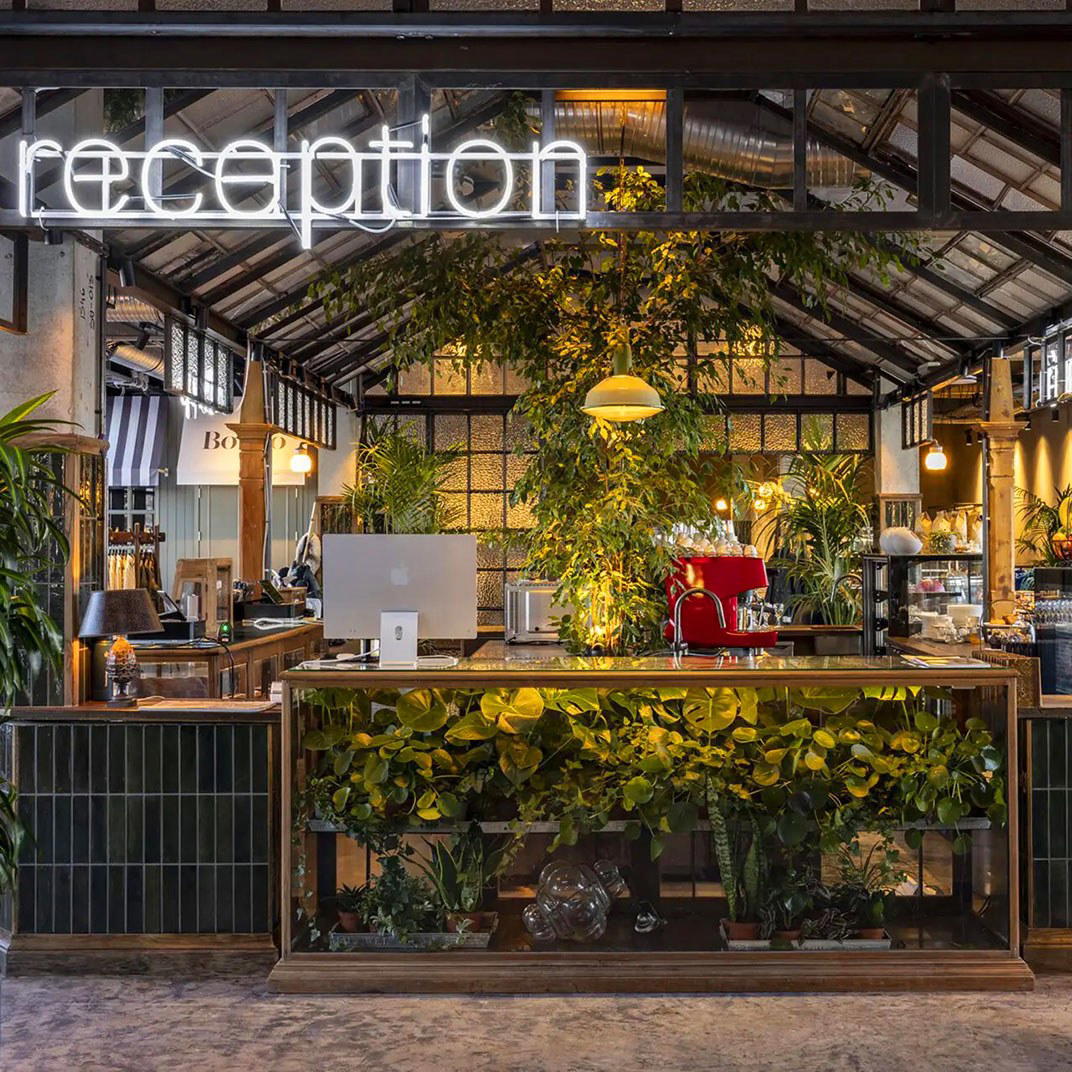
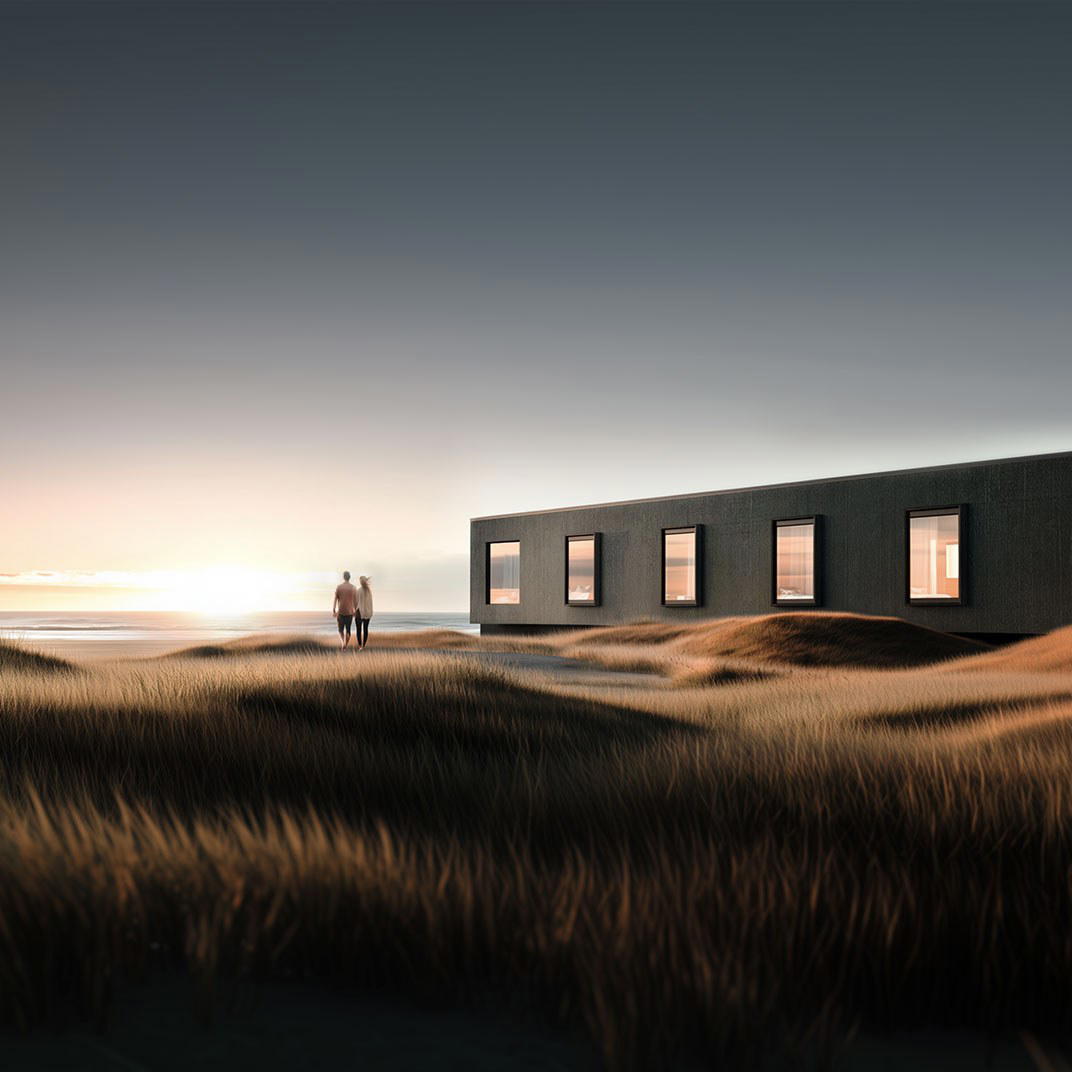
Restaurants in Selfoss
All restaurants in Selfoss →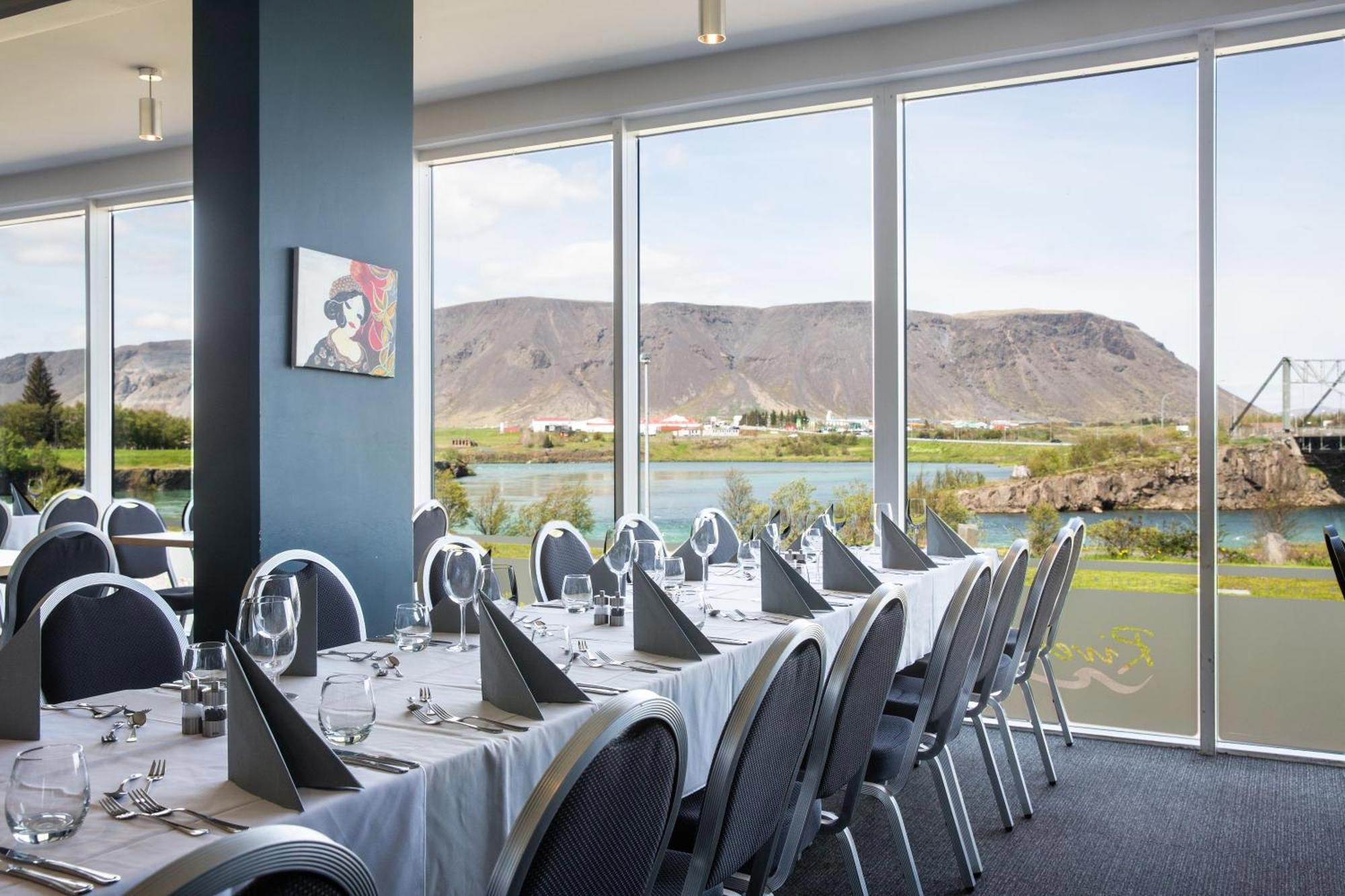
Details
- Scenic
- Modern
- Minimalist
- Sophisticated
- Quiet
- Romantic Getaway
- Wellness Retreat
- Weekend Escape
- Destination Spa
- Panoramic View
- Terrace
- Design Destination
- Wi Fi
- Outdoor Pool
- Spa
- Fitness Center
- Sauna
- Restaurant
- Bar
- Concierge
- Business Center
- EV Charging
- Pool
- Mountain
Modern Scandinavian minimalism with monochrome interiors, rough concrete walls, and reclaimed driftwood furnishings; atmospheric bar with panoramic mountain and lava field views; spa-like bathrooms with immersive design.