
Karl August - a Neighborhood Hotel occupies a considered position in Nuremberg's lodging scene, earning Michelin Selected recognition in 2025 for hotels that demonstrate consistent quality without formula. Placed at Augustinerhof 1, it operates as a deliberate counterpoint to the city's larger institutional properties, offering a quieter, more residential register that suits travellers arriving for the city's medieval architecture, Christmas markets, and Franconian food traditions.
Pearl is the En Primeur Club membership app — saves, bookings, and concierge access live there. Same editors, same standards.
- Address
- Augustinerhof 1, 90403 Nürnberg, Germany
- Phone
- +49 911 3767660
- Website
- karlaugust.de
- Directions
- Get directions
 Saves & bookings on Pearl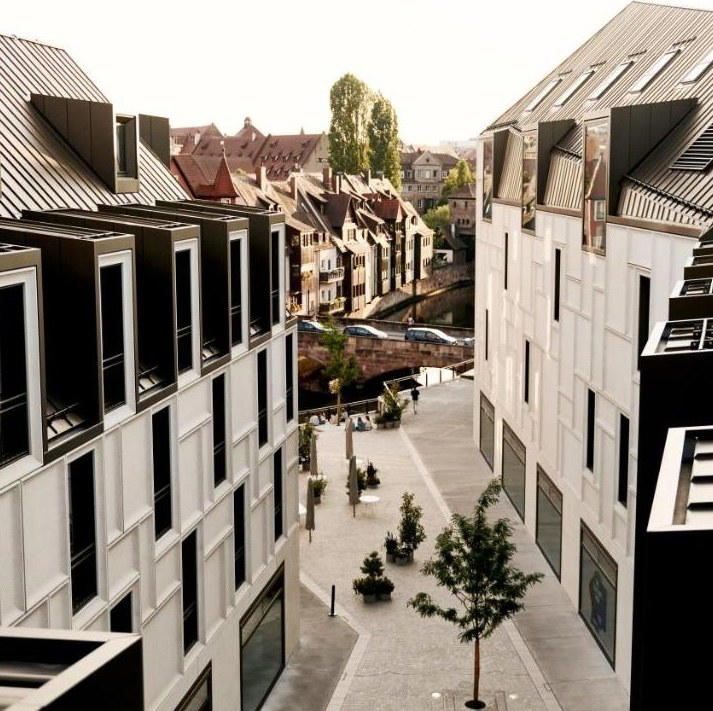
Nuremberg's Boutique Tier and Where Karl August Sits Within It
Karl August - a Neighborhood Hotel is a 4-star hotel in Nuremberg, Germany, at Augustinerhof 1. At one end sit the large-format flagships: the Le Méridien Grand Hotel Nuremberg, properties aligned with international brands, and the category of historic grand hotels represented elsewhere in Germany by institutions like the Fairmont Hotel Vier Jahreszeiten in Hamburg or the Excelsior Hotel Ernst in Cologne. At the other end, a smaller category of independent, neighbourhood-anchored properties has emerged, carrying the logic of the boutique hotel to its residential conclusion: fewer rooms, a strong sense of place, and a deliberate rejection of the lobby-as-spectacle model.
Karl August - a Neighborhood Hotel belongs to the second category. Its address at Augustinerhof 1 places it directly in the historic core of Nuremberg, within walking distance of the Kaiserburg and the dense medieval street grid that makes the city among the more architecturally coherent in Bavaria. The name itself signals intent: this is not a destination resort or a convention hotel, but a property that frames itself as part of the neighbourhood rather than above it.
The Michelin Selected recognition for 2025 confirms that this positioning has been executed at a standard the guide's hotel inspectors consider worth flagging. Michelin Selected is not the guide's highest hotel distinction, but it is a meaningful threshold: it identifies properties where quality, consistency, and character are verifiable rather than merely claimed. In a city where the hotel offer has historically skewed toward the functional or the grand, a Selected designation for a neighbourhood-format property is a signal about where informed travellers in Nuremberg are now looking.
Physical Character and Design Logic
The neighbourhood hotel format, when done well, borrows its spatial logic from residential architecture rather than hospitality convention. The public areas tend to read as rooms rather than lobbies: lower ceilings, materials that age visibly, furniture chosen for comfort over visual impact. This approach positions such properties differently from design hotels that rely on a single signature gesture, an atrium, a commissioned installation, a view, and instead asks the physical space to feel lived-in from the first hour.
Augustinerhof 1 is a central Nuremberg address, sitting in the part of the old city that rebuilt carefully after the Second World War and now presents a mixture of reconstructed medieval facades and quieter postwar streetscapes. The immediate area is pedestrianised in sections and oriented toward the Augustinerkirche church complex, giving the neighbourhood a lower ambient noise level than Nuremberg's main commercial corridors. Properties in this zone benefit from proximity to the city's most visited sites without the foot-traffic pressure of the Hauptmarkt area, which hosts the Christkindlesmarkt, one of Germany's oldest Christmas markets, and draws several million visitors annually between late November and Christmas Eve.
The neighbourhood hotel design tradition in German-speaking Europe has produced some notable properties at different scales and settings: the Telegraphenamt in Berlin adapts a heritage building for contemporary independent lodging, while smaller properties in resort contexts like the Luisenhöhe in Horben demonstrate how local material and setting can anchor a property's identity without grand-hotel formality. Karl August works from the same premise applied to a dense urban historic centre.
Nuremberg as a Destination: What the City Demands of Its Hotels
Nuremberg draws a specific traveller mix. Business visitors arrive for the trade fair calendar, the Nuremberg Toy Fair in February and the Biofach organic food fair are among the largest sector events in Europe. Cultural visitors come for the medieval fortifications, the Germanic National Museum, and the Documentation Centre at the former Nazi rally grounds, which requires a different register of engagement than a leisure break in a spa resort. And a significant number of visitors arrive specifically for the Franconian food tradition: the city's small bratwurst, the Lebkuchen gingerbread that carries a protected geographical indication, and a regional wine culture anchored in Franconian Silvaner that distinguishes it from the rest of Bavaria.
For that mix of travellers, a neighbourhood-format hotel in the historic core offers something the larger properties cannot: the sense of being based in the city rather than adjacent to it. The dining options within reach of the Augustinerhof area include traditional Franconian taverns that remain a direct entry point into the city's food culture.
The contrast with resort properties elsewhere in Germany is instructive. Hotels like Althoff Seehotel Überfahrt in Rottach-Egern, Schloss Elmau Luxury Spa Retreat & Cultural Hideaway in Elmau, or Hotel Traube Tonbach in Baiersbronn are destinations in themselves, structured around landscape, gastronomy, and extended stays. Karl August operates on entirely different terms: it is a base for urban engagement, not a retreat from it. That distinction determines what the property needs to deliver: reliable quality, location advantage, and a residential atmosphere that makes repeated visits feel coherent rather than transactional.
Planning a Stay: Practical Considerations
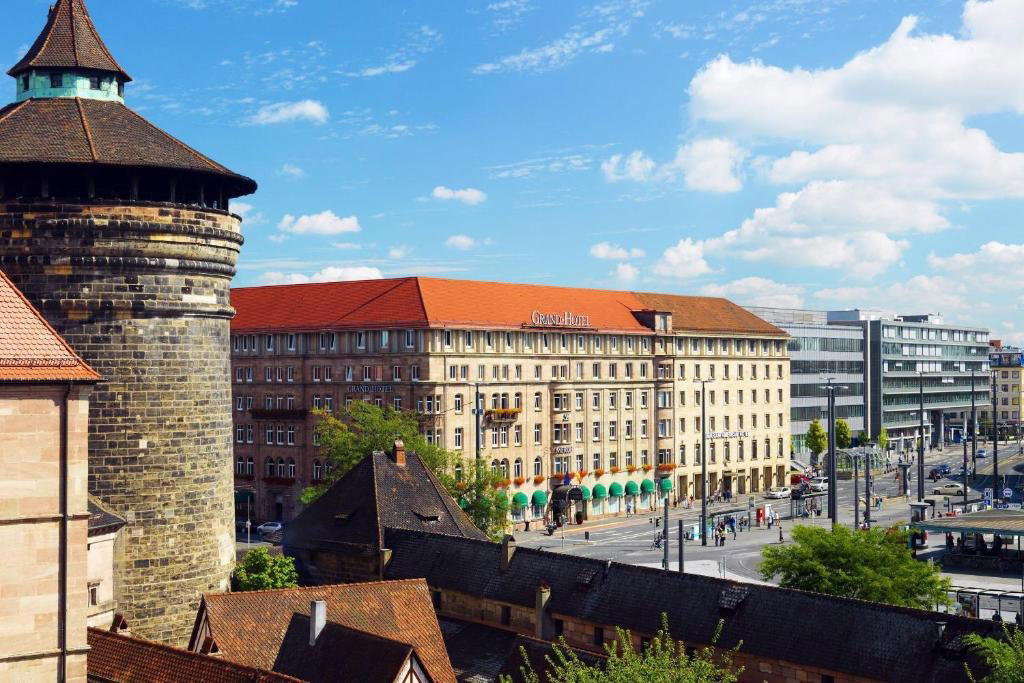
Nuremberg Hauptbahnhof, one of the busiest rail junctions in Bavaria, places the city within roughly an hour of Munich by ICE train and under two hours from Frankfurt. The Augustinerhof address is reachable on foot from the main station in under fifteen minutes through the pedestrianised old town, making Karl August a practical choice for rail-arriving visitors who want to move between the city centre and the station without depending on transfers.
The Christmas market season, running from late November through December 24, compresses hotel availability city-wide and drives significant rate increases across all property categories. Visitors targeting this period should plan well in advance; the same applies to the February trade fair window. For travellers with flexibility, the shoulder periods in October and early November offer the city's medieval architecture without the seasonal crowds, and the Franconian wine harvest context gives the food and drink scene additional interest.
Travellers considering Karl August alongside other Michelin-recognised German properties should note that the Selected designation places it in a different tier from properties carrying the guide's higher Charm or Notable markers. For comparison across the German market, properties like Breidenbacher Hof Düsseldorf, Sofitel Frankfurt Opera, or the coastal properties such as Söl'ring Hof in Sylt and BUDERSAND Hotel in Hörnum operate in distinct segments, each carrying a different relationship between setting, service format, and price. Karl August's value proposition is specifically urban, specifically Nuremberg, and specifically neighbourhood-scaled, which is precisely the point.
Comparable Spots, Quickly
Comparable venues nearby, for context on price, style, and recognition.
| Venue | Cuisine | Price | Awards | Notes |
|---|---|---|---|---|
| Karl August - a Neighborhood HotelThis venue — the venue you are viewing | Contemporary boutique in revitalized urban district | $$$ | 4-Star | Not listed |
| Le Méridien Grand Hotel Nuremberg | Historic grand hotel with timeless elegance and modern updates | $$$ | 5-Star | Mitte |
| Brunfels Hotel | Urban grand hotel in a historic Old Town setting, blending modern comfort with regional character. | $$$ | 4-Star | Altstadt / Schillerplatz |
| me and all hotel düsseldorf-oberkassel | Boutique design hotel with bold, local-inspired urban aesthetics | $$$ | 4-Star | Oberkassel |
| Schlosshotel Weyberhöfe | Historic castle hotel with contemporary-classic design combining antique furnishings with modern amenities in a forest park setting. | $$$ | 4-Star | Sailauf |
| Platzl Hotel - Superior | Traditional Bavarian elegance with modern comforts | $$$ | 4-Star | Altstadt-Lehel |
Recognition history
Dated appearances from independent guides and award organizations, with the underlying list record or original source where available.
Michelin Selected
Michelin
At a Glance
- Modern
- Cozy
- Sophisticated
- Minimalist
- Romantic Getaway
- Business Trip
- Weekend Escape
- Infinity Pool
- Historic Building
- Design Destination
- Wi Fi
- Indoor Pool
- Spa
- Fitness Center
- Restaurant
- Bar
- Sauna
- Street Scene
- Wi Fi
- Indoor Pool
- Spa
- Fitness Center
- Restaurant
- Bar
- Sauna
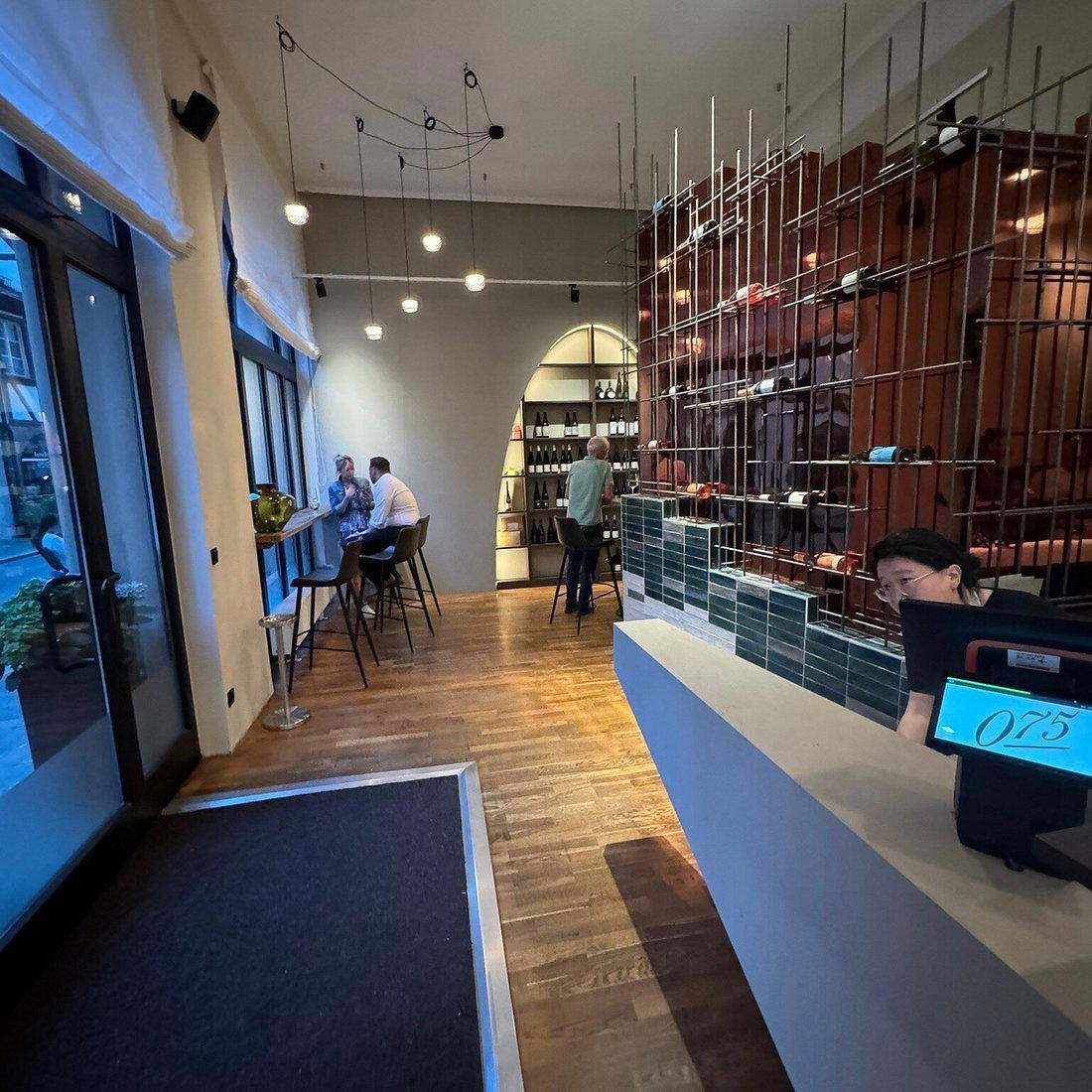
Bright minimalist rooms with concrete walls, parquet floors, sleek modern interiors, and a laid-back yet elegant atmosphere blending urban vibrancy with refined comfort.