Skalakot Manor Hotel
Skálakot Hotel sits on a working horse farm in the shadow of the Eyjafjallajökull volcano near Hvolsvöllur, placing guests inside the South Iceland agricultural landscape rather than at a remove from it. The property occupies a tier of Icelandic accommodation defined by rural immersion and direct land access, distinct from the design-forward hotels clustering around Reykjavík or the Ring Road's busier nodes. It is a considered choice for travellers prioritising landscape proximity over urban convenience.

Pearl is the En Primeur Club membership app, where members save venues, book tables and use the concierge.
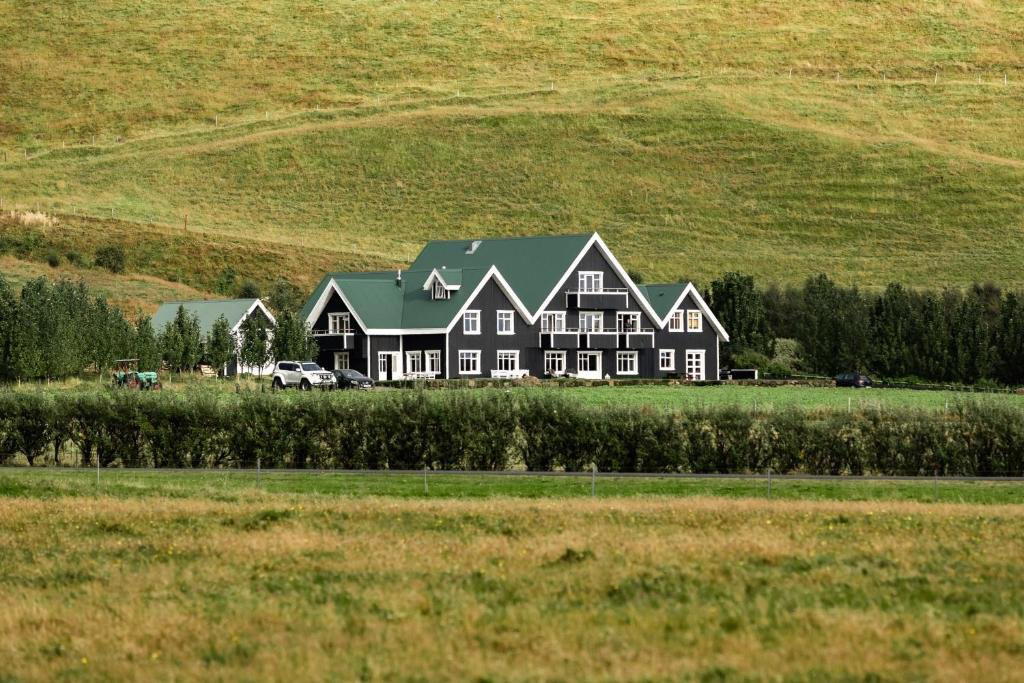
Farm Country, Volcano Shadow: The Physical Logic of Skálakot
South Iceland's accommodation market has split cleanly over the past decade. On one side sit the urban-adjacent design properties clustered in and around Reykjavík, a cohort that includes The Reykjavik EDITION and Black Pearl in Reykjavik, where the selling proposition is architectural finish and city access. On the other side sits a smaller, more dispersed tier of properties that trade proximity to working landscape as their primary credential. Skálakot Hotel belongs to the latter group, and its address tells you most of what you need to know: it sits on an active horse farm in Hvolsvöllur district, with Eyjafjallajökull, the volcano whose 2010 eruption grounded European air traffic for weeks, rising from the plain to the south.
That geographic placement is not incidental. The Rangá River lowlands between Hvolsvöllur and the coast constitute some of Iceland's most productive agricultural land, and the farms here have raised Icelandic horses for generations. A property sited within that working system reads differently from a rural retreat designed to simulate rusticity. The physical environment is not curated; it exists on its own terms, and the hotel occupies it.
The Architecture of Working Farmsteads
Iceland's vernacular farm architecture evolved under constraints that shaped its aesthetic: short growing seasons, volcanic stone, corrugated iron cladding that could withstand coastal wind, and turf insulation that predated modern building materials by centuries. The design traditions that inform a property like Skálakot sit within that lineage, even where contemporary construction methods replace the original materials. What this produces in practice is a low-profile built environment that defers to the surrounding terrain rather than asserting itself against it. Compare this with the more deliberately architectural gestures of a property like ION Adventure Hotel near Selfoss, where the cantilevered structure and Design Hotels membership signal an explicitly contemporary intervention. Skálakot operates at a different register: the farm context remains primary, and the accommodation reads as an extension of that context rather than a counterpoint to it.
Skálakot's appeal is more straightforwardly land-based: horses, open terrain, and the Eyjafjallajökull massif as a permanent presence on the southern horizon.
What the South Iceland Corridor Means for a Stay Here
Hvolsvöllur sits roughly 100 kilometres east of Reykjavík along Route 1, positioning it as a practical staging point for the eastern South Coast rather than a destination requiring a dedicated detour. Seljalandsfoss and Skógafoss, two of Iceland's most-visited waterfalls, lie within a short drive to the east. Þórsmörk, the glacial valley accessible by 4WD or mountain bus, is reachable from this corridor. The black sand beaches at Reynisfjara and the village of Vík anchor the eastern end of the same day-trip range. For travellers moving along the Ring Road, this stretch concentrates more high-visibility landscape within a short distance than almost anywhere else in the country.
The practical implication is that Skálakot functions well as a multi-night base for the South Coast rather than a single-night transit stop. Properties positioned this way, including Hotel Ranga in Hella a few kilometres to the west and UMI Hotel in Vík further east, occupy the same strategic band of the South Coast corridor. Each draws a slightly different traveller profile: Hotel Ranga skews toward aurora-hunters and salmon-fishing guests given its riverside position and dedicated telescope observatory; UMI is oriented toward the Vík basalt coast. Skálakot's horse-farm setting attracts riders and travellers who want agricultural Iceland as their primary frame, not just a backdrop.
For a wider regional comparison, the coastal solitude of Hótel Búðir on the Snæfellsnes Peninsula offers an instructive contrast: Búðir's lava-field isolation and church-beside-the-sea composition give it a different kind of elemental exposure, one that faces the Atlantic rather than the volcanic interior. Both represent a strand of Icelandic accommodation that uses extreme landscape as its central design argument, with built elements deliberately subordinate.
Planning a Stay: Practical Orientation
The South Iceland season runs longest from late May through September, when road access is most reliable and daylight hours extend well past midnight. Winter visits, from November through February, shift the calculus toward aurora visibility and snow-covered terrain, but some highland routes and farm tracks become impassable without appropriate vehicles. Travellers arriving from Reykjavík typically rent cars at Keflavík International Airport and reach Hvolsvöllur in under 90 minutes on Route 1, making this a manageable first night on a South Coast itinerary or a logical return-night before a morning flight. For those comparing options across Iceland's farmstay and rural tier, the Hótel Reykjahlíð near Lake Mývatn in the north and Hótel Klaustur Iceland in Kirkjubæjarklaustur offer comparable rural-setting lodging within different geographic zones of the Ring Road. Booking Skálakot directly through the property is the standard approach; the hotel's contact details and current availability are accessible via their official channels. For broader context on eating and staying in the area, see our full Hvolsvöllur restaurants guide.
Fast Comparison
| Venue | Price | Awards |
|---|---|---|
| Skálakot HotelThis venue (the venue you are viewing) | $300–500 | Not listed |
| The Reykjavik EDITION | Not listed | 1 Michelin Key · Forbes Recommended |
| 101 hotel Reykjavik | Not listed | Michelin Selected · Design Hotels Member |
| Eleven Deplar Farm | $2,500+ | Virtuoso Luxury Hotel Partner · Tablet Hotels Top 40 New Hotels |
| Hótel Klaustur Iceland | $100–200 | World Luxury Hotel Awards WLHA Regional Winner |
| Hotel Ranga | $300–500 | 1 Michelin Key · Small Luxury Hotels of the World Member |
Continue exploring
More in Hvolsvollur
Hotels in Hvolsvollur
All hotels in Hvolsvollur →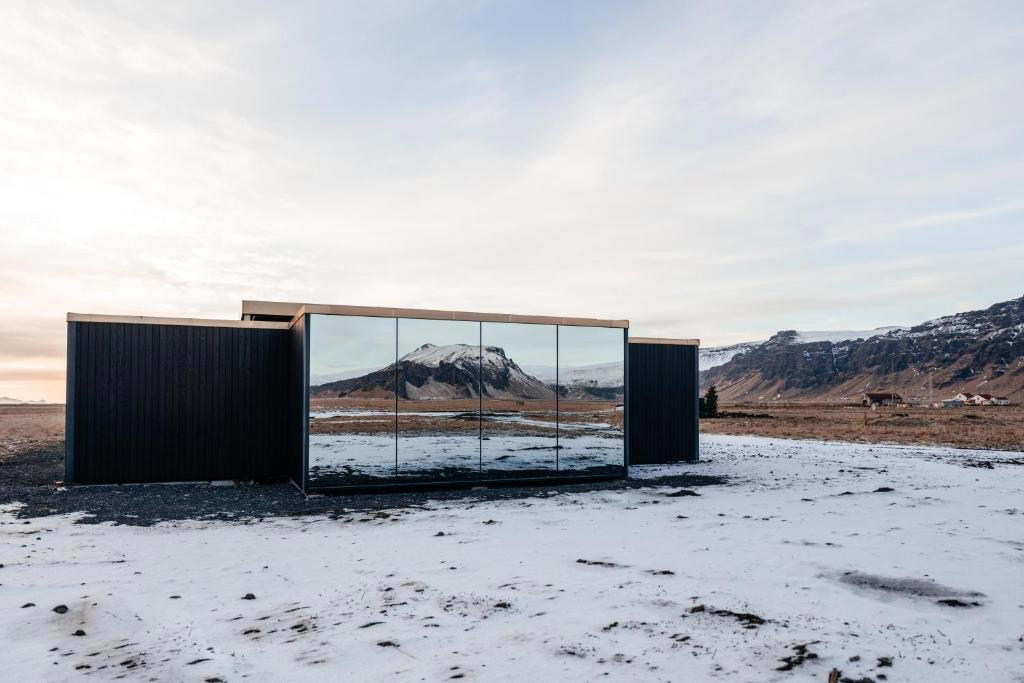
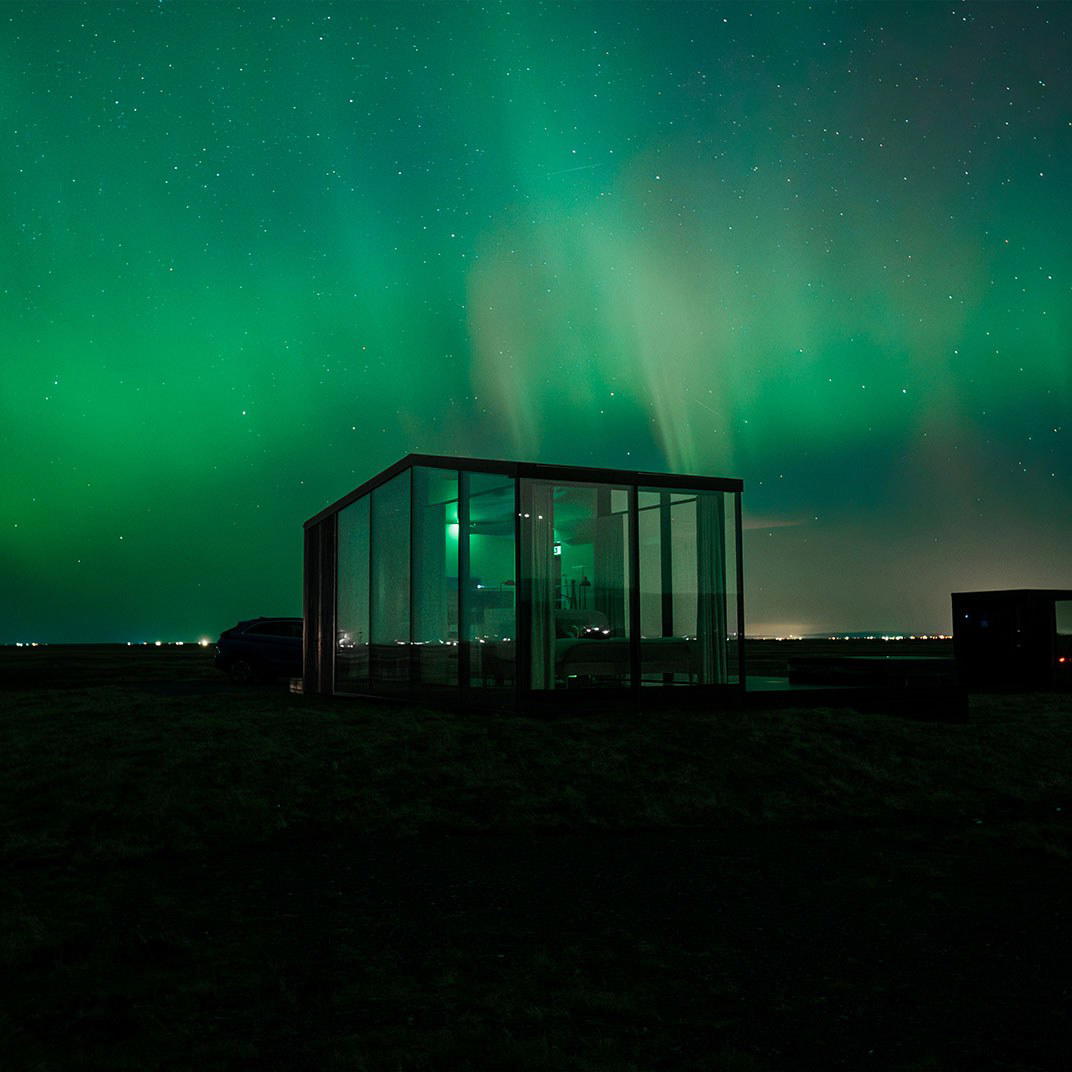
Bars in Hvolsvollur
Browse all →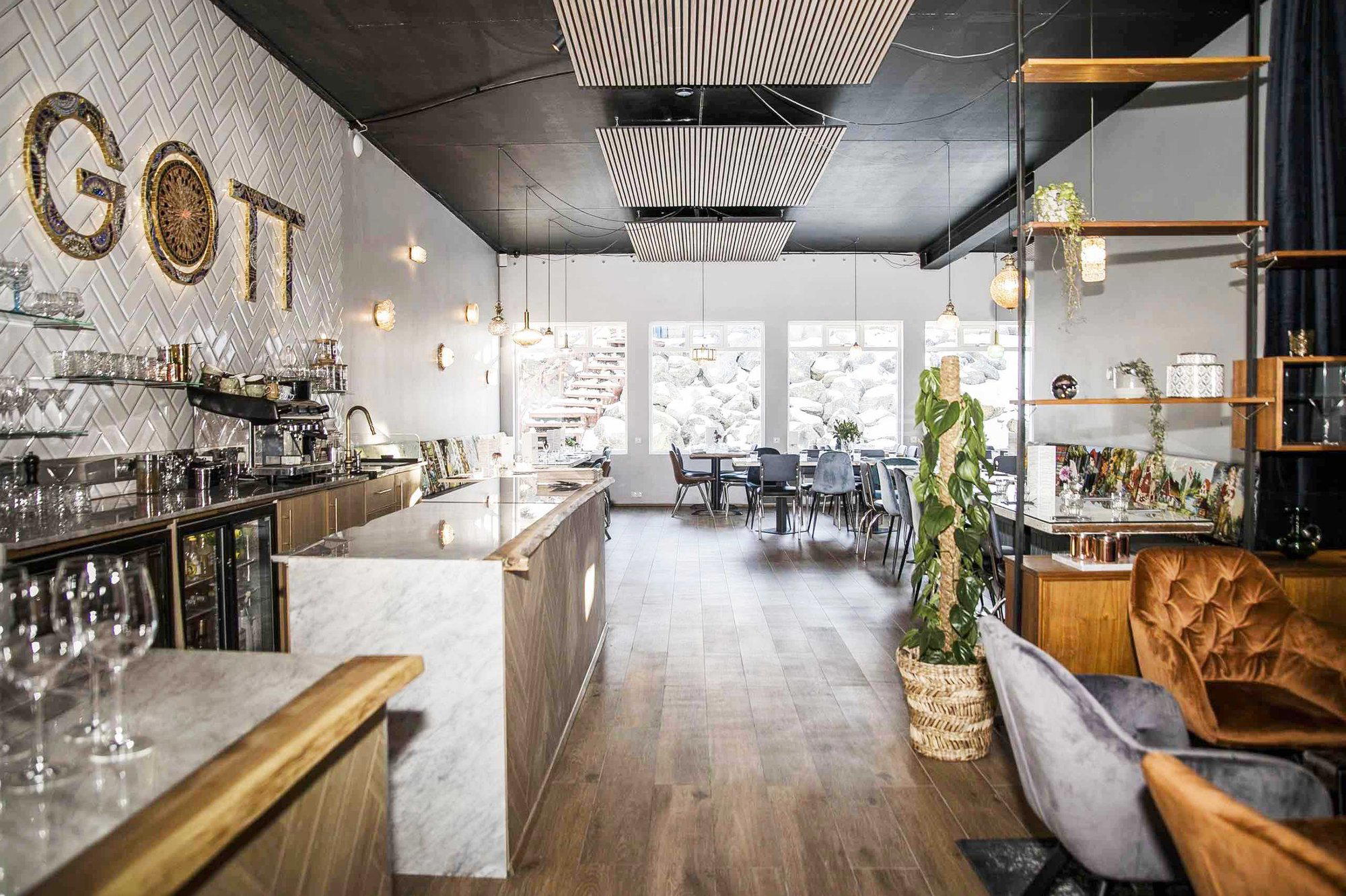
Restaurants in Hvolsvollur
All restaurants in Hvolsvollur →
Details
- Romantic
- Cozy
- Elegant
- Rustic
- Scenic
- Sophisticated
- Romantic Getaway
- Honeymoon
- Weekend Escape
- Panoramic View
- Terrace
- Wi Fi
- Spa
- Hot Tub
- Sauna
- Restaurant
- Room Service
- Pool
- Mountain
Glamorous Art Deco meets rustic countryside with soothing green and gray hues, wooden parquet flooring, pendant lighting, and a warm, relaxing atmosphere.