
1 Michelin Key
A converted farm turned low-slung modernist retreat on Iceland's southern coast, UMI Hotel sits less than a hundred miles from Reykjavík with direct sightlines to Eyjafjallajökull and the rugged coastline beyond. The 28-room, family-owned property rates at $471 per night and operates a locally sourced restaurant and bar — practical in the Icelandic tradition, but far better-designed than most of what this region offered even a decade ago.

Pearl is the En Primeur Club membership app — saves, bookings, and concierge access live there. Same editors, same standards.
- Address
- Leirnavegur road nr. 243, 861 Hvolsvöllur, 861
- Phone
- +354 518 4001
- Website
- hotelumi.is
- Directions
- Get directions
Where the Architecture Meets the Lava Field
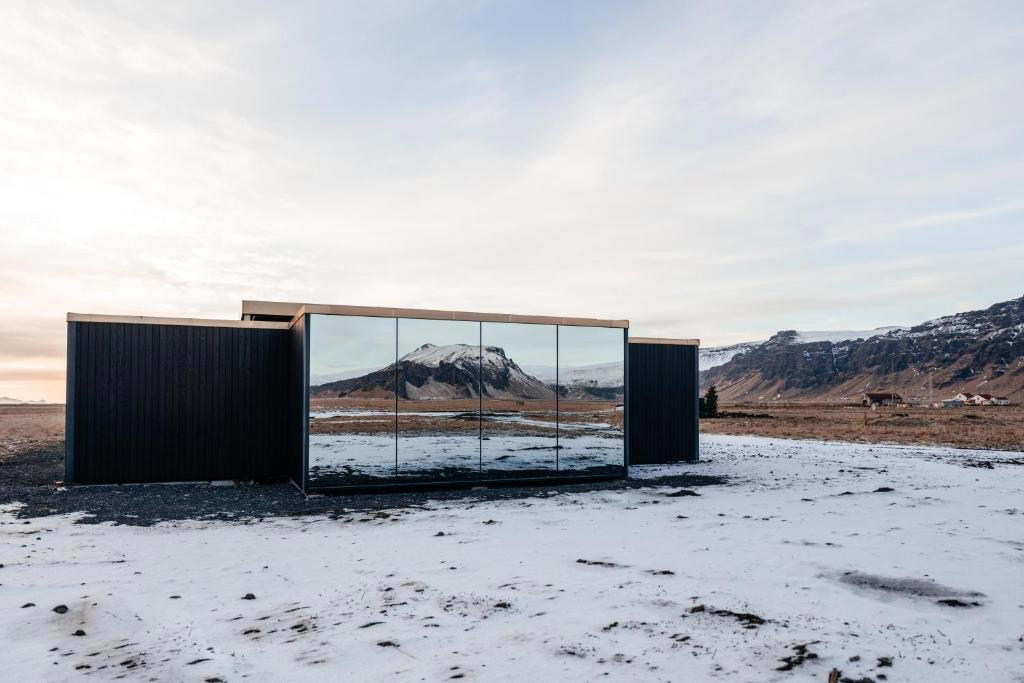
For a long time, Iceland's hotel stock lagged badly behind its landscapes. The country drew visitors for basalt columns, glacier tongues, and a volcano that grounded European air travel for weeks in 2010 — yet the places to sleep ranged from functional guesthouses to forgettable mid-range boxes. That gap has been closing, and the southern coast is now home to some of the country's most considered design-led accommodation. UMI Hotel, on the Leirnavegur road outside Hvolsvöllur, is a clear example of how that shift has materialised in practice. Its low-slung modernist profile sits against a backdrop of Eyjafjallajökull — the same famously inconvenient volcano, and the rugged southern coastline, framing views that most hotels would construct elaborate terraces to approximate. Here, the architecture simply makes room for them.
The building's horizontal geometry is deliberate. Iceland's vernacular design tradition tends toward utilitarianism: materials chosen for durability, forms shaped by weather rather than whim. UMI reads within that tradition while applying a more considered contemporary hand. The result is a structure that doesn't compete with its surroundings, it sits below the ridge line, draws the eye outward, and uses the landscape as the primary visual event. Compared to the drama-forward aesthetic of properties like ION Adventure Hotel in Selfoss, which positions itself as an architectural statement against geothermal terrain, UMI takes a quieter position: the building earns its place by stepping back.
A Farm Transformed, Not Erased
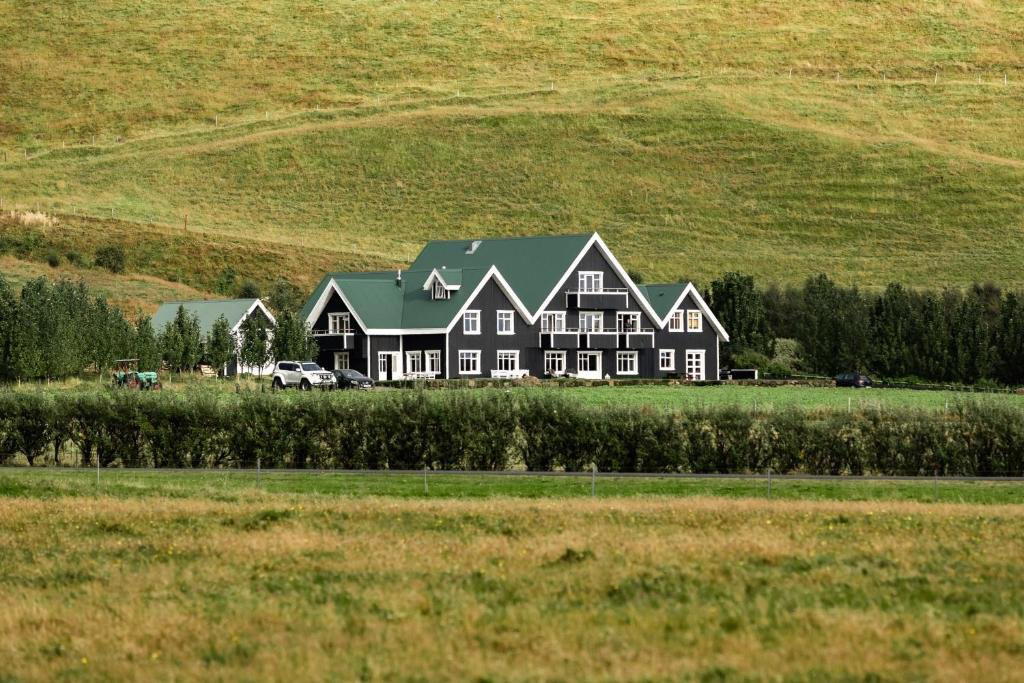
The property's origin matters to understanding its design logic. An abandoned farm on this stretch of the southern coast was taken on by a family, Siggi and Frida, alongside their daughter Sandra, an interior designer, and converted into the 28-room hotel that operates today. That lineage shows in the texture of the place. The scale is domestic rather than institutional; nothing here announces itself with a double-height lobby or a sculptural installation. The Icelandic design tradition of utilitarian practicality runs through the interiors, but Sandra's professional background has kept the result from tipping into the spartan. The rooms are, by the property's own reckoning, more than comfortable, a phrase that signals a deliberate choice not to chase extravagant luxury, but to deliver well-resolved spaces in a setting that renders interior excess somewhat beside the point.
This positions UMI within a specific and growing cohort of Icelandic accommodation: family-owned, design-conscious, rooted in a particular landscape rather than imported to it. Hótel Búðir occupies a similar register on the Snæfellsnes Peninsula, and Vogafjós Farm Resort takes the working-farm-as-hotel format further north. For travellers choosing between this approach and the international-brand footprint offered by The Reykjavik EDITION or Black Pearl in Reykjavík, the distinction is essentially about whether you want a city base with capital-city programming or a property that makes geographic sense only where it actually is.
The Southern Coast as the Real Subject
UMI's location on the south coast, roughly ninety miles from Reykjavík, places it within reach of the region's primary natural draws. The Eyjafjallajökull glacier and the black sand beaches around Vík are close; the Þórsmörk nature reserve and Seljalandsfoss waterfall sit along the same corridor. This stretch of Route 1 carries a substantial share of Iceland's ring-road touring traffic, and the accommodation options range from hostels serving backpackers to more considered properties like Hotel Ranga in Hella and Skálakot Hotel in Hvolsvöllur, the latter sharing the same home municipality as UMI. For travellers arriving on the south coast without Reykjavík as a base, see our full Vík restaurants guide for dining context beyond the hotel itself.
What's on the Plate
Icelandic hotel restaurants on the south coast tend toward locally sourced menus built around what the land and sea consistently provide: lamb from highland farms, cod and haddock from cold Atlantic waters, dairy products with regional identity. UMI's restaurant operates within that framework, with seafood figuring prominently. The property's self-description of the restaurant as stylish rather than ambitious is an honest signal: this is a kitchen serving guests in a remote location, not a destination dining operation in the vein of what you'd expect at Eleven Deplar Farm in Ólafsfj örður, where the culinary program is a draw in its own right. The bar completes the offering, a place to decompress after a day in weather that can shift between conditions with little warning.
Breki and the Logic of Small-Scale Hospitality
One detail that recurs in accounts of UMI is Breki, the family dog, described as a natural hotel host who operates as a constant presence. The detail is not incidental. In the small-scale, family-owned hotel category, the character of the operation is often expressed through exactly this kind of specificity. At 28 rooms, a property can sustain genuine hospitality in a way that a 200-key resort cannot. The gesture toward Breki says something accurate about what UMI is: a place run by people who live in proximity to it, where the hosting is personal rather than procedural. It belongs to the same spirit as Hótel Reykjahlíð at Lake Mývatn, where scale and family ownership combine to produce something that international brands have difficulty replicating.
Planning Your Stay
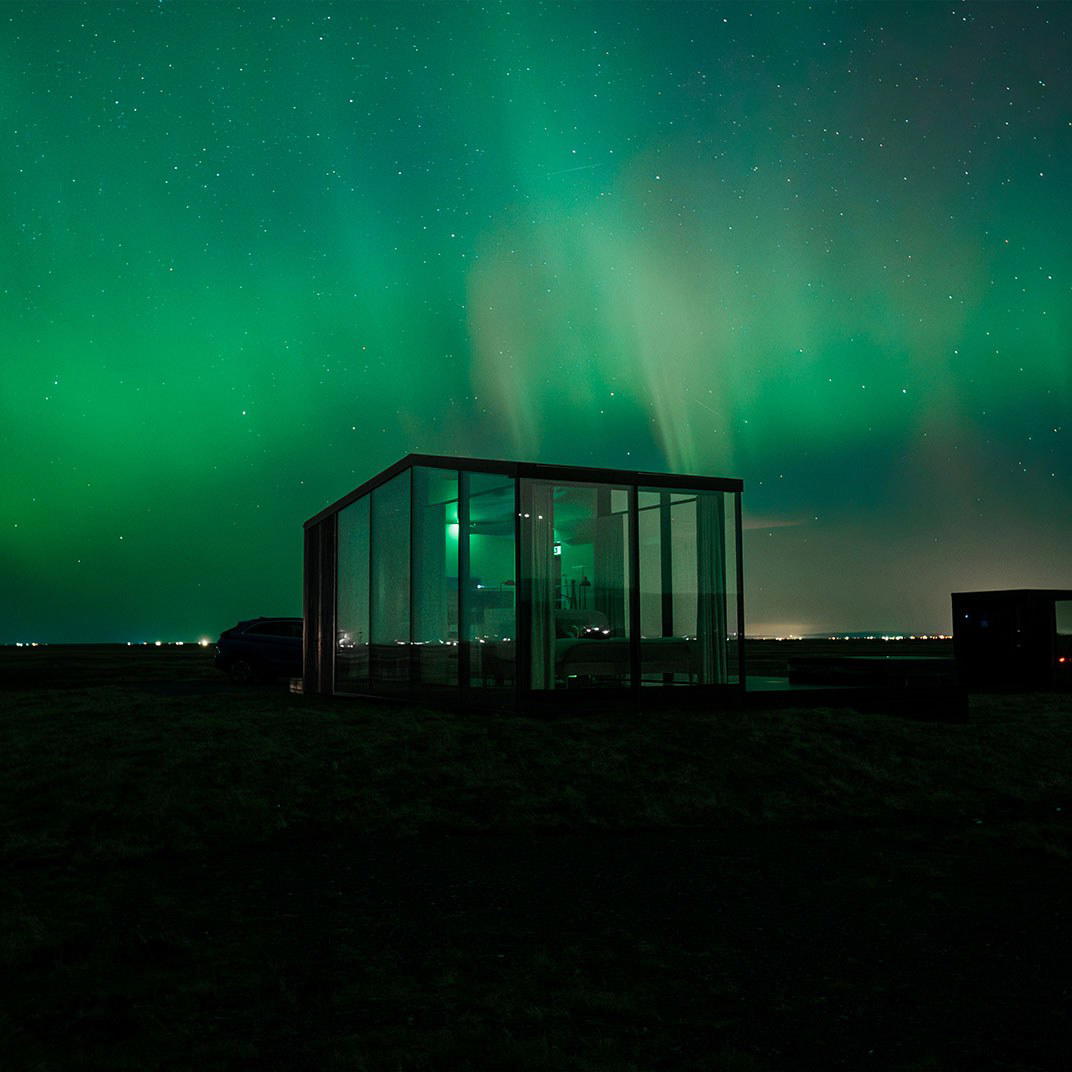
UMI Hotel rates at $471 per night, positioning it in the upper-mid tier for south-coast Iceland accommodation, above the functional guesthouses on Route 1 and below the premium per-night pricing of design-forward outliers like Silica Hotel in Grindavík. At 28 rooms, availability tightens during peak summer season (June through August) when south-coast traffic is heaviest and aurora-hunting demand fills capacity from September onward. Planning at least two to three months ahead is sensible for summer dates; the shoulder seasons of May and September offer a combination of manageable weather and softer booking pressure. The property sits on the Leirnavegur road, number 243, in the Hvolsvöllur area, driving from Reykjavík on Route 1 is the standard approach, and a rental car is effectively required for any meaningful exploration of the southern coast. The hotel's restaurant and bar mean self-sufficiency is not a concern on arrival, even if conditions outside rule out further movement. For reference on how UMI sits within Iceland's wider design-hotel conversation, comparable properties at different price points and geographies include Hótel Klaustur Iceland further east along the ring road.
How It Stacks Up
| Venue | Price | Awards |
|---|---|---|
| UMI HotelThis venue — the venue you are viewing | $300–500 | 1 Michelin Key |
| The Reykjavik EDITION | Not listed | 1 Michelin Key · Forbes Recommended |
| 101 hotel Reykjavik | Not listed | Michelin Selected · Design Hotels Member |
| Eleven Deplar Farm | $2,500+ | Virtuoso Luxury Hotel Partner · Tablet Hotels Top 40 New Hotels |
| Hótel Klaustur Iceland | $100–200 | World Luxury Hotel Awards WLHA Regional Winner |
| Hotel Ranga | $300–500 | 1 Michelin Key · Small Luxury Hotels of the World Member |
Recognition history
Dated appearances from independent guides and award organizations, with the underlying list record or original source where available.
Michelin 1 Key
Michelin
Full recognition history (2 entries)
Michelin 1 Key
Michelin
Continue exploring
More in Vík
Restaurants in Vík
Browse all →
Details
- Modern
- Scenic
- Cozy
- Quiet
- Romantic Getaway
- Weekend Escape
- Panoramic View
- Wi Fi
- Sauna
- Restaurant
- Bar
- Free Parking
- Room Service
- Spa
- Garden
- Mountain
- Waterfront
- Step Free Entrance
Tranquil and peaceful atmosphere praised for quiet, soundproof rooms, modern decor, and relaxing lounge areas with fireplace.