Indarra

Michelin Selected
Indarra sits on the Route de Saint Pée in Nouvelle Aquitaine, carrying a Michelin Selected designation for 2025 that places it within the region's smaller, more considered tier of accommodation. The Basque Country border shapes much of what surrounds it: a landscape of Atlantic light, farmhouse architecture, and a hospitality tradition that prizes understatement over spectacle.

Pearl is the En Primeur Club membership app, where members save venues, book tables and use the concierge.
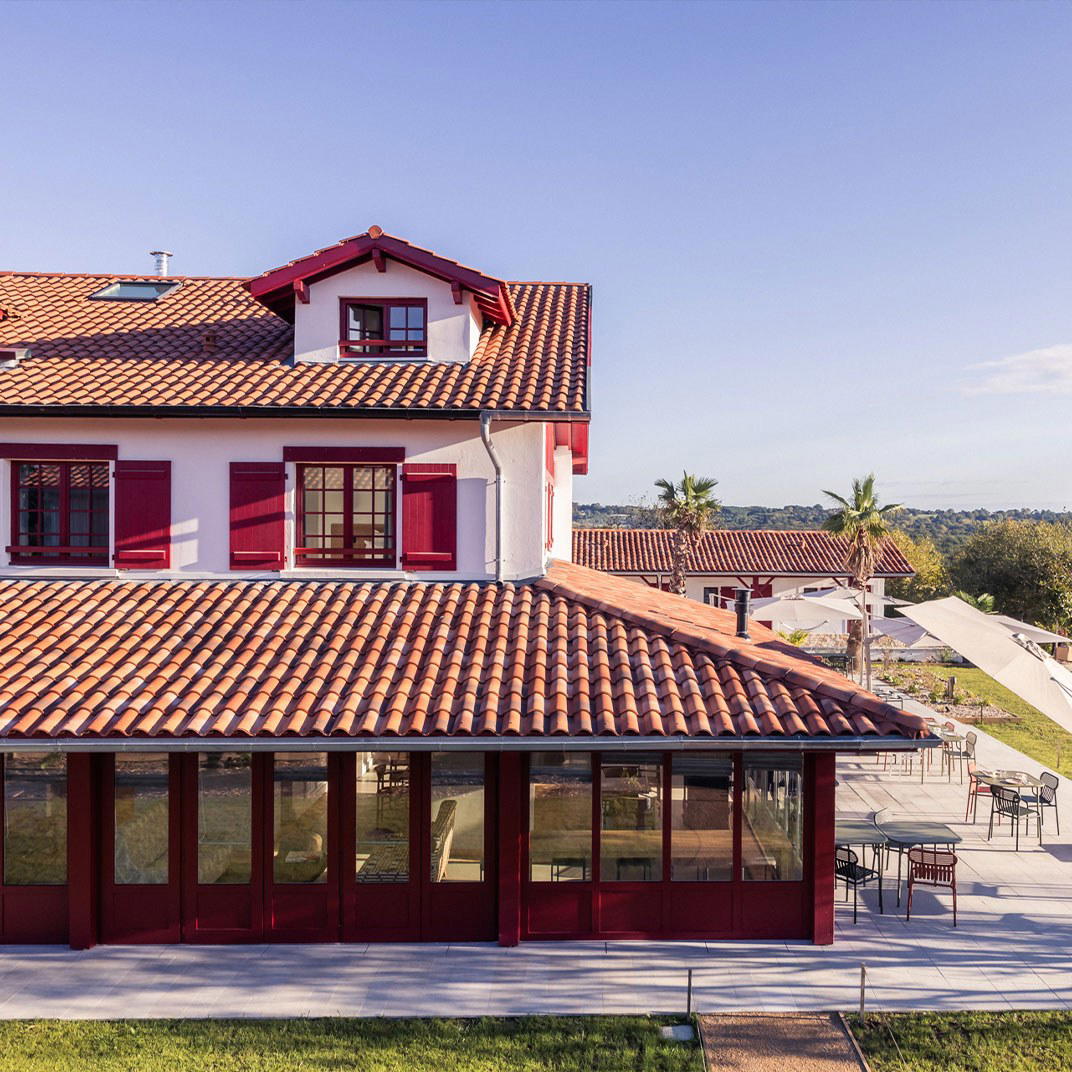
Where Basque Country Architecture Meets Atlantic Restraint
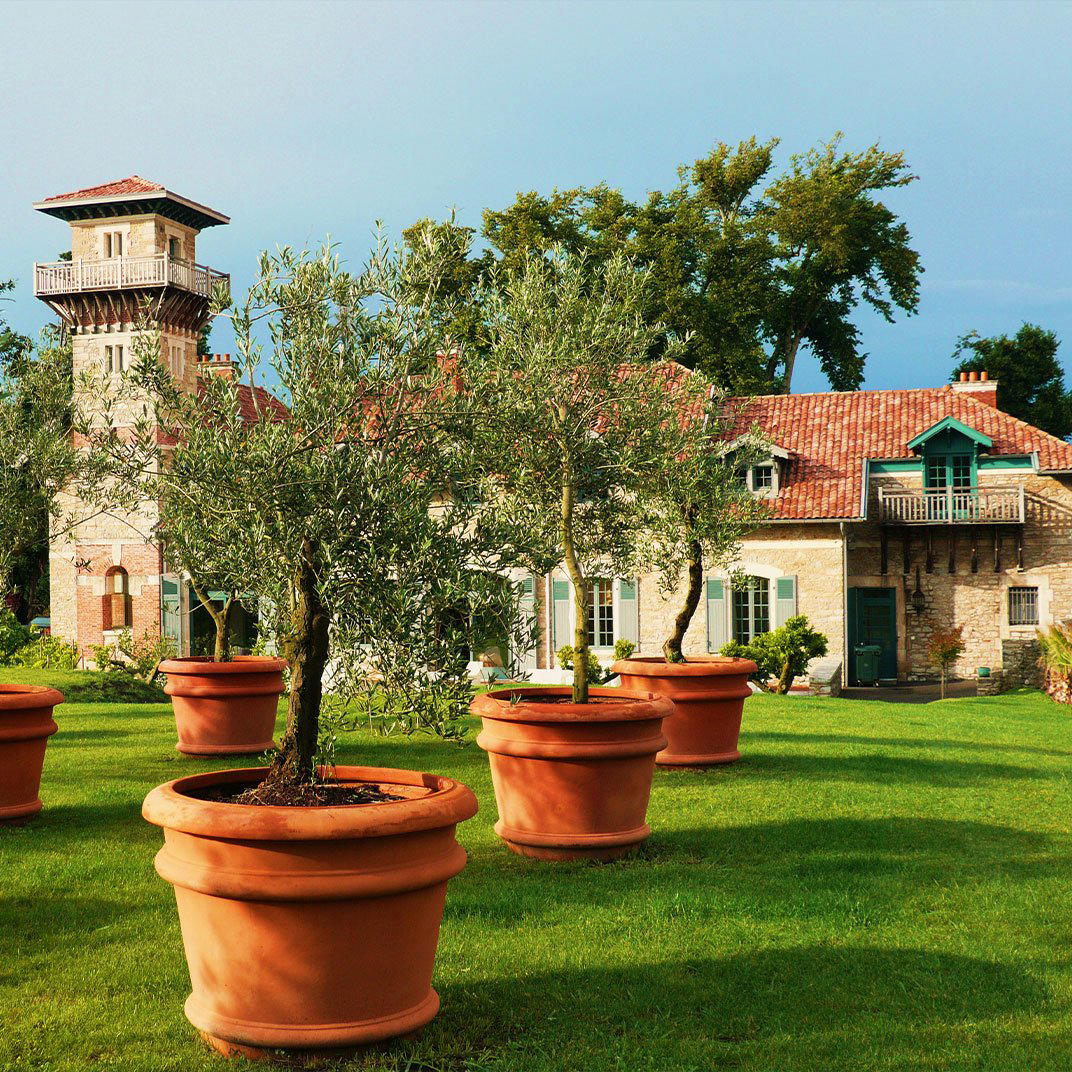
Nouvelle Aquitaine's lodging offer has always divided along a clear fault line. On one side sit the grand Atlantic resort hotels, properties like Hôtel du Palais in Biarritz, where the building's Second Empire ambition announces itself from the seafront. On the other side sits a quieter cohort: smaller, place-rooted properties that use vernacular architecture and regional material to make a different kind of argument about what belonging to this part of France means. Indarra, on the Route de Saint Pée in the Basque hinterland, belongs to the second group.
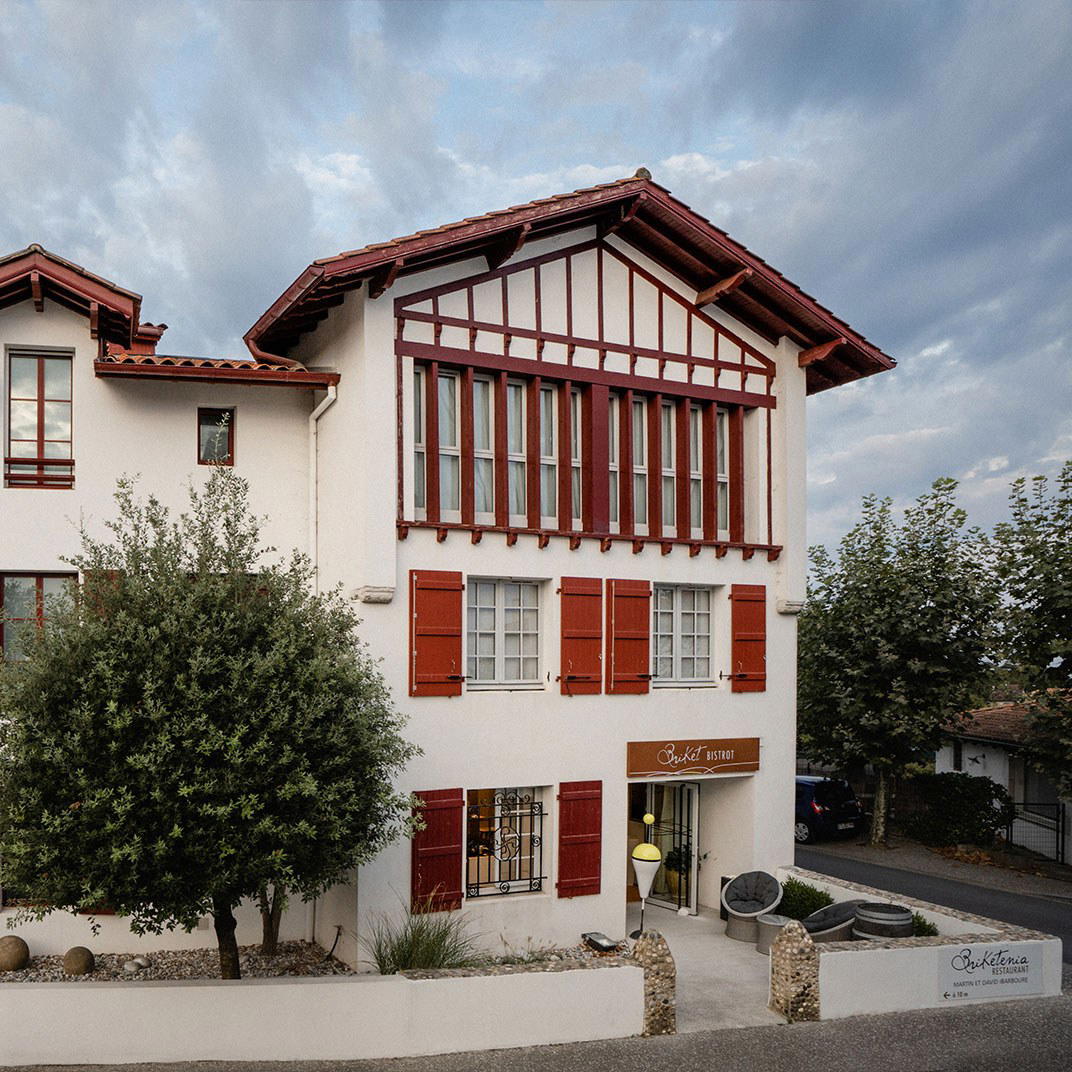
The address itself is instructive. Saint-Pée-sur-Nivelle sits inland from the coast, in the green Nive valley corridor where the Pyrenean foothills begin to assert themselves. This is a part of Nouvelle Aquitaine where the architecture shifts: the white-rendered facades with oxblood or forest-green shutters that define Basque vernacular replace the Belle Époque grandeur of the coastal strip. Properties in this zone tend to present themselves through site and materiality rather than scale, and Michelin's Selected designation for 2025 confirms that Indarra has met a standard of quality and character within that frame. See our full Nouvelle Aquitaine restaurants and hotels guide for broader regional context.
The Physical Argument: Design in a Vernacular Register
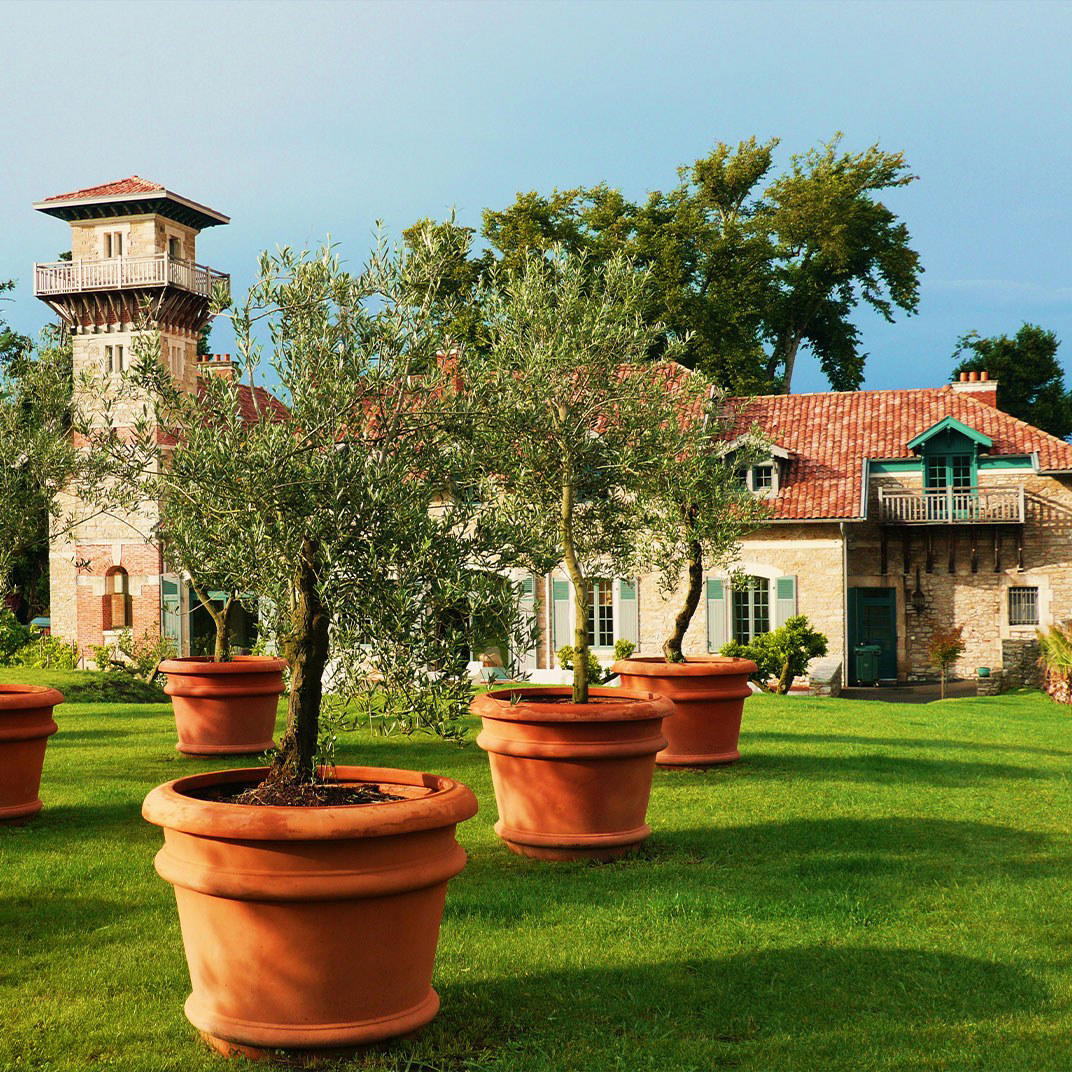
The Basque Country's architectural identity is one of the most codified in France. The colombage structures, the steeply pitched roofs, the precise geometry of shutter colours against whitewash, these are not decorative choices but a regional grammar with centuries of consistency behind it. Hotels that operate within this grammar tend to succeed or fail on how well they translate tradition into a liveable, contemporary guest experience, rather than simply using heritage as surface decoration.
Indarra's address on the Route de Saint Pée places it within a corridor of properties that have historically used the Basque built environment as both setting and substance. The better comparators in this niche across France share a common quality: the architecture is not a backdrop to the hospitality but a load-bearing element of it. Guests are not staying somewhere that happens to look Basque; they are staying somewhere where the spatial logic of the building, the proportions, the relationship to the surrounding terrain, the handling of light through thick-walled openings, is itself the offering. This is a different proposition from the large-footprint luxury resorts further along the French Atlantic, such as La Réserve Ramatuelle in the Var or Hotel Du Cap-Eden-Roc on the Côte d'Azur, where the design statement is one of maximalist presence rather than quiet integration.
Across the broader French regional luxury category, the properties that have most successfully made this argument tend to share a few characteristics: limited key counts, materials sourced from the immediate region, and a studied avoidance of the international-hotel-standard finish that would sand away the building's specificity.
Regional Position and the Michelin Selected Signal
Michelin's hotel selection program operates on different criteria from its restaurant stars, but the underlying logic is the same: properties are assessed against a standard of quality, character, and consistency that filters out the merely adequate. A Michelin Selected designation in 2025 places Indarra within a competitive set that spans the full range of French regional hospitality, from wine-country estates like Les Sources de Caudalie near Bordeaux and Royal Champagne Hotel & Spa in Champagne, to alpine properties like Four Seasons Megève and Le K2 Palace in Courchevel.
What the designation signals specifically for a property in the Basque interior is that it has cleared a threshold of quality distinct from the coastal resort category. The Basque hinterland does not benefit from the automatic prestige of an ocean address; properties here earn recognition through the coherence of their offer rather than the drama of their setting. That coherence, architectural, culinary, experiential, is the currency that Michelin's selectors are evaluating.
For context on what this kind of regional, character-led property looks like across France, the comparison set is instructive: La Bastide de Gordes in the Luberon, Château de la Gaude in Aix-en-Provence, and Domaine Les Crayères in Reims all operate in this register: historic or architecturally significant buildings, regional culinary programs, and a positioning that relies on place-specificity rather than international brand weight. Hôtel Chais Monnet & Spa in Cognac and La Ferme Saint-Siméon in Honfleur offer similar regional-character propositions in other parts of France.
Planning a Stay: What to Know
Indarra sits at 1 Route de Saint Pée in Nouvelle Aquitaine, in the inland Basque territory accessible from Biarritz or Bayonne, both of which have rail and air connections. The property carries a current Michelin Selected status for 2025.michelin.com/us/en/hotels-stays is the most reliable current source for verified rates and availability. For comparable French properties with confirmed booking infrastructure, Le Bristol Paris, Hôtel de Paris Monte-Carlo, and The Maybourne Riviera offer points of reference for what Michelin-recognised French hospitality delivers at various price tiers.
The Basque interior travels well in spring and early autumn, when the Pyrenean light is clear and the valley roads are at their leading. Summer brings the coastal crowds to Biarritz and Saint-Jean-de-Luz, but Saint-Pée-sur-Nivelle sits far enough inland to feel removed from that circuit. For travellers building a longer southwest France itinerary, pairing an inland Basque stay with properties in the Bordeaux wine country, Les Sources de Caudalie being the most obvious reference, or further afield in the Lot and Dordogne valleys makes geographic sense. The Route de Saint Pée corridor itself connects through to the Spanish Basque Country, making Indarra a credible crossing-point property for trans-Pyrenean itineraries.
Comparable Venues
Comparable venues nearby, for context on price, style, and recognition.
| Venue | Cuisine | Price | Awards | Notes |
|---|---|---|---|---|
| IndarraThis venue (the venue you are viewing) | Renovated 1870s Basque farmhouse combining traditional architecture with modern luxury. | $100–200 | Michelin Selected | Not listed |
| 70 Hectares & l'Océan - Fontenille Collection | Contemporary luxury resort with Californian surf lodge influences, blending modern elegance with natural forest surroundings. | $300–500 | Michelin Selected | Seignosse |
| Grand Hotel de L'Océan | Seaside boutique hotel | $100–200 | Michelin Selected | Plage du Port Lin |
| Maison Chiberta | Neo-Basque heritage property with contemporary Mediterranean renovation, blending 1927 Art Deco architecture with modern luxury and natural materials. | $100–200 | Michelin Selected | Anglet |
| Le Manoir du Lys | Historic hunting lodge reimagined as a luxury countryside retreat with modern sensibilities and refined French hospitality. | $100–200 | Michelin Selected | Bagnoles-de-l'Orne |
| Le Morgane | Contemporary boutique hotel with urban design elements in a mountain setting | $200–300 | Michelin Selected | Chamonix City Centre |
Recognition history
Dated appearances from independent guides and award organizations, with the underlying list record or original source where available.
Michelin Selected
Michelin
Continue exploring
More in Nouvelle Aquitaine
Hotels in Nouvelle Aquitaine
All hotels in Nouvelle Aquitaine →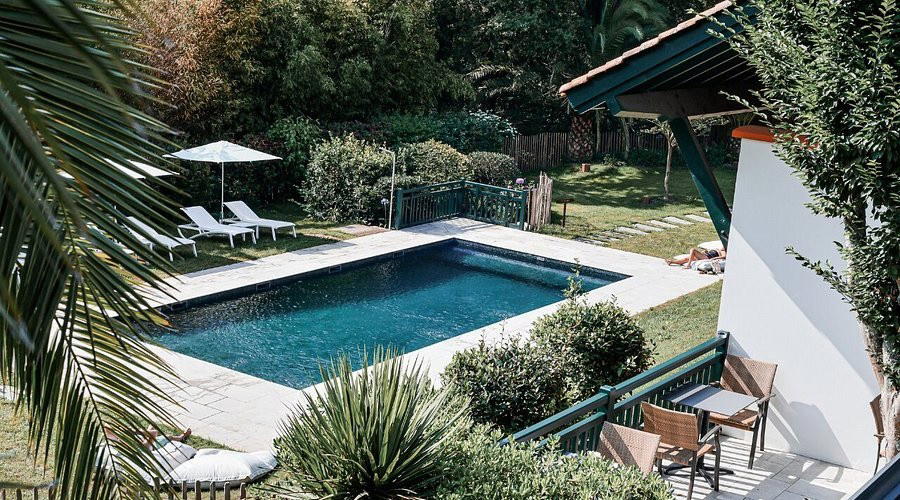
Details
- Elegant
- Modern
- Cozy
- Scenic
- Sophisticated
- Romantic Getaway
- Family Vacation
- Wellness Retreat
- Weekend Escape
- Panoramic View
- Terrace
- Garden
- Pool
- Spa
- Sauna
- Massage
- Fitness Center
- Wi Fi
- Free Parking
- EV Charging
- Mountain
- Garden
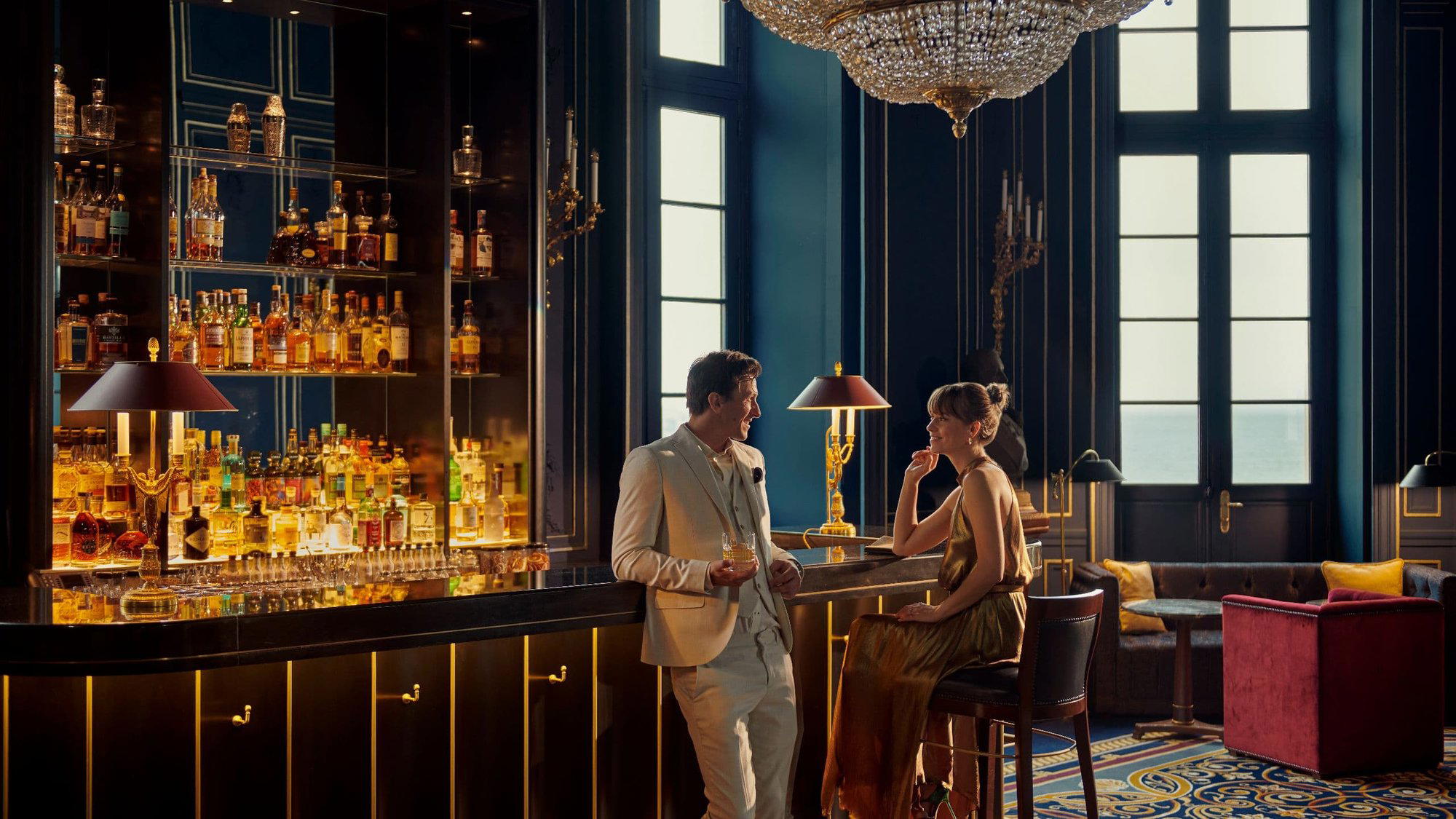
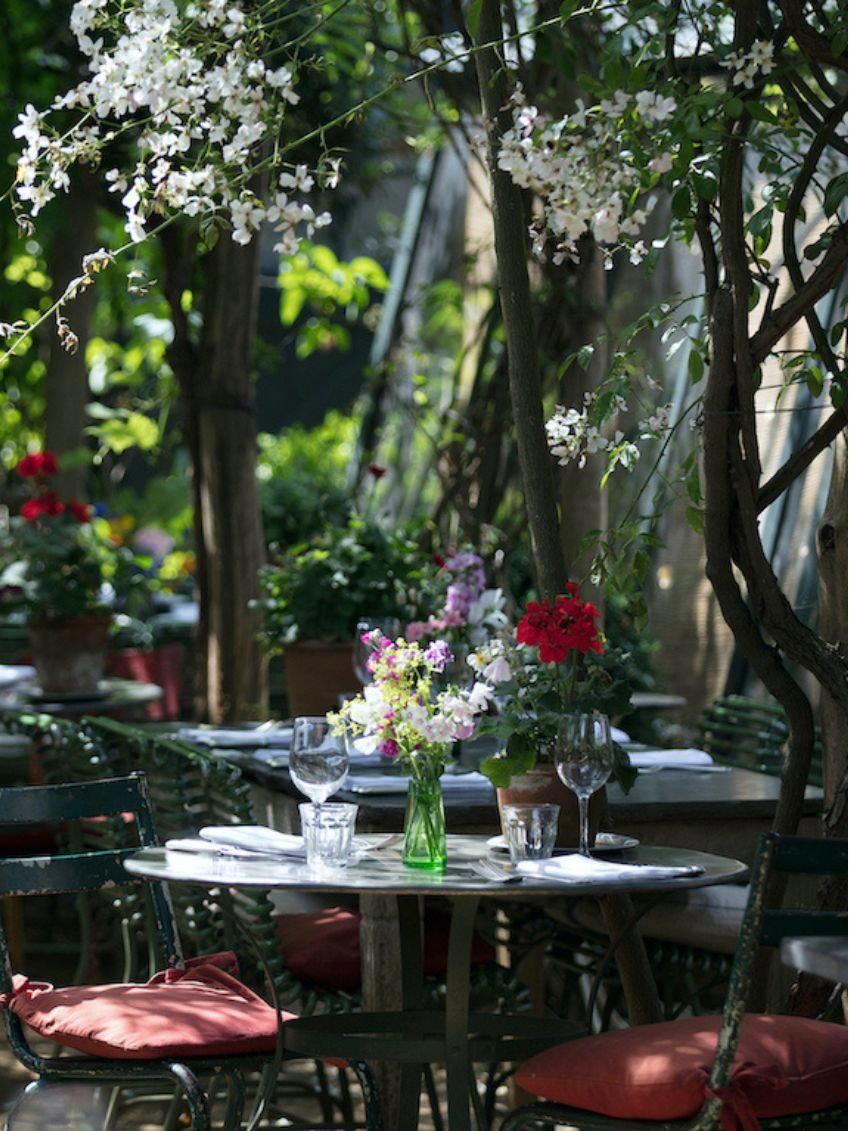
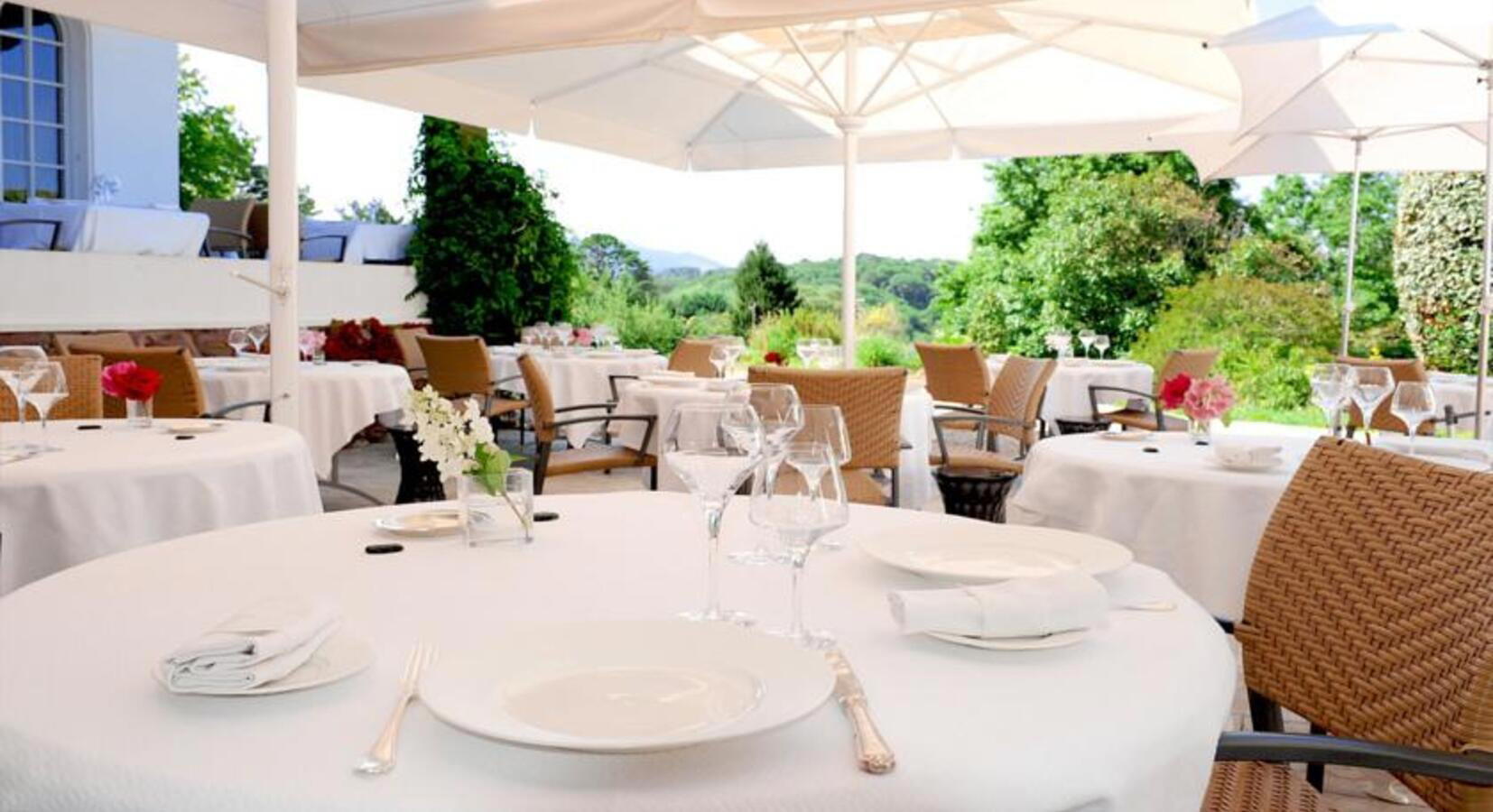
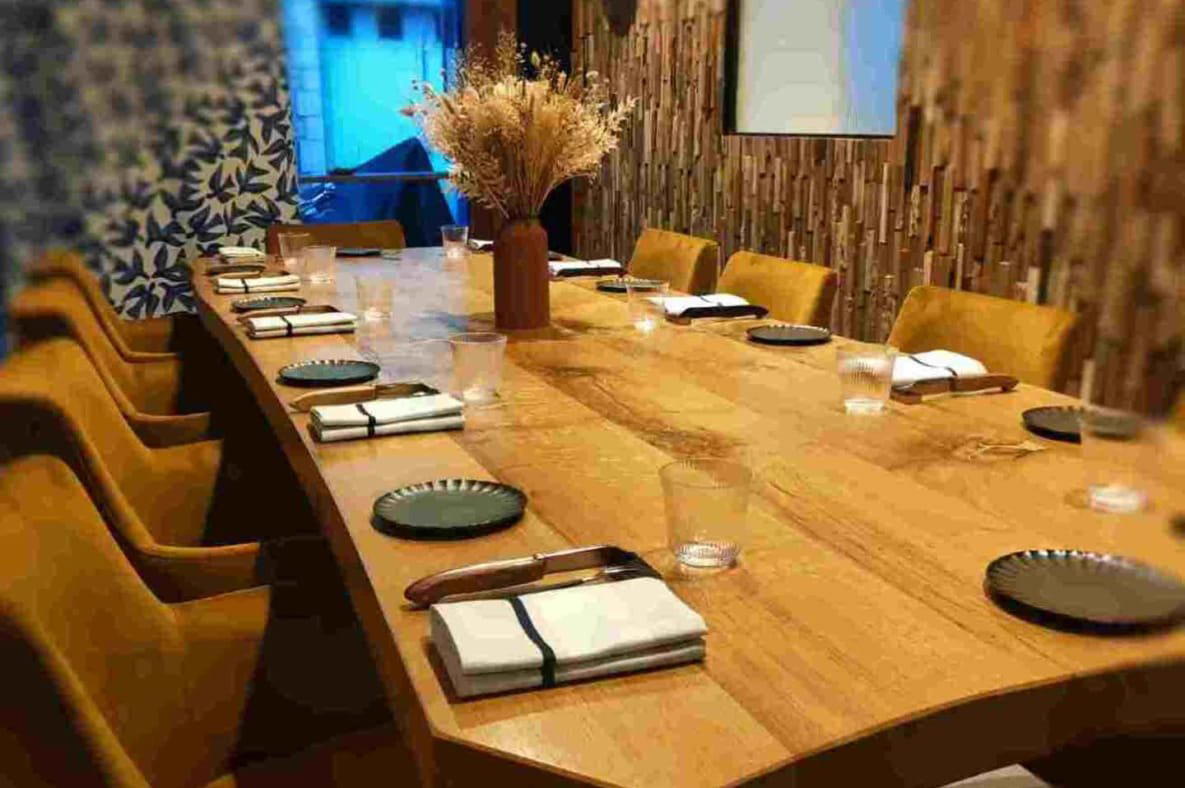
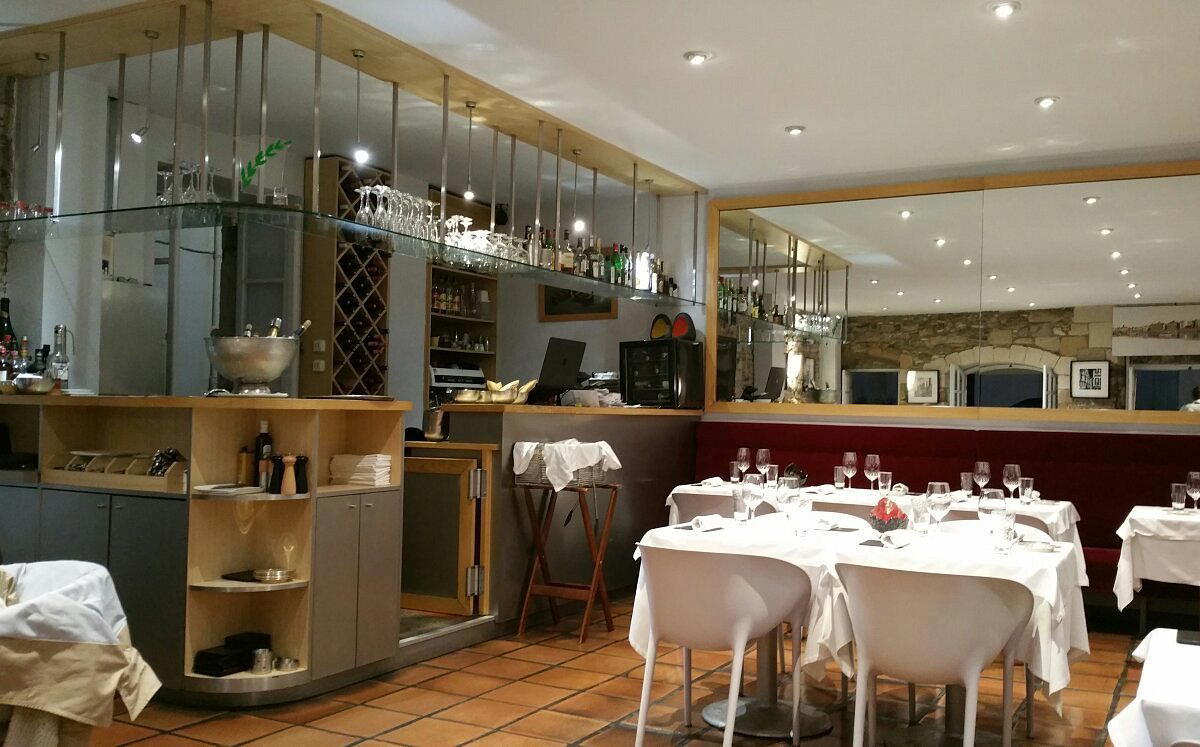
Light-filled spaces with coastal-cool palettes, natural materials, soft furnishings, and warm inviting atmosphere praised for cosiness and modern comfort.