Hotel Volga
Hotel Volga sits inside Mexico City’s competitive hotel scene, where the strongest properties are judged as much by their dining and bar intelligence as by room design. Public database details for the hotel are limited, so the useful read is comparative: how it should be assessed against the city’s Polanco, Roma, Condesa, and resort-style Mexico peers before a stay is planned.
Pearl is the En Primeur Club membership app — saves, bookings, and concierge access live there. Same editors, same standards.
- Address
- Mexico City, Mexico
- Website
- hotelvolga.mx
 Saves & bookings on Pearl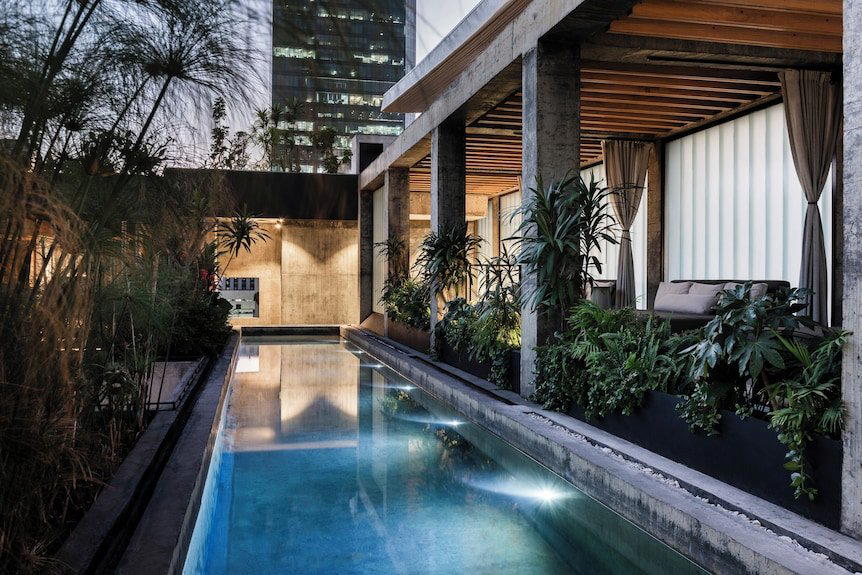
First read: a Mexico City hotel should be judged from the lobby outward
Approaching a hotel in Mexico City is rarely a neutral act. The city changes block by block: jacaranda shade, traffic noise, apartment balconies, security doors, late lunches, mezcal bars opening after office hours. A serious hotel has to absorb that rhythm rather than seal itself off from it. In this market, the lobby is not only a reception area; it is a signal of how the property understands the city. The restaurant, bar, breakfast room, terrace, and street-facing public spaces often say more about the hotel’s point of view than the room category grid.
Hotel Volga enters a city where hospitality is increasingly food-led. Mexico City’s hotel conversation has moved beyond thread count and marble bathrooms into a sharper question: does the property give guests a credible way to eat and drink without losing contact with the city outside? That standard matters because the capital already has a deep independent restaurant culture, from Roma and Condesa dining rooms to Polanco tasting menus and late-night bars. A hotel dining programme has to earn attention against the city itself, not only against other hotels.
Hotel Volga is a 4-star hotel in Mexico City with 50 rooms and a nightly rate of about $250.
Mexico City's hotel dining standard has become harder to fake
For years, luxury hotels in major cities treated dining as a support function: breakfast, a safe lobby menu, a cocktail list designed for guests who did not want to leave the building. Mexico City has made that model look dated. The city’s independent dining scene has international visibility, and local diners do not automatically grant hotel restaurants the benefit of the doubt. A hotel table has to compete with chef-driven rooms, casual seafood counters, taquerías with generational technique, and bars that understand agave spirits beyond a token mezcal pour.
That is why the stronger hotel programmes in the city tend to do one of three things. Some attach themselves to a neighbourhood and act as a social extension of it. Others build a serious restaurant or bar that can draw non-guests. A smaller set uses design, privacy, and limited scale to create the kind of controlled environment that works for travellers who want the city filtered without being flattened. Hotel Volga should be assessed against those models, not against a generic international hotel checklist.
Polanco supplies one version of that equation. Properties such as Casa Polanco and Campos Polanco operate in a district where diplomatic residences, luxury retail, private clubs, and high-spend dining shape guest expectations. Roma and Condesa offer another pattern, with restored houses, smaller hotels, and street-level food culture setting the pace. Brick Hotel, Casa Cuenca, Casa Goliana, and Casa Nuevo León Hotel belong to that more residential, walkable reading of the city. Larger lifestyle hotels, including Andaz Mexico City Condesa - A Concept by Hyatt, work with scale and brand infrastructure. Alexander sits in the broader field of city stays that have to explain their value through location, room product, and hospitality clarity.
The dining programme is the lens, even when the details are not public
The assigned question for Hotel Volga is the dining programme, and that is precisely where caution is needed. In a city with a sophisticated dining audience, those omissions are not minor. They mean a traveller should verify the current food and beverage offer directly through official channels before treating the hotel as a dining-led stay.
That does not make the hotel less interesting. It makes the comparison sharper. Mexico City has reached a point where a hotel can no longer rely on proximity to restaurants as its only culinary argument. A useful property either gives guests a strong internal option for arrival night, breakfast, a late drink, or a meeting over coffee, or it positions itself as a quiet base from which the city’s independent dining network becomes the main event. Both can work, but they serve different travellers.
For food-focused planning, the practical move is to separate the stay from the eating itinerary. Use the Mexico City restaurants guide to build lunches and dinners around neighbourhoods, then judge Hotel Volga on whether its location and in-house services support that schedule. If the day starts in Condesa, moves to Polanco for lunch, and ends in Roma for cocktails, the hotel’s transport convenience matters as much as any promised ambience. If the hotel has a bar or restaurant with current public recognition, that should be confirmed from the hotel’s own channels or recent editorial coverage.
Breakfast, bars, and the arrival-night test
Hotel dining is often judged incorrectly by dinner alone. In Mexico City, breakfast and the first drink after check-in are more revealing. Breakfast shows whether a property understands local rhythm or simply imports a hotel buffet template. The bar shows whether the hotel has a point of view on Mexican spirits, service pacing, and evening use by non-guests. The arrival-night test is equally useful: after a long flight or a cross-city transfer, can the property feed and settle a guest without making the evening feel like a compromise?
That places the burden on planning. Travellers who expect a destination restaurant inside the hotel should verify chef, cuisine, current hours, and reservation requirements before committing the stay around dining. Travellers who treat the hotel as a base can instead build an external route through restaurants and bars, using the Mexico City bars guide for late evenings and the Mexico City experiences guide for cultural time between meals.
Where Hotel Volga fits among Mexico City hotel types
Mexico City’s hotel market has fragmented into clear categories. Polanco properties often sell privacy, residential polish, and access to high-spend dining. Roma and Condesa hotels trade on walkability, architecture, café culture, and proximity to independent restaurants. International lifestyle hotels add loyalty programmes, larger facilities, and predictable service systems. Smaller design-led properties try to make a tighter argument: fewer distractions, more neighbourhood texture, a stronger sense of place.
The hotel cannot be placed definitively into one of those groups from the record alone. No star rating, style descriptor, room count, or price range is listed. That lack of hard information should lead to a more disciplined booking process. The hotel may suit a traveller who already has restaurant reservations across the city and wants a controlled base, but it should not be chosen on the assumption that it provides a documented culinary destination without further verification.
The comparison with Mexico’s resort hotels is also useful. Coastal and countryside properties such as Hotel Esencia in Tulum, One&Only Mandarina in Riviera Nayarit, Montage Los Cabos in Cabo San Lucas, Maroma in Riviera Maya, Zadun, A Ritz-Carlton Reserve in Los Cabos, Las Ventanas al Paraíso, A Rosewood Resort in San José del Cabo, Chablé Yucatán in Mérida, Xinalani in Quimixto, and Playa Viva in Juluchuca often make food part of a self-contained stay. Mexico City reverses that logic. The city itself supplies the dining infrastructure, so a hotel’s programme is judged by how intelligently it connects guests to that wider field.
Planning a stay around meals, neighbourhoods, and evidence
With no address, phone number, website, or room categories in the record, practical planning for the hotel should start with verification. Confirm the official contact channel, current room inventory, cancellation terms, breakfast inclusion, restaurant hours, bar access, and any reservation requirements before building the rest of the trip around the property. This is especially relevant in Mexico City, where traffic can turn a short-looking route into a long transfer and where lunch and dinner reservations often define the structure of a day.
Neighbourhood sequencing matters. A stay built around Polanco dining should minimize cross-city movement at peak times. A Roma or Condesa itinerary rewards walking, café stops, and bar-hopping, but can be less efficient for business meetings in Polanco or Santa Fe. Centro Histórico adds cultural depth and architectural weight, while Coyoacán and San Ángel require more deliberate scheduling.
The city pages help separate hotel choice from dining ambition. Our full Mexico City hotels guide gives the lodging comparable set, while Our full Mexico City wineries guide is useful for wine-focused planning where available. For travellers comparing city hotels with grand international references, The Fifth Avenue Hotel in New York City, Hôtel de Paris Monte-Carlo in Monte Carlo, and Badrutt's Palace Hotel in St. Moritz illustrate a different model, where hotel identity and dining history can be more publicly codified. Mexico City’s smaller properties often require closer reading.
How to read missing data without overreacting
Missing public fields do not automatically indicate a weak hotel. Newer properties, smaller independents, and design-led hotels can have limited structured data while delivering a serious stay. But in editorial planning, absence of evidence should not be converted into praise.
That discipline is especially useful for dining-led travellers. Mexico City rewards specificity. A hotel that can name its chef, publish its hours, explain its bar programme, and show current menus gives guests planning power. A hotel that does not make those details easy to confirm may still function well as a base, but it should be treated differently from a property where the restaurant or bar is independently documented.
Reputation & Price
Comparable venues nearby, for context on price, style, and recognition.
| Venue | Cuisine | Price | Awards | Notes |
|---|---|---|---|---|
| Hotel VolgaThis venue — the venue you are viewing | Not listed | $$$$ | 4-Star | Not listed |
| Hotel Distrito Capital | Not listed | $$$$ | 4-Star | Centro Comercial Santa Fe, Sky-high urban design hotel in business district. |
| Hotel Casa Awolly | Not listed | $$$ | 4-Star | Roma Norte, Modernist boutique in historic neoclassical building |
| Andaz Mexico City Condesa - A Concept by Hyatt | Not listed | $$$$ | 5-Star | Hipodromo, Luxury boutique hotel blending Art Deco heritage with modern Mexican design. |
| Casa Seis Siete | Not listed | $$$$ | 4-Star | Roma Norte, Restored 1920s mansion with intimate guest house feel |
| Hyde Mexico City Reforma | Reforma, Boho-chic lifestyle hotel | $$$$ | 5-Star | Not listed |
Continue exploring
More in Mexico City
Hotels in Mexico City
Browse all →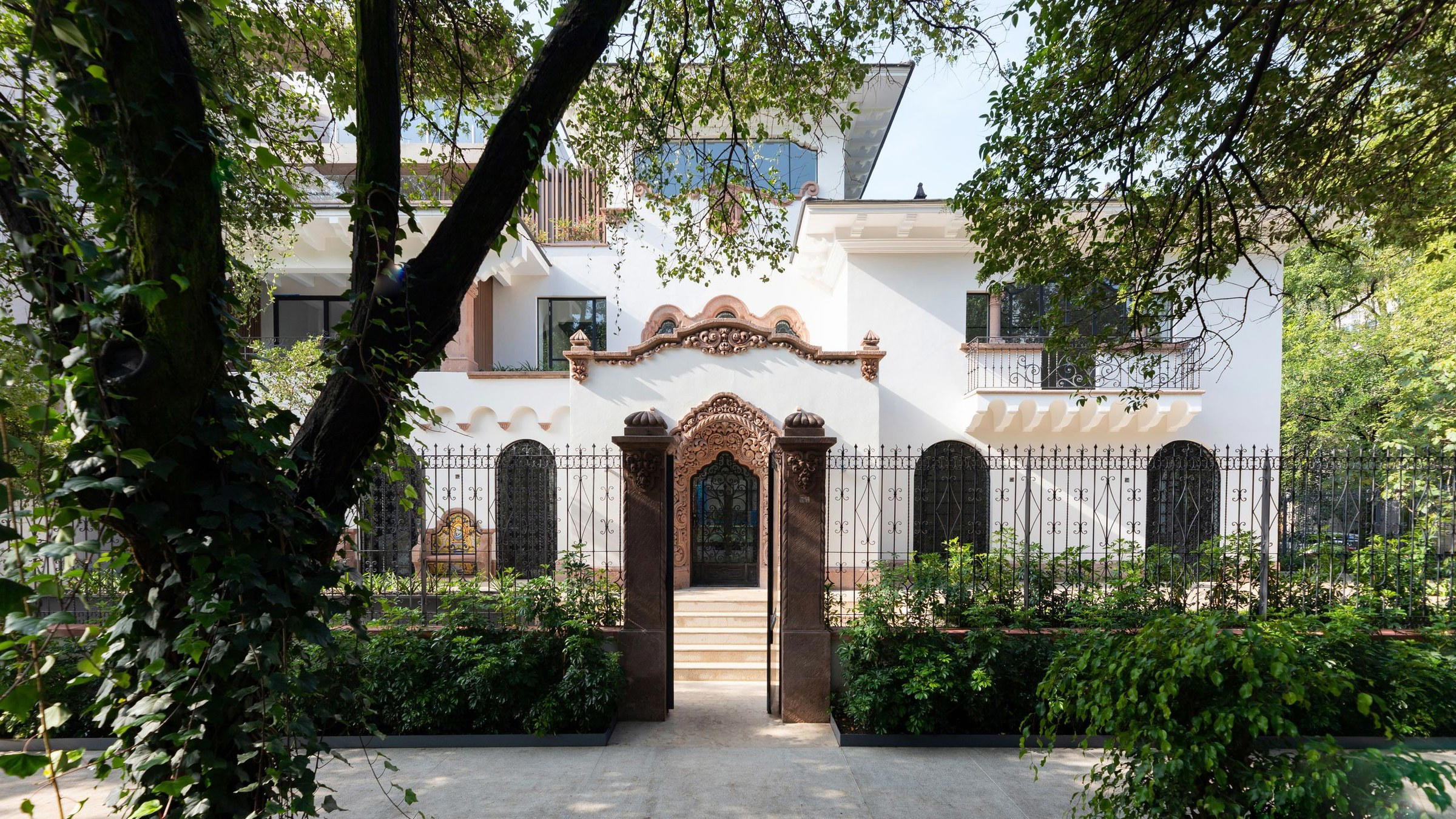
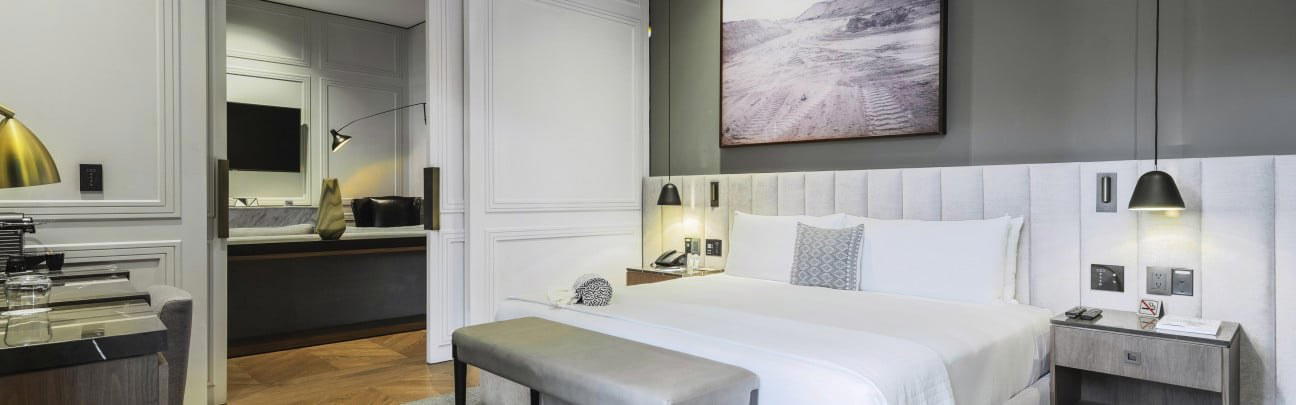
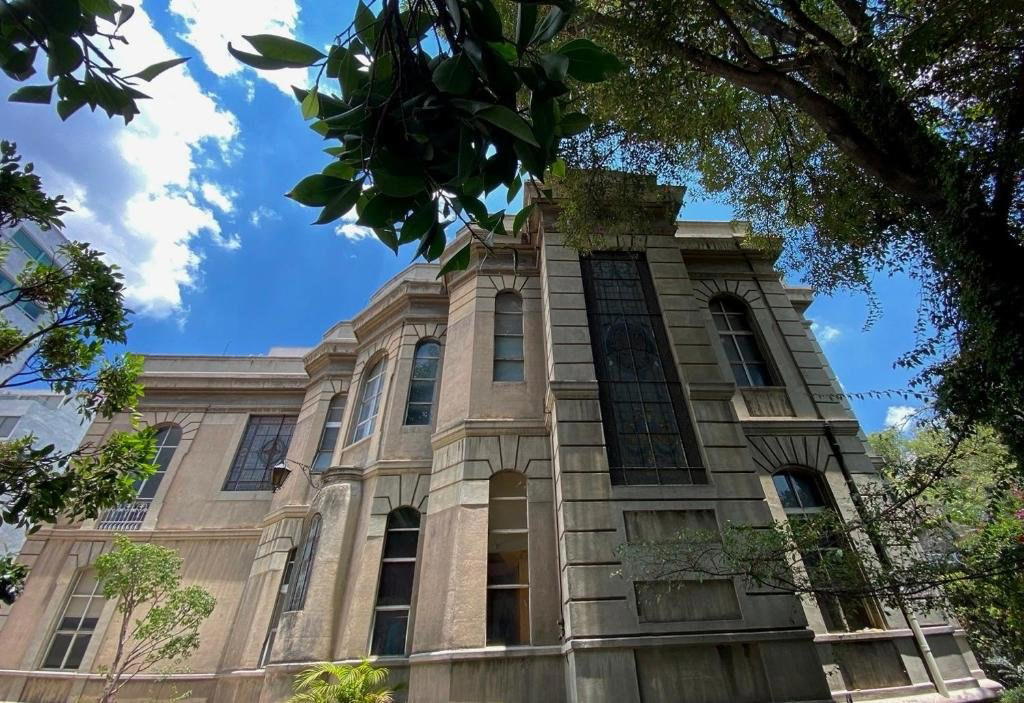
Bars in Mexico City
Browse all →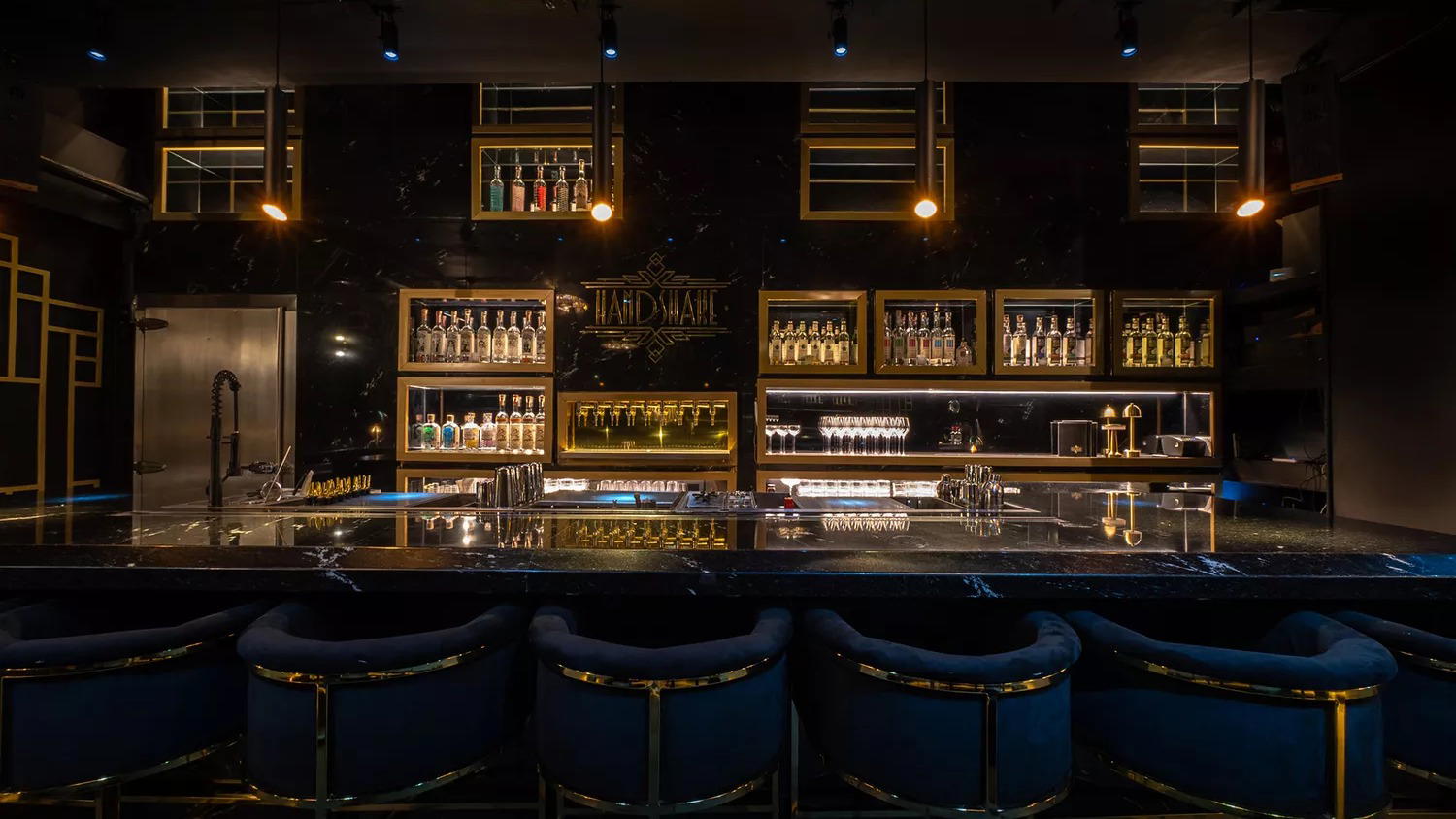
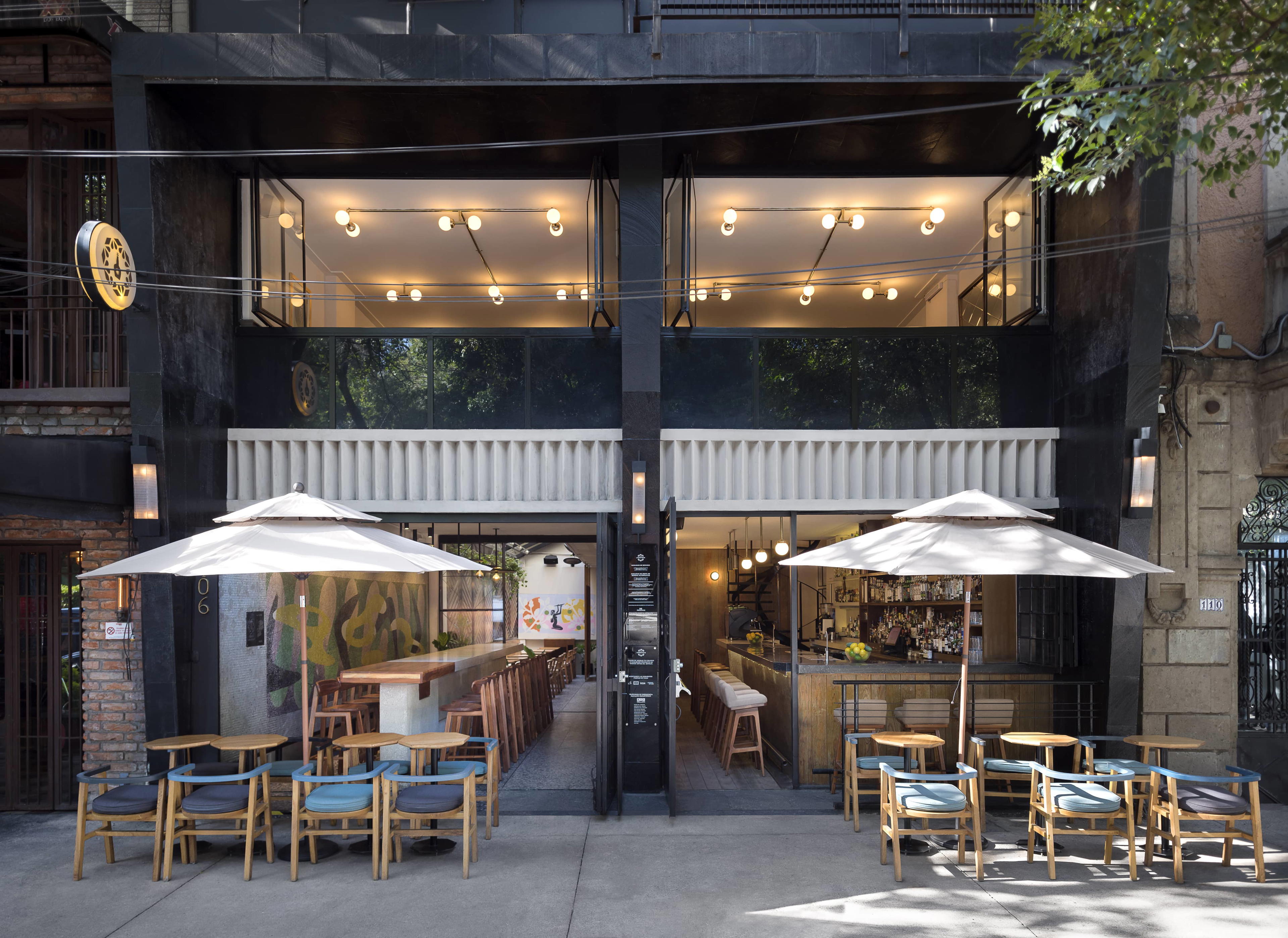
Restaurants in Mexico City
Browse all →
At a Glance
- Modern
- Trendy
- Elegant
- Sophisticated
- Intimate
- Romantic Getaway
- Weekend Escape
- Business Trip
- Anniversary
- Celebration
- Rooftop Pool
- Design Destination
- Terrace
- Historic Building
- Private Dining
- Wi Fi
- Pool
- Fitness Center
- Room Service
- Concierge
- Valet Parking
- Skyline
- Street Scene
- Wi Fi
- Pool
- Fitness Center
- Room Service
- Concierge
- Valet Parking
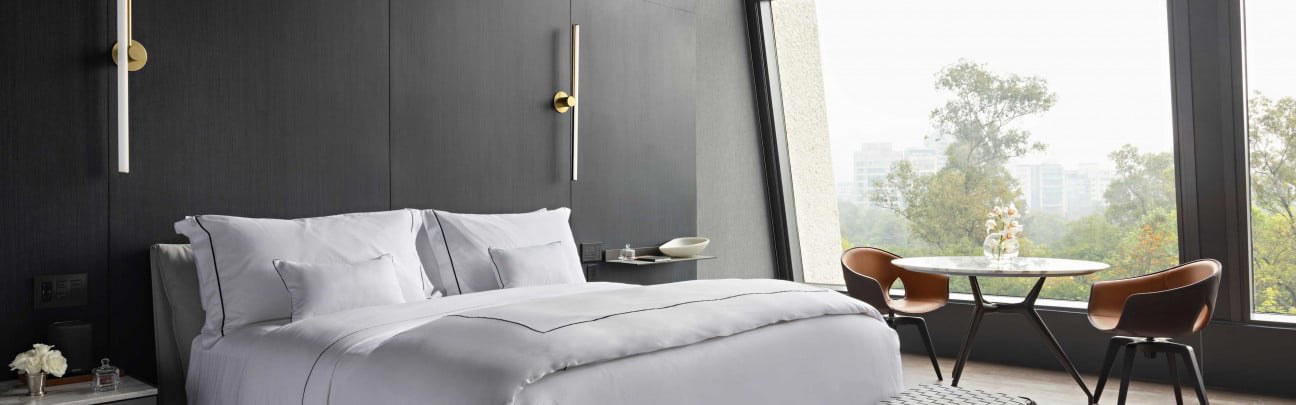
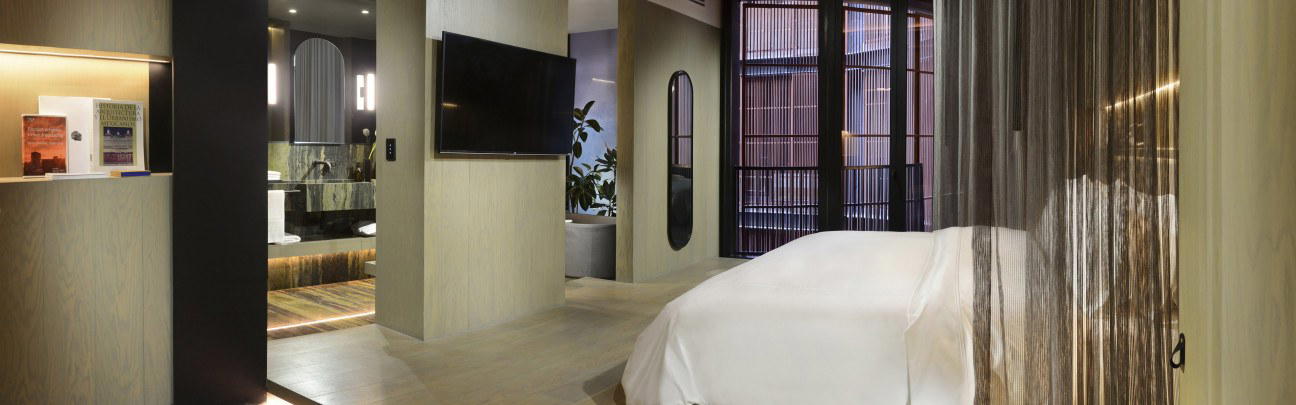
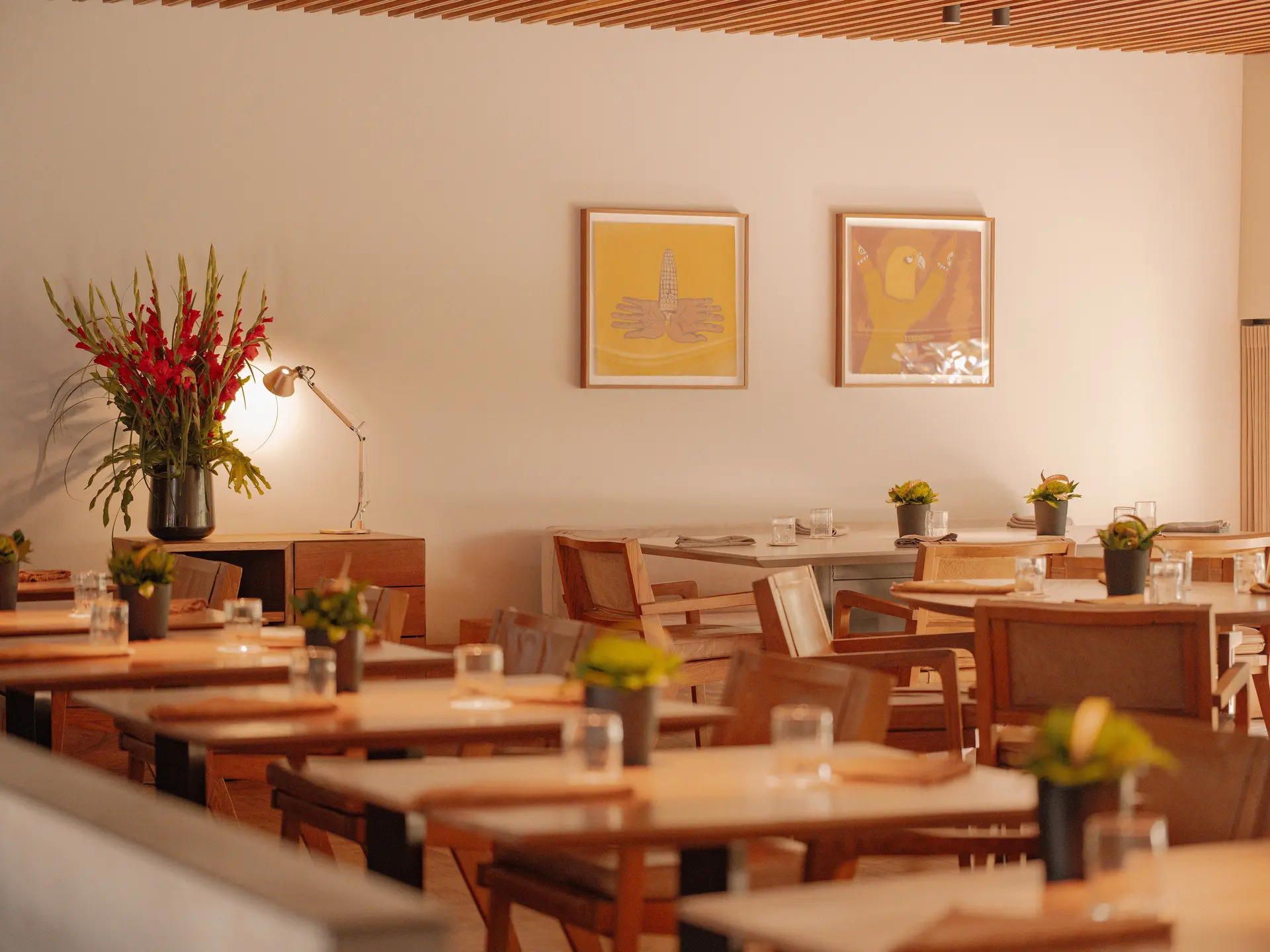
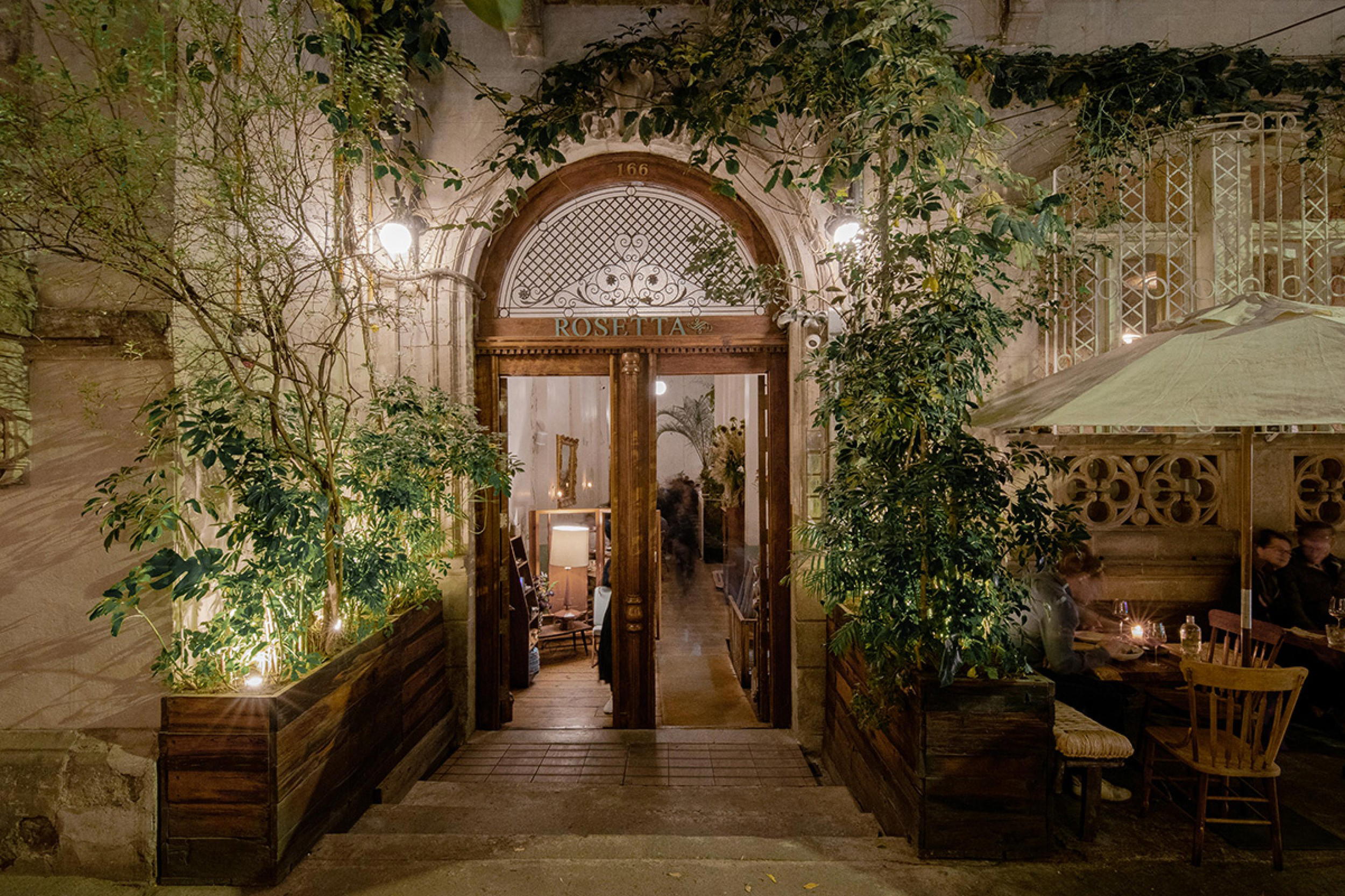
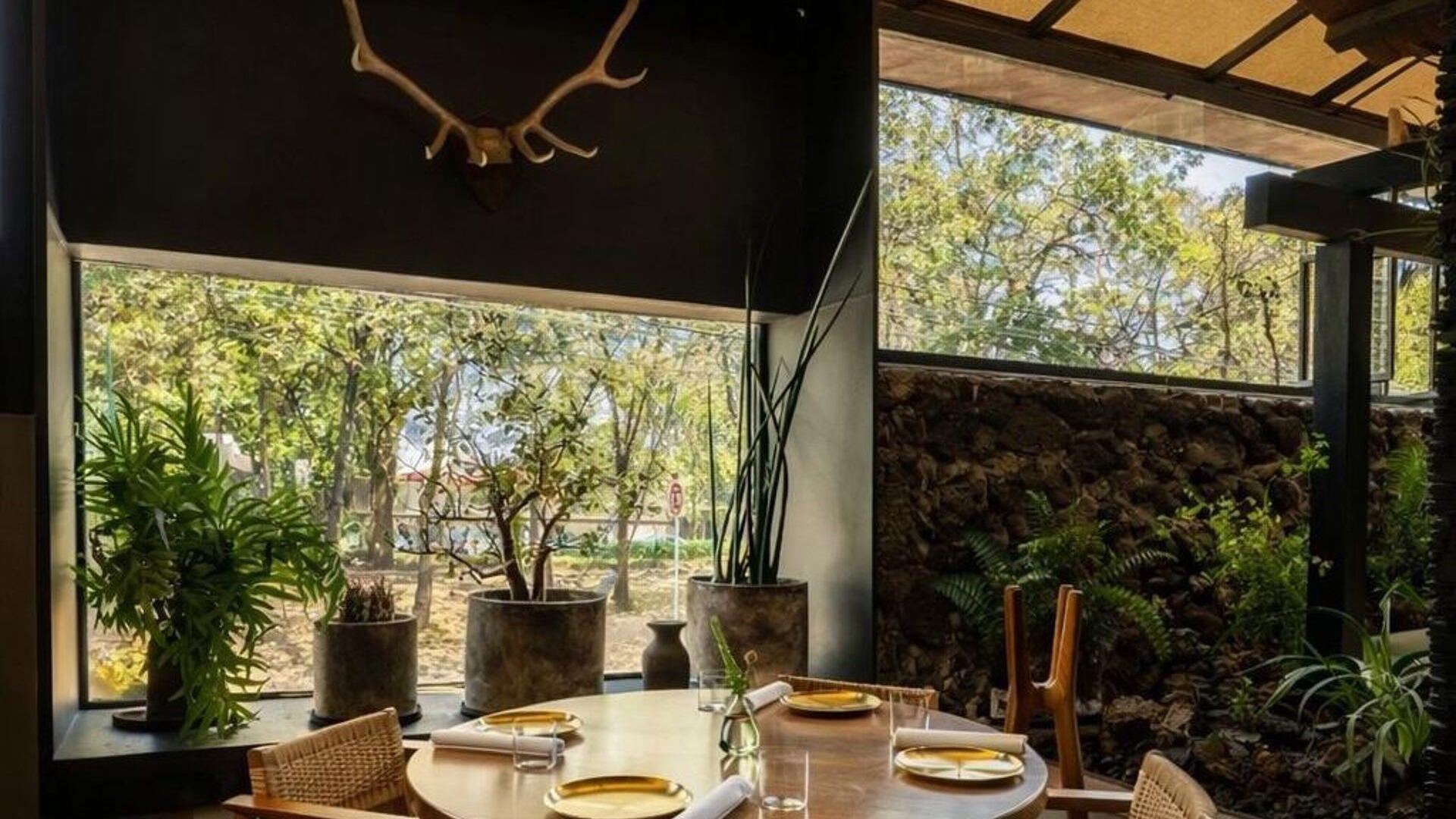
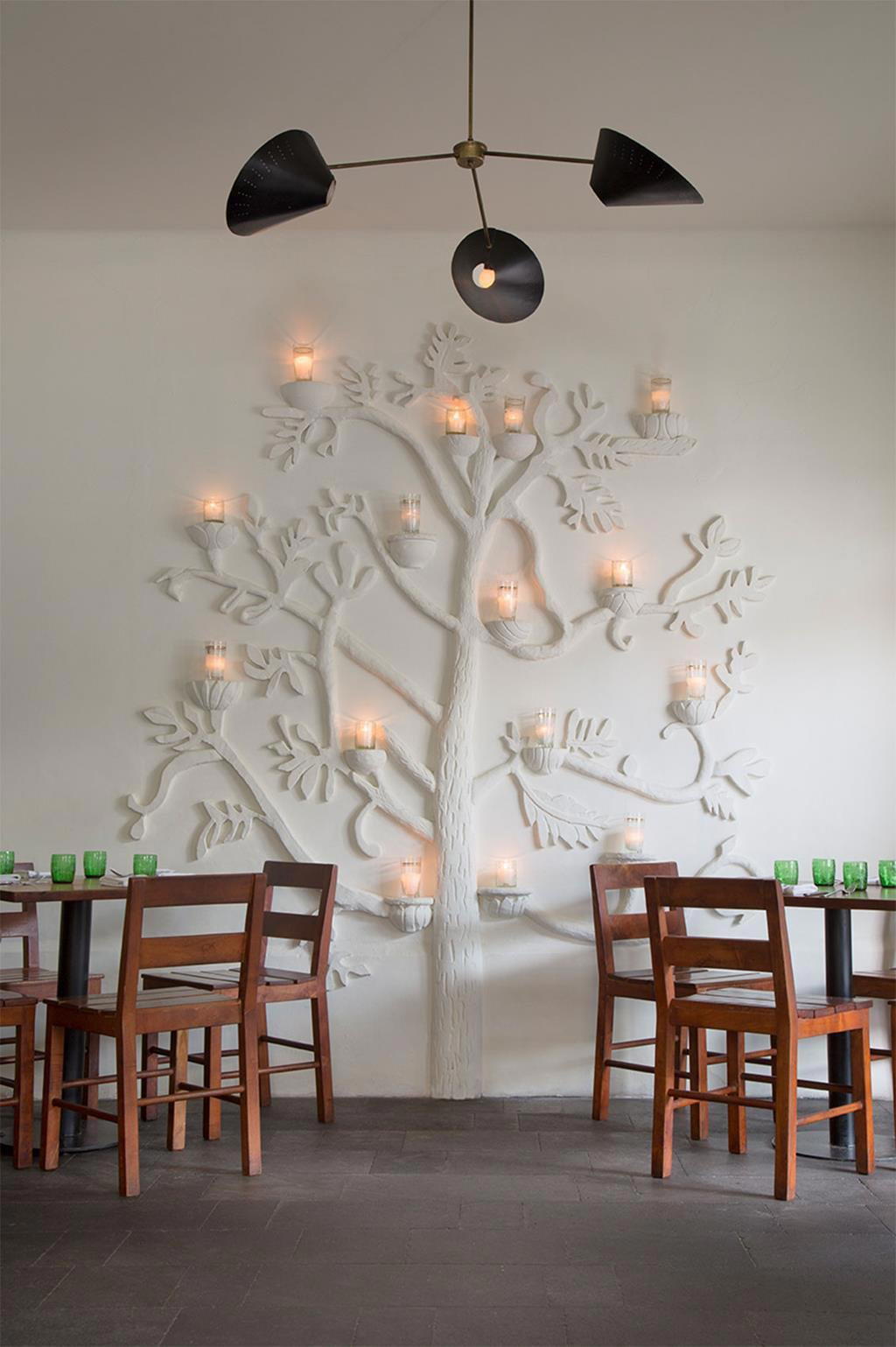
Atmosphere is sleek and minimalist-brutalist with warm lighting, concrete and wood textures, curated art, a moody mezcal bar, and a lively yet upscale social scene centered around music and events.