

Hotel Viu Milan occupies a distinct position in the city's hotel scene: a design-led property with a rooftop that draws Milan's creative and business elite, anchored by an award-winning culinary program. Located in the Porta Volta district, it sits outside the historic centre but close enough to feel embedded in the city's forward-looking energy. The hotel's green credentials and architectural ambition place it in a smaller, more considered tier of Milan's luxury market.
Pearl is the En Primeur Club membership app — saves, bookings, and concierge access live there. Same editors, same standards.
- Address
- Via Aristotile Fioravanti, 6, Milan 20154, Italy
- Phone
- +39 02 800 10 910
- Website
- marriott.com
- Directions
- Get directions
 Saves & bookings on Pearl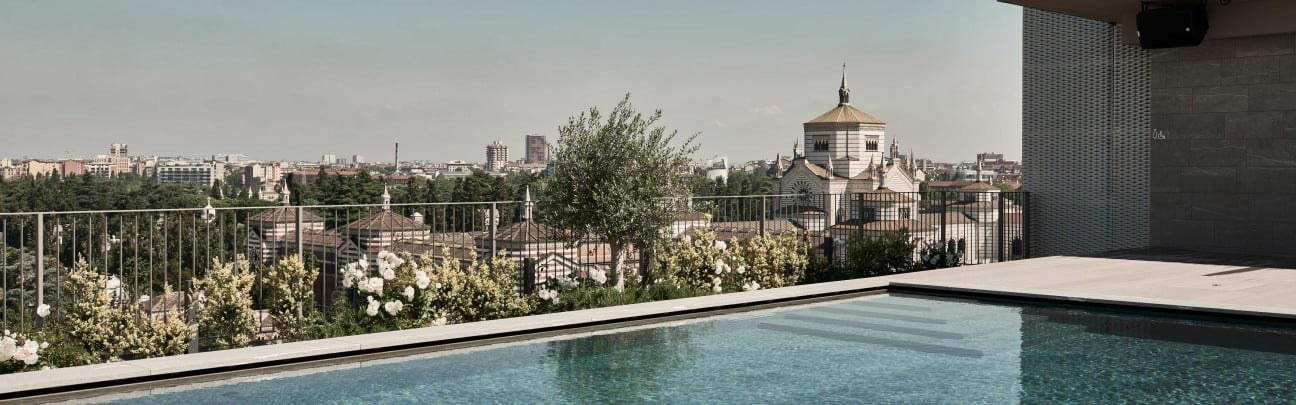
Where Milan's Creative Class Stays
Milan has long divided its premium hotel stock into two broad categories: the grand palazzo properties clustered around the Duomo and Brera, and a newer generation of design-forward addresses that trade historical grandeur for architectural specificity. Hotel Viu Milan belongs firmly to the second camp. Located on Via Aristotile Fioravanti in the Porta Volta district, the hotel draws the city's creative set and its professional operators in roughly equal measure, which tells you something useful about what it gets right.
The building announces itself differently from the older tier. Where properties like the Grand Hotel et de Milan or the Hotel Principe di Savoia, Dorchester Collection trade on accumulated history, Hotel Viu is a contemporary construction with a clear programmatic intent: a tower with strong sustainability commitments, a rooftop that functions as destination rather than amenity, and a design language that reads as confident rather than decorative. In a city where design is taken seriously as a form of argument, that positioning matters.
The Rooftop as Cultural Statement
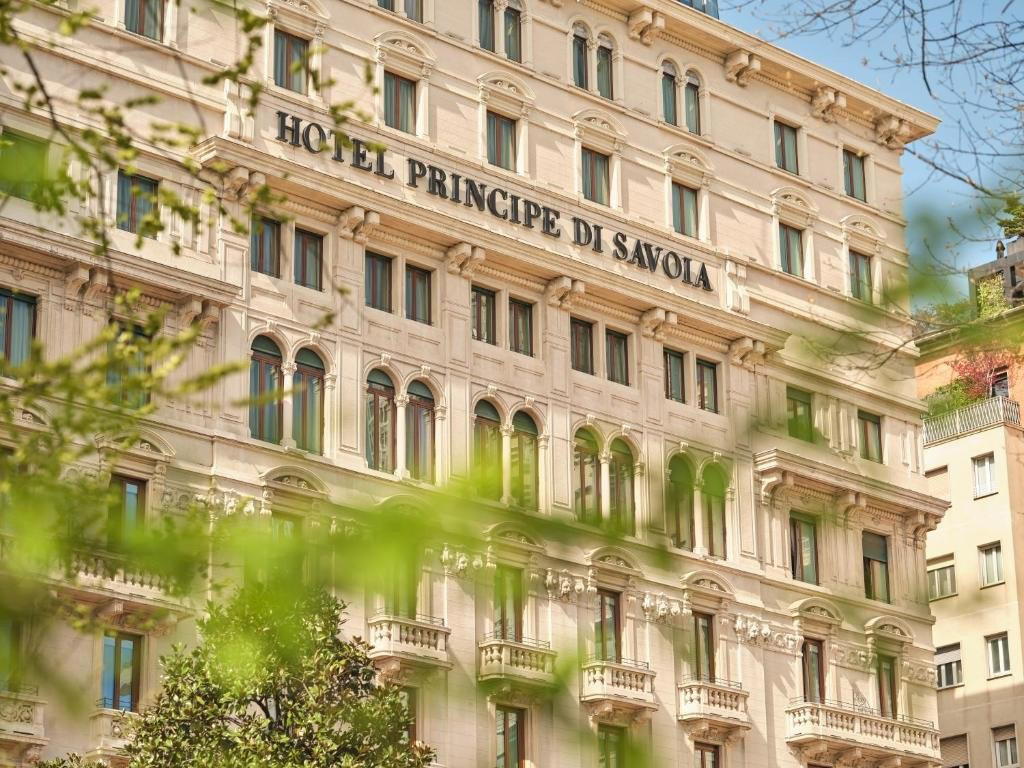
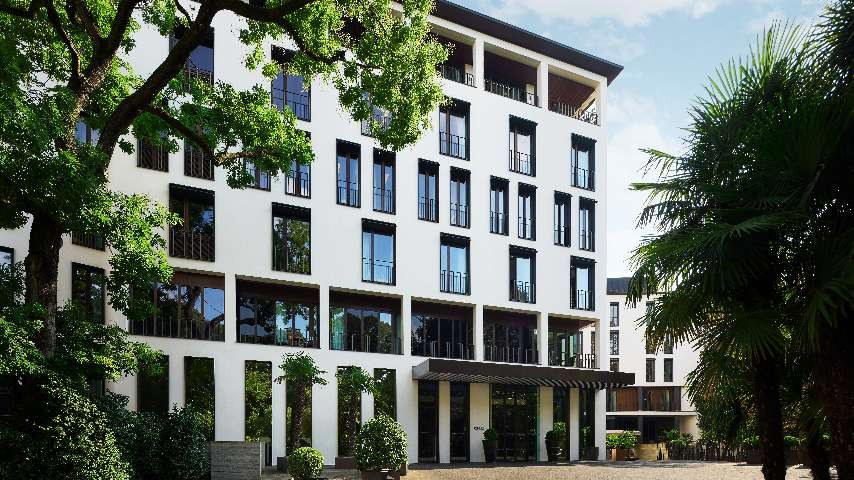
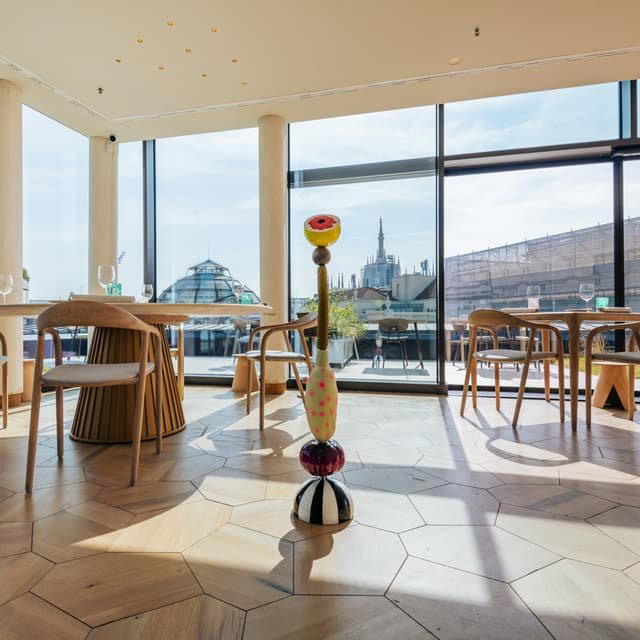
Milan's rooftop culture has expanded considerably over the past decade, but there remains a meaningful difference between hotel terraces that happen to have views and those that operate as genuine social venues. Hotel Viu's rooftop sits in the latter category. The green architecture running through the property extends upward here, creating a vertical garden character that distinguishes it from the stripped-back mineral aesthetic of competitors like the Bvlgari Hotel Milan or the more classically proportioned terraces at Mandarin Oriental Milan.
The draw is not simply the view across the city, though the refined position in Porta Volta offers a perspective that differs from the more enclosed centro storico hotels. It is the density of activity: aperitivo hour here pulls in people who are not staying at the hotel, which is always a reliable signal that a rooftop has crossed from hotel amenity into genuine destination. That crossover is harder to manufacture than it looks, and most hotel terraces in Milan never achieve it.
The Culinary Program and Its Competitive Context
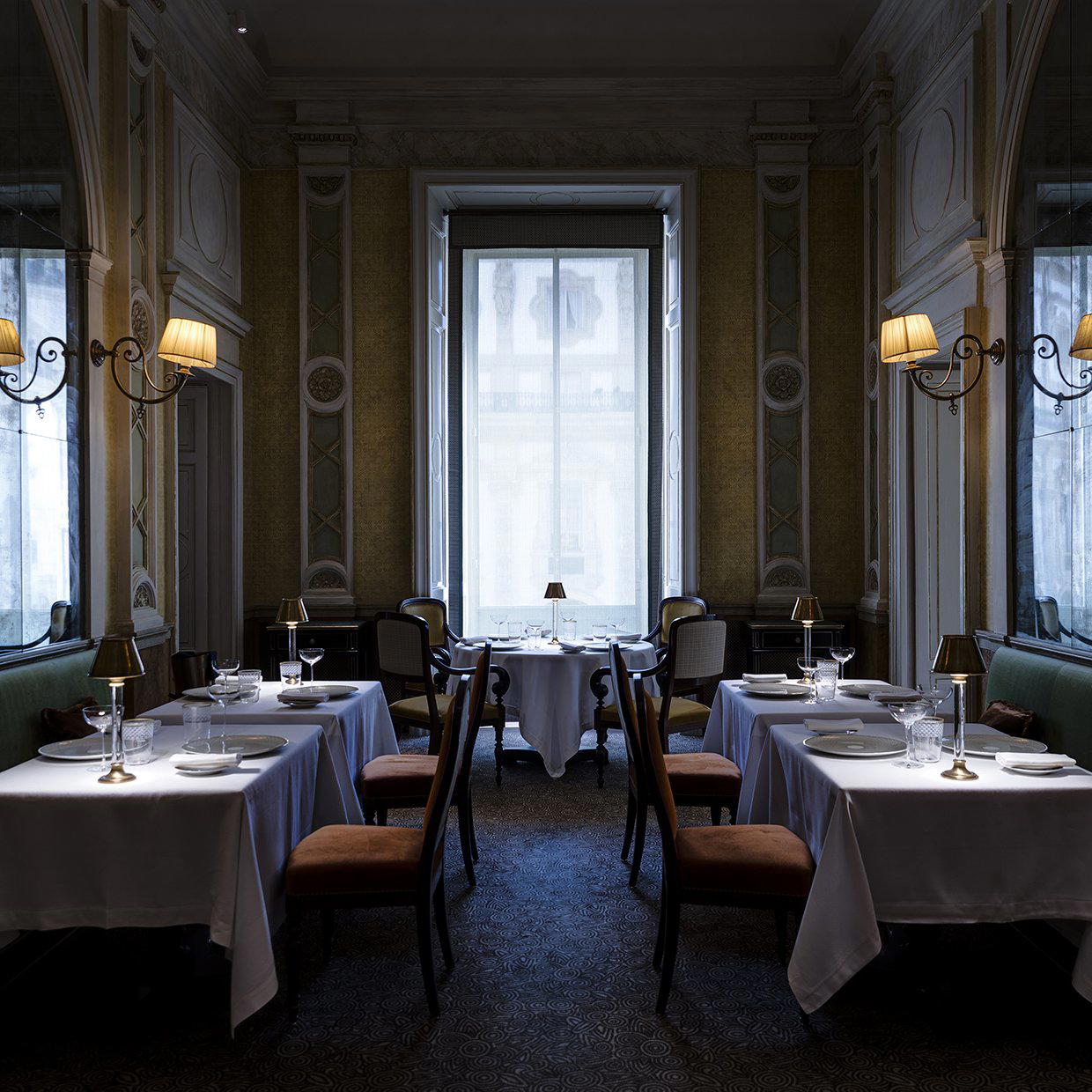
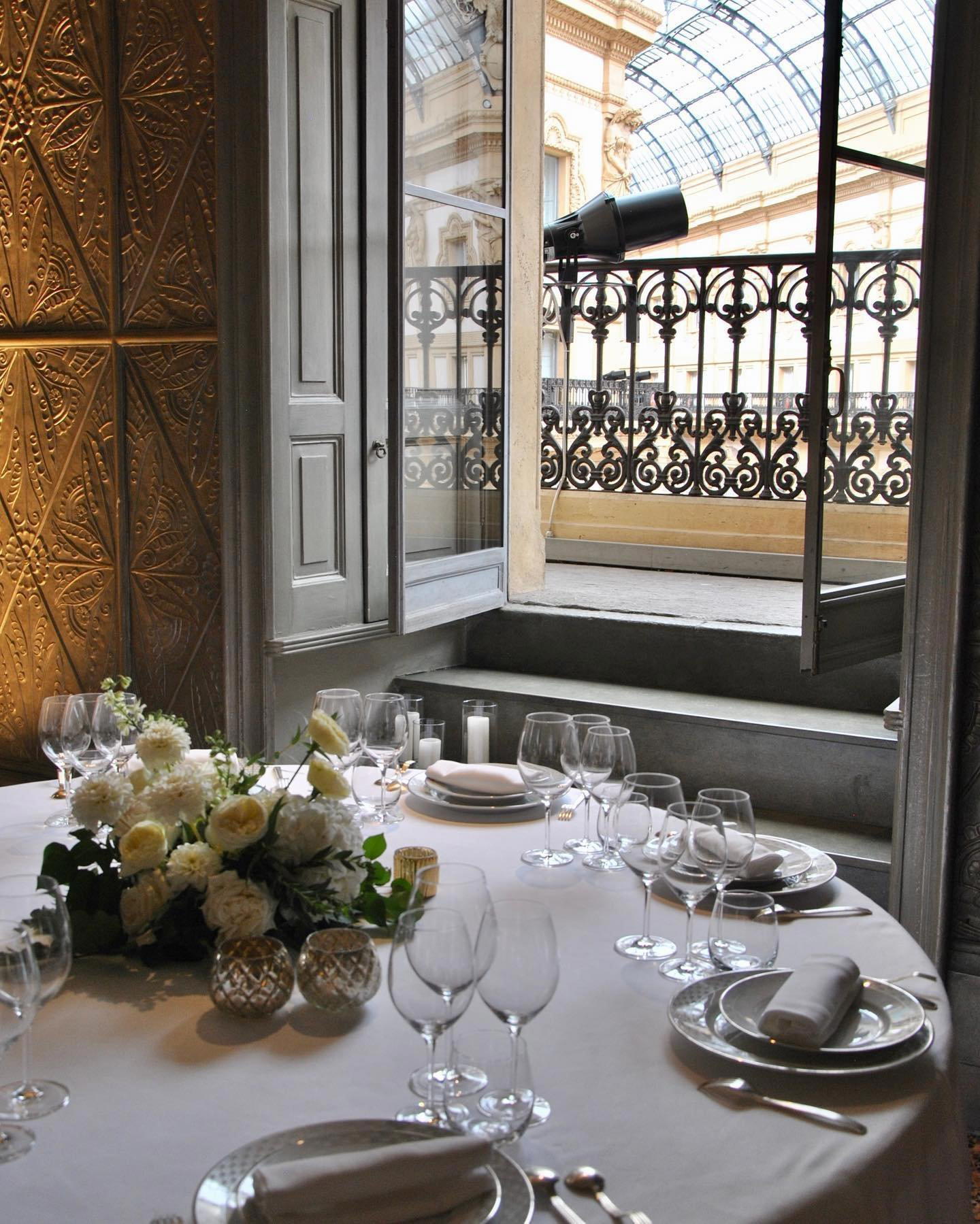
The food and beverage program at Hotel Viu Milan carries award-winning credentials, and in the context of Milan's hotel dining scene, that is a meaningful distinction. Milan's restaurant culture is serious enough that hotel dining is routinely compared to the city's standalone restaurant offer, a comparison that most hotel kitchens lose badly. The ones that hold up tend to do so because they operate with the same sourcing and technique discipline as destination restaurants rather than defaulting to safe, crowd-pleasing formats.
Hotel Viu sits within that smaller, more demanding tier of hotel dining. For context, compare this to the approach taken at Portrait Milano, where the food and beverage offer is deliberately restrained and intimate, or the considerable resources deployed by the Mandarin Oriental Milan in its culinary program. Hotel Viu occupies its own position in that map: design-forward, rooftop-led, with a kitchen that has been recognised critically rather than simply described enthusiastically by the hotel's own communications.
Design Commitment and the Green Credentials
Sustainability in luxury hospitality has moved from differentiator to expectation over the past five years, but the execution gap between stated ambition and architectural reality remains considerable. Hotel Viu's green tower is not a retrofit or a carbon-offset purchase; it is built into the physical form of the building in a way that is visible from the street. That matters because it signals a level of commitment that pre-dates the period when sustainability became a marketing requirement rather than a design decision.
In Italy more broadly, the hotel properties that have made genuine environmental commitments tend to be either rural estate conversions, where the land itself frames the project, or new-build urban properties that had the architectural freedom to integrate those commitments from the ground up. Castello di Reschio in Lisciano Niccone and Casa Maria Luigia in Modena represent the rural end of that spectrum. Hotel Viu makes the urban case.
Neighbourhood and Positioning Within Milan
Porta Volta sits northwest of the Brera district, close enough to Milan's gallery and showroom concentration to feel connected to that world, but removed from the tourist density around the Duomo and Via Monte Napoleone. That positioning attracts a guest profile that is comfortable navigating the city rather than requiring the hotel to provide direct access to landmarks. It is a subtle but reliable indicator of the property's intended audience.
The neighbourhood itself has been shifting for several years, with creative industry tenants and design studios taking space in a zone that was previously more industrial. Hotel Viu arrived in that context and, to some degree, reinforced it. Properties that locate themselves ahead of neighbourhood inflection points rather than following established prestige addresses tend to attract guests who read cities the same way.
For comparison, the Vico Milano and the 3Rooms 10 Corso Como take a similar approach to neighbourhood positioning. The 10 Corso Como Café nearby has long anchored that creative north-of-Brera zone, giving Hotel Viu a natural cultural context that older, more central properties cannot replicate.
Cuisine Lens
Comparable venues nearby, for context on price, style, and recognition.
| Venue | Cuisine | Price | Awards | Notes |
|---|---|---|---|---|
| Hotel Viu MilanThis venue — the venue you are viewing | Contemporary luxury design hotel with award-winning architectural vision by Nicola Gallizia, emphasizing cutting-edge design and functionality fused with Milanese elegance. | $$$$ | 5-Star | Not listed |
| The Plein Hotel | Bold designer luxury embodying Philipp Plein's defiant take on Milanese hospitality. | $$$$ | 5-Star | Brera |
| Sina The Gray | Boutique design hotel with Art Nouveau exterior blending modern ethnic luxury. | $$$$ | 5-Star | Duomo |
| The Carlton | Modern homage to a well-known name with midcentury roots, blending heritage and contemporary design through references to Milanese design giants and 1930s rationalist architecture. | $$$$ | 5-Star | Quadrilatero della Moda (Fashion District) |
| Casa Baglioni Milan | Luxury boutique hotel inspired by 1960s Milan with Italian craftsmanship. | $$$$ | 5-Star | Brera |
| Radisson Collection Hotel, Palazzo Touring Club Milan | Luxury historic palazzo with modern renovations preserving Art Nouveau charm. | $$$$ | 5-Star | Duomo |
Recognition history
Dated appearances from independent guides and award organizations, with the underlying list record or original source where available.
Design Hotels Member
Design Hotels
Mr & Mrs Smith Smith Seal of Approval
Mr & Mrs Smith
Michelin Selected
Michelin
Continue exploring
More in Milan
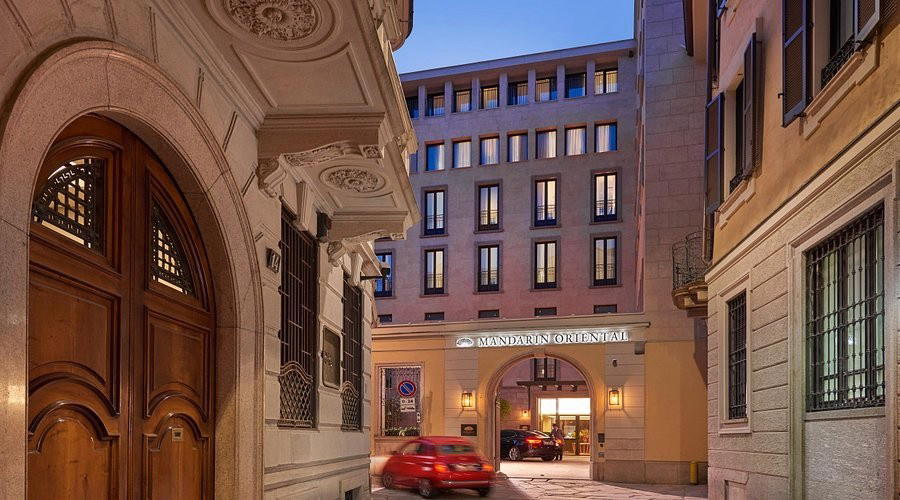
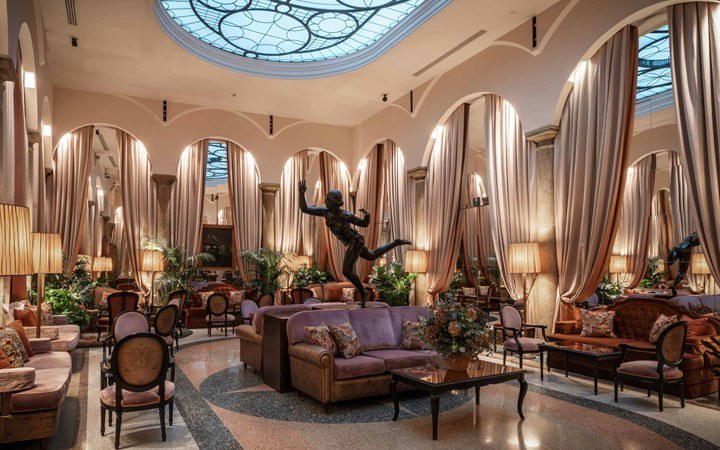
Hotels in Milan
Browse all →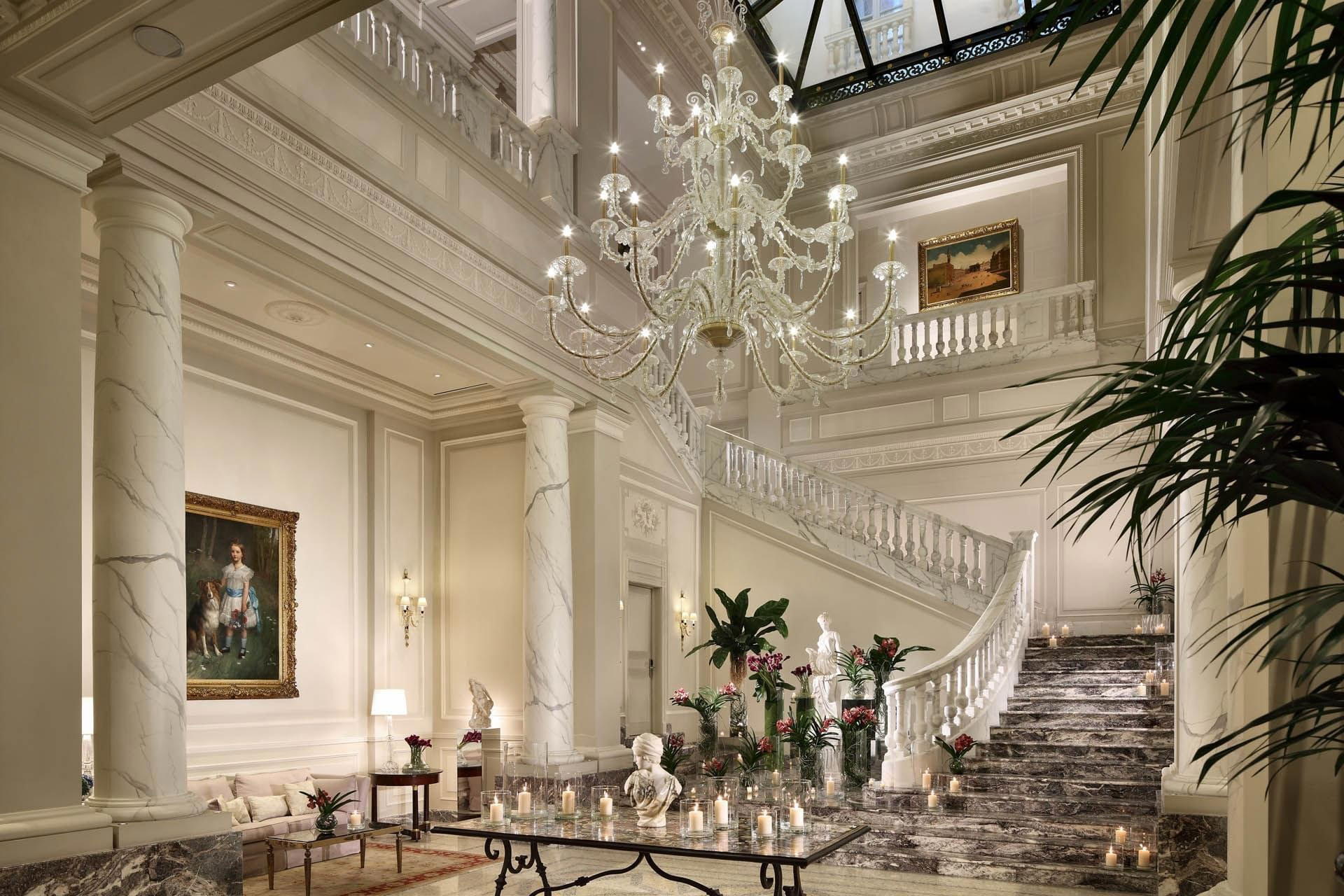
Bars in Milan
Browse all →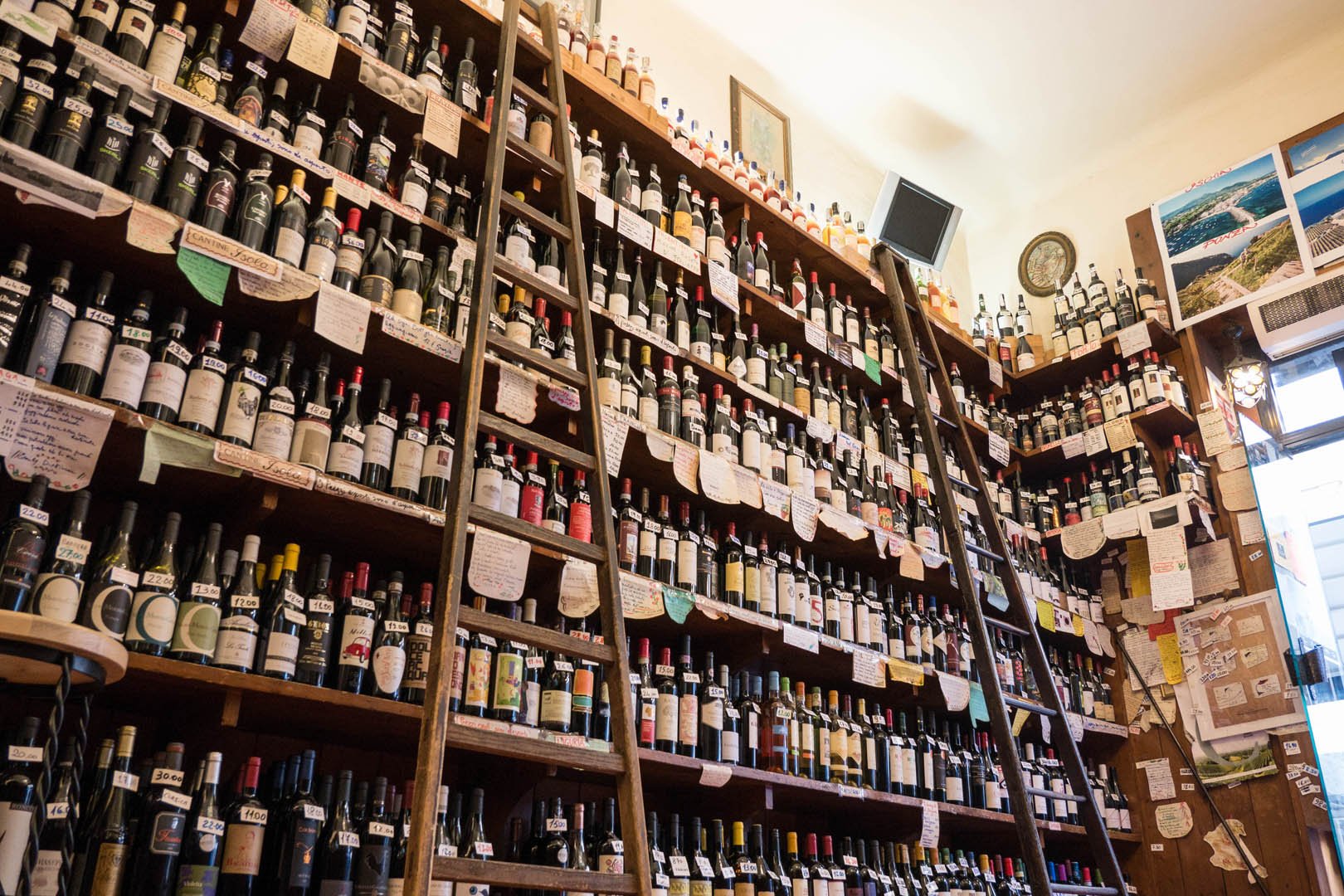
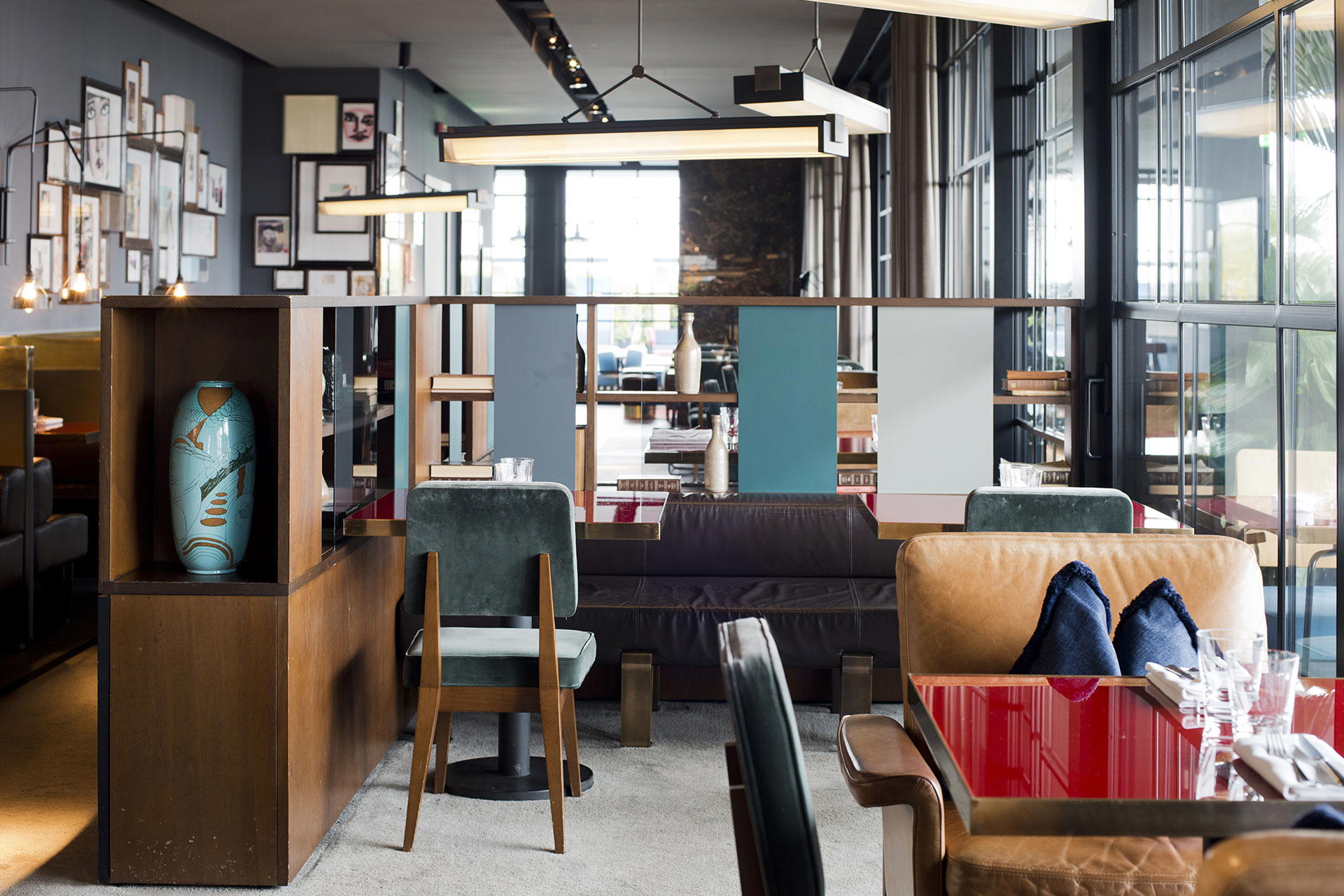
Restaurants in Milan
Browse all →
At a Glance
- Modern
- Elegant
- Sophisticated
- Trendy
- Romantic Getaway
- Business Trip
- Weekend Escape
- Celebration
- Rooftop Pool
- Panoramic View
- Design Destination
- Terrace
- Destination Spa
- Wi Fi
- Rooftop Pool
- Spa
- Fitness Center
- Room Service
- Concierge
- Restaurant
- Bar
- Valet Parking
- EV Charging
- Sauna
- Skyline
- Wi Fi
- Rooftop Pool
- Spa
- Fitness Center
- Room Service
- Concierge
- Restaurant
- Bar
- Valet Parking
- EV Charging
- Sauna
Modern, sleek, and sophisticated with contemporary design throughout. Bright, airy spaces with designer furnishings and marble bathrooms. The rooftop pool area offers an open, luminous atmosphere with panoramic city views.