Inhabit Southwick Street


Inhabit Southwick Street occupies a quiet residential address in Tyburnia, W2, where Scandinavian-inflected design and a Californian wellness menu at Yeotown restaurant signal a deliberate pivot away from grand-hotel convention. The property positions itself around daily well-being practices rather than traditional luxury amenities, making it one of London's more coherent wellness-focused stays outside the major hotel groups.
Pearl is the En Primeur Club membership app — saves, bookings, and concierge access live there. Same editors, same standards.
- Address
- 25 - 27 Southwick St, Tyburnia, London W2 1JQ, United Kingdom
- Phone
- +44 20 7723 7723
- Website
- marriott.com
- Directions
- Get directions
 Saves & bookings on Pearl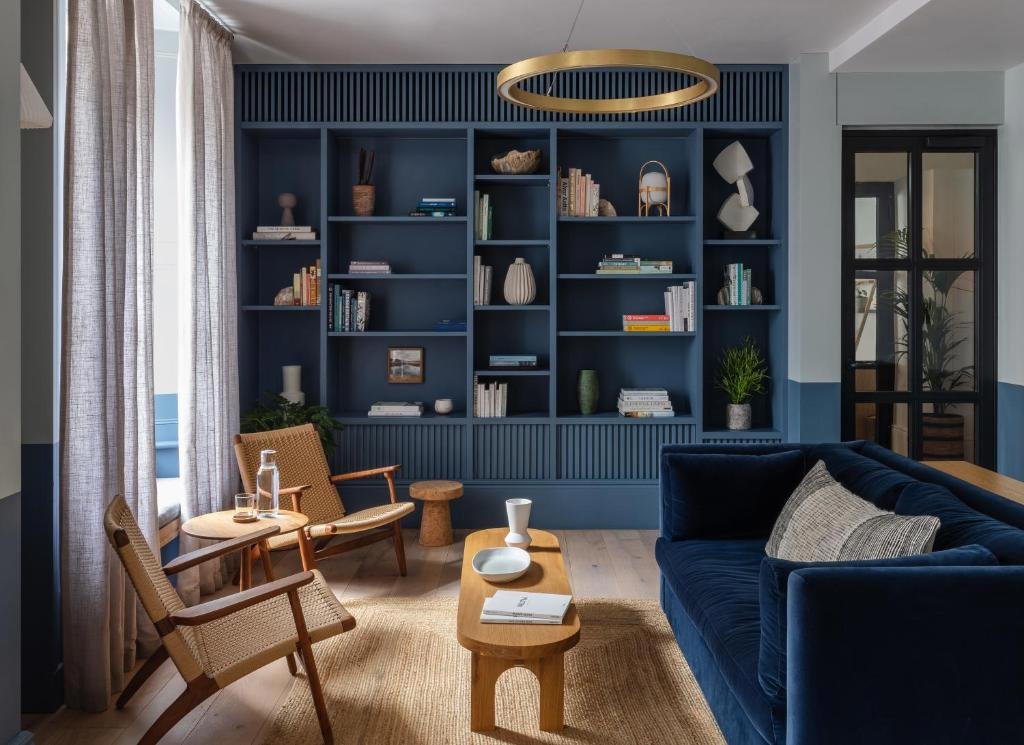
A Different Register of London Hospitality
London's independent hotel sector has been dividing along clear lines. On one side sit the grand-address institutions: Claridge's, The Connaught, The Savoy. On the other, a smaller cohort of design-led independents that read the shift toward wellness-oriented travel and built around it rather than retrofitting a spa floor into a heritage building. Inhabit Southwick Street, at 25–27 Southwick Street in Tyburnia just north of Hyde Park, sits in that second camp. The address is deliberately quiet: a white-stucco residential street rather than a statement boulevard, which tells you something about the property's priorities before you've stepped through the door.
Tyburnia itself is one of those London neighbourhoods that sits between better-known postcodes without quite belonging to any of them. It borders Paddington to the north and Bayswater to the west, close enough to Hyde Park's northern edge to feel removed from central London's density, but still within easy reach of the wider city. For a wellness-led property, the location has a certain internal logic: the park is walkable, the street is calm, and the architecture of the surrounding squares keeps the pace measured.
The Wellness Frame: What It Actually Means Here
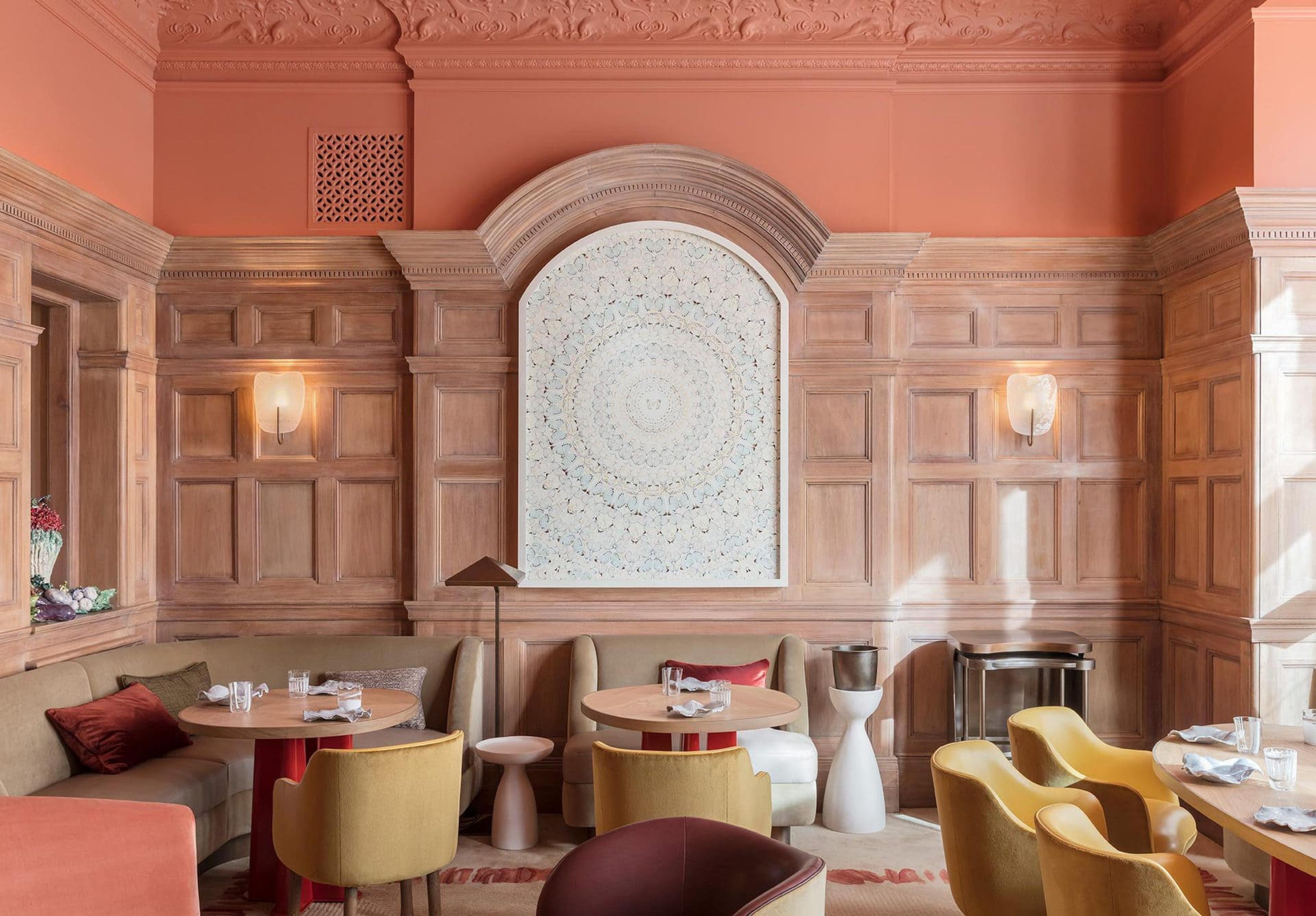
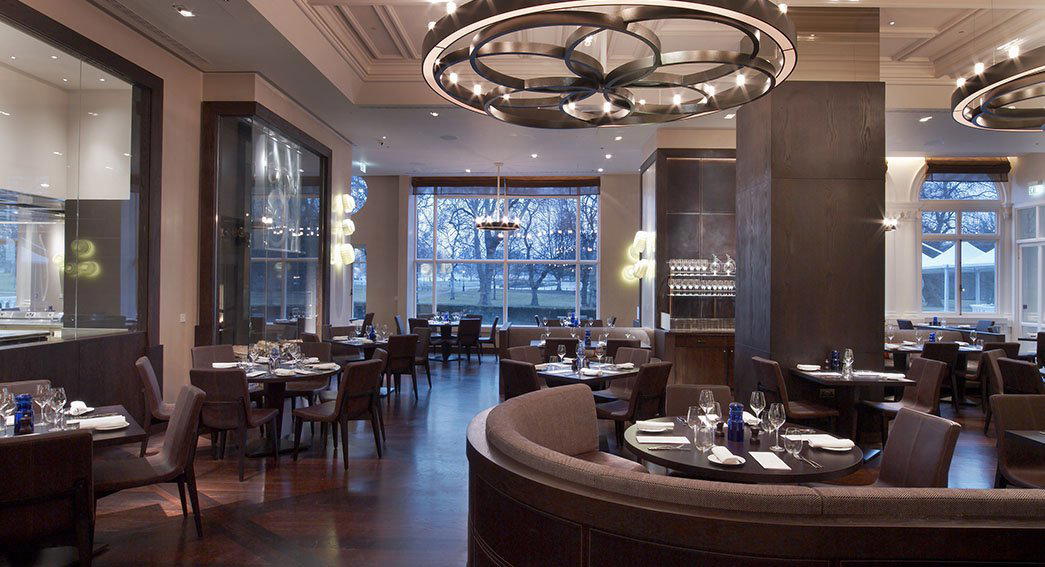
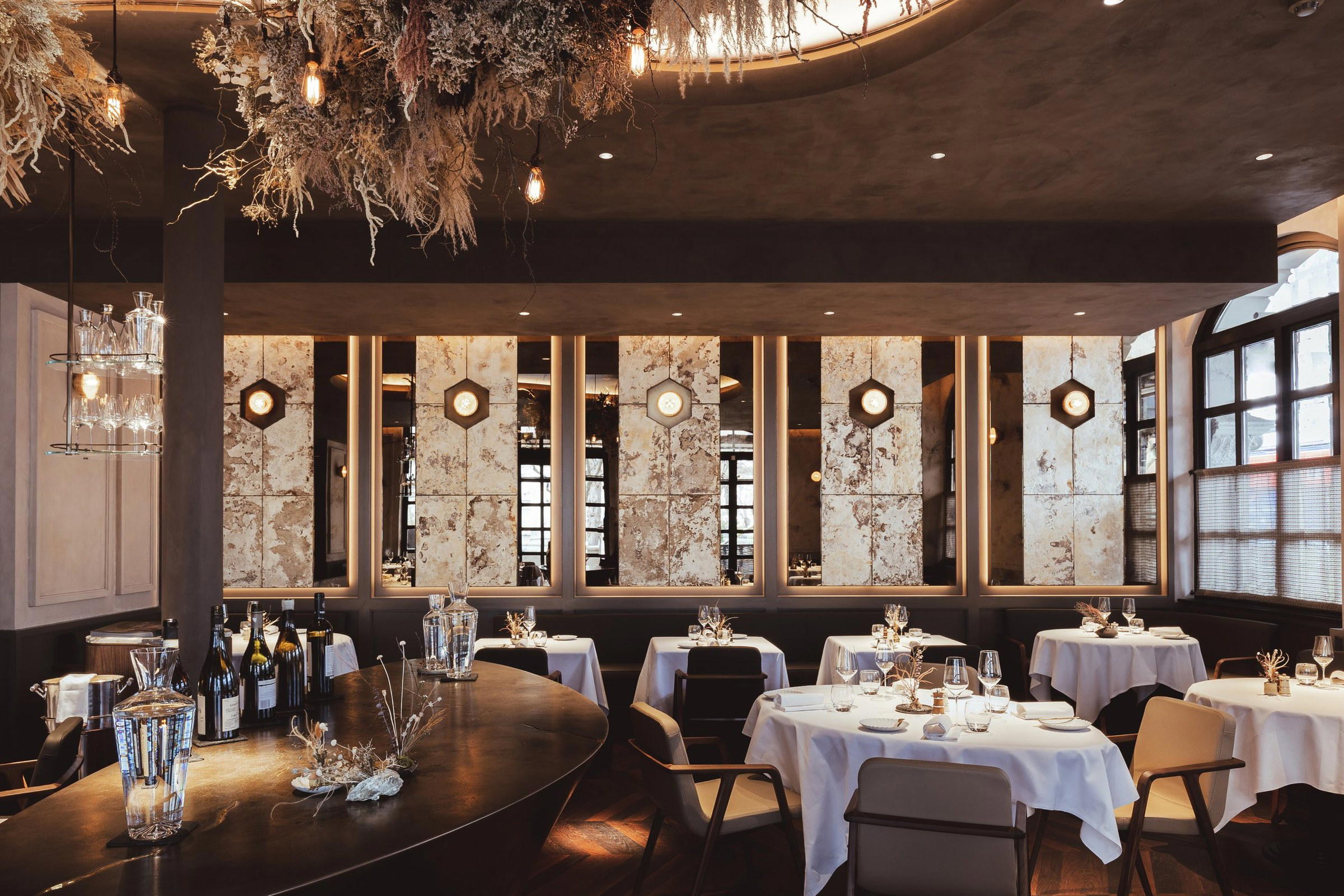
The phrase 'wellness hotel' has been applied so broadly in London that it has lost most of its distinguishing weight. What separates properties that have built around well-being as a structural principle from those that have added a treatment menu and some lemon water is design coherence and dining conviction. At Inhabit Southwick Street, the commitment shows up in two specific places: the Scandinavian-influenced interior design, which uses restraint and natural material logic to create an environment that does not feel stimulating in the way most city-centre hotels do, and the Yeotown restaurant, whose Californian-inflected menu operates inside the property's broader wellness brief rather than as a separate commercial offering.
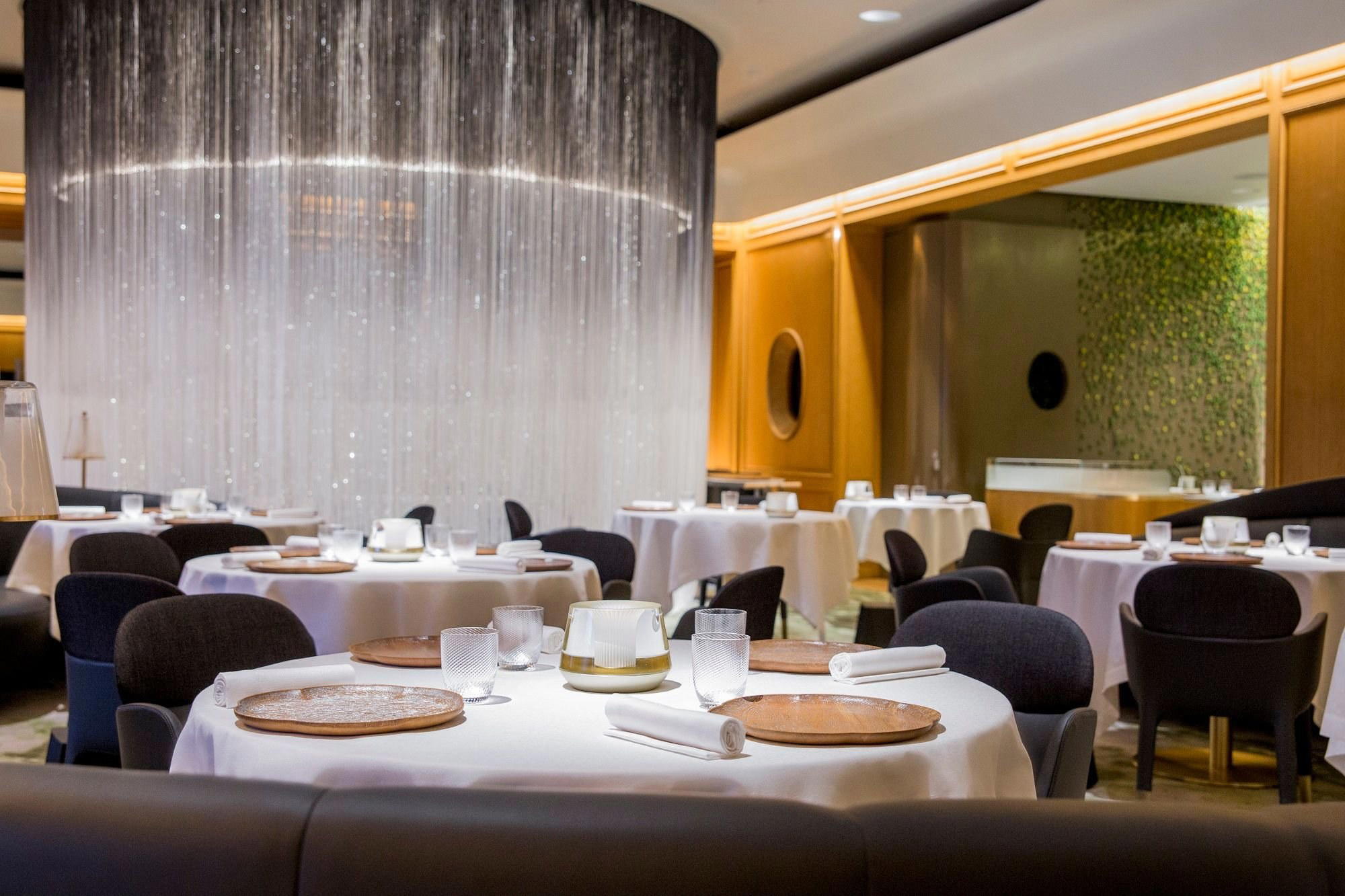
Yeotown as a restaurant concept draws from the Californian school of ingredient-led cooking: lighter preparations, produce as the organising principle, an awareness of how food connects to energy and recovery. That sensibility, transplanted to a West London hotel dining room, places Yeotown in a distinct niche. Compare it against the dining approach at NoMad London or Raffles London at The OWO, and the difference in intent is clear: those properties use their restaurants as destination spaces with their own gravity; Yeotown is integrated into the stay's health arc rather than operating as a separate attraction.
Sustainability as Operating Logic, Not Marketing Position
The sustainability credentials of a property are most legible in the choices that do not appear in press releases. At Inhabit Southwick Street, the Scandinavian design vocabulary is relevant here beyond aesthetics: Scandinavian interior practice has a longer tradition of material honesty, longevity of objects, and low-environmental-footprint specification than the decorative excess that characterises many London luxury interiors. When natural materials are chosen for their durability and tactility rather than their cost signal, that reflects a different procurement logic.
The Californian menu at Yeotown carries its own sustainability implications. California's leadership in ethical sourcing, plant-forward menus, and reduced-waste kitchen practice has been well-documented over two decades, and a hotel that anchors its dining to that tradition is aligning with a kitchen philosophy that treats environmental consciousness as method rather than marketing. For a London property operating in the increasingly crowded wellness-hotel tier, that alignment is a differentiator with genuine content: it affects what arrives on the plate, how the kitchen is run, and which suppliers the property is likely to prioritise.
This is a conversation happening across the British hotel sector. Properties like Lime Wood in Lyndhurst and The Newt in Somerset have built sustainability into their rural estate models, with kitchen gardens and hyper-local supply chains that are geographically easier to execute than in central London. An urban property making the same commitments faces a harder logistical brief, which makes the choices more deliberate when they happen.
Placing Inhabit in the London Independent Set
London's wellness-focused independents occupy a different market position than the grand-hotel cohort. Properties like 1 Hotel Mayfair have demonstrated that environmental commitment and premium pricing can coexist in the London market, and that there is a specific traveller who actively seeks a stay organised around those values rather than traditional luxury signals. Inhabit Southwick Street operates in that same general territory but at a quieter address and with a more residential scale.
Against the larger wellness-and-luxury hotels, Inhabit's Tyburnia location and independent status give it a different character. There are no corporate wellness programs, no flagship spa infrastructure in the mode of The Emory, and no grand public spaces. What the property offers instead is a coherent framework: a design environment that actively supports rest, and a restaurant that takes the dietary dimension of wellness seriously. For travellers whose priority is a quiet, principled base in west London rather than a full-service luxury address, that framework is the point.
The same wellness-travel logic that has produced strong independent properties in other UK cities, from Hope Street Hotel in Liverpool to King Street Townhouse Hotel in Manchester, suggests that the appetite for considered, character-led stays exists well beyond London. But the capital remains the primary market, and Inhabit's position in W2 puts it within the orbit of Hyde Park, Notting Hill, and Paddington's transport connections while keeping a deliberate distance from the hotel-district density of Mayfair and Belgravia. For international travellers arriving through Paddington via Heathrow Express, the location also has practical logic that larger west London properties have long traded on.
Practical Notes for Planning a Stay
Inhabit Southwick Street sits at 25–27 Southwick Street, W2 1JQ, in Tyburnia, a short walk from Hyde Park's northern perimeter and close to Paddington station for Heathrow Express connections. Given the property's wellness orientation, it is worth considering the visit as part of a broader London itinerary that builds in park access and allows the dining programme at Yeotown to function as intended, rather than as a stopover between packed social commitments. Booking directly with the property is advisable, as wellness-focused independents of this scale typically offer better-value room inclusions through their own channels. For those building a broader UK trip with the same values orientation, companion properties worth considering include Estelle Manor in North Leigh and Gleneagles in Auchterarder. Our full London restaurants guide covers the wider dining context for the area if you plan to eat beyond the hotel.
Cuisine and Recognition
| Venue | Cuisine |
|---|---|
| Inhabit Southwick StreetThis venue — the venue you are viewing | This venue |
| Raffles London at The OWO | World's 50 Best |
| The Connaught | World's 50 Best |
Recognition history
Dated appearances from independent guides and award organizations, with the underlying list record or original source where available.
Design Hotels Member
Design Hotels
Michelin Selected
Michelin
Continue exploring
More in London
Hotels in London
Browse all →
Bars in London
Browse all →
Restaurants in London
Browse all →


At a Glance
- Quiet
- Modern
- Cozy
- Elegant
- Minimalist
- Sophisticated
- Wellness Retreat
- Romantic Getaway
- Business Trip
- Weekend Escape
- Historic Building
- Wi Fi
- Spa
- Fitness Center
- Sauna
- Restaurant
- Concierge
- Room Service
- Wi Fi
- Spa
- Fitness Center
- Sauna
- Restaurant
- Concierge
- Room Service
Tranquil and restorative atmosphere with soothing color palettes, calming art, peaceful library, soundproofed rooms, and bespoke aromatherapy scents.
Know Before You Go
- Getting there
- 25 - 27 Southwick St, Tyburnia, London W2 1JQ, United Kingdom