Vintry and Mercer

Selected by the Michelin Guide for hotels in 2025, Vintry and Mercer occupies a converted City of London building on Garlick Hill, where the neighbourhood's medieval merchant history and contemporary design meet at a sensible remove from the West End's more theatrical luxury tier. For business travellers and City visitors who want considered comfort without the fanfare, it earns its place in a tightly curated shortlist.
Pearl is the En Primeur Club membership app — saves, bookings, and concierge access live there. Same editors, same standards.
- Address
- 19-20 Garlick Hill, London EC4V 2AU, United Kingdom
- Phone
- +44 20 3908 8088
- Website
- vintryandmercer.com
- Directions
- Get directions
 Saves & bookings on Pearl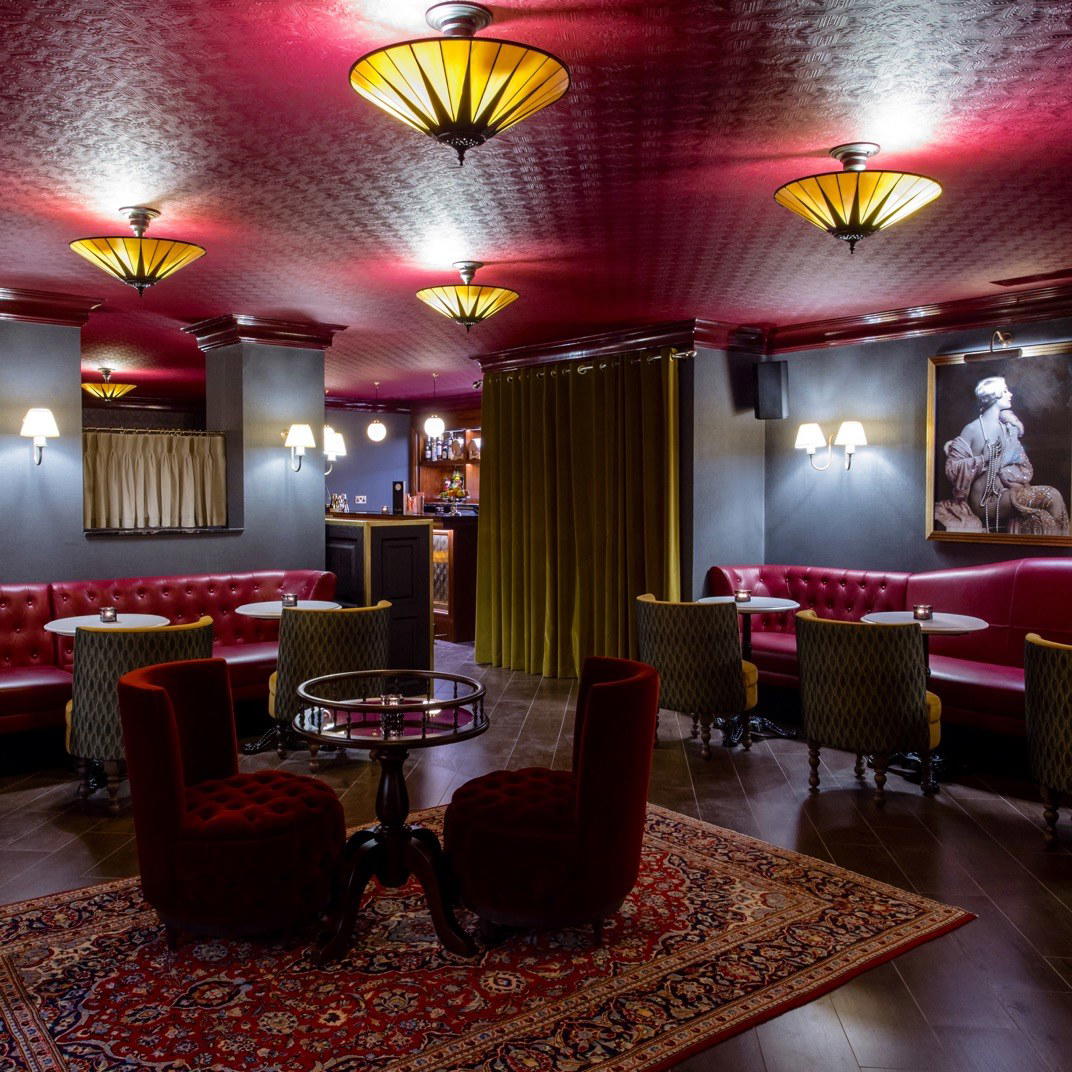
The City's Quieter Case for Considered Luxury
London's luxury hotel conversation defaults, almost reflexively, to the West End: Claridge's in Mayfair, The Connaught on Carlos Place, The Savoy on the Strand. But the Square Mile has been assembling its own hospitality infrastructure for over a decade, serving a different kind of traveller: one arriving for finance, law, or creative industries rooted in EC4, who would rather walk to a meeting than spend thirty minutes in a taxi from Knightsbridge. Vintry and Mercer, on Garlick Hill in the shadow of St. James Garlickhythe, belongs to that City cohort and is selected in the Michelin Guide for hotels in 2025.
Garlick Hill sits within one of the City's oldest commercial corridors. The street names here, Vintry, Mercer, reference the medieval livery companies that traded wine and textiles from these blocks for centuries. A hotel that draws on that etymology is making a deliberate architectural statement: that the building's history belongs in the experience, not behind a heritage plaque. That framing matters when assessing what kind of stay Vintry and Mercer is selling, and how it differentiates itself from the international-brand properties that have arrived in the City in recent years.
Where the City's Hotel Tier Has Moved
For most of the twentieth century, the Square Mile was a place people worked, not a place they stayed. The hotel infrastructure was largely functional: serviced apartments, airport-transit chains, a few business-class brands near Liverpool Street. That has shifted considerably. Properties like Raffles London at The OWO on Whitehall represent the flagship-international end of London's recent luxury expansion. NoMad London in Covent Garden signals the design-led American brand approach. Vintry and Mercer operates in a different register: independent in character, architecturally specific, and aimed at a guest who already knows the City rather than one who needs an introduction to London.
That positioning creates a distinct comparable set. Rather than competing with Mayfair palace hotels on spectacle, the relevant comparison is with a handful of properties where the building and its location carry the argument, properties like Estelle Manor in North Leigh in its regional context, or the character-led approach found at 11 Cadogan Gardens in Chelsea. Scale is smaller, the design language is more interior-led than landmark-led, and the Michelin Guide selection for 2025 confirms that the guest experience meets a threshold of consistency and quality that separates it from the merely comfortable.
The Sustainability Argument in City Hospitality
The Square Mile presents a specific challenge for hotels that want to make environmental commitments credible rather than cosmetic. The area has relatively few green spaces, supply chains are densely urban, and the dominant guest profile, business travel, short stays, high room turnover, is not naturally aligned with the slow, low-impact rhythms that sustainability programmes depend on. Properties that do this well in the City tend to work on procurement and building operation rather than theatrical gestures: sourcing within shorter supply chains, managing energy use in a dense built environment, and choosing materials and fit-out approaches that have a measurable footprint reduction over time.
The heritage conversion model that hotel represents is, structurally, one of the more defensible sustainability positions in urban hospitality. Adapting an existing City building rather than constructing new avoids the embodied carbon of ground-up development, a consideration that carries increasing weight as the hotel industry's Scope 3 emissions come under scrutiny. In dense urban environments, particularly environmentally efficient hotel is often the one that repurposes what already exists. It is worth comparing this model against the new-build footprint of larger London projects, including the international-brand expansions that have reshaped areas like Belgravia and Nine Elms in the same period.
London's hotel sector is also at an interesting moment on food sourcing. Properties in the 1 Hotel Mayfair vein have made sustainability positioning a defining brand characteristic, with explicit sourcing frameworks and waste-reduction metrics published as part of their guest communication. The City tier, operating with less brand infrastructure behind it, tends to make those choices more quietly, but they still register in the Michelin selection process, which has increasingly incorporated sustainability as a factor in hotel assessments alongside the traditional criteria of service and comfort.
Getting There and Booking Practically
Garlick Hill is a short walk from Mansion House on the District and Circle lines, and from Blackfriars on the Thameslink and City Thameslink routes, making the location practical for guests arriving from St Pancras, Gatwick, or the wider rail network without requiring a cab or a lengthy Underground journey. For those coming from Heathrow, Paddington connects to Blackfriars directly via the Elizabeth line, putting the hotel within a single fast transit arc from the airport, a logistical convenience the West End properties cannot always match. Visiting the Tate Modern, the Globe, or Bankside's restaurant cluster is also direct on foot across Southwark Bridge.
Given its City location, the hotel should be treated as a property where rooms at preferred rates book out during peak City periods, particularly during conference season and the autumn transatlantic business travel window.
For travellers extending beyond London, the City's connectivity makes it a practical base for rail access to properties across the UK. The Newt in Somerset in Castle Cary is reachable from Paddington in under two hours. Gleneagles in Auchterarder and The Rutland in Edinburgh are on the East Coast Main Line from King's Cross. Lime Wood in Lyndhurst connects via Waterloo. International extensions to Badrutt's Palace Hotel in St. Moritz or Hôtel de Paris Monte-Carlo in Monte Carlo can be anchored at Heathrow, reachable within the same City transit arc.
A Quick Peer Check
Comparable venues nearby, for context on price, style, and recognition.
| Venue | Cuisine | Price | Awards | Notes |
|---|---|---|---|---|
| Vintry and MercerThis venue — the venue you are viewing | Modern luxury boutique hotel with heritage inspiration, celebrating London's trading past through contemporary design and bespoke furnishings. | $$$$ | 5-Star | Not listed |
| The Franklin London - Starhotels Collezione | Victorian townhouses refurbished as luxury boutique with Italian residential feel. | $$$$ | 5-Star | Knightsbridge |
| Sanderson | Boutique design hotel in historic modernist building | $$$$ | 5-Star | Fitzrovia |
| Sea Containers London | Riverside lifestyle hotel with cruise liner glamour. | $$$$ | 5-Star | Bankside |
| The Soho Hotel | Contemporary luxury neighborhood hotel inspired by Soho's creative spirit. | $$$$ | 5-Star | Soho |
| JW Marriott Grosvenor House London | Historic luxury landmark in Mayfair with modern upgrades | $$$$ | 5-Star | Mayfair |
Recognition history
Dated appearances from independent guides and award organizations, with the underlying list record or original source where available.
Michelin Selected
Michelin
Continue exploring
More in London
Hotels in London
Browse all →
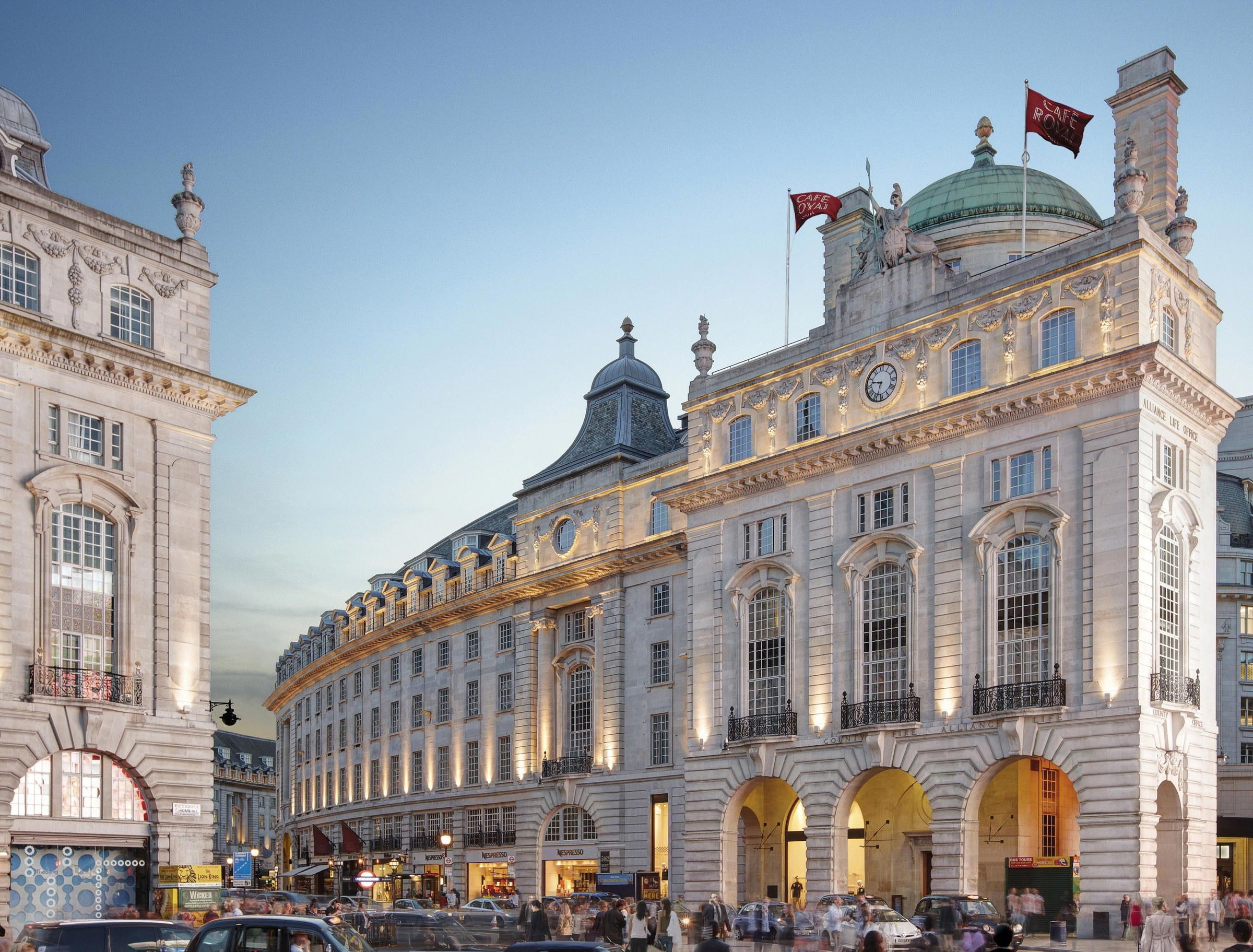
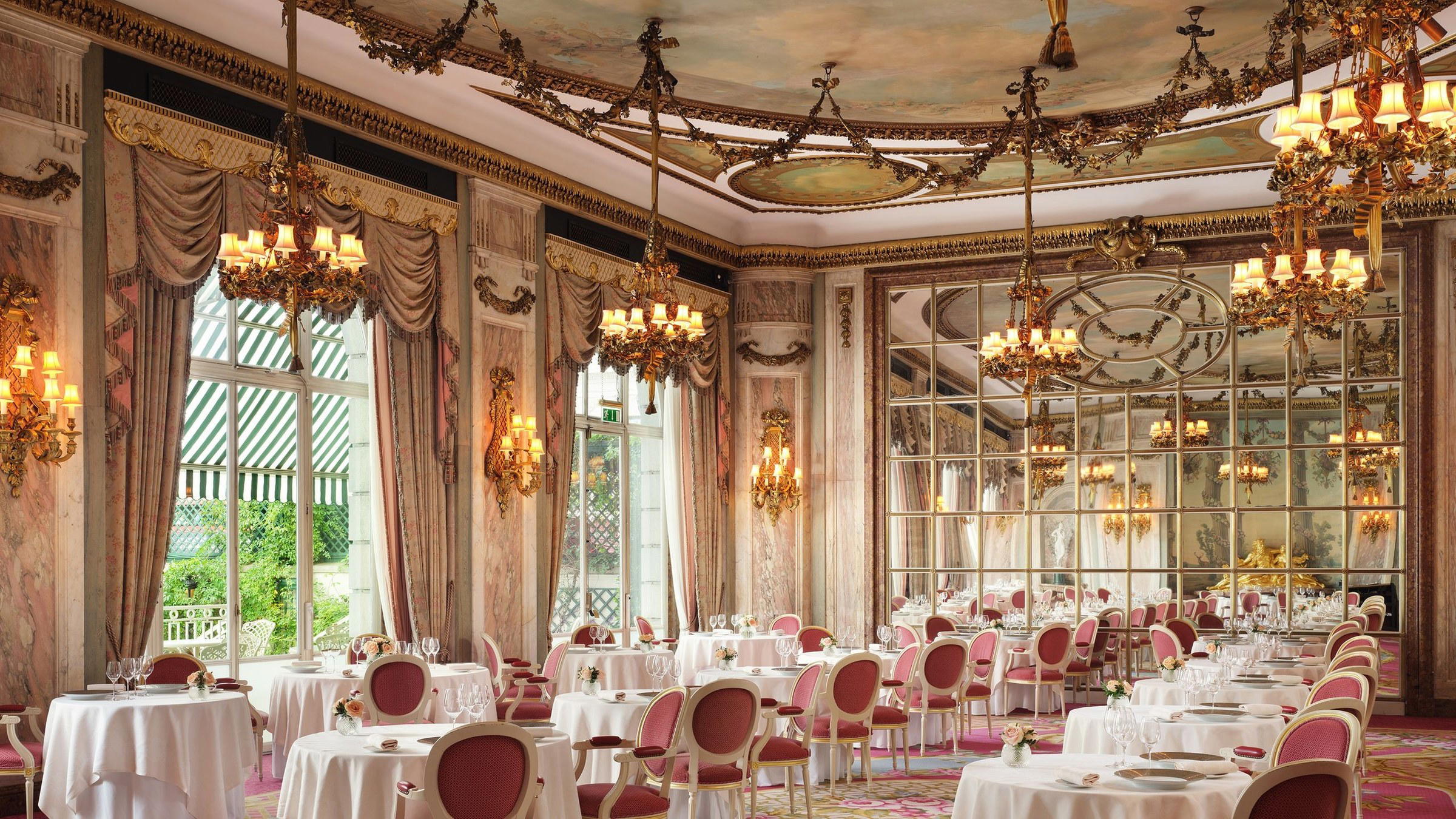
Bars in London
Browse all →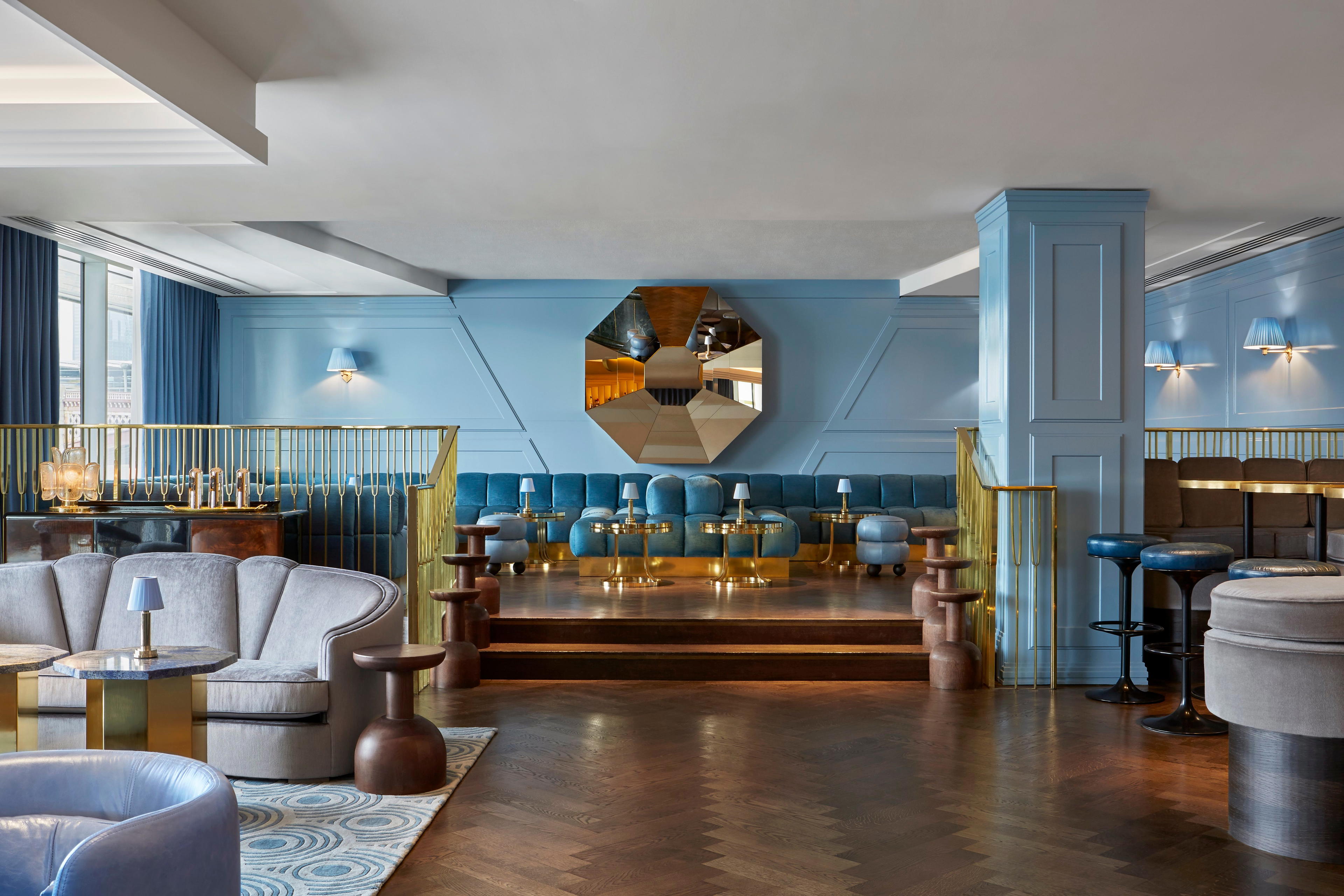
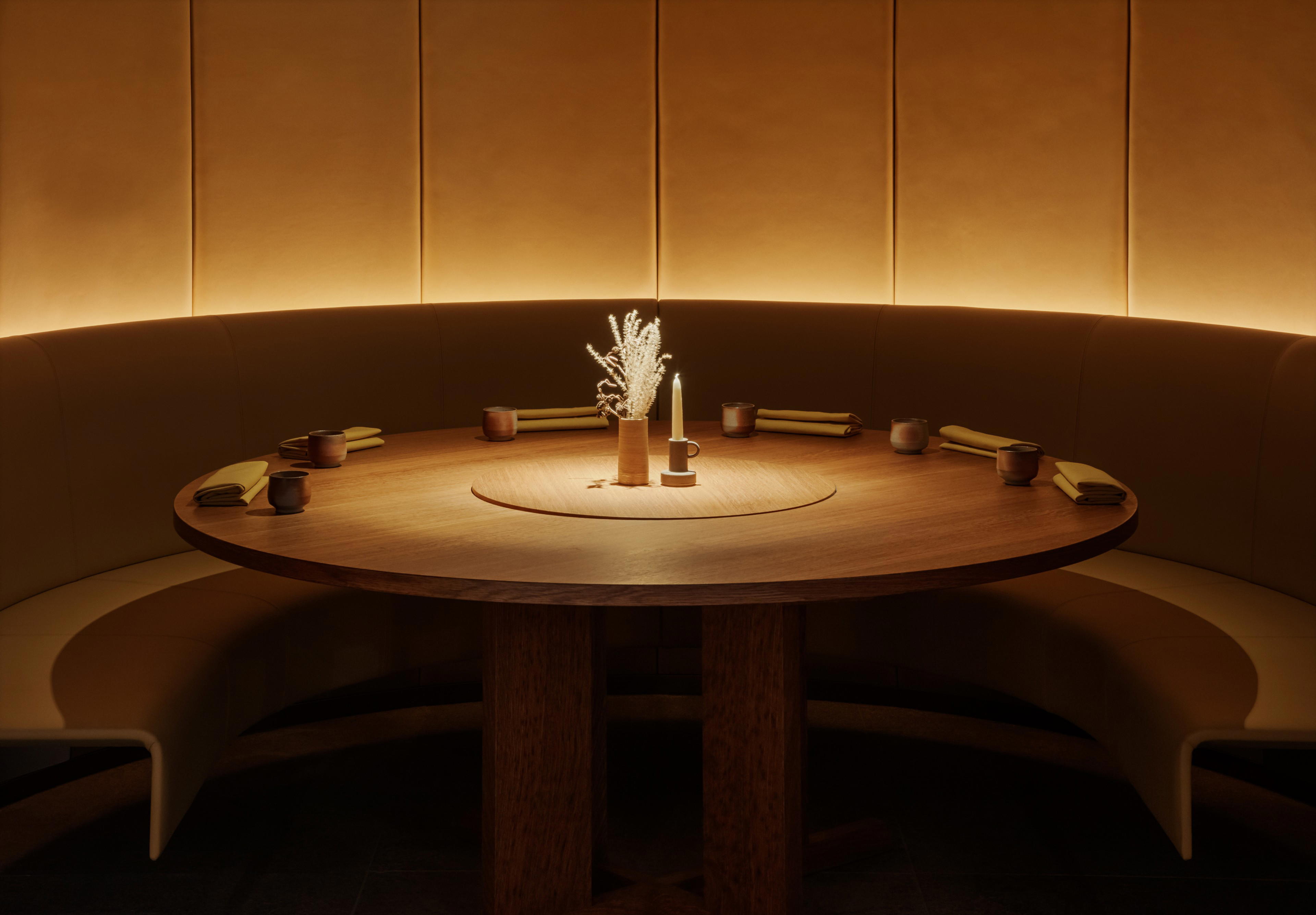
Restaurants in London
Browse all →
Wineries in London
Browse all →
At a Glance
- Modern
- Sophisticated
- Elegant
- Historic
- Business Trip
- Romantic Getaway
- Weekend Escape
- Historic Building
- Design Destination
- Panoramic View
- Private Dining
- Wi Fi
- Fitness Center
- Room Service
- Concierge
- Restaurant
- Bar
- Skyline
- Street Scene
- Wi Fi
- Fitness Center
- Room Service
- Concierge
- Restaurant
- Bar
Modern luxury with historic character, featuring contemporary design elements paired with antique-inspired details, warm lighting from custom velvet furnishings, and sophisticated yet welcoming spaces throughout.