Hotel Oculto

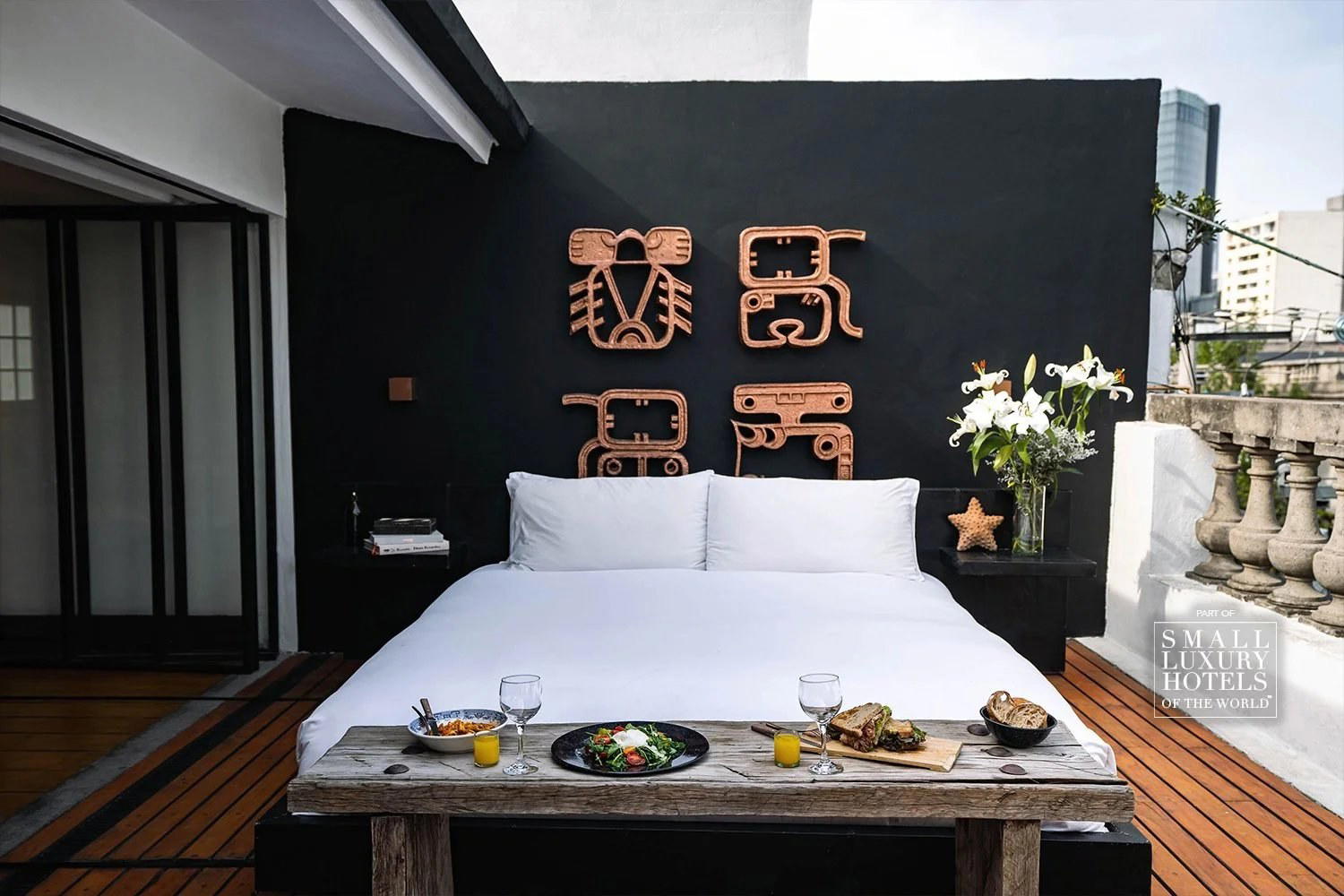
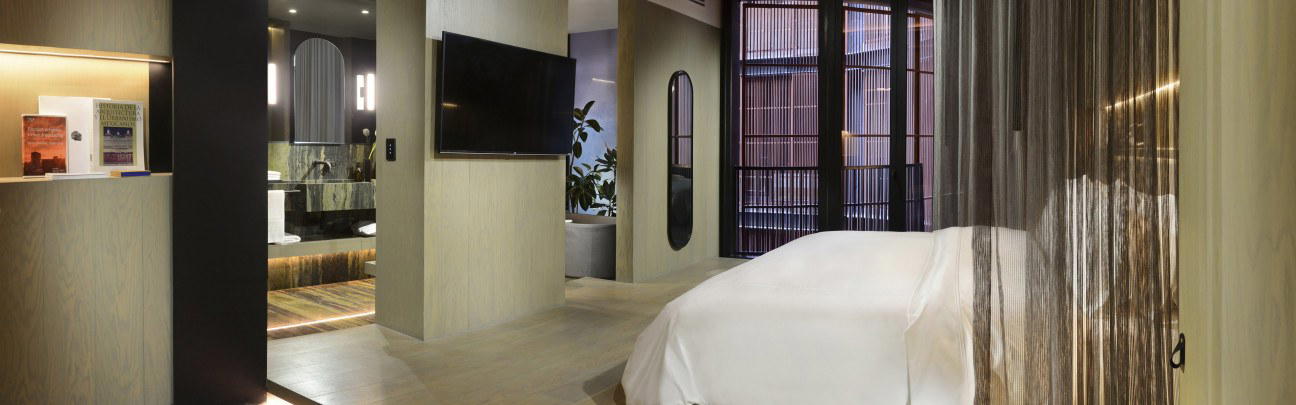
Hotel Oculto occupies a distinct position in Mexico City's boutique hospitality tier, where design-led properties with limited keys draw a traveller more interested in neighbourhood immersion than branded scale. Set within one of the world's most architecturally layered capitals, it sits alongside a small cohort of independent hotels that compete on character and context rather than points programs and lobby spectacle.
Pearl is the En Primeur Club membership app — saves, bookings, and concierge access live there. Same editors, same standards.
- Address
- C. Versalles 80, Juárez, Cuauhtémoc, 06600 Ciudad de México, CDMX, Mexico
- Phone
- +52 56 5668 1022
- Website
- hoteloculto.com
- Directions
- Get directions
 Saves & bookings on Pearl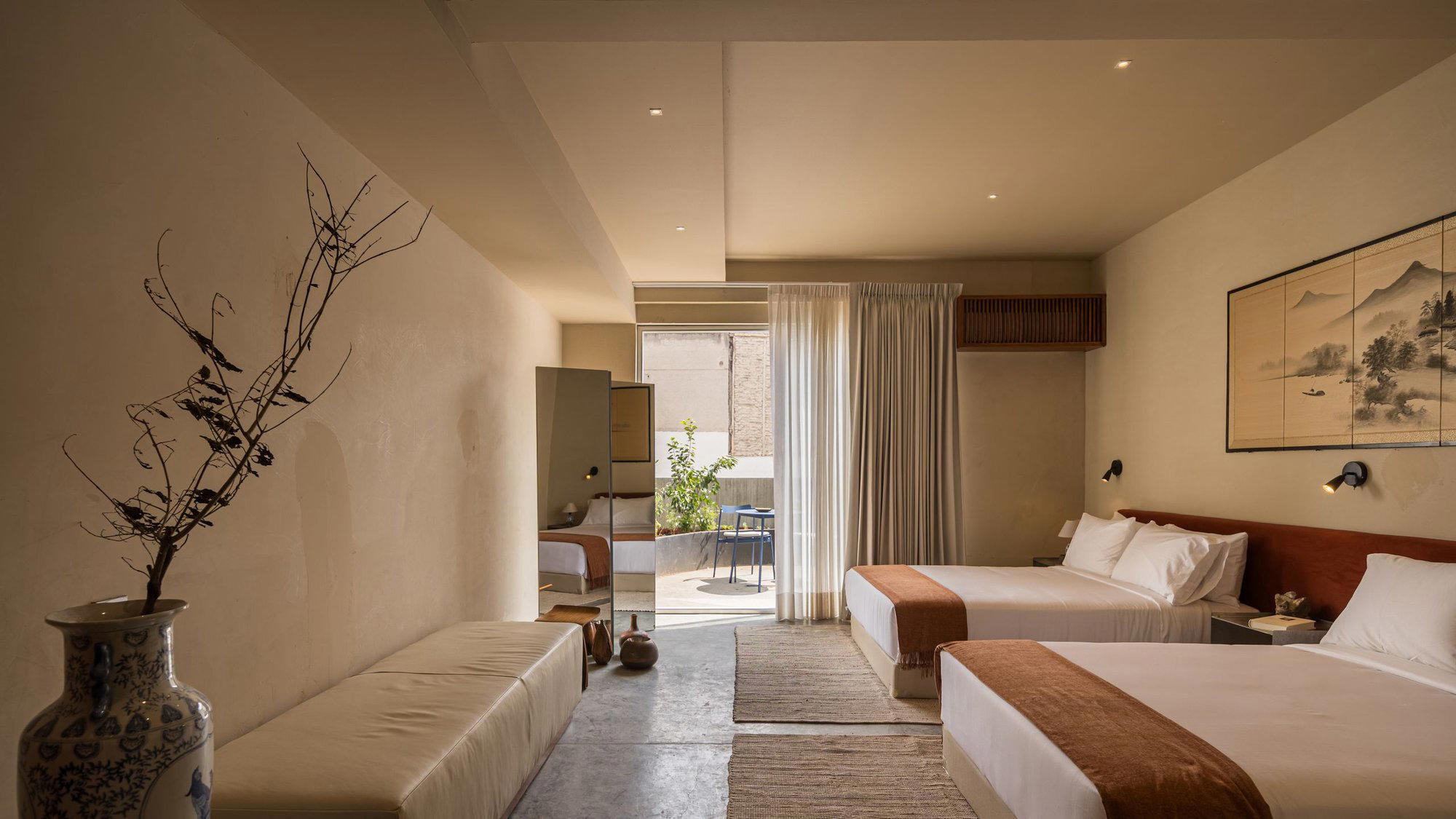
Where Mexico City's Boutique Hotel Tier Earns Its Reputation
Mexico City's premium accommodation market has fractured in a way that most major capitals eventually do. On one side, the Paseo de la Reforma corridor runs its predictable international grid: Andaz Mexico City Condesa, the Four Seasons, the St. Regis, the Ritz-Carlton. These are properties built around consistency, brand infrastructure, and a guest who wants Mexico City delivered through a familiar filter. On the other side, a smaller and more architecturally interesting tier has taken shape in the city's residential colonias, where converted mansions, repurposed industrial buildings, and purpose-built boutique properties compete on an entirely different axis. Hotel Oculto belongs to that second tier.
The name itself signals intent. In a city that rewards the curious, a hotel that calls itself "hidden" is positioning directly against the visible, the obvious, and the branded. Mexico City's most compelling neighbourhoods, from Polanco's gallery-lined streets to Condesa's mid-century residential grid and Roma Norte's street-level cultural density, have all developed boutique hotel ecosystems that treat the neighbourhood as the main event and the room as the base of operations. That is the model Hotel Oculto operates within.
Mexico City as the Context That Matters
To understand what a property like Hotel Oculto is selling, you have to understand what Mexico City has become as a travel destination. The city that international visitors once approached cautiously is now routinely ranked among the world's most dynamic urban destinations for food, architecture, design, and contemporary art. The dining scene in particular draws serious attention: a concentration of restaurants in Roma, Condesa, and Polanco has produced some of the most technically rigorous and culturally grounded cooking anywhere in Latin America, with chefs working through questions of pre-Columbian ingredients, regional Mexican traditions, and global technique simultaneously. For context on where to eat around this hotel, see our full Mexico City restaurants guide.
The city's hotel market has responded to that refined visitor profile. Travellers arriving for a week of serious restaurant research or gallery-hopping through Colonia Juárez increasingly resist large-scale properties that place them at a remove from street-level life. The boutique tier, and properties like Hotel Oculto within it, exists to serve that demand. Limited key counts, culturally specific design, and proximity to the neighbourhood rather than separation from it are the operating principles. Compare this with how Casa Polanco approaches the Polanco residential character, or how Casa Goliana interprets the converted-house format, and the pattern becomes clear: the city's most interesting boutique properties are defined first by their relationship to place.
Hotel Oculto sits in a competitive cohort that includes Alexander, Brick Hotel, Campos Polanco, Casa Cuenca, Casa Nuevo León Hotel, and others operating in the same independent, design-conscious register. What separates these properties from the international chain tier is not simply size or price, though both differ. It is the underlying logic of the guest experience. A stay at a Reforma corridor property optimises for seamless service delivery and brand-standard predictability. A stay in the boutique tier optimises for the city itself, treating hospitality as an entry point into a specific neighbourhood, a specific architectural moment, a specific cultural conversation.
For travellers whose itinerary is built around Mexico City's restaurant scene, contemporary art spaces, or design culture, that trade-off has a clear answer. The boutique tier places you inside the city rather than above it. The practical implication is that you walk to dinner, you encounter the neighbourhood at street level, and the hotel itself functions as a lens for understanding where you are rather than a buffer from it.
Mexico's Broader Luxury Context and Where Hotel Oculto Fits
Mexico's premium hospitality market is geographically diverse in a way that few countries can match. Beach-focused properties like Hotel Esencia in Tulum, Maroma in Riviera Maya, and One&Only; Mandarina in Riviera Nayarit compete in an entirely different register than urban boutique hotels. Resort properties like Montage Los Cabos, Zadun, A Ritz-Carlton Reserve in Los Cabos, and Las Ventanas al Paraíso in San José del Cabo are selling landscape access and retreat. Even domestically, properties like Chablé Yucatán in Mérida, Casa de Sierra Nevada in San Miguel de Allende, and Etéreo, Auberge Resorts Collection in Punta Maroma serve different travel motivations entirely. More adventurous options include Xinalani in Quimixto, Playa Viva in Juluchuca, Las Alamandas in Costalegre, and Casa Silencio in San Pablo Villa de Mitla.
Hotel Oculto is not competing with any of those. Its competition is the urban traveller's decision about which neighbourhood to base themselves in and which hotel philosophy fits their approach to the city. That is a narrower and more specific conversation, and it is one the property is positioned to win with the right guest.
For international comparisons, the boutique-urban model Hotel Oculto operates within has parallels in properties like The Fifth Avenue Hotel in New York City, where design specificity and neighbourhood integration set the standard, or the more formal European approach represented by Badrutt's Palace Hotel in St. Moritz and Hôtel de Paris Monte-Carlo, where the hotel itself functions as a cultural institution. Hotel Oculto's model is closer to the former: it earns its position through context and character rather than heritage and scale.
Planning a Stay
Mexico City's peak travel windows, centred on the October-to-April dry season and the cultural calendar around Design Week and the city's major art fairs, drive demand across the boutique tier, so lead time matters. The independent properties in this category do not have the inventory depth of the international chains, and last-minute availability in the better room categories is not a safe assumption.
Recognition history
Dated appearances from independent guides and award organizations, with the underlying list record or original source where available.
Vogue 2026 Vogue Best Hotels in Mexico City
Vogue
Continue exploring
More in Mexico City
Hotels in Mexico City
Browse all →
Bars in Mexico City
Browse all →
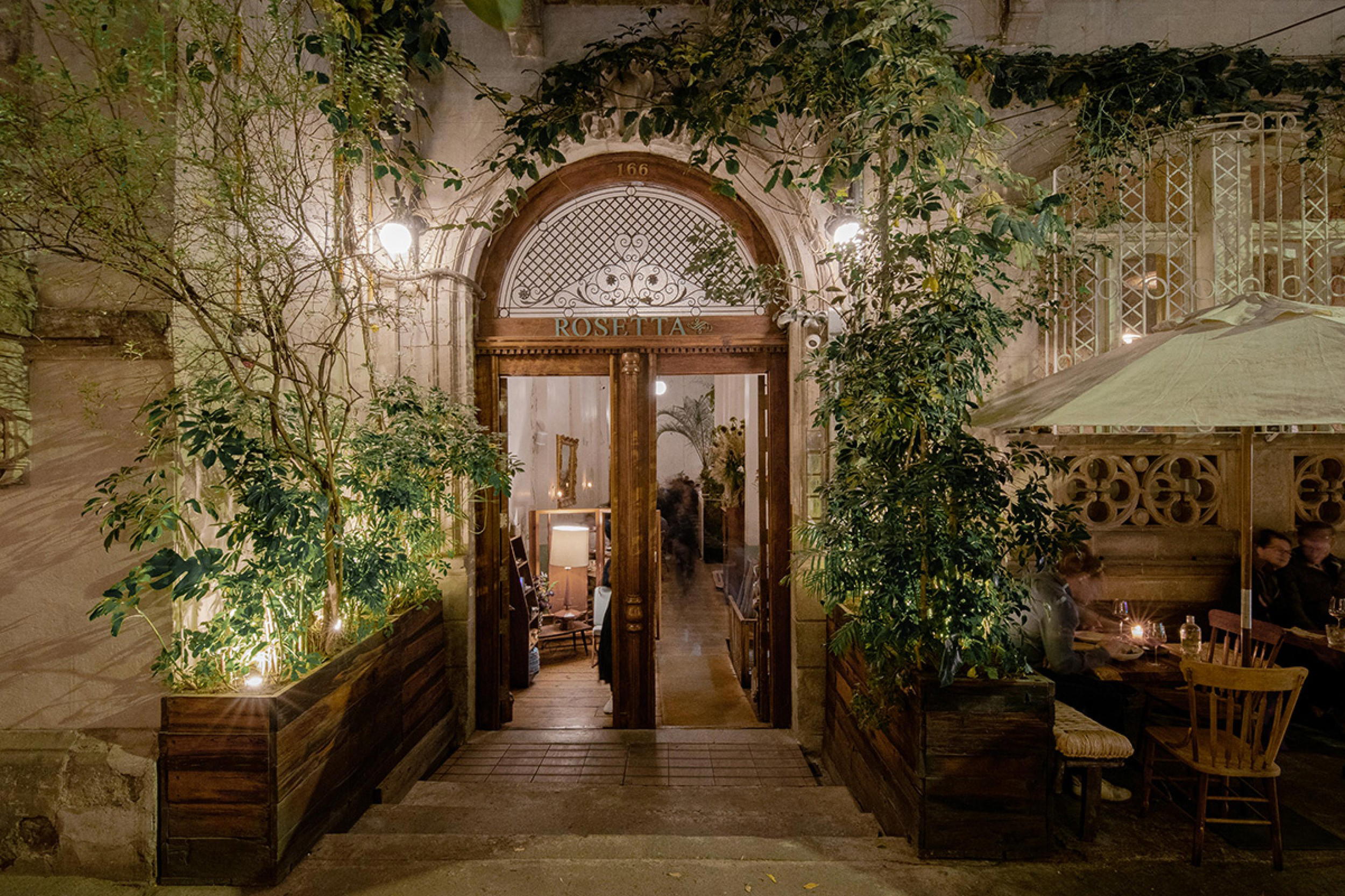
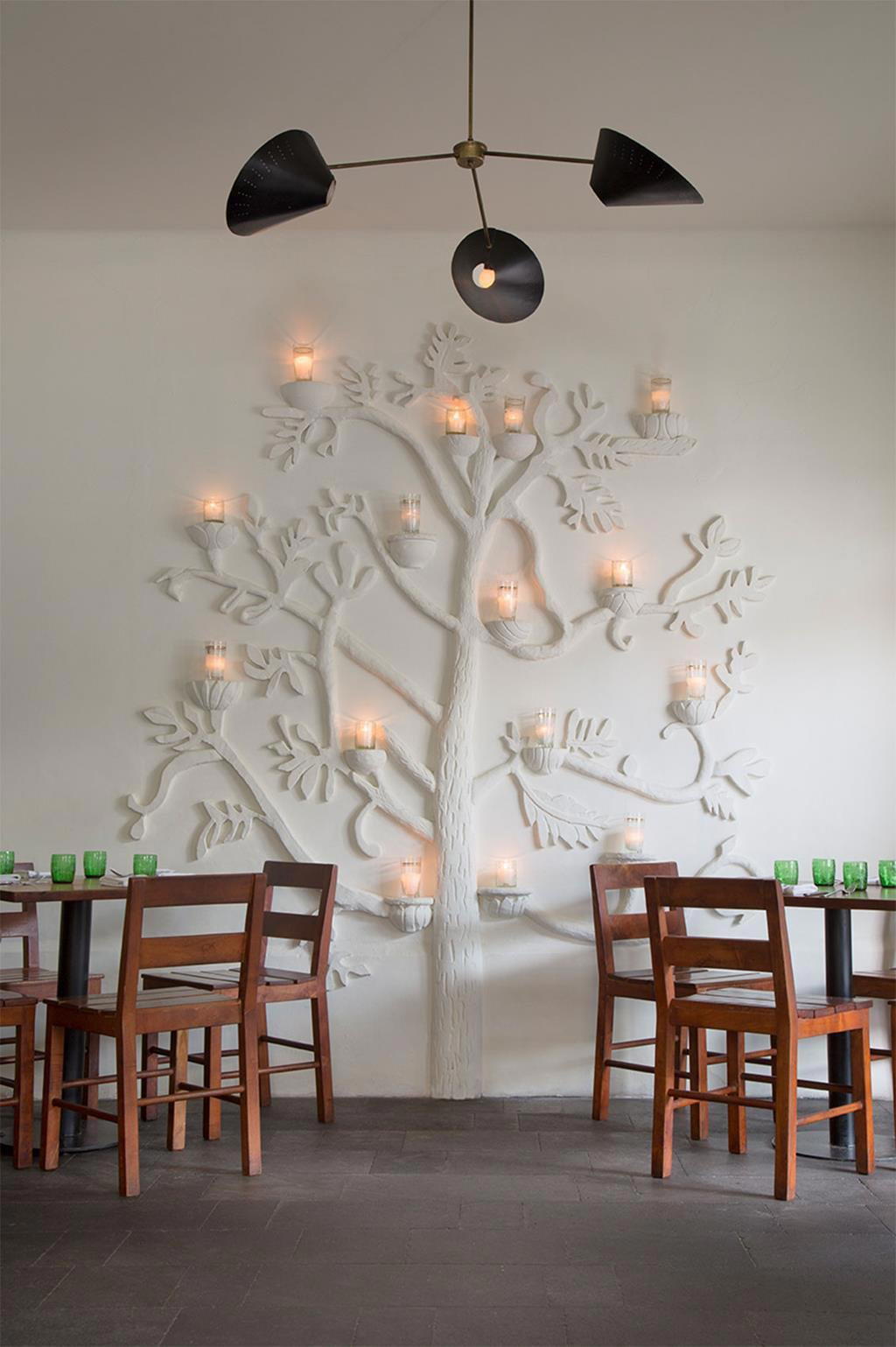
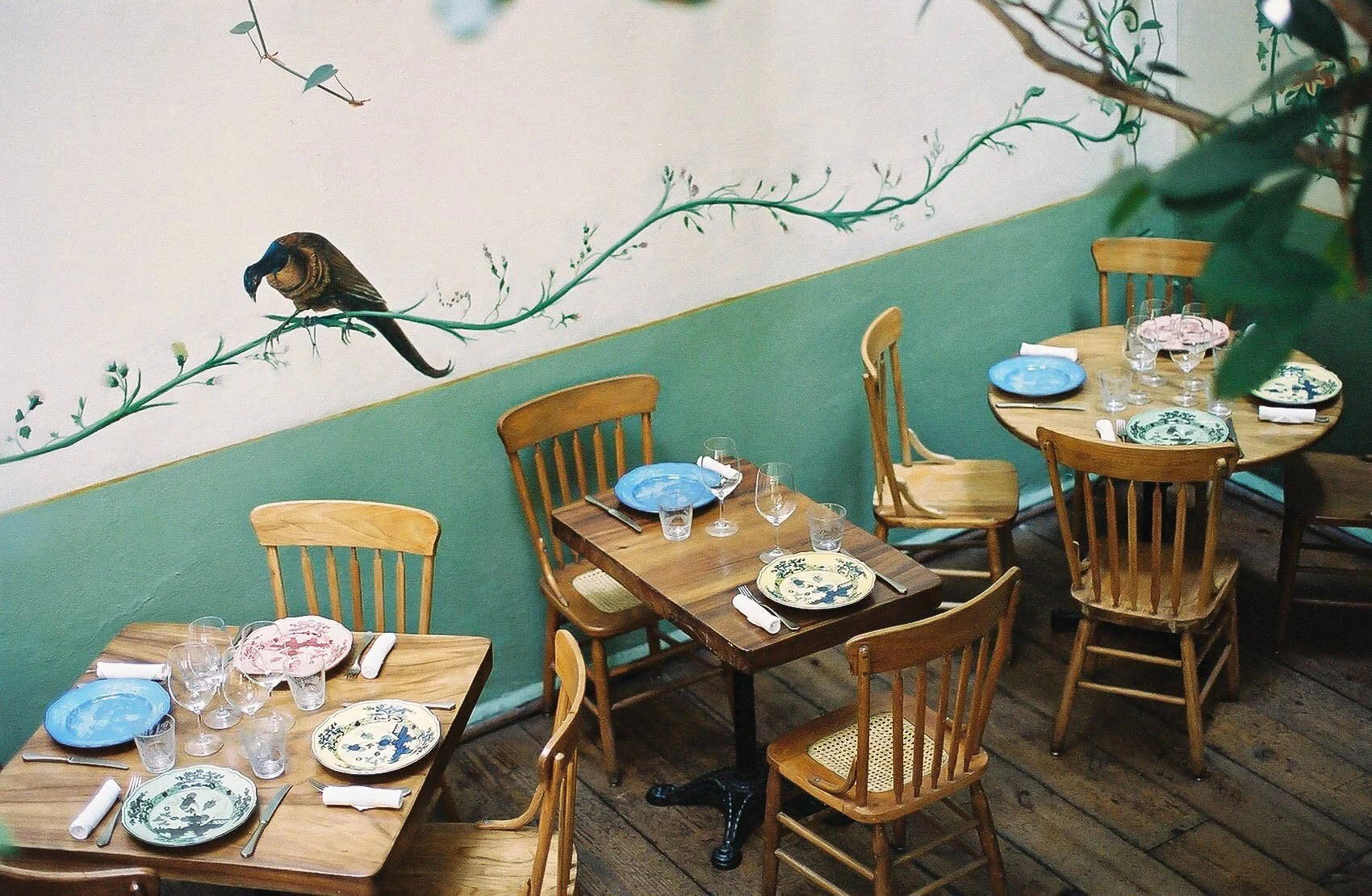
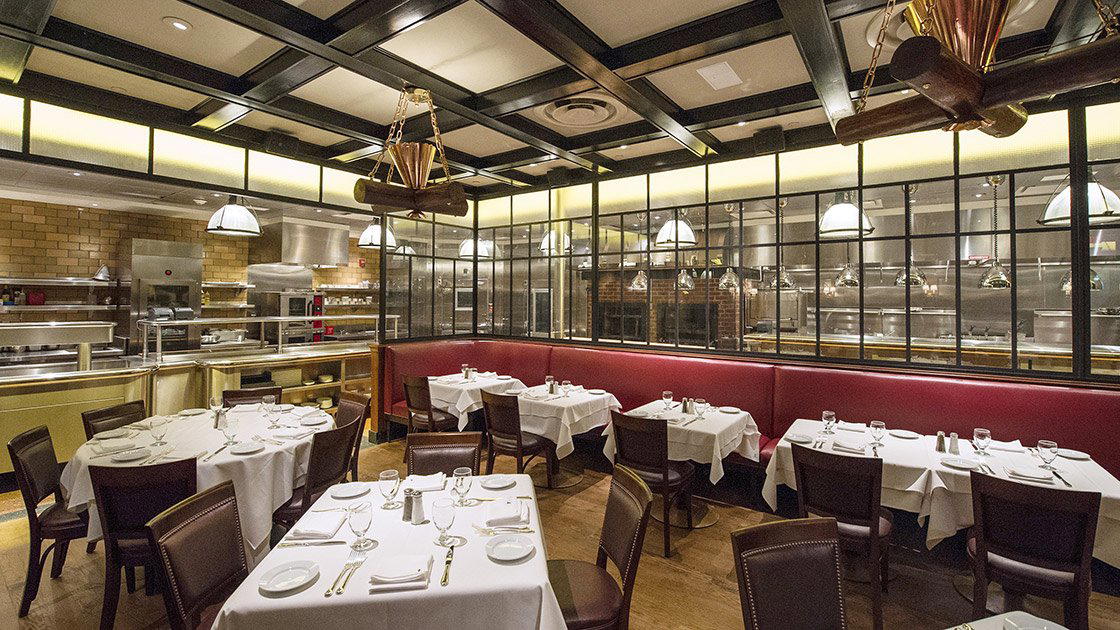
At a Glance
- Modern
- Quiet
- Intimate
- Trendy
- Industrial
- Minimalist
- Romantic Getaway
- Weekend Escape
- Historic Building
- Design Destination
- Wi Fi
- Spa
- Concierge
- Laundry Service
- Street Scene
- Wi Fi
- Spa
- Concierge
- Laundry Service
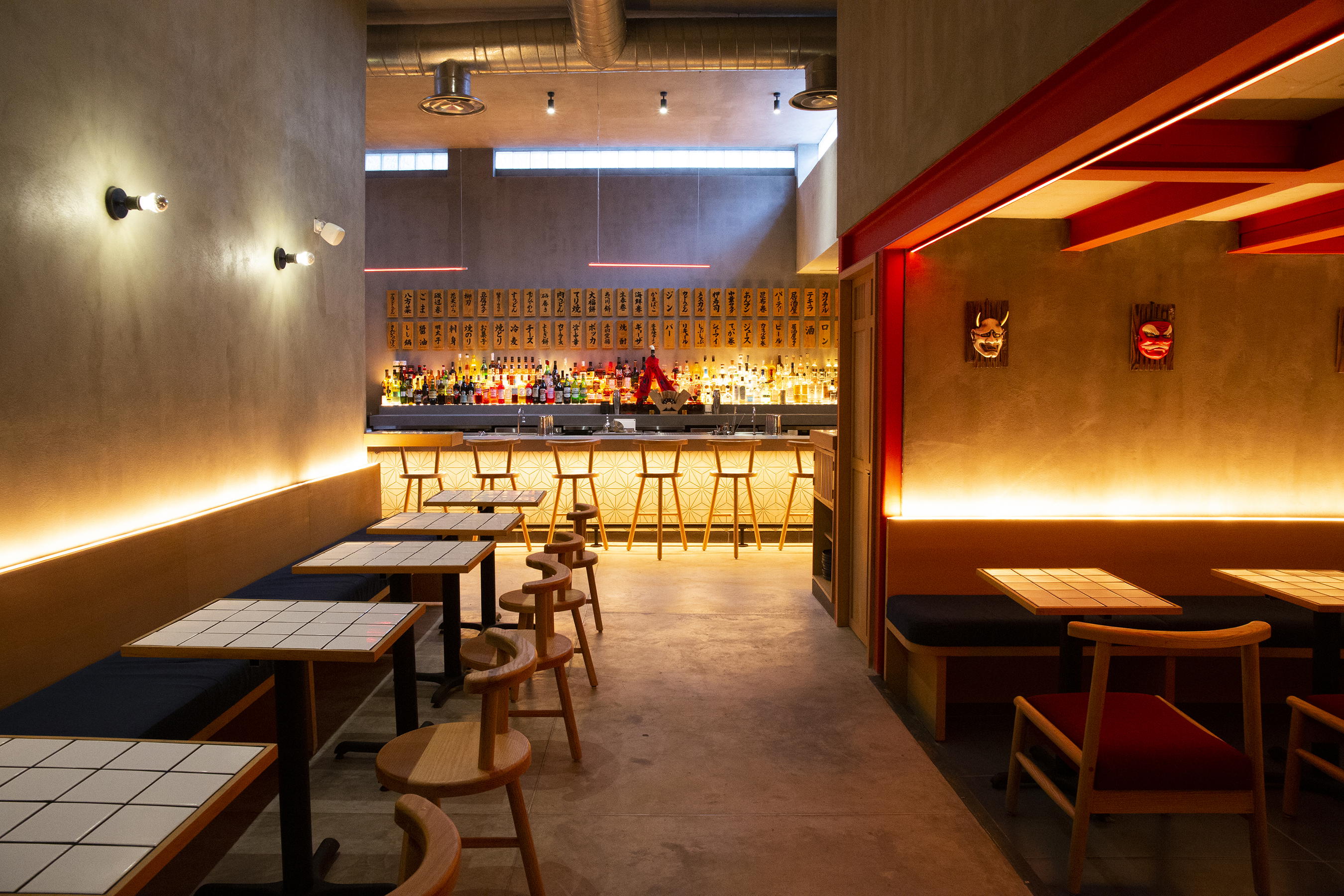
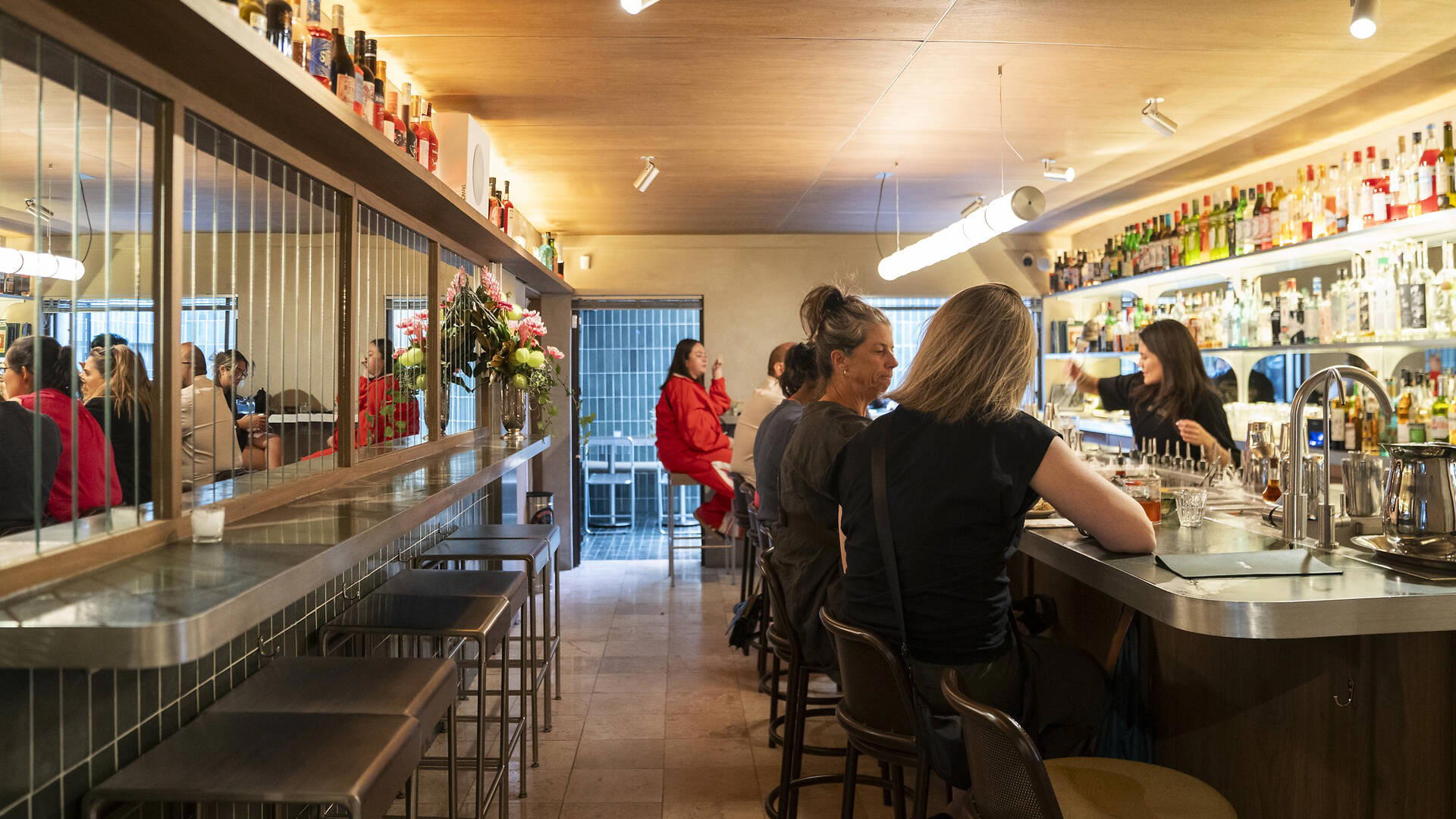
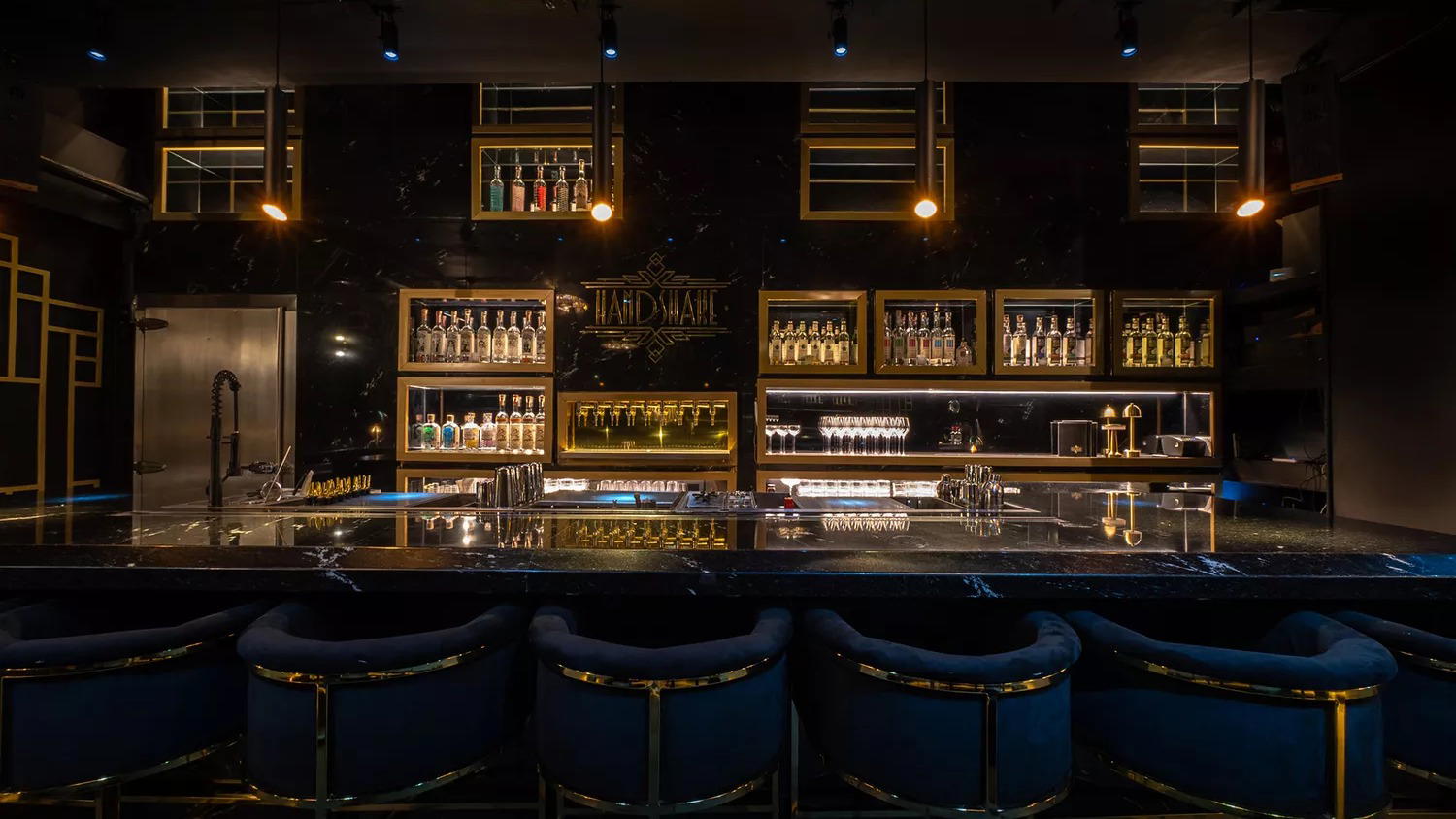
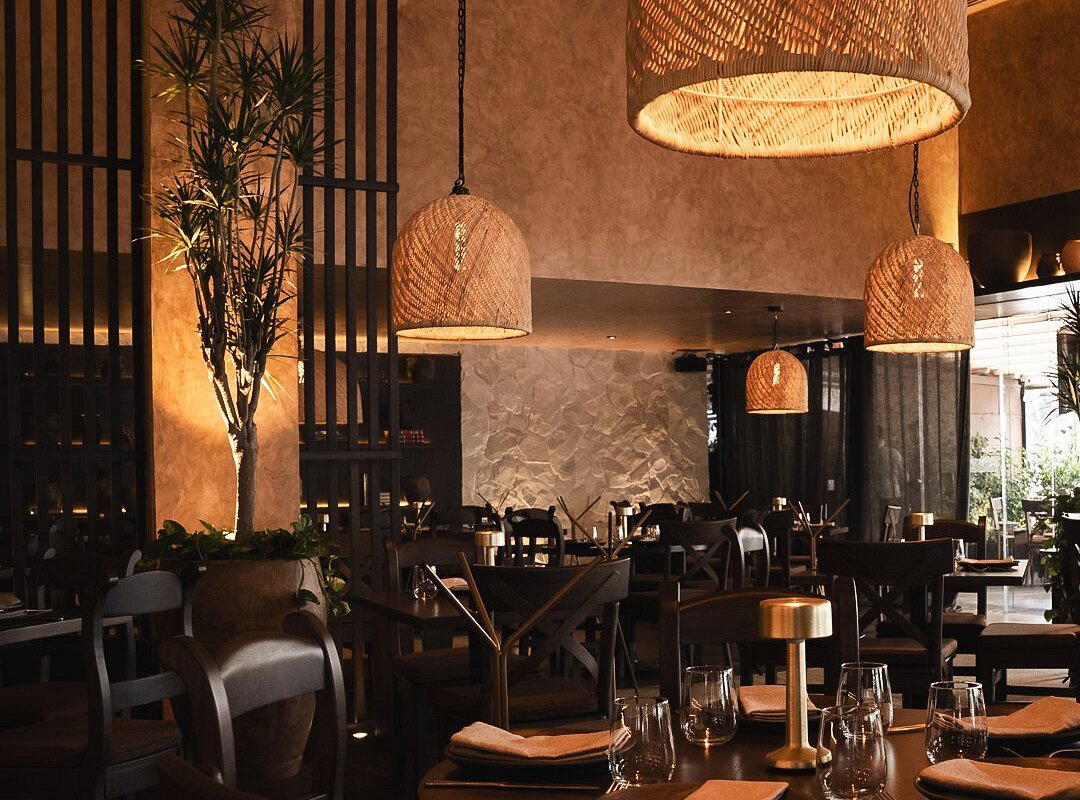
Intentional, calm interiors with soft light, natural materials, and curated contemporary spaces offering a quiet retreat amid urban energy.
Know Before You Go
- Getting there
- C. Versalles 80, Juárez, Cuauhtémoc, 06600 Ciudad de México, CDMX, Mexico