
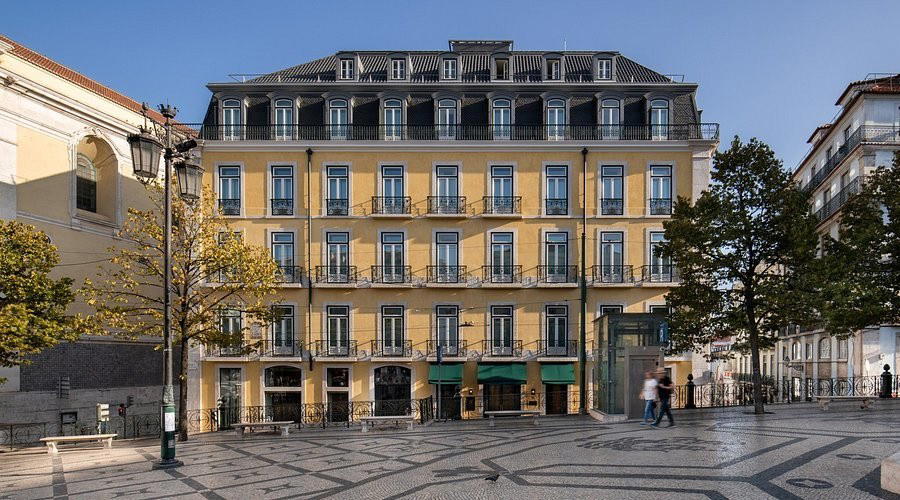
AlmaLusa Alfama occupies a converted historic building on Rua dos Bacalhoeiros, placing guests within walking distance of the city's oldest quarter and the waterfront. The property holds a 2025 Michelin Selected distinction, positioning it among Lisbon's smaller, character-led hotels. For travellers who want Alfama's medieval street grid as a base rather than a backdrop, this address delivers that access directly.
Pearl is the En Primeur Club membership app — saves, bookings, and concierge access live there. Same editors, same standards.
- Address
- R. dos Bacalhoeiros 16, 1100-070 Lisboa, Portugal
- Phone
- +351 21 877 0200
- Website
- almalusahotels.com
- Directions
- Get directions
 Saves & bookings on Pearl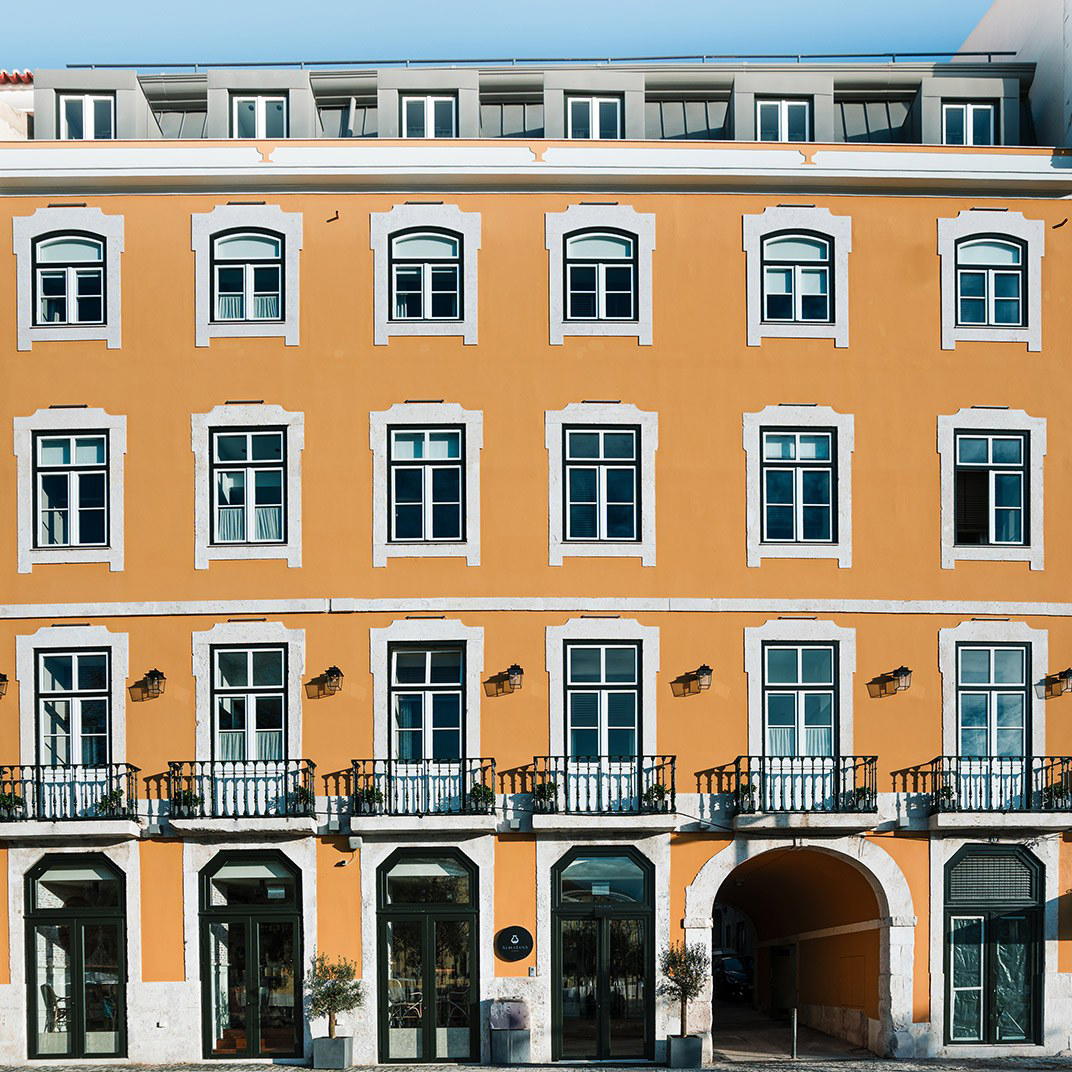
An Address That Does the Work
Lisbon's hotel market has split along a familiar axis: international-brand properties clustered around Avenida da Liberdade and Marquês de Pombal, and a smaller cohort of conversion properties positioned inside the historic quarters themselves. AlmaLusa Alfama belongs to the latter group. Its address on Rua dos Bacalhoeiros places it at the foot of Alfama, the city's oldest surviving neighbourhood, where the street plan has changed little since Moorish occupation and where the acoustic texture of fado still drifts from open doorways on weekend evenings. That positioning is not incidental — it is the property's primary argument.
The broader Alfama-to-Mouraria corridor has become one of Lisbon's more contested hospitality zones over the past decade, as short-term rental saturation pushed traditional residents out while simultaneously drawing travellers who want proximity to the Sé cathedral, the Castelo de São Jorge, and the Tejo waterfront. A Michelin Selected property in this context is a meaningful signal: the 2025 Michelin Hotels selection applies a filter that rewards character, consistency, and a certain legibility of place, rather than raw amenity volume. AlmaLusa Alfama holds that distinction in the current edition.
What the Location Actually Provides
Rua dos Bacalhoeiros runs parallel to the Tejo, close enough to the riverfront that the light quality shifts noticeably depending on the time of day and the direction you face out of a window. The street itself has historical weight: the name translates roughly as Street of the Cod Merchants, a reference to the dried-fish trade that once dominated this stretch of the baixa waterfront. That trade is gone, but the architectural register remains intact: narrow facades, azulejo fragments on neighbouring walls, and the ambient noise of a neighbourhood that functions as both tourist corridor and daily-life infrastructure for the residents who remain.
From this address, guests reach the Sé cathedral on foot in under five minutes. The Miradouro de Santa Luzia and the Portas do Sol viewpoints are a fifteen-minute walk uphill. The Alfama market at the Feira da Ladra runs on Tuesdays and Saturdays at Campo de Santa Clara, reachable on foot or by tram 28. The Santa Apolónia train station, which connects to the Douro Valley and to the Alentejo, sits roughly ten minutes east along the waterfront. For travellers building an itinerary around the city's eastern historic core, the logistics work cleanly from this base.
The sister property, AlmaLusa Baixa/Chiado, serves a different neighbourhood logic, anchoring guests in the commercial and design-led lower city. The two properties share a brand approach but serve distinct access priorities. Guests who want Chiado's restaurants and the Bairro Alto bar circuit within easy range would be better served there. Those whose itinerary weights Alfama's historic density, the Mouraria quarter, and the waterfront promenade will find the Alfama address more efficient.
The Conversion Property Model in Lisbon
Lisbon's conversion hotel segment has expanded significantly since the mid-2010s, driven partly by heritage protection requirements that made new-build projects difficult in the historic core and partly by demand from travellers who specifically want to sleep inside the city's architectural history rather than adjacent to it. Properties like 1908 Lisboa Hotel, A Casa das Janelas Com Vista, and Art Legacy Hotel Baixa-Chiado all operate within this framework, each with a distinct neighbourhood address and a corresponding access profile.
Where the larger international operators — the Sofitel Lisbon Liberdade, the InterContinental, the Four Seasons Ritz, compete on amenity completeness and brand reliability, the conversion properties compete on specificity of place. The trade-off is usually obvious: smaller room counts, fewer on-site services, but an address inside the historic fabric rather than at its edge. For guests travelling to Lisbon primarily to understand the city rather than to use a hotel as a headquarters, that trade-off is frequently worth making. The Michelin Selected marker on AlmaLusa Alfama suggests the property meets a baseline of quality that makes the trade-off legible rather than speculative.
Other design-led properties in Lisbon's broader orbit worth noting for comparison include the Bairro Alto Hotel, which occupies a different price tier and neighbourhood position, and As Janelas Verdes/Riverview, a Lisbon Heritage Collection, which takes a similar preservation-led approach on the Santos waterfront. Both illustrate how varied the conversion segment has become within a single city.
Planning Your Stay
Lisbon's peak demand runs from late April through September, with August presenting the tightest availability across the city's character-led properties. A Michelin Selected hotel in Alfama, operating with a limited room count typical of converted historic buildings, will fill during this window with less lead time than travellers sometimes expect. Booking three to four months ahead for summer dates is prudent; shoulder season bookings in March-April or October-November can often be arranged six to eight weeks out. The city's restaurant calendar follows a similar pattern: for guidance on where to eat once you've secured the room, the EP Club Lisbon restaurants guide covers the full range from neighbourhood tascas to Michelin-recognised tables.
For travellers extending a Portugal itinerary beyond Lisbon, the AlmaLusa Alfama address connects logically to a wider circuit. The Alentejo and the Douro Valley are both accessible by train from Santa Apolónia. The Algarve, served well by properties like Conrad Algarve and Bela Vista Hotel & Spa in Praia da Rocha, is three hours south by road. For the Douro Valley wine country, Ventozelo Hotel & Quinta in Ervedosa do Douro and Q.ta da Corte in Valença do Douro represent the design-led estate model. Comporta, for travellers who want a coastal counterpoint to the urban density of Alfama, is served by Sublime Comporta. Madeira, increasingly relevant as a year-round destination, has Savoy Palace as its large-format anchor. The Azores, for travellers drawn to volcanic landscapes and thermal activity, connects through Octant Furnas in Furnas.
For travellers using Lisbon as one stop within a wider European circuit, comparison points in the luxury tier include Badrutt's Palace Hotel in St. Moritz and Hôtel de Paris Monte-Carlo, both illustrating how differently the palace-hotel tradition operates at the top of the European market relative to the conversion-property segment that AlmaLusa Alfama represents.
How AlmaLusa Alfama Lisbon compares with similar nearby venues.
| Venue | Awards |
|---|---|
| AlmaLusa Alfama | MICHELIN Guide, Hotels Selected (2025) |
Recognition history
Dated appearances from independent guides and award organizations, with the underlying list record or original source where available.
Michelin Selected
Michelin
Continue exploring
More in Lisbon
Hotels in Lisbon
Browse all →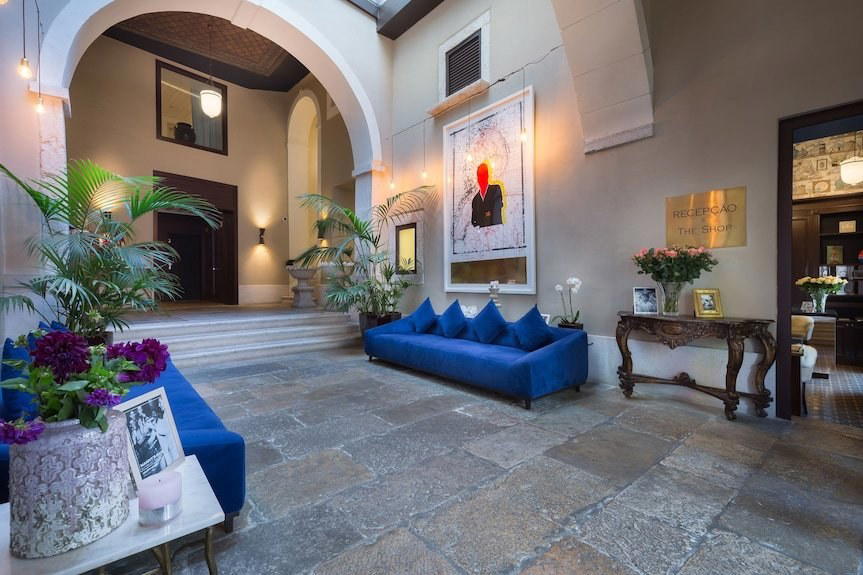
Bars in Lisbon
Browse all →

Restaurants in Lisbon
Browse all →

At a Glance
- Romantic
- Cozy
- Elegant
- Intimate
- Scenic
- Romantic Getaway
- Weekend Escape
- Historic Building
- Terrace
- Panoramic View
- Wi Fi
- Spa
- Restaurant
- Concierge
- Air Conditioning
- Housekeeping
- Waterfront
- Wi Fi
- Spa
- Restaurant
- Concierge
- Air Conditioning
- Housekeeping
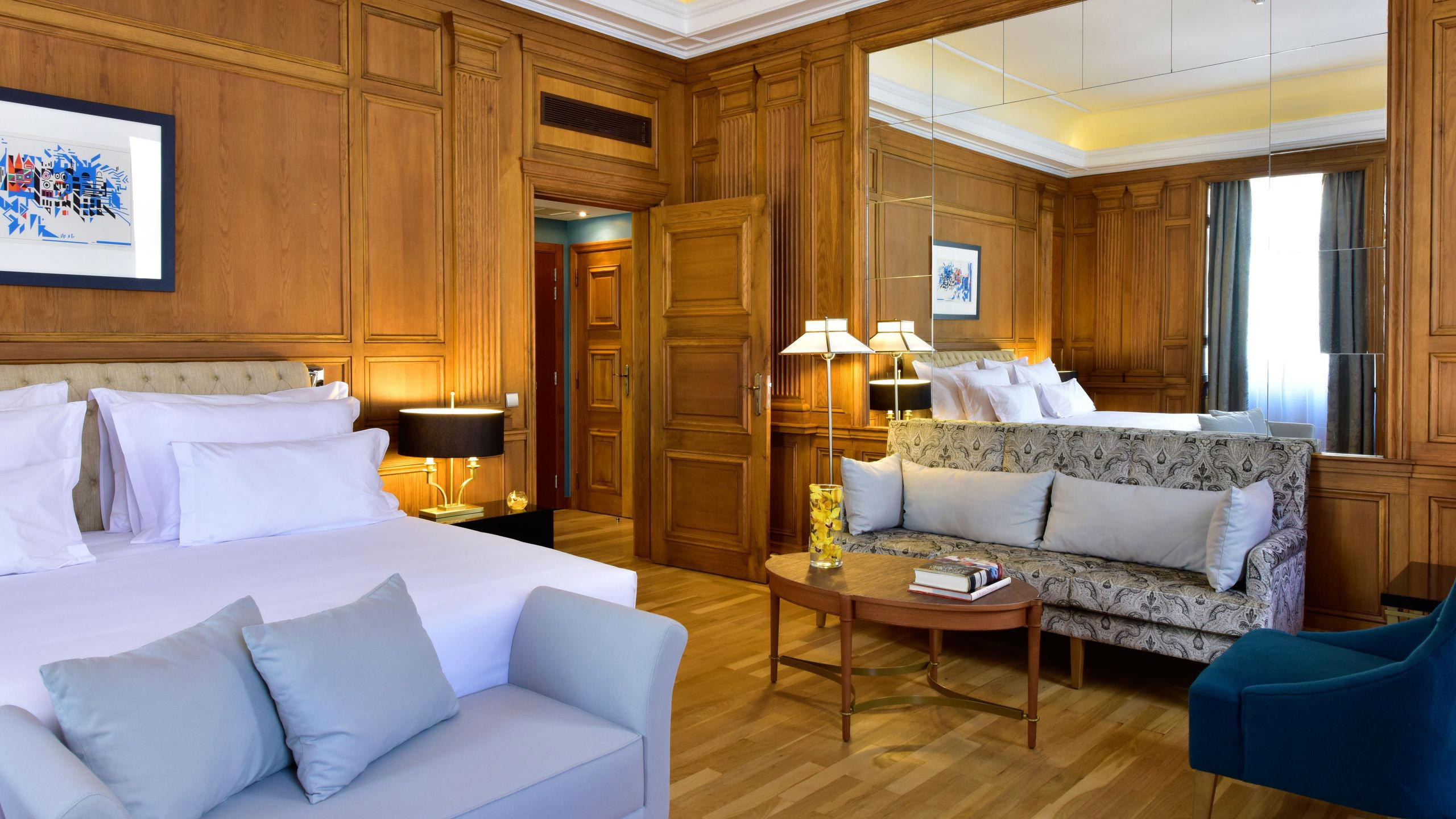
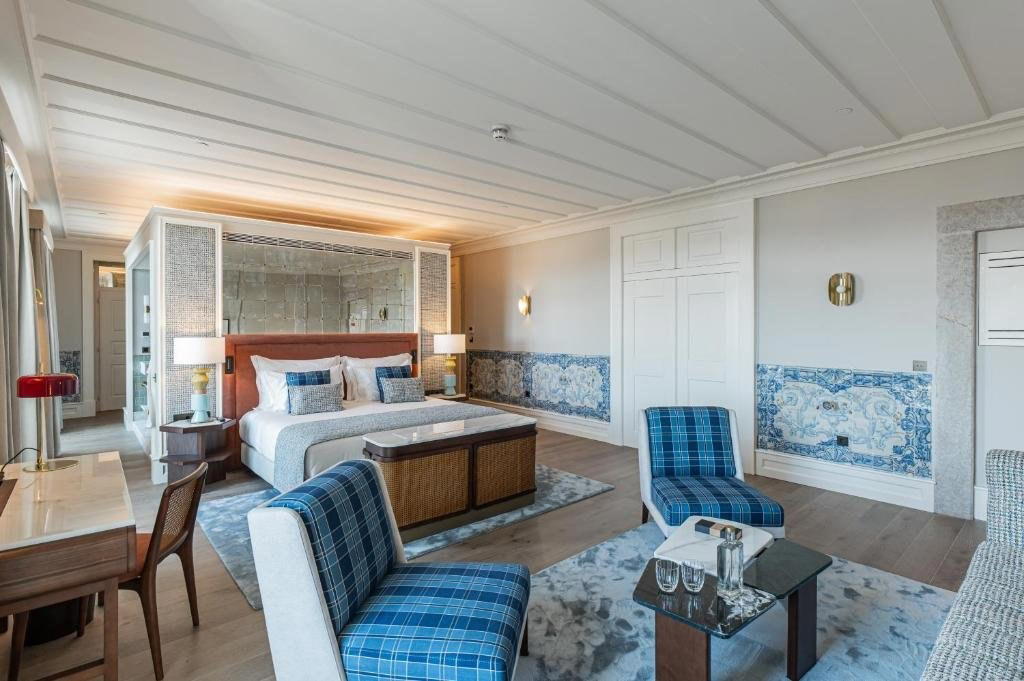
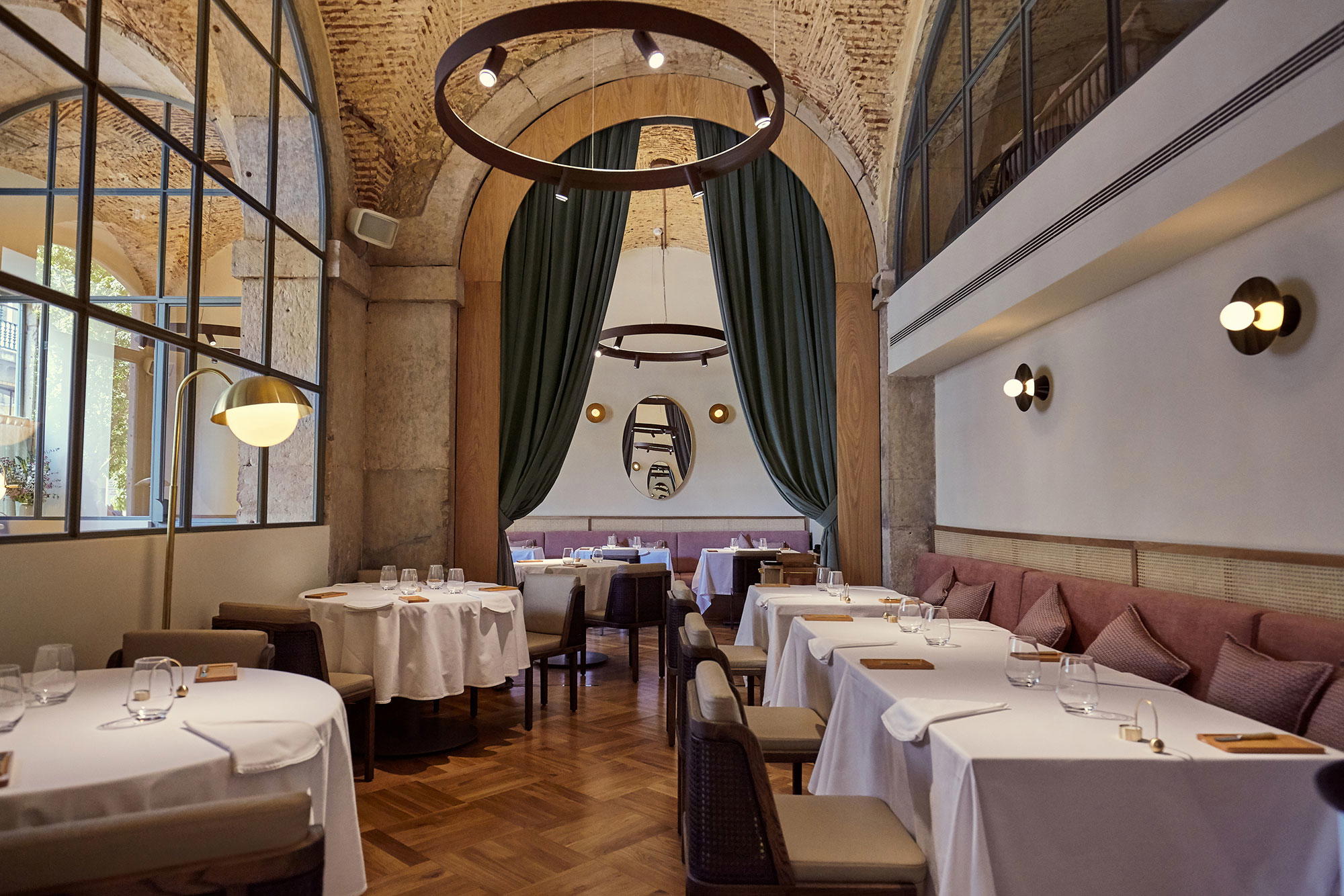
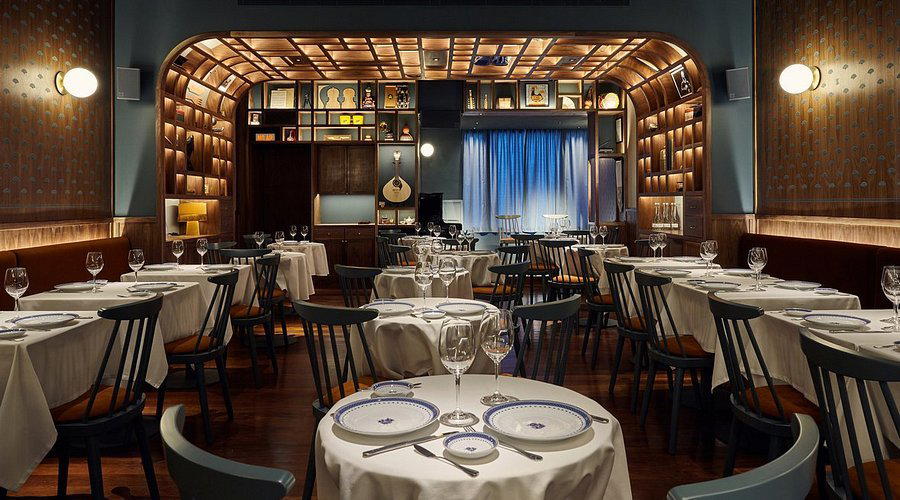
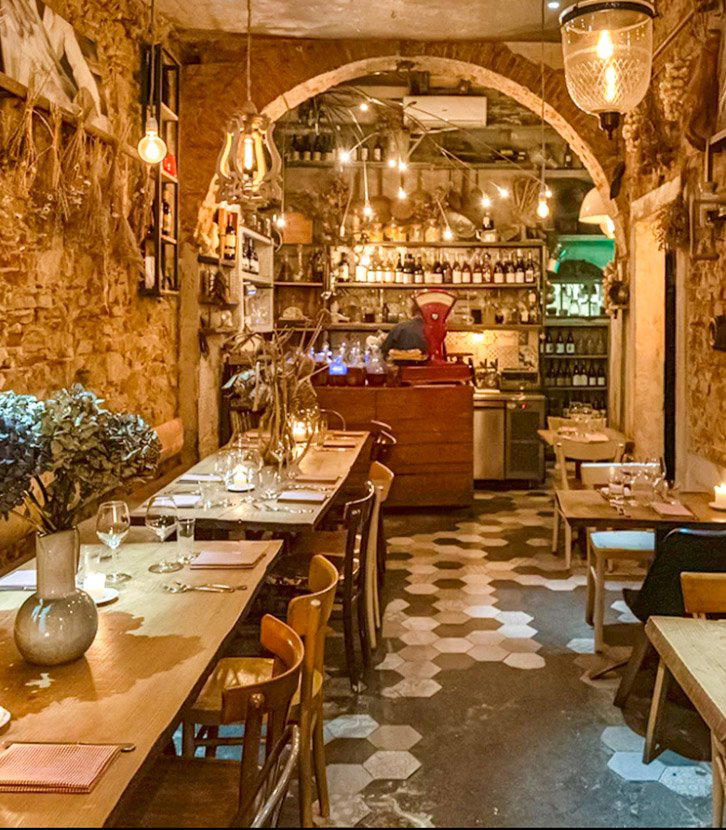
Soft and warm tones with natural textures and elegant furniture create a serene, cozy atmosphere inspired by Alfama's history.
Know Before You Go
- Getting there
- R. dos Bacalhoeiros 16, 1100-070 Lisboa, Portugal