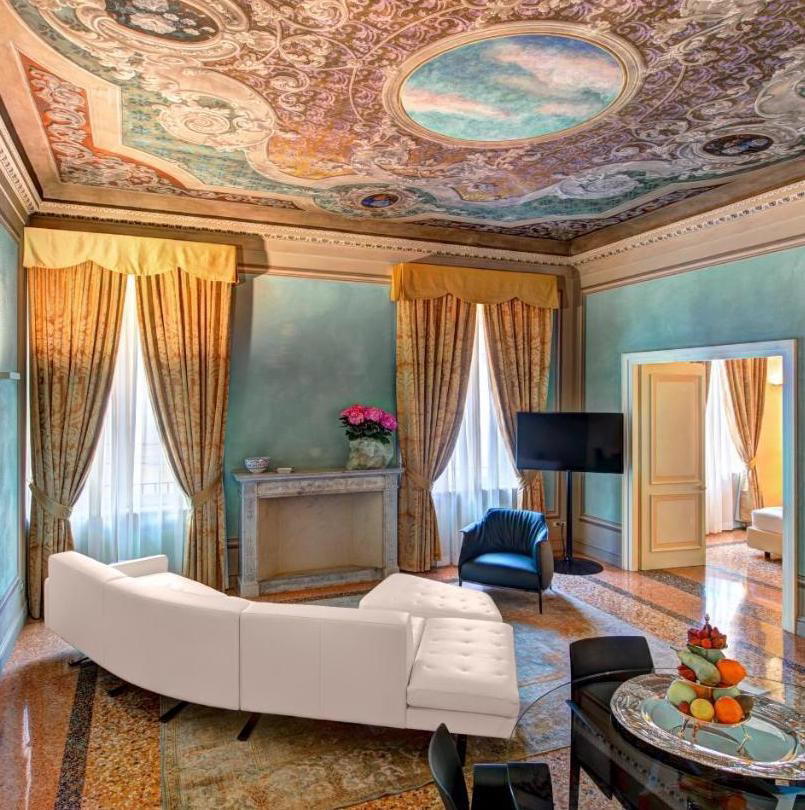
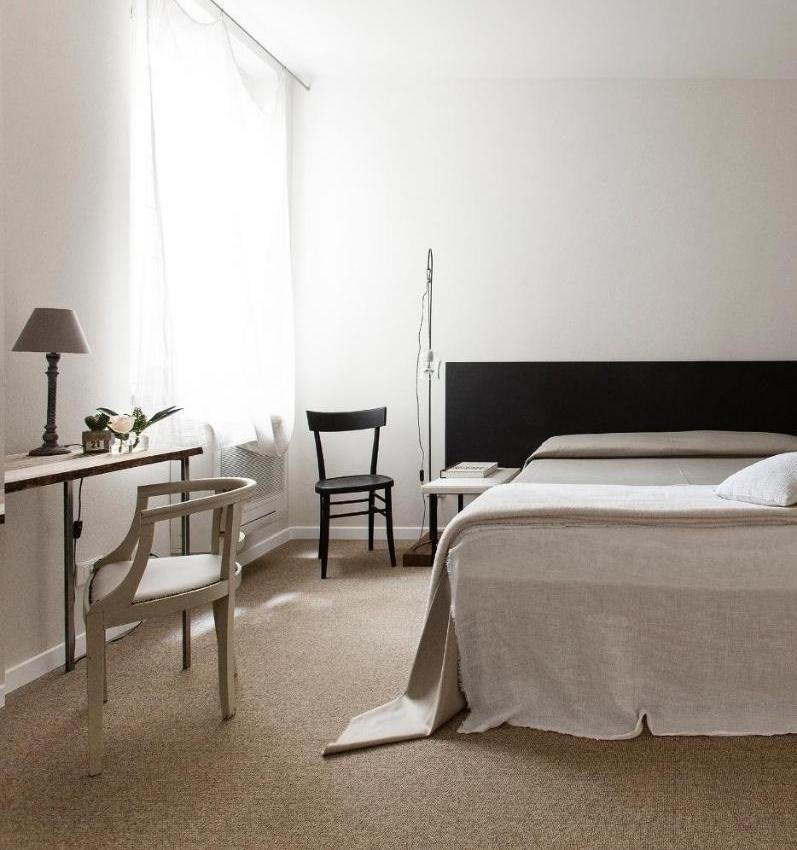
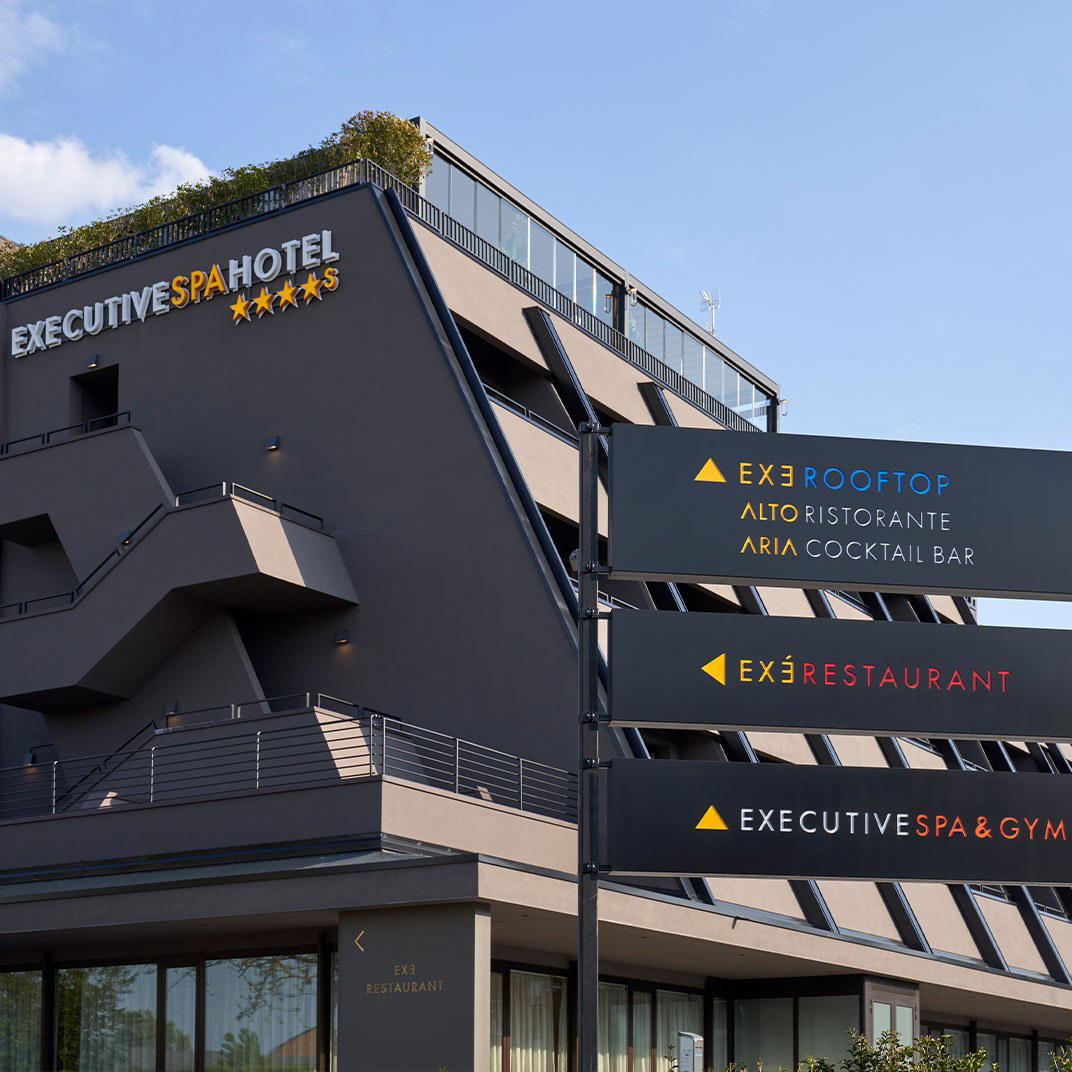
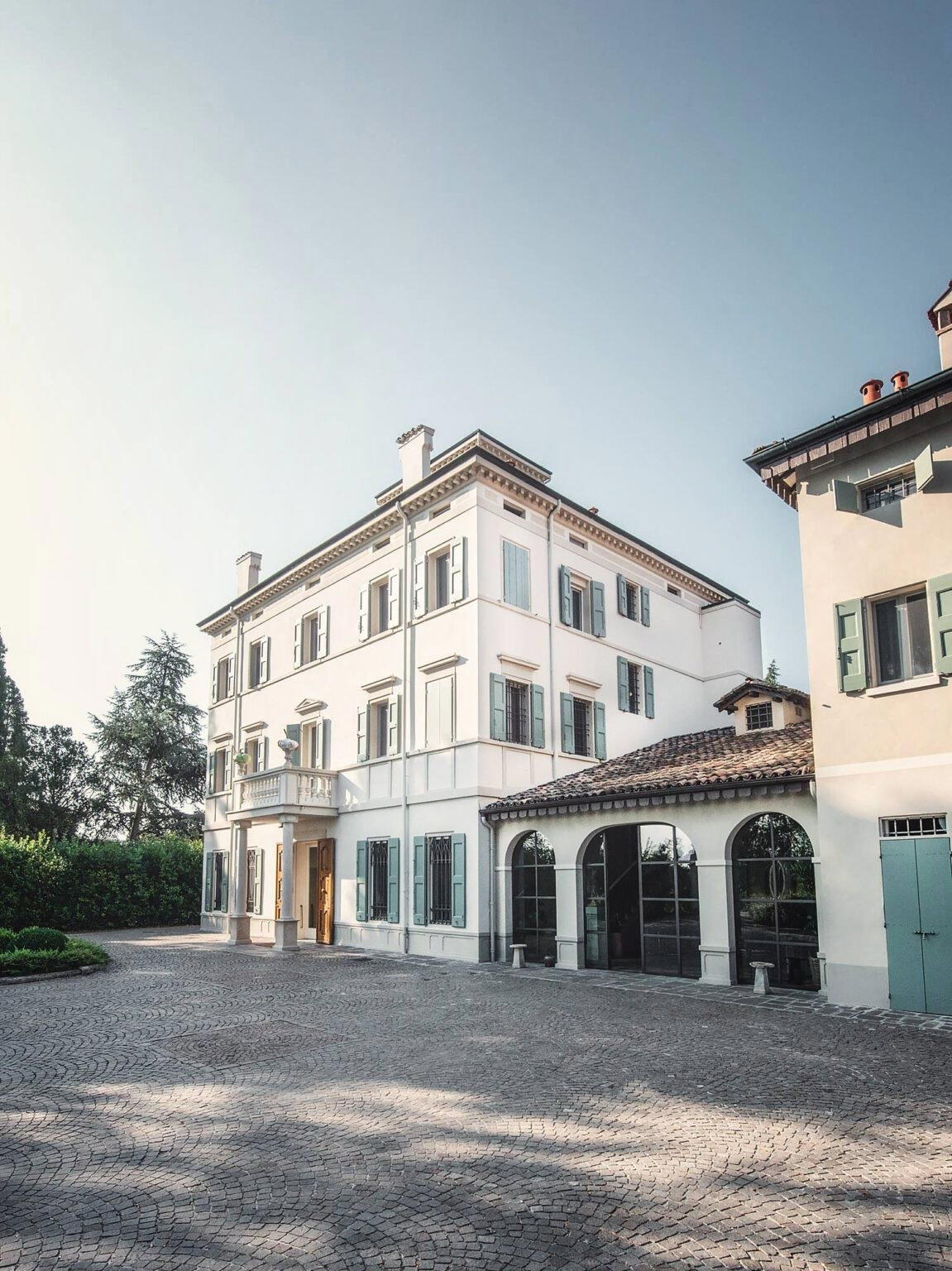
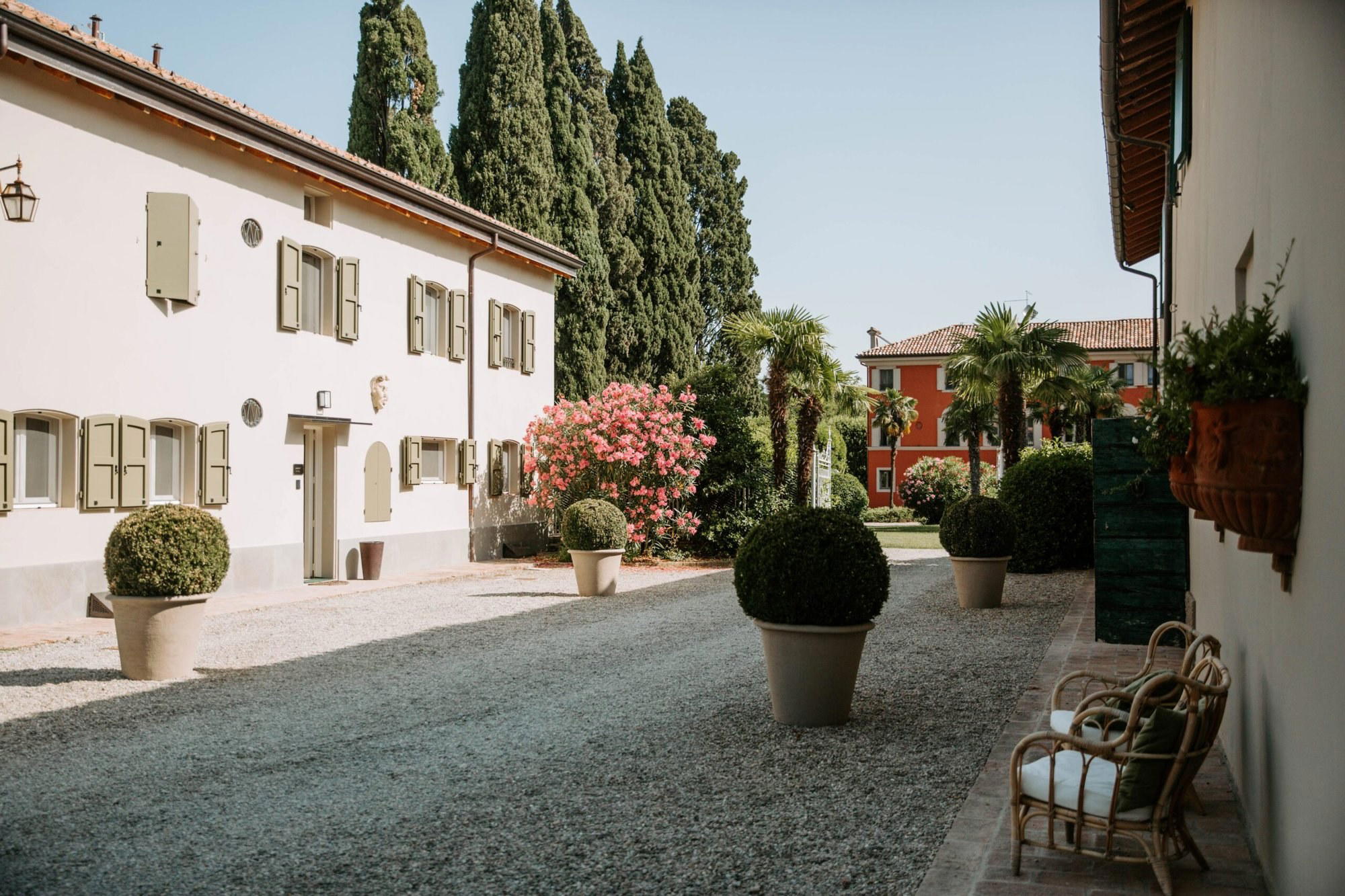
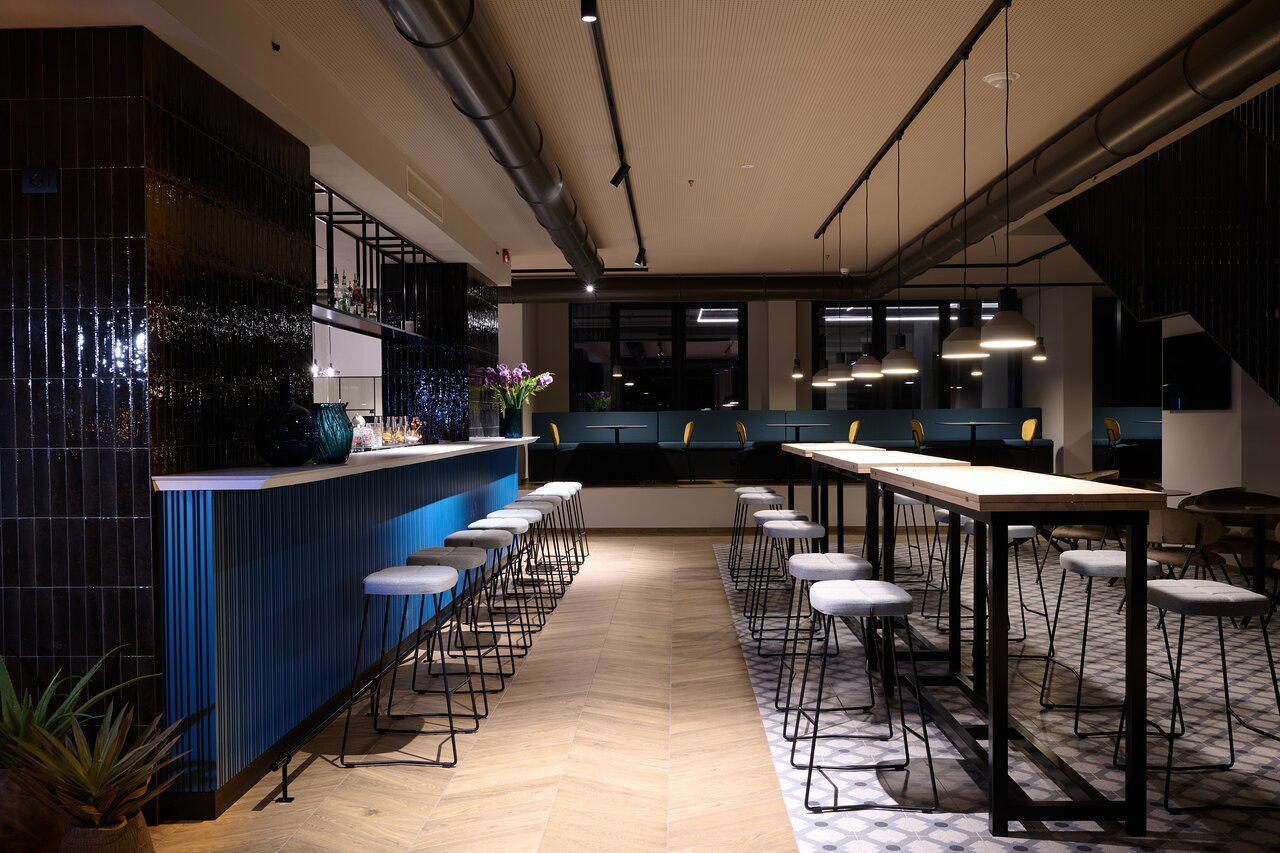
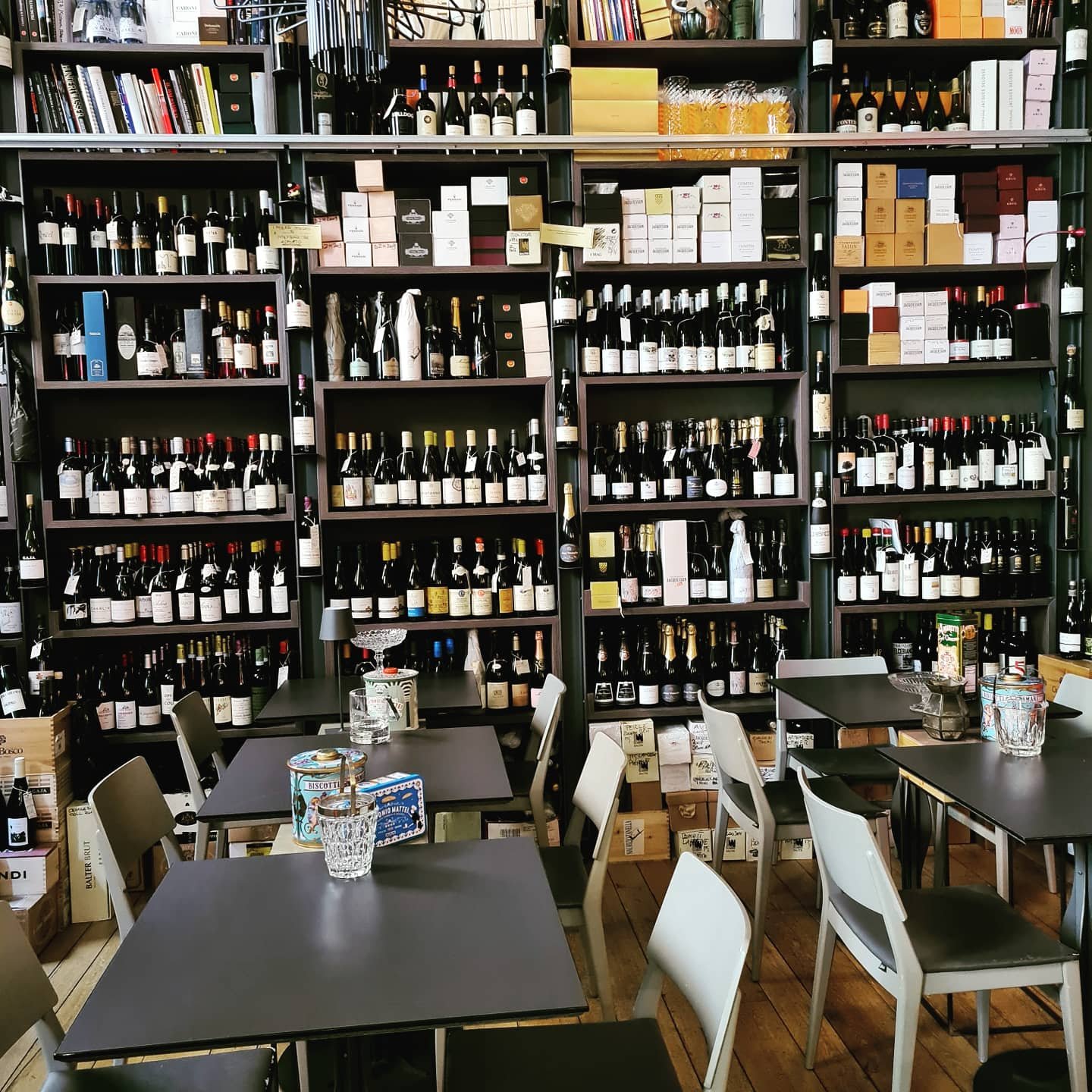
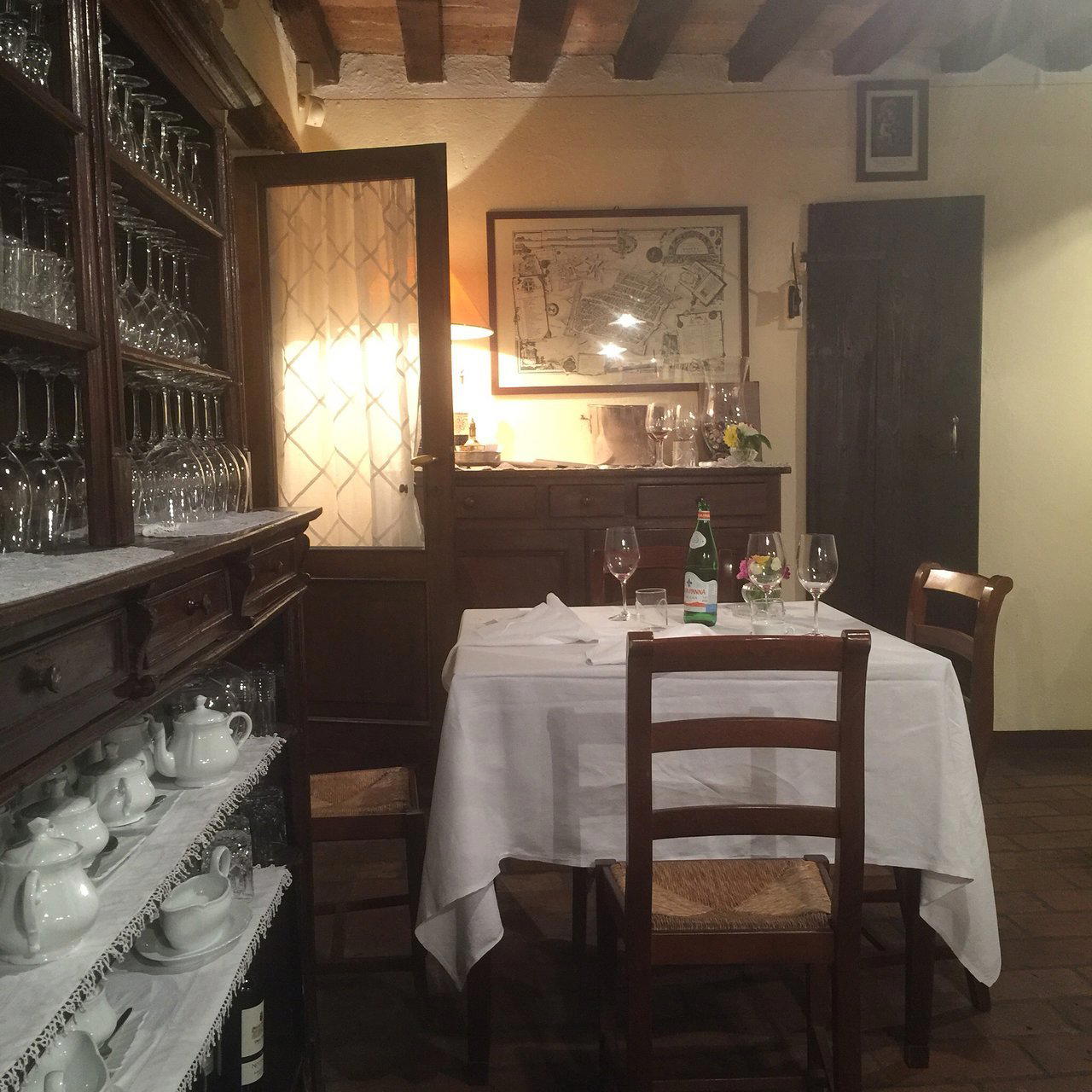
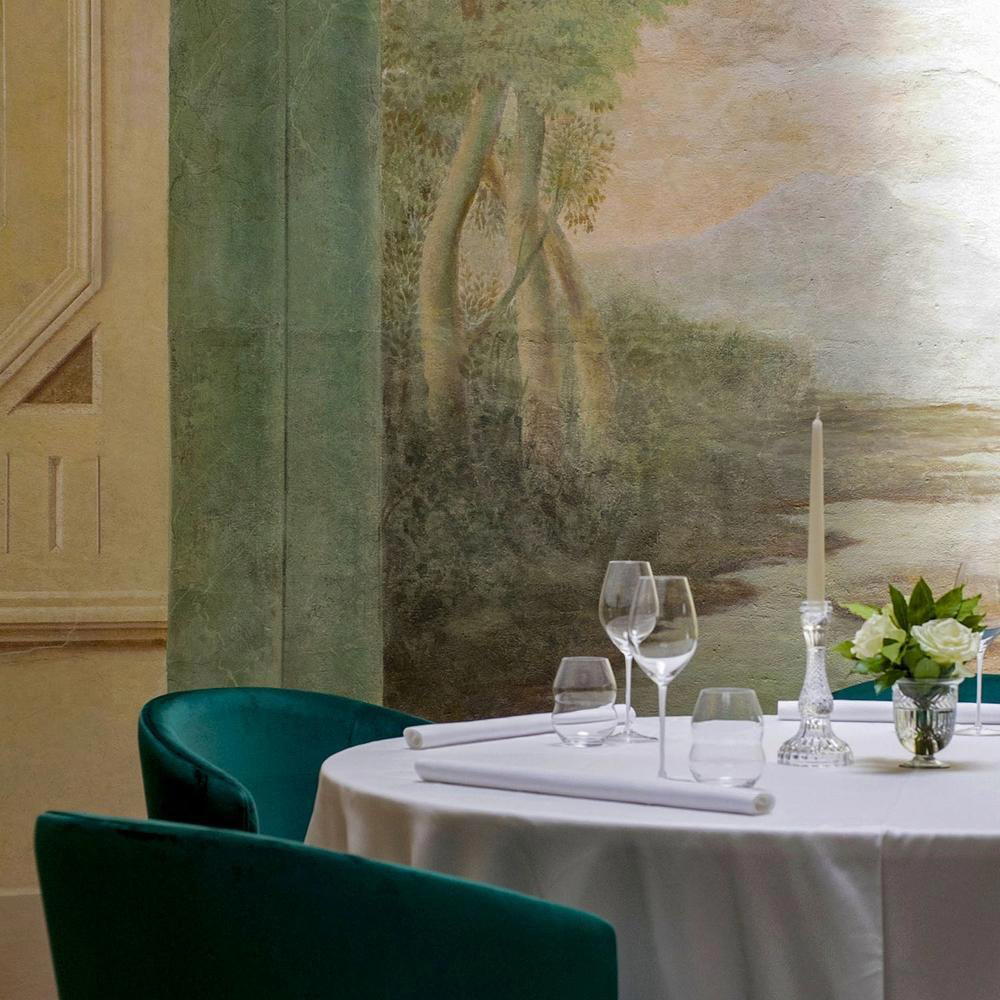
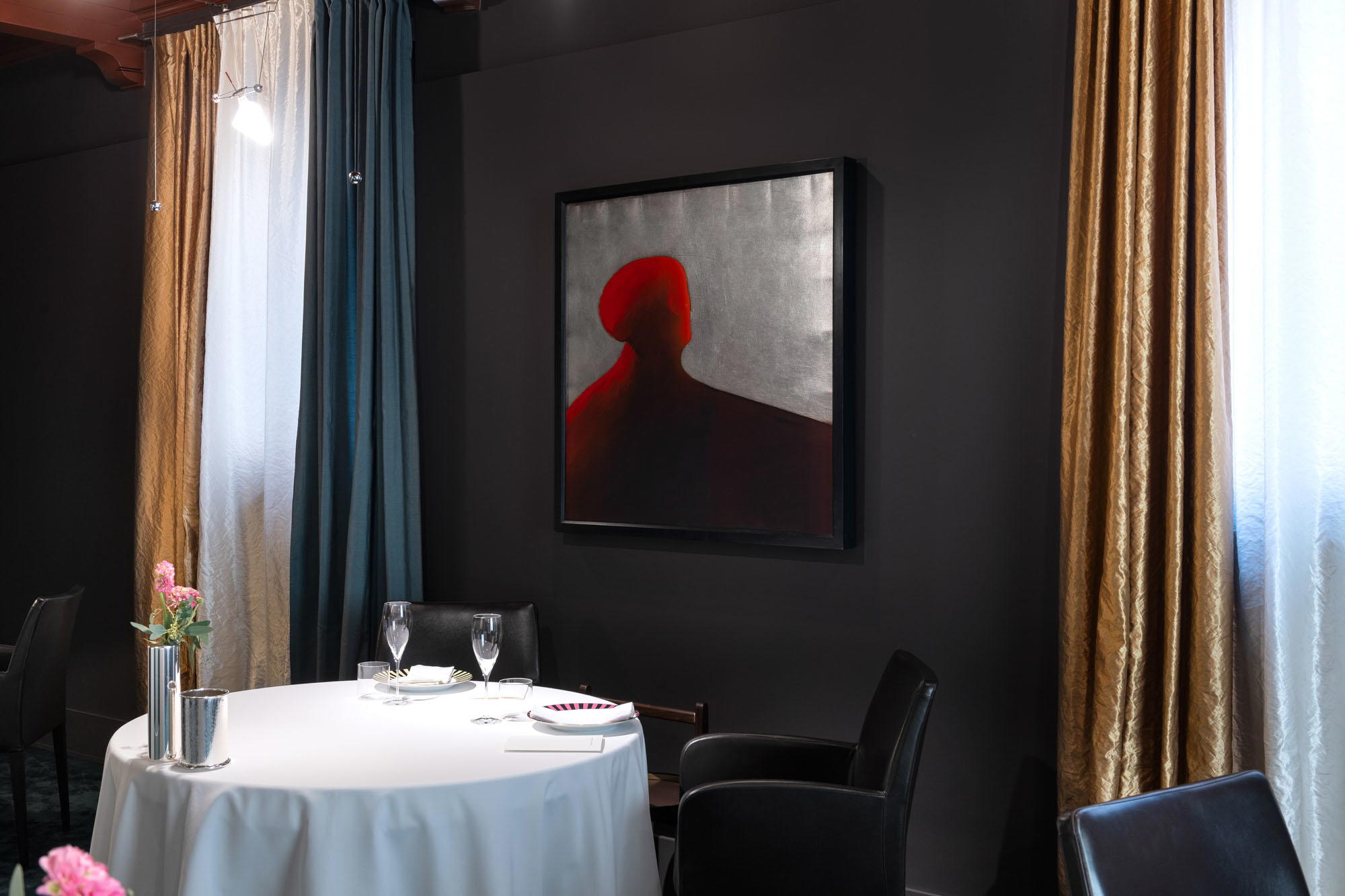
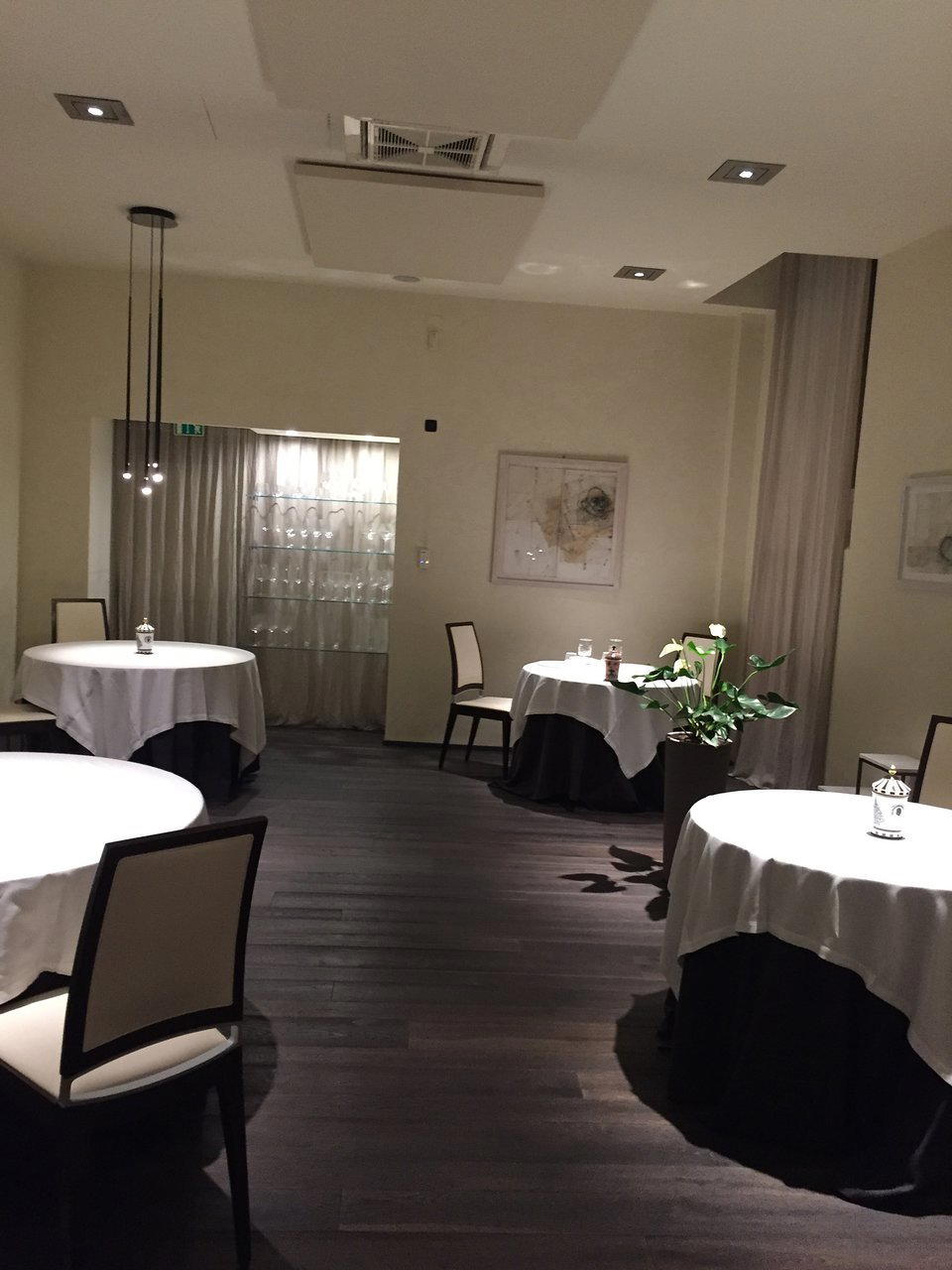
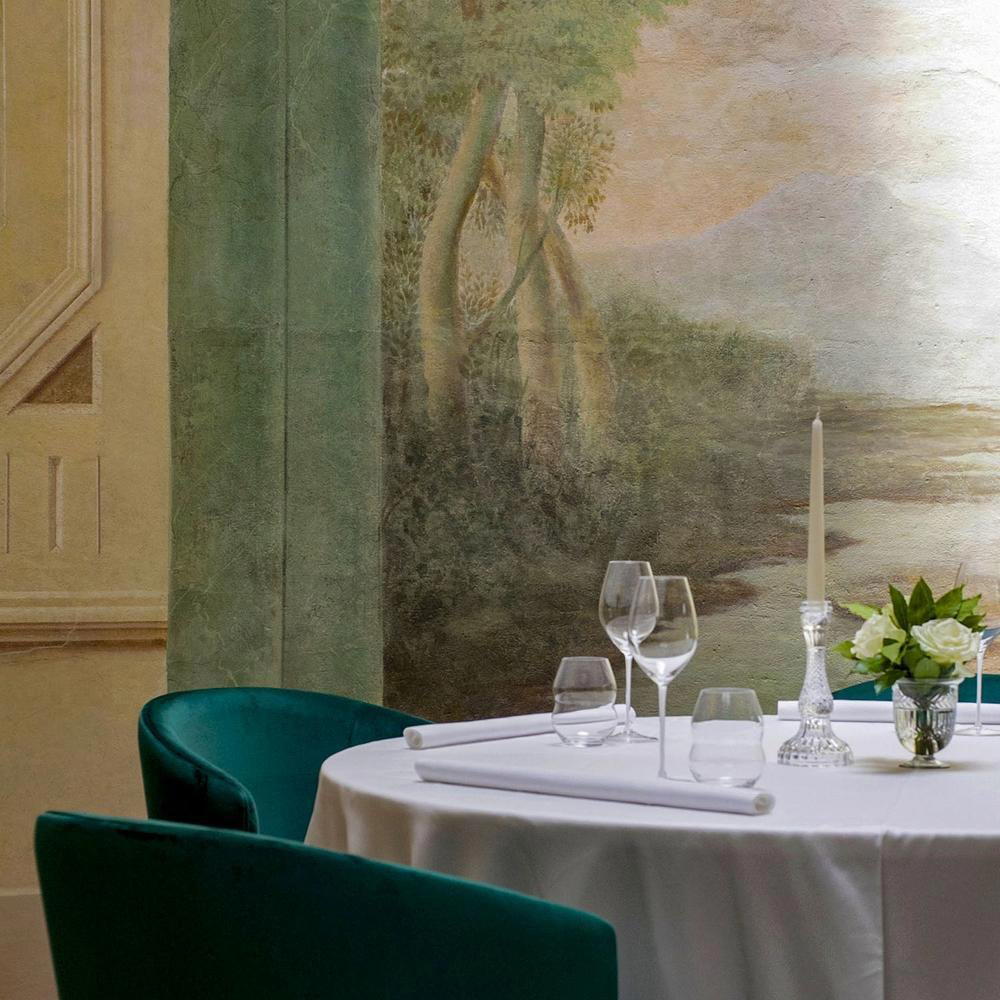
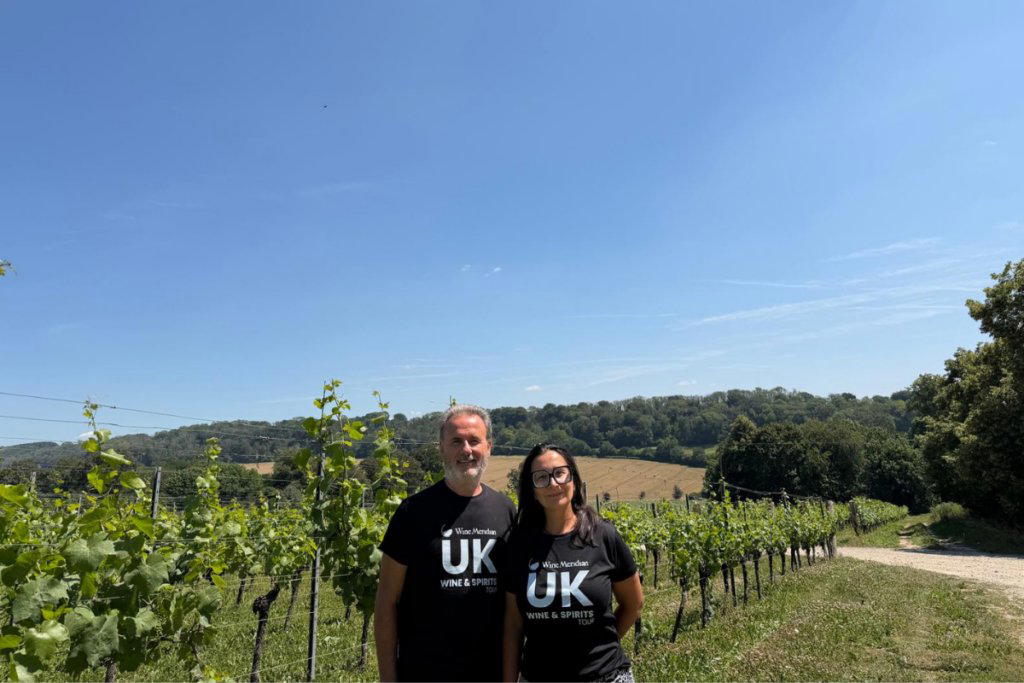
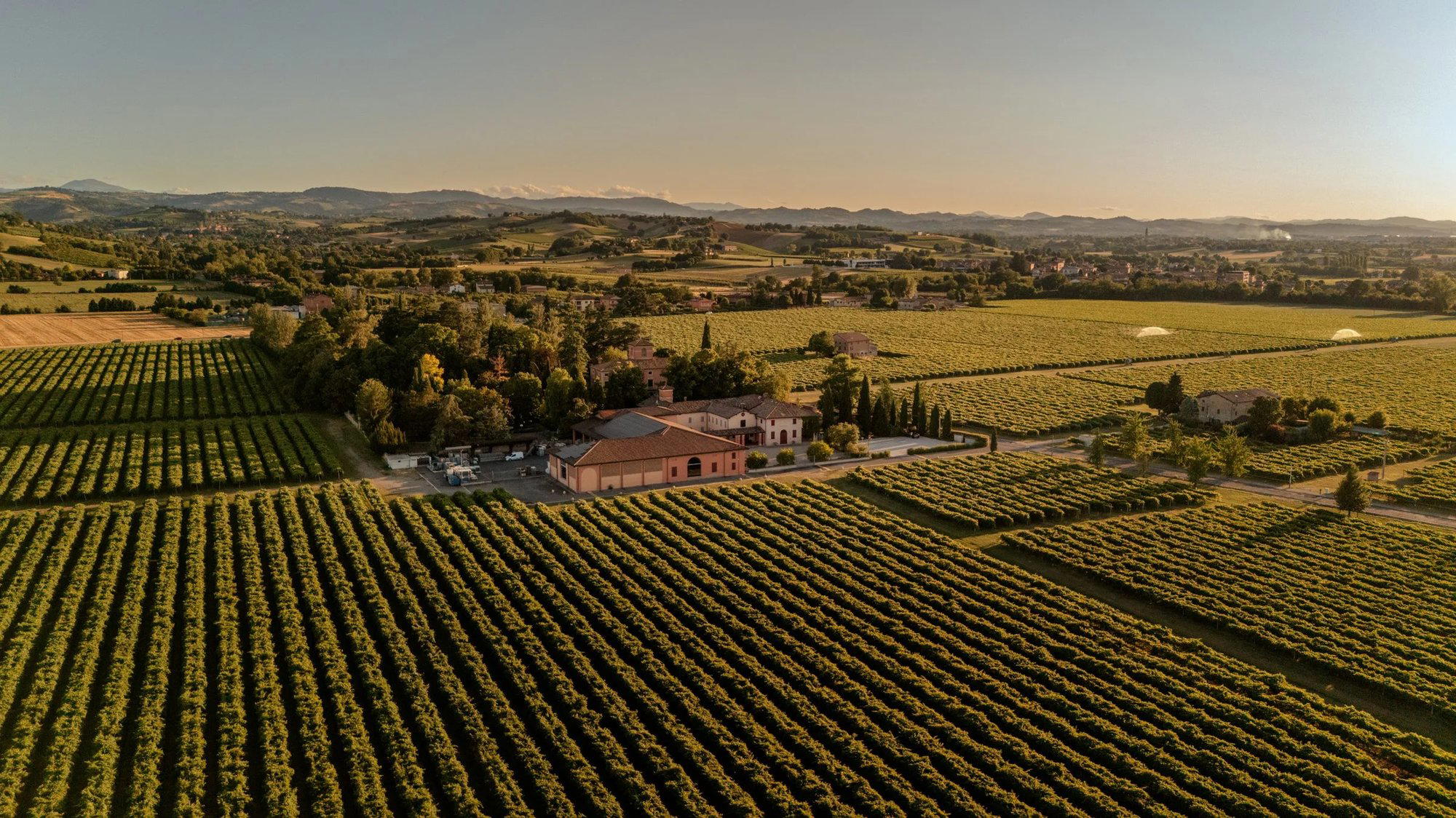
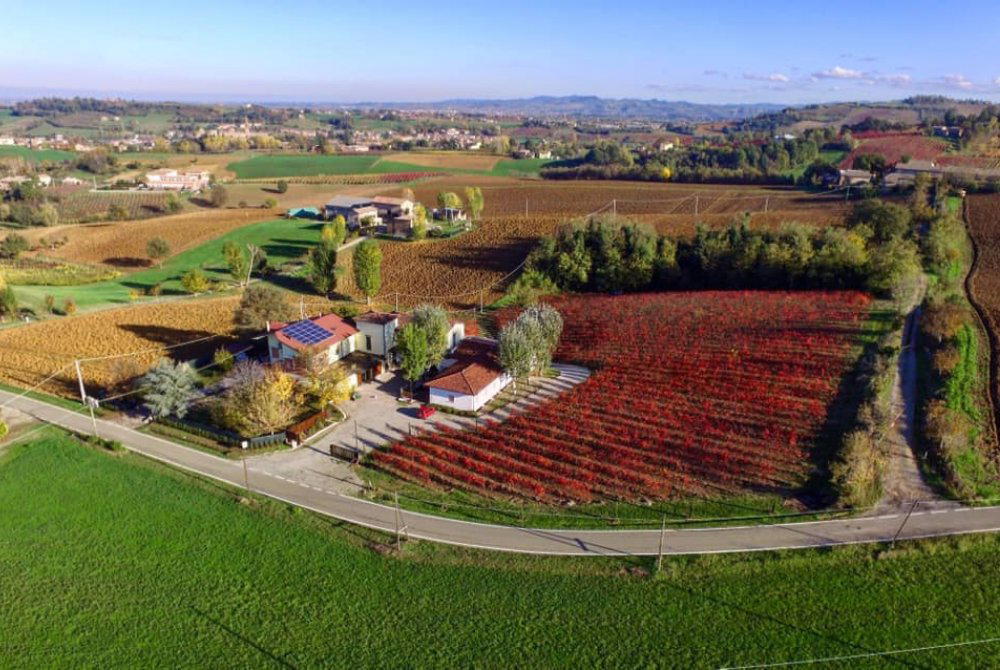
Hombre occupies a compelling position in Modena's dining scene, a city already defined by some of Italy's most exacting culinary standards. The space invites attention through its physical character, sitting within a broader local tradition that prizes craft, precision, and a certain refusal of the obvious. For visitors exploring Emilia-Romagna's gastronomic depth, it warrants a place in the itinerary.
- Address
- Modena, Italy
- Directions
- Get directions
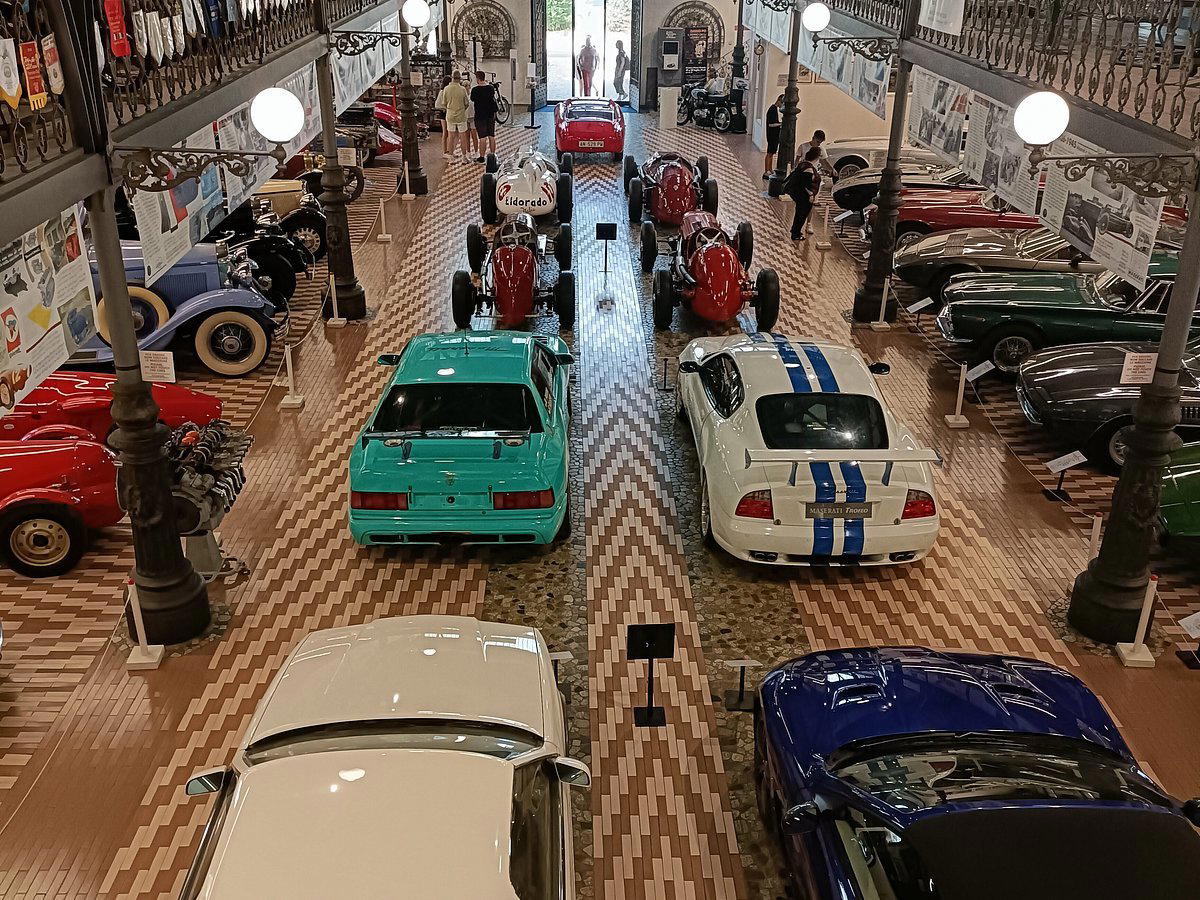
Modena's Dining Scene and Where Hombre Sits Within It
Modena has built among the more concentrated culinary reputations in Europe on a relatively small geographic footprint. The city that gave the world aged balsamic vinegar, Lambrusco, and, through Massimo Bottura's Osteria Francescana, a three-Michelin-starred global reference point, does not lack for confident, self-aware dining. The better question for any venue operating here is not whether the food culture is serious, but where a given address positions itself inside a scene that ranges from multigenerational trattorias to avant-garde tasting counter formats. Hombre sits within this context, drawing on Modena's layered identity in ways that reward visitors who approach the city with some knowledge of what came before. For a broader orientation across the city's dining and accommodation options, our full Modena restaurants guide maps the key decisions worth making.
The Physical Experience: Atmosphere and Design Logic
In a city where design often defers to historical weight, the spaces that register most tend to do so through restraint rather than gesture. Emilia-Romagna's architectural vernacular, terracotta, exposed brick, deep-set windows, exerts a quiet pressure on interior decisions, and the establishments that work leading tend to respond to that pressure honestly rather than fight it. Hombre's physical presence reads as part of that local conversation. The design approach favours material authenticity over decorative layering, which aligns with a broader movement in northern Italian hospitality toward spaces that feel deliberate rather than assembled from trend references. Where some venues in this price tier reach for theatrical contrast, the stronger position in Modena tends to be one of considered restraint, letting the quality of materials and light carry the room. This is the spatial logic that defines the more compelling addresses in the region, from the measured interiors found at Casa Maria Luigia just outside the city to the site-specific design intelligence visible at Castello di Reschio in Lisciano Niccone.
Across the Italian hospitality circuit, the properties that sustain long-term critical attention share a common characteristic: they make the space feel earned rather than applied. The Four Seasons Hotel Firenze in Florence does this through Renaissance architecture given new operational purpose. Aman Venice in Venice does it through the stripped-back presentation of a palazzo interior that might otherwise overload any room. At a different scale, Forestis Dolomites in Plose achieves something similar through austere Alpine materiality. The design principle, that a space should feel like it knows what it is, matters as much in Modena's dining rooms as in these broader Italian contexts.
Culinary Tradition as the Frame
Any serious engagement with Emilia-Romagna's food culture begins with the recognition that this is one of the few Italian regions where the traditional and the progressive have managed to coexist without either cannibalizing the other. The traditional end, handmade pasta, slow-braised meats, the regulated precision of products like Parmigiano-Reggiano and prosciutto di Modena, sets a high floor. The progressive end, now anchored internationally by Bottura's work and locally by a generation of chefs who trained through his kitchen, pushes technique and sourcing in directions that would be considered radical in less self-assured cities. Venues operating in the space between these poles have one interesting editorial position: they can draw on the weight of regional tradition while refusing to be museum pieces. That tension, between inheritance and interpretation, is what gives Modena's better dining addresses their particular energy.
This dynamic has parallels elsewhere in northern Italy. The wine-anchored hospitality of Rosewood Castiglion Del Bosco in Montalcino places guests inside a specific agricultural tradition. Borgo San Felice Resort in Castelnuovo Berardenga operates similarly in Chianti's range of vine and stone. In each case, the strength comes from specificity of place, not from generic luxury signaling. Modena's restaurant scene functions on the same logic.
Planning Your Visit
Modena rewards visitors who build their stays around at least two to three days in the city proper, with time allocated both for the established anchor addresses and for smaller, less-documented rooms that reflect the city's culinary range. The city is accessible by high-speed rail from Bologna in under thirty minutes and from Milan in just over an hour, which makes it workable as a day trip but more rewarding as an overnight or multi-night base. Visitors combining a Modena dining program with broader Emilia-Romagna or northern Italian travel might pair the city with wine-focused stays at Castelfalfi in Montaione or lakeside escapes such as Grand Hotel Tremezzo in Tremezzo and EALA My Lakeside Dream in Limone sul Garda. For those extending south into Italy's coastal or island circuits, Borgo Santandrea on the Amalfi Coast, Il San Pietro di Positano in Positano, and JK Place Capri in Capri form a logical southern arc. Longer Italian itineraries might also include Bulgari Hotel Roma, Il Pellicano in Porto Ercole, Borgo Egnazia in Savelletri di Fasano, Passalacqua in Moltrasio, Bellevue Syrene 1820 in Sorrento, Castel Fragsburg in Merano, Portrait Milano in Milan, or Corte della Maestà in Civita di Bagnoregio. Travelers arriving from or departing toward North America might anchor around Aman New York, The Fifth Avenue Hotel in New York City, or the desert-format design of Amangiri in Canyon Point.
A Quick Peer Check
Comparable venues nearby, for context on price, style, and recognition.
| Venue | Cuisine | Price | Awards | Notes |
|---|---|---|---|---|
| HombreThis venue — the venue you are viewing | Hotel | Not listed | Not listed | Not listed |
| Hotel Cervetta 5 | Contemporary boutique hotel blending minimalist luxury with eclectic rustic elements in a heritage building. | $$ | 3-Star | Old Town Modena |
| Hotel Rua Frati 48 in San Francesco | Luxury boutique in Renaissance palace | $$$$ | 5-Star | San Francesco |
| Casa Maria Luigia | Restored 18th-century country house blending culinary heritage with contemporary art and design | $$$$ | Michelin 3 Key | San Damaso |
| New-build hotel project - Valmontone | midscale collection with local character | $$ | Not listed | Valmontone |
| SoprArno Suites | Restored 16th-century palazzo offering a residential-style boutique guesthouse experience. | $$$ | Not listed | Santo Spirito |
Continue exploring