Henry's Townhouse, Marylebone

Mr & Mrs Smith Seal of Approval
Henry's Townhouse occupies a Georgian address on Upper Berkeley Street in Marylebone, placing it squarely in one of London's most composed residential neighbourhoods. The property operates in the smaller, character-led tier of London accommodation, where scale gives way to atmosphere and the texture of a private home shapes the guest experience. For travellers seeking proximity to Mayfair without the full-hotel apparatus, it sits in a distinct bracket.

Pearl is the En Primeur Club membership app — saves, bookings, and concierge access live there. Same editors, same standards.
- Address
- 24 Upper Berkeley St, London W1H 7QH, United Kingdom
- Phone
- +44 1451 850577
- Directions
- Get directions
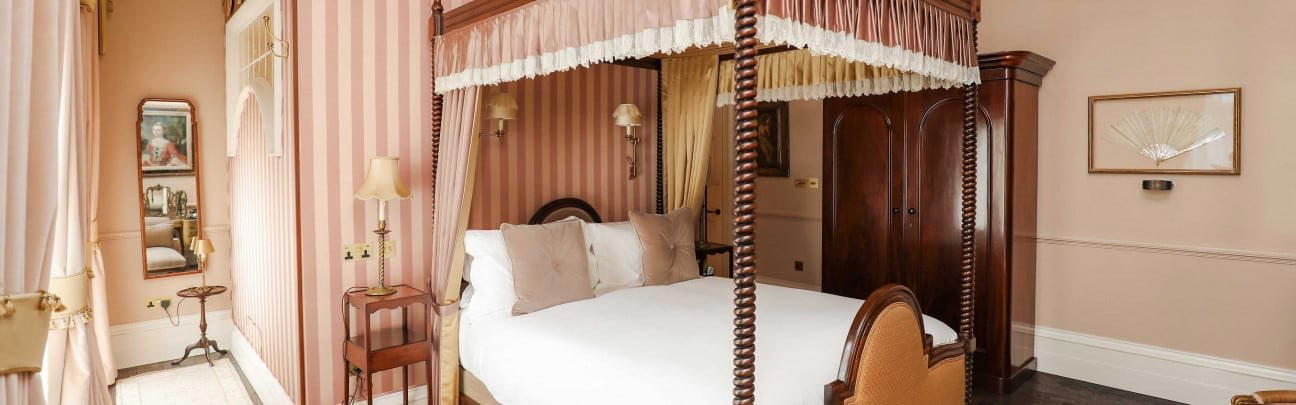
A Marylebone Address in Context
Upper Berkeley Street sits at the northern edge of Marylebone, close enough to Portman Square that the Georgian terraces read as genuinely residential rather than hotel-corridor. This is the part of London where independent townhouse properties have quietly multiplied over the past decade, offering an alternative to the full-service grand hotels that line Park Lane and Mayfair proper. The category has its logic: guests who want a London base that feels less like a lobby and more like a borrowed flat in the right postcode. Henry's Townhouse, at number 24, positions itself within that grouping.
The townhouse format in London carries specific expectations. Narrower staircases, rooms that vary in proportion from floor to floor, and common spaces that feel used rather than staged. At this end of Marylebone, the neighbourhood itself contributes significantly to the experience: the Saturday farmers' market on Cramer Street is a short walk, Marylebone High Street's independent retailers are closer still, and the Wallace Collection on Manchester Square is within easy reach. Guests are not sealed inside a property but connected to a part of the city that rewards slow exploration on foot.
The Guest Experience in a Smaller Property Format
Smaller London properties operate on a different service logic than large hotels. Without the staffing depth of a Claridge's or a The Savoy, the interaction between guests and staff becomes more direct and, at its finest, more considered. The townhouse model depends heavily on whether that directness translates into genuine attentiveness or simply reduced bandwidth. Properties that get this right tend to operate with small, consistent teams who know the building and the surrounding neighbourhood in detail, rather than rotating staff working from a standardised script.
This service philosophy, common to the better-performing end of the townhouse category, favours anticipation over reaction. A team that can tell you which table at the local Spanish restaurant is worth requesting, or which evening is too crowded to be enjoyable, adds a layer of value that no concierge desk at a 300-room hotel can reliably provide. The trade-off is that the physical facilities are necessarily more limited: no pool, no spa, no multiple dining outlets. What replaces that is the texture of staying somewhere that has rooms on different floors, morning light that falls differently depending on where you are in the building, and a pace that doesn't run on the rhythm of a large operation.
For comparison, the townhouse accommodation category in London spans from loosely supervised serviced apartments to tightly managed boutique properties with genuine hospitality intent. 11 Cadogan Gardens in Chelsea represents one well-regarded version of the format in a different neighbourhood. The Emory near Hyde Park Corner occupies a more architecturally distinct position. Henry's Townhouse sits closer to the understated residential end of this range, where the draw is neighbourhood and atmosphere rather than facilities or formal recognition.
Marylebone as a Base for London
The neighbourhood argument for Marylebone is consistent across most serious assessments of London's accommodation geography. It is neither as frenetically central as Soho nor as removed as South Kensington. Bond Street underground station is a short walk south, giving direct access to the Central and Jubilee lines. Paddington, for Heathrow Express connections, is reachable within fifteen minutes. The density of good independent restaurants within walking distance is among the higher concentrations in central London, with Chiltern Street and the High Street both carrying options across a range of formats and price points.
For travellers arriving from other UK cities, the location relative to Marylebone station is worth noting. The Chiltern Railways service into Marylebone from Birmingham and the Cotswolds makes this postcode particularly logical for anyone combining a London stay with travel further north or west. Properties like Estelle Manor in North Leigh in Oxfordshire or Lime Wood in Lyndhurst in the New Forest sit at either end of routes that connect naturally through Marylebone. For a broader UK itinerary, this matters.
The neighbourhood is also one of the calmer central London environments for leisure walkers. Regent's Park is accessible from the northern end of the district in under twenty minutes on foot, and the park's formal gardens and open-air theatre programme give structure to an afternoon that doesn't require a car or a ticket booking. This is relevant context for guests staying at smaller properties without on-site amenity, for whom the surrounding area functions as an extension of the accommodation itself.
Planning Your Stay
Prospective guests should contact Henry's Townhouse directly to confirm current availability, rates, and room configuration, as specific pricing and booking procedures are not published in third-party databases at this time. Given the property's format and address, it is likely to appeal most directly to travellers who value neighbourhood integration over hotel infrastructure and who are comfortable with the more intimate scale of a townhouse operation. Those requiring full-service amenities, formal dining on-site, or facilities comparable to larger Mayfair properties should weigh options across the wider London market before confirming.
For context on what the broader London hotel market offers at different scales and price points, our full London restaurants and hotels guide provides comparative coverage across neighbourhoods. Travellers specifically interested in larger-scale alternatives in adjacent areas might consider NoMad London in Covent Garden, Raffles London at The OWO on Whitehall, or 1 Hotel Mayfair for a sustainability-led design alternative. Beyond London, the UK townhouse and country house category includes The Newt in Somerset in Castle Cary, Gleneagles in Auchterarder, and King Street Townhouse Hotel in Manchester for those building out a wider British itinerary.
Cuisine and Credentials
| Venue | Cuisine | Price | Awards |
|---|---|---|---|
| Henry's Townhouse, MaryleboneThis venue — the venue you are viewing | This venue | Not listed | Mr & Mrs Smith Seal of Approval |
| Raffles London at The OWO | World's 50 Best | $1,000–1,500 | 3 Michelin Keys · World's 50 Best #28 |
| The Connaught | World's 50 Best | $1,000–1,500 | 3 Michelin Keys · World's 50 Best #49 |
| 51 Buckingham Gate, Taj Suites and Residences | Not listed | Not listed | Michelin Selected · La Liste Top Hotels |
| Bvlgari Hotel London | Not listed | Not listed | 2 Michelin Keys · La Liste Top Hotels |
| COMO Metropolitan London | Not listed | Not listed | Michelin Selected · Forbes 4-Star |
Recognition history
Dated appearances from independent guides and award organizations, with the underlying list record or original source where available.
Mr & Mrs Smith Seal of Approval
Mr & Mrs Smith
Continue exploring
More in London
Hotels in London
Browse all →
Bars in London
Browse all →
Restaurants in London
Browse all →



Details
- Elegant
- Cozy
- Sophisticated
- Ornate
- Romantic
- Classic
- Romantic Getaway
- Anniversary
- Weekend Escape
- Historic Building
- Terrace
- Wi Fi
- Room Service
- Concierge
- Step Free Entrance
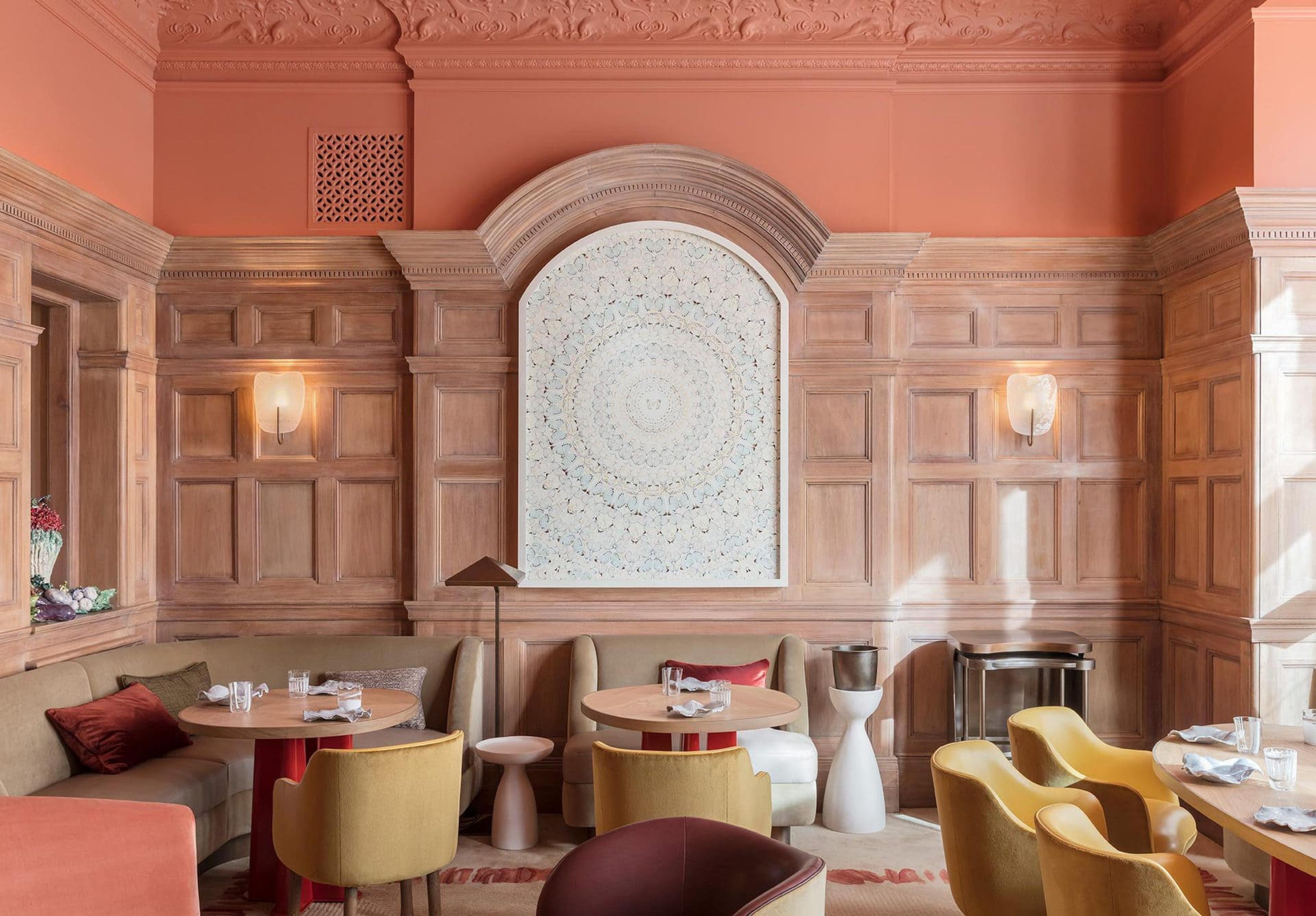
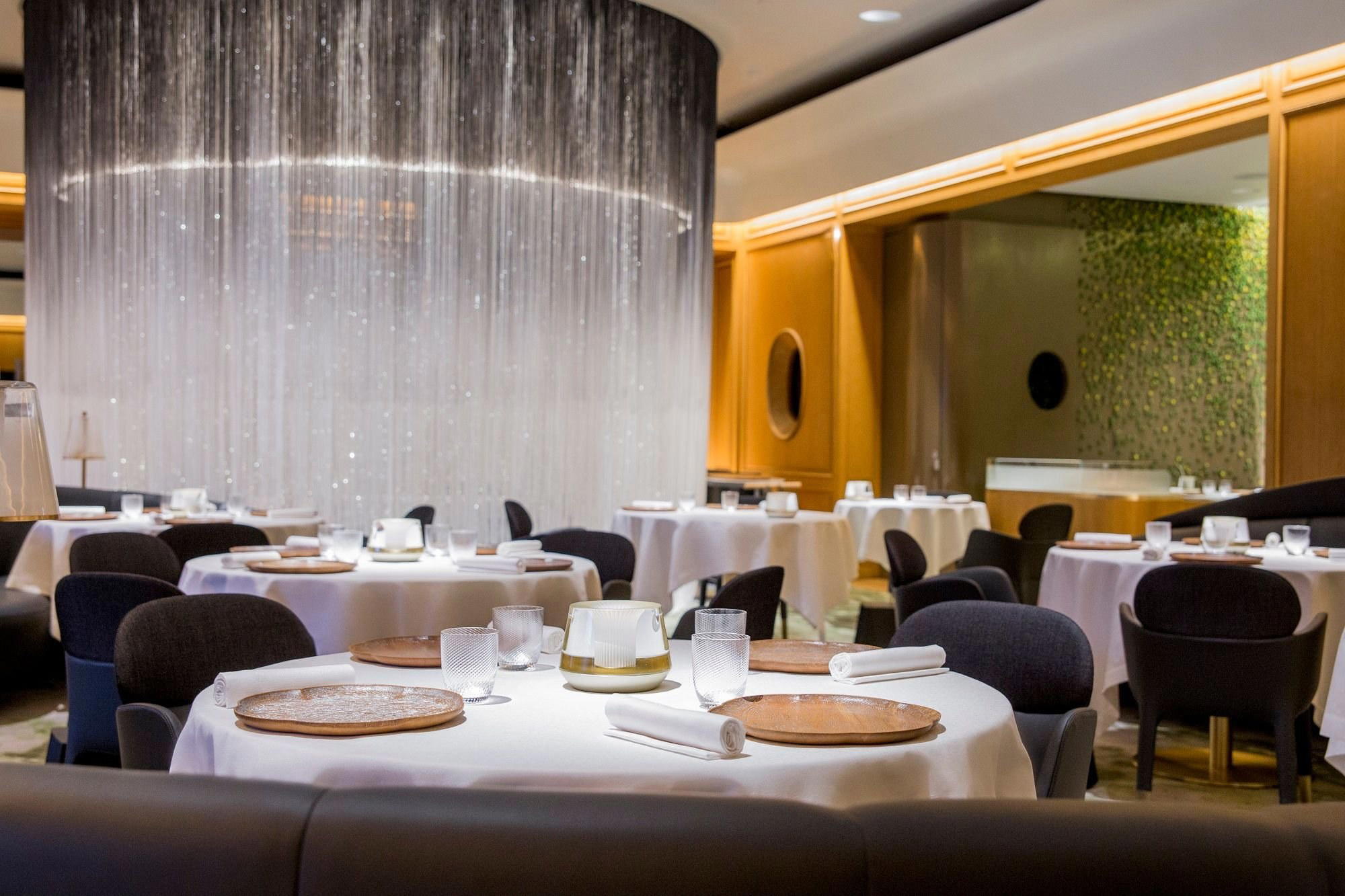
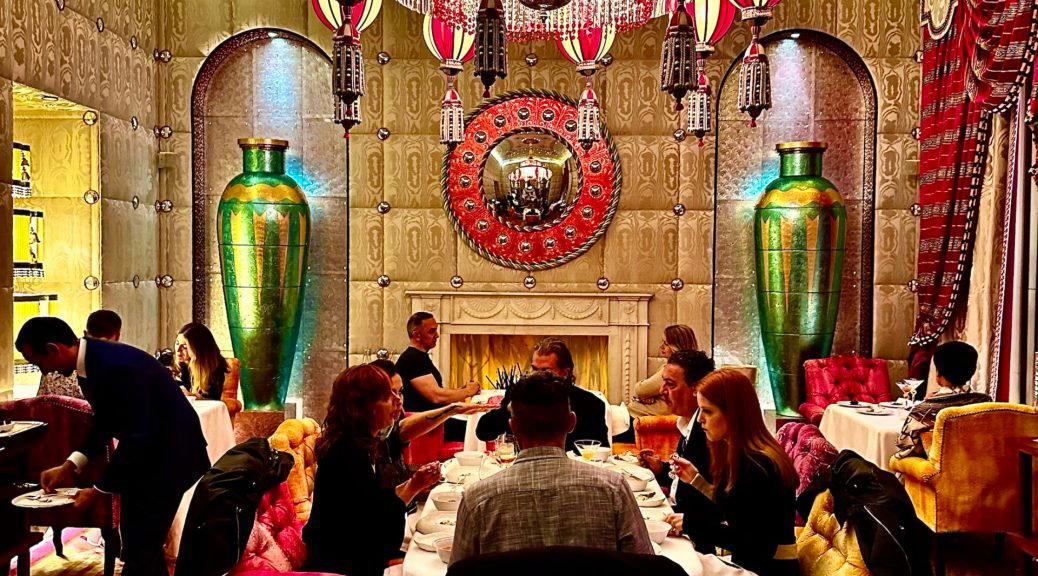
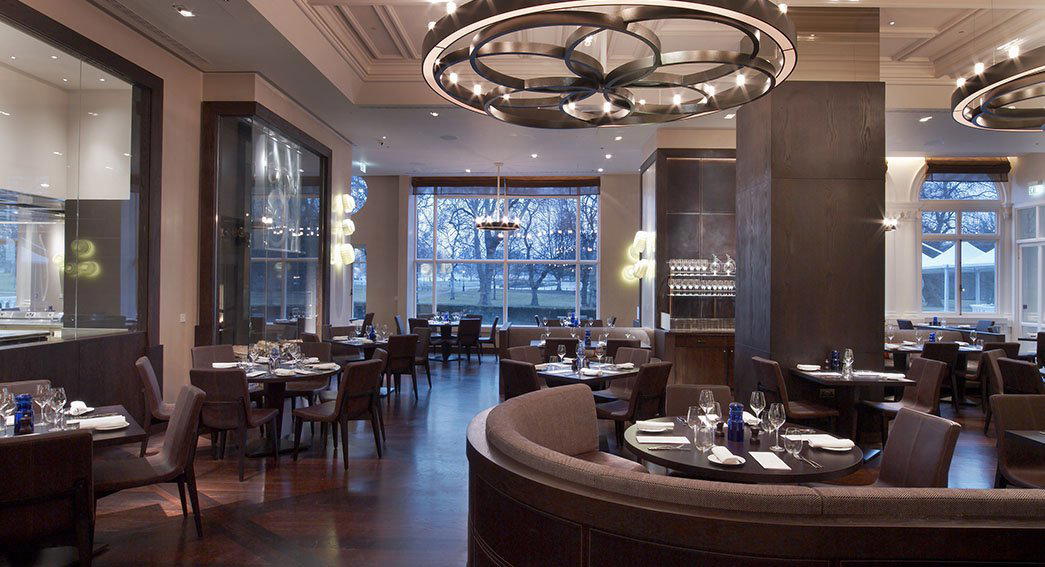
Ornate Regency-inspired interiors with sumptuous velvet fabrics, chandeliers, antiques, layered wallpapers, and a cozy, homely yet decadent atmosphere.