Harbour Hotel Bristol
On Corn Street, the historic commercial spine of Bristol's Old City, Harbour Hotel occupies a building with more than three centuries of financial and civic history behind it. The address places guests at the centre of a walkable district where Georgian architecture, independent restaurants, and the old harbourside converge. It is a reference point for visitors who want the city's working core rather than its residential outskirts.

Pearl is the En Primeur Club membership app, where members save venues, book tables and use the concierge.
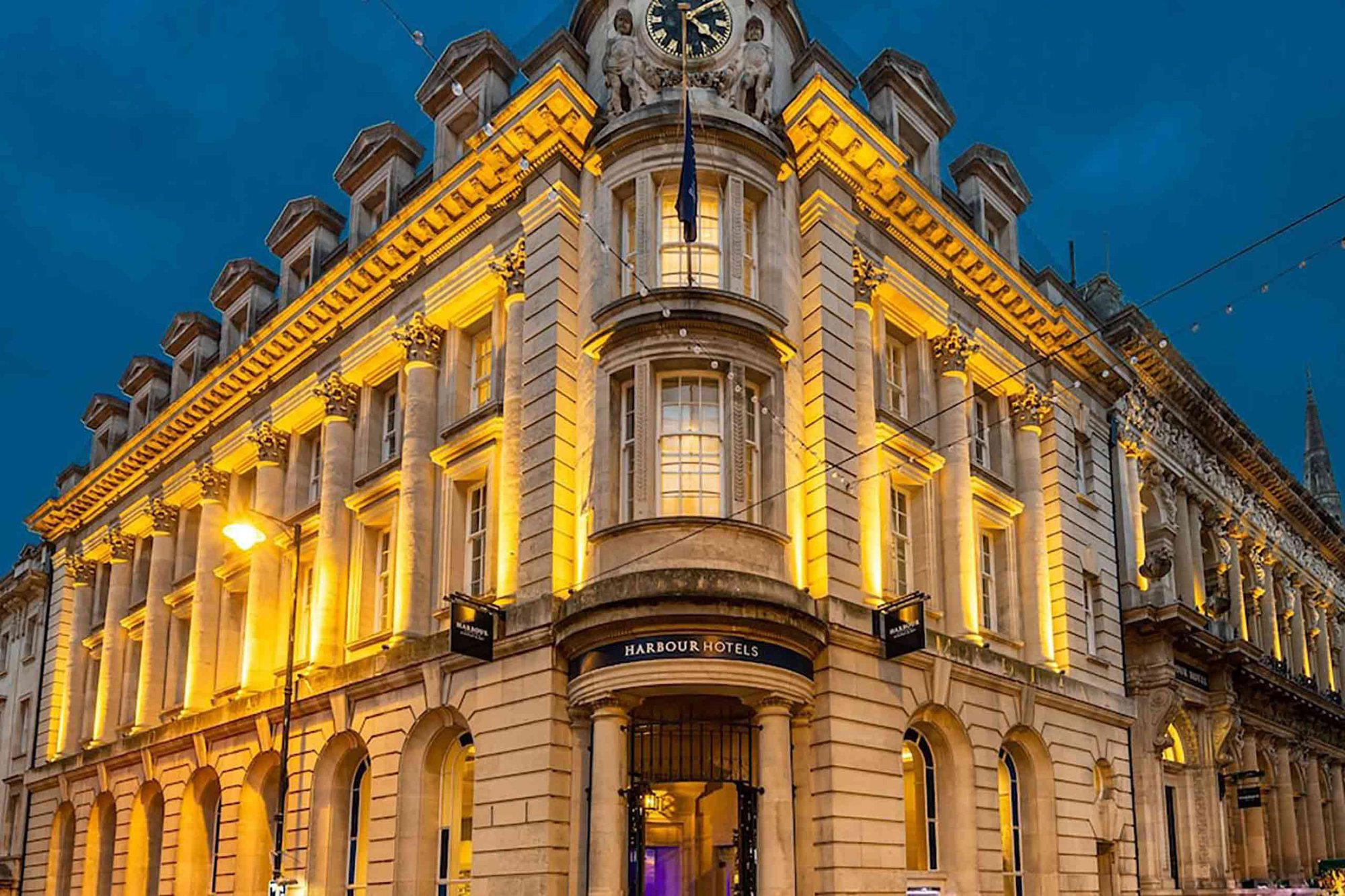
Corn Street and the Weight of Bristol's Commercial Past
There are hotel addresses in Bristol, and then there is Corn Street. The street served as the city's financial centre from the seventeenth century onward, lined with the exchange buildings, banking halls, and merchant houses that processed the wealth of a major Atlantic port. The four bronze tables still embedded in the pavement outside the old Corn Exchange, the original 'nails' on which merchants paid debts in cash, giving English the phrase 'paying on the nail', are as good a summary of the street's character as any heritage plaque. When Harbour Hotel converted 53-55 Corn Street into its Bristol property, it was inserting a contemporary hotel into a building that had already witnessed several centuries of commercial life in one of England's most consequential port cities.
That historical density is not incidental to the experience of staying here. Hotels in genuinely old city-centre buildings carry an atmosphere that purpose-built properties and edge-of-centre conversions rarely replicate. The civic seriousness of the Old City, the solidity of the stonework, the width of the street, the proximity of the Corn Exchange itself, sets a tone before guests reach the lobby. For context on how Bristol's hotel stock divides between heritage-core and neighbourhood-character properties, see our full Bristol restaurants and hotels guide.
The Old City as a Base: What the Address Actually Means
Bristol's Old City occupies a compact triangle between the waterfront, Broadmead, and the western edge of Cabot Circus. Corn Street sits at the heart of it, which means Harbour Hotel guests are within a short walk of the Floating Harbour, King Street's historic pub row, the Theatre Royal (England's oldest working theatre in continuous use, dating to 1766), and the independent restaurant concentration along Welsh Back and Whiteladies Road. The distance to Temple Meads station, Bristol's main rail hub with direct services to London Paddington in under two hours, is manageable on foot or a brief taxi ride.
The neighbourhood dynamic differs from Clifton, where Number 38 Clifton and Avon Gorge by Hotel du Vin offer residential calm and gorge views, and from Stokes Croft, where Artist Residence Bristol leans into the area's creative identity. Corn Street is older, more formally constituted, and more immediately connected to the working city, a different proposition for a different kind of stay.
Heritage Hotel Conversions: The Broader Pattern
Across British cities with significant Georgian or Victorian commercial cores, the conversion of historic banking halls and merchant buildings into hotels has become a recognisable format. King Street Townhouse Hotel in Manchester follows a closely parallel logic, occupying a former Italian Renaissance-style bank on a street with a comparable civic pedigree. Hope Street Hotel in Liverpool sits in a converted carriage works on a street connecting the city's two cathedrals. In each case, the building's original purpose, commerce, civic display, institutional weight, shapes what the hotel feels like, regardless of how the interior has been updated.
Harbour Hotel operates within this tradition rather than against it. The group has properties in other historic British cities, and the Bristol address represents its approach to city-centre heritage stock: retain the architectural character, update the operational infrastructure, and let the location carry the editorial weight it has always carried. For comparable heritage-led properties further afield, Claridge's in London and Gleneagles in Auchterarder represent the upper tier of the same instinct, buildings whose histories are inseparable from the experience of staying in them.
Bristol's Hotel Tier: Where Harbour Hotel Sits
Bristol's premium hotel market operates across several distinct sub-categories. There are the spa-led leisure properties, the design-forward boutique options, the rural retreats within driving distance, and the city-centre hotels that trade on location and building character. Bristol Lido is a case study in the first category, built around its Victorian swimming pool and destination restaurant. The Bristol Hotel competes directly on the city-centre corporate and leisure tier. Full Moon Inn sits in a different register entirely, operating as a pub-with-rooms in the Stokes Croft area.
Harbour Hotel Bristol aligns with the city-centre heritage sub-category, where the primary credential is the address and the building rather than a destination spa, a celebrated kitchen, or a design programme that could stand on its own. For travellers whose priority is walkability to the Old City's cultural and restaurant concentration, that credential is the relevant one. Those prioritising a rural escape alongside a Bristol visit might weight The Newt in Somerset or Lime Wood in Lyndhurst differently in a shortlist.
Arrival, Timing, and Planning
Spring and autumn are the most practical seasons for a Bristol city-centre stay. The summer months bring festival traffic, Harbour Festival typically occupies the waterfront in July, which increases both room rates and the general animation of the harbour area. Winter visits offer a quieter version of the Old City, with the Christmas market on Corn Street itself creating a short window of particular character in late November and December, when the street's historic setting gives the market more atmosphere than most purpose-built sites manage.
Booking well ahead is advisable for weekend stays year-round, since Bristol's combination of strong inbound leisure demand and a relatively constrained premium hotel supply keeps occupancy high across the city-centre tier. The property's Corn Street address means it is on-foot from the majority of Old City dining and drinking options, which matters for guests who prefer not to rely on taxis after dinner. Bristol's restaurant concentration along Whiteladies Road and Clifton is a short cab ride; the Welsh Back and King Street options are walkable from the front door.
For international comparisons within the heritage-conversion format, Aman Venice and Aman New York occupy the furthest extreme of that category in terms of ambition and price. Within the UK, Estelle Manor in North Leigh and Muir in Halifax offer instructive parallels in how historic properties can be repositioned for a contemporary premium market. Scottish equivalents worth cross-referencing include Glasgow Grosvenor Hotel and Dun Aluinn in Aberfeldy, while coastal heritage stays such as Lifeboat Inn in St Ives, Langass Lodge, and Glen Mhor Hotel in Highland illustrate how the format adapts across very different geographic contexts. For a rural American comparison, Nicewonder Farm and Vineyards shows what heritage-led hospitality looks like when the asset is agricultural rather than architectural. And Burts Hotel in Melrose is a useful marker for smaller-scale heritage properties where town-centre positioning drives the value proposition in the same way it does on Corn Street.
City Peers
| Venue | Price | Awards |
|---|---|---|
| Harbour Hotel BristolThis venue (the venue you are viewing) | $100–200 | Not listed |
| Nicewonder Farm & Vineyards | $200–300 | Forbes 4-Star |
| Artist Residence Bristol | $200–300 | 1 Michelin Key · Mr & Mrs Smith Seal of Approval |
| Number 38 Clifton | $200–300 | 1 Michelin Key · Good Hotel Guide Best B&B |
Continue exploring
More in Bristol
Hotels in Bristol
All hotels in Bristol →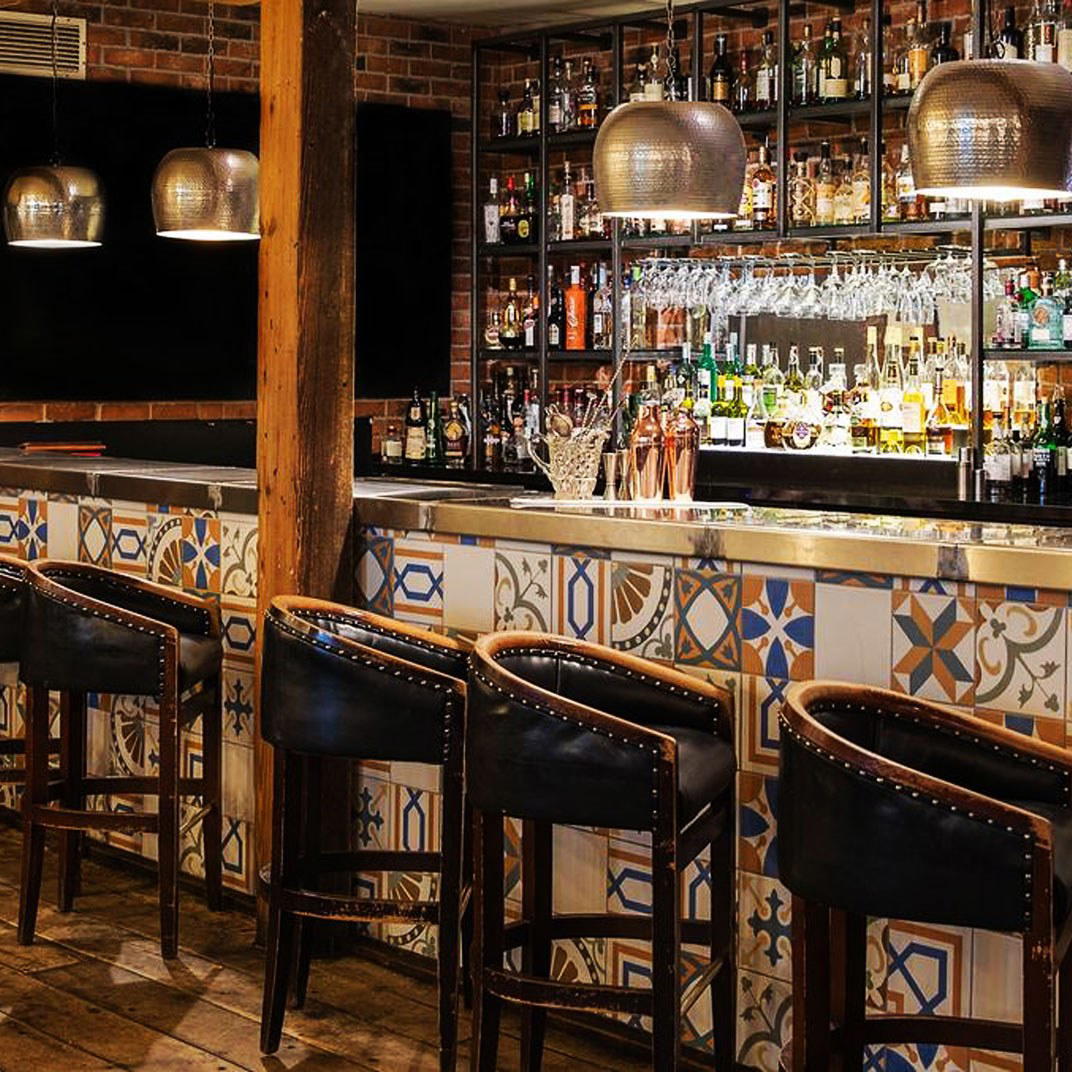
Bars in Bristol
All bars in Bristol →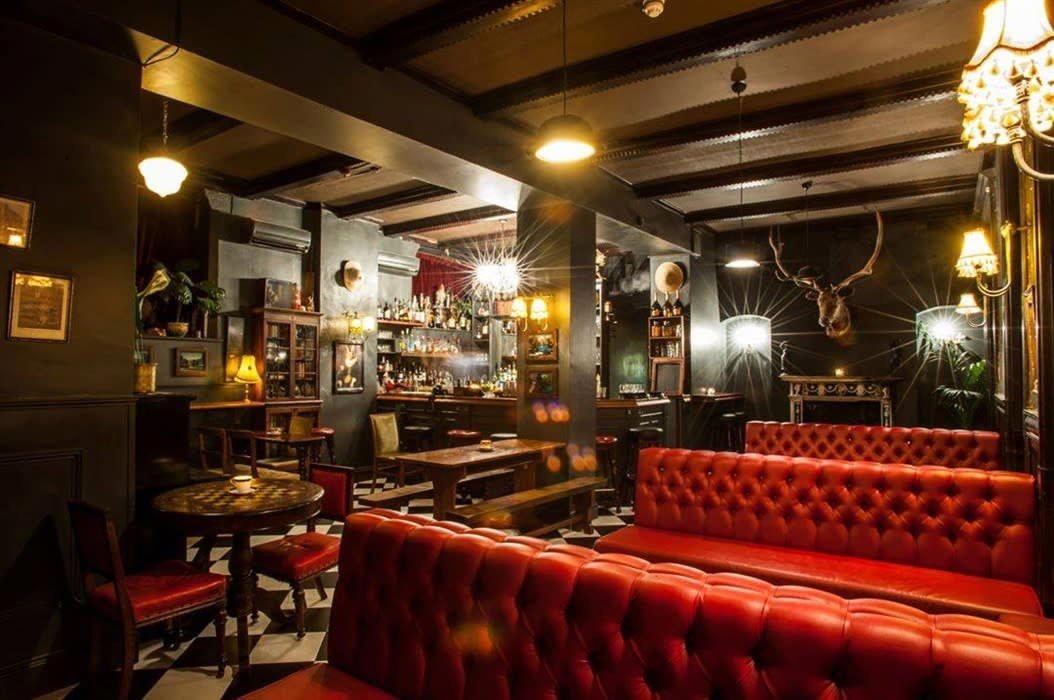
Details
- Elegant
- Modern
- Whimsical
- Sophisticated
- Romantic Getaway
- Business Trip
- Weekend Escape
- Historic Building
- Wi Fi
- Pool
- Spa
- Fitness Center
- Restaurant
- Room Service
- Street Scene
- Elevator
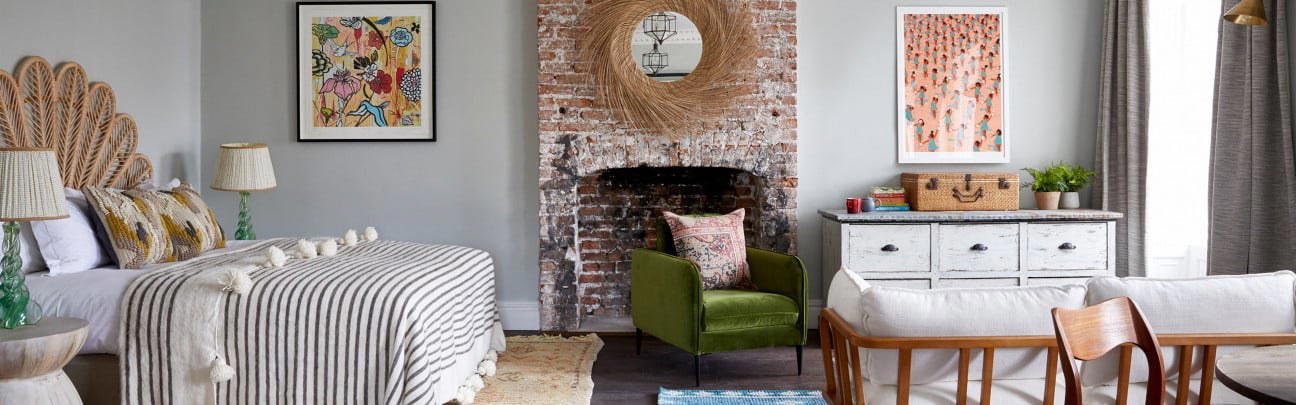
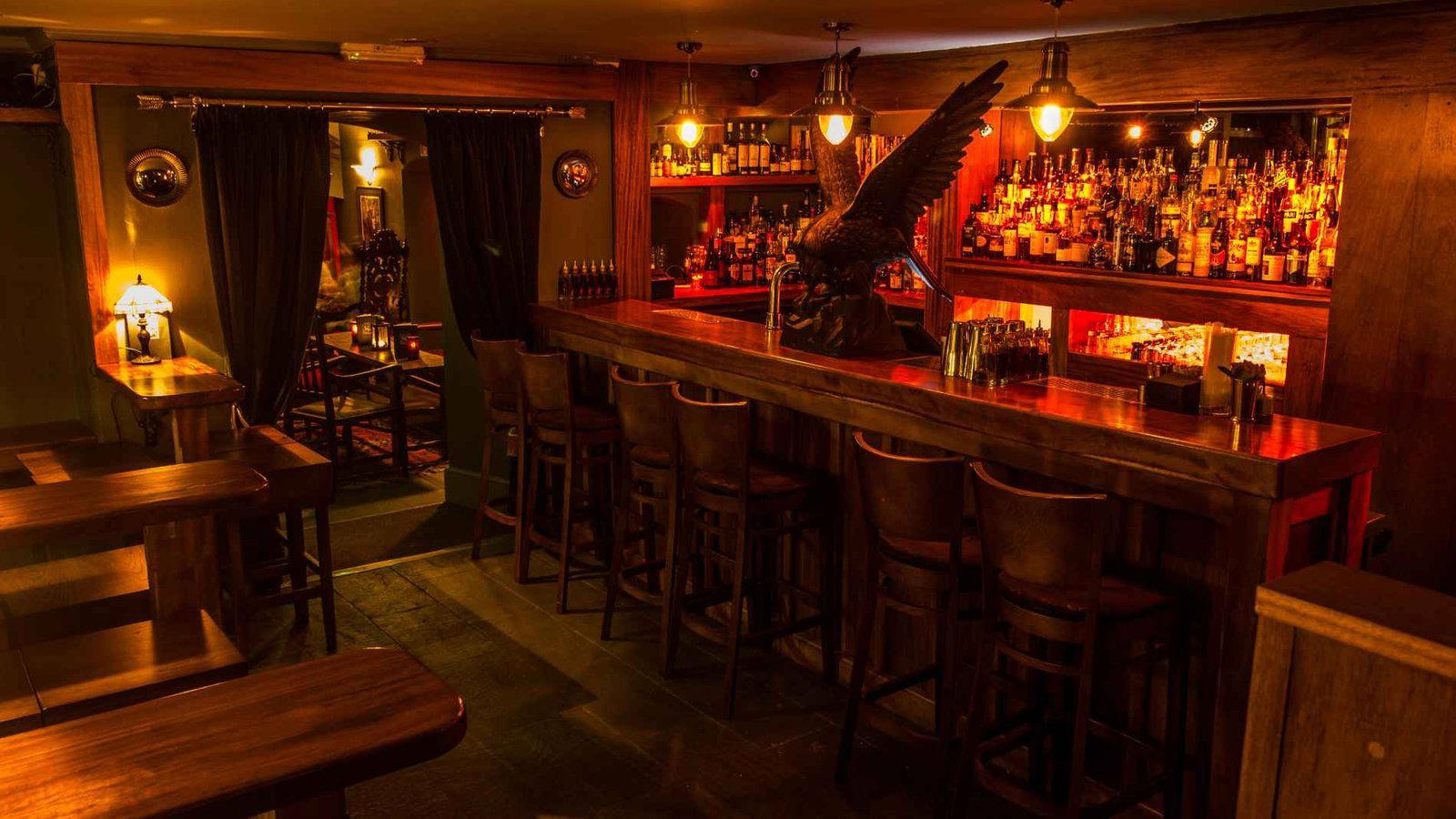
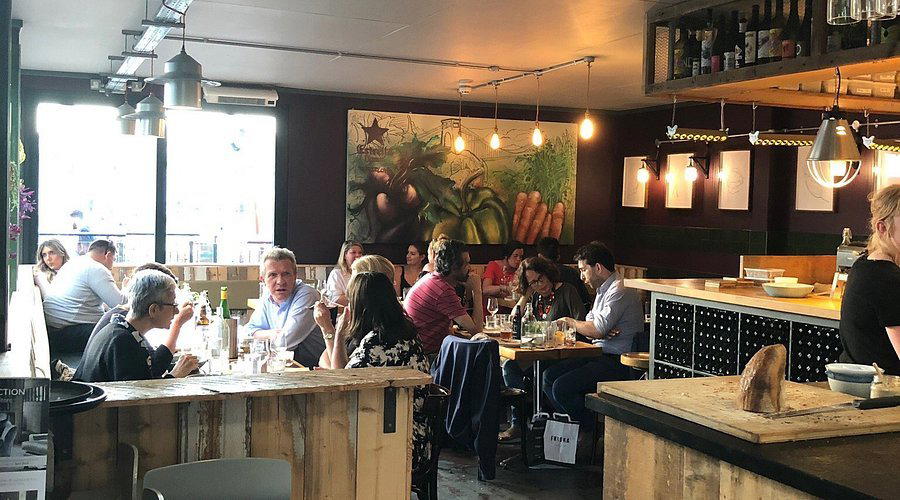
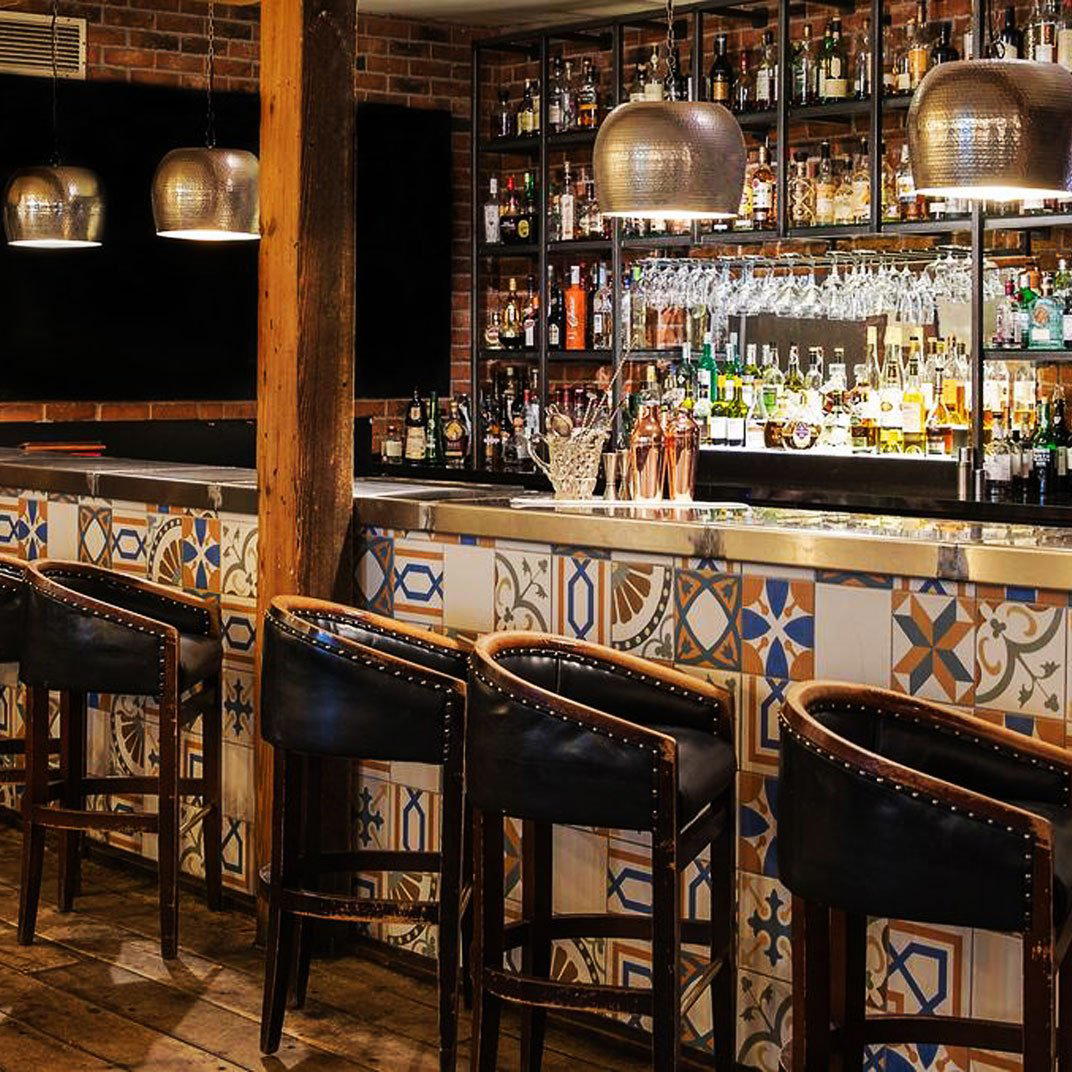
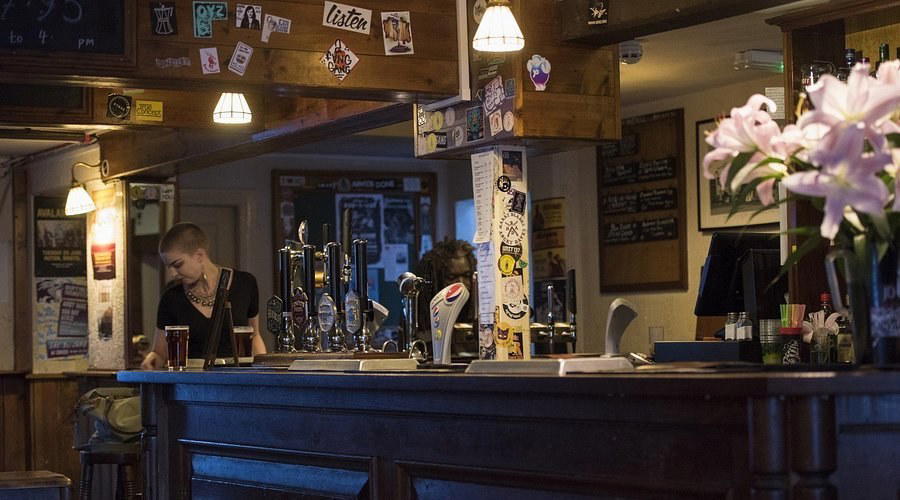
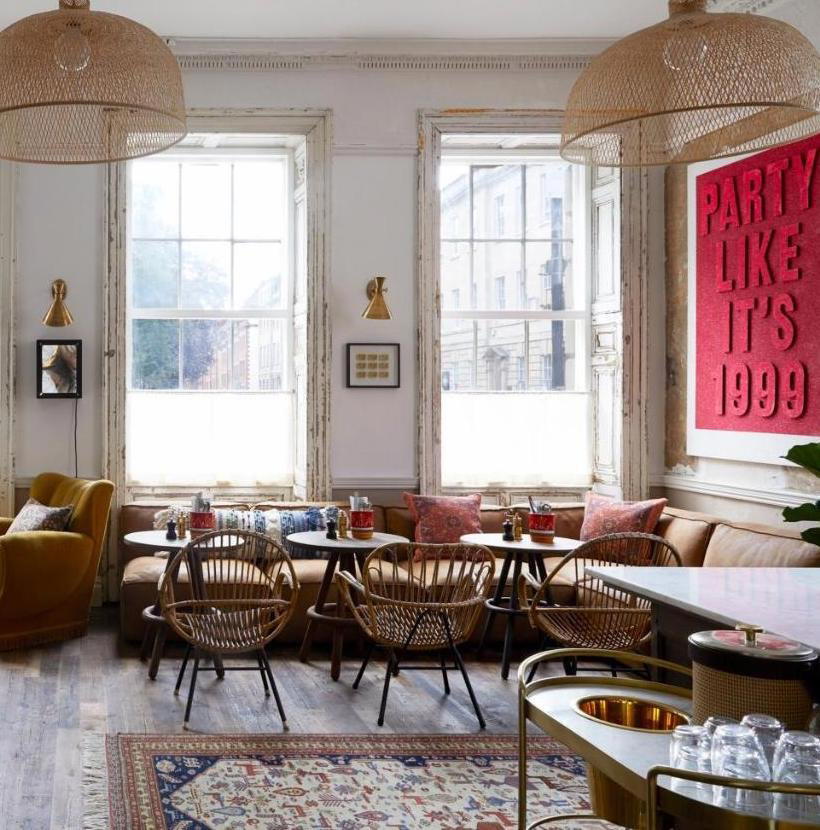
Atmospheric lighting, velveteen fabrics, elegant furnishings, and bold urban interiors creating a luxurious and quirky atmosphere.